Kurashiki Bikan Historical Quarter is one of Japan’s most atmospheric preserved canal districts, known for its white-walled storehouses, willow-lined waterways, art museums, and beautifully restored merchant-town streets. This guide is designed to help first-time visitors decide whether it is worth visiting, what to prioritize, how long to stay, and how to build an efficient itinerary from Okayama, Osaka, or Hiroshima.


What Is Kurashiki Bikan Historical Quarter?
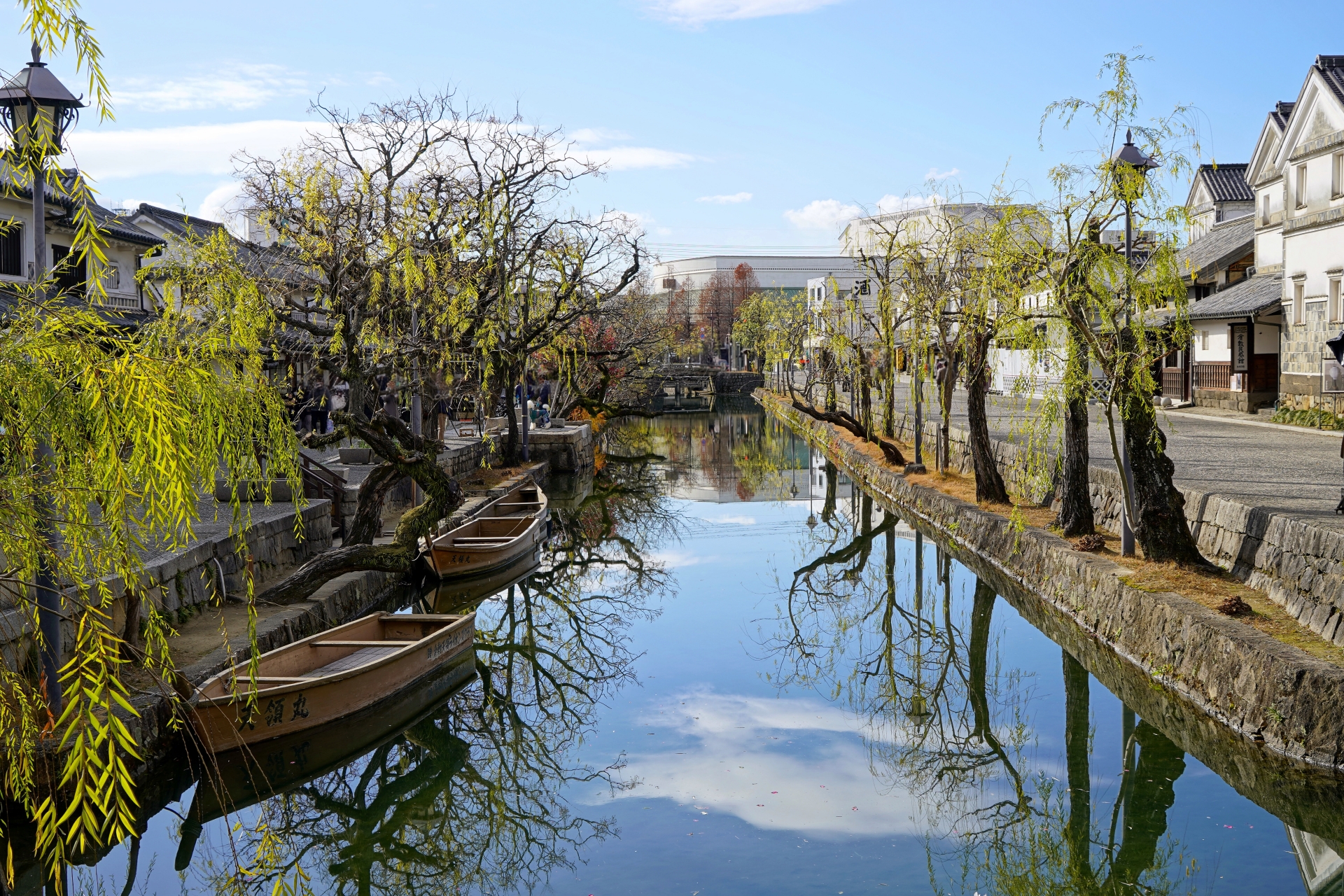
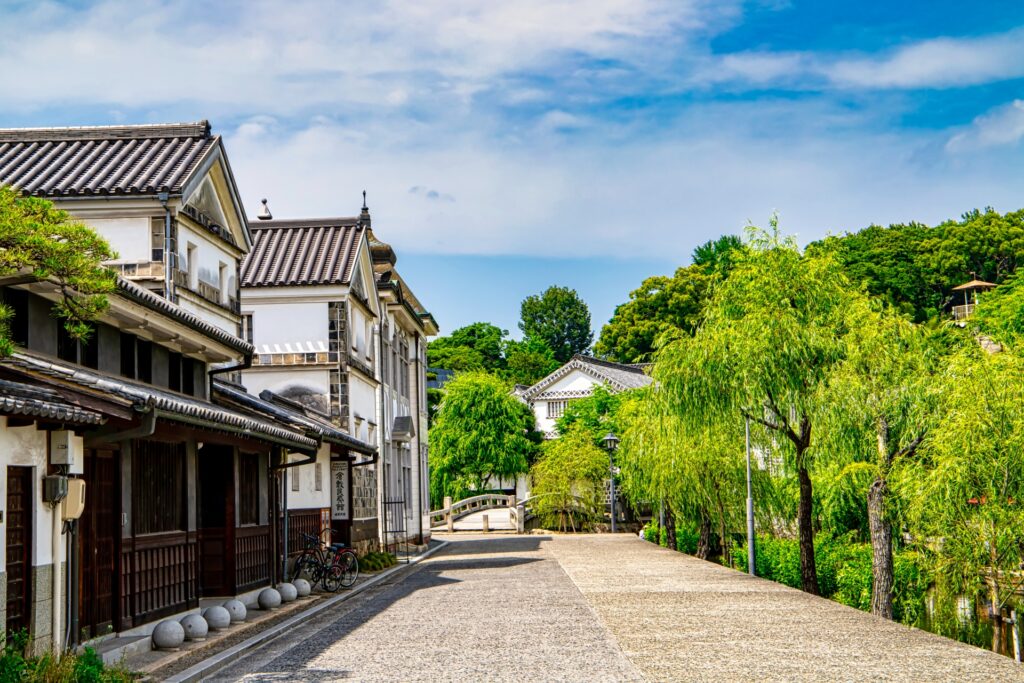
Kurashiki Bikan Historical Quarter is a beautifully preserved merchant district located in Kurashiki City, Okayama Prefecture, in western Japan. Historically, it flourished as a center of rice distribution during the Edo period, with goods transported along its canal system. Today, that same canal—lined with graceful willow trees—forms the visual centerpiece of the area, creating one of Japan’s most iconic historical landscapes.
The district is defined by its distinctive white-walled kura storehouses, black lattice windows, and namako wall patterns. These buildings once served as warehouses for merchants but have now been carefully restored and repurposed into museums, boutique shops, cafés, and galleries. This adaptive reuse gives the area a living, breathing quality that distinguishes it from more static historical zones.
Unlike Kyoto’s often crowded streets, Kurashiki offers a slower and more relaxed atmosphere. Visitors can wander freely without heavy congestion, especially in the early morning or evening. The combination of Edo-period charm with subtle Western influences from the Meiji era creates a layered aesthetic that feels both authentic and accessible. For travelers seeking a picturesque yet manageable historic district, Kurashiki stands out as a compelling alternative.

Is Kurashiki Bikan Historical Quarter Worth Visiting?
For most travelers, the answer is a clear yes. Kurashiki Bikan Historical Quarter offers a unique blend of history, culture, art, and scenery in a compact, walkable area. It is especially appealing to visitors who want a deeper cultural experience without the overwhelming crowds found in more famous destinations.
This destination is particularly well-suited for photographers, couples, art lovers, and slow travelers. The canal reflections, traditional architecture, and soft evening lighting create countless photo opportunities. Meanwhile, the presence of high-quality museums—especially the Ohara Museum of Art—adds intellectual and cultural depth rarely found in similar districts.
However, it may not be ideal for everyone. Travelers looking for high-energy nightlife or large-scale attractions may find it too quiet. Likewise, those with very limited time might prefer destinations with more condensed “must-see” highlights.
Best for / Not ideal for:
| Best for | Not ideal for |
| Photography & scenic walks | Nightlife seekers |
| Art & culture lovers | Travelers in a rush |
| Couples & relaxed trips | Theme park-style attractions |
| Unique day trips | Large group tours with tight schedules |
Overall, Kurashiki is best viewed as a “quality over quantity” destination—less about ticking boxes, more about enjoying atmosphere.
Best Things to Do in Kurashiki Bikan Historical Quarter
Kurashiki is not about rushing between attractions—it’s about immersing yourself in the setting. While there are several notable sights, the experience is defined by how you move through the space: slowly, intentionally, and with time to explore side streets and hidden corners.
Stroll Along the Canal and Historic Streets
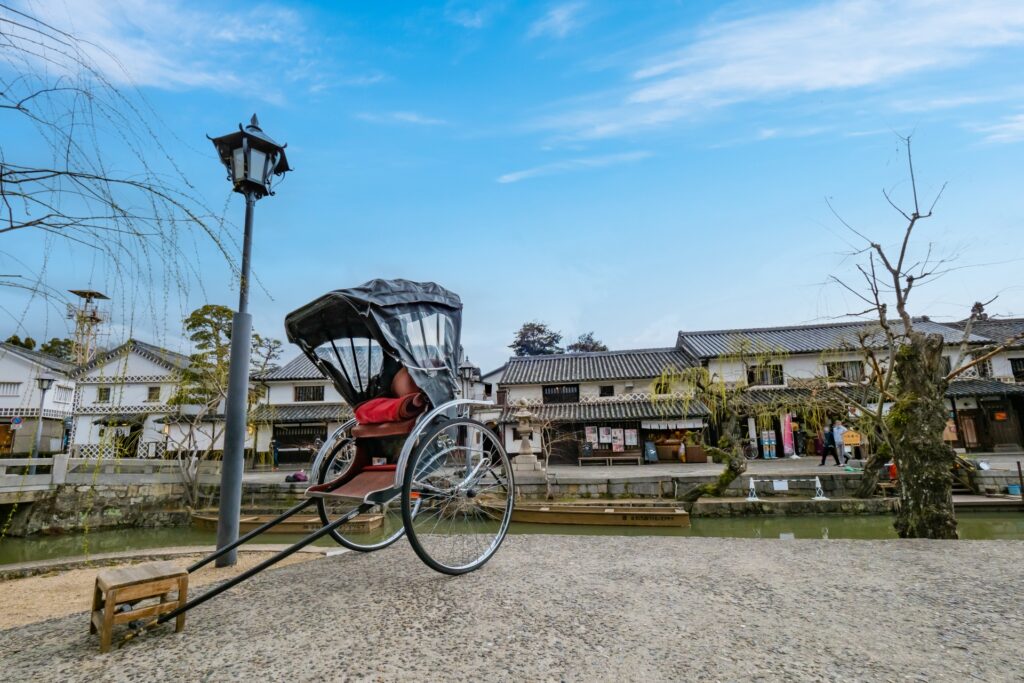
Walking along the canal is the heart of the Kurashiki experience. The gently flowing water, traditional wooden boats, and rows of white kura storehouses create a scene that feels almost cinematic. Stone bridges cross the canal at intervals, offering excellent vantage points for photos and quiet moments of reflection.
Beyond the main canal, narrow alleys reveal smaller shops, local galleries, and peaceful corners that many visitors overlook. These backstreets are where Kurashiki’s charm truly unfolds. You’ll find traditional architecture mixed with modern touches, giving the area a lived-in authenticity rather than a staged appearance.
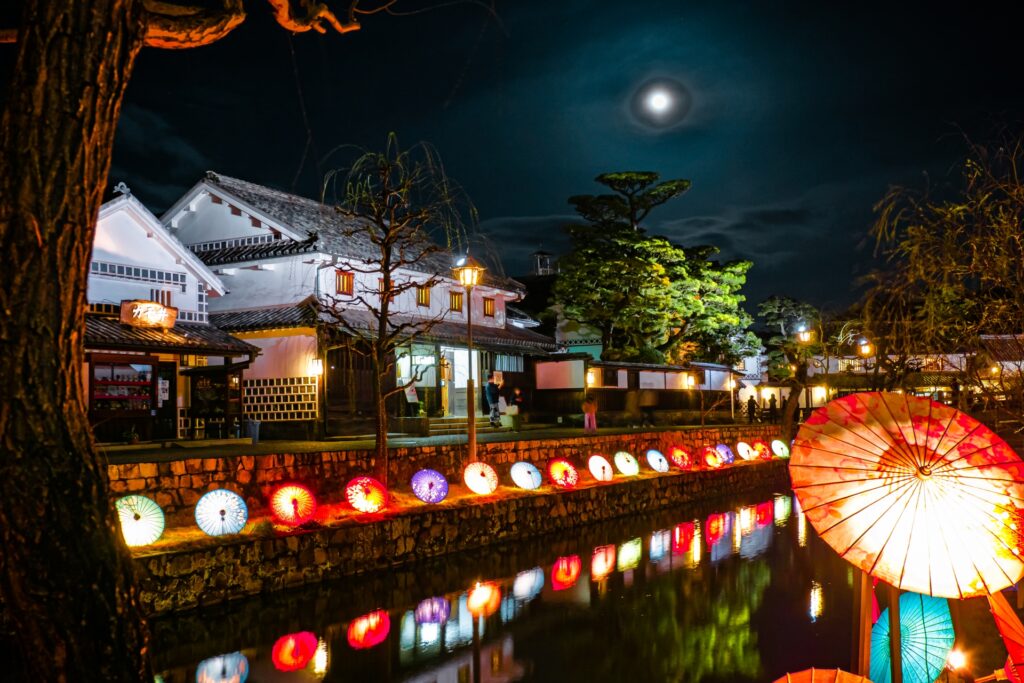
Photo tip: The best times for photography are early morning (soft light, fewer people), late afternoon (warm tones), and evening when the area is illuminated and takes on a romantic atmosphere.
Take the Kurashiki River Boat Ride
The canal boat ride is one of the most iconic experiences in Kurashiki. Sitting in a small wooden boat guided by a traditional boatman, visitors glide slowly along the canal while taking in the historic scenery from water level. The experience typically lasts around 15–20 minutes, making it a short but memorable activity.
What makes the boat ride special is the perspective it offers. From the water, the symmetry of the buildings, reflections, and willow branches becomes more pronounced. It’s also a relaxing break from walking, especially during warmer months.
Because the boats operate on a limited schedule and capacity, it’s important to plan ahead. Tickets are often sold for specific time slots, and availability can vary depending on weather and season. Arriving early or checking the latest information before your visit is highly recommended.
Visit the Ohara Museum of Art
The Ohara Museum of Art is one of the most surprising highlights of Kurashiki. As Japan’s first museum dedicated to Western art, it houses works by renowned artists such as Monet, El Greco, and Renoir. The museum itself is set in a striking building that contrasts elegantly with the surrounding traditional architecture.
Even visitors who are not particularly interested in art often find this museum worthwhile. Its curated layout, manageable size, and peaceful atmosphere make it accessible and enjoyable without feeling overwhelming. The museum adds a cultural dimension that elevates Kurashiki beyond a typical historical district.
In addition to Western masterpieces, the museum complex includes sections dedicated to Japanese modern art and East Asian works, offering a well-rounded experience for visitors with diverse interests.
Explore Local Shops, Denim, Crafts, and Cafés
Kurashiki is also known for its local craftsmanship, especially textiles and denim. The area has a long history of textile production, and today visitors can browse shops selling high-quality jeans, canvas goods, and handmade accessories.
In addition to crafts, the district is filled with charming cafés housed in renovated merchant buildings. These spaces often preserve original architectural elements such as wooden beams and tiled roofs, creating a cozy and atmospheric setting.
What to look for:
| Category | Highlights |
| Souvenirs | Handmade crafts, local textiles |
| Sweets | Fruit desserts, traditional wagashi |
| Café break | Historic townhouse cafés |
| Artisan shopping | Denim, canvas bags |
Taking time to browse and relax in these spaces is an essential part of the Kurashiki experience.
How Long to Spend in Kurashiki Bikan Historical Quarter
The ideal length of stay depends on your travel style and interests. While the area is compact, the depth of experiences can easily fill more than just a quick visit.
| Time | What to Expect |
| 2–3 hours | Quick highlights, canal walk, one activity |
| Half day | Relaxed exploration with café and museum |
| Full day | Deep dive including shopping and side spots |
If you are short on time, it is still possible to enjoy Kurashiki, but prioritization becomes important. On the other hand, a full-day visit allows you to slow down and fully appreciate the atmosphere.
If You Only Have 3 Hours
With limited time, focus on the essentials. Start with a walk along the canal, making time for photos and short detours into nearby streets. Choose either the boat ride or a museum—trying to do both may feel rushed.
Adding a quick café stop can also enhance the experience without taking too much time. The key is to avoid overpacking your schedule and instead focus on enjoying the setting.
Half-Day vs. Full-Day Visit
A half-day visit is ideal for most travelers. It provides enough time to explore the main canal area, visit one or two attractions, and enjoy a meal or café break.
A full day becomes worthwhile if you have a strong interest in art, shopping, or a slower pace. It also allows time to explore nearby spots such as Achi Shrine or Ivy Square, which add variety to the experience.
How to Get to Kurashiki Bikan Historical Quarter
Kurashiki is easily accessible and works well as a stop between major cities in western Japan.
| From | Route | Time |
| Okayama | JR local train | ~15 min |
| Osaka | Shinkansen to Okayama + local train | ~1 hour |
| Kyoto | Shinkansen to Okayama + local train | ~1.5–2 hours |
| Hiroshima | Shinkansen to Okayama + local train | ~1 hour |
The journey is straightforward, making Kurashiki a convenient day trip or stopover.
From JR Kurashiki Station to the Historic Quarter
From JR Kurashiki Station, the Bikan Historical Quarter is about a 10–15 minute walk. The route is clearly marked and easy to follow, even for first-time visitors.
Once you arrive, the area is entirely walkable. There is no need for public transportation within the district, and exploring on foot is part of the experience.
One-Day Kurashiki Bikan Historical Quarter Itinerary
A well-planned itinerary helps you balance sightseeing with relaxation. Kurashiki rewards a thoughtful pace rather than a rushed schedule.
Morning Itinerary
Arrive early to experience the canal at its quietest. The soft morning light enhances the white walls and reflections, making it the best time for photography. Start with a leisurely walk along the canal before crowds arrive.
Afternoon Itinerary
Use the afternoon for indoor and interactive experiences. Visit the Ohara Museum of Art, have lunch at a local restaurant, and explore shops and cafés. This is also a good time to browse for souvenirs and try local sweets.
Evening Itinerary
Stay into the evening if possible. The area is beautifully illuminated, creating a romantic and tranquil atmosphere. The crowds thin out, and the reflections on the canal become even more striking.
What to Eat in and Around Kurashiki Bikan Historical Quarter
Kurashiki offers a range of food experiences that go beyond simple café culture. Okayama is known as the “Land of Sunshine,” famous for its high-quality fruits, which are often featured in desserts.
Visitors can enjoy fruit parfaits, seasonal sweets, and traditional Japanese confections. For lunch, there are options ranging from casual cafés to more refined dining spots featuring local ingredients.
Another highlight is the chance to dine in renovated historical buildings, where the atmosphere adds to the overall experience. Whether you are looking for a quick snack or a relaxing meal, Kurashiki provides plenty of satisfying options.
Best Photo Spots in Kurashiki Bikan Historical Quarter
Kurashiki is one of Japan’s most photogenic destinations. The combination of water, architecture, and natural elements creates a variety of compelling compositions.
| Spot | Best Time | What to Capture |
| Canal center | Morning | Reflections, symmetry |
| Bridges | Sunset | Warm lighting, depth |
| Side streets | Afternoon | Quiet atmosphere |
| Achi Shrine | Evening | Elevated views |
Exploring beyond the main canal can lead to unique and less crowded photo opportunities.
Travel Tips for First-Time Visitors
Planning ahead can significantly improve your experience. While Kurashiki is easy to navigate, there are a few practical points to keep in mind.
Many museums and shops have varying hours and may close on certain days, so checking schedules in advance is important. The canal boat ride operates on a limited schedule and may be affected by weather, so flexibility helps.
Carrying some cash is recommended, as not all smaller shops accept cards. Arriving early in the day allows you to enjoy the area before peak crowds, while staying into the evening offers a completely different atmosphere.
FAQ About Kurashiki Bikan Historical Quarter
Is Kurashiki Bikan Historical Quarter worth visiting?
Yes, especially for travelers interested in history, photography, and a relaxed atmosphere.
How long should I spend there?
Anywhere from 2–3 hours to a full day, depending on your interests.
Can I visit as a day trip?
Yes, it is easily accessible from Okayama, Osaka, Kyoto, and Hiroshima.
Is the boat ride worth it?
Yes, for the unique perspective and relaxing experience, though planning ahead is recommended.
What is the best time to visit?
Morning for fewer crowds, evening for lighting and ambiance.
What should I not miss?
The canal walk, Ohara Museum of Art, and at least one café experience.
Final Verdict: Who Should Visit Kurashiki Bikan Historical Quarter
Kurashiki Bikan Historical Quarter is an excellent destination for travelers seeking a balance of history, culture, and relaxation. It is particularly well-suited for those who prefer meaningful experiences over crowded sightseeing routes.
If you are planning a trip through western Japan and want a scenic, walkable, and culturally rich stop, Kurashiki stands out as one of the most rewarding choices. It may not be the most famous destination—but that is precisely what makes it special.