Sunomono is a traditional Japanese vinegar-based dish often served as a refreshing side. While it may look like a simple salad, it reflects deep elements of Japanese cuisine, including balance, seasonality, and subtle flavor. This guide explains everything from its meaning to variations and cultural significance.


What Is Sunomono? (Definition and Meaning)
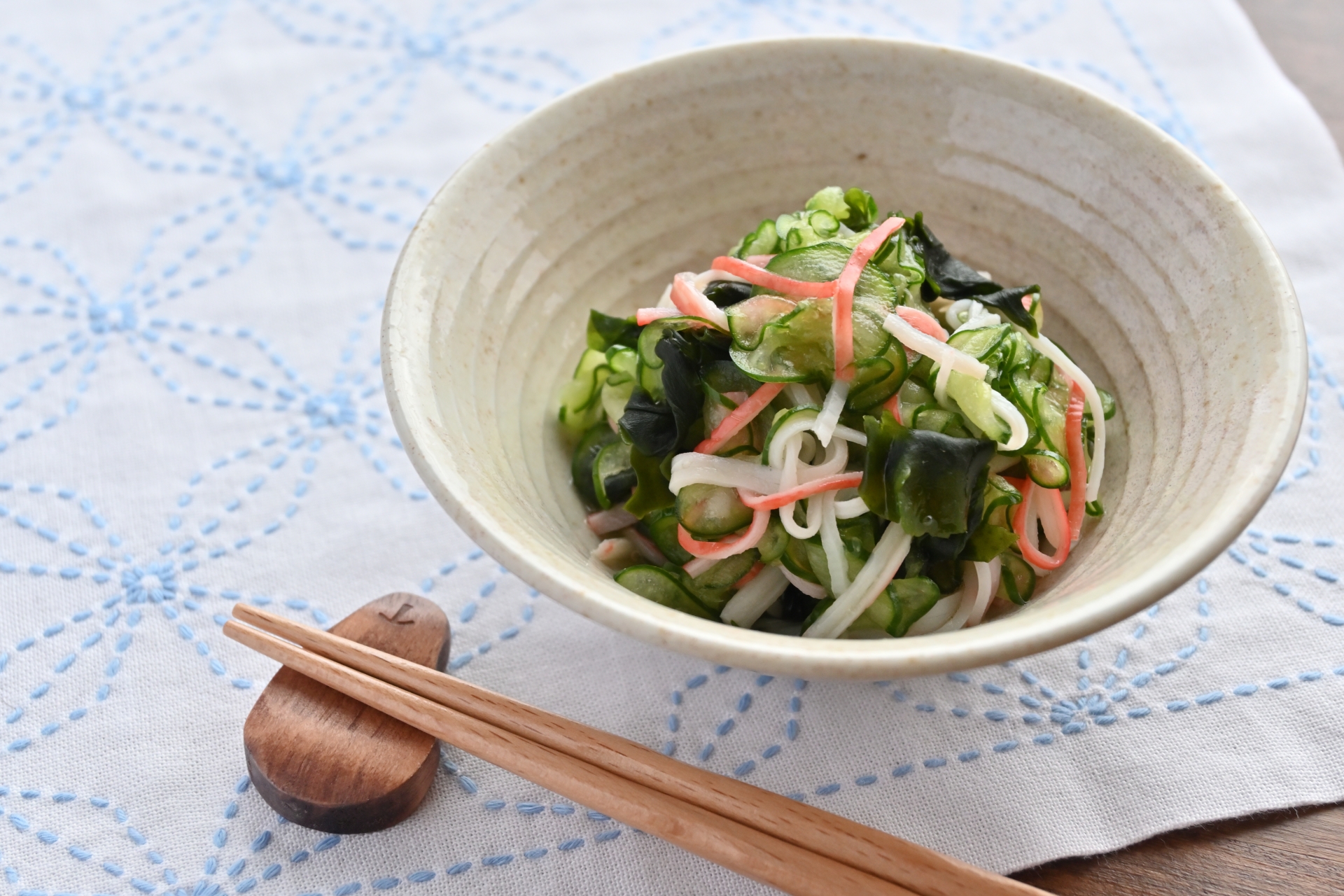
Sunomono is a classic Japanese side dish made with vinegar, typically featuring vegetables or seafood dressed in a light, tangy sauce. The word “sunomono” comes from two Japanese terms: “su” meaning vinegar and “mono” meaning thing or dish. So, the literal translation is “vinegared dish.”
In English, sunomono is often described as a “Japanese vinegar salad”, but this description only tells part of the story. Unlike Western salads that often rely on heavy dressings or oils, sunomono focuses on simplicity and balance. The vinegar-based dressing enhances the natural flavors of the ingredients rather than masking them.
This dish is usually served in small portions as a side dish or appetizer, especially in traditional Japanese meals. It plays an important role in cleansing the palate and adding a refreshing contrast to richer dishes like grilled fish or fried foods.
What Ingredients Are Used in Sunomono?
Sunomono uses a small number of fresh, simple ingredients that come together to create a light and refreshing dish. The base is typically vegetables or seafood, combined with a vinegar-based dressing.
Basic Ingredients
| Ingredient | Description |
| Cucumber | The most common base, thinly sliced for a crisp texture |
| Wakame (seaweed) | Adds umami and minerals |
| Rice vinegar | Provides mild acidity |
| Sugar | Balances the sourness |
| Soy sauce | Adds depth and saltiness |
Common Additions
| Ingredient | Description |
| Octopus (tako) | Chewy texture, often used in traditional versions |
| Crab | Adds sweetness and protein |
| Glass noodles | Makes the dish more filling |
| Shrimp | A popular seafood variation |
These ingredients are combined with a dressing often called “su” (vinegar mixture), which is carefully balanced to achieve a harmony of sweet, sour, and savory flavors.
Common Types of Sunomono
There are several popular variations of sunomono, each offering a slightly different taste and texture.
Cucumber Sunomono (Kyuri no Sunomono)
This is the most common version and often what people encounter first. It features thinly sliced cucumbers with a light vinegar dressing. The taste is crisp, mildly sweet, and very refreshing.
Wakame Sunomono
This variation includes seaweed, which adds a soft texture and a subtle ocean flavor. It is rich in minerals and often combined with cucumber for balance.
Octopus Sunomono (Tako Sunomono)
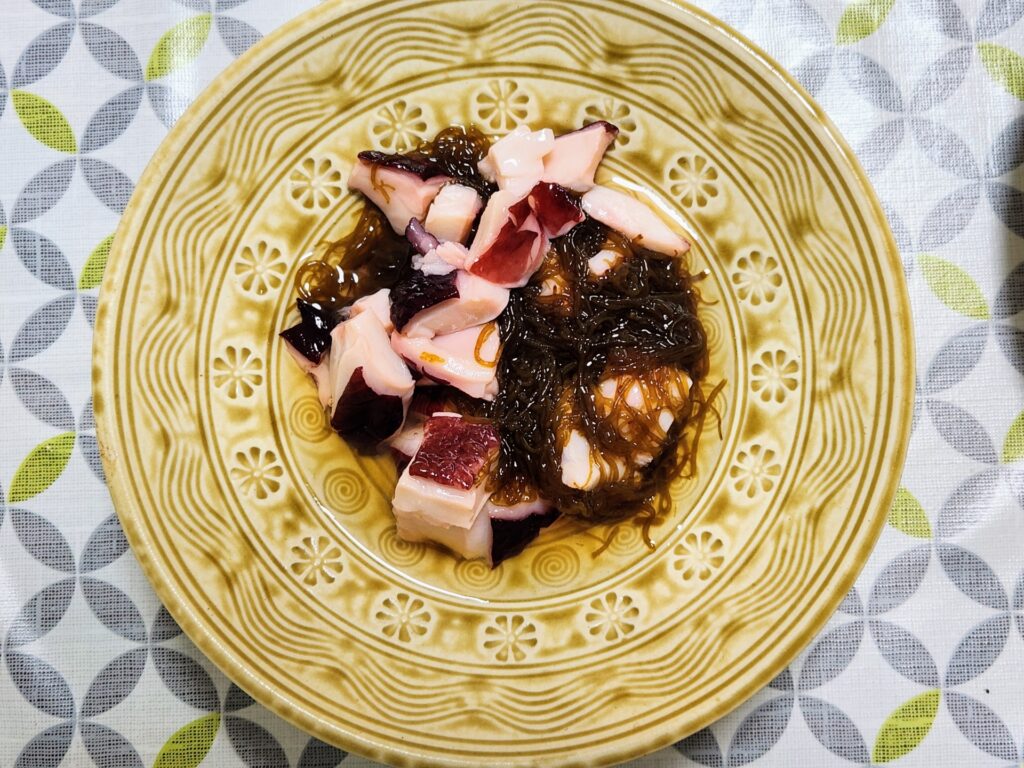
A more traditional and slightly upscale version, this dish includes slices of octopus. The chewy texture contrasts nicely with the crunchy cucumber and tangy dressing.
Each type highlights a different aspect of Japanese cuisine—whether it’s freshness, texture, or umami depth.
What Does Sunomono Taste Like?
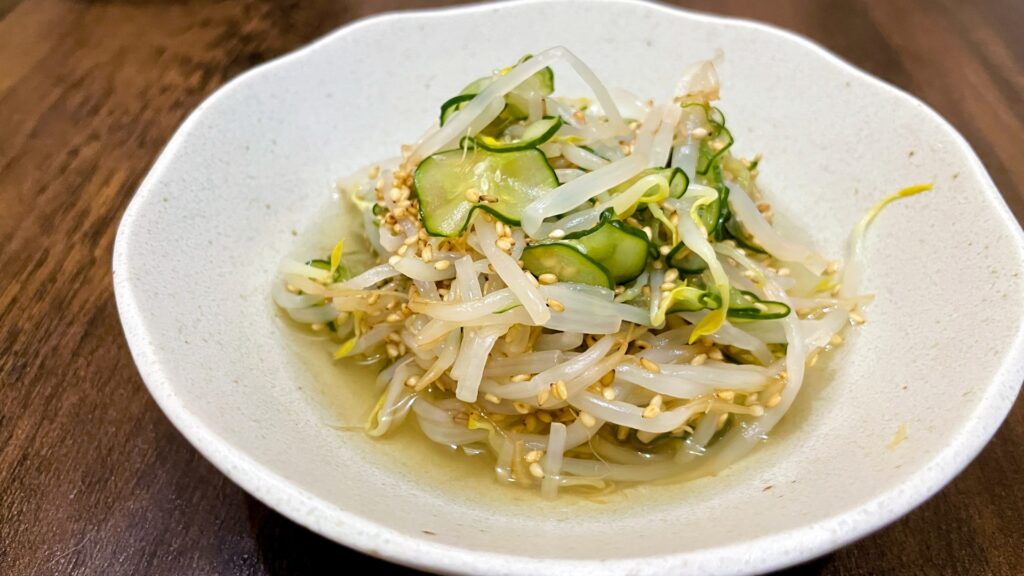
Sunomono has a light, refreshing, and well-balanced flavor that makes it unique among side dishes.
The dominant taste comes from vinegar, but it is not overpowering. Instead, it is softened by sugar, creating a mild acidity with gentle sweetness. Soy sauce adds a subtle savory note, resulting in a clean and harmonious flavor profile.
Compared to other dishes:
- It is milder than pickles, which are often more acidic and salty
- It is lighter than Western salads, which may include creamy or oily dressings
- It feels cooling and refreshing, especially when served chilled
This balance is a key principle of Japanese cuisine—no single flavor dominates, and everything works together.
Is Sunomono Healthy?
Sunomono is widely considered a healthy and low-calorie dish, making it popular among health-conscious eaters.
Key Health Benefits
- Low in calories and fat
Most versions contain very little oil, making them light and diet-friendly - Rich in nutrients
Ingredients like wakame seaweed are high in minerals such as iodine, calcium, and magnesium - Supports digestion
Vinegar is known to help stimulate digestion and may support gut health - May help regulate blood sugar
Some studies suggest vinegar can help control blood sugar levels after meals
Simple Nutrition Overview (Typical Serving)
| Nutrient | Approximate Value |
| Calories | 50–80 kcal |
| Fat | 0–2 g |
| Carbohydrates | 8–12 g |
| Protein | 1–5 g |
Because it is light yet flavorful, sunomono is often included in balanced meals or healthy diets.
Sunomono vs Salad: What’s the Difference?
Although sunomono is sometimes called a “Japanese salad,” it differs significantly from Western-style salads.
| Feature | Sunomono | Western Salad |
| Dressing | Vinegar-based (light, no oil) | Oil-based or creamy |
| Preparation | Simple, minimal ingredients | Often complex with many toppings |
| Taste | Light, tangy, slightly sweet | Rich, savory, or creamy |
| Cultural Role | Side dish or palate cleanser | Main dish or side |
One common misconception is that sunomono is “just cucumber salad.” In reality, it represents a broader category of vinegared dishes with cultural and culinary significance in Japan.
When and How Is Sunomono Served in Japan?
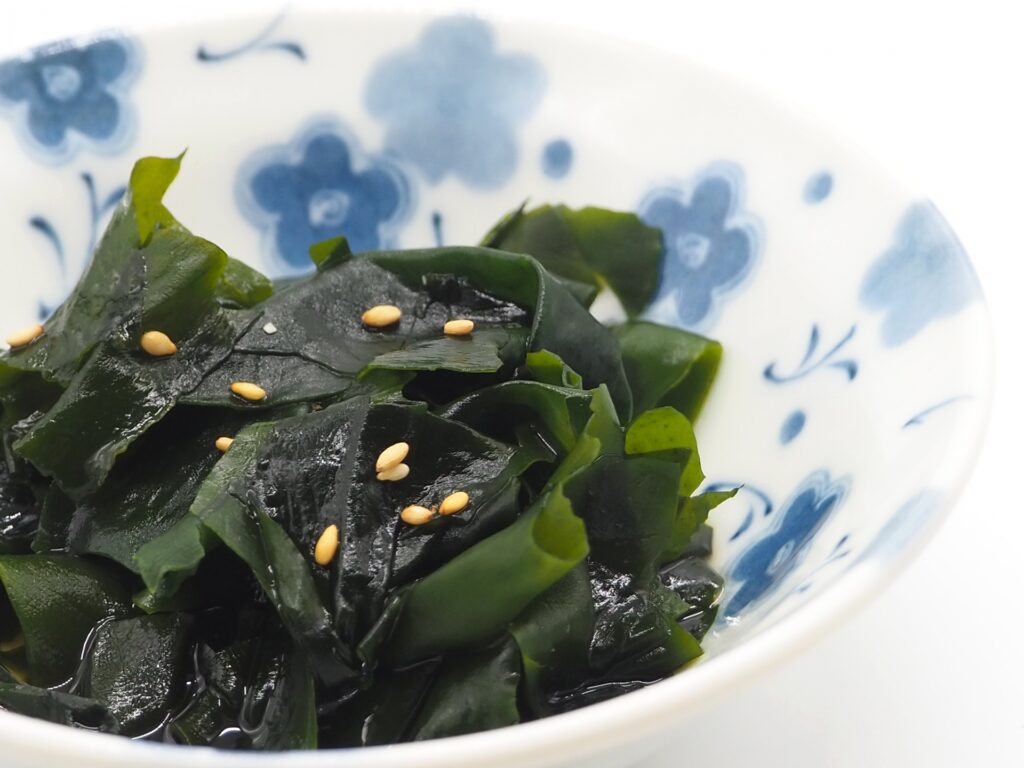
In Japan, sunomono is typically served as a small side dish (kobachi) that complements the main meal.
Common Serving Situations
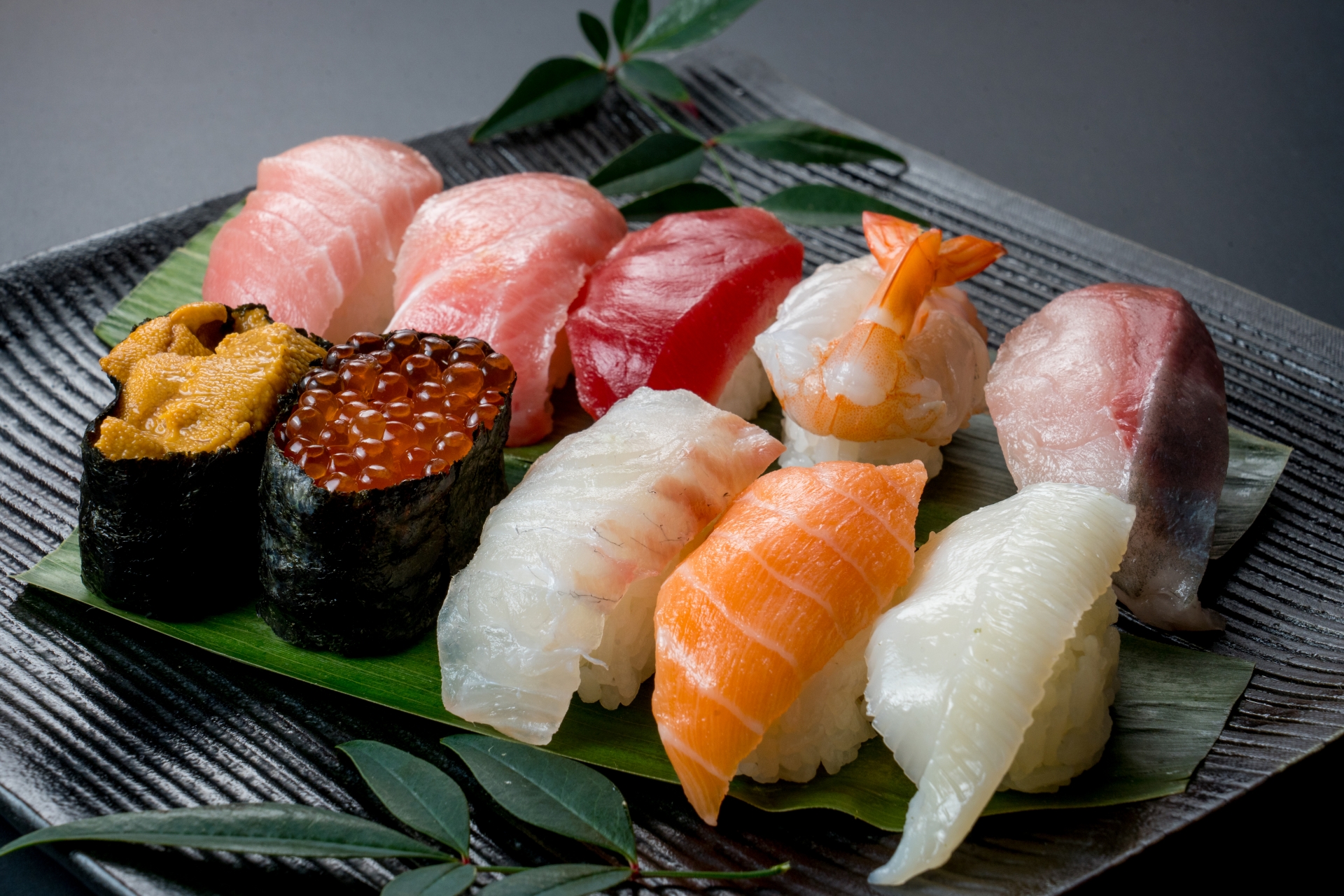
- Sushi restaurants
Often served as a refreshing starter or side - Izakaya (Japanese pubs)
A light dish that pairs well with drinks - Home meals
Frequently prepared as part of a balanced meal
Role in a Meal
Sunomono acts as a palate cleanser, helping to refresh the taste buds between richer dishes. Its acidity cuts through oily or heavy flavors, making the overall meal more enjoyable.
Seasonality
Sunomono is especially popular in summer, as its cool and refreshing taste helps combat heat and humidity. The use of seasonal ingredients reflects the Japanese emphasis on seasonality in cooking.
How to Make Sunomono at Home (Basic Recipe)
Making sunomono at home is simple and requires only a few ingredients.
Ingredients
- 1 Japanese cucumber (or Persian cucumber)
- 1 tablespoon rice vinegar
- 1 teaspoon sugar
- ½ teaspoon soy sauce
- Pinch of salt
- Optional: wakame seaweed
Instructions
- Slice the cucumber thinly
Use a knife or mandoline for even slices - Salt the cucumber
Sprinkle with salt and let sit for 5–10 minutes to draw out moisture - Squeeze out excess water
This helps keep the texture crisp - Prepare the dressing
Mix rice vinegar, sugar, and soy sauce until dissolved - Combine and chill
Toss the cucumber with the dressing and refrigerate before serving
This basic recipe can be customized with seafood or other ingredients.
Pro Tips for Authentic Flavor
- Use rice vinegar
It has a milder, slightly sweet flavor compared to other vinegars - Balance sweetness and acidity
Adjust sugar and vinegar to your taste - Serve chilled
Enhances the refreshing quality - Add umami ingredients
Wakame or seafood can deepen the flavor
These small details can make a big difference in achieving an authentic Japanese taste.
Conclusion: Why Sunomono Is More Than Just a Salad
Sunomono is much more than a simple cucumber dish—it is a reflection of Japanese culinary philosophy. With its balance of flavors, seasonal ingredients, and light preparation, it embodies the essence of washoku (traditional Japanese cuisine).
From its health benefits to its versatility, sunomono is an easy and rewarding dish to explore at home. Whether you’re new to Japanese food or looking to expand your cooking repertoire, this refreshing vinegar dish offers a perfect starting point.
Once you try it, you’ll understand why sunomono remains a beloved staple in Japanese cuisine.