Akihabara is Tokyo’s electric playground — a neighborhood where anime culture, retro gaming, neon-lit arcades, and multi-floor electronics stores collide. But for first-time visitors, the area can feel overwhelming the moment they step outside the station. Giant anime billboards flash above crowded streets, arcade music spills onto the sidewalks, and every building seems to hide another floor of figures, capsule toys, trading cards, or manga.
The good news is that Akihabara becomes much easier once you understand how the area is structured. This guide breaks the district into practical walking routes, beginner-friendly shops, hidden gems, and realistic itineraries you can actually follow during your Tokyo trip.
Whether you are an anime fan, retro gamer, photographer, collector, or simply curious about Tokyo’s most unique neighborhood, this guide will help you experience the real Akihabara — not just the tourist version.
Akihabara Station Exits Map
| Exit | Best For | Nearby Spots |
|---|---|---|
| Electric Town Exit | Main sightseeing area | Radio Kaikan, GiGO, Chuo-dori |
| Central Exit | Yodobashi Camera | Electronics shopping |
| Showa-dori Exit | Quieter side | Local restaurants, hotels |


Quick Walking Orientation
- Electric Town Exit = anime/gaming side
- Chuo-dori = main neon avenue
- Backstreets = retro gaming & hidden shops
- Yodobashi side = modern electronics & cafes
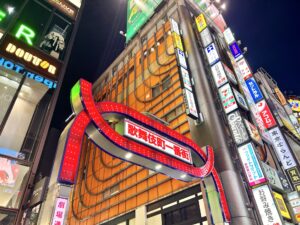
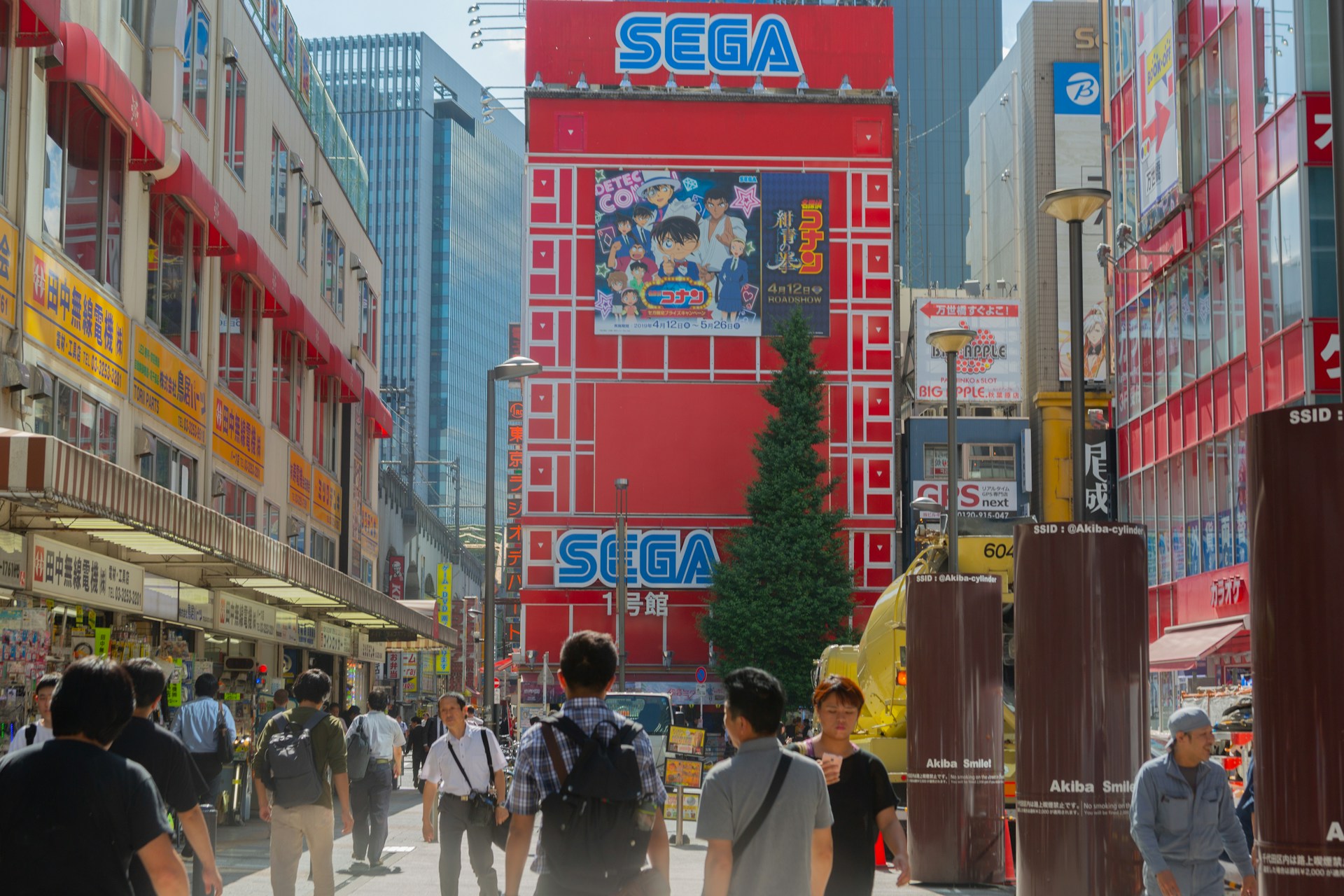
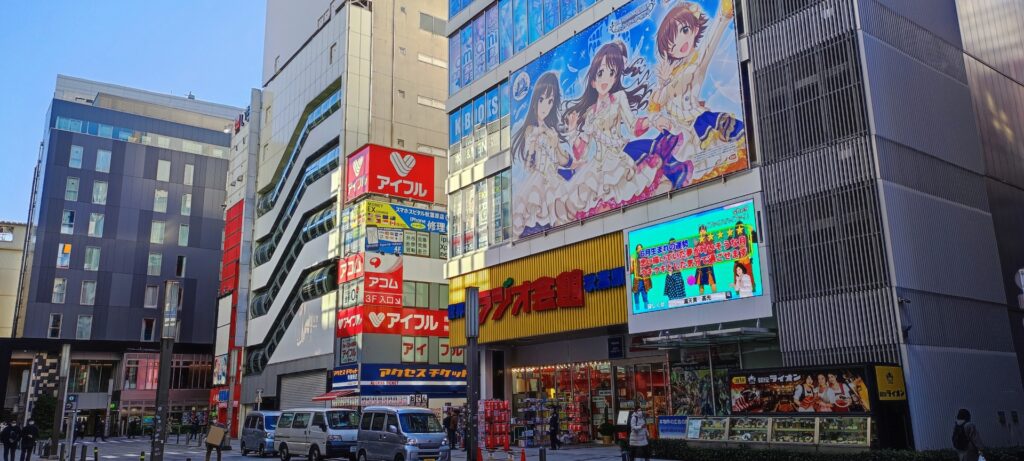
The moment you leave the Electric Town Exit, you immediately understand why Akihabara became famous worldwide. Huge LED advertisements cover entire buildings, idol music plays from storefronts, and arcade sounds echo through the streets. During evenings, especially after rain, neon reflections cover the pavement and create the cinematic Tokyo atmosphere many travelers imagine before visiting Japan.
What Is Akihabara Famous For?
From Electric Town to Anime Capital
Akihabara originally became famous after World War II as Tokyo’s “Electric Town.” Small electronics stalls clustered around the railway tracks selling radio components, appliances, and electronic parts. Even today, you can still find old-school electronics shops hidden between anime stores in the backstreets.
Over time, the district evolved into Japan’s most famous center for anime, gaming, manga, and otaku culture. Today, Akihabara is known globally for:
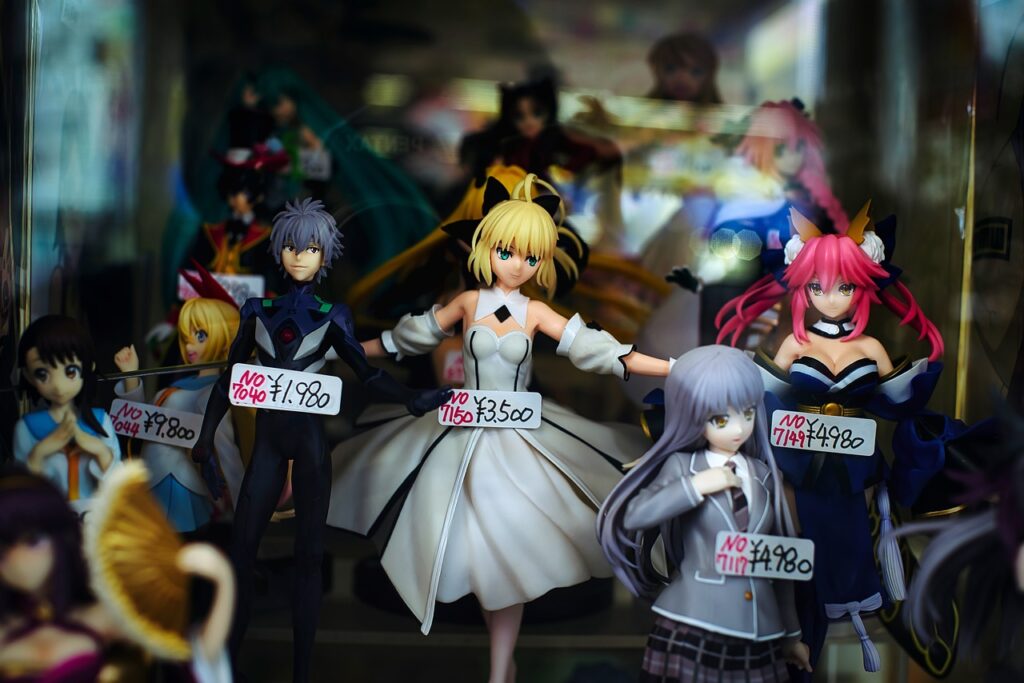
- Anime figure shopping
- Retro game stores
- Multi-floor arcades
- Maid cafes
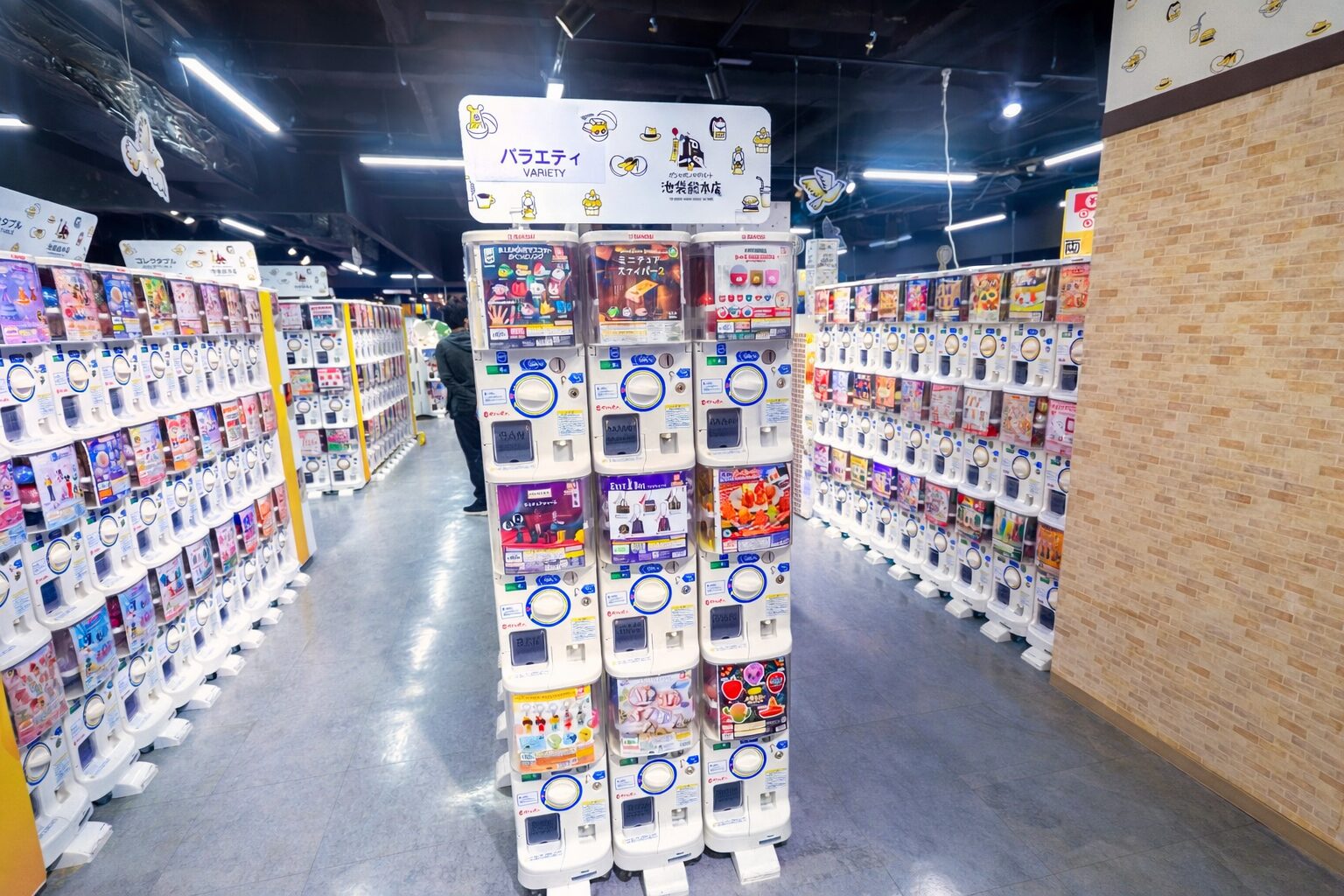
- Capsule toy culture
- Electronics megastores
- Neon nightlife photography
The area is surprisingly compact. Most major attractions sit within 5–10 minutes of JR Akihabara Station, making it easy to explore on foot.
At night, the atmosphere changes dramatically. During daytime, Akihabara feels like a busy commercial district. After sunset, giant LED screens glow brighter, arcade noise becomes louder, and crowds gather around UFO catcher machines and gaming centers.
You do not need to be a hardcore anime fan to enjoy Akihabara. Many travelers visit simply for the atmosphere, photography, food, retro gaming nostalgia, or people-watching.
Nearest Station: JR Akihabara Station
Best Exit: Electric Town Exit
Best Time to Visit: 4 PM to 9 PM
Official Tourism Info: https://www.gotokyo.org/en/destinations/central-tokyo/akihabara/index.html
Best Things to Do in Akihabara
Explore Radio Kaikan
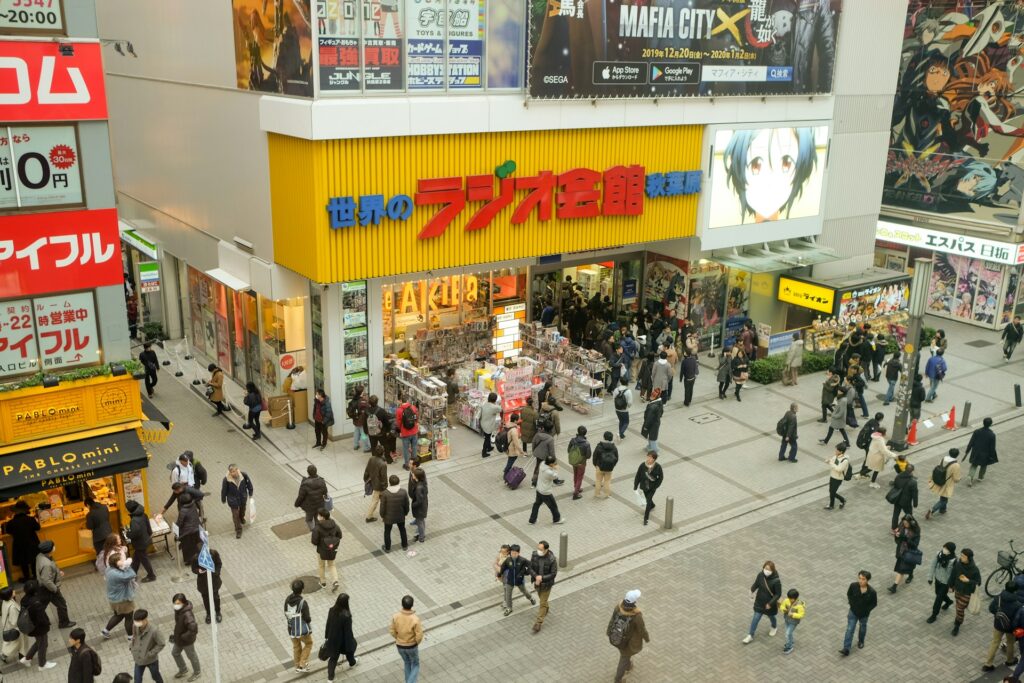
Radio Kaikan is the symbolic heart of Akihabara. The yellow building standing directly outside the station has become one of the most recognizable landmarks in anime culture.
Inside, nearly every floor focuses on a different hobby category. Some stores specialize in anime figures, others in trading cards, dolls, model kits, or idol merchandise. The atmosphere feels less like a single shopping mall and more like a vertical maze of fandom culture.
The first thing many visitors notice is the elevator crowd. On weekends, lines can become surprisingly long because so many tourists begin their Akihabara exploration here.
For beginners, the middle floors are easiest to browse. AmiAmi and K-BOOKS are organized and relatively easy to navigate even if you do not know specific anime series. Hardcore collectors usually head toward the upper floors, where glass display cases contain rare figures worth hundreds or even thousands of dollars.
One of the best photography spots is actually outside the building. The giant anime billboards covering the facade create a classic Akihabara street scene, especially during blue hour just after sunset.
Why Visit?
- Best beginner-friendly anime shopping complex
- Huge range of figures and collectibles
- Excellent tax-free shopping options
- Iconic Akihabara atmosphere
Practical Information
Location: 1-15-16 Sotokanda, Chiyoda City, Tokyo
Access: 1 minute from JR Akihabara Station Electric Town Exit
Hours: Usually 10:00 AM – 8:00 PM
Price: Free entry
Official Website: https://www.radio-kaikan.jp
Beginner Tips
- Weekdays are significantly less crowded
- Tax-free shopping is available in many stores
- Bring a backpack because purchases add up quickly
- Expect narrow aisles during weekends
Hunt for Retro Games at Super Potato
Super Potato is one of the most famous retro game stores in Japan. Even travelers who are not serious collectors often visit because the store feels like stepping back into 1990s gaming culture.
The experience starts before you even enter the main shop floors. The staircase is narrow, packed with posters, game advertisements, and shelves filled with old cartridges. Retro game music echoes through the stairwell while visitors squeeze past each other heading up and down.
Inside, shelves are stacked with Famicom, Super Famicom, Sega Saturn, Dreamcast, Game Boy, PlayStation 1, and Nintendo 64 games. Many foreign travelers buy Japanese versions simply because the packaging feels nostalgic and uniquely Japanese.
The upper arcade floor is especially memorable. Old CRT televisions glow beside vintage arcade cabinets while classic background music loops endlessly.
Unlike modern game stores, Super Potato feels chaotic in a good way. Nothing is perfectly organized. Part of the fun comes from digging through shelves looking for hidden gems.
Retro Game Shop Comparison
| Shop | Best For | Atmosphere | Price Range | Beginner Friendly |
|---|---|---|---|---|
| Super Potato | Famous retro classics | Nostalgic & crowded | Medium to high | Yes |
| Mandarake | Rare collector items | Treasure-hunt feeling | Wide range | Medium |
| Trader | Used console games | More practical | Lower | Yes |
| Surugaya | Cheap secondhand goods | Dense & chaotic | Budget-friendly | Medium |
Practical Information
Location: 1-11-2 Sotokanda, Chiyoda City, Tokyo
Access: 5-minute walk from JR Akihabara Station
Hours: Around 11:00 AM – 8:00 PM
Price: Free entry
Official Website: https://superpotato.com
Practical Tips
- Weekends become extremely crowded
- Cash is useful for smaller purchases
- Prices are often cheaper than overseas retro markets
- Rare boxed games can be expensive
Try an Arcade in Akihabara
Arcades are one of the defining experiences of Akihabara. Even before entering, you can hear the district’s soundscape: rhythm-game music, UFO catcher alarms, electronic jingles, and cheering players.
GiGO and HEY are the two classic choices.
GiGO feels more modern and tourist-friendly. Bright crane game floors attract casual visitors, while rhythm games and photo booths dominate upper levels.
HEY attracts more experienced players. Shooting games, fighting games, and retro arcade cabinets create a more hardcore gaming atmosphere.
Watching expert rhythm-game players is part of the experience itself. Crowds often gather around machines while players perform incredibly fast movements synchronized to loud music.
Even if you are not a gamer, trying UFO catchers is practically mandatory in Akihabara. Most machines cost ¥100–¥200 per attempt. Staff members sometimes reposition prizes if you struggle repeatedly.
At night, arcades become especially lively. The combination of flashing LEDs, cigarette smoke drifting from older buildings, and nonstop electronic music creates an atmosphere unlike almost anywhere else in the world.
Arcade Comparison Table
| Arcade | Best For | Atmosphere | Average Cost |
|---|---|---|---|
| GiGO | Beginners & crane games | Bright & modern | ¥100–¥300 |
| HEY | Hardcore gamers | Retro & competitive | ¥100–¥200 |
| Taito Station | Families & casual fun | Relaxed | ¥100–¥300 |
Practical Information
Location: Chuo-dori and surrounding streets
Access: 2–5 minutes from JR Akihabara Station
Hours: Usually 10:00 AM – 11:30 PM
Price: ¥100–¥500 per game
Official Website: Not specified
Practical Tips
- Most arcades are now non-smoking or separated by floor
- Bring coins or use exchange machines
- Evening hours are busiest
- Rhythm-game floors are often quieter during afternoons
Experience a Maid Cafe
For many first-time visitors, maid cafes are the most intimidating part of Akihabara. But reputable cafes can actually be fun, welcoming, and surprisingly beginner-friendly.
The safest option for newcomers is @Home Cafe. Staff are used to international tourists, English menus are available, and the atmosphere feels more approachable than smaller underground cafes.
The experience is closer to themed entertainment than normal dining. Staff greet guests with “Welcome home, Master” or “Princess,” decorate food with ketchup art, teach short chants, and offer optional cheki photo sessions.
The key thing to understand is that maid cafes operate with specific rules. Photography restrictions are strict, and many places charge seating fees in addition to food.
Avoid aggressive street touts outside the station. Legitimate cafes rarely pressure people aggressively.
Maid Cafe Etiquette Table
| Rule | What It Means |
|---|---|
| No hidden photography | Staff photos usually require payment |
| Expect table charges | Seating fees are common |
| Respect performance culture | Chanting & participation are normal |
| Avoid street touts | Use official cafes instead |
| Follow staff instructions | Rules vary by cafe |
Practical Information
Location: Don Quijote Akihabara Building
Access: 3-minute walk from JR Akihabara Station
Hours: Usually 11:00 AM – 10:00 PM
Price: Around ¥2,000–¥4,000 per person
Official Website: https://www.cafe-athome.com
Beginner Tips
- Reservations help on weekends
- English menus are available
- Cheki photos cost extra
- Some cafes have time limits
Best Anime & Manga Shops in Akihabara
Anime Shop Comparison Table
| Shop | Best For | New or Used | Atmosphere | Tax-Free |
|---|---|---|---|---|
| Animate | Mainstream anime goods | New | Organized | Yes |
| Mandarake | Rare collectibles | Used | Treasure hunt | Sometimes |
| Radio Kaikan | Mixed fandom culture | Both | Iconic | Yes |
| Akiba Cultures Zone | Idol & niche goods | Mixed | Hardcore | Varies |
Animate Akihabara
Animate is one of the easiest anime stores for beginners because the building is relatively organized compared to Akihabara’s more chaotic secondhand shops.
Different floors separate manga, Blu-rays, figures, and character goods. Seasonal anime collaborations are common, and many visitors come specifically for limited-edition merchandise.
The atmosphere changes floor by floor. Lower levels feel mainstream and brightly lit, while upper levels become more niche and fandom-specific.
Practical Information
Location: Sotokanda area near Chuo-dori
Access: About 5 minutes from JR Akihabara Station
Hours: Usually 11:00 AM – 9:00 PM
Price: Free entry
Official Website: https://www.animate.co.jp
Mandarake
Mandarake feels completely different from cleaner retail chains. Narrow aisles, stacked shelves, and hidden corners create a treasure-hunt atmosphere.
Collectors spend hours here searching for discontinued manga, rare figures, retro toys, and vintage merchandise. Prices vary dramatically depending on rarity.
Unlike polished modern anime stores, Mandarake feels slightly chaotic — and that is exactly why many collectors love it.
Practical Information
Location: Akihabara branch in Sotokanda
Access: Around 6 minutes from JR Akihabara Station
Hours: Usually noon–8:00 PM
Price: Free entry
Official Website: https://www.mandarake.co.jp
Akiba Cultures Zone
Akiba Cultures Zone is ideal for travelers who want a deeper look into hardcore Akihabara fandom culture.
Compared to Radio Kaikan, the building feels more niche and less tourist-oriented. Smaller stores line narrow hallways filled with trading cards, idol goods, anime merchandise, and collectibles.
The atmosphere is quieter and more collector-focused.
Practical Information
Location: 1-7-6 Sotokanda, Chiyoda City, Tokyo
Access: 4-minute walk from JR Akihabara Station
Hours: Usually 11:00 AM – 8:00 PM
Price: Free entry
Official Website: https://www.akibacultureszone.com
Things to Do in Akihabara at Night
Walk Along Chuo-dori After Sunset
Akihabara feels completely different after dark.
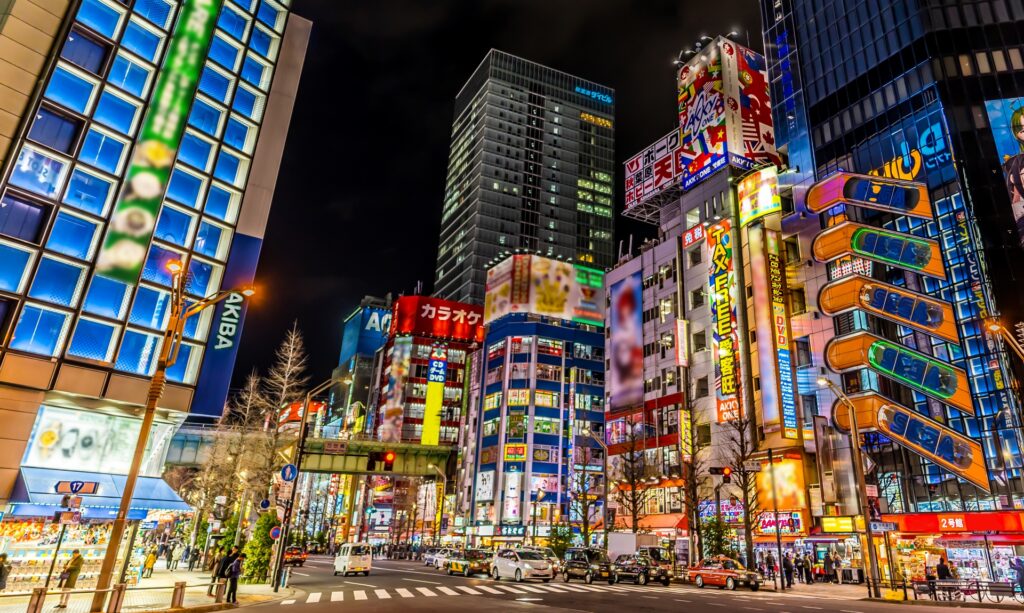
During daytime, the district is busy and commercial. At night, the neighborhood transforms into a cinematic sea of LED signs, electronic music, and glowing reflections.
Chuo-dori is the best place to experience this atmosphere. Giant anime advertisements light up entire buildings while tourists stop constantly for photos.
Rainy evenings are particularly beautiful. Neon reflections cover the streets while umbrella crowds move between arcades and convenience stores.
Sunday pedestrian paradise events make the experience even better because cars disappear from the main road.
Day vs Night Atmosphere Comparison
| Daytime | Nighttime |
|---|---|
| Easier shopping | Better atmosphere |
| Less dramatic lighting | Neon everywhere |
| More relaxed | More crowded |
| Better for browsing | Better for photography |
| Family-friendly | Energetic & chaotic |
Practical Information
Location: Chuo-dori Avenue
Access: Directly outside JR Akihabara Station
Best Time: 6 PM – 9 PM
Price: Free
Official Website: Not specified
Late-Night Shopping at Don Quijote
Don Quijote perfectly matches Akihabara’s chaotic energy.
The store combines souvenirs, snacks, electronics, anime goods, cosmetics, costumes, and random household products across multiple packed floors.
Late at night, the atmosphere becomes even stranger and more entertaining. Travelers compare Kit Kat flavors at midnight while loud theme songs loop endlessly through the building.
The cosplay section is especially popular with tourists.
Practical Information
Location: 4-3-3 Sotokanda, Chiyoda City, Tokyo
Access: 4-minute walk from JR Akihabara Station
Hours: Often open very late or 24 hours
Price: Free entry
Official Website: https://www.donki.com
Hidden Gems & Non-Otaku Things to Do
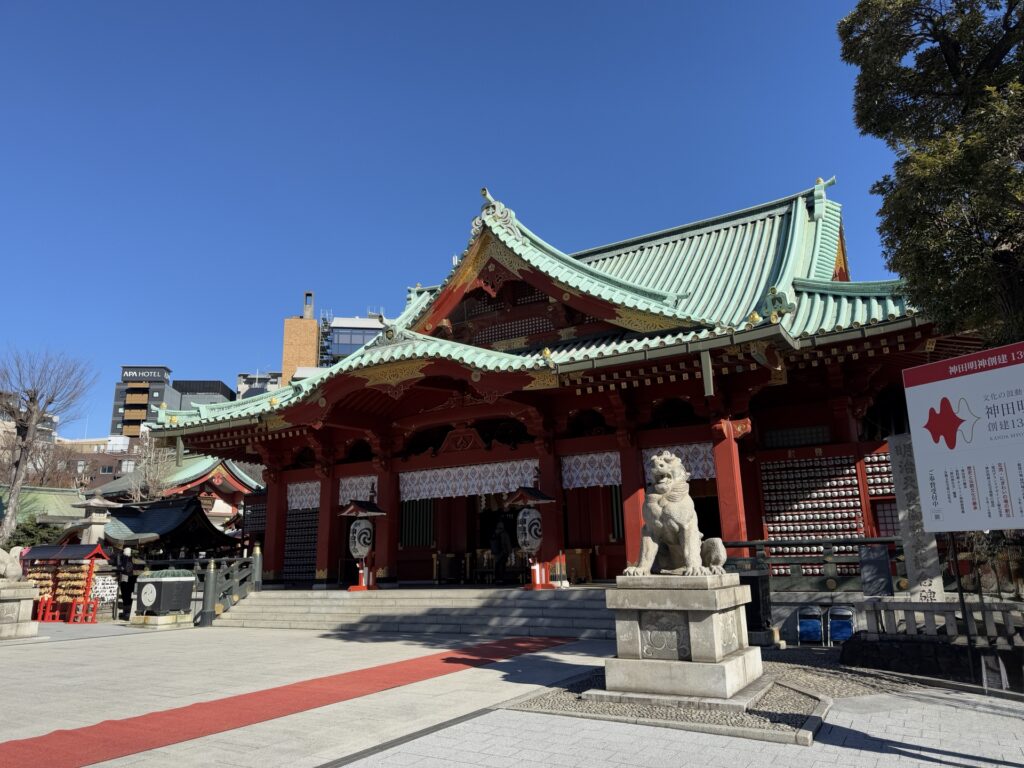
Visit Kanda Myojin Shrine
Only about 10 minutes from Akihabara’s neon chaos, Kanda Myojin Shrine feels like entering another world.
Arcade sounds disappear almost immediately. Trees soften the atmosphere, and the air suddenly feels quieter and calmer.
The shrine is especially interesting because it blends traditional Japanese culture with modern anime fandom. Anime collaboration ema prayer plaques often appear during events.
At night, subtle lighting gives the shrine a peaceful atmosphere that contrasts beautifully with Akihabara’s electric streets.
Practical Information
Location: 2-16-2 Sotokanda, Chiyoda City, Tokyo
Access: 10-minute walk from JR Akihabara Station
Hours: Grounds open 24 hours
Price: Free entry
Official Website: https://www.kandamyoujin.or.jp
Explore 2k540 Aki-Oka Artisan
2k540 is one of the best places in Akihabara for travelers who are not deeply interested in anime.
Located underneath the JR railway tracks between Akihabara and Okachimachi, the area focuses on handmade crafts, artisan shops, cafes, and design goods.
The atmosphere is dramatically calmer than central Akihabara. Instead of arcade noise, you hear coffee grinders, conversations, and trains passing overhead.
This is an excellent break spot after several hours of anime shopping.
Practical Information
Location: Under JR tracks between Akihabara and Okachimachi
Access: 8–10 minutes from JR Akihabara Station
Hours: Usually 11:00 AM – 7:00 PM
Price: Free entry
Official Website: https://www.jrtk.jp/2k540/
Suggested Akihabara Itineraries
Half-Day Akihabara Itinerary
A half-day itinerary works best if you follow a structured walking route instead of wandering randomly.
Half-Day Timeline
| Time | Activity |
|---|---|
| 2:00 PM | Arrive at Electric Town Exit |
| 2:15 PM | Explore Radio Kaikan |
| 4:00 PM | Retro game hunting at Super Potato |
| 5:00 PM | Arcade experience at GiGO or HEY |
| 6:30 PM | Maid cafe dinner |
| 8:00 PM | Chuo-dori night photography |
This route works well because Akihabara’s atmosphere improves dramatically after sunset.
Budget Breakdown Table
| Travel Style | Estimated Budget |
|---|---|
| Budget traveler | ¥3,000–¥6,000 |
| Average visitor | ¥8,000–¥15,000 |
| Hardcore collector | ¥30,000+ |
Practical Tips
- Wear comfortable shoes
- Most exploration is indoors, making rainy days manageable
- Expect heavy weekend crowds
- Plan shopping before nighttime photography
One-Day Akihabara + Ueno Combo
This route works especially well for mixed-interest groups.
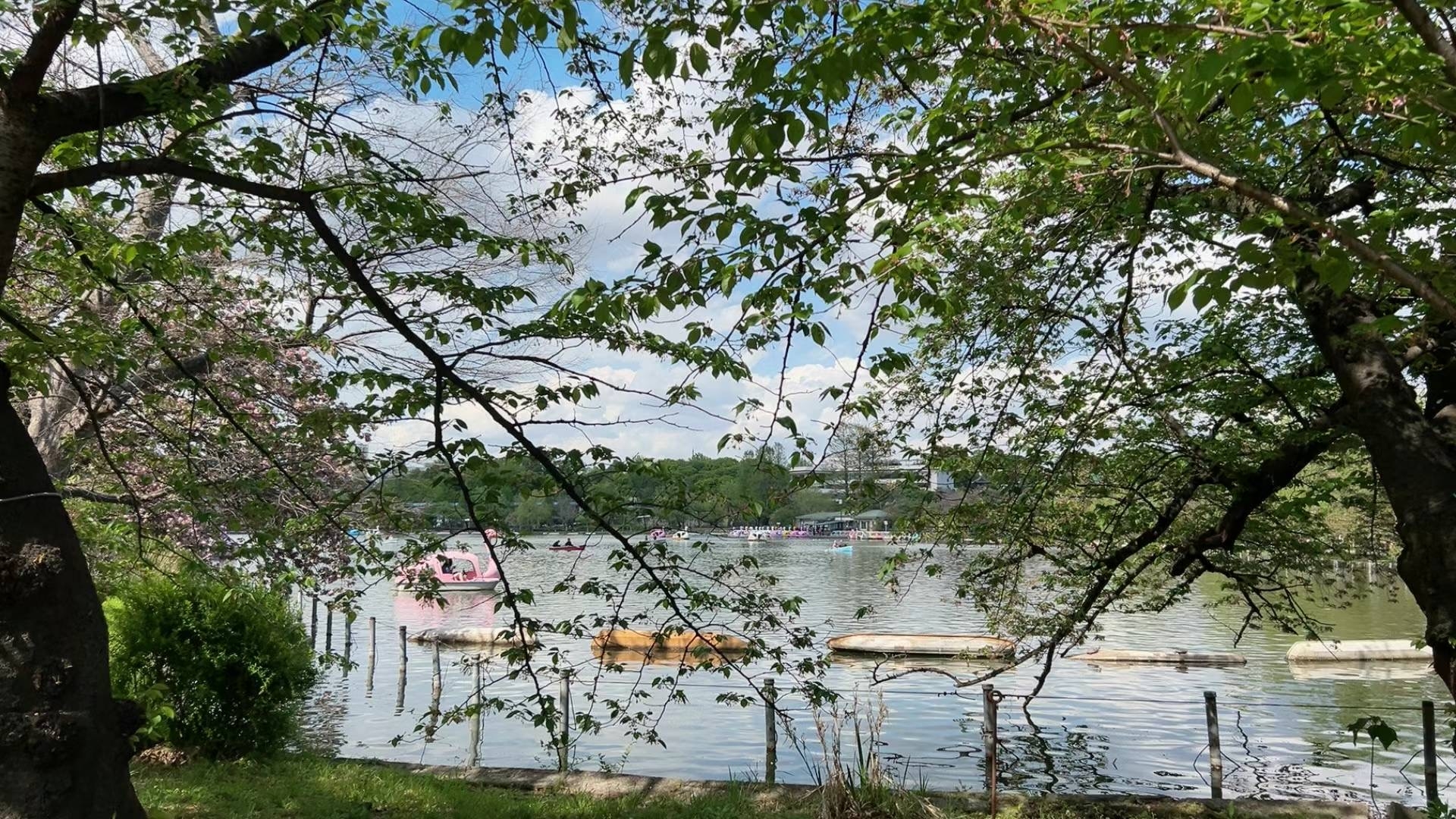
Spend the morning in Ueno visiting museums, parks, or Ameyoko Market. Then head to Akihabara in the afternoon for anime culture and nightlife.
The contrast between neighborhoods makes the experience more interesting. Ueno feels traditional and cultural. Akihabara feels futuristic and chaotic.
Practical Information
Route: Ueno → Akihabara via JR Yamanote Line
Travel Time: 3–5 minutes
Suggested Time: Full day
Beginner vs Hardcore Otaku Recommendations
| Traveler Type | Recommended Spots |
|---|---|
| First-time visitor | Radio Kaikan, GiGO, Chuo-dori |
| Anime beginner | Animate, capsule toy shops |
| Retro gamer | Super Potato, HEY |
| Figure collector | Mandarake, Radio Kaikan upper floors |
| Non-anime companion | 2k540, Kanda Myojin |
| Photographer | Chuo-dori at night |
| Hardcore otaku | Akiba Cultures Zone, niche backstreet stores |
Practical Tips Before Visiting Akihabara
Best Time to Visit
Weekday afternoons are the easiest time for shopping and photography.
Weekends become extremely crowded, especially during Sunday pedestrian paradise events.
Summer afternoons can feel exhausting due to heat reflecting from buildings and crowded sidewalks.
Rainy days are surprisingly good because most attractions are indoors.
Cash vs Card
Large stores usually accept international credit cards, but smaller secondhand shops still prefer cash.
Suica and PASMO transportation cards are useful throughout Tokyo and can also be used at many convenience stores.
International ATMs are easy to find inside 7-Eleven and FamilyMart.
Tax-Free Shopping Tips
Bring your passport if you plan to shop heavily.
Many stores offer tax-free purchases above the required spending threshold.
Large chains like Radio Kaikan stores, Don Quijote, and Yodobashi Camera are especially foreigner-friendly.
Common Tourist Mistakes
The biggest mistake is trying to see everything.
Akihabara is vertically dense. A single building can easily consume two hours.
Another common mistake is following aggressive street touts into unknown maid cafes or bars.
Finally, many travelers underestimate how exhausting the area becomes during weekends.
FAQ About Akihabara
Is Akihabara worth visiting?
Yes. Even travelers who are not hardcore anime fans often enjoy the atmosphere, neon streets, arcades, electronics stores, and unique energy.
How many hours do you need in Akihabara?
Most visitors need at least 4–6 hours.
Collectors and hardcore anime fans can easily spend an entire day.
Is Akihabara only for anime fans?
No.
The area also offers photography, retro gaming culture, electronics shopping, cafes, nightlife, and artisan spaces like 2k540.
What should I buy in Akihabara?
Popular purchases include:
- Anime figures
- Retro games
- Capsule toys
- Trading cards
- Electronics
- Manga
- Limited-edition collaboration goods
Compare prices between stores before purchasing expensive collectibles.
Final Thoughts
Akihabara is more than an anime district.
It is one of Tokyo’s most sensory and unforgettable neighborhoods — a place where retro gaming nostalgia, modern pop culture, electronics history, neon nightlife, and niche fandom communities collide in a few crowded streets.
The key to enjoying Akihabara is not trying to do everything.
Choose a few categories that genuinely interest you, follow a practical walking route, and allow time to simply absorb the atmosphere. Some of the best moments happen unexpectedly: hearing arcade music echo down a staircase, discovering a hidden collectible shop, or watching neon reflections cover Chuo-dori after rain.
Whether you spend half a day or an entire evening here, Akihabara remains one of the most uniquely Tokyo experiences you can have in Japan.