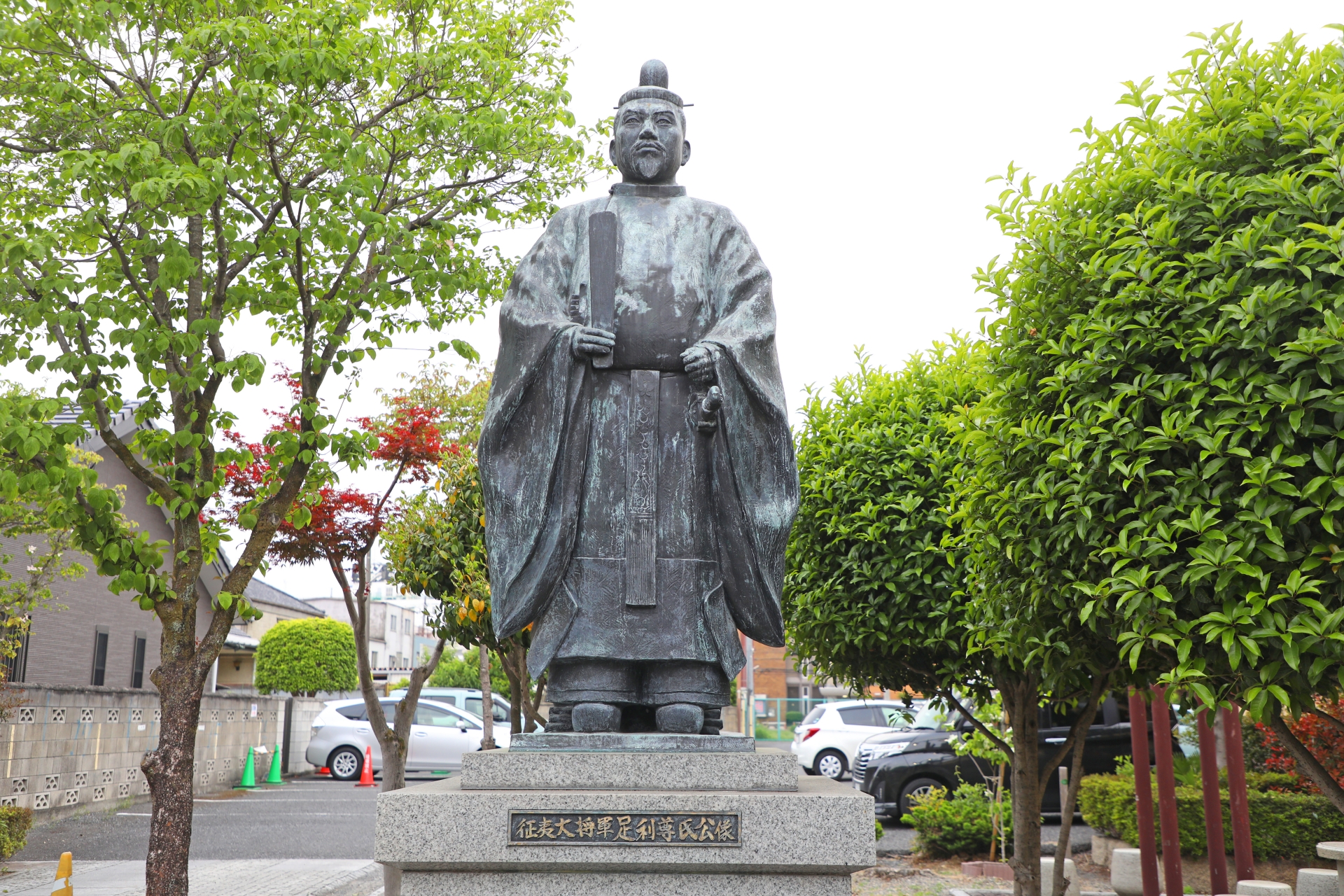
Ashikaga Takauji (1305–1358) was the samurai leader who helped overthrow the Kamakura shogunate—only to later oppose Emperor Go-Daigo and establish a new military government in Kyoto. His actions triggered the Nanboku-cho period, dividing Japan into rival imperial courts for over half a century. Was he a traitor to the throne, or a pragmatic political realist responding to unstable times? This article explores his life, political strategy, leadership style, and long-term historical impact.


Who Was Ashikaga Takauji?
Quick Facts (at a glance)
- Born: 1305
- Died: 1358
- Role: Samurai leader; founder of the Ashikaga (Muromachi) Shogunate
- Era: Collapse of the Kamakura shogunate → early Muromachi period
Ashikaga Takauji (1305–1358) was a pivotal military leader in medieval Japan whose career reshaped the country’s political map. He was born into the Ashikaga clan, a powerful warrior family that traced its prestige to the Minamoto lineage—a name associated with earlier military rule and elite samurai legitimacy. That pedigree mattered in an age when ancestry strengthened claims to authority.
Early in his life, Takauji served the Kamakura shogunate, the military government that had ruled Japan since the late 12th century. He rose as a capable commander within a system built on warrior administrators and regional military networks. Yet Japan was already politically strained: the imperial court in Kyoto, the shogunate in Kamakura, and provincial samurai families all competed for authority, land, and recognition.
Takauji is best understood as highly pragmatic. He was not simply a “rebel” or “loyalist” by nature. Instead, he was politically flexible, militarily skilled, and willing to shift alliances when the existing order could no longer provide stability—or rewards—to the warrior class that sustained it. This realism made him effective, but it also made his legacy controversial.
The Fall of the Kamakura Shogunate
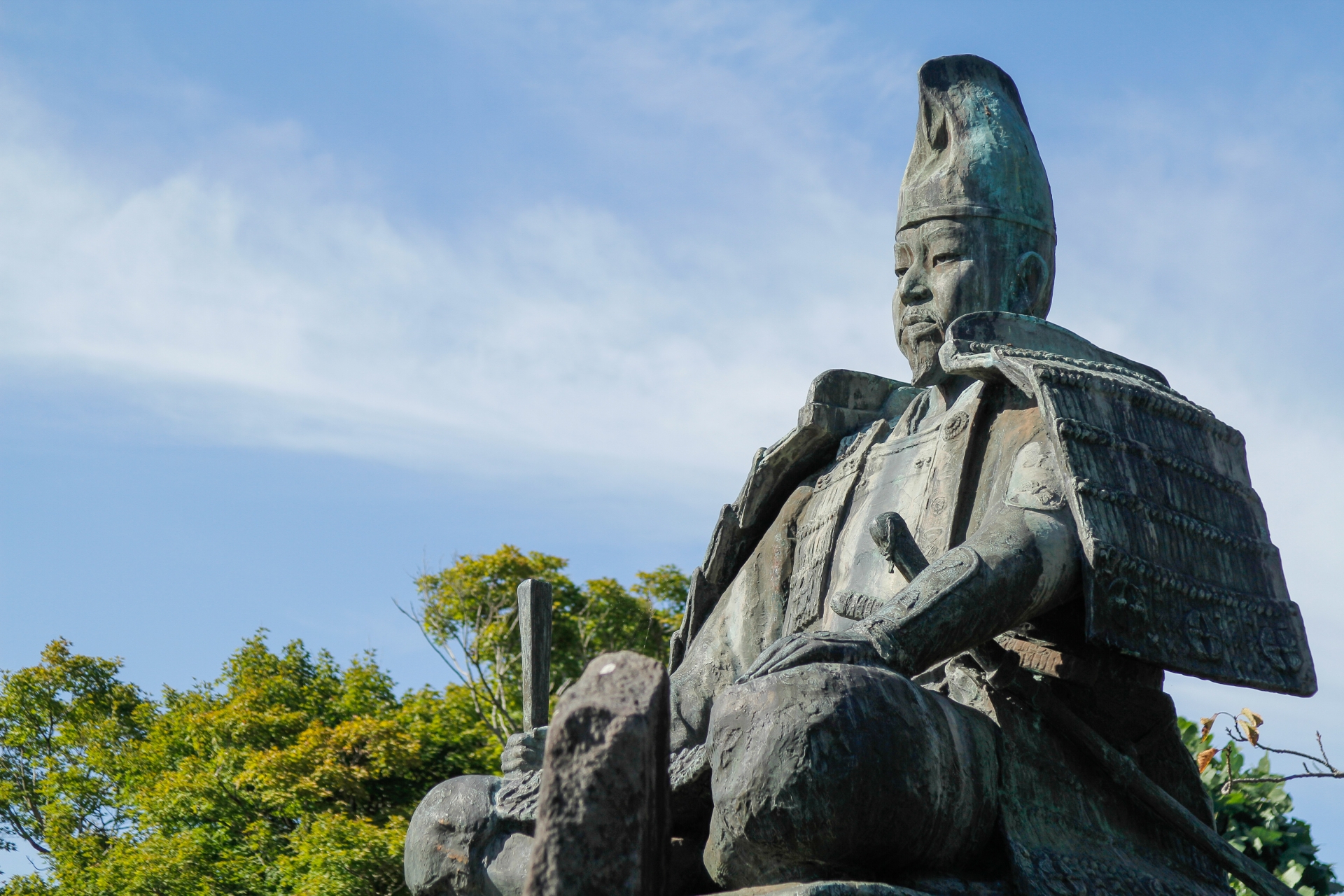
The Kamakura shogunate collapsed due to both military defeat and structural weakness. The decisive conflict was the Genkō War (1331–1333), launched when Emperor Go-Daigo attempted to overthrow the Kamakura regime and restore direct imperial rule. His rebellion challenged the political balance of medieval Japan: although the emperor retained symbolic authority, real military and administrative power rested with the warrior government.
Takauji initially acted as a loyal general of the shogunate. He was dispatched to suppress Go-Daigo’s uprising, serving as an enforcer of the established order. However, the shogunate’s authority was already eroding. Samurai expected land rewards, consistent justice, and effective governance. By the early 14th century, many felt the Kamakura leadership could no longer meet those expectations.
The final collapse occurred in 1333 when forces led by Nitta Yoshisada attacked Kamakura itself. The fall of the city was more than a battlefield defeat—it marked the destruction of the administrative and symbolic center of the regime.
Visual Timeline (1331–1333)
- 1331: Emperor Go-Daigo launches open rebellion.
- 1332: Nationwide mobilization; loyalties begin to fracture.
- 1333: Kamakura falls; the Kamakura shogunate collapses.
Why the System Failed Structurally
- Inability to adequately reward loyal warriors.
- Growing power of regional military families.
- Tension between Kyoto’s imperial court and Kamakura’s military government.
The Genkō War exposed weaknesses that had already been building for decades.
Why Did Takauji Turn Against Emperor Go-Daigo?
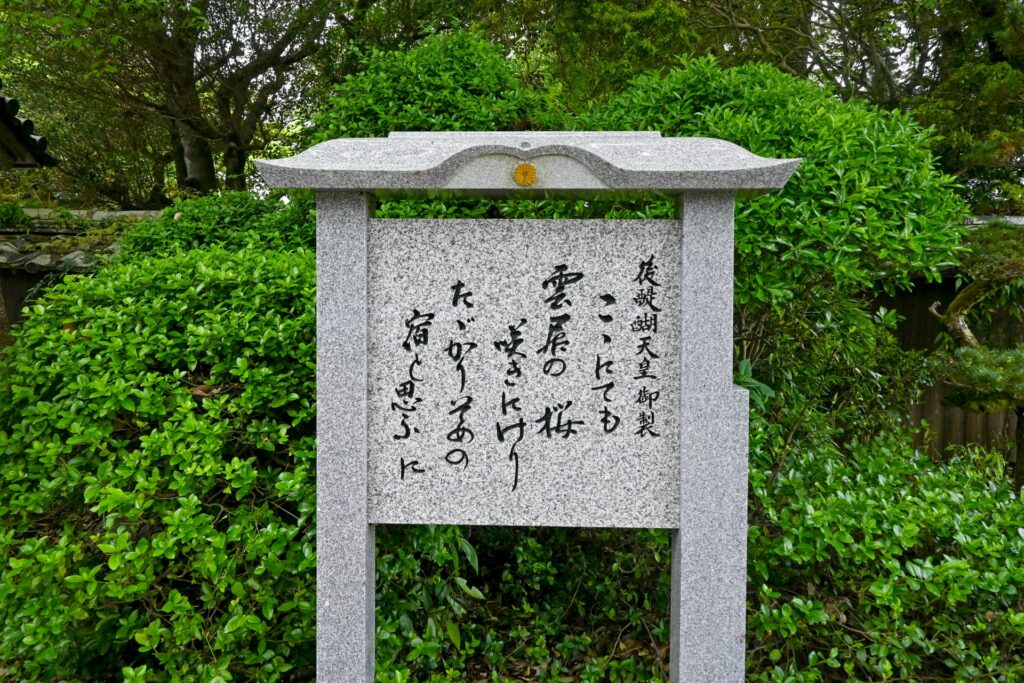
After the fall of Kamakura, Emperor Go-Daigo initiated the Kenmu Restoration, an effort to restore direct imperial rule and reduce warrior dominance. In theory, it promised a revival of classical imperial governance. In practice, it struggled to integrate the realities of samurai power.
The main source of dissatisfaction among warriors was land distribution and office appointments. Samurai who had fought expected tangible rewards. Instead, many believed the court prioritized aristocratic precedent over military service. The issue was not simply frustration—it was whether the new regime could govern effectively.
From a political realism perspective, Takauji’s shift was a calculation that the Kenmu Restoration was unworkable under medieval conditions. Support flowed to the leader who could ensure predictable authority and enforceable decisions.
Balanced interpretations include:
- Betrayal argument: Takauji turned against legitimate imperial sovereignty, deepening division and sparking decades of conflict.
- Pragmatic argument: He responded to a failed experiment in governance and constructed a system aligned with the realities of warrior power.
This tension between legitimacy and effective governance defines debates about Takauji to this day.
Go-Daigo vs. Takauji (Comparison)
| Category | Emperor Go-Daigo | Ashikaga Takauji |
| Primary goal | Restore imperial rule | Build stable warrior government |
| Support base | Court elites + loyalists | Provincial samurai networks |
| Governance style | Restorationist idealism | Pragmatic coalition-building |
| Political risk | Alienating samurai | Undermining imperial legitimacy |
The Founding of the Ashikaga (Muromachi) Shogunate
In 1336, Takauji established a rival political center in Kyoto and supported a Northern Court opposed to Go-Daigo’s Southern Court. This marked the foundation of the Ashikaga shogunate, also known as the Muromachi shogunate (named after the Kyoto district where its headquarters were located).
The new regime emerged amid crisis rather than stability. Takauji’s government maintained imperial institutions for legitimacy while consolidating real military authority under warrior leadership. The emperor remained symbolically important, but political enforcement rested with the shogunate.
The immediate result was the dual court system:
- Northern Court (Kyoto): Backed by Takauji and the Ashikaga government
- Southern Court: Led by Go-Daigo and his successors
Kamakura vs. Muromachi Shogunate
| Feature | Kamakura Shogunate | Muromachi (Ashikaga) Shogunate |
| Political base | Kamakura (eastern Japan) | Kyoto (near imperial court) |
| Relationship with emperor | Distant source of legitimacy | Central but contested legitimacy |
| Administrative structure | Early warrior bureaucracy | Flexible coalition-based rule |
| Military control | Initially centralized | Often negotiated with regional powers |
The Muromachi system innovated by operating close to Kyoto’s court culture, but it relied heavily on alliances with regional military families. This made unified national control difficult, particularly as local powers grew stronger.
The Nanboku-chō Period Explained
The Nanboku-chō period (1336–1392) refers to the era of two rival imperial courts: the Northern Court in Kyoto and the Southern Court led by Go-Daigo’s line. It was not simply a civil war, but a prolonged constitutional crisis over legitimate authority.
Warrior loyalties shifted frequently, and local conflicts expanded. For many samurai, survival and land security mattered more than ideological loyalty. The political fragmentation made decisive resolution difficult.
In 1392, the courts were formally reunited. However, the legacy of divided legitimacy and regional autonomy continued to shape Muromachi politics.
Ashikaga Takauji’s Leadership and Historical Reputation
Takauji’s legacy remains debated because he embodies the tension between loyalty and effective governance. Some historians view him as a stabilizer who constructed a workable military government after the Kenmu Restoration faltered. Others see him as a figure who fractured imperial legitimacy and prolonged instability.
Two common interpretations persist:
- Hero of stabilization: Builder of institutions suited to medieval realities.
- Traitor to legitimacy: Divider of imperial unity.
A useful comparison is Tokugawa Ieyasu. Like Ieyasu, Takauji prioritized durable institutions over idealized loyalty. Unlike Ieyasu, however, Takauji’s era did not produce long-term peace, contributing to harsher historical judgment.
Modern portrayals in novels, television dramas, and popular media continue to oscillate between “strategic realist” and “ambitious turncoat.” His career illustrates how legitimacy in medieval Japan was negotiated among lineage, ritual authority, military force, and elite recognition.
Cultural Foundations of the Muromachi Era
Despite political instability, the Muromachi era saw significant cultural development. Zen Buddhism gained influence among the samurai elite, offering discipline, institutional networks, and aesthetic values aligned with warrior identity.
Although Takauji himself is less associated with cultural patronage than later Ashikaga rulers, the institutions he established enabled later flourishing. Ashikaga Yoshimitsu, for example, played a major role in promoting refined courtly-warrior culture and laying foundations for Kitayama culture.
Political fragmentation did not prevent cultural growth. In fact, elite competition sometimes stimulated patronage of temples, art, and architecture.
Ashikaga Takauji Timeline
Key Chronology
- 1305: Birth of Ashikaga Takauji
- 1333: Fall of Kamakura; end of the Kamakura shogunate
- 1336: Establishment of the Muromachi government
- 1336–1392: Nanboku-chō conflict
- 1358: Death of Takauji
5-Minute Summary
Ashikaga Takauji began as a general of the Kamakura shogunate during a period of political crisis. After Emperor Go-Daigo helped overthrow Kamakura, his Kenmu Restoration failed to satisfy samurai demands. Takauji broke with the emperor, established a rival court in Kyoto, and founded the Ashikaga (Muromachi) shogunate. His actions triggered the Nanboku-chō period of divided imperial authority. His legacy remains debated: traitor or founder.
Exam Review Points
- Central figure in transition from Kamakura to Muromachi rule.
- Kenmu Restoration struggled to integrate warrior interests.
- Nanboku-chō period represents legitimacy crisis.
- Muromachi governance relied on negotiated authority.
- Cultural growth occurred despite political instability.
Frequently Asked Questions (FAQ)
Who was Ashikaga Takauji?
A samurai leader (1305–1358) who helped overthrow the Kamakura shogunate and later founded the Ashikaga (Muromachi) shogunate in Kyoto.
Why did he turn against Emperor Go-Daigo?
Many samurai believed the Kenmu Restoration failed to reward and govern effectively. Takauji shifted support to build a more stable warrior-based system.
What is he known for?
Founding the Muromachi shogunate and shaping the political order of medieval Japan.
What caused the fall of the Kamakura shogunate?
The Genkō War, combined with structural weaknesses such as reward disputes and weakened central authority.
What was the Nanboku-chō period?
An era (1336–1392) when two rival imperial courts competed for legitimacy.
Conclusion: Traitor or Founder of a New Era?
Ashikaga Takauji defies simple categorization. If imperial loyalty is the primary measure of legitimacy, he appears as a rebel who deepened division. If practical governance and institutional durability are prioritized, he emerges as a founder who adapted to political reality.
He was both disruptor and builder. By establishing a Kyoto-centered warrior government, he laid the groundwork for Muromachi political structures and later cultural achievements. His era was turbulent, but it reshaped Japan’s trajectory for centuries.