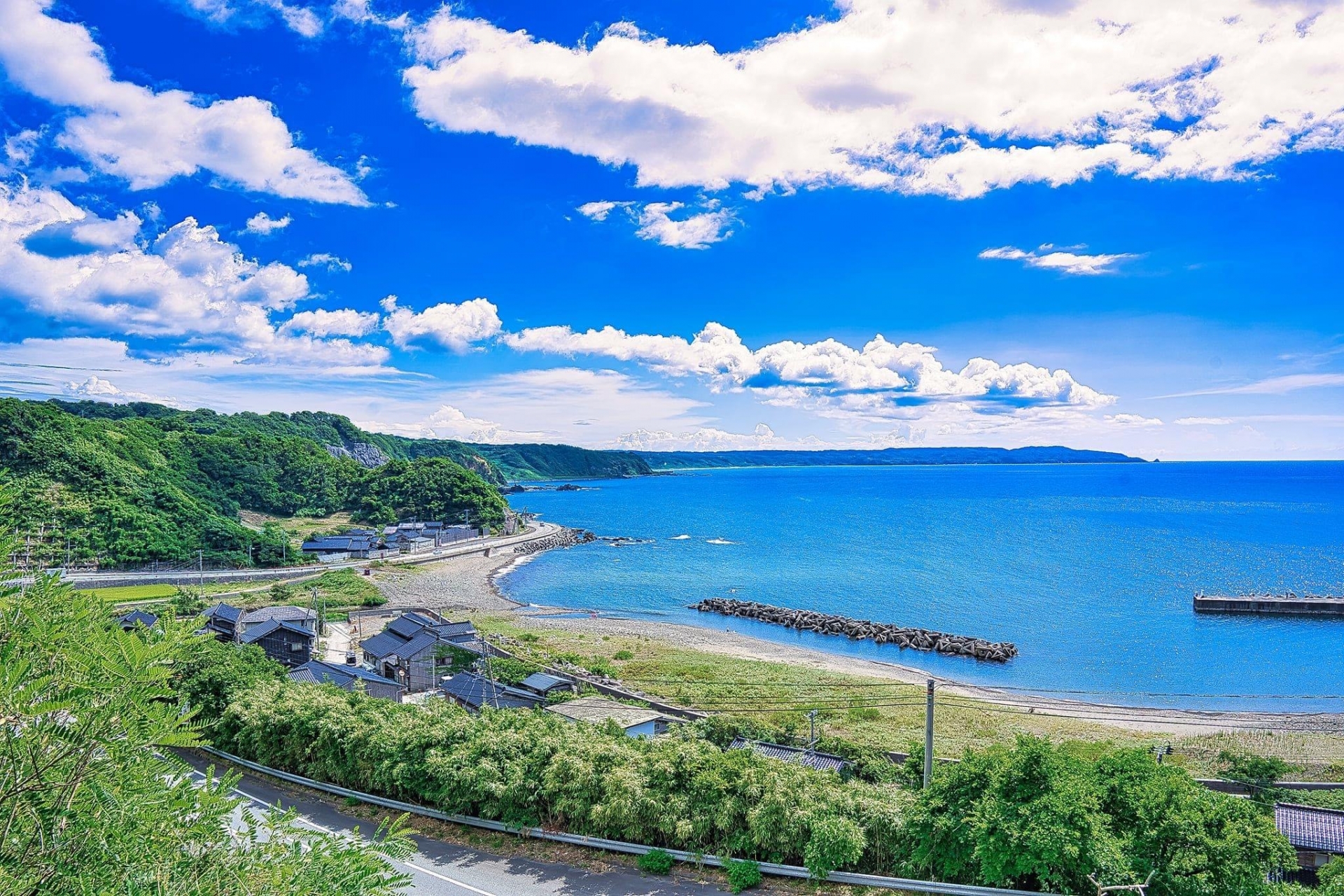
Located in the Sea of Japan off the coast of Niigata Prefecture, Sado Island is one of Japan’s most culturally rich yet underrated destinations. Known for its dramatic coastline, historic gold mines, and deeply rooted performing arts traditions, Sado Island offers travelers a side of Japan that feels far removed from mass tourism.
For visitors from the United States and Europe seeking authentic cultural experiences, unspoiled nature, and a slower pace of travel, Sado Island is an appealing alternative to heavily visited cities like Tokyo or Kyoto. This guide covers everything you need to know—from access and transportation to food, festivals, and ideal itineraries—so you can plan a rewarding first visit to Sado Island.


What Is Sado Island? An Overview
Sado Island is located about 45 kilometers off the coast of Niigata Prefecture in the Sea of Japan. With a total area of approximately 857 square kilometers, it is larger than Tokyo’s 23 wards combined, yet home to a relatively small population of around 50,000 people. This low population density gives the island its calm atmosphere and wide-open landscapes.
Historically, Sado Island played an important role during Japan’s Edo period due to its rich gold and silver deposits. The island was also used as a place of exile for political figures and intellectuals, a history that contributed to its unique cultural development. Geographic isolation helped preserve distinctive traditions in performing arts, agriculture, and spiritual practices.
Today, Sado Island is known for its rugged coastlines, terraced rice fields, rare wildlife, and strong sense of local community. Compared to Japan’s major tourist destinations, Sado remains relatively uncrowded, making it ideal for travelers who value authenticity, nature, and meaningful cultural encounters.
How to Get to Sado Island
Reaching Sado Island is easier than many travelers expect. Most visitors first travel to Niigata City, which is accessible from Tokyo by the Joetsu Shinkansen in about two hours. From Niigata Port, regular ferry and jetfoil services connect the mainland to Sado Island.
Travelers can choose between a conventional car ferry and a high-speed jetfoil. The ferry takes longer but allows vehicles onboard, while the jetfoil offers a faster and more comfortable ride for passengers without cars. Both options operate multiple times per day, though schedules may vary by season.
Ferry vs. Jetfoil Comparison
| Option | Travel Time | Cost (One Way) | Best For |
|---|---|---|---|
| Car Ferry | ~2.5 hours | Lower | Travelers with cars |
| Jetfoil | ~1 hour | Higher | Speed and comfort |
Getting Around the Island
Transportation options on Sado Island include rental cars, local buses, taxis, and bicycles. While buses connect major towns and some attractions, service frequency is limited and routes can be time-consuming for first-time visitors.
For most travelers, renting a car is the most convenient way to explore the island. Roads are generally quiet, driving is straightforward, and English signage is relatively easy to follow. A car allows access to remote coastal areas, rural villages, and scenic viewpoints that are difficult to reach by public transportation.
Top Things to Do on Sado Island
Sado Island offers a well-balanced combination of history, nature, and hands-on cultural experiences. Visitors can explore heritage sites in the morning, enjoy fresh seafood by the sea at midday, and attend traditional performances in the evening. Taking time to explore different parts of the island reveals the depth and diversity of Sado’s appeal.
Explore Sado Gold Mine (UNESCO World Heritage Site)
The Sado Gold Mine is the island’s most historically significant attraction and a designated UNESCO World Heritage Site. Operated for nearly 400 years, the mine played a major role in Japan’s economic development during the Edo period.
Today, visitors can walk through preserved tunnels, view realistic worker mannequins, and learn about traditional gold extraction techniques. Several visitor routes are available, ranging from easy introductory courses to more in-depth historical tours. Allow at least 90 minutes to fully appreciate the site.
Experience Traditional Culture and Performing Arts
Sado Island is internationally recognized for its traditional performing arts, especially taiko drumming. The island is home to Kodo, one of the world’s most renowned taiko groups.
Visitors can attend live performances, observe rehearsals, or take part in hands-on workshops. Beyond taiko, Sado continues to preserve Noh theater, folk dances, and seasonal rituals that are rarely encountered by overseas travelers.
Nature, Coastlines, and Outdoor Activities
Nature lovers will find a wide range of outdoor experiences on Sado Island. The island features rugged cliffs, rocky shorelines, sandy beaches, and forested hills. Popular activities include coastal kayaking, cycling, hiking, and wildlife observation.
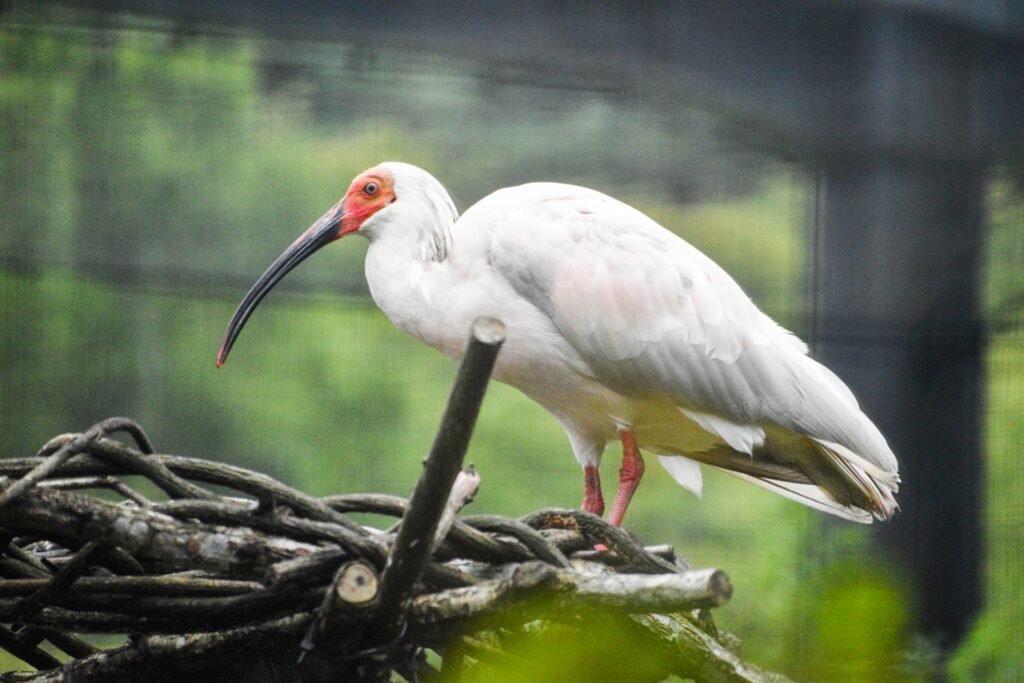
Sado Island is also known for conservation efforts to protect the endangered Japanese crested ibis, locally called Toki. Conservation centers allow visitors to learn about these efforts, and with some luck, the birds can be seen in protected areas.
Ride a Traditional Tarai-bune (Tub Boat)
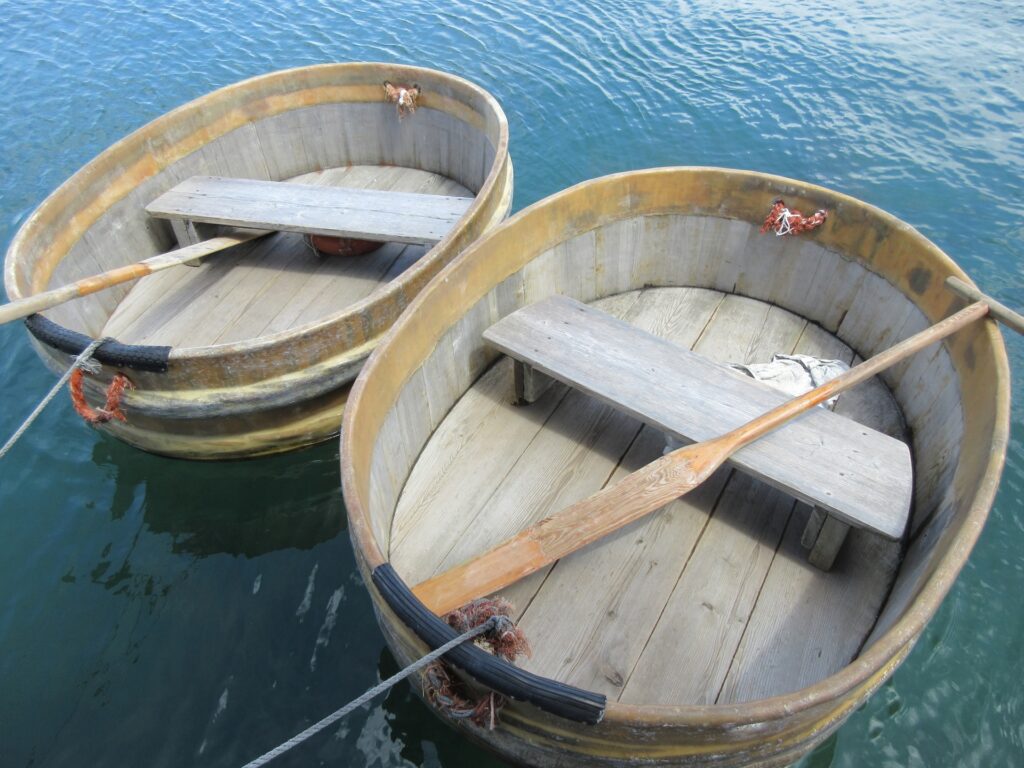
One of Sado Island’s most iconic experiences is riding a tarai-bune, a small wooden tub boat traditionally used by fishermen to navigate narrow and rocky coastal waters.
Today, short tarai-bune rides are offered along the scenic Ogi Coast, guided by local boatwomen. The experience is peaceful, highly photogenic, and deeply connected to the island’s maritime heritage.
Seasonal Highlights and Festivals on Sado Island
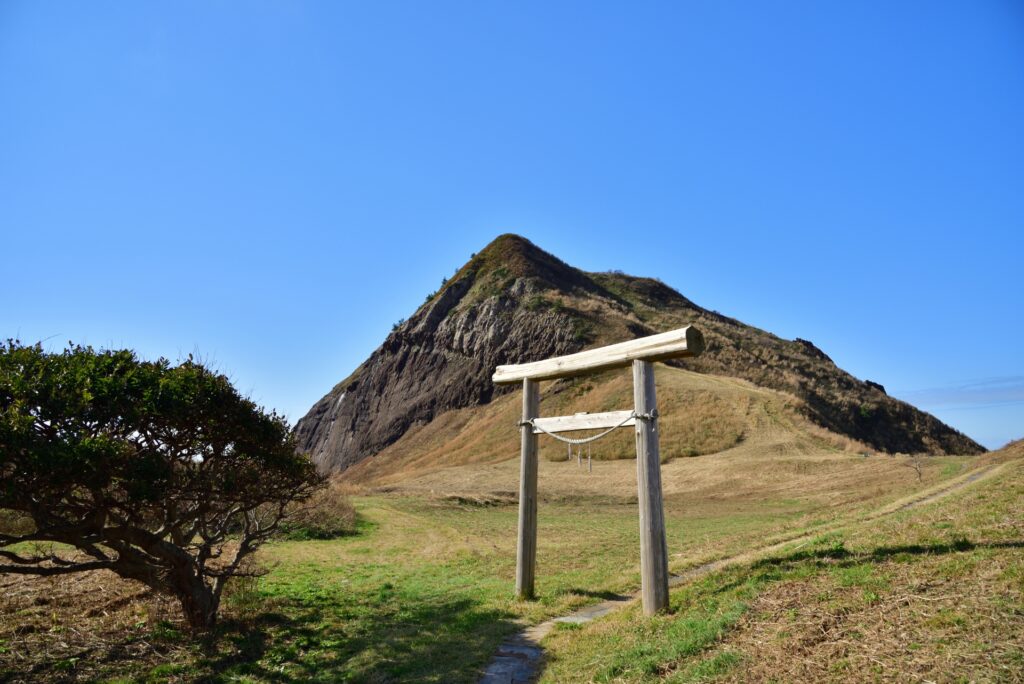
Each season on Sado Island offers a distinct atmosphere. Spring brings cherry blossoms and rice planting, while summer is festival season with warm weather ideal for coastal activities. Autumn showcases golden rice fields and vibrant foliage, and winter offers a quiet, reflective side of the island with snow-covered landscapes.
| Season | Highlights |
|---|---|
| Spring | Cherry blossoms, cultural events |
| Summer | Festivals, kayaking, beaches |
| Autumn | Harvest season, fall foliage |
| Winter | Snow scenery, hot springs |
Earth Celebration and Local Festivals
The most famous event on Sado Island is Earth Celebration, an international performing arts festival held every summer. Musicians and performers from around the world gather on the island, creating a unique cultural exchange centered on rhythm and tradition.
Smaller local festivals throughout the year celebrate harvests, fishing culture, and religious customs, offering visitors opportunities to connect directly with local communities.
What to Eat on Sado Island
Sado Island’s cuisine is based on fresh seafood, high-quality rice, and locally brewed sake. Yellowtail, squid, and shellfish are commonly served, often prepared simply to highlight their natural flavors.
The island’s rice is grown using environmentally friendly farming methods that support biodiversity. Combined with pure local water, this rice forms the foundation of Sado’s distinctive sake, which pairs well with regional dishes.
Where to Stay on Sado Island
Accommodation options on Sado Island range from traditional ryokan and family-run minshuku to modern hotels and seaside lodges. Ryokan are ideal for travelers seeking cultural immersion, offering tatami rooms, local cuisine, and a traditional atmosphere.
Minshuku provide a more casual and affordable stay, while hotels and rental cottages suit families and longer visits. Nature-oriented travelers can also find campgrounds and eco-lodges in scenic areas.
How Many Days Do You Need on Sado Island?
Although a day trip is technically possible, it is not recommended. Sado Island is large, and travel times between attractions can add up quickly.
One day allows only a brief overview of a few highlights. Two days provide a balanced introduction to culture and nature, while three days or more allow for deeper exploration, festival visits, and a more relaxed pace.
Is Sado Island Worth Visiting?
Sado Island is well worth visiting for travelers who value authenticity, cultural depth, and uncrowded environments. Its blend of heritage sites, living traditions, and natural beauty makes it one of Japan’s most rewarding lesser-known destinations.
Conclusion: Why Sado Island Should Be on Your Japan Travel List
Sado Island brings together history, nature, and culture in a way few destinations in Japan can. From historic gold mines and taiko performances to coastal scenery and local cuisine, the island offers a deeply meaningful travel experience.
If you are looking to explore Japan beyond the standard tourist routes, Sado Island deserves a place in your itinerary as a destination that reveals a quieter, richer, and more authentic side of the country.