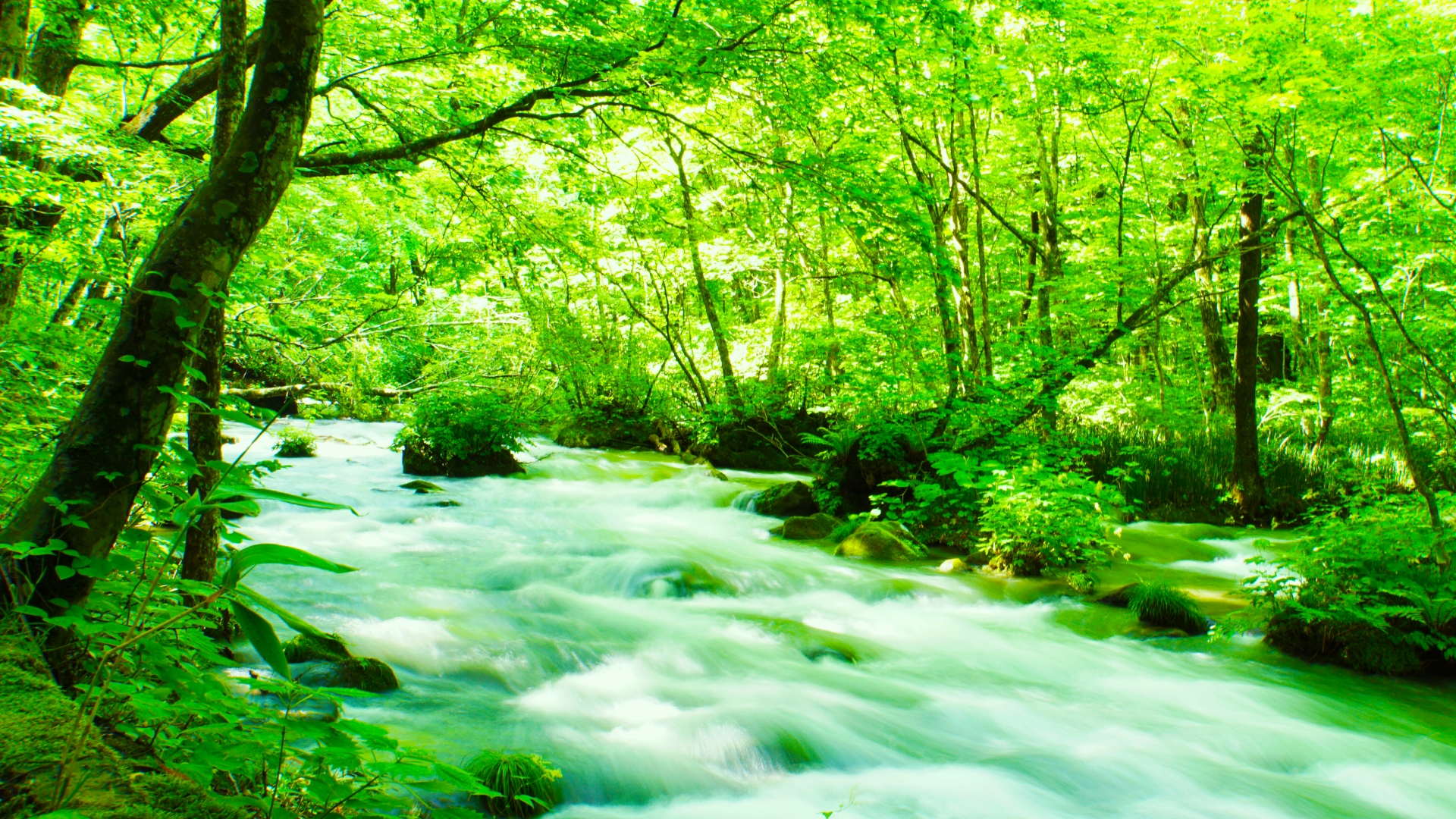
Oirase Gorge is widely regarded as one of Japan’s most beautiful natural walking trails. Flowing gently from Lake Towada through a forest of moss-covered rocks, beech trees, and dozens of waterfalls, the gorge offers a slow, immersive way to experience Japan’s pristine wilderness. For travelers from the US, Canada, and Europe—especially those visiting Japan for the first or second time—Oirase Gorge represents a refreshing contrast to major cities like Tokyo and Kyoto.
Unlike mountain hikes that require technical skill or endurance, Oirase Gorge is accessible, peaceful, and visually rewarding throughout the year. This guide explains what Oirase Gorge is, where it’s located, the best seasons to visit (including winter), how to hike it based on your fitness level, photography tips, and how to combine it with nearby Lake Towada for an unforgettable nature-focused itinerary.


What Is Oirase Gorge?
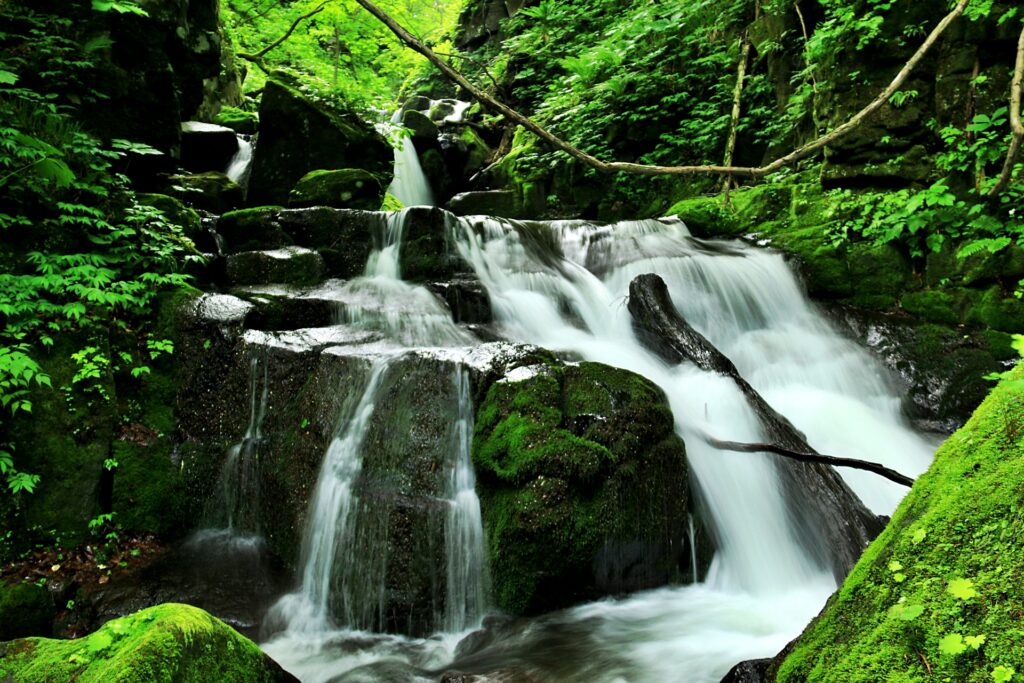
Oirase Gorge is a mountain stream that flows approximately 14 kilometers (8.7 miles) from Lake Towada toward the town of Towada in northern Japan. Rather than a single dramatic canyon, it is a continuous ribbon of flowing water accompanied by waterfalls, rapids, and lush vegetation. The defining feature of the gorge is its harmony—everything from the gentle current to the moss-covered stones feels carefully balanced.
Often called “Japan’s most beautiful stream,” Oirase Gorge is protected as part of a national park, which ensures that development is tightly controlled and the natural environment remains intact. Wooden walkways and gravel paths run alongside the river, allowing visitors to experience the scenery up close without disturbing the ecosystem. This balance of accessibility and preservation is one of the reasons Oirase Gorge is so beloved by both Japanese locals and international travelers.
Where Is Oirase Gorge Located?
Oirase Gorge is located in Aomori Prefecture, in the northern part of Japan’s main island, Honshu. The gorge begins at the eastern shore of Lake Towada, a large volcanic caldera lake that itself is a major scenic attraction.
For overseas travelers, it helps to understand the scale: Oirase Gorge is roughly 700 kilometers (435 miles) north of Tokyo. While that may sound far, Japan’s high-speed Shinkansen trains make the journey surprisingly manageable. Its remote location is part of its appeal—this is not a crowded tourist hotspot, but a place where nature takes center stage.
Best Time to Visit Oirase Gorge
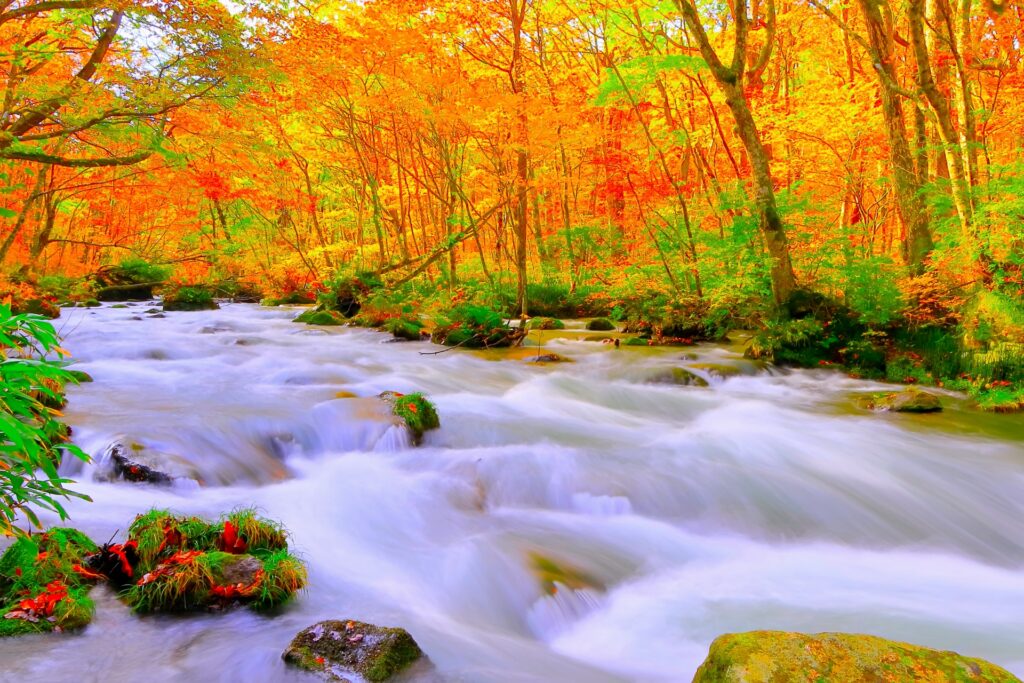
Oirase Gorge is a year-round destination, and each season offers a completely different atmosphere. Spring (late April to May) brings fresh greenery and fewer visitors, while summer offers cool temperatures and vibrant plant life. Autumn is the most famous season due to spectacular fall foliage, and winter transforms the gorge into a quiet, snow-covered wonderland.
Autumn (mid to late October) is the most popular time, and crowds can be significant during peak foliage weekends. To manage this, consider visiting on weekdays, starting early in the morning, or focusing on less-accessed sections of the trail. Rainy or overcast days, often overlooked by travelers, can actually enhance the gorge’s beauty by deepening colors and increasing water flow.
Oirase Gorge in Autumn
Autumn is when Oirase Gorge truly earns its reputation. Peak foliage typically occurs from mid to late October, when maple and beech trees turn vivid shades of red, orange, and yellow. These colors contrast beautifully with the dark green moss and clear stream, creating a layered, almost painterly landscape.
For photographers, this is the ideal season—but also the busiest. To avoid crowds, arrive before 8 a.m., walk upstream instead of downstream, or focus on smaller waterfalls away from bus stops. Even during peak season, it’s possible to find quiet moments if you walk just a little farther than the average visitor.
Oirase Gorge in Winter
Winter transforms Oirase Gorge into a completely different experience. Snow blankets the forest, and some waterfalls partially freeze, creating dramatic ice formations. The atmosphere is silent and contemplative, ideal for travelers seeking solitude and unique scenery.
However, winter visits are not for everyone. Some walking paths are closed due to snow, and access is more limited. Proper winter footwear is essential, and guided tours are recommended for those unfamiliar with snowy conditions. Winter is best suited for experienced travelers or photographers looking for something truly special and uncrowded.
Hiking the Oirase Gorge Trail
The full Oirase Gorge trail is approximately 14 kilometers long and typically takes 4 to 5 hours to walk at a relaxed pace, including photo stops. The trail is mostly flat, well-maintained, and clearly marked, making it suitable for beginners and casual walkers. There are no steep climbs or technical sections.
What makes the hike special is its variety. In a single walk, you’ll pass calm stream sections, fast-flowing rapids, multiple waterfalls, and dense forest corridors. Benches and rest areas are scattered throughout, allowing travelers to pause and enjoy the scenery without rushing.
Easy Walk vs Full Trail
Not everyone needs—or wants—to walk the entire length. Partial walks are very popular and often more practical. Short sections near major waterfalls or scenic highlights can be enjoyed in 60 to 90 minutes, making them ideal for travelers with limited time or stamina.
Public buses run parallel to the gorge, allowing visitors to hop on and off at different points. This flexibility makes Oirase Gorge one of the most accessible nature walks in Japan, even for those who don’t consider themselves hikers.
Photography Tips for Oirase Gorge
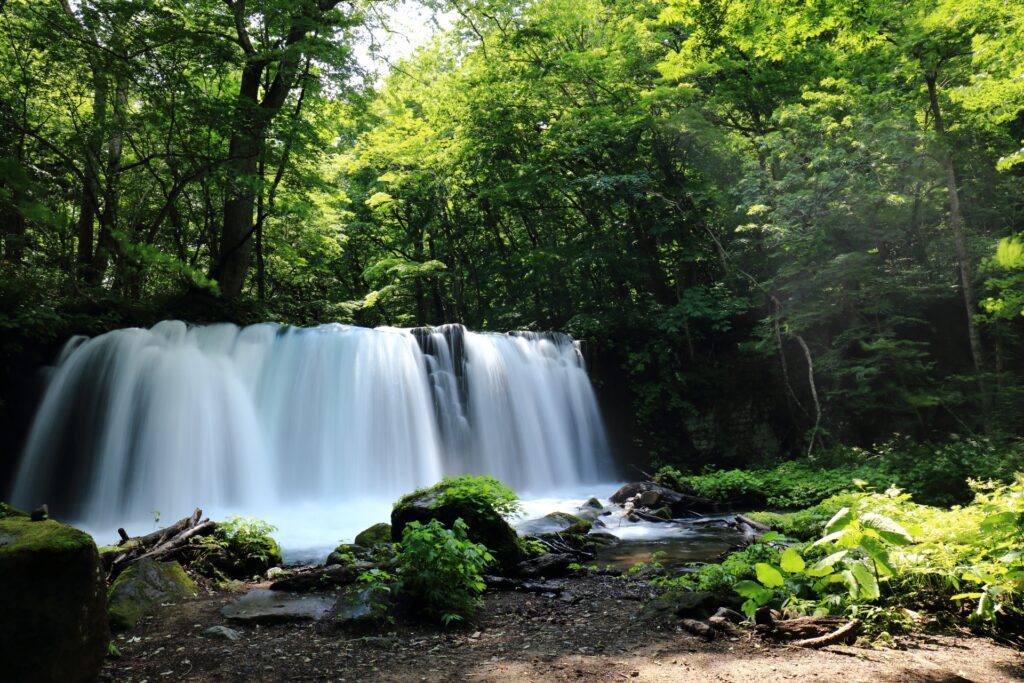
Oirase Gorge is a paradise for photographers, from smartphone users to professionals. Iconic photo spots include fast-flowing stream sections, small cascades framed by mossy rocks, and shaded forest paths. Overcast or rainy days are especially good for photography, as soft light reduces harsh shadows and enhances color saturation.
For camera users, a tripod allows for long-exposure shots that emphasize the smooth flow of water. Smartphone photographers can focus on composition—use leading lines from the stream, frame waterfalls with trees, and look for details like moss textures or fallen leaves. The gorge rewards patience and observation more than expensive equipment.
How to Get to Oirase Gorge
From Tokyo, travelers typically take the Shinkansen to Hachinohe or Shin-Aomori, then transfer to local buses heading toward Lake Towada and Oirase Gorge. The journey is long but straightforward, and signage is generally tourist-friendly.
Rental cars offer the most flexibility, especially for those planning to visit Lake Towada or travel during off-peak seasons. However, public transportation is reliable and sufficient for most visitors, particularly during autumn when seasonal bus services are increased.
Suggested Itinerary: Lake Towada & Oirase Gorge
Half-day itinerary:
Start at Lake Towada, enjoy the lakeshore views, then walk a 3–5 km section of Oirase Gorge focusing on waterfalls and stream scenery.
Full-day itinerary:
Spend the morning exploring Lake Towada (including a boat cruise if available), then walk a longer section—or the full length—of Oirase Gorge in the afternoon. Staying overnight near the lake or gorge allows for early-morning walks when the area is quietest.
Is Oirase Gorge Worth Visiting?
Compared to famous destinations like Kyoto or Hakone, Oirase Gorge offers something fundamentally different: space, silence, and immersion in nature. It’s not about landmarks or attractions, but about slowing down and walking alongside flowing water.
Oirase Gorge is especially rewarding for travelers who love photography, nature, and quieter experiences. If you’re seeking a side of Japan beyond cities and temples, it is absolutely worth the journey.
Conclusion: Why Oirase Gorge Deserves a Place on Your Japan Itinerary
Oirase Gorge stands out for its combination of beauty, accessibility, and seasonal variety. Whether you visit during peak autumn foliage, lush summer greenery, or the serene snow of winter, the gorge offers an experience that feels timeless and deeply connected to nature.
For international travelers looking to balance Japan’s vibrant cities with moments of calm, Oirase Gorge is an ideal destination. It invites you to slow down, walk quietly, and experience Japan not as a checklist of sights—but as a living landscape best appreciated one step at a time.