Chuson-ji Temple is one of the most important cultural landmarks in northern Japan and a centerpiece of the UNESCO-listed Hiraizumi heritage area. While many travelers recognize it for the dazzling Konjikido (Golden Hall), the site offers far more: a deeply spiritual landscape shaped by Buddhist ideals, centuries of history tied to the Oshu Fujiwara clan, and a serene mountain setting far removed from Japan’s major cities.
This guide explains not only why Chuson-ji matters historically and spiritually, but also how to visit it efficiently—what to see, how long to stay, and how to fit it into your Hiraizumi itinerary.


What Is Chuson-ji Temple and Why Is It Famous?
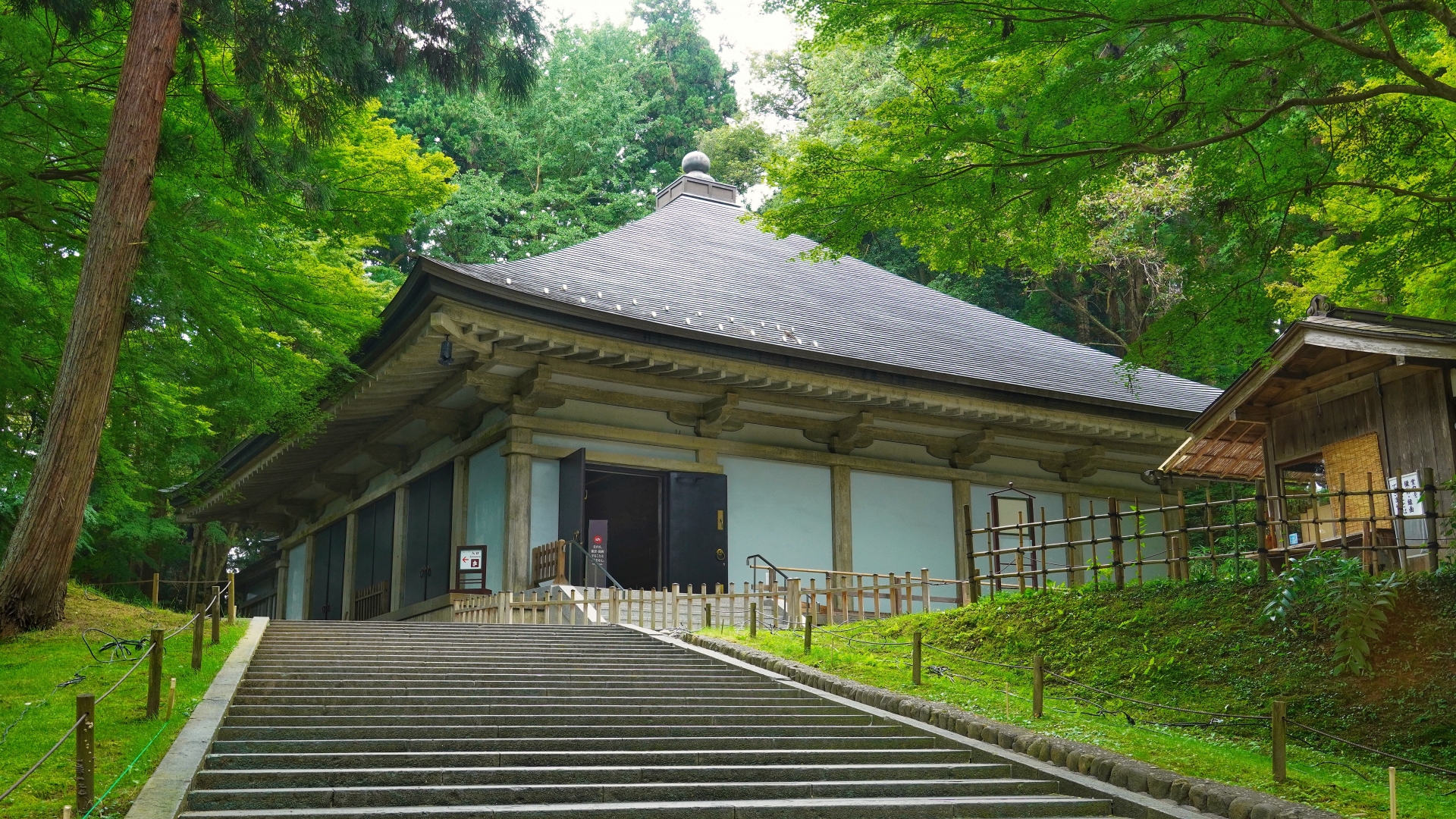
Chuson-ji is a Tendai Buddhist temple complex located on Mount Kanzan in Hiraizumi, Iwate Prefecture. Rather than a single building, it is a vast temple precinct spread across a forested hillside, with multiple halls, pathways, and historical structures.
Its global reputation comes primarily from Konjikido, a gold-covered hall dating back to 1124, and from its designation as part of the UNESCO World Heritage site “Hiraizumi” in 2011.
Chuson-ji played a central role during the Heian period as both a spiritual and political center of the Oshu Fujiwara clan, who established a powerful and cultured society in northern Japan. The temple was designed to embody the concept of a Buddhist Pure Land—a peaceful and idealized world created in contrast to the warfare of the time.
If Kyoto has Kinkaku-ji as an iconic golden landmark, Hiraizumi has Konjikido—but with deeper funerary, symbolic, and religious meaning. Chuson-ji is not just visually striking; it is where architecture, belief, and history come together.
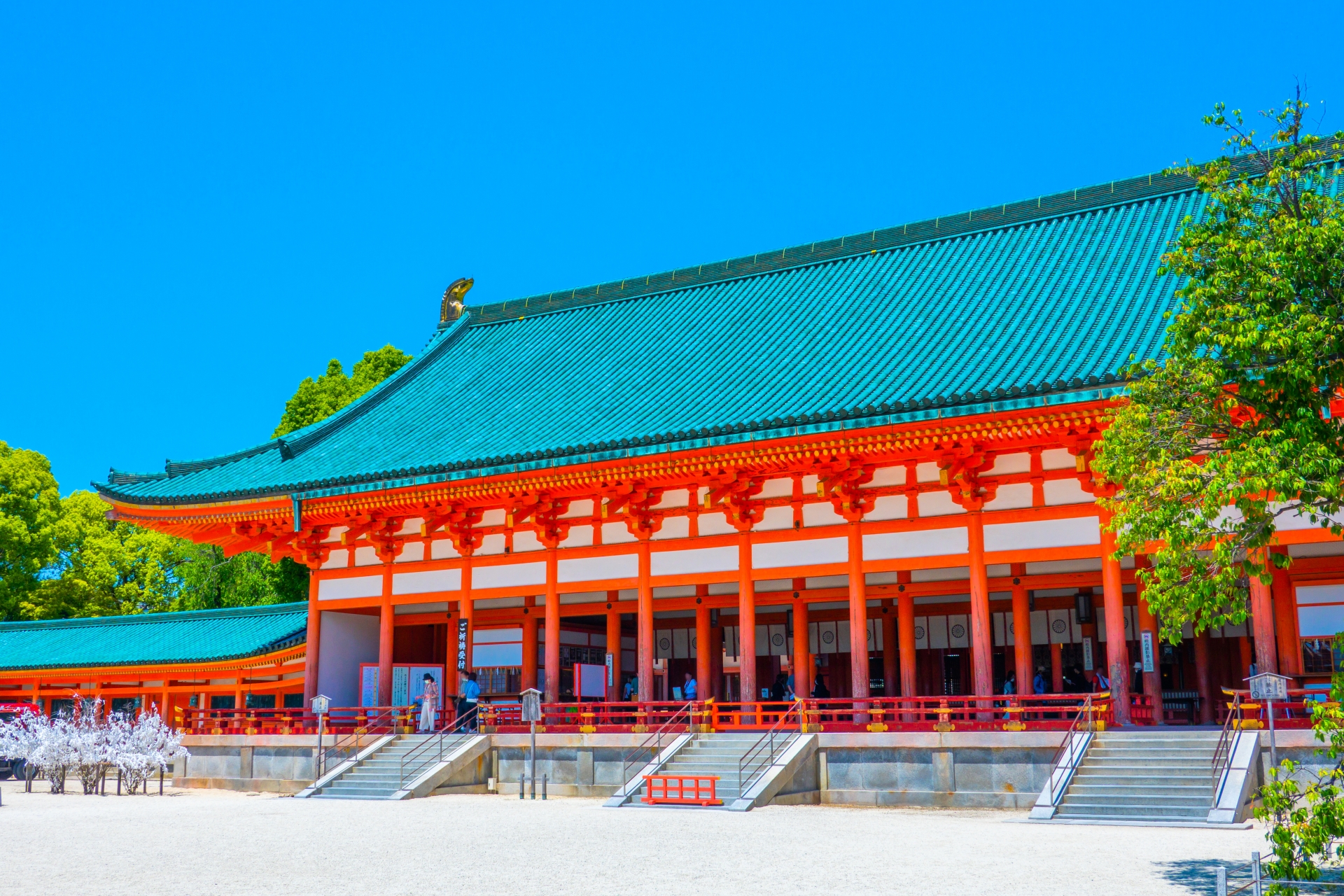
The story of the Oshu Fujiwara and the dream of a Buddhist land
Chuson-ji’s origins are closely tied to Fujiwara no Kiyohira, founder of the Oshu Fujiwara clan. After enduring years of conflict, Kiyohira sought to build a peaceful society grounded in Buddhist teachings.
Chuson-ji became the spiritual center of this vision, symbolizing both political stability and devotion. The idea was to recreate a Pure Land—a Buddhist paradise—on earth, where harmony and enlightenment could flourish.
Mini Timeline:
- 850: Early temple origins established
- Early 12th century: Expansion under Fujiwara no Kiyohira
- 1124: Konjikido completed
- 1189: Fall of the Oshu Fujiwara clan
- 1337: Many structures lost to fire
- 2011: Hiraizumi designated as UNESCO World Heritage
Understanding this story transforms a visit from simple sightseeing into a meaningful historical experience.
Konjikido: Inside the Golden Heart of Chuson-ji
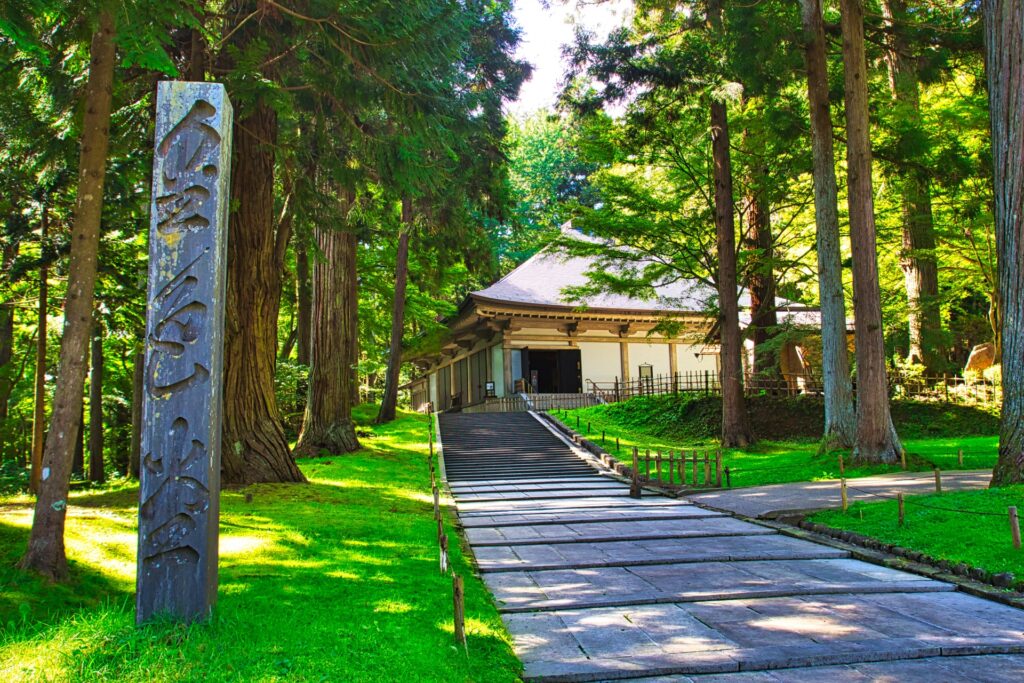
Konjikido is the most famous structure at Chuson-ji and one of the most remarkable surviving buildings from Japan’s Heian period. Completely covered in gold leaf, it is often called the “Golden Hall,” but its significance goes far beyond its appearance.
It serves as a mausoleum for the Fujiwara rulers and preserves nearly 900 years of intricate craftsmanship.
| Feature | Why it matters |
| Gold leaf exterior and interior | Symbolizes the Buddhist Pure Land and spiritual purity |
| Lacquer and mother-of-pearl inlay | Visually expresses the splendor of the Pure Land while showcasing advanced Heian craftsmanship |
| Buddhist statues | Represent religious devotion and Buddhist cosmology |
| Mausoleum function | Houses the remains of Fujiwara leaders |
Unlike buildings created purely for decoration, Konjikido was designed with profound symbolic meaning. Every element reflects Buddhist beliefs about life, death, and the afterlife.
Why Konjikido matters more than its appearance
While its golden surface captures attention, Konjikido’s true importance lies in its spiritual and symbolic role. The use of gold leaf, lacquer, and mother-of-pearl creates a physical representation of the Buddhist paradise.
Inside, statues and sacred objects reinforce its dual function as both a place of worship and a memorial space. It is also one of the very few structures from the Heian period that remain intact, offering rare insight into the artistic and religious world of medieval Japan.
What else to see besides Konjikido
Although Konjikido is the highlight, the surrounding temple grounds offer a much richer experience. The approach along Tsukimizaka slope, lined with towering cedar trees, creates a calm and reflective atmosphere.
Other important sites include the Sankozo Museum, which houses cultural treasures, and the Main Hall, where religious practices continue today. Smaller buildings such as Benkei-do add layers of historical and legendary meaning.
Exploring these areas reveals that Chuson-ji is not just a single attraction—it is an immersive cultural landscape.
How to Visit Chuson-ji Temple: Access, Admission, and Hours
Chuson-ji is easily accessible from Hiraizumi Station, with several transportation options depending on your travel style.
Access
- On foot: About 20–25 minutes from Hiraizumi Station (includes a gentle uphill walk)
- By bus: About 5 minutes from the station
- By taxi: About 5 minutes
The uphill approach means comfortable walking shoes are highly recommended.
Admission
- Adults: 1,000 yen
- High school students: 700 yen
- Junior high school students: 500 yen
- Elementary school students: 300 yen
The admission fee mainly covers access to Konjikido (Golden Hall) and the Sankozo Museum, which house the most important cultural assets of Chuson-ji.
Note: Prices may change, so check the official website before visiting.
Opening Hours
- Regular season: Around 8:30 AM – 5:00 PM
- Winter season: Until around 4:30 PM
Last admission is typically before closing time. Hours may vary slightly depending on the season.
Parking
Paid parking is available near the temple. During peak seasons such as autumn foliage, expect crowds and limited availability.
How long should you spend at Chuson-ji?
- 60 minutes: Highlights only (Konjikido + short walk)
- 90 minutes: Recommended for first-time visitors
- 2 hours: Full experience at a relaxed pace
Best walking route for first-time visitors
- Start at Tsukimizaka approach
- Walk up through the cedar-lined path
- Visit the Main Hall
- Enter the paid area (Konjikido)
- Explore Sankozo Museum
- Visit secondary halls (e.g., Benkei-do)
This route balances atmosphere and efficiency.
Best Time to Visit Chuson-ji Temple
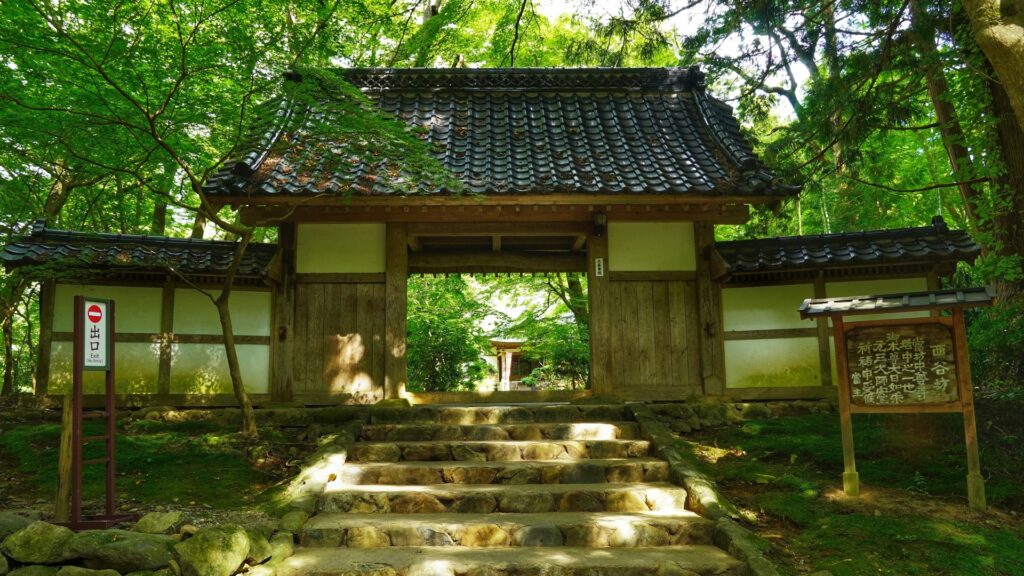
Each season offers a different experience. Spring brings fresh greenery and calm energy, while summer is lush but humid. Winter transforms the temple into a quiet, snow-covered landscape.
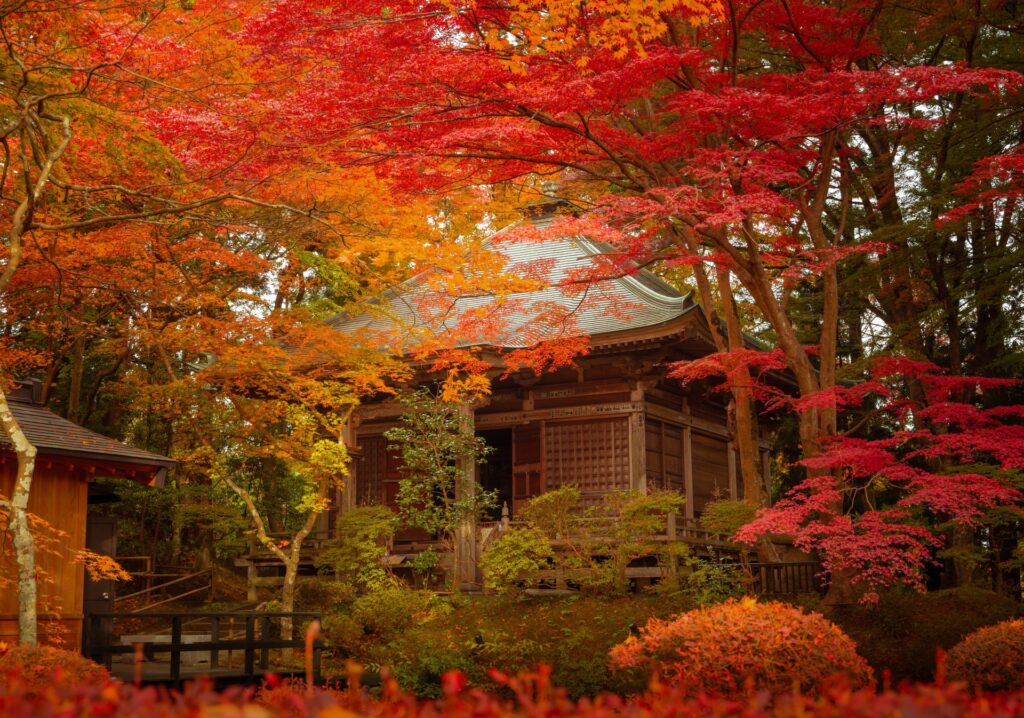
Autumn is especially popular for its vibrant foliage, which contrasts beautifully with the historic buildings. Early morning visits are recommended for a quieter and more reflective experience.
Is autumn the best season?
Autumn is visually stunning, but whether it is the “best” season depends on your preferences.
- For photography: autumn
- For fewer crowds: spring or winter
- For atmosphere: all seasons offer something unique
Chuson-ji vs Motsu-ji: Which One Should You Visit?
| Aspect | Chuson-ji | Motsu-ji |
| Main highlight | Konjikido Golden Hall | Pure Land garden |
| Atmosphere | Forested mountain setting | Open landscape |
| Experience | Historical structures | Scenic walking |
| Time needed | 1–2 hours | 45–60 minutes |
Which temple is better for first-time visitors?
Chuson-ji is usually the top priority due to its iconic Golden Hall and historical depth. However, Motsu-ji offers a complementary experience with its serene garden and visual interpretation of Pure Land Buddhism.
If possible, visiting both provides a fuller understanding of Hiraizumi.
Useful Travel Tips Before You Go
- Coin lockers are available at Hiraizumi Station
- Some indoor or sacred areas may restrict pets
- Expect a moderate uphill walk
- Wear comfortable shoes
- Check parking availability during peak seasons
Planning ahead will make your visit smoother and more enjoyable.
Final Thoughts: Is Chuson-ji Temple Worth Visiting?
Yes—Chuson-ji Temple is absolutely worth visiting, especially for travelers interested in Japanese history, Buddhist art, and UNESCO World Heritage sites.
Its combination of cultural depth, spiritual meaning, and natural beauty makes it a standout destination beyond the typical Tokyo–Kyoto route.
For the best experience, pair Chuson-ji with Motsu-ji and explore the wider Hiraizumi area.
Chuson-ji is not just a place to see—it’s a place to understand.