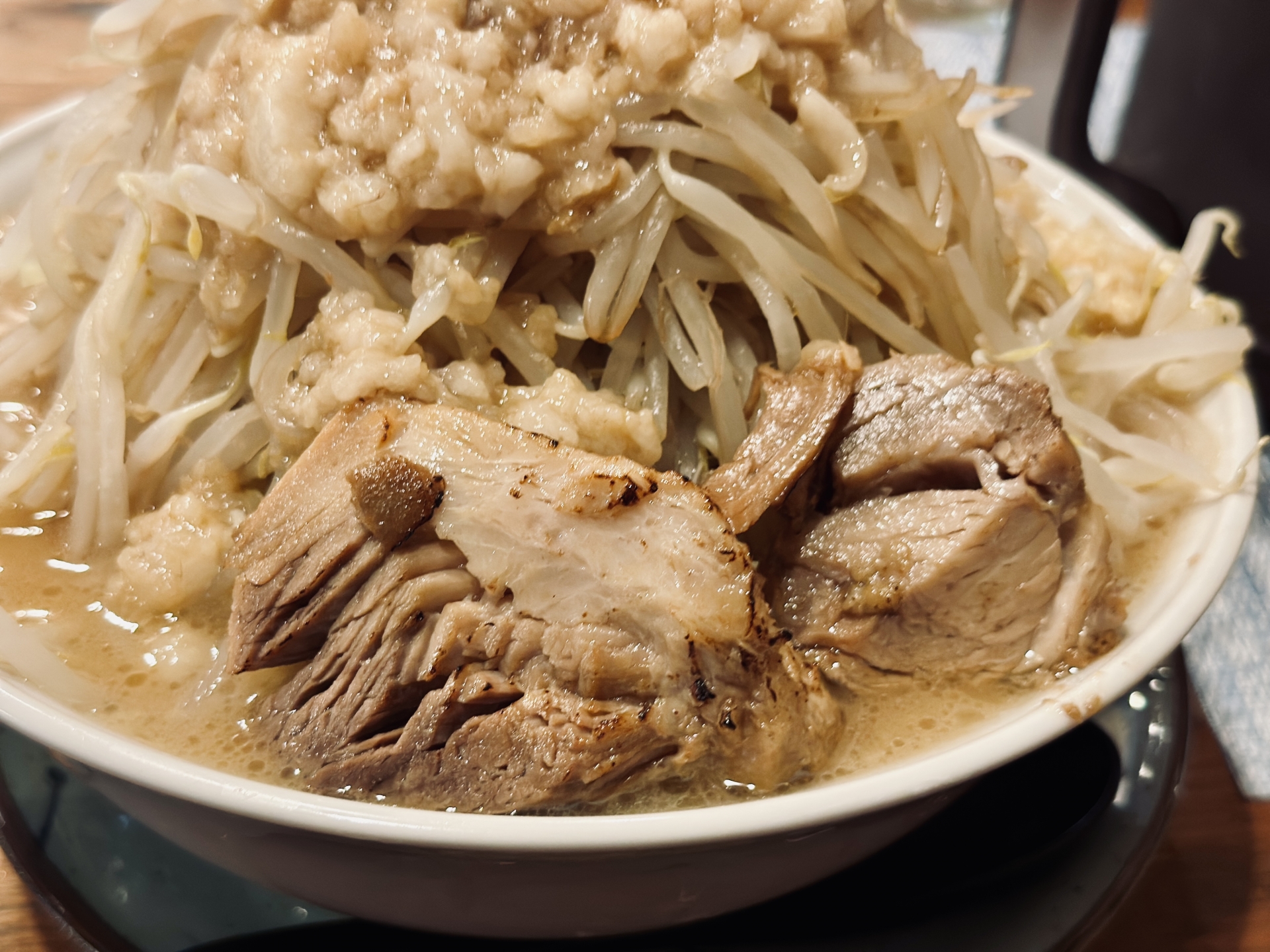
Jiro ramen is not the kind of ramen you quietly slip into between sightseeing stops. It is big, garlicky, heavy, and a little chaotic in the best possible way. A bowl usually arrives with thick noodles, a pork-rich soy sauce broth, a heap of bean sprouts and cabbage, thick slices of pork, chopped raw garlic, and pork back fat. Even before you taste it, it makes a statement.
For many travelers, Jiro ramen looks exciting but slightly intimidating. The portions are large, the shops can move quickly, and the ordering style has its own rhythm. This guide explains what Jiro ramen is, how it differs from regular ramen, how to order it without freezing at the counter, where to try it in Tokyo, and how to make a simple Jiro-style ramen at home.


What Is Jiro Ramen?
Jiro ramen is a giant, garlic-heavy ramen style that started with Ramen Jiro, a well-known ramen shop brand born in Tokyo. It is very different from a delicate shoyu ramen or a carefully balanced bowl of tonkotsu. Jiro ramen is built around volume, force, and satisfaction.
A typical bowl comes with extra-thick noodles, a rich pork-and-soy-sauce-based broth, a pile of bean sprouts and cabbage, chunky pork slices, chopped raw garlic, and pork back fat. The vegetables often rise above the rim of the bowl, making the ramen look almost top-heavy.
The first surprise is usually the size. At many Jiro-style shops, even a “small” ramen can feel larger than a regular ramen meal elsewhere. The noodles are dense and chewy, the garlic hits sharply, and the broth is salty, fatty, and porky. Jiro ramen is not aiming for elegance.
That is part of the appeal.
Ramen Jiro vs Jiro-Style vs Jiro-Kei Ramen
One point that often confuses beginners is the difference between Ramen Jiro, Jiro-style ramen, and Jiro-kei ramen. These terms are often mixed together in English articles, ramen blogs, and social media posts, but they are not exactly the same.
Ramen Jiro refers to the official shop brand. These are the original shops connected to the Ramen Jiro name.
Jiro-style ramen is a broader term for ramen inspired by Ramen Jiro. These shops may use similar thick noodles, vegetable piles, pork, garlic, and back fat, but they are not necessarily official Ramen Jiro branches.
Jiro-kei ramen is the Japanese term often used for this wider category. “Kei” means style or type, so Jiro-kei basically means Jiro-style.
| Term | Meaning | Where You’ll See It | Beginner Note |
| Ramen Jiro | Official Ramen Jiro shops | Japan, especially Tokyo | The original experience |
| Jiro-style ramen | Ramen inspired by Ramen Jiro | Independent shops, overseas ramen shops | Often easier for beginners |
| Jiro-kei ramen | Japanese term for Jiro-style ramen | Japanese blogs, menus, ramen guides | Broad category of Jiro-inspired ramen |
| Homemade Jiro-style ramen | Home-cooked recreation | Recipe blogs, YouTube, Reddit | Easier when simplified |
For travelers, the main thing to remember is simple: official Ramen Jiro shops offer the original experience, while Jiro-style shops may be more flexible and sometimes easier for a first visit.
Why Is Jiro Ramen So Famous?
Jiro ramen is famous partly because of the flavor, but also because of the culture around it. The bowls are huge. The vegetables rise like a small mound. The garlic is strong enough to follow you around for the rest of the afternoon. The noodles feel closer to a full meal than a side element.
For many fans, finishing a bowl is part of the experience. It can feel less like a casual lunch and more like joining a local food ritual.
Hardcore Ramen Jiro fans are often called Jirorians. Some visit different branches to compare the soup, pork, noodles, portion size, and shop atmosphere. One branch might be known for firmer noodles; another might have especially generous pork. These small differences are part of what keeps people coming back.
For visitors, the culture may sound intense from the outside. But once you understand the basic ordering flow and choose a realistic portion, Jiro ramen becomes much less scary. It is simply one of Japan’s more memorable ramen experiences.
What Does Jiro Ramen Taste Like?
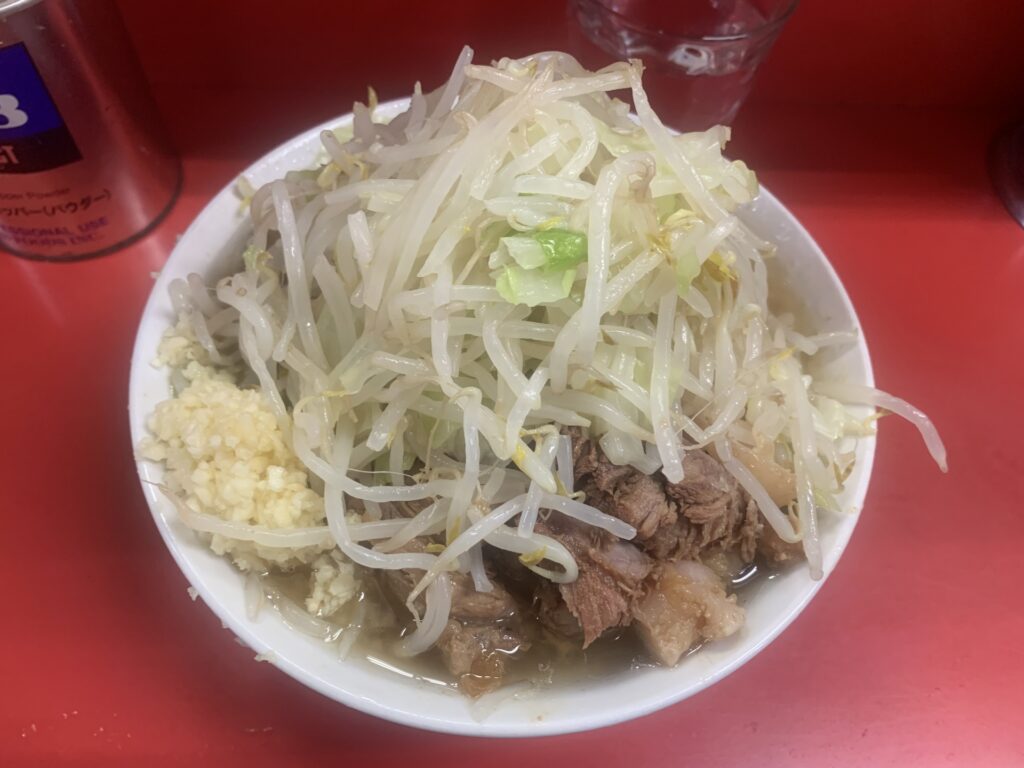
Jiro ramen tastes rich, salty, garlicky, fatty, and extremely filling. The broth is usually based on pork and soy sauce, with a strong savory flavor rather than a light or refined one. This is not the kind of soup you sip slowly while searching for subtle aromas.
It comes at you directly: pork richness, soy sauce sharpness, raw garlic, and back fat.
The noodles are a major part of the experience. Compared with regular ramen noodles, Jiro-style noodles are thicker, chewier, and denser. They soak up the strong soup but still keep a firm bite. The pork slices are usually thick enough to feel like their own dish, while the bean sprouts and cabbage give the bowl some crunch and help break up the heaviness.
If tonkotsu ramen is creamy and shoyu ramen is clean and aromatic, Jiro ramen is closer to full-force comfort food. Heavy, messy, loud in flavor—and hard to forget.
Key Ingredients: Thick Noodles, Pork, Garlic, Vegetables, and Back Fat
The identity of Jiro ramen comes from a few core ingredients working together.
Thick noodles are essential. They are usually extra-thick, chewy, dense, and sometimes slightly wavy. Thin noodles would disappear in a bowl this heavy, so the noodles themselves become one of the main attractions.
Pork, often called buta in ramen discussions, is another key part. It is usually served in thick slices and can be tender, fatty, salty, and deeply satisfying.
Yasai means vegetables, but in Jiro ramen it usually refers to bean sprouts and cabbage. This is what creates the mountain-like look.
Ninniku means chopped raw garlic. It gives the bowl its sharp, unmistakable aroma.
Abura means pork back fat, adding richness and weight.
Karame means extra soy sauce tare, making the flavor stronger and saltier.
These words also matter when you order, so it helps to remember them before visiting a shop.
Is Jiro Ramen Spicy?
Jiro ramen is generally not spicy in the chili-pepper sense. Its intensity does not usually come from red pepper, chili oil, or numbing spice. Instead, it comes from salt, pork, garlic, fat, thick noodles, and sheer volume.
The first impression is usually “rich and heavy,” not “hot and spicy.”
That said, shops vary. Some Jiro-style ramen shops may offer spicy toppings, chili oil, pepper, or limited-time spicy versions. Independent Jiro-inspired shops may also adjust the flavor to fit their own customers.
But if you are trying a standard Ramen Jiro or Jiro-style bowl for the first time, expect power from garlic, fat, soy sauce, and size—not from chili heat.
Can You Make Jiro-Style Ramen at Home?
Authentic Jiro ramen is difficult to recreate at home. The restaurant version depends on rich pork broth, extra-thick noodles, strong soy sauce tare, pork fat, and large slices of pork. It also has a specific balance that comes from repetition and shop experience.
Still, an easy Jiro-style ramen is very possible at home.
The trick is not to copy Ramen Jiro perfectly. Instead, focus on the elements that give the bowl its character: thick noodles, a mountain of vegetables, pork, raw garlic, and a little fat.
You can start with store-bought tonkotsu shoyu ramen or a pork-based instant ramen, then add bean sprouts, cabbage, thick pork, minced garlic, and lard or pork back fat. It will not taste exactly like a Tokyo shop, but it can still give you that satisfying, garlicky, mountain-style ramen feeling.
Why Authentic Jiro Ramen Is Hard to Make
Authentic Jiro ramen is challenging because every major component is heavy-duty.
The broth often requires pork bones, pork meat, and back fat simmered for a long time. Recreating that deep pork flavor in a normal home kitchen can be difficult, especially without a large pot, strong ventilation, or easy access to the right ingredients.
The noodles are another challenge. Jiro-style ramen uses low-hydration, extra-thick noodles with a much chewier texture than standard supermarket ramen noodles. Thick pork slices also need to be cooked until tender without falling apart.
Then there is the balance. Raw garlic and fat can easily overpower the bowl if added carelessly. Authentic homemade Jiro-style ramen can be a fun project for serious ramen fans, but beginners will usually have a better time starting with a simplified version.
Easy Jiro-Style Ramen Recipe for Beginners
This easy version is not an exact copy of Ramen Jiro, but it captures the spirit of the style: thick noodles, piled vegetables, pork, garlic, and fat.
Start with store-bought tonkotsu shoyu ramen, pork-based instant ramen, or any rich soy-and-pork-style ramen base. Use the thickest ramen noodles you can find.
For toppings, prepare bean sprouts, a little cabbage, thick-cut chashu or pork belly, minced raw garlic, and a small amount of lard, pork back fat, or neutral oil.
Briefly boil the bean sprouts and cabbage so they stay crisp. Warm the soup and make it slightly stronger with soy sauce or ramen tare if needed. Cook the noodles, place them in the bowl with the soup, then pile the vegetables high on top. Add pork slices, minced garlic, and a little fat.
Go slowly with the garlic and fat. A small amount changes the bowl quickly.
| Ingredient | Beginner-Friendly Option |
| Soup base | Store-bought tonkotsu shoyu ramen or pork-based instant ramen |
| Noodles | Extra-thick ramen noodles, if available |
| Vegetables | Bean sprouts and cabbage |
| Pork | Thick-cut chashu, pork belly, or braised pork |
| Garlic | Minced raw garlic |
| Fat | Pork back fat, lard, or a little neutral oil |
| Seasoning | Soy sauce or ramen tare |
| Optional | Black pepper, chili oil, extra garlic |
Authentic vs Easy Jiro-Style Ramen: Which Should You Try?
The best version depends on what you want from the experience.
If you are traveling in Japan and want the original atmosphere, eating at Ramen Jiro or a Jiro-style shop is the best choice. You get the ticket machine, the counter rhythm, the topping call, the portion size, and the feeling of being inside a very specific ramen culture.
If you are cooking at home, the easy version is much more realistic. It gives you the main visual and flavor elements without turning your kitchen into a pork broth workshop.
| Version | Difficulty | Time | Best For | Key Point |
| Authentic Jiro-style ramen | High | Several hours to 1–2 days | Serious ramen fans | Makes soup, tare, pork, and noodles from scratch |
| Easy Jiro-style ramen | Low to medium | 20–40 minutes | First-timers and home cooks | Uses store-bought soup and focuses on toppings |
| Restaurant Ramen Jiro | No cooking required | Travel + waiting time | Visitors to Japan | The original atmosphere and portion size |
Most beginners should start with the easy homemade version or a beginner-friendly Jiro-style shop before attempting a full authentic recipe.
Tips to Make Homemade Jiro-Style Ramen Taste More Like the Real Thing
Start with the thickest noodles you can find. Standard instant ramen noodles can work for a casual version, but thick, chewy noodles make the bowl feel much closer to Jiro-style ramen.
Make the soup a little stronger than usual. The vegetables will release moisture and soften the flavor, so a splash of soy sauce or ramen tare can help.
Use plenty of bean sprouts and a smaller amount of cabbage, then pile them high instead of arranging them neatly. Jiro-style ramen should look a little wild.
Add raw garlic at the end, not during cooking. That keeps the aroma sharp. Use thick pork slices rather than thin meat, and add only a small amount of pork back fat or lard at first.
The goal is intensity, not punishment.
How to Order Jiro Ramen: Step-by-Step for First-Timers
Ordering Jiro ramen can feel intimidating because the shops are fast-paced and the topping call has its own timing. But the basic flow is easier once you know what to expect.
First, choose a shop and join the line. Many shops use a vending machine near the entrance, where you buy a meal ticket before sitting down. For a first visit, choose small ramen. At Jiro-style shops, “small” does not always mean small by international restaurant standards.
After you hand over your ticket, staff may ask about noodle amount. This is a good moment to say men sukuname de if you want less noodles, or men hanbun de if you want half noodles.
Near the end, staff will usually ask, “Ninniku iremasu ka?” This is your moment to give your topping call.
Keep it simple. After eating, many shops expect you to place your bowl on the counter and lightly wipe the counter if that is the local custom.
The Famous Jiro “Call”: Ninniku Iremasu ka?
“Ninniku iremasu ka?” literally means “Would you like garlic?”
At Ramen Jiro and many Jiro-style shops, though, it means more than that. It is the moment when you tell the staff your free topping preferences.
Common topping words include:
| Word | Meaning |
| Yasai | More vegetables |
| Ninniku | Chopped raw garlic |
| Abura | Extra pork back fat |
| Karame | Stronger soy sauce flavor |
For beginners, complicated topping calls are unnecessary. You do not need to sound like a ramen expert on your first visit.
Simple answers work well:
| Japanese | Romaji | Meaning |
| ニンニク少し | Ninniku sukoshi | A little garlic |
| ニンニクなしで | Ninniku nashi de | No garlic |
| 普通で | Futsuu de | Normal, please |
The goal is not to impress anyone. The goal is to order a bowl you can actually enjoy.
Beginner-Friendly Phrases to Use
These phrases are useful for English-speaking travelers who want to keep the ordering process short and clear. You do not need perfect pronunciation. Speak calmly, keep it simple, and avoid stacking too many toppings on your first visit.
| Situation | Japanese | Romaji | Meaning |
| Garlic please | ニンニクお願いします | Ninniku onegaishimasu | Garlic, please |
| A little garlic | ニンニク少し | Ninniku sukoshi | A little garlic |
| No garlic | ニンニクなしで | Ninniku nashi de | No garlic |
| Less noodles | 麺少なめで | Men sukuname de | Less noodles |
| Half noodles | 麺半分で | Men hanbun de | Half noodles |
| Normal toppings | 普通で | Futsuu de | Normal, please |
| More vegetables | ヤサイ | Yasai | More vegetables |
| More back fat | アブラ | Abura | More back fat |
| Stronger flavor | カラメ | Karame | Stronger soy sauce flavor |
Some shops have slightly different systems, so watching the person in front of you can help. In a small ramen shop, observation is often the best guide.
What Do Yasai, Ninniku, Abura, and Karame Mean?
The four most important topping words are yasai, ninniku, abura, and karame.
Yasai means vegetables, but here it usually means more bean sprouts and cabbage. Not carrots, mushrooms, or a colorful vegetable mix—just the familiar Jiro-style pile.
Ninniku means chopped raw garlic. This is one of the strongest flavors in the bowl.
Abura means extra pork back fat, which makes the soup richer and heavier.
Karame means extra soy sauce tare, making the flavor saltier and more intense.
These words can be combined, but beginners should be careful. A few extra toppings can quickly turn an already large bowl into something difficult to finish.
How Big Is Jiro Ramen? Portion Size and First-Time Warnings
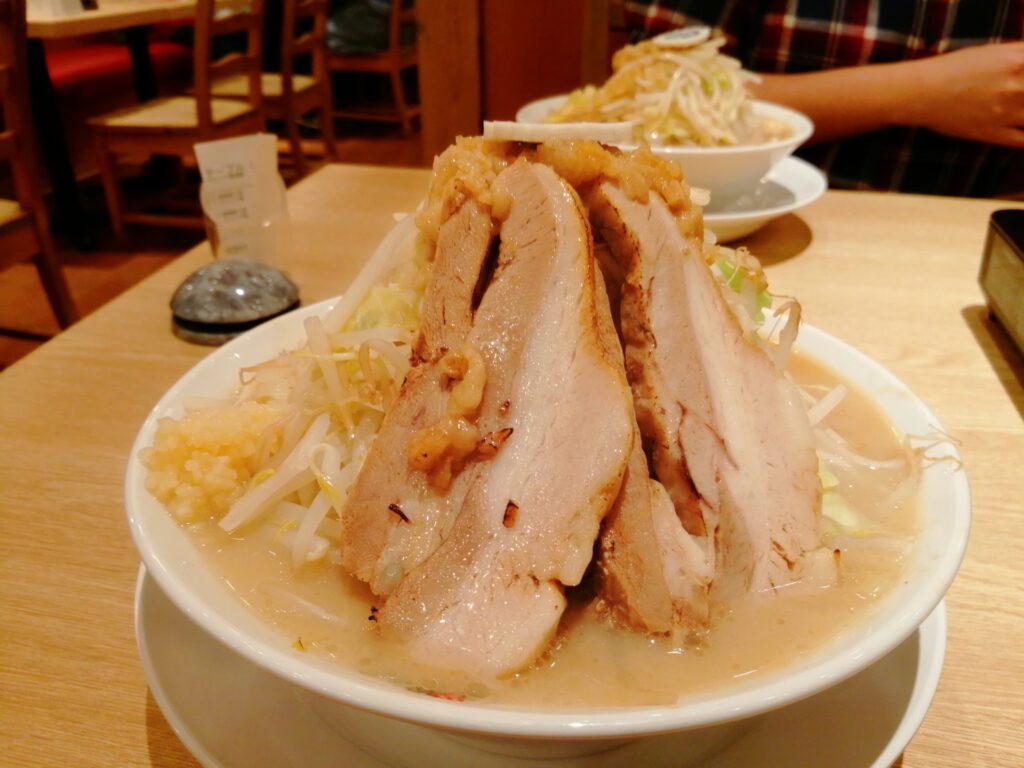
Jiro ramen is large, even when the menu says “small.”
This is one of the most important things to understand before going. In many countries, “small ramen” sounds like a light meal. At Ramen Jiro and many Jiro-style shops, a small bowl can still include a heavy amount of noodles, a big pile of vegetables, thick pork slices, strong soup, garlic, and fat.
The vegetable mountain also makes the bowl more filling than it looks. Bean sprouts seem light at first, but when they sit on top of thick noodles and rich broth, the whole bowl becomes surprisingly heavy.
First-timers are safest choosing small ramen, asking for less noodles, or asking for half noodles. It is better to enjoy a manageable bowl than to turn your first Jiro experience into a struggle.
Should Beginners Order Small, Less Noodles, or Half Noodles?
For most beginners, small ramen is already enough.
If you have a big appetite and are used to heavy meals, small ramen may be a good first choice. If your appetite is average, asking for less noodles is often safer. If you mainly want to experience the flavor and atmosphere without pushing yourself, half noodles can be a smart option.
Large ramen is better saved for repeat visitors. Jiro ramen is not only large because of the noodles; the vegetables, pork, fat, and soup all add to the weight of the meal.
| Option | Best For | Beginner Advice |
| Small ramen | Hungry first-timers | Still very large |
| Less noodles | Average appetite | Safest choice for many visitors |
| Half noodles | Light eaters | Good if you mainly want the experience |
| Large ramen | Repeat visitors | Not recommended for first-timers |
Ordering conservatively is not embarrassing. It shows that you understand what kind of ramen this is.
What Happens If You Can’t Finish?
You should avoid ordering more than you can realistically eat. Jiro-style shops often value speed, turnover, and the culture of finishing your bowl.
That does not mean you should panic or force yourself in an unsafe way. But it does mean you should not order a large portion assuming you can simply leave half behind.
If you are unsure, choose small ramen with less noodles or half noodles. Think about your appetite, what you have already eaten that day, and how comfortable you are with garlic and fat.
Online videos sometimes frame Jiro ramen as a food challenge. It is better to treat it as a local food experience. You will enjoy it more if the portion feels exciting rather than stressful.
Ramen Jiro Etiquette: Rules Every Visitor Should Know
Ramen Jiro etiquette is mostly about speed, clarity, and respecting the flow of the shop.
Many locations are small, busy, and focused on quick turnover. Prepare cash, because some shops may not accept cards. Buy your meal ticket from the vending machine before sitting down if that is the system. Follow the line, watch what the person in front of you does, and keep your order short when staff speak to you.
Do not linger after eating, especially when there is a line outside. Photos may be allowed at some shops, but take them quickly and avoid disturbing other customers. Water and tissues may be self-service.
After eating, some shops expect you to place your bowl on the counter and lightly wipe your space. Not every shop follows exactly the same rules, so treat these as general guidelines rather than universal laws.
The easiest way to fit in is simple: observe quietly and move with the rhythm of the shop.
Is Ramen Jiro Intimidating for Foreign Visitors?
Ramen Jiro can feel intimidating for foreign visitors, but it is usually manageable with a little preparation.
You do not need perfect Japanese. Knowing a few phrases like men sukuname de, ninniku sukoshi, and futsuu de can make the experience much easier. The staff may not offer tourist-style hospitality, but that does not always mean they are unfriendly. In many ramen shops, efficiency matters more than conversation.
If you are nervous, avoid the busiest peak times and do not go with a large group. Solo visits or pairs are usually easier because seating is limited.
Watch how other customers line up, buy tickets, sit down, order, eat, and leave. Once you understand the flow, the experience becomes much less stressful. The nervousness before ordering often becomes part of the memory.
Best Places to Try Jiro Ramen in Tokyo
Tokyo is the best place to try Ramen Jiro or Jiro-style ramen because the style was born there and many well-known shops are still located around the city.
Some travelers want the original Ramen Jiro experience. Others may prefer a Jiro-inspired shop that feels easier to access or more beginner-friendly. The right choice depends on your comfort level, Japanese ability, schedule, and appetite.
Before visiting any shop, check current opening hours, closing days, queue conditions, and payment rules on Google Maps or official sources. Ramen shops in Japan can change hours, sell out early, or close unexpectedly.
For tourists, it is also smart to choose a shop that fits naturally into your route. A ramen stop near Mita, Shinjuku, Ikebukuro, or another area you already plan to visit is much easier than crossing the city just for one bowl.
Ramen Jiro Mita Honten: The Original
Ramen Jiro Mita Honten is the original home of Ramen Jiro and a symbolic shop for fans. For many Jiro lovers, it has almost legendary status.
Visiting Mita Honten can feel like stepping into ramen history. The atmosphere, portion size, and local rhythm make it a memorable stop, especially for travelers who already know they want the real Ramen Jiro experience.
However, Mita Honten may not be the easiest first bowl for every beginner. There can be lines, the shop can feel fast-paced, and the atmosphere may be less relaxed than a tourist-friendly restaurant.
If you choose it as your first Jiro experience, review the ordering process before going, prepare cash, and decide your portion size in advance. The shop is accessible from the Mita and Tamachi areas, so it can be combined with other Tokyo plans.
Jiro-Style Shops That May Be Easier for Beginners
If you do not need to visit an official Ramen Jiro shop, a Jiro-style or Jiro-inspired shop may be a better first choice.
Tokyo has several shops that serve ramen with the same basic spirit: thick noodles, piled vegetables, pork, garlic, and fat. Shops such as Butayama, Ore no Ikiru Michi, and BARIO are often discussed by ramen fans as accessible Jiro-style options, though they are not official Ramen Jiro branches.
For beginners, these shops may feel easier depending on the branch. The ordering system may be clearer, the locations may fit tourist routes better, or the atmosphere may feel slightly less intense.
Just describe them correctly: they are Jiro-style or Jiro-inspired, not necessarily Ramen Jiro itself. If your goal is flavor and experience rather than brand purity, they can be a good introduction.
Is Jiro Ramen Healthy?
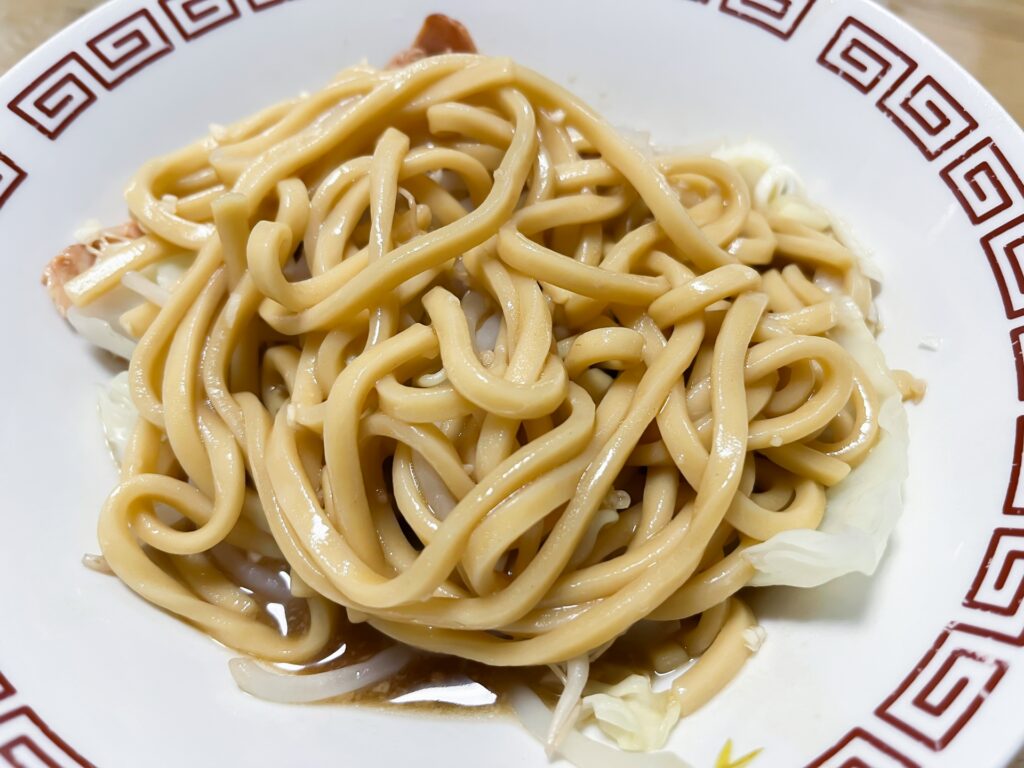
Jiro ramen is best enjoyed as a special food experience rather than an everyday light meal.
It can be high in calories, fat, and sodium because of the thick noodles, pork-rich broth, pork back fat, soy sauce tare, large pork slices, and portion size. That does not mean you need to fear it, but it does mean you should approach it realistically—especially if you are traveling and already eating several heavy meals.
You do not need to drink all the soup. You also do not need to order extra toppings just because other people do.
If you have a sensitive stomach or are worried about richness, choose less noodles, avoid extra abura, and keep garlic moderate. People with specific health concerns should follow their own medical guidance.
For most travelers, the best mindset is simple: enjoy Jiro ramen as a once-in-a-while experience, not as a challenge you have to push through.
Tips for Enjoying Jiro Ramen Without Overdoing It
The easiest way to enjoy Jiro ramen without overdoing it is to order conservatively.
Choose small ramen. Ask for less noodles if needed. Avoid mashimashi on your first visit.
Mashimashi means a much larger amount of a topping, and it can turn an already huge bowl into something difficult to finish. You can always try bigger topping calls on another visit.
Do not force yourself to drink all the soup. The broth is rich and salty, and many people leave some behind. Drink water during the meal, and avoid planning another heavy meal immediately afterward.
Jiro ramen should feel exciting and satisfying, not uncomfortable.
Frequently Asked Questions About Jiro Ramen
What Is Jiro Ramen?
Jiro ramen is a giant ramen style that originated from Ramen Jiro in Tokyo. It usually features extra-thick noodles, rich pork-and-soy-sauce-based broth, piled bean sprouts and cabbage, thick pork slices, chopped raw garlic, and pork back fat. Jiro-style or Jiro-kei ramen refers to ramen inspired by that original style.
Is Jiro Ramen the Same as Regular Ramen?
No. Jiro ramen is very different from regular ramen. It is known for huge portions, thick noodles, strong garlic, pork back fat, mountain-like vegetables, and a unique ordering culture. Compared with standard shoyu ramen or tonkotsu ramen, it is usually heavier, saltier, fattier, and more intense.
What Should I Order at Ramen Jiro for the First Time?
First-timers should usually order small ramen. If you have an average or light appetite, ask for less noodles or half noodles. For toppings, start with normal toppings, a little garlic, or no garlic. Avoid large ramen and mashimashi toppings on your first visit unless you are very confident.
Can You Make Jiro Ramen at Home?
Authentic Jiro ramen is difficult to recreate at home because it requires rich pork broth, extra-thick noodles, pork back fat, strong soy sauce tare, and thick pork slices. However, an easy Jiro-style ramen can be made with store-bought tonkotsu shoyu ramen, thick noodles, bean sprouts, cabbage, pork, garlic, and lard.
What Is the Easiest Way to Make Jiro-Style Ramen?
The easiest method is to start with store-bought tonkotsu shoyu ramen or pork-based instant ramen, then add thick noodles, a mountain of bean sprouts and cabbage, thick pork slices, chopped raw garlic, and a small amount of lard or pork back fat. It will not be exact, but it captures the Jiro-style feeling.
What Does “Mashimashi” Mean?
Mashimashi means making a topping much larger than normal. For example, people may say yasai mashimashi, ninniku mashimashi, or abura mashimashi. Beginners should avoid mashimashi on their first visit because the portion can become too large and the flavor can become extremely heavy.
Can Tourists Eat at Ramen Jiro?
Yes, tourists can eat at Ramen Jiro. However, they should not assume English support is available. Be ready for cash payment, ticket machines, lines, short ordering phrases, and a portion size you can finish. Tourists are not forbidden; they simply need to understand the basic flow before visiting.
Final Tips Before You Try or Make Jiro Ramen
Jiro ramen is not something to fear, but it does reward a little preparation.
If you want to eat it in Japan, check nearby shops, current opening hours, closing days, and queue conditions before going. If you are visiting Ramen Jiro for the first time, save a few ordering phrases and choose small ramen, less noodles, or half noodles.
If you want to make it at home, start with an easy Jiro-style ramen using store-bought soup, thick noodles, vegetables, pork, garlic, and a little fat. You can try a more authentic version later if the style really catches you.
Whether you eat it in Tokyo or make a simplified bowl at home, Jiro ramen is less about elegance and more about impact: thick noodles, pork, garlic, vegetables, and the slightly ridiculous pleasure of facing a bowl that looks bigger than your appetite.