Osaka is the kind of city that gets easier to like once you stop trying to make it too tidy. It is loud in places, wonderfully food-obsessed, practical for day trips, and much more relaxed than its size suggests. For first-time visitors, it works well as a food city, a neon-lit nightlife stop, a family base for Universal Studios Japan, and a convenient hub for Kyoto, Nara, Kobe, and Himeji.
This Osaka travel guide focuses on what actually matters on the ground: where to walk, when to go, what to eat, where to stay, and how to avoid spending half your day moving between opposite sides of the city.


What Is Osaka Known For?
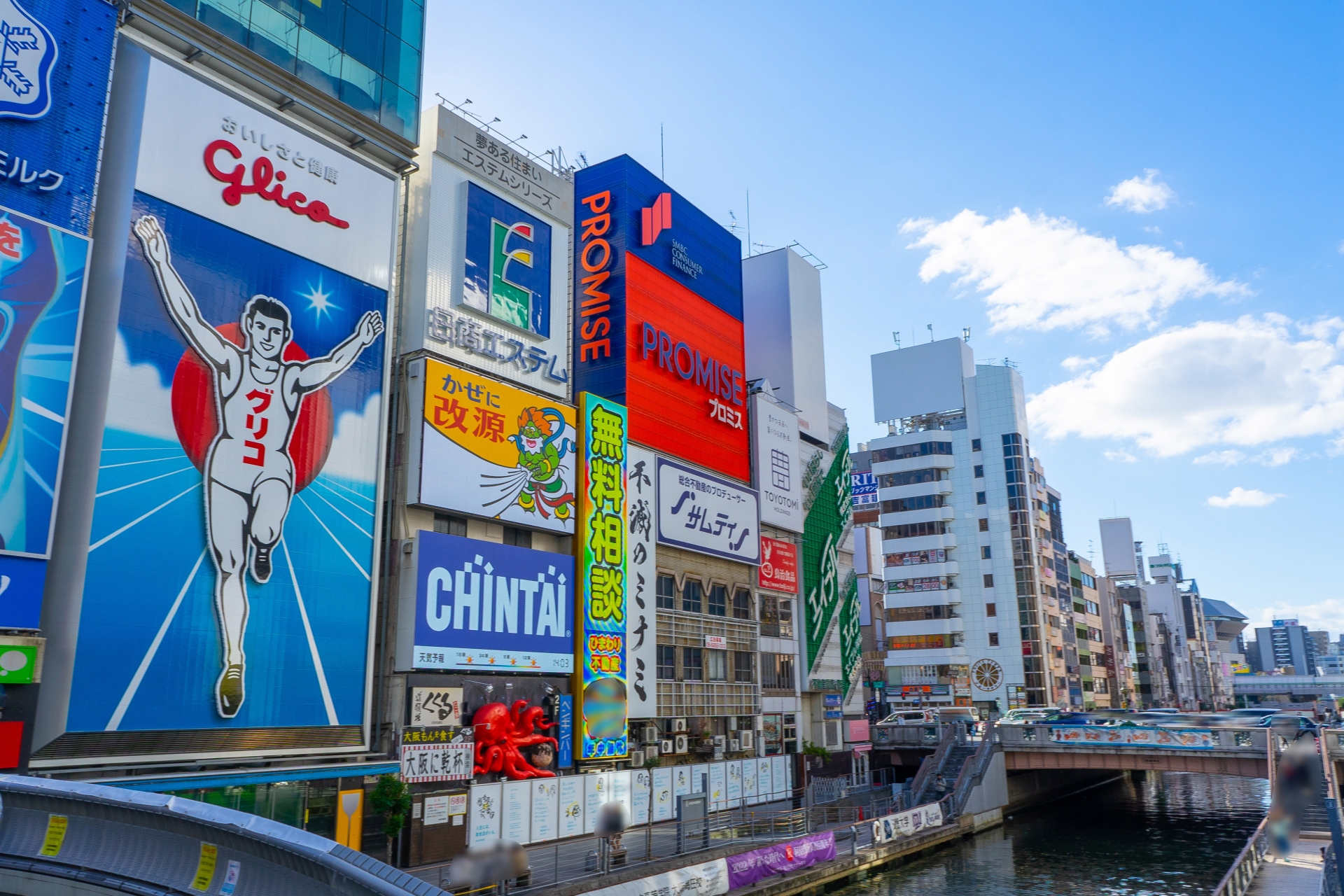
Osaka is often called “Japan’s kitchen,” and that nickname makes sense pretty quickly once you reach Namba or Dotonbori after dark. Steam comes off takoyaki griddles, restaurant staff call out from doorways, and giant crab, octopus, and dragon signs compete with the glow of the Glico Running Man.
Compared with Tokyo, Osaka feels less polished and more direct. Compared with Kyoto, it is louder, hungrier, and far better after sunset.
For orientation, it helps to think of Osaka in five useful zones:
- Namba / Dotonbori: nightlife, street food, neon signs, first-time Osaka energy
- Umeda: northern transport hub, hotels, shopping, trains to Kyoto and Kobe
- Tennoji / Shinsekai: retro streets, kushikatsu, Abeno Harukas, a more everyday feel
- Osaka Castle Area: history, parks, seasonal walks, calmer mornings
- Osaka Bay Area: Kaiyukan, Tempozan, Universal Studios Japan access
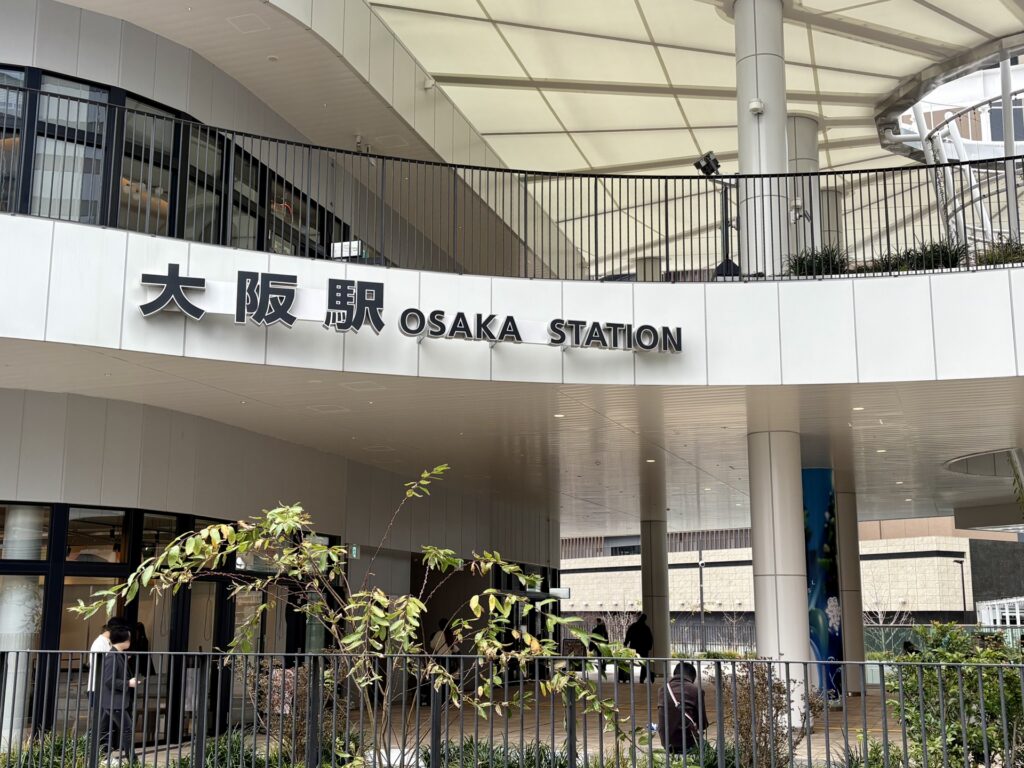
Most international visitors arrive through Kansai International Airport, while bullet-train travelers use Shin-Osaka Station. Be careful here: Shin-Osaka is not the same as Osaka Station in Umeda. The Osaka Metro and JR Osaka Loop Line connect the major sightseeing areas, but stations like Namba and Umeda can feel like underground cities. Check exit numbers before you start walking. One wrong exit can easily add ten confusing minutes.
Best Things to Do in Osaka for First-Time Visitors
Dotonbori: Neon Signs, Street Food, and the Classic Osaka Night
Dotonbori is probably the Osaka scene you already have in mind: canal reflections, crowded bridges, neon signs, and the Glico Running Man above Ebisubashi Bridge. It is touristy, yes, but it still delivers the first-night Osaka feeling better than almost anywhere else.
The best way to experience Dotonbori is to keep moving. Start around Namba Station, walk toward Ebisubashi Bridge for the classic photo, follow the canal for a while, look up at the giant 3D restaurant signs, then slip south into Hozenji Yokocho when the noise starts to feel like too much.
Daytime is better for easier photos of the canal and shopfronts. Night is when Dotonbori earns its place in your itinerary. Expect crowds around Ebisubashi, and avoid stopping suddenly in the middle of foot traffic for photos. Popular takoyaki and okonomiyaki shops often have lines, so treat snacking as part of the walk rather than a strict schedule.
Location: Around Dotonbori, Chuo-ku, Osaka
Access: Short walk from Namba, Osaka-Namba, or Nippombashi stations
Hours: Varies by store
Price: Free to walk; food and cruises extra
Official Website: https://osaka-info.jp/en/spot/dotonbori/
Suggested time: 1.5–3 hours
Good for: Couples, friends, solo travelers, first-time visitors; rainy nights can look dramatic, but umbrellas make the bridges crowded
Osaka Castle and Osaka Castle Park: History, Views, and Seasonal Walks
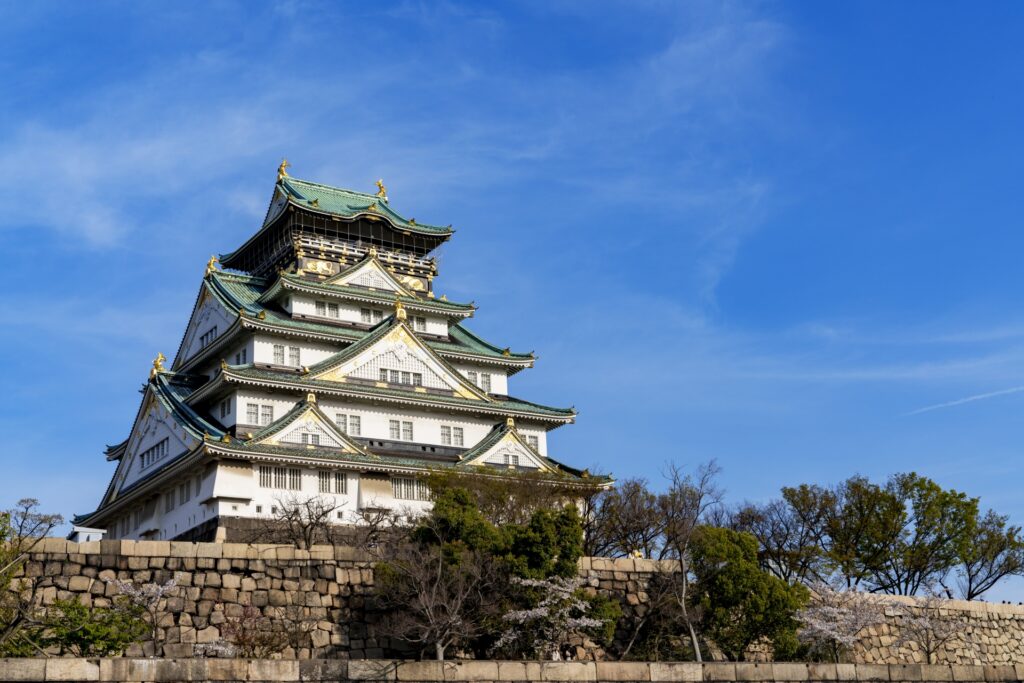
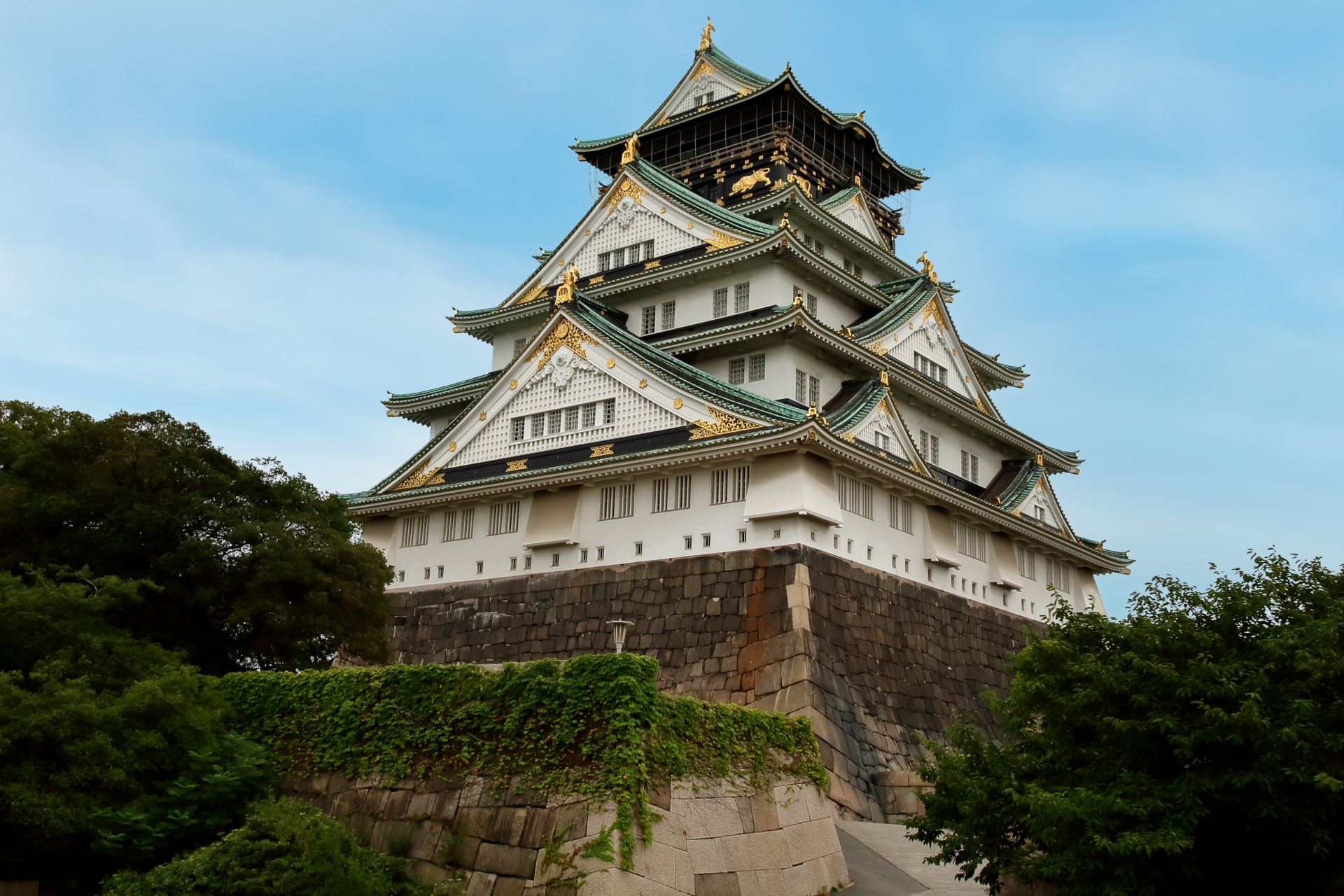
Osaka Castle is worth visiting even if you are not especially into castles. The current keep is a museum rather than an untouched original structure, but the huge stone walls, upper-floor views, and broad park make it one of the easiest morning stops in the city.
Arrive early if you can. The area around the main keep gets busy with tour groups later in the day, especially during cherry blossom season. Instead of rushing straight to the tower, walk in from Morinomiya or Osakajokoen Station and let the park do some of the work. In spring, cherry blossoms soften the castle views; in autumn, the ginkgo and maple colors slow the whole approach down.
The park is larger than many first-time visitors expect, so your walking time depends on which station you use and how much you wander.
Location: 1-1 Osakajo, Chuo-ku, Osaka
Access: About 15–20 minutes on foot from JR Morinomiya or Osakajokoen Station
Hours: Main keep generally 9:00–18:00, last admission 30 minutes before closing
Price: Adults ¥1,200; check current categories before visiting
Official Website: https://www.osakacastle.net/
Suggested time: 1.5–2.5 hours
Good for: Families, couples, solo travelers, history, seasonal photos
Kuromon Ichiba Market: A Food Stop Best Done Before Dotonbori
Kuromon Ichiba Market works best as a late-morning or lunchtime stop near Namba. You can snack on seafood, fruit, skewers, and prepared foods, but it is worth being honest about what it is now: not a quiet local market, and not especially hidden. Some shops are clearly aimed at tourists, and prices can reflect that.
Still, for a first Osaka food walk, Kuromon is convenient, compact, and easy to combine with Nippombashi, Namba, and Dotonbori.
The market feels liveliest before lunch. You hear knives on cutting boards, smell grilled seafood, and move slowly because people stop suddenly in front of stalls. Eat only where the shop allows it, avoid blocking the narrow paths, and carry some cash because payment methods vary by vendor.
Location: 2-4-1 Nippombashi, Chuo-ku, Osaka
Access: Very close to Osaka Metro Nippombashi Station
Hours: Varies by shop
Price: Free to enter; food prices vary
Official Website: https://kuromon.com/en/official-store-map/
Suggested time: 1–1.5 hours
Good for: Food lovers, solo travelers, first-timers; partly covered, but not a full rainy-day plan
Shinsekai and Tsutenkaku: Retro Osaka and Kushikatsu
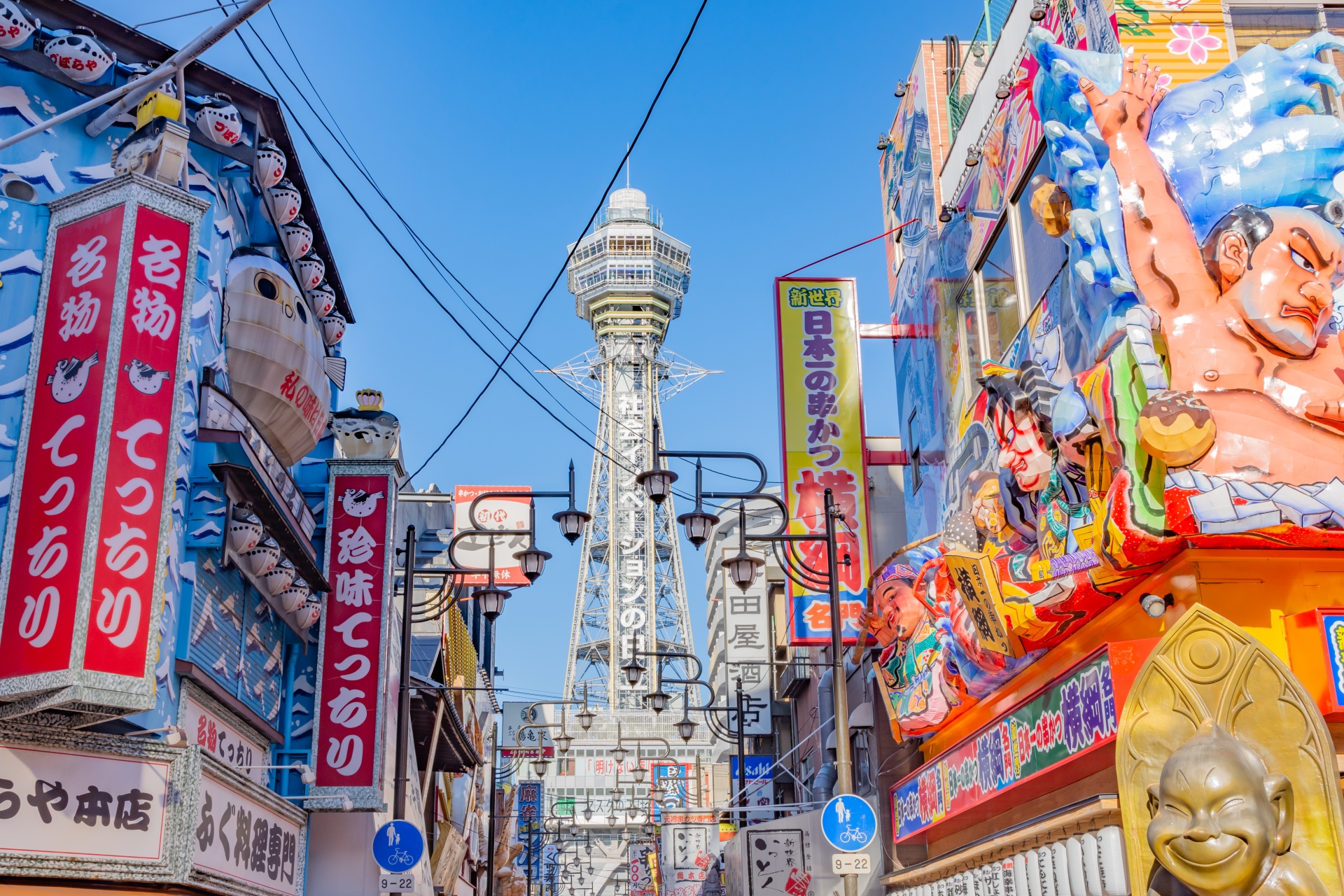
Shinsekai shows a different side of Osaka from Dotonbori. The signs are older, the streets are narrower, Billiken statues appear outside restaurants, and Tsutenkaku Tower rises above it all with a slightly nostalgic stubbornness.
Come in the late afternoon if you want both daylight photos and early-evening signs. Families may prefer daytime or early evening. Couples and friends may enjoy the rougher retro mood after dark, though it is less polished than Namba.
This is the place to try kushikatsu, deep-fried skewers eaten hot at the counter. The old “no double-dipping” sauce custom is part of the culture, though many restaurants now use individual sauces or modern serving styles. For photos, stand on the street looking up toward Tsutenkaku, then wander the side streets instead of only photographing the tower.
Location: Around 1-18-6 Ebisuhigashi, Naniwa-ku, Osaka
Access: About 3 minutes from Ebisucho Station; about 6 minutes from Dobutsuen-mae or Shin-Imamiya Station
Hours: Tsutenkaku observatory 9:00–21:45, last entry 21:15
Price: From April 1, 2026, observatory ticket ¥1,500 adults / ¥800 children
Official Website: https://www.tsutenkaku.co.jp/
Suggested time: 1.5–2.5 hours
Good for: Food, street photography, retro streets; some indoor options in rain
Osaka Aquarium Kaiyukan and the Bay Area: Best for Families and Rainy Days
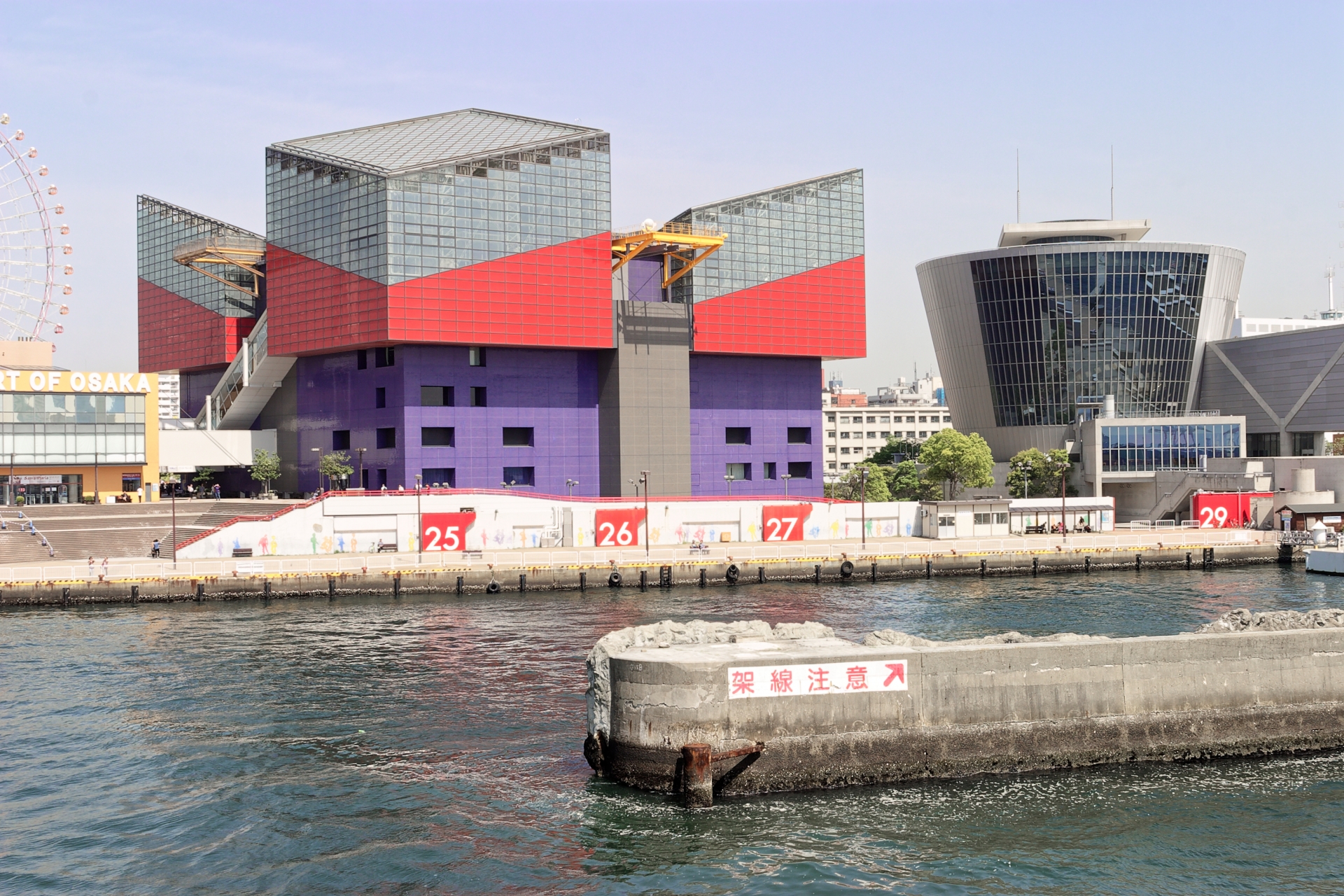
Kaiyukan is one of Osaka’s strongest choices for families, rainy days, and hot summer afternoons. The route moves gradually around large tanks, so the experience is less about rushing from exhibit to exhibit and more about pausing in front of blue-lit water while rays, fish, and the whale shark move past.
Do not treat Kaiyukan as an isolated stop. Combine it with Tempozan Marketplace, the harbor area, or the Ferris wheel if the weather is good. Weekends and holidays can be busy, so buy tickets ahead when possible and leave enough time for slow movement inside.
Location: 1-1-10 Kaigandori, Minato-ku, Osaka
Access: Walk from Osakako Station
Hours: Varies by season; check the official calendar
Price: Varies by date and age category
Official Website: https://www.kaiyukan.com/language/eng/
Suggested time: 2–3 hours
Good for: Families, rainy days, hot afternoons, couples
Umeda Sky Building: Sunset and Night Views Above Northern Osaka
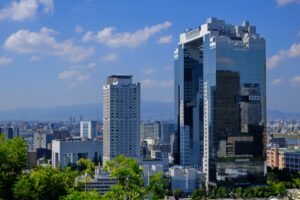
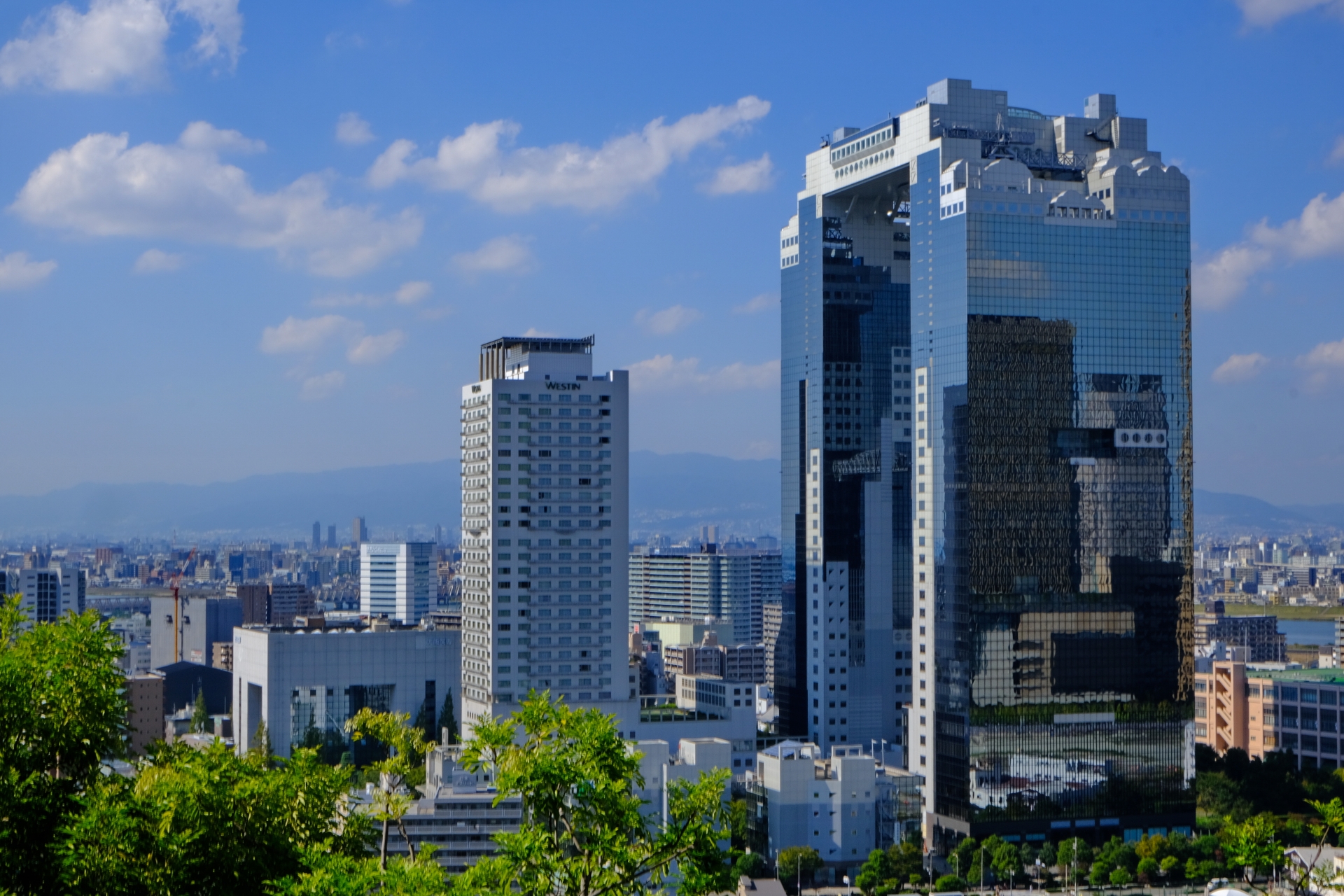
Umeda Sky Building works especially well on an arrival day, final day, or any evening when you are staying near Osaka Station. The Kuchu Teien Observatory gives you a wide view over northern Osaka, and the open-air deck feels best around sunset, when the city shifts from silver to orange, then into a field of lights.
Go from late afternoon into evening so you can catch both the sunset color and the night view. It can be windy at the top, and rainy days reduce visibility. If your route is based around Tennoji, Abeno Harukas 300 may be more convenient. If you are staying in Umeda, Sky Building is the smoother choice.
Location: 1-1-88 Oyodonaka, Kita-ku, Osaka
Access: About 7–10 minutes on foot from JR Osaka Station
Hours: Check current official hours before visiting
Price: Check current official ticket price
Official Website: https://www.skybldg.co.jp/en/
Suggested time: 1–1.5 hours
Good for: Couples, photographers, arrival-day plans; not ideal in heavy rain
Hozenji Yokocho: A Quiet Stone-Lane Detour Near Namba
Hozenji Yokocho is only a few minutes from Dotonbori, but the mood changes fast. The stone path narrows, lanterns replace neon, and the damp pavement around Hozenji Temple’s Mizukake Fudo statue makes the alley feel older than the streets around it.
Visit after dark, ideally after seeing the Glico sign and walking along the canal. It is a good place to let Osaka lower its voice for a while.
This is not a long stop. Walk slowly, take photos without blocking the lane, and consider a small restaurant or bar if you want a quieter Namba evening. It is especially good for couples and solo travelers looking for a softer ending after Dotonbori.
Location: Near Namba 1-chome, Chuo-ku, Osaka
Access: About 5 minutes on foot from Namba Station
Hours: Varies by store
Price: Free to walk; restaurants extra
Official Website: https://osaka-info.jp/en/spot/hozenji-yokocho/
Suggested time: 30–60 minutes
Good for: Couples, solo travelers, night photos, light rain
Shitennoji Temple: A Calmer Look at Historic Osaka
Shitennoji is a useful counterpoint to Osaka’s food-and-neon image. Founded in connection with Prince Shotoku, it is considered Japan’s first official Buddhist temple, though the buildings have been rebuilt over time.
The value here is not dramatic spectacle. It is the slower rhythm of temple grounds, gates, stone paths, and seasonal events in the Tennoji area. Visit in the morning, or pair it with Tennoji, Abeno Harukas, and Shinsekai.
The soundscape is completely different from Namba: footsteps, temple bells, birds, and the occasional city noise beyond the walls.
Location: 1-11-18 Shitennoji, Tennoji-ku, Osaka
Access: Walk from Shitennoji-mae Yuhigaoka Station
Hours: Check official website
Price: Some areas free; paid areas vary
Official Website: https://www.shitennoji.or.jp/
Suggested time: 1–1.5 hours
Good for: History, solo travelers, quieter mornings, Tennoji route
What to Eat in Osaka
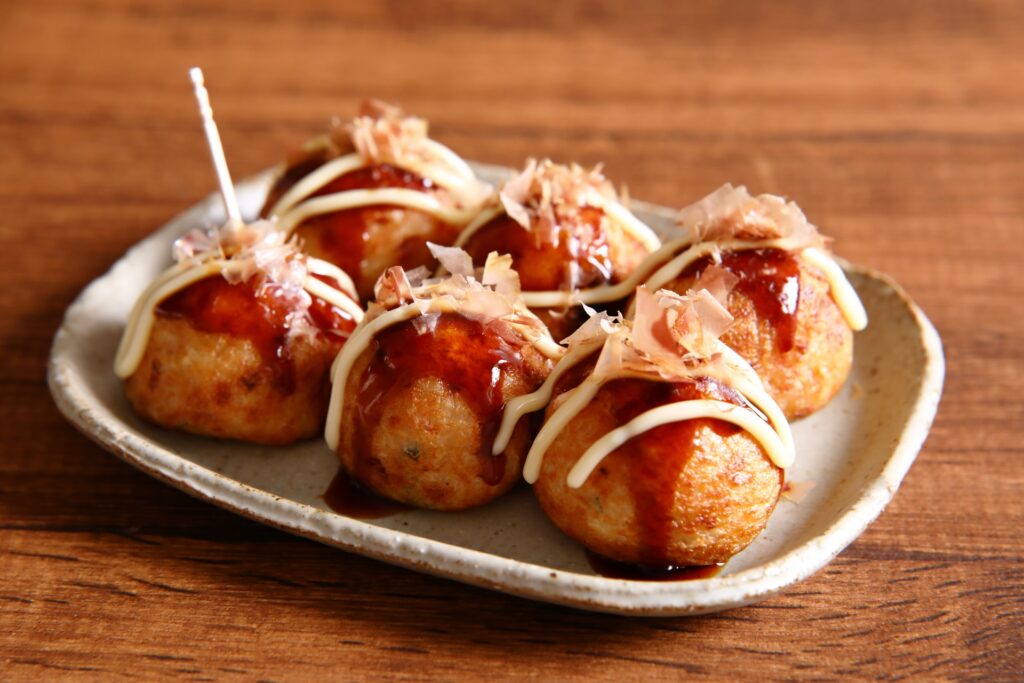
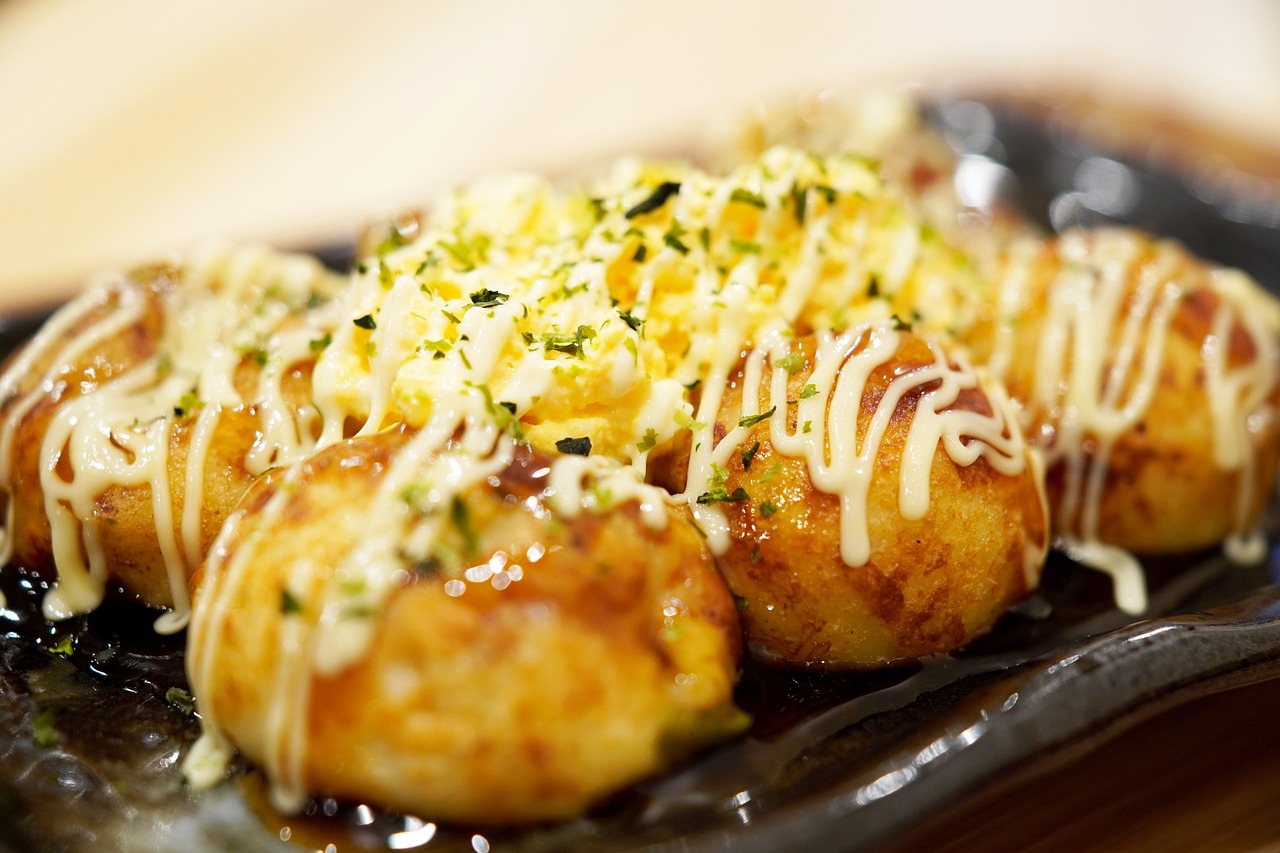
Start with takoyaki in Namba or Dotonbori. The first bite is usually too hot, with a soft center under sauce, mayo, bonito flakes, and seaweed. It is messy in the right way.
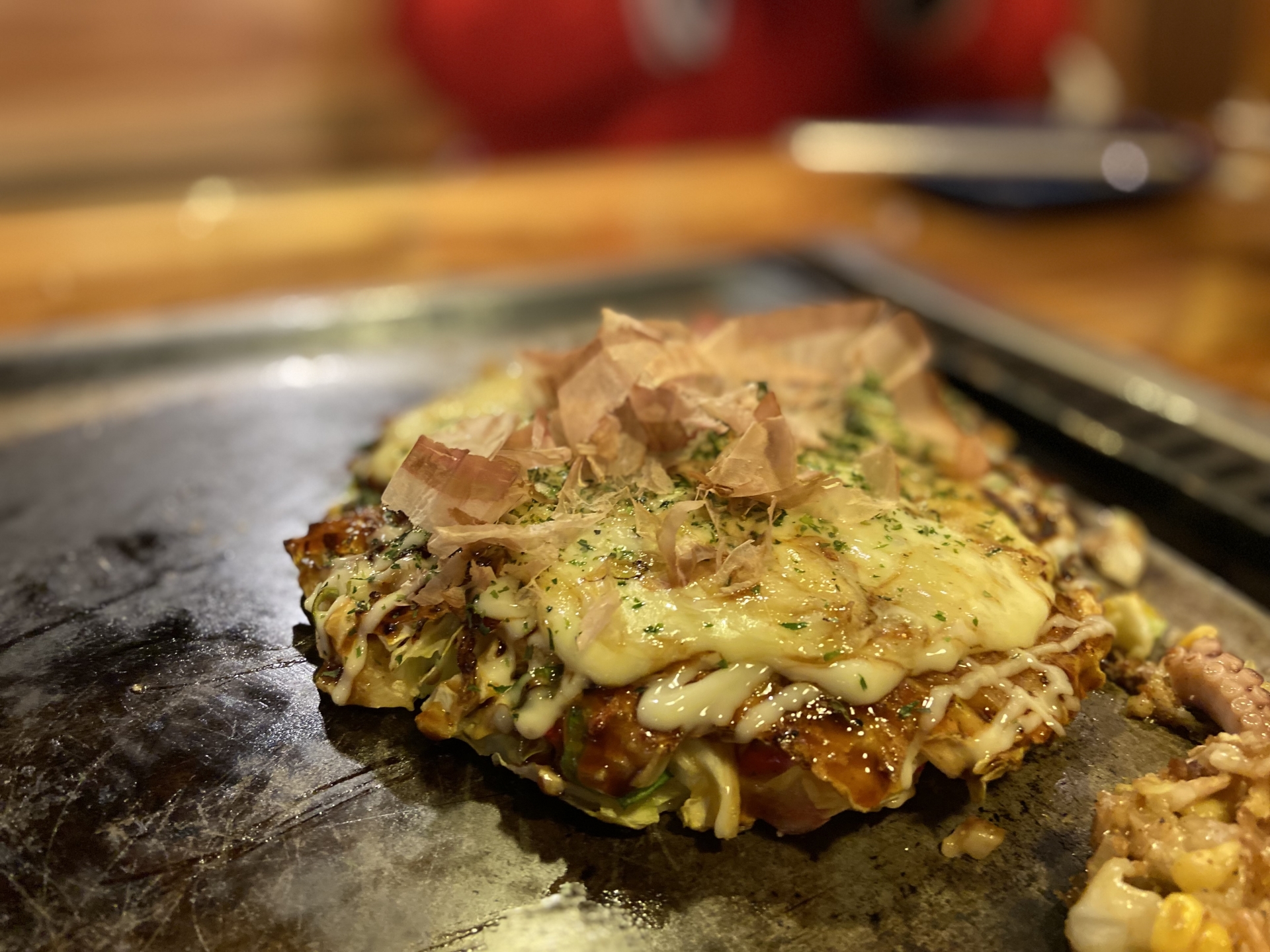
Try okonomiyaki when you want to sit down. The sound of batter and cabbage sizzling on the grill is part of the meal, and it feels more satisfying than grabbing another street snack on the move. In Shinsekai, order kushikatsu and eat the skewers while they are still crisp.
For quick comfort food, add udon, especially on a travel day when you want something warm and simple. 551 Horai is useful for pork buns to go, especially around major stations. In Umeda, explore department-store basement food halls and underground dining streets. They can feel like a maze, but they are excellent for rainy days and solo meals.
Use areas differently:
- Kuromon for lunch snacking
- Dotonbori for night energy
- Shinsekai for kushikatsu
- Namba for casual restaurants
- Umeda for food halls and station dining
Carry some cash, expect lines at famous shops, and reserve ahead for small restaurants if there is a place you really care about.
Best Areas to Stay in Osaka
| Area | Best for | Main stations | Nightlife | Transport convenience | Nearby attractions | commended traveler |
| Namba / Dotonbori | Food, nightlife, first visit | Namba, Osaka-Namba | Excellent | Good | Dotonbori, Hozenji, Kuromon | Couples, friends, solo travelers |
| Umeda | Transport, shopping, Kyoto access | Osaka, Umeda | Good | Excellent | Sky Building, malls | Families, business travelers, first-timers |
| Tennoji | Value, local feel, Shinsekai | Tennoji | Moderate | Good | Shitennoji, Abeno Harukas, Shinsekai | Budget travelers, repeat visitors |
| Osaka Castle Area | Quiet mornings, history | Morinomiya, Osakajokoen | Low | Moderate | Osaka Castle Park | Families, calmer stays |
| Osaka Bay Area | USJ, Kaiyukan | Universal City, Osakako | Low | Specific routes only | USJ, Kaiyukan, Tempozan | Families, theme-park travelers |
For most first-time visitors, Namba is the easiest answer if food and nightlife matter. You can walk back from Dotonbori instead of watching the clock for your last train.
Umeda is better if you care more about train connections, airport access, Kyoto day trips, or a less nightlife-heavy base. Tennoji can be good value and feels calmer at night. The Bay Area is practical for USJ, but less convenient for everyday city sightseeing.
How Many Days Do You Need in Osaka?
One day in Osaka is enough for Osaka Castle, Kuromon or Namba, Hozenji Yokocho, and Dotonbori at night.
Two days is the better minimum. You can add either the Bay Area or the Tennoji / Shinsekai side of the city without rushing.
Three days is better if you want Universal Studios Japan, Kaiyukan, or a day trip.
Do not judge Osaka only by Dotonbori. The city feels richer when you split your time properly: a morning in a park or temple, lunch in a market or food hall, sunset from an observatory, and night in Namba or Shinsekai.
Suggested Osaka Itineraries
One Day in Osaka: Castle, Food, and Neon
Start at Morinomiya or Osakajokoen Station and walk through Osaka Castle Park in the morning. After the castle, ride toward Nippombashi for Kuromon Ichiba Market around lunch, when food stalls are active but before the evening crowds build.
In the afternoon, walk toward Namba and Hozenji Yokocho. Save Dotonbori for after sunset.
This route ends where Osaka feels most unmistakable: under the signs, beside the canal, with the smell of takoyaki and grilled sauce in the air. The walking amount is moderate, and the route is simple.
Rainy-day alternative: Shorten Osaka Castle Park and add Umeda underground food halls.
Two Days in Osaka: Classic City + Bay Area or Retro Osaka
Day 1: Osaka Castle → Kuromon Market → Shinsaibashi / Namba → Dotonbori
Day 2 Option A: Kaiyukan → Tempozan → Umeda Sky Building at sunset
This works best for families, hot weather, and rainy days.
Day 2 Option B: Shitennoji → Tennoji / Abeno Harukas → Shinsekai → Tsutenkaku
This is better for street photography, kushikatsu, and retro Osaka.
Keep Day 2 flexible. Families may appreciate Kaiyukan’s indoor comfort, while couples and friends may enjoy wandering from Tennoji into Shinsekai before dinner.
Three Days in Osaka: Add Universal Studios Japan or a Day Trip
If Universal Studios Japan is part of the plan, give it a full day. Do not combine an early USJ morning with a very late Dotonbori night unless you are fine being tired the next day. Use the official app for wait times, show schedules, maps, and timed entry eTickets.
Location: 2-1-33 Sakurajima, Konohana-ku, Osaka
Access: Short walk from Universal City Station
Hours: Varies by date
Price: Varies by ticket type and date
Official Website: https://www.usj.co.jp/web/en/us
Suggested time: Full day
Good for: Families, couples, Nintendo / movie fans; not ideal as a half-day add-on
Skipping USJ? Use Day 3 for Nara, Kyoto, Kobe, or Himeji, then come back to Osaka for dinner.
Osaka With Kids, Couples, Solo Travelers, and Rainy Days
Families should prioritize Kaiyukan, Osaka Castle Park, and USJ. Strollers are easiest in wide park areas and indoor attractions, while Dotonbori can be stressful with small children at peak night hours.
Couples may want to plan Umeda Sky Building at sunset, Hozenji Yokocho after dark, and a slow Dotonbori walk rather than rushing between restaurants.
Solo travelers can eat well without reservations in Kuromon, Namba, Shinsekai, and Umeda food halls. Counter seats are common, and casual dining is easy to manage alone.
Rainy days work best in Kaiyukan, Umeda underground malls, department-store food floors, and observatories if visibility is still decent. Dotonbori looks dramatic in the rain, but umbrellas make the bridges and sidewalks harder to move through.
Practical Osaka Travel Tips Before You Go
The most useful Osaka travel tips are about stations.
Shin-Osaka Station is for the Shinkansen and is not the same as Osaka Station in Umeda. Namba is not one single simple station either; Osaka Metro, Nankai, Kintetsu, Hanshin, and JR stations are connected, but they are not identical. Always check the exact line and exit number.
Use an IC card for trains and convenience stores. The Osaka Metro is often the easiest way to move between Namba, Umeda, Tennoji, and Osakako, while the JR Osaka Loop Line helps for Osaka Castle and Tennoji.
Kansai International Airport and Itami Airport both serve Osaka, but your best route depends on where you stay. Check current train or airport bus schedules before arrival rather than assuming one route works for everyone.
Best Day Trips from Osaka
Osaka is a strong Kansai base. Choose Kyoto for temples, gardens, and traditional streets; Nara for deer, Todai-ji, and a calmer day; Kobe for port scenery and food; and Himeji for one of Japan’s greatest castles.
The advantage of staying in Osaka is that you can return to Namba or Umeda for dinner instead of ending the night early.
If Kyoto is the main focus of your trip, Osaka may only need one or two nights. If you want food, nightlife, USJ, and day trips, four or five nights based in Osaka can work very well.
Osaka FAQ
Is Osaka worth visiting?
Yes. Osaka is worth visiting for food, nightlife, easy transport, USJ, Kaiyukan, and access to wider Kansai.
How many days do you need in Osaka?
Two days is a good minimum for the city itself. Add a third day for USJ or a day trip.
What is Osaka best known for?
Osaka is best known for street food, Dotonbori, takoyaki, okonomiyaki, kushikatsu, Osaka Castle, and neon nightlife.
Is Osaka better than Kyoto?
Not better — different. Kyoto is quieter and more temple-focused, while Osaka is louder, foodier, and better after dark.
What food should I try in Osaka?
Try takoyaki, okonomiyaki, kushikatsu, udon, 551 Horai pork buns, market snacks, and izakaya dishes.
Where should first-time visitors stay in Osaka?
Stay in Namba for food and nightlife, or Umeda for transport convenience.
Is Osaka good for families?
Yes. Kaiyukan, USJ, Osaka Castle Park, and indoor shopping areas make Osaka family-friendly.
Can you visit Osaka as a day trip from Kyoto?
Yes, but staying overnight is better if you want to enjoy Dotonbori, Shinsekai, or Umeda after dark without rushing back.
Final Thoughts: How to Make the Most of Osaka
For one day, focus on Osaka Castle, Namba, and Dotonbori. For two days, add either the Bay Area or Shinsekai / Tennoji. For three days or more, include USJ or a day trip to Nara, Kyoto, Kobe, or Himeji.
First-time visitors should usually choose Namba for nightlife or Umeda for transport.
Osaka works best when you leave space between plans. Start the morning in a castle park, eat something hot from a market stall at lunch, watch the city glow from an observatory at sunset, and finish under the signs of Dotonbori.
Some of the best Osaka moments happen between the famous stops: a side-street snack, a station food hall, a lantern-lit alley, or a quick Kansai-style exchange that makes the city feel unexpectedly easy to like.