Kyoto has no shortage of famous places, but Fushimi Inari Taisha occupies a slightly different category. It’s photographed constantly, yet somehow still feels tied to daily life in the city. Office workers stop by to pray before work. Local hikers pass through the mountain trails in the early morning. Even after the crowds thin out, the shrine never really feels staged for visitors.
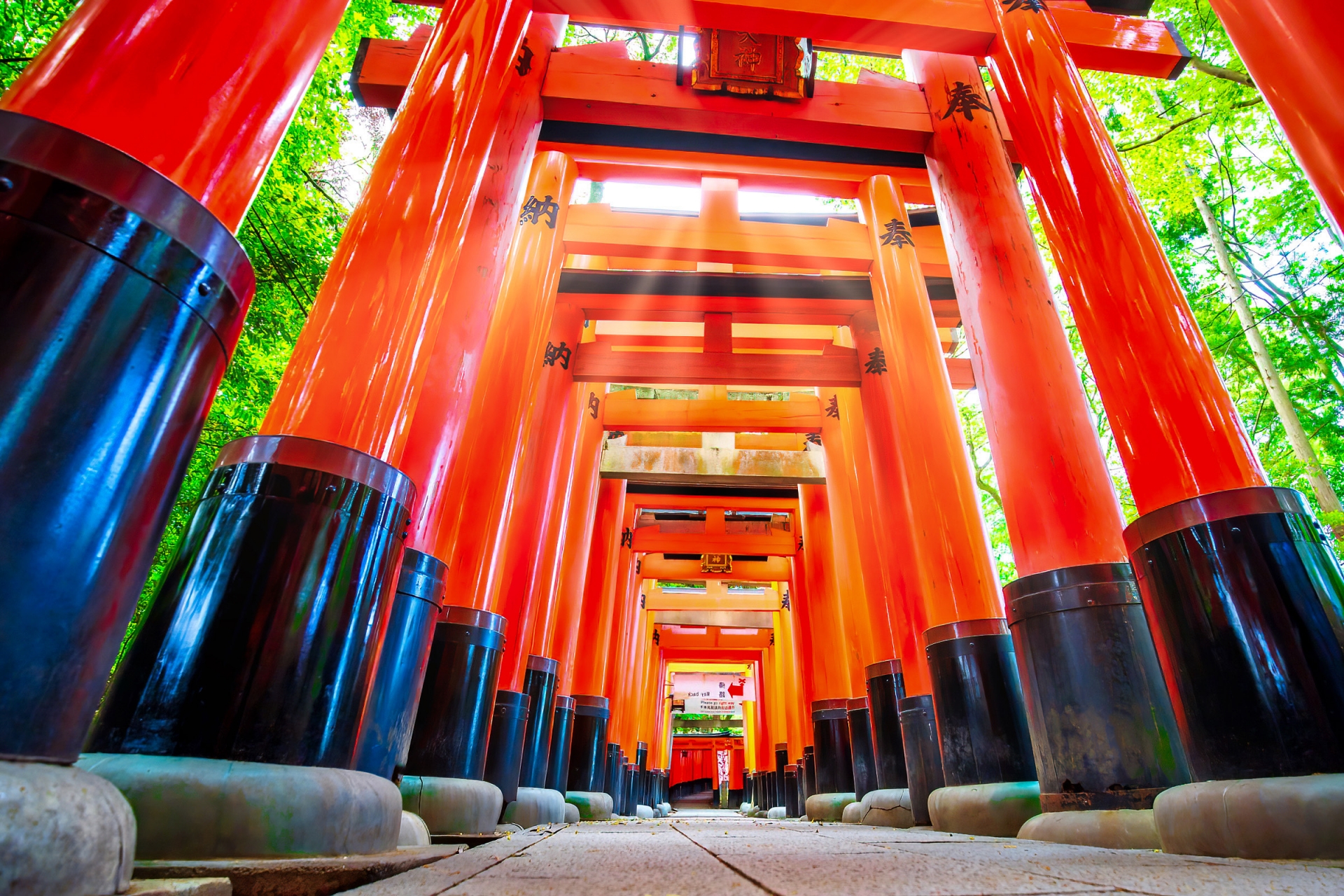
Most people know it for the endless rows of vermilion torii gates climbing Mount Inari. But the experience changes depending on how far you walk. Near the entrance, it’s energetic and noisy — cameras clicking, tour groups gathering, the smell of grilled snacks drifting from nearby stalls. Higher up, the soundscape shifts almost completely to wind, birds, and footsteps on stone.
For some travelers, Fushimi Inari is a quick stop between Kyoto landmarks. Others end up staying half a day without planning to.


What Is Fushimi Inari?
Fushimi Inari Taisha is the head shrine of more than 30,000 Inari shrines found across Japan. It sits at the southern edge of Kyoto, directly at the base of Mount Inari, and has been a place of worship for over 1,300 years.
The shrine is traditionally associated with harvests, prosperity, business success, and protection. Those connections still shape the atmosphere today. Many of the torii gates lining the mountain paths were donated by companies, shop owners, or individuals hoping for good fortune. If you look closely at the back of the gates, you’ll see names and dates painted in black ink — a quiet reminder that this place is still actively used for prayer, not simply sightseeing.
For visitors unfamiliar with Shinto, Fushimi Inari also works as a surprisingly approachable introduction. There’s no strict route or formal sermon guiding you through the grounds. Instead, the spiritual side reveals itself gradually: purification fountains near the entrance, small altars hidden deeper in the forest, locals stopping briefly to bow before continuing uphill.
And the mountain itself matters. Mount Inari is considered sacred, so the hike is part of the shrine experience rather than separate from it.
What Is Inari?
Inari is a Shinto deity connected historically to rice and agriculture, though the meaning broadened over time. Today, people commonly visit Inari shrines to pray for career success, exams, business growth, household safety, or personal goals.
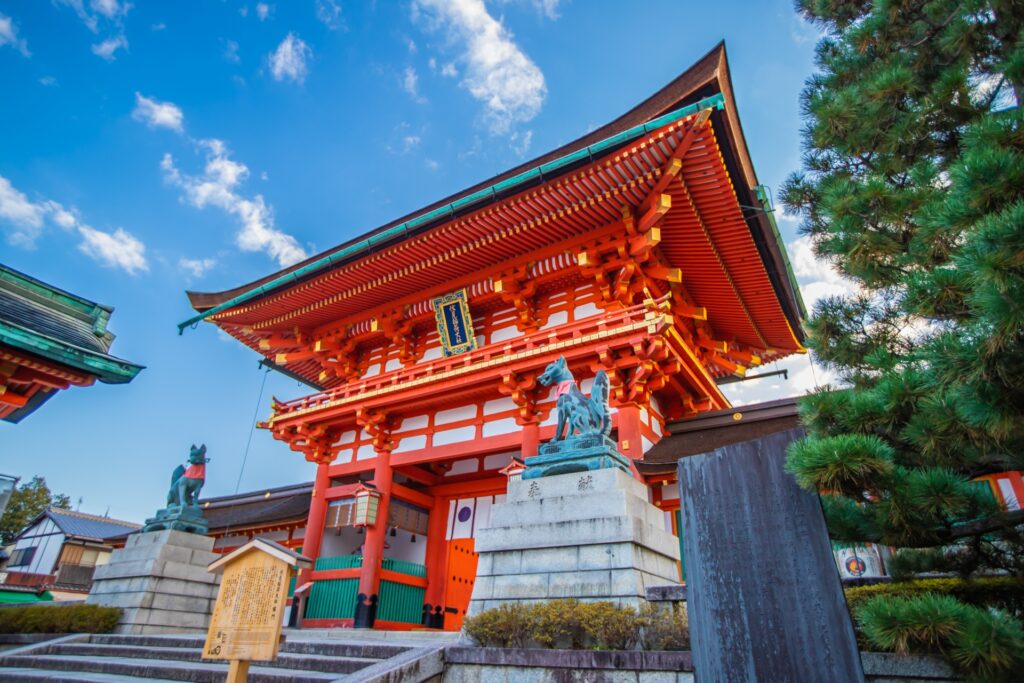
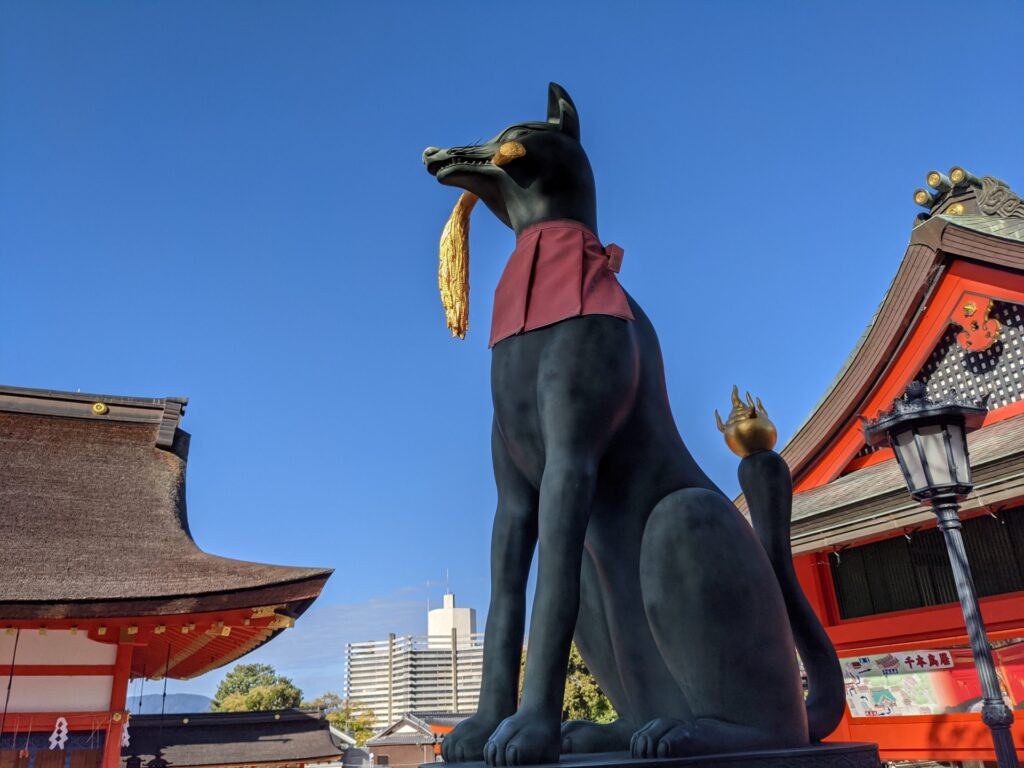
The fox statues scattered throughout the shrine grounds are linked to this belief. In Japanese tradition, foxes are regarded as messengers of Inari rather than gods themselves. Some carry symbolic objects in their mouths or paws — keys, scrolls, rice sheaves — each tied to prosperity or protection in different ways.
Why Is Fushimi Inari Famous?
The obvious answer is the Senbon Torii — the “thousands of torii gates” winding up the mountain. Few places in Japan are photographed more often.
Still, the gates feel different in person than they do online. The tunnels narrow and widen unexpectedly. Light leaks through gaps in the wood. In quieter sections, you start noticing details that disappear in photos: worn stone paths, faded inscriptions, small shrines tucked between the trees.
In Shinto belief, torii gates mark the boundary between ordinary and sacred space. Walking through them is symbolic, but at Fushimi Inari the repetition changes the rhythm of the walk itself. After a while, the city noise fades out behind you.
The lower paths stay busy most of the day, especially around midday. But the atmosphere changes surprisingly fast once people begin turning back. About 30 to 40 minutes uphill, the crowds thin out enough that the shrine starts feeling less like a landmark and more like a mountain trail with religious history woven into it.
How Long Do You Need at Fushimi Inari?
That depends almost entirely on how far you plan to walk.
Some travelers spend under an hour around the lower torii tunnels and main shrine buildings. Others treat it as a half-day hike. The mountain is larger than many first-time visitors expect.
| Route | Time Needed | Difficulty | Highlights |
| Lower Shrine & Main Gates | 45–60 minutes | Easy | Main torii tunnels, shrine buildings |
| Yotsutsuji Viewpoint | 1.5–2 hours | Moderate | Kyoto city views, quieter trails |
| Full Summit Loop | 2–3 hours | Moderate to challenging | Hidden shrines, full hiking experience |
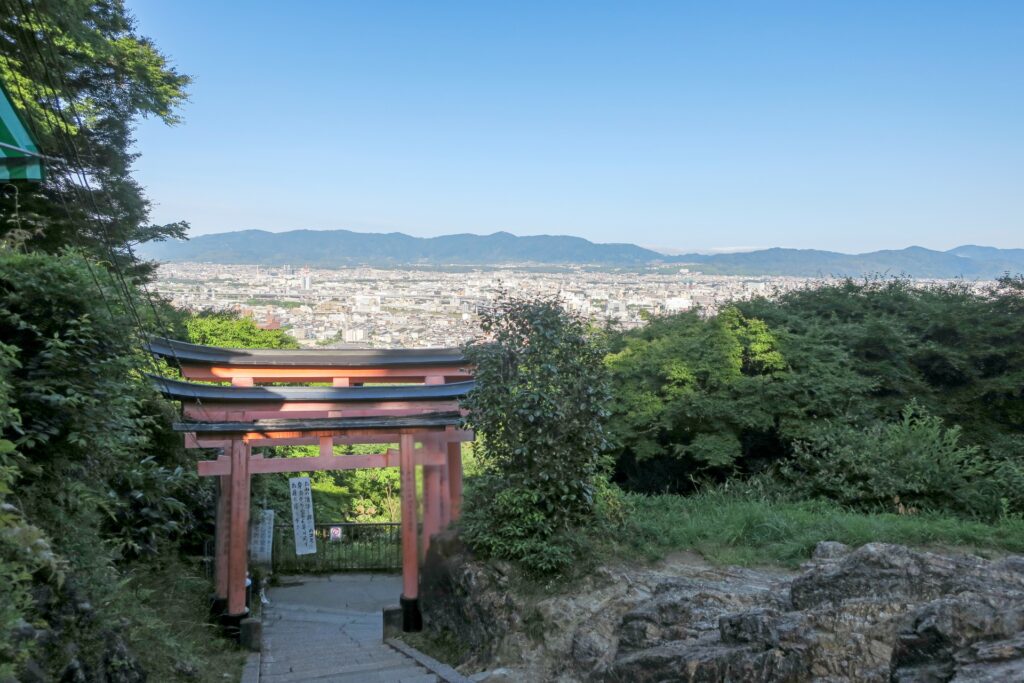
For many visitors, Yotsutsuji ends up being the sweet spot. It’s high enough to escape the busiest sections while still offering one of the best panoramic views over Kyoto. There are also a few small rest stops nearby where hikers pause for tea or simple snacks before deciding whether to continue upward.
The summit itself is more understated than dramatic. The walk there tends to leave a stronger impression than the top.
Should You Hike to the Top of Mount Inari?
If you enjoy walking and don’t mind stairs, probably yes. The upper trails feel noticeably calmer, especially in the early morning or evening.
But the climb is steeper than photos suggest. Kyoto’s summer humidity can make the ascent surprisingly tiring, particularly between June and September when the air barely moves in the forest sections.
Travelers with tight schedules, mobility concerns, or younger children often turn around at Yotsutsuji, and honestly, that’s still a very complete experience. You don’t need to “finish” the mountain to appreciate Fushimi Inari.
Rain changes the mood completely too. Wet torii gates deepen in color, and mist sometimes hangs between the trees near the upper paths. Beautiful atmosphere — though the stone steps can become slippery fast.
Comfortable shoes matter more than people expect here.
Best Time to Visit Fushimi Inari
The timing changes the entire feel of the shrine.
Sunrise and Early Morning
This is when Fushimi Inari feels closest to itself. Around sunrise, the torii tunnels are still relatively quiet, and the softer light works well for photography without harsh shadows cutting across the gates.
You’ll still see other photographers, but far fewer large tour groups. Some locals also use the trails for morning walks or exercise, which gives the shrine a more everyday rhythm.
Midday
Late morning into afternoon is the busiest period. Expect crowded pathways near the entrance and frequent pauses for photos inside the narrower torii sections.
That said, midday also has the liveliest atmosphere. Food stalls open, souvenir shops are active, and the area around the station feels energetic rather than purely touristy.
Sunset and Evening
Toward sunset, the light warms up and the gates start glowing a deeper orange-red. The crowds gradually thin, especially on the upper trails.
It’s one of the better times to walk if you want a quieter pace without arriving extremely early.
Seasonal Advice
- Spring: Comfortable temperatures and cherry blossom season
- Summer: Hot and humid, especially during midday hikes
- Autumn: Cooler air and colorful foliage along the mountain paths
- Winter: Cold mornings, but noticeably quieter overall
Is Fushimi Inari Open at Night?
Yes. The shrine grounds are generally accessible 24 hours a day.
Night visits have become increasingly popular in recent years, partly because the illuminated torii pathways feel completely different after dark. The lower sections stay softly lit, and the atmosphere shifts from crowded sightseeing spot to something calmer and slightly mysterious.
The upper trails, though, can become extremely quiet at night. Some areas are dimly lit, and it’s easy to underestimate how isolated parts of the mountain feel after the crowds disappear.
Sticking to the main routes is safest. A phone flashlight also helps if you plan to walk beyond the lower gates.
Because it remains an active religious site, nighttime etiquette matters. Loud conversations, elaborate photo shoots, or disruptive behavior stand out much more after dark.
How to Get to Fushimi Inari from Kyoto Station
Access is refreshingly straightforward.
The easiest route is taking the JR Nara Line from Kyoto Station to JR Inari Station. The ride itself is only about 10–15 minutes, and the shrine entrance is directly across from the station exit.
Access Information
- Nearest Station: JR Inari Station (JR Nara Line)
- Travel Time from Kyoto Station: Approximately 10–15 minutes
- Fare: Around ¥150
- Walking Distance to Shrine Entrance: About 1 minute
- Alternative Access: Keihan Fushimi-Inari Station (5-minute walk)
The Keihan Line is especially convenient if you’re staying around Gion or eastern Kyoto.
One thing worth noting: trains become noticeably crowded in the morning once sightseeing traffic builds up. Arriving earlier doesn’t just improve the shrine experience — it also makes the journey itself easier.
What to See at Fushimi Inari
Most visitors enter through the large Romon Gate before reaching the main shrine hall, where worshippers stop to pray or leave offerings. The architecture near the base feels formal and open compared to the narrower mountain trails above.
Then come the famous torii tunnels.
The first sections are the busiest and most photographed, but they’re also visually dense in a way that catches many people off guard. Standing inside them feels different from seeing them framed in a single photo. The gates curve, overlap, and compress perspective as the trail bends uphill.
Further up the mountain, smaller shrines begin appearing almost unexpectedly along the paths. Some are only a few stone statues surrounded by moss and candles. Others have miniature torii gates stacked together by worshippers.
Yotsutsuji is one of the key stopping points. The Kyoto city view opens up suddenly there after long stretches of forest trail, and on clear days you can see surprisingly far across the basin.
The summit itself is quieter and more subdued than the lower sections. Many people remember the upper forest paths more vividly than the actual peak.
What Do the Fox Statues Mean?
Foxes appear everywhere at Fushimi Inari — beside gates, near altars, along staircases.
In Shinto tradition, they act as messengers of Inari. Different statues hold different symbolic items:
- Keys representing rice granaries
- Scrolls linked to wisdom
- Jewels associated with prosperity
- Rice sheaves connected to harvest blessings
Some statues look fierce, others almost playful. Together, they add to the shrine’s slightly mysterious atmosphere, especially once the forest starts getting quieter uphill.
What Do the Red Torii Gates Mean?
Torii gates represent the transition into sacred space within Shinto belief.
The red-orange color traditionally symbolizes protection against misfortune and impurity, though practically speaking, it also stands out vividly against the dark forest around Mount Inari. On rainy days, the contrast becomes even stronger.
The black inscriptions on each gate tell another story entirely — generations of donations, prayers, and personal wishes layered into the mountain over time.
Fushimi Inari Etiquette and Visitor Tips
Fushimi Inari is one of Kyoto’s busiest attractions, but it’s still an active place of worship. The easiest way to notice this is by watching local visitors. Many stop briefly to bow, clap, or pray before continuing on with their day.
Simple awareness goes a long way here.
The narrow torii pathways can clog quickly when people stop suddenly for photos, especially in the lower sections. Waiting a few extra minutes for a gap in foot traffic usually works better than trying to hold a spot aggressively.
Common Mistakes Tourists Make
- Blocking narrow pathways during photo sessions
- Speaking loudly late at night
- Ignoring walking flow during crowded periods
- Treating prayer areas as photography sets
- Attempting long hikes without water during summer
Rain also changes the footing more than expected. The stone staircases can become slick quickly, particularly near shaded sections higher on the mountain.
Where to Eat Near Fushimi Inari
The streets around the shrine are filled with small restaurants, snack stands, and casual food shops rather than polished tourist dining complexes. Some places feel like they’ve barely changed in years.
One specialty closely tied to the shrine is inari sushi — rice wrapped in sweet fried tofu pockets. The connection comes from the old belief that foxes favored fried tofu.
Another classic option is kitsune udon, noodle soup topped with seasoned tofu slices. Warm, simple, and especially satisfying after a rainy-day walk.
Near the entrance, you’ll usually find:
- Grilled skewers
- Matcha desserts
- Rice crackers
- Traditional Japanese sweets
- Seasonal snacks
If you’re planning the full mountain hike, picking up water or snacks beforehand is smart. Some shops close earlier than visitors expect in the evening.
Travelers with extra time often pair Fushimi Inari with the nearby Fushimi sake district. The area is known for its soft groundwater, which helped shape its long brewing history, and several breweries offer tastings or small exhibits.

Suggested Fushimi Inari Itineraries
Different approaches work depending on how you travel.
| Traveler Type | Recommended Course | Ideal Time |
| First-Time Kyoto Visitor | 1-hour highlights route | Early morning |
| Photographer | Sunrise torii + Yotsutsuji | Sunrise |
| Active Traveler | Full summit loop | Morning |
| Food & Culture Traveler | Shrine + sake district | Afternoon |

Quick 1-Hour Highlights Visit
Focus on the lower shrine area and the first torii tunnels before the pathways become heavily crowded.
Best for: First-time visitors, families, casual photographers
Scenic 2-Hour Yotsutsuji Course
This route gives you a quieter section of the mountain without committing to the full summit loop. The city view from Yotsutsuji is often enough for most travelers.
Best for: Couples, photographers, travelers wanting a balanced experience
Half-Day Fushimi Inari + Sake District Itinerary
Start at the shrine early, then continue toward the nearby sake district for lunch and brewery visits afterward. The contrast between mountain trails and the old brewery streets works surprisingly well as a half-day plan.
Best for: Food-focused travelers and culture lovers
Frequently Asked Questions About Fushimi Inari
Is Fushimi Inari free?
Yes. Admission to the shrine and mountain trails is completely free.
Is Fushimi Inari worth visiting?
Even travelers who usually avoid famous tourist spots often end up appreciating Fushimi Inari because the atmosphere shifts so much once you move beyond the entrance area.
Can children visit?
Yes. Families commonly explore the lower shrine sections, though younger children may find the full summit hike tiring.
Is the hike difficult?
The lower paths are manageable for most visitors. The full loop becomes more physically demanding because of the long staircases and steady incline.
Are there toilets?
Yes. Toilets are available at several points around the shrine grounds.
What is the best time for photography?
Sunrise generally offers the quietest pathways and the softest light.
Conclusion
Fushimi Inari Taisha works on different levels depending on how you approach it.
Some visitors come for the famous torii gate photos and leave after an hour. Others keep climbing until the crowds disappear and the mountain starts feeling almost meditative. Neither approach is wrong.
What makes the shrine memorable isn’t only the visual spectacle. It’s the gradual shift in atmosphere as Kyoto falls away behind you — from busy station crowds to quieter forest paths lined with shrines, candles, faded gates, and occasional fox statues watching over the trail.
Even in one of Japan’s most photographed places, there are still moments here that feel unexpectedly personal.