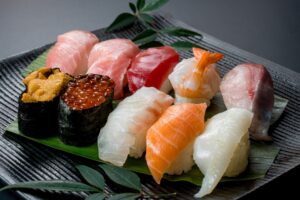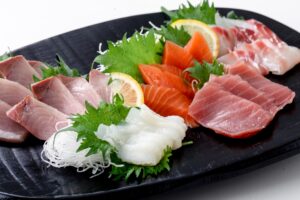
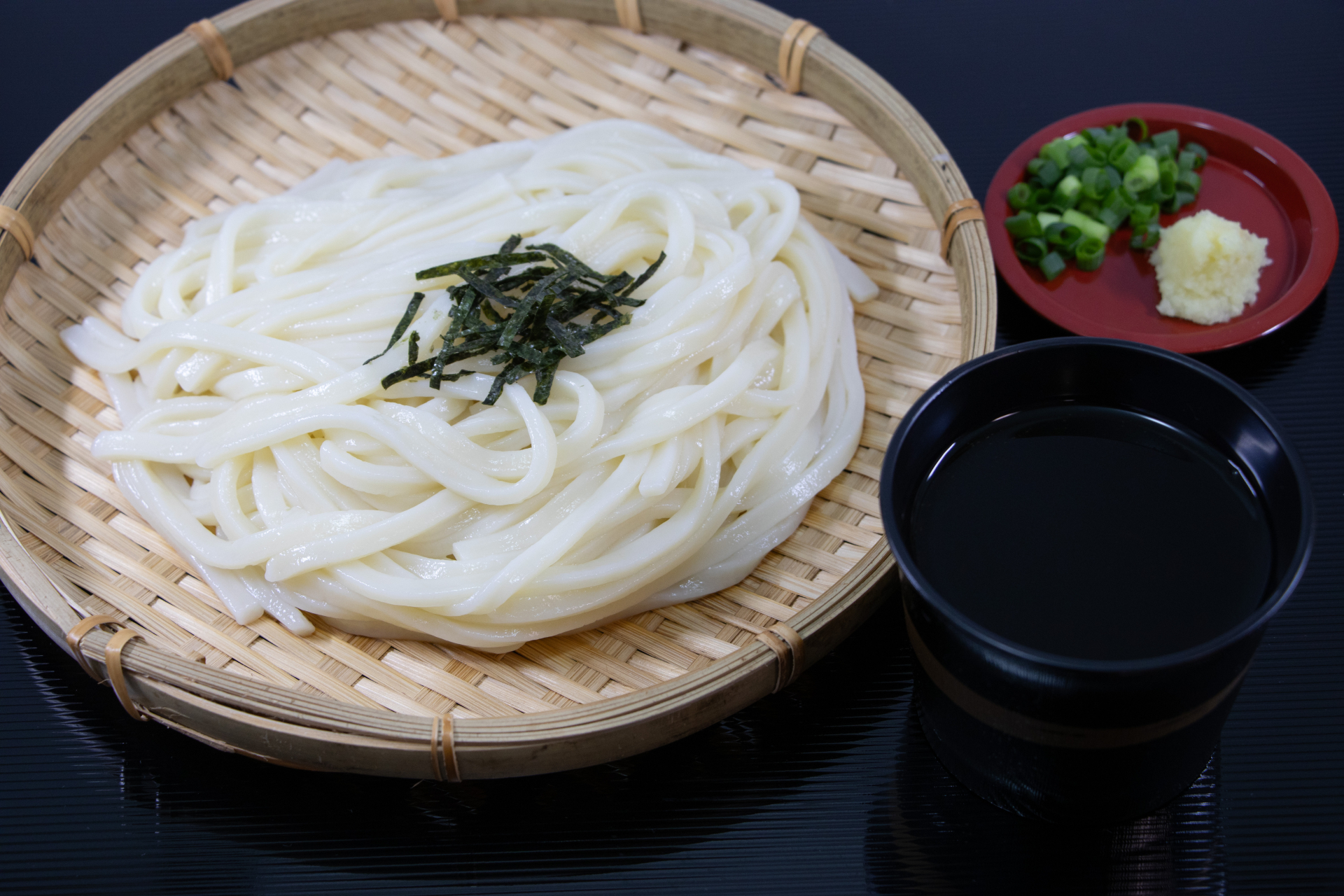
Udon is one of Japan’s most familiar noodle dishes: thick wheat noodles with a soft, chewy bite, served in hot broth, chilled with dipping sauce, stir-fried with vegetables and meat, or covered in Japanese curry. It is simple food, but not boring food. A good bowl of udon is often about the quiet details—the steam rising from dashi, the bounce of the noodles, the small pile of scallions on top, the way tempura softens slightly as it touches the soup.
This guide explains what udon is, what it tastes like, how it compares with ramen and soba, the main types of udon to know, and how to enjoy it at home or while traveling in Japan.


What Is Udon?
Udon is a traditional Japanese noodle made mainly from wheat flour, water, and salt. The noodles are usually thicker than ramen or soba, with a smooth surface and a soft, pleasantly chewy texture. They can be served hot in a light dashi-based broth, cold with dipping sauce, or stir-fried with vegetables, seafood, meat, tofu, or egg.
In Japan, udon sits firmly in the category of everyday comfort food. You might find it at a station noodle counter, a neighborhood shop with plastic food models in the window, a self-service udon chain, or on a family dinner table. It is affordable, filling, and easy to customize.
A basic bowl can look almost too plain at first: noodles, broth, maybe green onion. But udon is not trying to overwhelm you. The appeal is in the balance—the chew of the noodles, the savory depth of the broth, and toppings that add just enough contrast without taking over the bowl.
For travelers new to Japanese noodles, udon is often one of the easiest places to start. Compared with ramen, the flavors are usually lighter and the menu is more straightforward. It can be warming in winter, refreshing in summer, and quick enough for lunch between train rides.
What Are Udon Noodles Made Of?
Traditional udon noodles are made with just wheat flour, water, and salt. The dough is kneaded, rested, rolled out, cut into thick strips, and boiled. That simple ingredient list is part of the reason udon has such a mild flavor and smooth texture.
Because udon is wheat-based, most udon noodles are not gluten-free. Anyone with celiac disease, wheat allergy, or gluten sensitivity should check labels carefully. Some shops and brands sell gluten-free “udon-style” noodles, but they are not traditional udon.
Texture matters a lot. Thick noodles, proper kneading, resting time, and cooking method all affect the final bite. Frozen udon often has a surprisingly good chew and is one of the best choices for home cooks. Dried udon is convenient for the pantry, though it is often thinner and less springy than fresh or frozen noodles.
What Does Udon Taste Like?
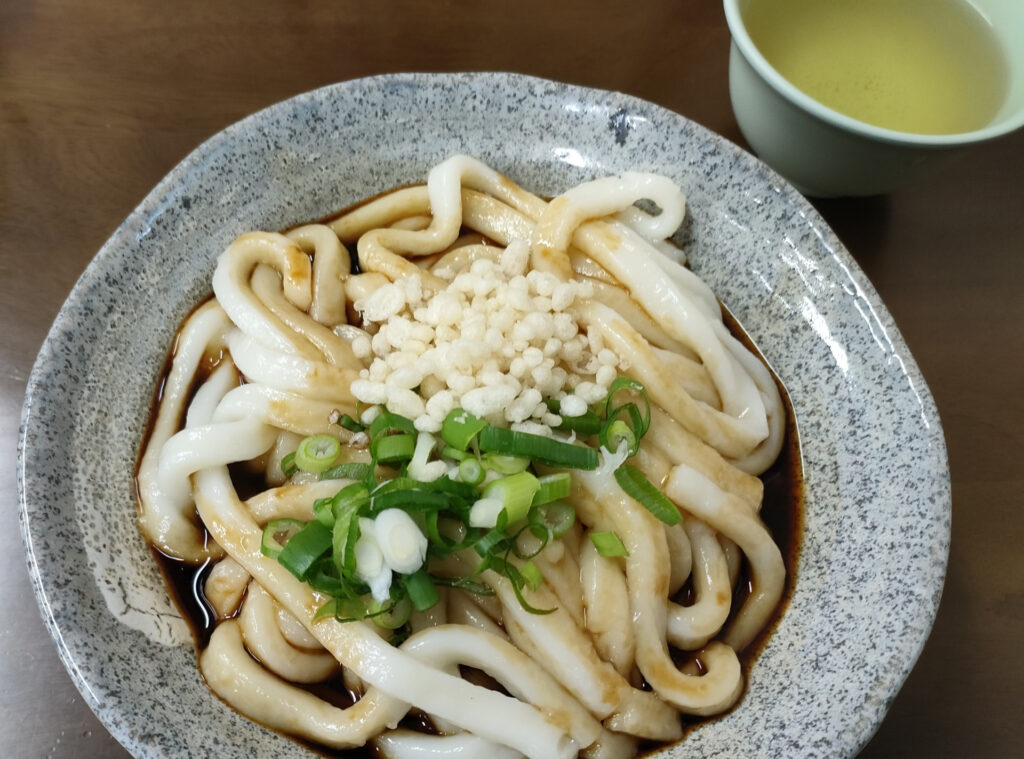
Udon noodles themselves have a mild, slightly wheaty taste. They are not strongly flavored on their own, so some first-time eaters may describe them as plain. That is partly the point. Udon is built around texture and balance rather than intensity.
In a hot bowl, the noodles pick up the aroma of dashi, soy sauce, and mirin. In cold udon, the noodles become firmer after rinsing and are dipped into a more concentrated sauce. In yaki udon, they absorb the flavor of the stir-fry sauce and whatever vegetables or protein are in the pan.
The main pleasure is the bite: soft, chewy, slippery, and filling without feeling heavy. Add tempura, scallions, fried tofu, egg, mushrooms, sesame seeds, grated ginger, or shichimi chili pepper, and the bowl starts to change character quickly.
Japanese food often leaves room for subtlety, and udon is a good example. It does not need to shout.
Udon vs Ramen vs Soba: What’s the Difference?
Udon, ramen, and soba are all Japanese noodles, but they eat quite differently.
| Noodle | Main ingredient | Texture | Typical broth or sauce | Common dishes | Best for |
| Udon | Wheat flour | Thick, soft, chewy | Dashi broth, dipping sauce, curry, stir-fry sauce | Kake udon, kitsune udon, tempura udon, yaki udon | Gentle, filling comfort food |
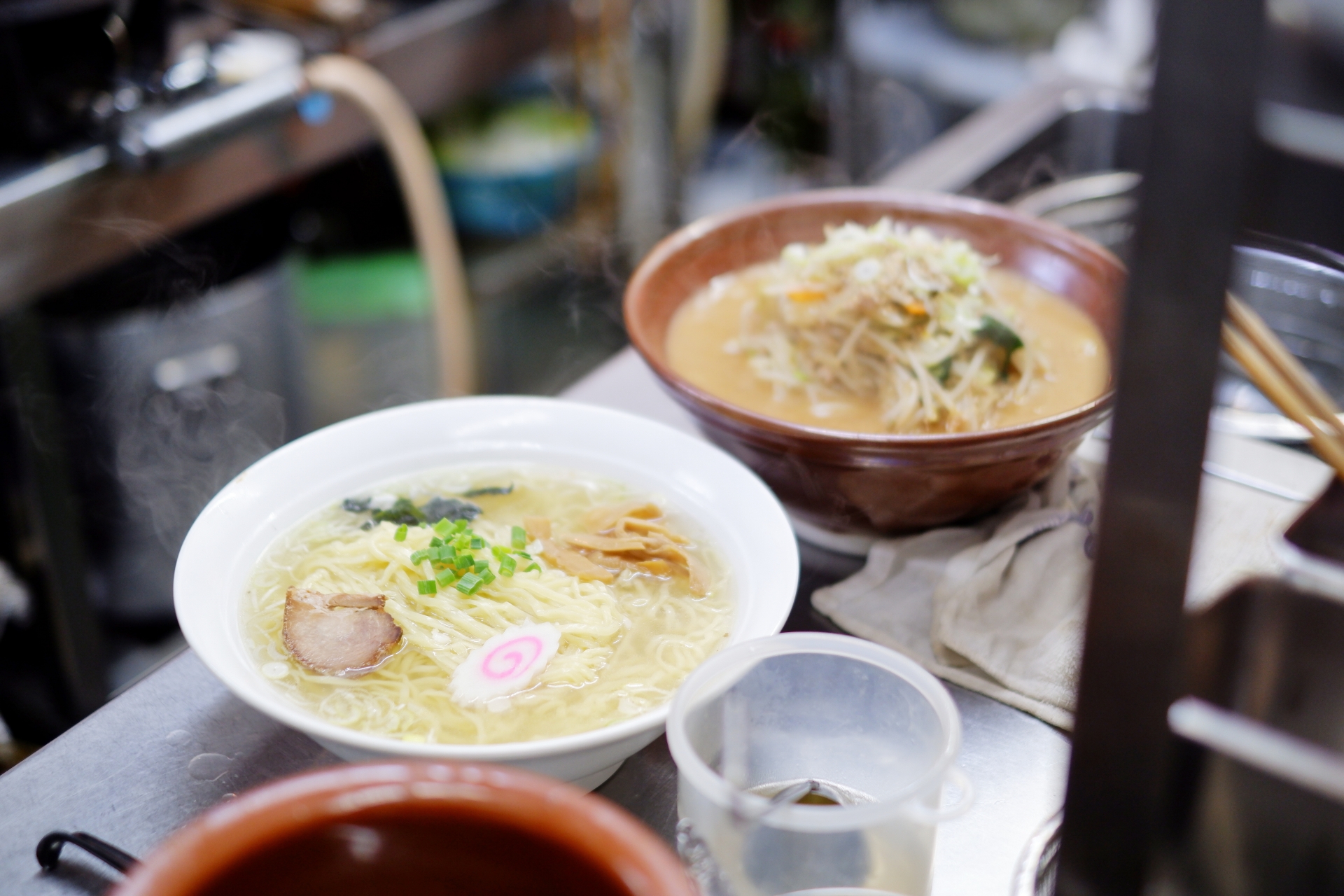
| Ramen | Wheat noodles | Thinner, springy, firm | Pork, chicken, miso, soy sauce, or salt-based broth | Shoyu ramen, miso ramen, tonkotsu ramen | Rich, savory noodle soup |
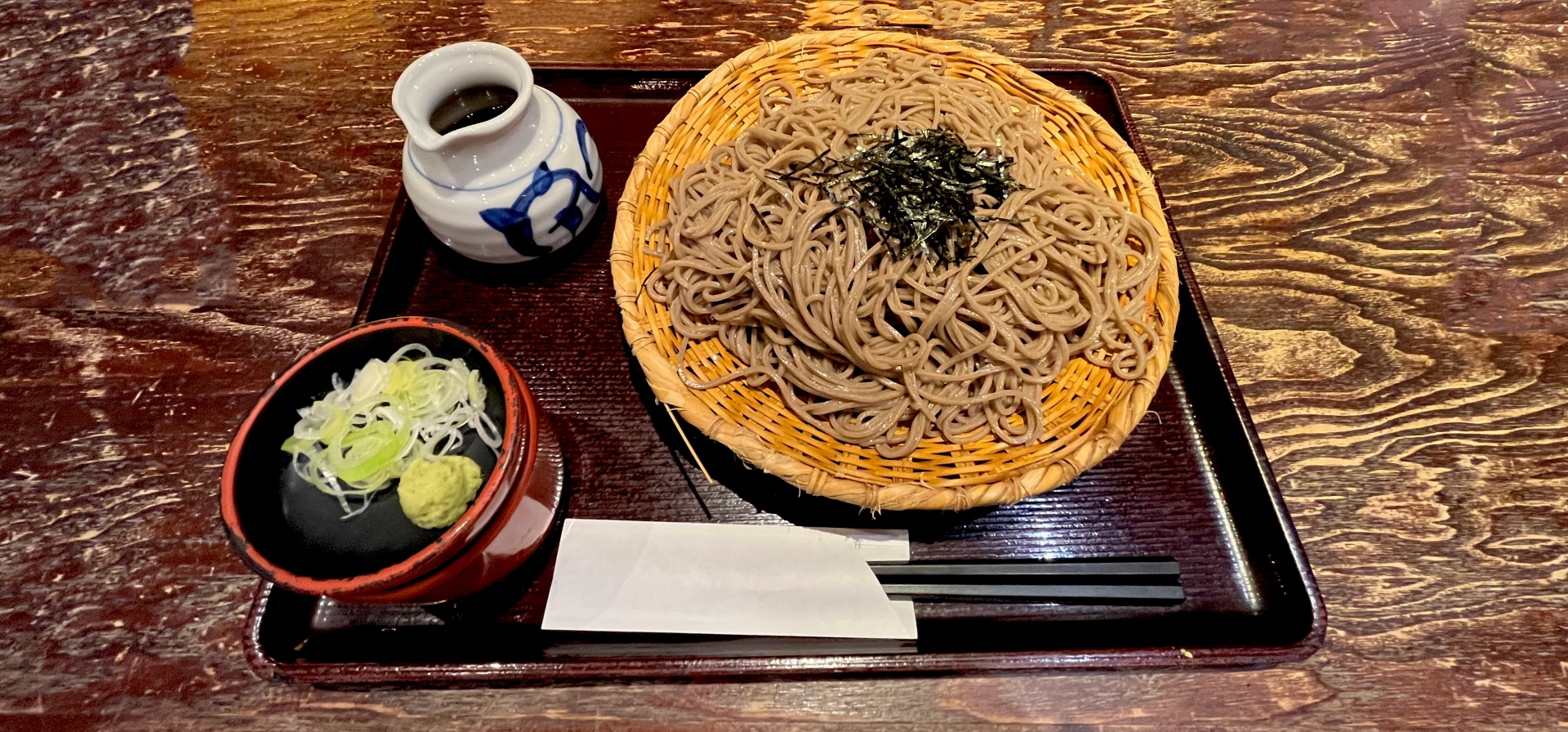
| Soba | Buckwheat and wheat, or 100% buckwheat | Thin, delicate, slightly firm | Dipping sauce or hot dashi broth | Zaru soba, kake soba, tempura soba | Light meals and nutty flavor |
Choose udon when you want something soft, filling, and easygoing. Choose ramen when you are in the mood for a richer soup with more oil, toppings, and intensity. Choose soba when you want a lighter noodle with a grainier, nuttier flavor.
Is Udon Healthier Than Ramen?
Udon is not automatically healthier than ramen. It depends on the broth, toppings, portion size, sodium level, and cooking method.
A simple bowl of kake udon with clear broth may feel lighter than a rich tonkotsu ramen. But tempura udon, curry udon, or a large stir-fried yaki udon can still be quite filling. Ramen often has richer broth and oilier toppings, while udon is commonly served in a simpler dashi-based soup, but both dishes can be made lighter or heavier.
For a more balanced bowl, look for clear broth, vegetables, mushrooms, tofu, egg, or lean protein. It is also worth remembering that udon usually contains gluten, and many broths are made with fish-based dashi.
Popular Types of Udon You Should Know
There are many types of udon, and the word before “udon” usually tells you the topping, sauce, or serving style. Some bowls are spare and light. Others are rich, saucy, or almost stew-like.
Hot udon is especially appealing in colder months, when the broth warms your hands through the bowl. Cold udon comes into its own in summer, when chilled noodles and dipping sauce feel cleaner and sharper.
Kake Udon
Kake udon is one of the simplest and most classic udon dishes. It is served in a warm dashi-based broth and usually topped with sliced green onion. Depending on the shop, it may also come with grated ginger, kamaboko fish cake, or shichimi chili pepper.
This is a good first bowl because there is nowhere for the noodles to hide. You taste the broth clearly, and you notice the texture of the udon more than you would under heavier toppings.
At home, kake udon is easy to make with frozen udon, dashi, soy sauce, mirin, and scallions. The small trick is not to overcook the noodles. They should stay soft and chewy, not limp.
Kitsune Udon
Kitsune udon is topped with sweet simmered fried tofu called aburaage. “Kitsune” means fox in Japanese, and the name is often linked to the old belief that foxes like fried tofu.
The tofu is the part that makes the bowl memorable. It soaks up the broth, adding a sweet-savory richness to the noodles. The result feels gentle but not flat, especially when the tofu releases a little sweetness into the soup.
Kitsune udon is a good choice when plain kake udon sounds too simple, but you still want something easy to enjoy.
Tempura Udon
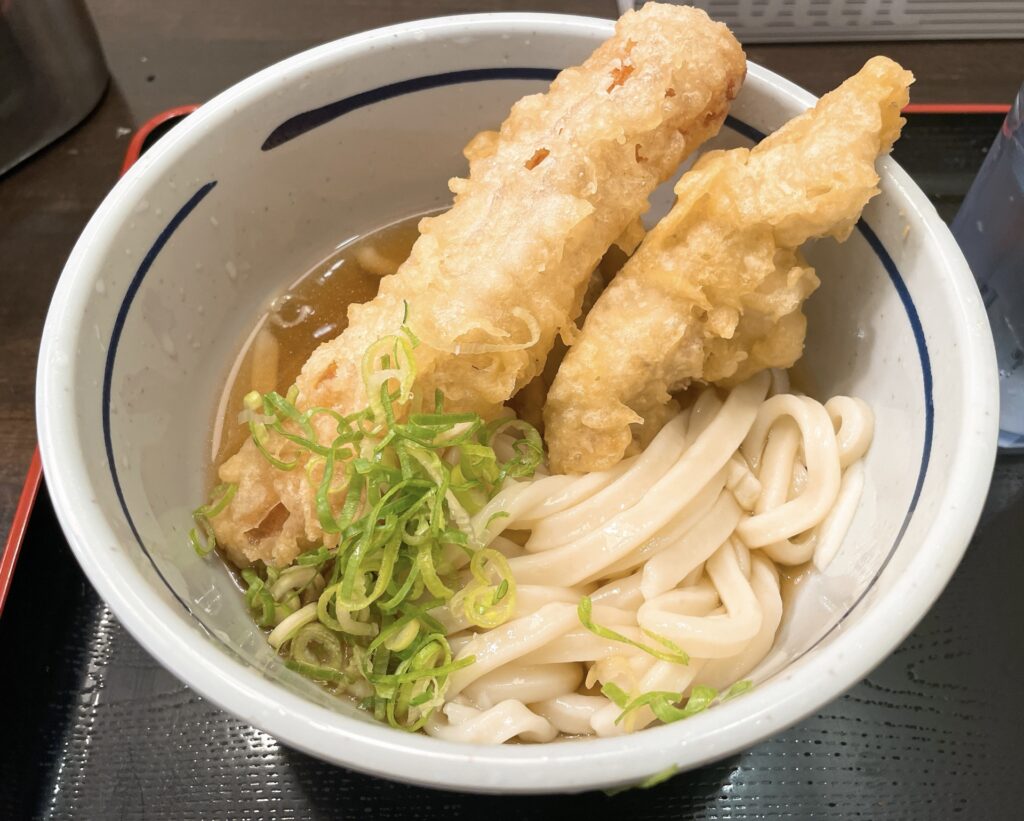
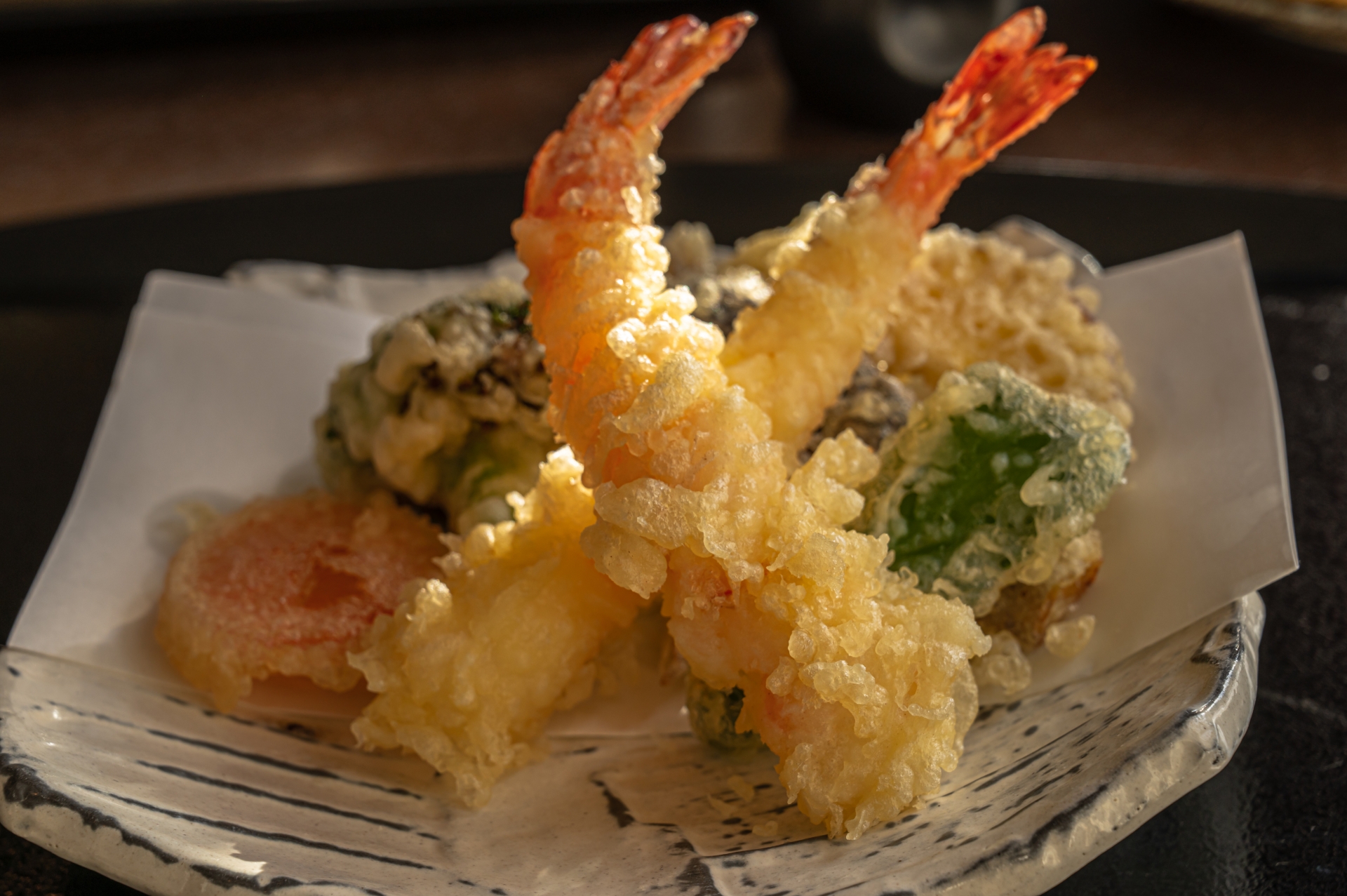
Tempura udon pairs hot udon with tempura, often shrimp, squid, or vegetables. The contrast is the pleasure here: chewy noodles, warm broth, and crisp batter that slowly softens around the edges.
Some restaurants place the tempura directly on top of the noodles. Others serve it on the side so it stays crisp longer. Both styles are common, and each has its own appeal.
This is one of the more filling udon choices and an easy one for travelers, since many menus show photos of the tempura.
Curry Udon
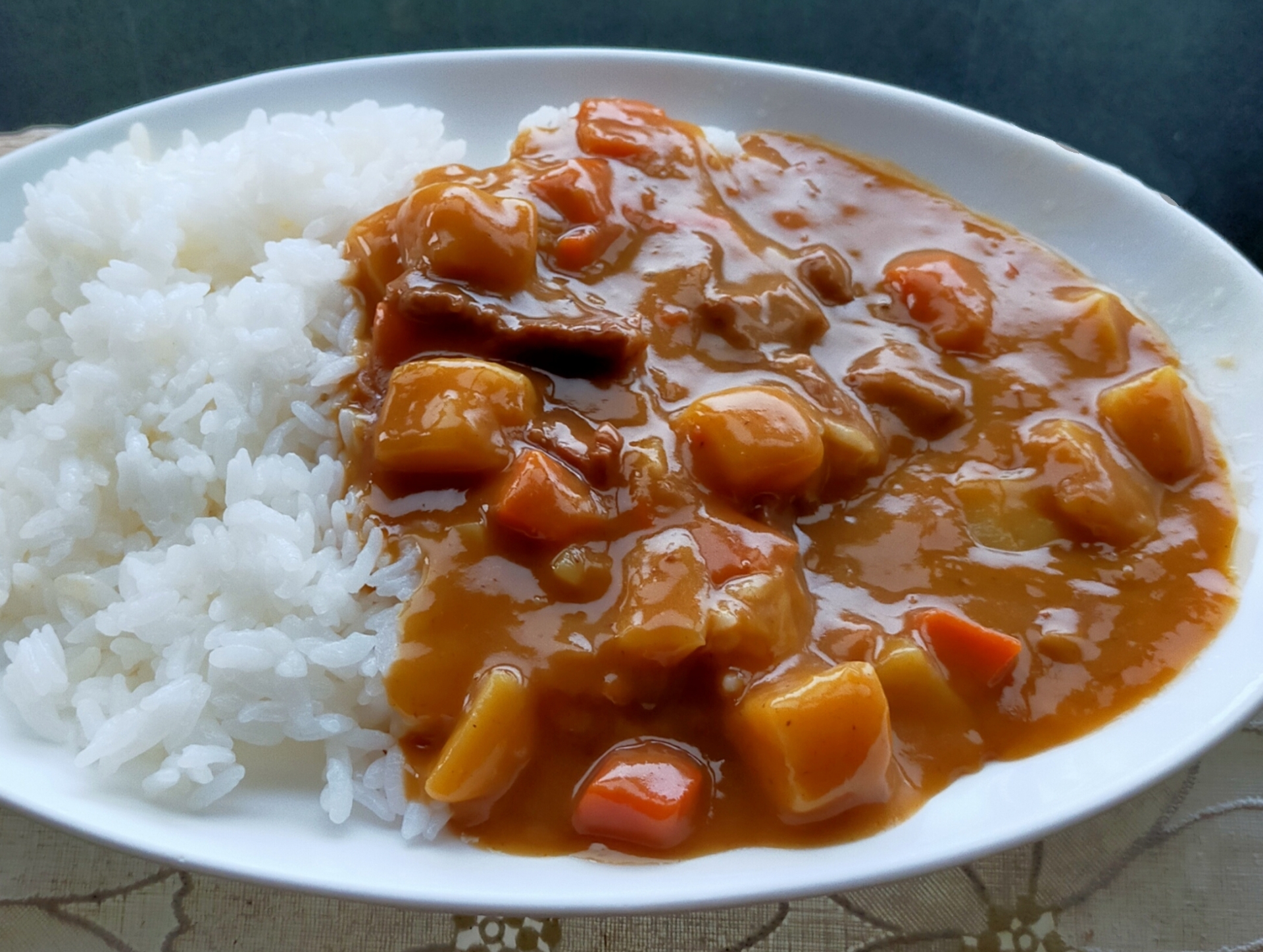
Curry udon combines udon noodles with Japanese curry. The sauce is thicker and richer than regular udon broth, often clinging to the noodles in a way that makes the dish feel more like a full meal than a light soup.
Japanese curry is usually mild, savory, and slightly sweet rather than sharply spicy. If you already like Japanese curry rice, curry udon is an easy jump.
It is especially satisfying on cold days. The bowl arrives heavy with steam, and the curry scent tends to reach you before the spoon does.
Yaki Udon
Yaki udon is stir-fried udon with vegetables, protein, and savory sauce. Common ingredients include cabbage, onions, carrots, mushrooms, pork, chicken, seafood, tofu, or egg.
This is one of the easiest udon dishes to cook at home. Frozen udon works well because the noodles hold their chew in a hot pan. You can use leftover vegetables, add whatever protein you have, and season it with soy sauce, mirin, oyster sauce, or a Japanese-style stir-fry sauce.
Yaki udon is flexible in the best way. It does not ask for much planning.
Zaru Udon and Cold Udon
Zaru udon is cold udon served with dipping sauce, often on a bamboo tray or plate. After boiling, the noodles are rinsed and chilled, which makes them firmer and more refreshing.
Cold udon is popular in warm weather, when a hot bowl of noodles feels like too much. Instead of sitting in soup, the noodles are dipped into a concentrated sauce right before eating.
This style is especially good if you want to appreciate the texture of udon directly. Add grated ginger, scallions, sesame seeds, or a small dab of wasabi for a cleaner finish.
Regional Udon Styles in Japan
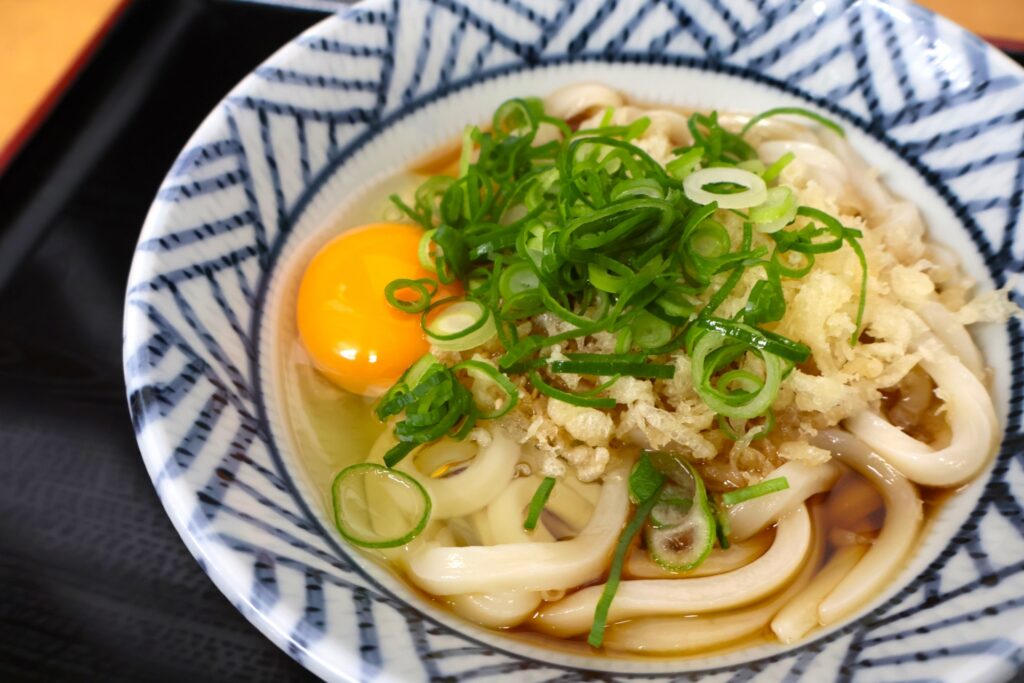
Udon changes from region to region. Some areas are known for very firm noodles, others for lighter broth, darker broth, unusual toppings, or a particular way of ordering.
In western Japan, udon broth is often lighter in color and more focused on dashi. In eastern Japan, the broth can be darker and more soy sauce-forward. Local flour, water, dashi culture, and eating habits all play a part.
For travelers, regional udon is one of those small food differences that makes moving around Japan more interesting. A bowl in Kagawa, Osaka, or Fukuoka may use similar basic ingredients, but it will not always feel like the same meal.
Sanuki Udon
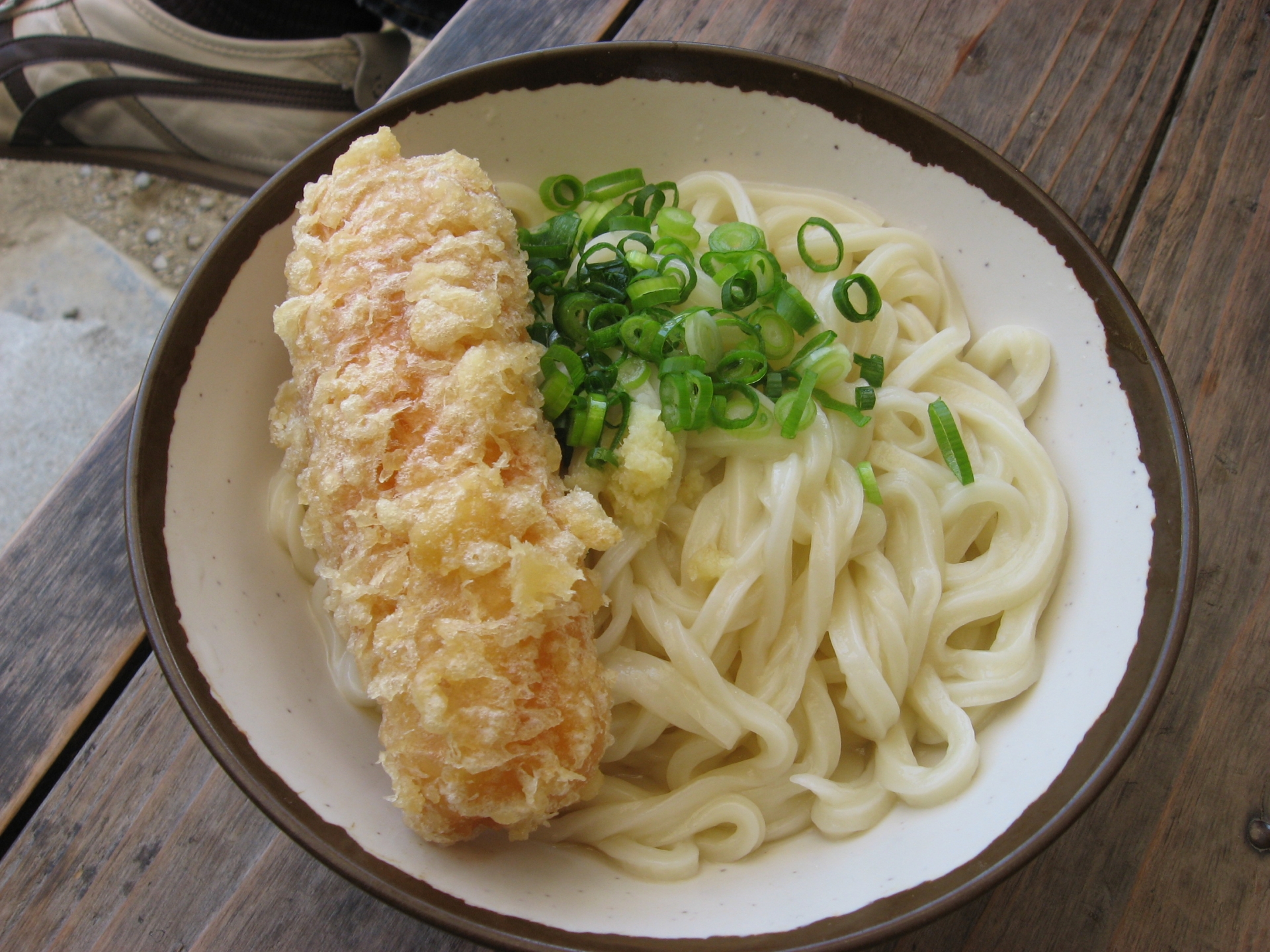
Sanuki udon is associated with Kagawa Prefecture on Shikoku Island and is one of Japan’s best-known udon styles. It is famous for its firm, chewy noodles.
Here, the noodles are the point. Sanuki udon is often served simply, so diners can focus on the bounce, bite, and smoothness of the udon itself.
Kagawa is also known for casual self-service udon shops, where customers choose the noodle style, pick up toppings, and eat quickly at simple tables. It feels practical rather than polished, which is part of the appeal.
Kansai-Style Udon
Kansai-style udon is often associated with a lighter-colored dashi broth. Compared with the darker soy sauce-based broths often found in eastern Japan, Kansai broth tends to feel gentler and more aromatic.
This style highlights the flavor of dashi, often made with kombu and bonito flakes. The flavor is subtle, but not weak. A good bowl has a savory depth that lingers quietly after each sip.
Kansai-style udon is common in places like Osaka and Kyoto. It is a good choice for travelers who want to taste a lighter side of Japanese noodle soup.
How to Cook Udon Noodles at Home
Udon is easy to cook at home, especially if you use frozen or fresh noodles. In the United States and other countries, udon is often available at Asian grocery stores, Japanese supermarkets, and online grocery shops. Some regular supermarkets also carry dried or shelf-stable udon.
| Type of udon | Texture | Cooking time | Best use | Notes |
| Frozen udon | Thick and chewy | Very short | Soup, stir-fry, cold udon | Often the best texture for home cooking |
| Fresh udon | Soft and smooth | Short | Soup or stir-fry | Quality varies by brand |
| Dried udon | Firmer, often thinner | Longer | Pantry meals, soup | Easy to store |
| Shelf-stable udon | Soft | Short | Quick meals | Convenient, though sometimes less chewy |
For hot udon, cook or heat the noodles according to the package, prepare the broth separately, and combine them just before serving. For cold udon, boil the noodles, rinse them under cold water, and drain well. For yaki udon, loosen the noodles first, then stir-fry briefly with vegetables and sauce.
How to Cook Frozen Udon
Frozen udon is one of the best choices for home cooks because it often has a texture close to what you would get in a casual udon shop. It is also quick.
Most frozen udon can be boiled briefly, microwaved if the package allows, or added directly to hot soup. Always follow the package instructions, since cooking time varies by brand.
The main thing is to avoid overcooking. Frozen udon is usually already cooked before freezing, so it often only needs reheating. Too much time in boiling water can make the noodles overly soft.
Easy Udon Toppings and Broth Ideas
A basic udon broth can be made with dashi, soy sauce, and mirin. For convenience, many home cooks use instant dashi or bottled soup base. For a vegetarian or vegan version, use kombu-shiitake dashi and check the ingredients in your seasonings.
Easy toppings include:
Scallions, tempura, egg, tofu, mushrooms, spinach, chicken, beef, kamaboko fish cake, sesame seeds, chili flakes, and grated ginger.
For a quick meal, start with frozen udon, a simple broth, and two or three toppings. Udon does not need much to work. A few sliced scallions and a soft egg can already make the bowl feel complete.
How to Order and Eat Udon in Japan
Ordering udon in Japan is usually simple once you know a few menu words. Many shops have photo menus, ticket machines, or self-service counters where you choose the noodle style, size, toppings, and tempura.
At self-service udon shops, the flow can be quick. You pick your udon, move along the counter, choose tempura or rice balls if you want them, pay, then add things like green onion, grated ginger, or tempura crumbs at the condiment area. Watch the person ahead of you for ten seconds and the system usually becomes clear.
Useful Udon Menu Words for Travelers
| Japanese word | Meaning |
| Kake | Hot udon in simple broth |
| Bukkake | Udon with sauce poured over it |
| Zaru | Cold noodles with dipping sauce |
| Kitsune | Sweet fried tofu topping |
| Tempura | Fried seafood or vegetables |
| Curry | Udon with Japanese curry |
| Kamaage | Hot noodles served with dipping sauce |
Useful phrases:
“Kake udon o kudasai.” — Please give me kake udon.
“Kore wa tsumetai desu ka?” — Is this cold?
“Tempura o hitotsu kudasai.” — One tempura, please.
Slurping noodles is generally acceptable in casual noodle shops in Japan. It helps cool hot noodles and brings up the aroma of the broth. You do not have to be loud about it, but you also do not need to eat udon in complete silence.
Best Udon for First-Timers
For your first bowl, kake udon is the cleanest starting point. It is simple, warm, and lets you understand the basic relationship between udon noodles and dashi broth.
Kitsune udon is a good choice if you want something slightly sweet and more comforting. Tempura udon works well if you like crisp toppings and want a fuller meal. Curry udon is best for people who prefer stronger, richer flavors.
In summer, try zaru udon or another cold udon dish. Chilled noodles have a firmer bite, and the dipping sauce makes the meal feel lighter than a hot bowl.
Frequently Asked Questions About Udon
What is udon?
Udon is a Japanese noodle made mainly from wheat flour, water, and salt. It is thick, chewy, and often served hot in broth, cold with dipping sauce, or stir-fried.
What are udon noodles made of?
Traditional udon noodles are made from wheat flour, water, and salt. Some modern packaged versions may include additional ingredients, but the classic recipe is very simple.
Is udon gluten-free?
No. Most udon is not gluten-free because it is made from wheat. People with gluten restrictions should look for gluten-free alternatives and also check the broth or sauce ingredients.
Is udon eaten hot or cold?
Udon can be eaten hot or cold. Hot udon is often served in broth, while cold udon is usually served with dipping sauce or a small amount of sauce poured over the noodles.
What is the difference between udon and ramen?
Udon noodles are thicker, softer, and usually served in lighter broth. Ramen noodles are thinner and springier, often served in richer and more complex soups.
What is the difference between udon and soba?
Udon is made from wheat and has a thick, chewy texture. Soba is usually made with buckwheat and has a thinner shape and nuttier flavor.
What is the best udon for beginners?
Kake udon is the easiest starting point because it is simple and classic. Kitsune udon and tempura udon are also friendly choices for first-timers.
Can you make udon at home?
Yes. Frozen udon is especially easy to cook at home and works well in soup, stir-fries, and cold noodle dishes.
What does udon taste like?
Udon has a mild wheat flavor. Its main appeal comes from its chewy texture and from the broth, sauce, and toppings served with it.
Conclusion: Why Udon Is One of Japan’s Most Comforting Noodles
Udon is simple, versatile, and deeply satisfying in a quiet way. Made from wheat flour, water, and salt, it may look plain at first, but the appeal is in the texture of the noodles, the warmth of the broth, and the way small toppings change the whole bowl.
For beginners, kake udon and kitsune udon are easy places to start. For something richer, try curry udon or tempura udon. At home, frozen udon is convenient and often gives the best texture with the least effort.
And in Japan, it is worth trying udon beyond the most obvious restaurants. Step into a casual shop near a station, a self-service counter in Kagawa, or a small place in Osaka where the broth smells faintly of kombu and bonito. Udon is humble food, but that is part of why it stays with people.