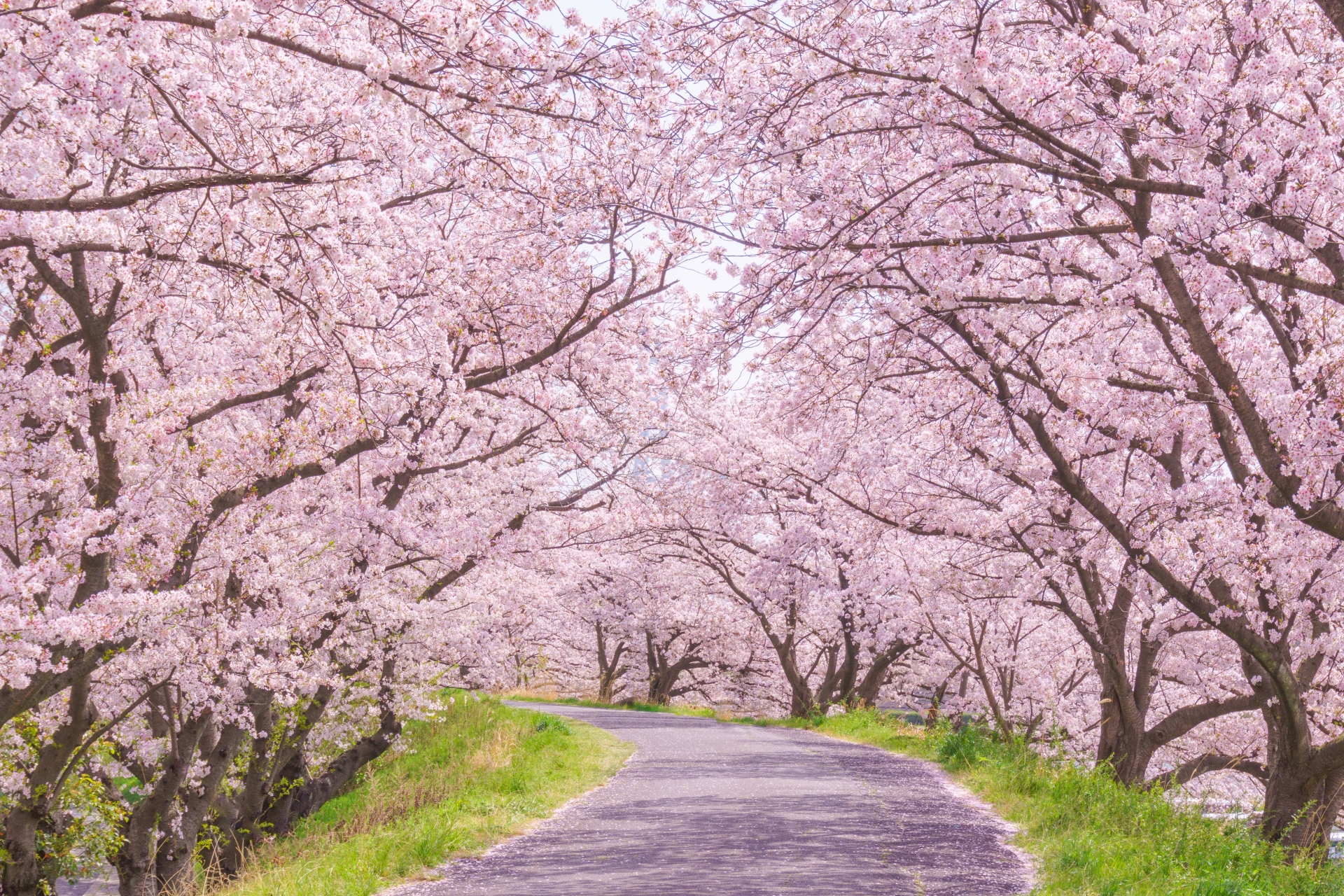
Spring in Japan unfolds in waves, with cherry blossoms blooming from south to north and transforming cities, riversides, and mountain landscapes into soft shades of pink.
For travelers hoping to experience Japan’s cherry-blossom magic in a single journey, a multi-region route is the ultimate approach.
This guide presents a full “Kanto → Kansai → Tohoku” cherry-blossom route, explaining when and where to go, what to expect, and how to plan a balanced itinerary that blends iconic landmarks with quieter, scenic spots.


Why a “Kanto → Kansai → Tohoku” Route Makes Sense
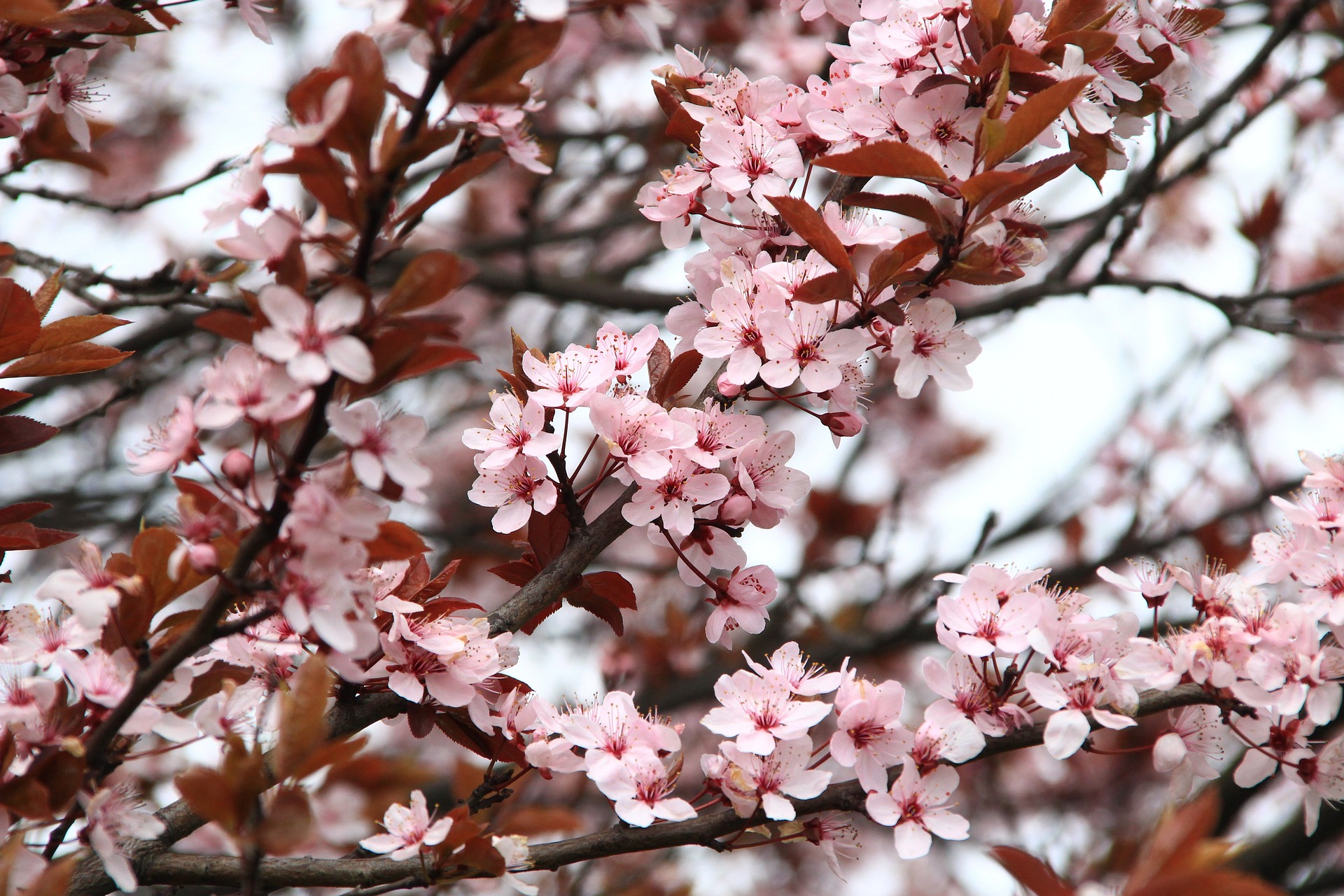
Cherry blossoms in Japan follow a natural south-to-north blooming progression each spring, shaped by the country’s varied climates and geography. Although the sakura season traditionally begins in Kyushu and gradually advances through Kanto (Tokyo region), Kansai (Kyoto/Osaka), and ultimately Tohoku, recent climate variations have made bloom timing less predictable. In some years, Tokyo and Kyoto reach full bloom only days apart. Still, starting in Kanto, moving through Kansai, and finishing in Tohoku remains the most reliable way to maximize cherry-blossom viewing opportunities. Differences in elevation, temperature, and cherry varieties—from early-blooming Kawazu-zakura to late-blooming mountain cherry species—ensure staggered bloom windows even when warm weather shortens the season.
This route is also exceptionally rewarding because each region offers a distinctly different atmosphere. Kanto provides lively urban hanami scenes with riverside lanterns and bustling picnic areas. Kansai blends centuries-old temples and shrines with atmospheric cherry-lined paths. Tohoku delivers peaceful rural landscapes, castle moats filled with drifting petals, and cool northern weather that creates a “second spring.” By traveling from south to north, visitors enjoy diverse scenery and increase their chances of witnessing peak bloom at some point in their journey—even in years with unusual weather patterns.
Recommended Itinerary: Example 2-Week Route
Week 1 — Kanto (Tokyo & Surrounds)
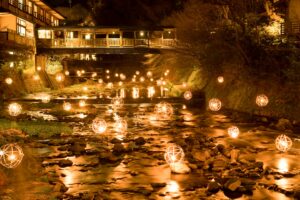
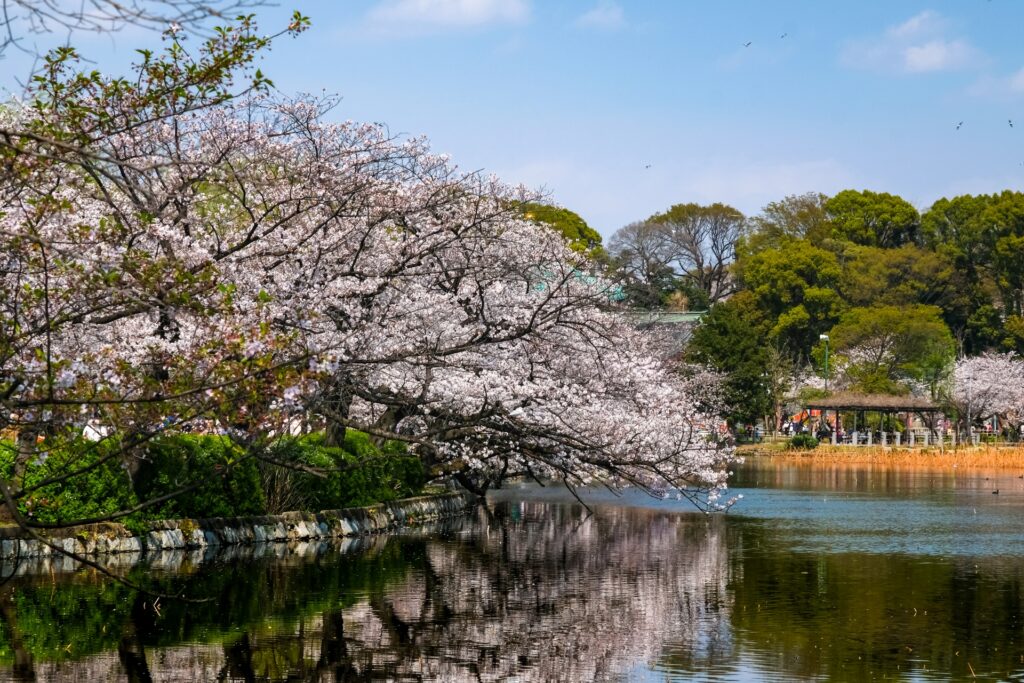
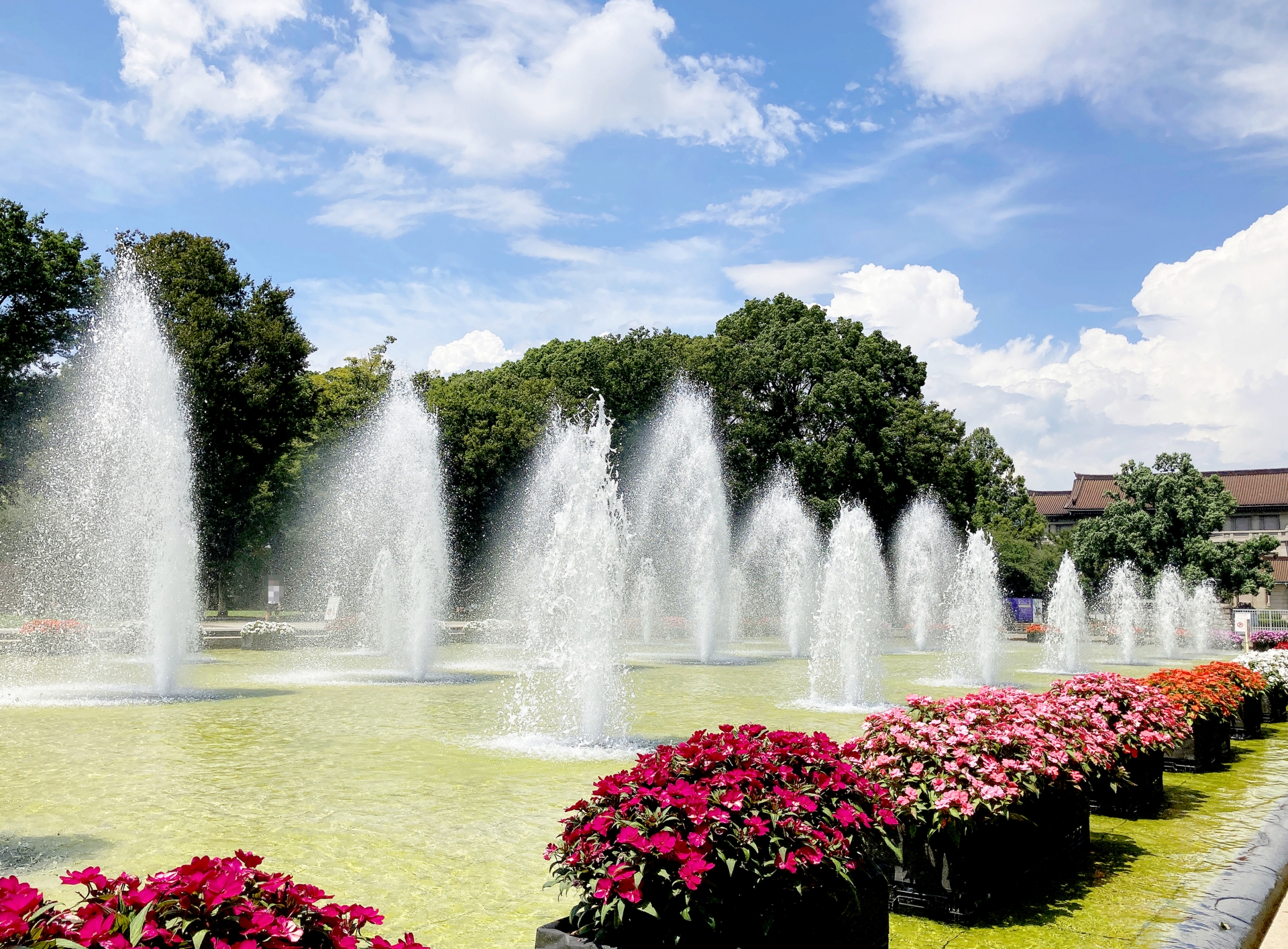
The first week in Kanto offers iconic cherry-blossom spots and beautiful riverside strolls. Tokyo’s most famous hanami locations—Ueno Park, Chidorigafuchi Park, and Meguro River—each deliver a unique experience. Ueno Park is the quintessential Tokyo hanami destination, featuring hundreds of cherry trees, festive crowds, and seasonal food stalls. Chidorigafuchi offers a more serene setting with blossoms arching over the tranquil moats where visitors can rent rowboats. Meguro River is beloved by photographers for its illuminated night views, when lanterns and riverside cafés create a romantic spring ambiance.
For travelers arriving before the typical late March to early April bloom window, the Izu Peninsula’s Kawazu-zakura provides one of Japan’s earliest cherry-blossom experiences. With deep-pink petals and a long blooming period starting in late February, Kawazu offers a taste of spring while Tokyo is still transitioning out of winter. Because Tokyo becomes extremely busy during peak bloom, booking accommodations early is essential. To avoid crowds, consider visiting early in the morning, on weekdays, or during nighttime illuminations. With excellent access and diverse viewing spots, Kanto is an ideal starting point for a multi-region sakura trip.
Week 2 — Kansai (Kyoto, Nara, Osaka)
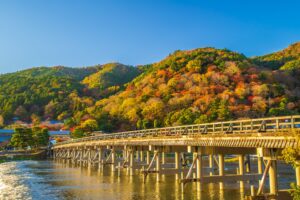
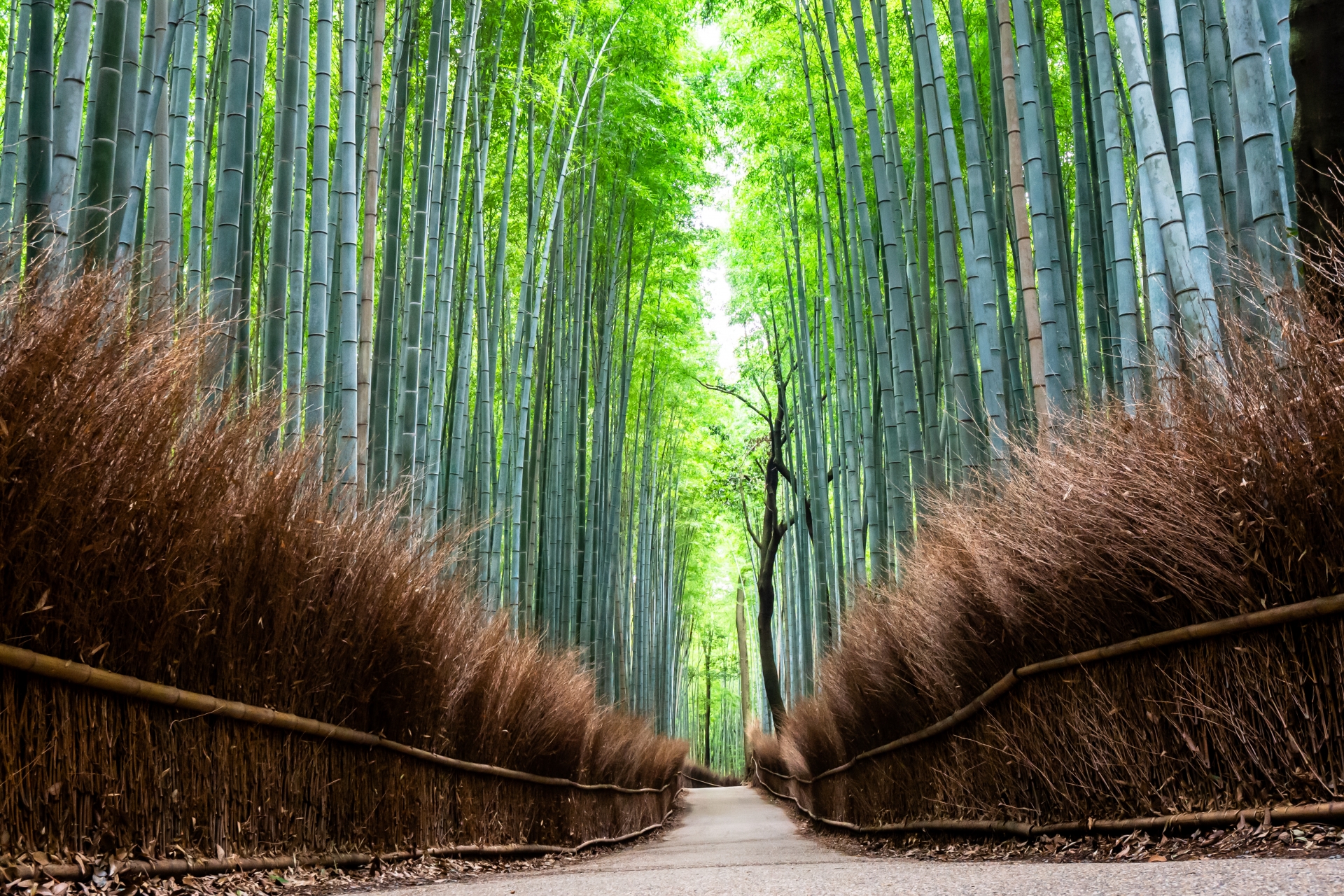
Week 2 brings you into the historic and cultural heart of Japan. Kyoto’s Maruyama Park is famous for its iconic weeping cherry tree, illuminated at night and surrounded by festival-like energy. In Arashiyama, cherry blossoms line the Katsura River and frame the iconic Togetsukyo Bridge, blending natural beauty with temple visits and river cruises. Nara’s Mount Yoshino stands as one of the country’s most celebrated cherry-blossom destinations, with tens of thousands of trees planted across its slopes. Because Yoshino is divided into lower, middle, and upper viewing zones, travelers can follow staggered bloom periods across elevation levels.
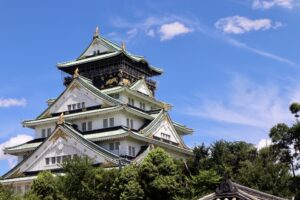
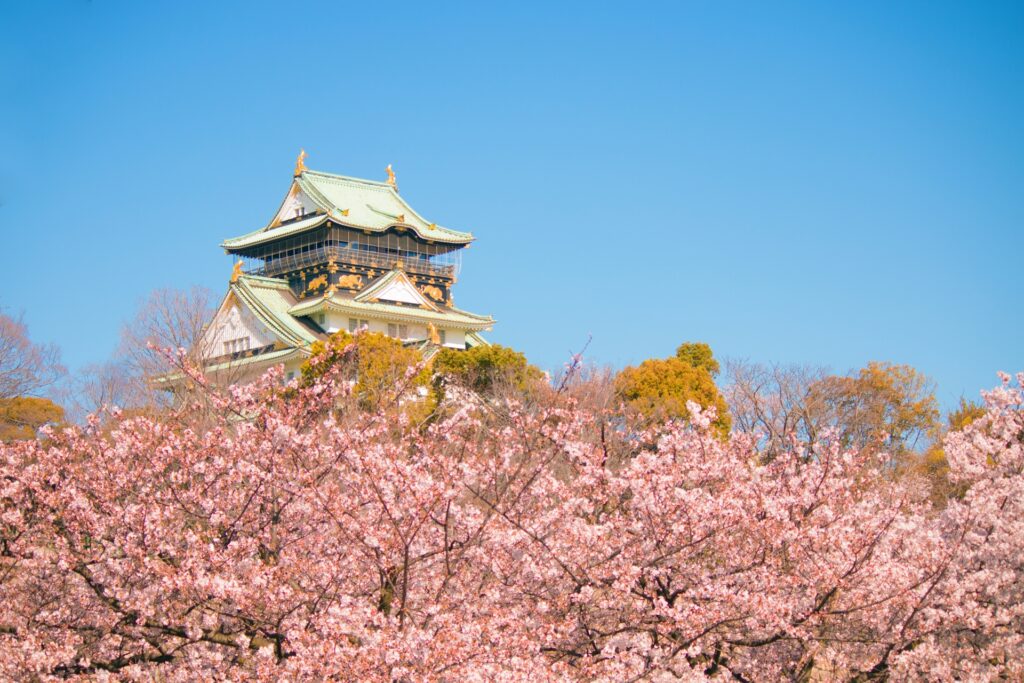
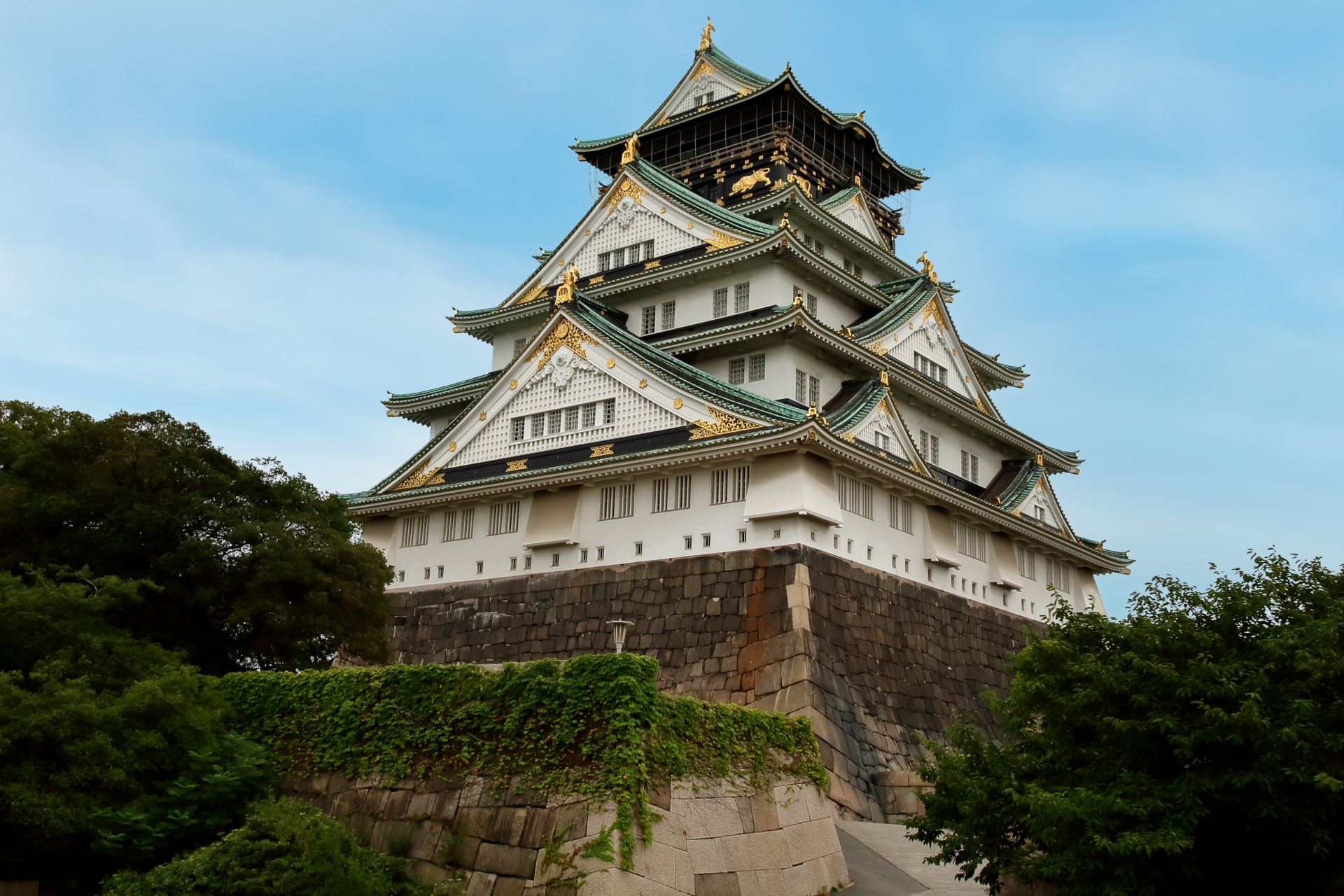
Osaka offers a more urban-friendly experience, with Osaka Castle Park showcasing over 3,000 cherry trees surrounding the historic castle tower. Kansai can begin blooming as early as late March, but varied elevations and micro-climates allow visitors to chase peak bloom even in years with early seasons. To manage crowds, visit early in the morning, combine cherry viewing with temple or shrine sightseeing, or stay in quieter nearby areas. Kansai’s blend of heritage, nature, and accessibility ensures an enriching second week on your sakura journey.
Bonus Detour — Early-Bloom Option (Izu / Kawazu)
For early-arriving travelers, the Kawazu Cherry Blossom Festival provides a vibrant prelude to Japan’s spring season. Kawazu-zakura bloom from late February to early March, offering deep-pink blossoms weeks before Tokyo’s mainstream cherry varieties. Walking along the Kawazu River beneath arching sakura trees, accompanied by food stalls and ocean breezes, creates a refreshing early-spring experience while most of Japan is still cold.
This detour is perfect for travelers looking to extend their sakura season or avoid peak crowds. Starting your journey here allows you to continue northward and catch multiple regions at or near peak bloom. Whether used as a prelude to the Kanto–Kansai–Tohoku route or as a standalone early-season highlight, Kawazu provides a beautiful and relaxed introduction to cherry-blossom travel.
Northern Finale — Tohoku & Beyond
Tohoku Region: From Castle Moats to Rural Riversides
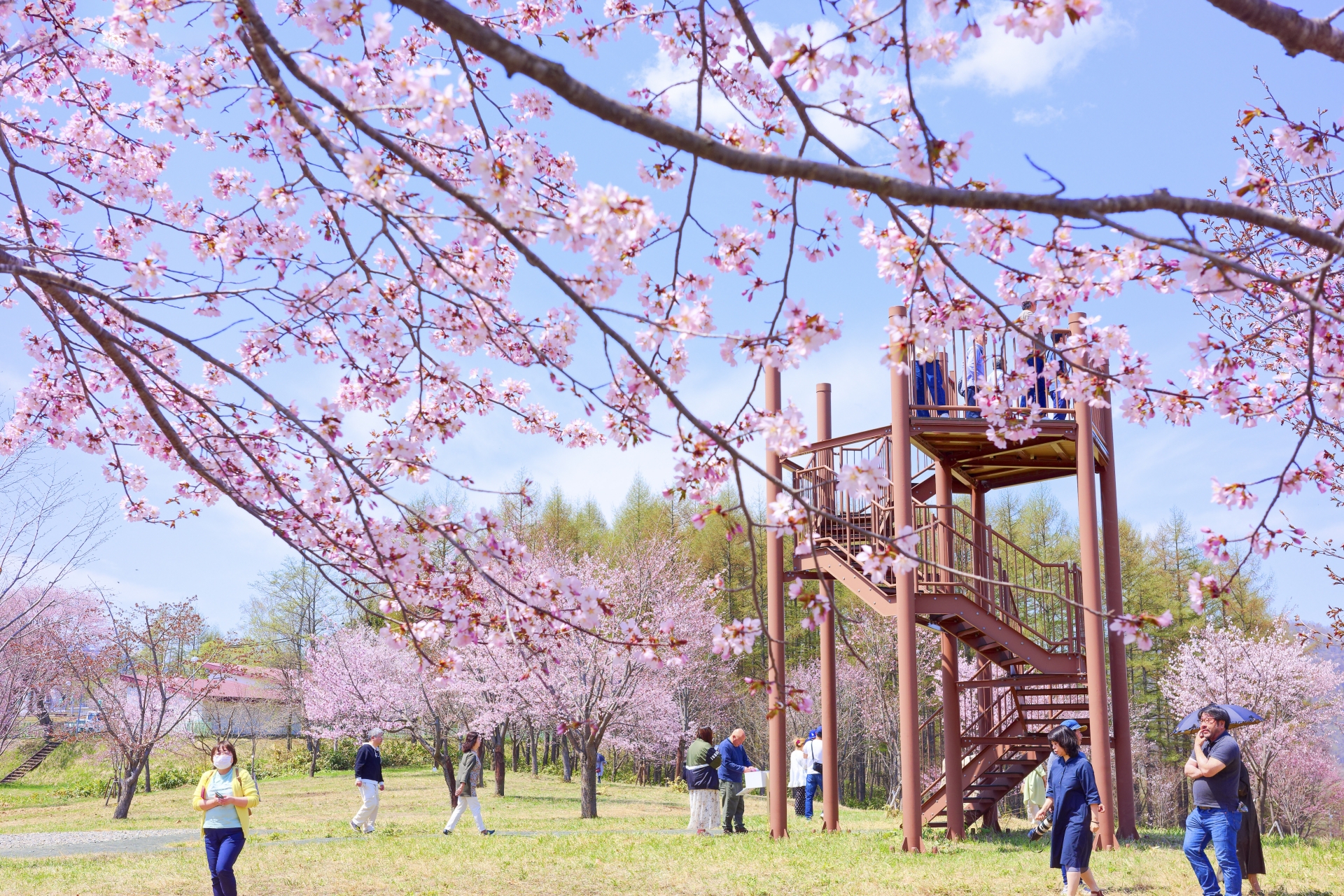
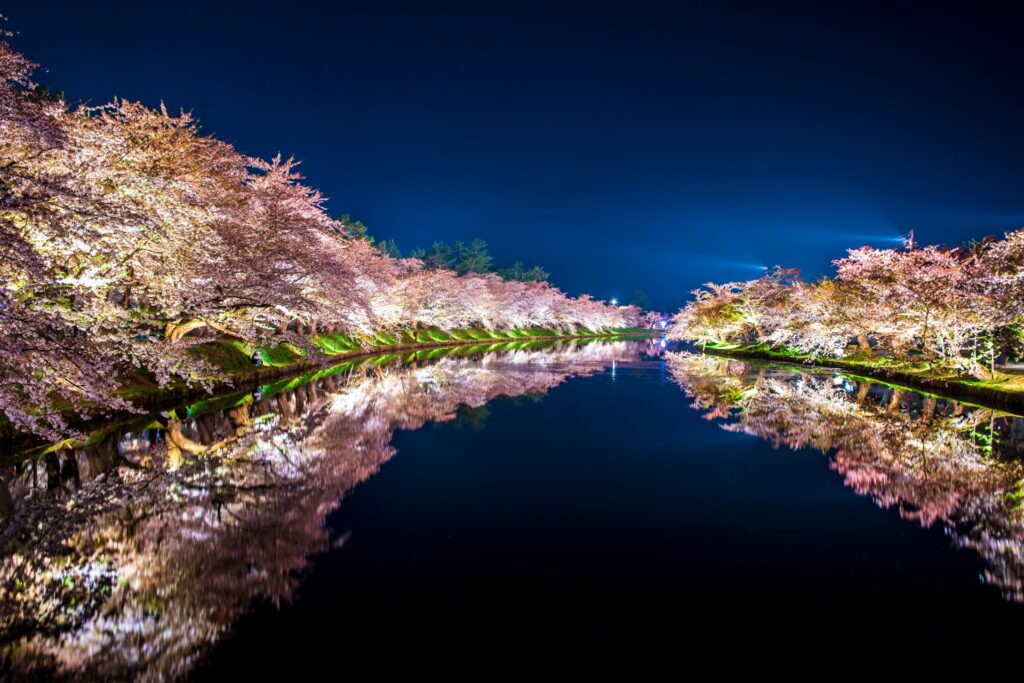
Tohoku offers some of Japan’s most stunning late-season cherry-blossom scenery, making it the perfect grand finale to a northbound sakura journey. Hirosaki Park in Aomori Prefecture is one of Japan’s most famous blossom destinations, featuring more than 2,600 cherry trees surrounding a historic castle and moats filled with drifting petal “carpets.” Peak bloom typically occurs from late April to early May—weeks after Tokyo and Kyoto have finished—allowing travelers to experience a second round of spring. Snow-capped mountains, historic structures, and vibrant blossoms combine to create a dramatic and unforgettable landscape.
Beyond iconic attractions, Tohoku features peaceful rural paths, riverside trails, and small-town parks that offer quieter, more authentic hanami experiences. Local cherry-blossom festivals showcase regional cuisine, open-air markets, and traditional performances. Because Tohoku’s cooler climate produces a later bloom—and sometimes a longer one—it serves as a “second wave” of cherry blossoms for travelers chasing peak bloom across Japan. For those seeking natural beauty and cultural depth, Tohoku is an exceptional ending to a multi-region sakura trip.
Using JR Passes for Efficient Travel
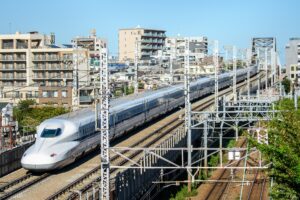
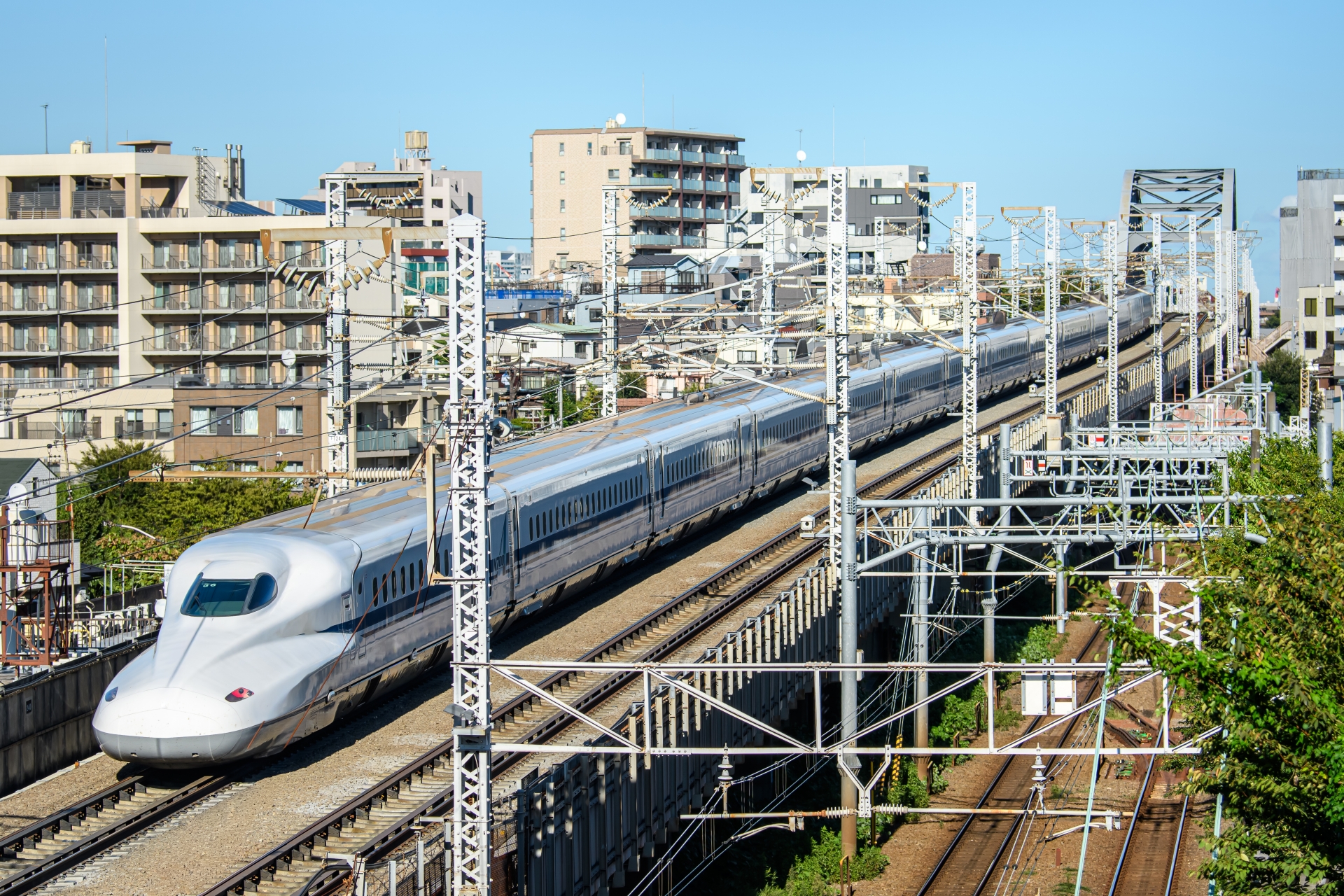
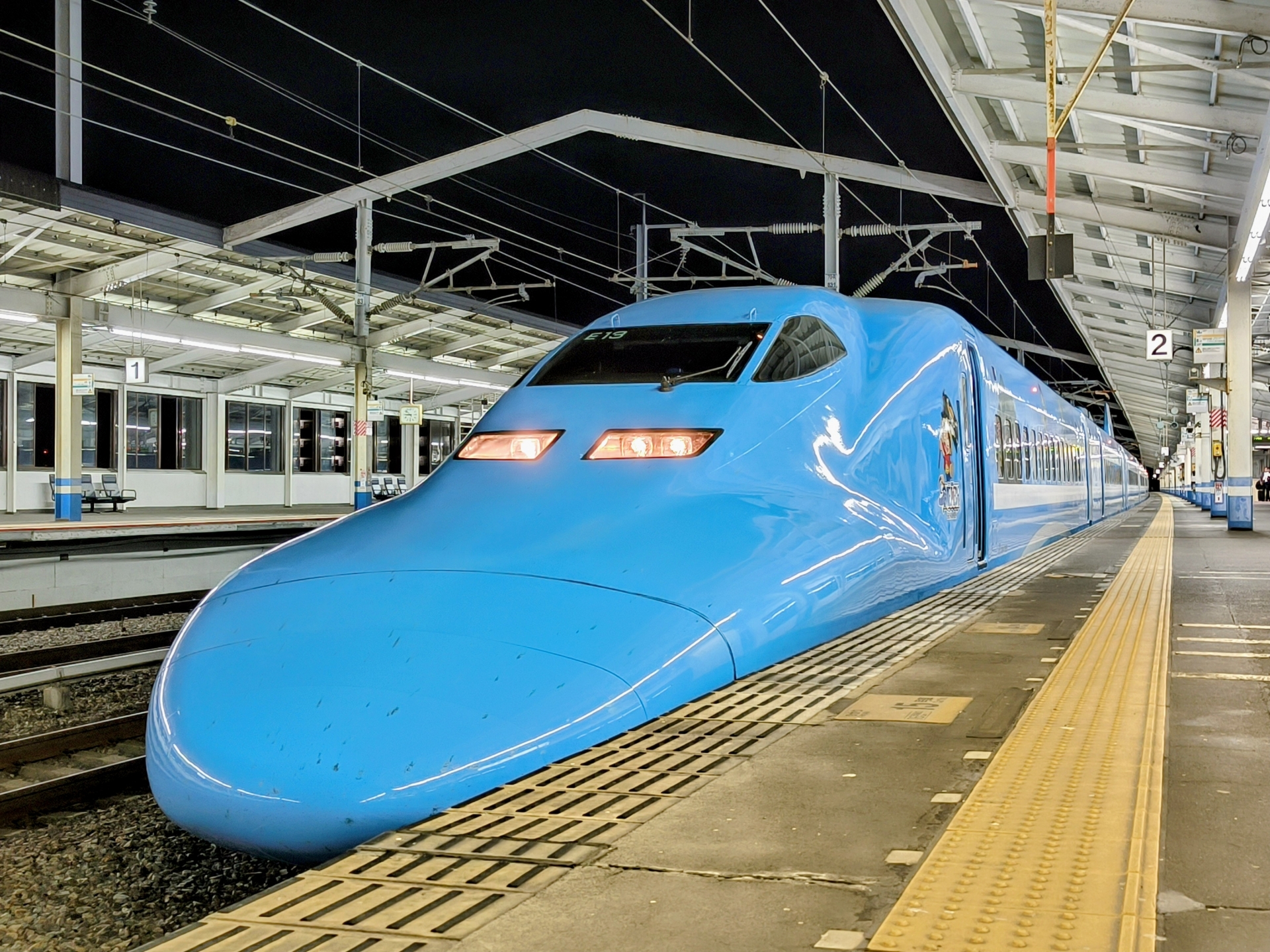
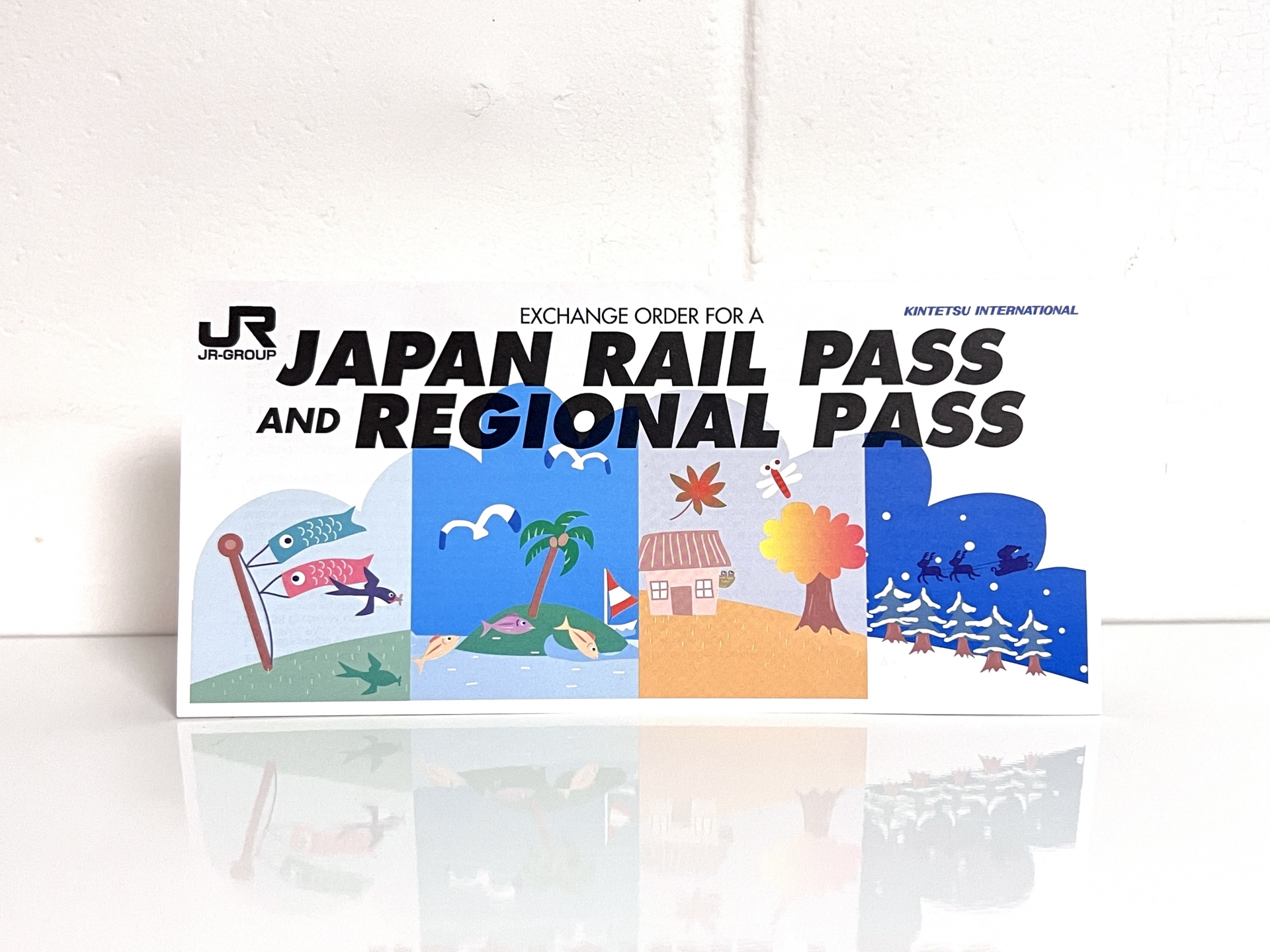
For travelers covering long distances across Kanto, Kansai, and Tohoku, the Japan Rail Pass and regional options such as the JR East Pass and JR West Pass offer outstanding value. These passes are especially cost-effective for itineraries involving multiple long shinkansen rides, making them ideal for cherry-blossom chasers who may need to adjust their route based on updated bloom forecasts. Unlimited travel within designated regions provides the freedom to shift schedules, take earlier trains, or make spontaneous detours to catch blossoms at their peak.
The efficiency and comfort of Japan’s rail network—frequent train schedules, smooth transfers, and spacious seating—make long-distance travel remarkably easy. Many sakura travelers appreciate the flexibility JR passes provide, enabling them to adapt quickly when weather changes or peak bloom arrives earlier than expected. Whether you prefer a well-planned itinerary or want the freedom to adjust your route on the go, JR passes are an invaluable tool for a successful sakura journey.
Summary — How to Make the Most of the Route
Cherry-blossom timing in Japan is highly variable, shifting from year to year depending on temperatures and weather patterns. This unpredictability is exactly why flexibility is essential when planning a sakura-focused trip. Even if Tokyo and Kansai reach full bloom at nearly the same time, travelers can still make the most of the season by seeking out late-blooming regions, nighttime illuminations, and elevation-based bloom variations. Mountain areas, riverside pathways, and temple grounds often bloom earlier or later than nearby cities, offering additional viewing opportunities.
Finishing your journey in Tohoku ensures a fresh wave of blossoms, as northern Japan typically blooms one to three weeks after Tokyo and Kyoto. This built-in delay makes the Kanto → Kansai → Tohoku route dependable even in years with unusual climate patterns. By incorporating buffer days, staying attentive to updated forecasts, and enjoying the regional diversity of landscapes and traditions, travelers can transform Japan’s unpredictable sakura season into an unforgettable multi-region adventure.