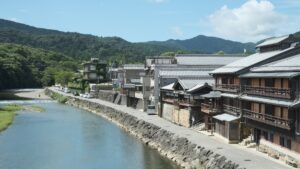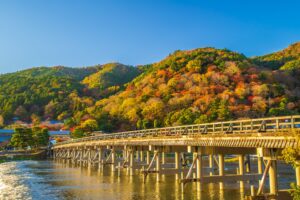
Kyushu is Japan’s southern gateway to volcanic landscapes, deeply regional cuisine, and some of the country’s most character-rich hot spring towns. A Kyushu Food & Onsen Route is not just a sightseeing itinerary—it is a thematic journey where geothermal energy shapes both bathing culture and what ends up on your plate. For travelers looking to go beyond Tokyo and Kyoto, Kyushu offers a slower, more immersive blend of relaxation and gastronomy that feels distinctly local and deeply rooted in place.
This guide is designed for international travelers—especially those visiting Kyushu for the first time—who want to combine food culture, onsen stays, and efficient rail travel into one seamless, memorable journey.


Kyushu Food & Onsen Route: Why Kyushu Is Japan’s Ultimate Onsen & Food Destination
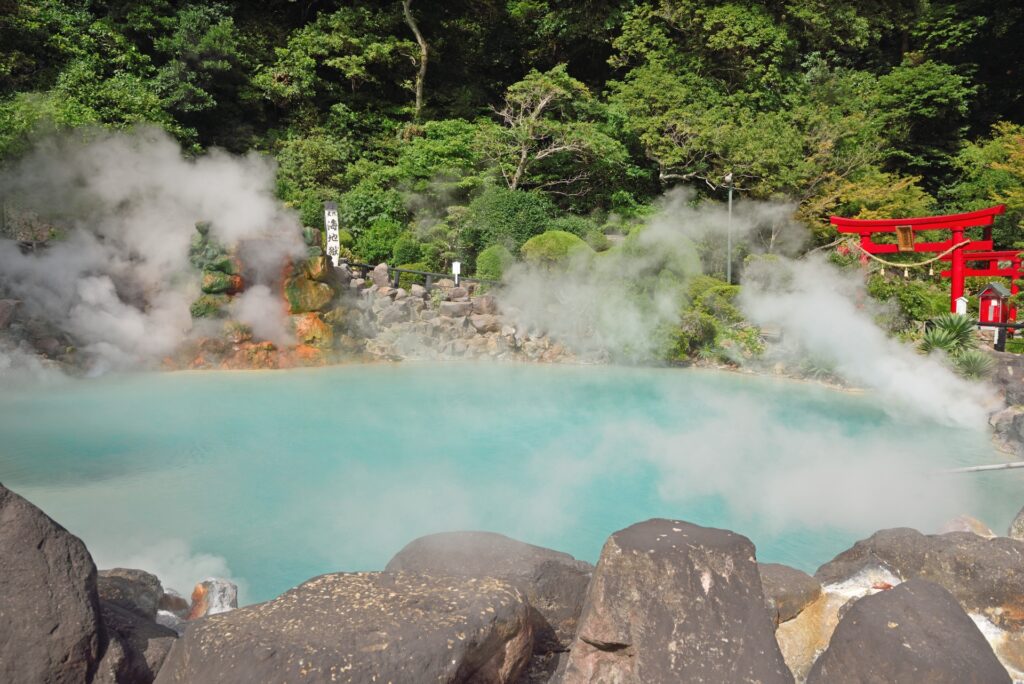
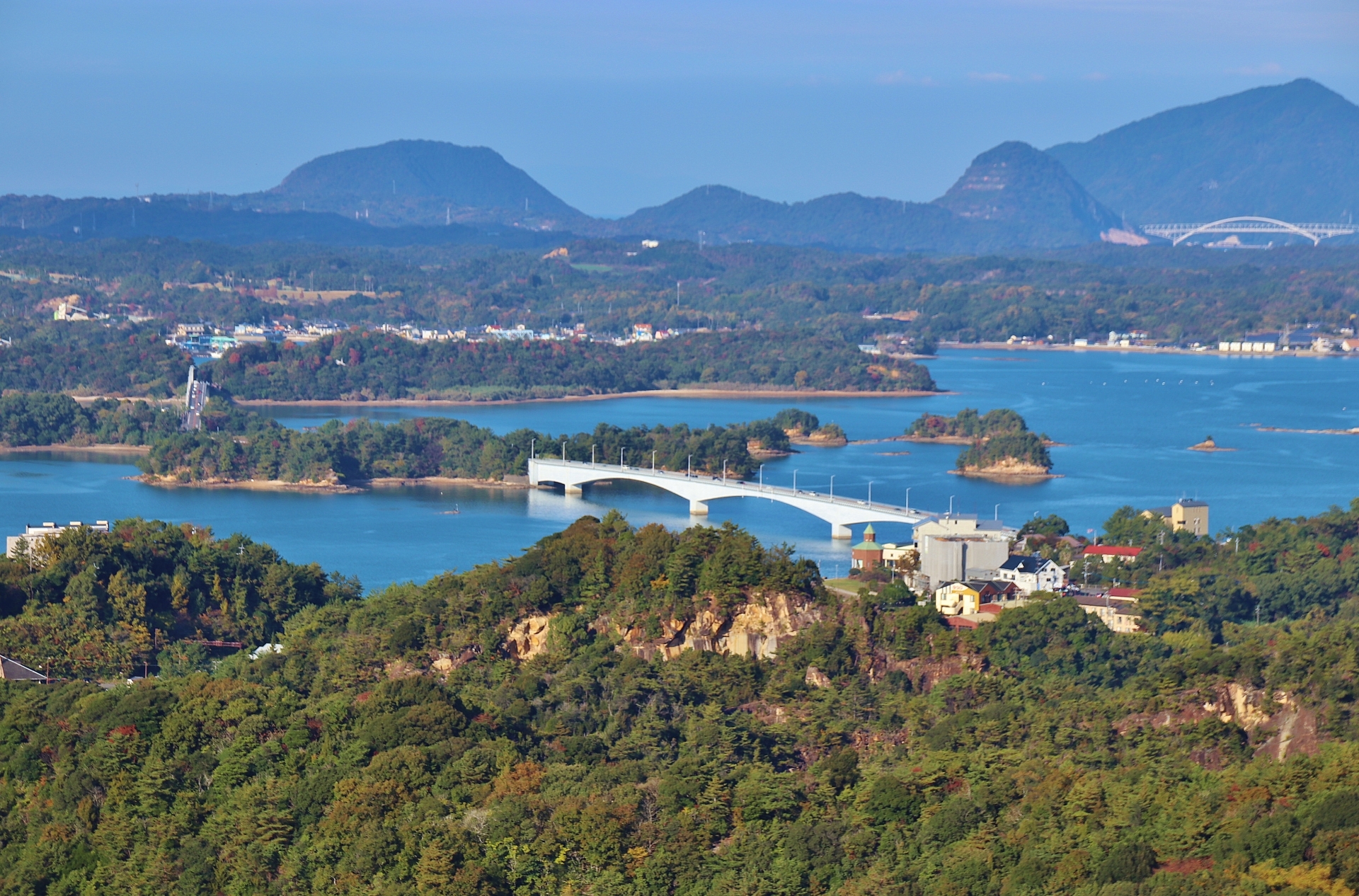
Kyushu stands apart from Honshu due to its intense volcanic activity, which has created one of the highest concentrations of natural hot springs in Japan. Regions such as Oita, Kumamoto, and Kagoshima are shaped by geothermal forces that influence not only how people bathe, but also how food is prepared and enjoyed. This close relationship between nature, cuisine, and daily life has given rise to what is often described as onsen gastronomy.
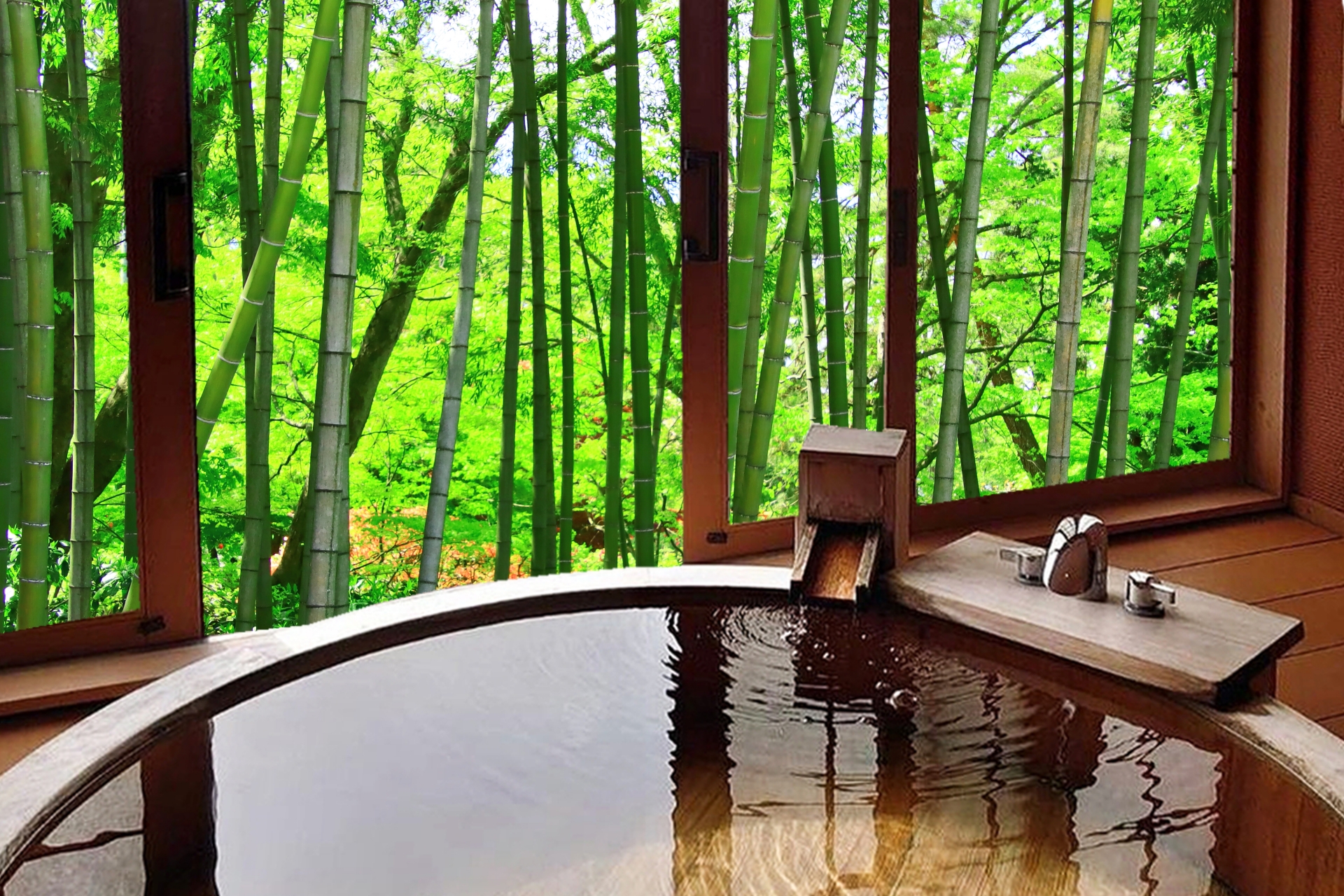
In Kyushu, hot springs are not simply places to relax. They are part of everyday culture and local food traditions. Geothermal steam is used for cooking in certain areas, while mineral-rich soil supports distinctive agriculture and livestock. As a result, travelers encounter food that is deeply tied to its environment rather than standardized versions of Japanese cuisine. Each destination offers flavors that feel specific and authentic.
Distance is another defining feature of Kyushu travel. Although the island appears compact on a map, traveling between regions often requires long-distance limited express trains. Understanding this reality is essential for designing a smooth itinerary that balances food experiences, onsen stays, and transportation efficiency.
What Is a Kyushu Food & Onsen Route?
A Kyushu Food & Onsen Route is best understood as a travel concept rather than a fixed itinerary. Instead of following a single prescribed path, travelers design routes based on personal interests, travel pace, and priorities. Some itineraries are food-first, others focus primarily on hot springs, while many aim for a thoughtful balance of both.
Routes may range from compact Northern Kyushu journeys connecting cities such as Fukuoka, Beppu, and Yufuin, to longer island-wide trips extending south to Kagoshima. What defines the route is intentional planning. Meals are chosen as carefully as accommodations, and travel days are designed to support the experience rather than interrupt it.
This approach appeals especially to travelers seeking authenticity. Rather than rushing through famous sights, the Kyushu Food & Onsen Route encourages slower travel, longer stays, and deeper engagement with local food traditions and bathing culture.
Regional Highlights: Onsen Towns & Their Signature Foods
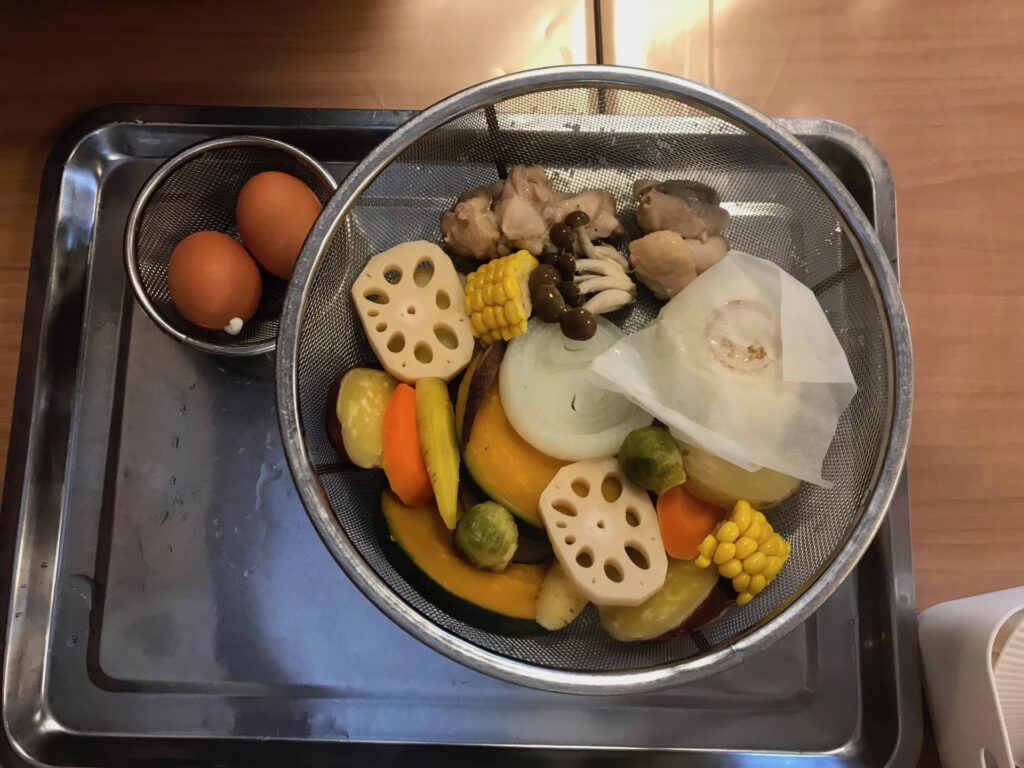
Beppu & Yufuin (Oita): Steam Cooking and Mountain Onsen
Beppu and Yufuin sit at the heart of Oita Prefecture, Japan’s most onsen-rich region. Beppu is internationally known for its dramatic steam vents and geothermal activity, but its culinary culture is just as distinctive. One of its signature experiences is jigoku-mushi, or onsen steam cooking, which uses natural geothermal heat to prepare vegetables, seafood, and meats without added oils.
Yufuin offers a quieter and more refined contrast. Located near Mount Yufu, the town is known for scenic walking paths, small galleries, and ryokan that emphasize carefully composed meals. Local beef, dairy products, and seasonal produce feature prominently. The limited express train connecting Beppu and Yufuin makes it easy to include both towns in a single segment, offering two complementary interpretations of onsen gastronomy.
Kurokawa Onsen (Kumamoto): Ryokan Dining & Seasonal Kaiseki
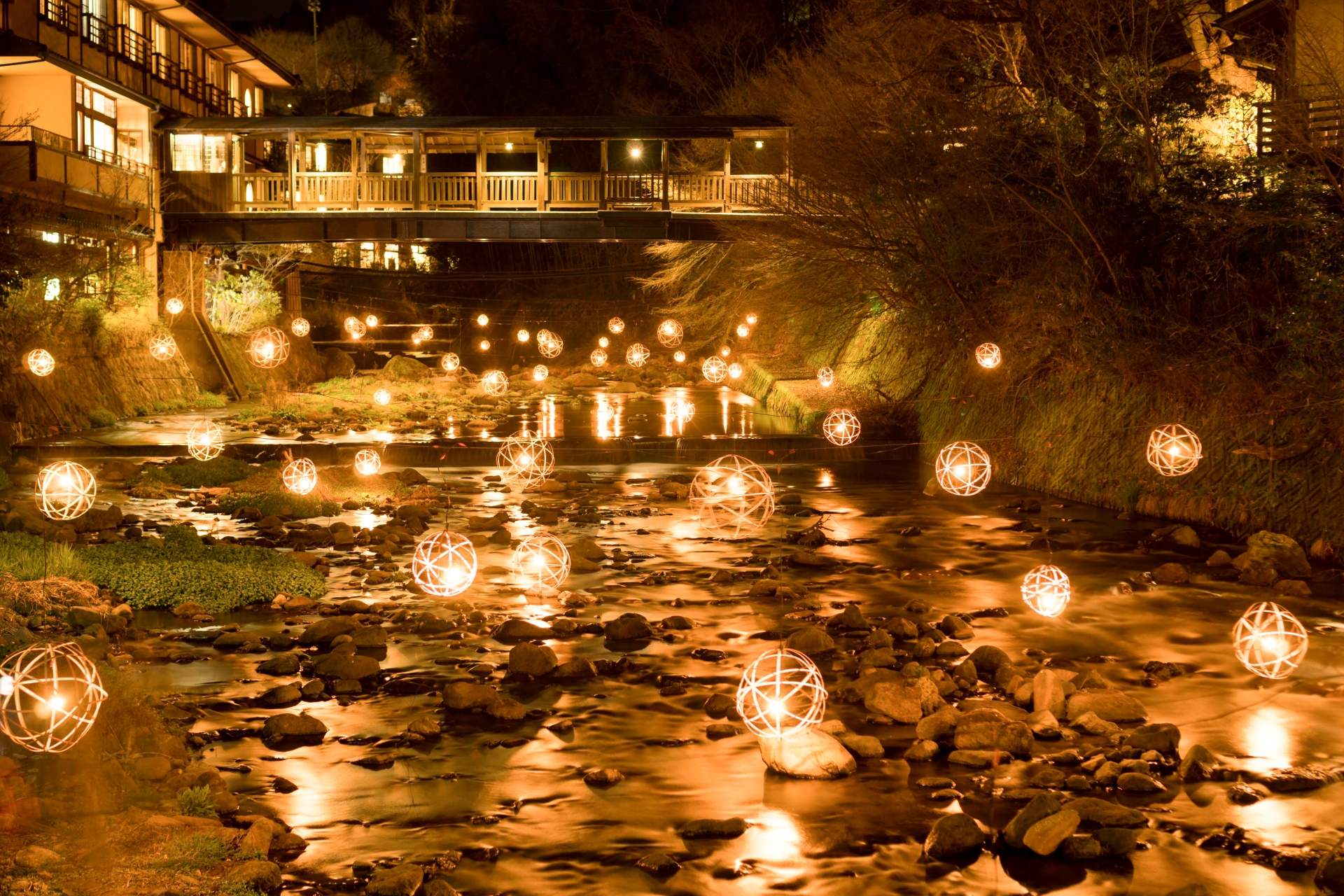
Kurokawa Onsen is often regarded as one of Kyushu’s most atmospheric hot spring villages. Surrounded by forested hills, it is intentionally designed for slow, contemplative travel. The town layout encourages walking, while its ryokan emphasize harmony with nature and a sense of retreat.
Food in Kurokawa is typically experienced through in-house ryokan dining. Multi-course kaiseki-style meals highlight seasonal mountain vegetables, freshwater fish, and high-quality Kyushu wagyu. Dining is timed carefully around bathing, reinforcing a daily rhythm of soaking, eating, and rest. For travelers who value depth and immersion over variety, Kurokawa offers one of the most complete food-and-onsen experiences in Kyushu.
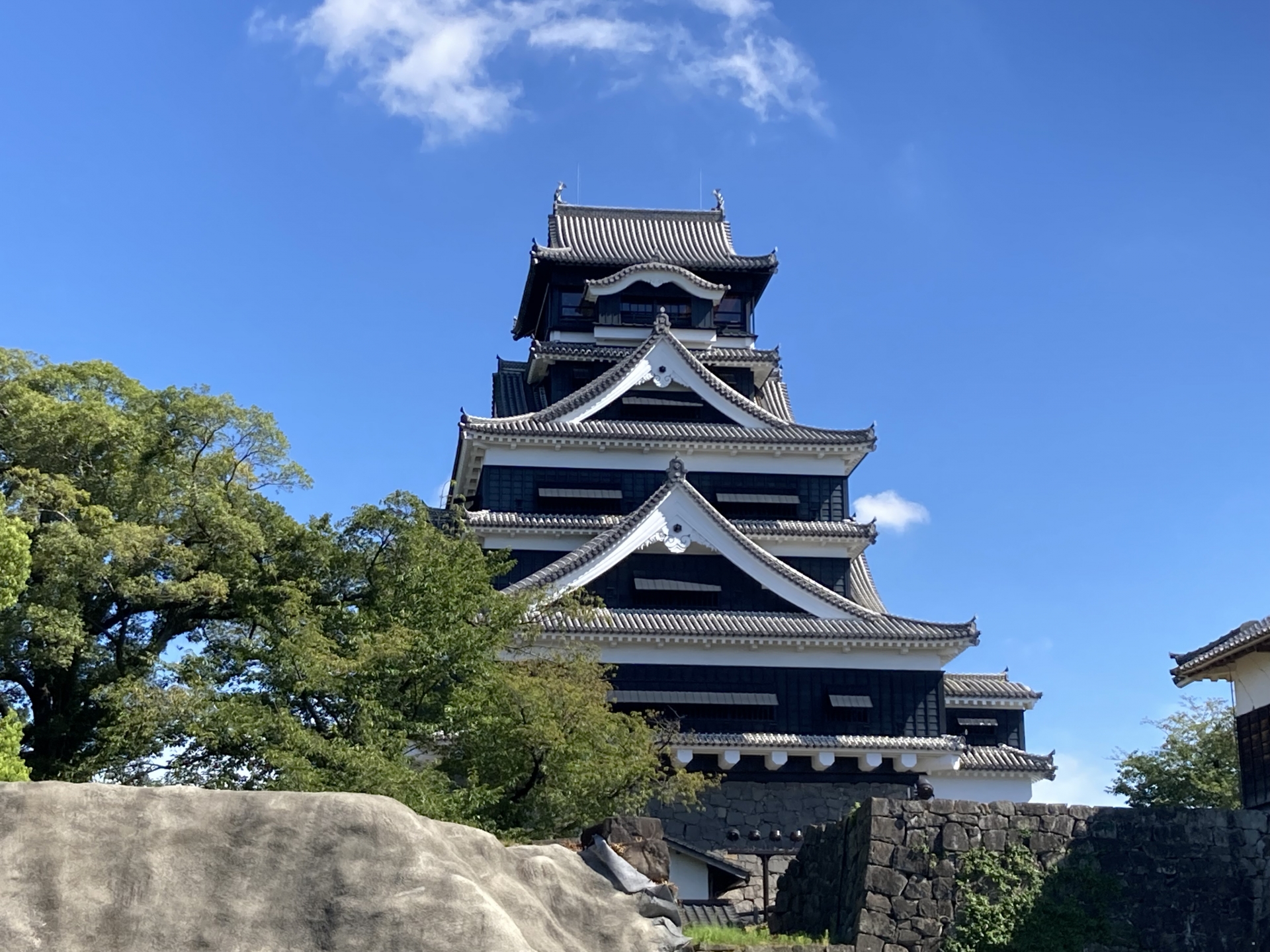
Fukuoka: Hakata Ramen, Yatai Street Food & Urban Onsen Access
Fukuoka serves as the main gateway to Kyushu and one of Japan’s most dynamic food cities. It is the birthplace of Hakata ramen, known for its rich tonkotsu (pork-bone) broth and thin noodles. The city’s food culture extends beyond restaurants into the streets, where yatai food stalls operate at night, offering skewers, oden, and late-night ramen in a casual setting.
While Fukuoka is not a traditional onsen town, it provides convenient access to nearby hot spring areas and urban bathing facilities. Its extensive rail network makes it a natural starting or ending point for Kyushu Food & Onsen Routes, as well as a key transportation hub for traveling across the island.

Kagoshima & Southern Kyushu: Black Pork, Shochu & Volcanic Views
Kagoshima anchors southern Kyushu with a bold culinary identity shaped by volcanic soil and a subtropical climate. The region is especially known for kurobuta (black pork), prized for its tenderness and natural sweetness, as well as shochu, a distilled spirit closely tied to local agriculture.
Traveling to Kagoshima from northern Kyushu involves longer limited express journeys, making transportation planning especially important. The reward is dramatic scenery dominated by active volcanoes and access to some of Kyushu’s most distinctive food and bathing traditions.

How to Travel the Kyushu Food & Onsen Route Efficiently
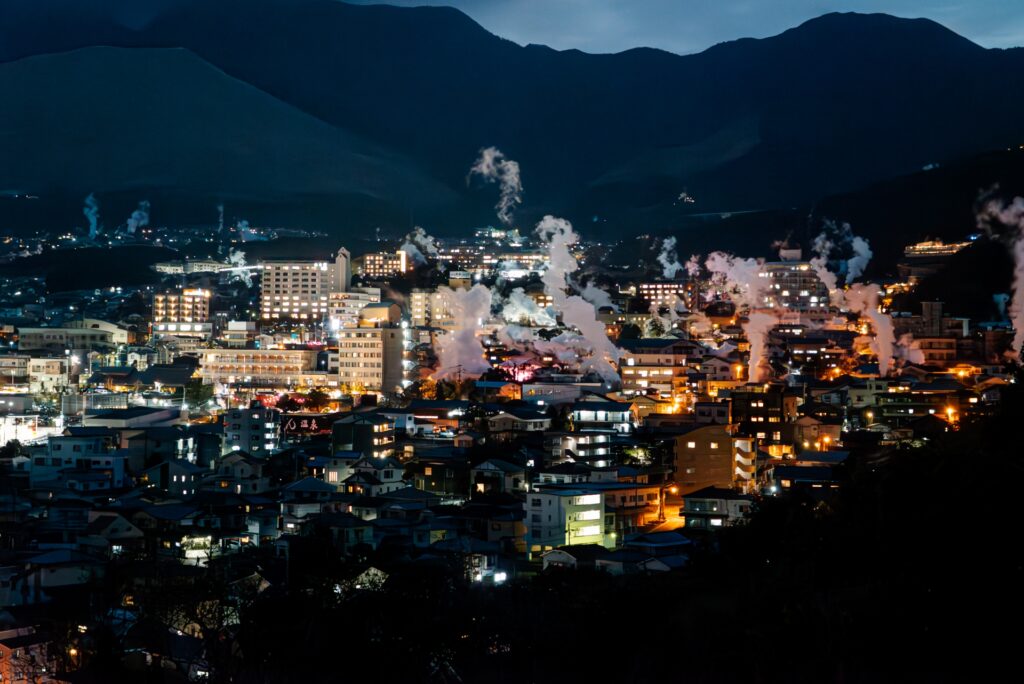
Long-Distance Travel in Kyushu: Why Distance Matters
Although Kyushu appears geographically compact, rail travel between major food and onsen regions can quickly accumulate distance and cost. Many inter-prefecture routes rely on limited express trains rather than local services, especially in more rural areas.
For this reason, travelers should choose transportation passes based not on the number of days, but on how far and how often they plan to move. A Northern Kyushu-focused itinerary has very different transportation needs compared to a full island route that includes southern destinations.
Regional vs Nationwide JR Pass: Which Should You Choose?
JR Kyushu regional passes are well suited for travelers staying within specific areas, such as Northern Kyushu. They offer strong value for routes connecting Fukuoka, Oita, and Kumamoto, where moderate-distance travel is frequent.
A nationwide JR pass can be more practical when Kyushu travel is part of a larger Japan itinerary or when long-distance segments are involved. Rather than comparing prices alone, travelers should consider overall distance, convenience, and itinerary flexibility.
When a Nationwide JR Pass Makes More Sense
If a Kyushu Food & Onsen Route includes arrival from Honshu, extensive southbound travel, or a return journey across the island, a nationwide JR pass may simplify logistics and reduce overall transportation costs. This is particularly relevant for travelers combining Kyushu with destinations such as Osaka, Kyoto, or Tokyo.
Sample 7–10 Day Kyushu Food & Onsen Route Itineraries
Northern Kyushu Focus (Food-Heavy, Shorter Distances)
A classic seven-day route follows Fukuoka → Beppu → Yufuin → Kumamoto. This itinerary emphasizes culinary diversity while keeping travel times manageable. Hakata ramen, onsen steam cooking, and ryokan kaiseki meals form a cohesive food narrative supported by efficient regional rail travel.
Full Kyushu Loop (Onsen + Food + Long-Distance Rail)
With nine to ten days, travelers can complete a full loop such as Fukuoka → Oita → Kumamoto → Kagoshima. This route balances urban food scenes, rural onsen towns, and volcanic southern landscapes, while requiring more deliberate rail planning due to longer travel distances.
Practical Tips for Planning a Kyushu Food & Onsen Trip
Autumn is ideal for food-focused travel thanks to seasonal harvests, while winter offers the most rewarding onsen experiences. Luggage forwarding services are highly recommended when staying in rural onsen towns, allowing travelers to move comfortably between destinations.
Ryokan meals are time-sensitive, making punctual check-in and advance reservations essential. Familiarity with basic onsen etiquette—such as washing before bathing and maintaining quiet spaces—helps ensure a smooth and respectful experience.
Final Thoughts: Designing Your Own Kyushu Food & Onsen Route
The strength of a Kyushu Food & Onsen Route lies in its flexibility. Whether your priorities include street food, refined ryokan dining, volcanic scenery, or long restorative soaks, Kyushu allows you to shape a journey that matches your personal travel rhythm. By thoughtfully combining food experiences, onsen stays, and transportation planning, travelers can experience a deeply regional and rewarding side of Japan.