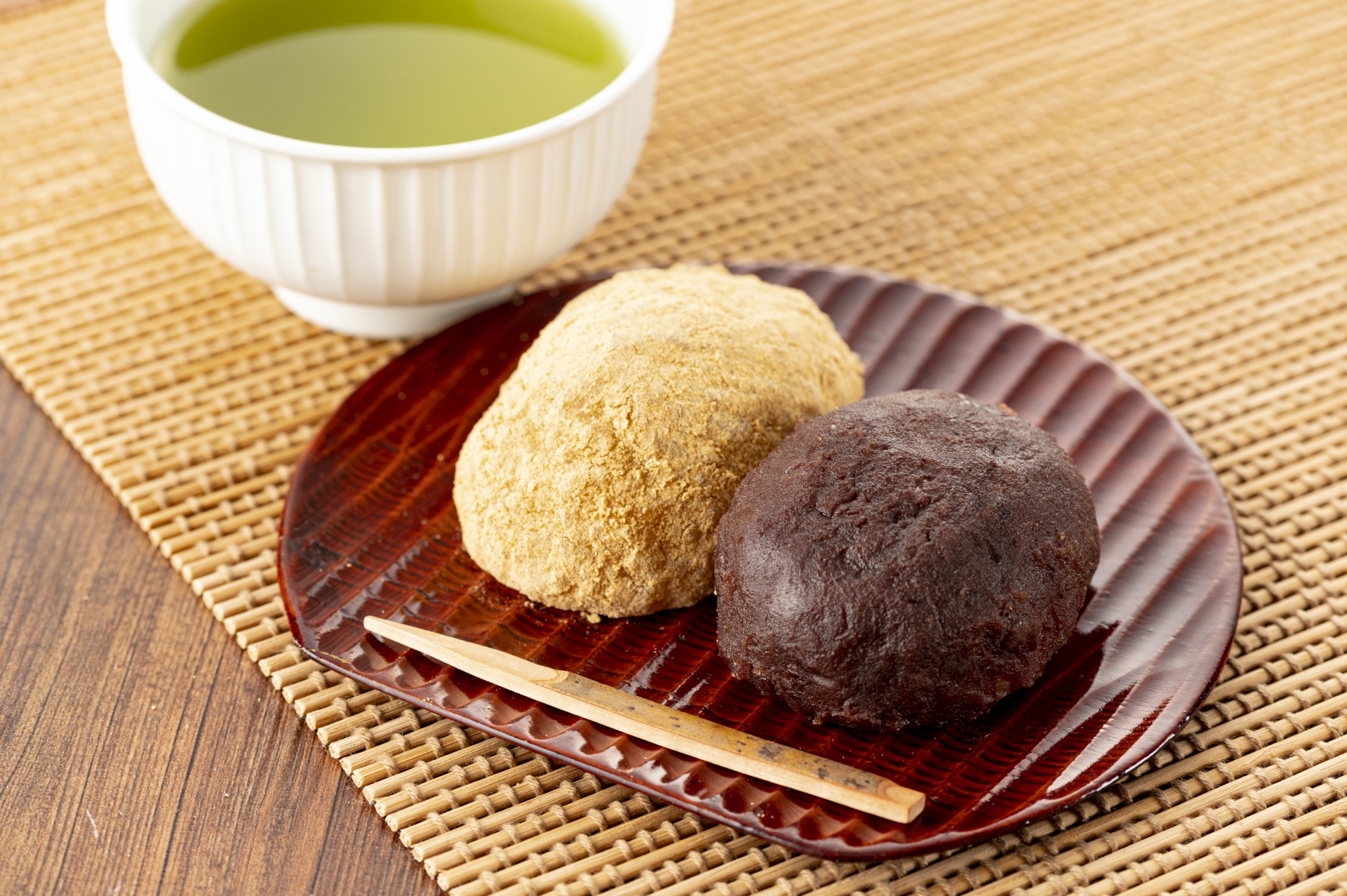
Ohagi is one of Japan’s most understated yet deeply meaningful traditional sweets. At first glance, it may look simple—small oval-shaped rice balls coated in sweet red bean paste—but behind that simplicity lies centuries of history, seasonal symbolism, and family tradition. Ohagi belongs to the category of wagashi, traditional Japanese confections often enjoyed with tea and tied closely to cultural events.
You will most often see ohagi during the spring and autumn equinoxes as part of Ohigan, a time when families honor their ancestors.
In this guide, we’ll explore what ohagi is, what it tastes like, how it differs from botamochi, its cultural and historical background, and how you can enjoy it both in Japan and abroad.


What Is Ohagi? (Quick Definition and Taste Profile)
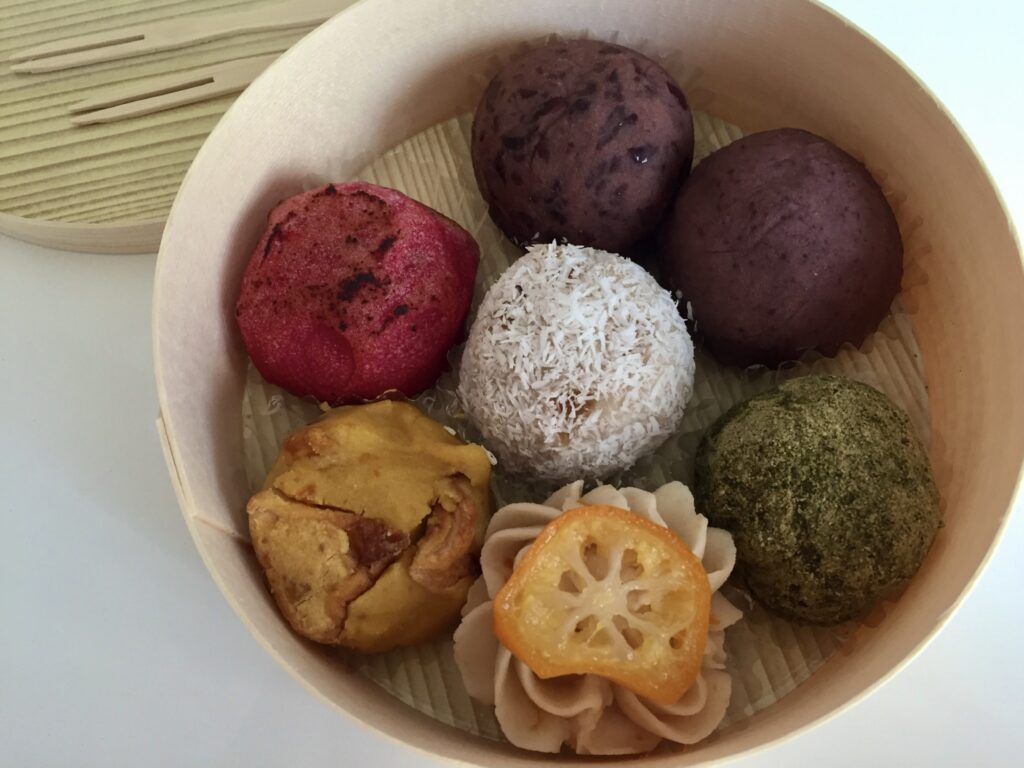
Ohagi is a traditional Japanese sweet classified as wagashi, made from cooked sweet rice that is lightly mashed and shaped into small oval or round portions, then paired with anko, a sweet red bean paste made from azuki beans. Unlike fully pounded mochi, the rice grains in ohagi remain partially intact, giving it a rustic, homemade appearance that reflects its origins as a family-prepared food rather than a formal confection.
In terms of flavor, ohagi is gently sweet and well balanced. The rice has a mild, natural sweetness and soft chew, while the anko provides a richer, deeper sweetness that rounds out the taste. Compared to many Western desserts, ohagi is noticeably less sugary, which is why it is traditionally enjoyed with unsweetened green tea.
The texture of ohagi sits between steamed rice and mochi. It is soft and slightly sticky, but not elastic or smooth like daifuku. This unique texture is often what surprises first-time eaters and helps distinguish ohagi from other rice-based Japanese sweets.
At a glance
- Main ingredients: Sweet rice, azuki beans, sugar
- Texture: Soft, lightly mashed, gently chewy
- Typical occasions: Autumn Ohigan, family offerings, seasonal sweets
Key Ingredients: Sweet Rice, Anko, and Popular Coatings
The base of ohagi is mochigome, or Japanese glutinous rice. Despite the name, glutinous rice does not contain gluten; the term refers to its sticky quality when cooked. Many traditional and modern recipes combine mochigome with regular Japanese short-grain rice to achieve a lighter texture that is soft without being overly sticky, making ohagi easier to eat.
Anko plays a central role in ohagi and in Japanese sweets as a whole. Made by simmering azuki beans with sugar, anko adds sweetness, moisture, and contrast to the plain rice. The balance between the neutral rice and the sweet bean paste is what defines a well-made ohagi.
Ohagi is finished in several common styles. Some are coated with anko on the outside, while others are rolled in kinako, a sweet roasted soybean flour, or sesame seeds. There are also versions where the anko is placed inside the rice, reversing the typical structure.
| Coating | Flavor | Inside | Texture Notes |
| Anko | Sweet, rich | Rice | Moist and smooth |
| Kinako | Nutty, mild | Anko | Soft with a powdery finish |
| Sesame | Savory-nutty | Anko | Slight crunch |
Ohagi vs. Botamochi: Are They Actually Different?
Many people wonder whether ohagi and botamochi are two different sweets. In reality, they are essentially the same food. The difference lies primarily in naming conventions connected to the seasons rather than in ingredients or preparation methods.
Traditionally, the name changes depending on when the sweet is eaten. Ohagi is associated with the autumn equinox and is named after hagi, or bush clover, a flower that blooms in autumn. Botamochi is associated with the spring equinox and is named after botan, or peony, a flower linked to spring.
Some modern explanations suggest differences in the type of anko used, such as smooth versus chunky red bean paste, but these distinctions are not consistent across regions or historical sources. Most authoritative references agree that seasonal naming is the most accurate and widely accepted explanation.
| Season | Name | Origin of the Name | Common Explanation |
| Spring | Botamochi | Peony (botan) | Sweet eaten during spring Ohigan |
| Autumn | Ohagi | Bush clover (hagi) | Sweet eaten during autumn Ohigan |
When Do People Eat Ohagi? Ohigan, Equinox Weeks, and Offerings
Ohagi is closely connected to Ohigan, a Buddhist observance held during the weeks of the spring and autumn equinoxes. These periods mark a balance between day and night and are traditionally seen as a meaningful time to reflect on life, death, and gratitude toward one’s ancestors.
During Ohigan, families visit ancestral graves, clean them, offer flowers and incense, and present food offerings. Ohagi is one of the most common foods prepared for this purpose. Azuki beans were historically believed to have protective qualities, which further reinforced the custom of offering ohagi during these times.
Although ohagi is traditionally associated with autumn Ohigan and botamochi with spring Ohigan, in modern Japan the terms are often used interchangeably, especially in everyday conversation and commercial settings.
If you visit Japan in March or September, you’ll often see ohagi or botamochi displayed at wagashi shops, supermarkets, and near temples.

A Brief History of Ohagi in Japan
The roots of ohagi can be traced back to kaimochi, a rice-based dish that appeared during the Kamakura period (1185–1333). Kaimochi was served at banquets and special gatherings and was considered a form of celebratory food prepared for guests.
At the time, sugar was scarce and expensive, so early versions were likely much less sweet than modern ohagi. As Japan entered the Edo period, sugar production increased and azuki beans became more widely available, allowing sweet rice confections to spread beyond elite circles.
By the mid-Edo period, ohagi had become a familiar seasonal food prepared at home, especially in connection with Ohigan. Over time, it transitioned from a formal banquet dish to a sweet deeply embedded in everyday family traditions.


Is Ohagi “Mochi”? How It Differs From Daifuku and Regular Mochi
Ohagi is often mistaken for mochi, but it differs in an important way. While both use sweet rice, ohagi rice is only partially mashed. The grains remain visible, creating a soft but textured bite.
By contrast, daifuku uses fully pounded mochi dough to form a smooth outer layer that encloses a filling, and plain mochi is uniformly elastic and stretchy. Ohagi focuses on contrast between rice and topping rather than on a seamless wrapper.
Understanding these structural differences helps clarify why ohagi occupies its own place within the broader category of Japanese rice-based sweets.
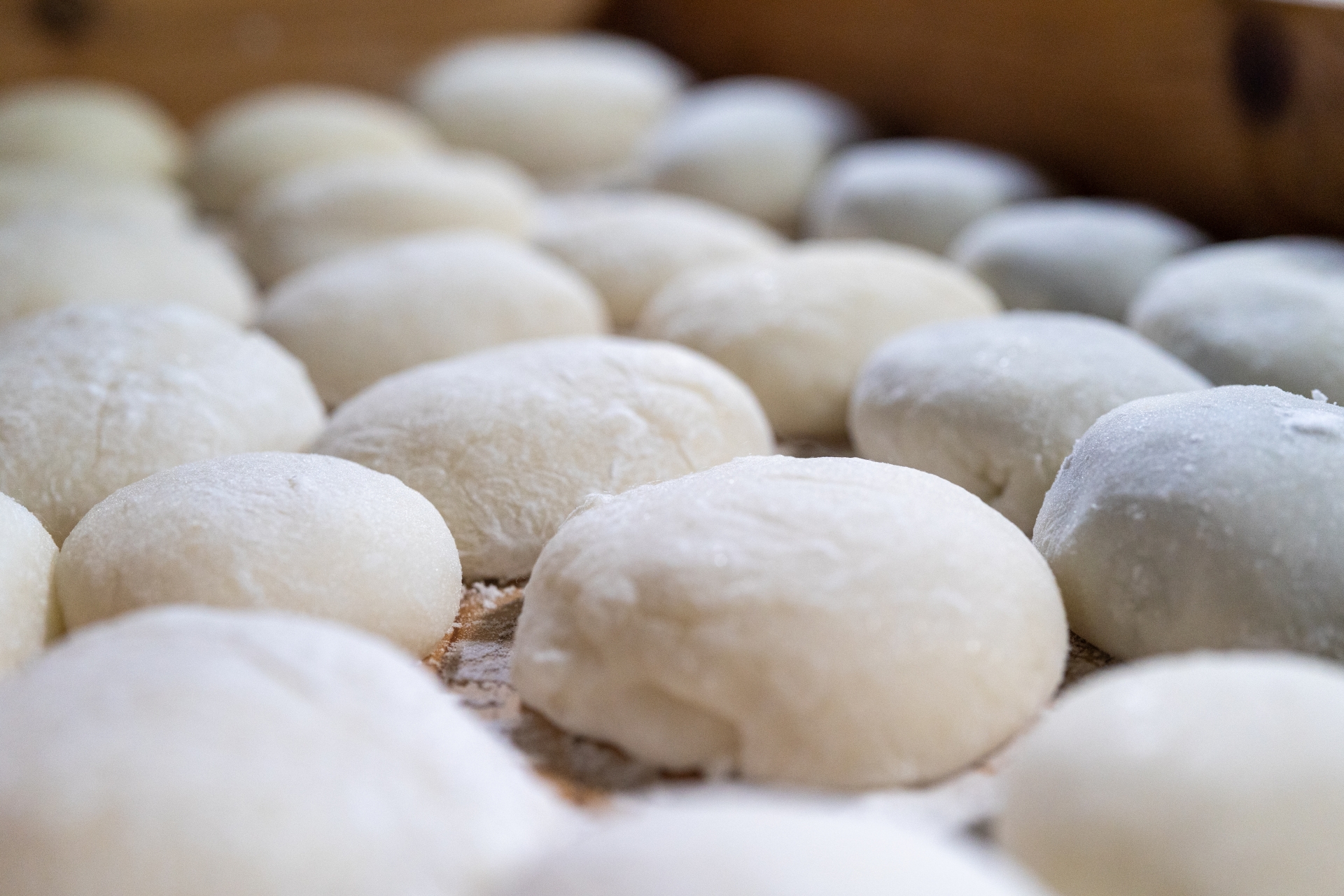
How to Try Ohagi: Buying Tips and an Easy At-Home Method
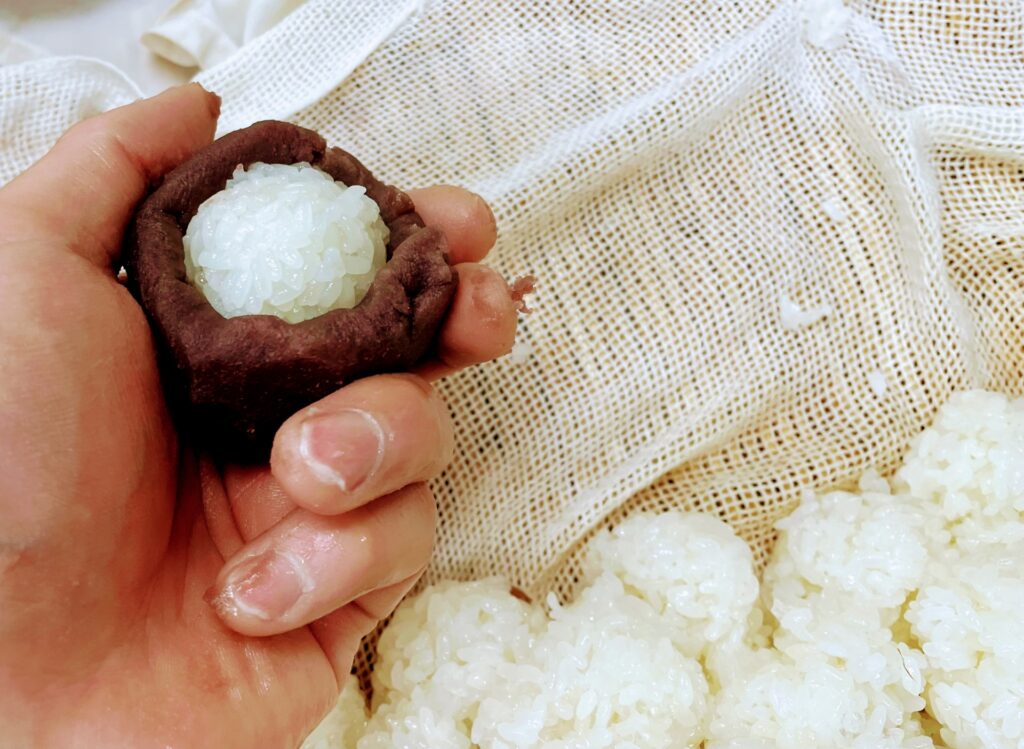
In Japan, ohagi is commonly sold at traditional wagashi shops, Japanese supermarkets, and seasonal food fairs, especially around the equinoxes. Because freshness is important, ohagi is usually made for same-day consumption, and buying it earlier in the day is recommended.
Making ohagi at home is relatively simple. The basic process involves cooking sweet rice, lightly mashing it, shaping it into small portions, and coating or filling it with anko or other toppings. For detailed instructions, it is best to follow a trusted recipe source.
Ohagi pairs well with hojicha, sencha, or other lightly bitter teas that balance its gentle sweetness.
Famous Ohagi Shops in Japan
Although ohagi is traditionally homemade, some specialty shops focus on it exclusively. SENTARO in Kyoto is known for classic flavors and careful use of seasonal ingredients, while Takeno to Ohagi in Tokyo is famous for colorful, modern interpretations that have gained popularity on social media.
Regional differences in sweetness and presentation make ohagi an enjoyable sweet to explore while traveling in Japan.
Storage, Shelf Life, and Food Safety Notes
Ohagi is best eaten fresh, usually on the same day it is made. Over time, the rice hardens as it loses moisture, which affects both texture and flavor.
If storage is unavoidable, wrap ohagi tightly to prevent drying. Refrigeration should be kept brief, as cold temperatures can further harden the rice. Freezing is possible when wrapped well, with gentle thawing at room temperature.
Storage guidelines can vary depending on the recipe or store, so individual recommendations should always be followed.
FAQ: Common Questions About Ohagi
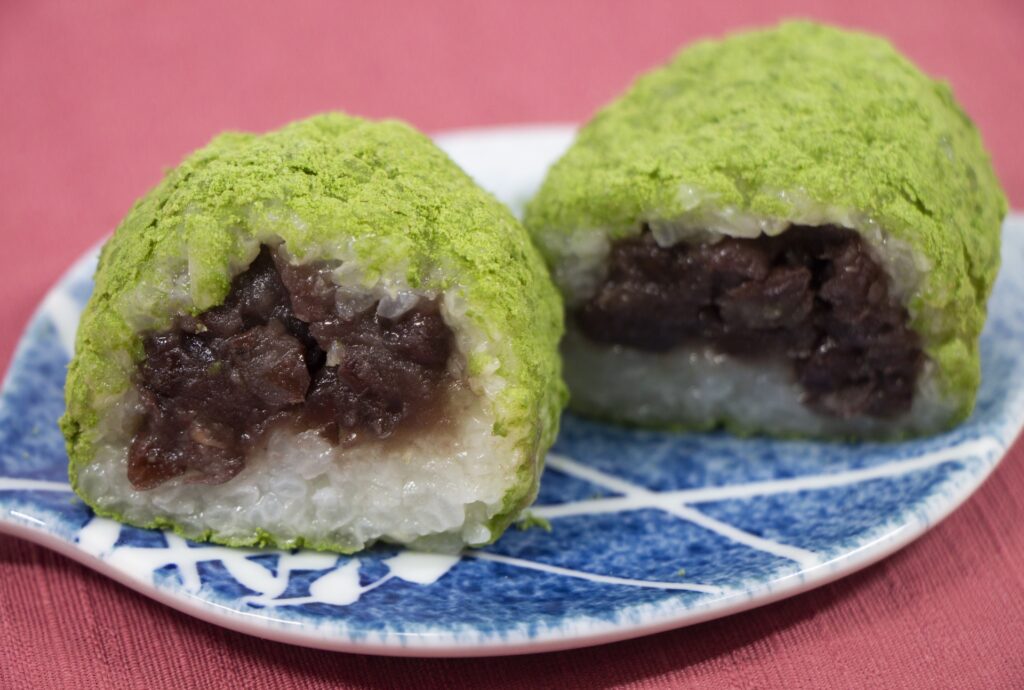
What is anko?
Anko is sweet red bean paste made from azuki beans and sugar and is widely used in Japanese sweets.
Is ohagi gluten-free?
Traditional ohagi is gluten-free, though store-bought versions should always be checked for added ingredients.
Is ohagi vegan?
Most traditional ohagi is vegan, as it uses only rice, beans, and sugar.
How sweet is ohagi? Can the sugar be reduced?
Ohagi is mildly sweet, and homemade versions can easily be adjusted to taste.
Summary: What Makes Ohagi Special
Ohagi is a traditional Japanese sweet made from simple ingredients yet rich in cultural meaning. The difference between ohagi and botamochi is seasonal rather than structural, reflecting Japan’s sensitivity to nature and time.
Whether enjoyed during a seasonal visit to Japan or prepared at home, ohagi offers a gentle and meaningful way to experience Japanese seasonality, family traditions, and Buddhist customs.