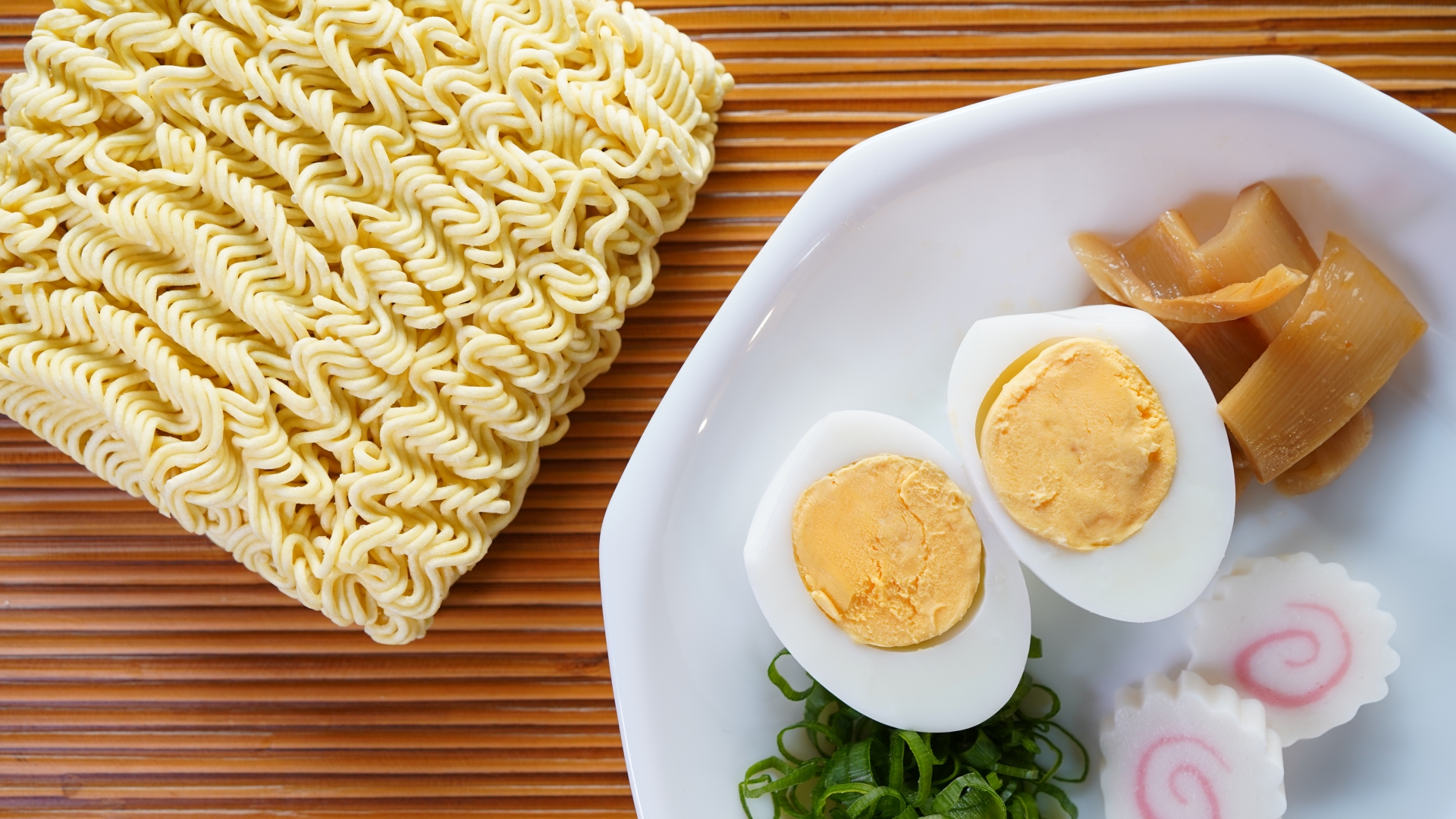
Instant ramen is one of the most widely eaten foods in the world, loved for its convenience, affordability, and bold flavors. But behind this humble noodle cup lies a fascinating story of postwar Japan, global food innovation, and an evolving food culture that continues to adapt to modern lifestyles.
This comprehensive guide explores what instant ramen is, how it was invented, the different types available today, and why it continues to capture the hearts (and stomachs) of people worldwide—especially in the United States.


What Is Instant Ramen?
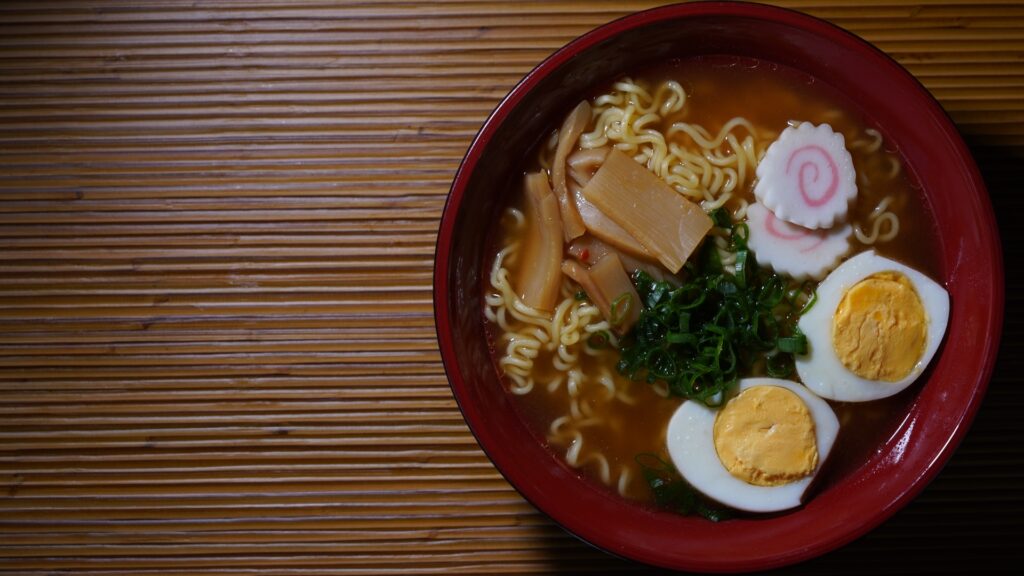
Instant ramen is a pre-cooked noodle product designed to be prepared quickly, usually by adding hot water or boiling for just a few minutes. For first-time readers, the defining feature of instant ramen is speed: dried or flash-fried noodles transform into a hot, flavorful meal with minimal effort. This convenience is precisely why instant ramen has become a pantry staple for students, busy professionals, travelers, and anyone looking for a reliable meal option.
At its core, instant ramen consists of three basic components. The noodles are typically wheat-based and pre-cooked through frying or air-drying, allowing them to rehydrate rapidly. The seasoning, usually in powder or paste form, contains salt, fats, spices, and flavor enhancers that create the signature broth. Finally, the preparation method is intentionally simple—hot water or a short boil—making instant ramen accessible even to those with no cooking experience.
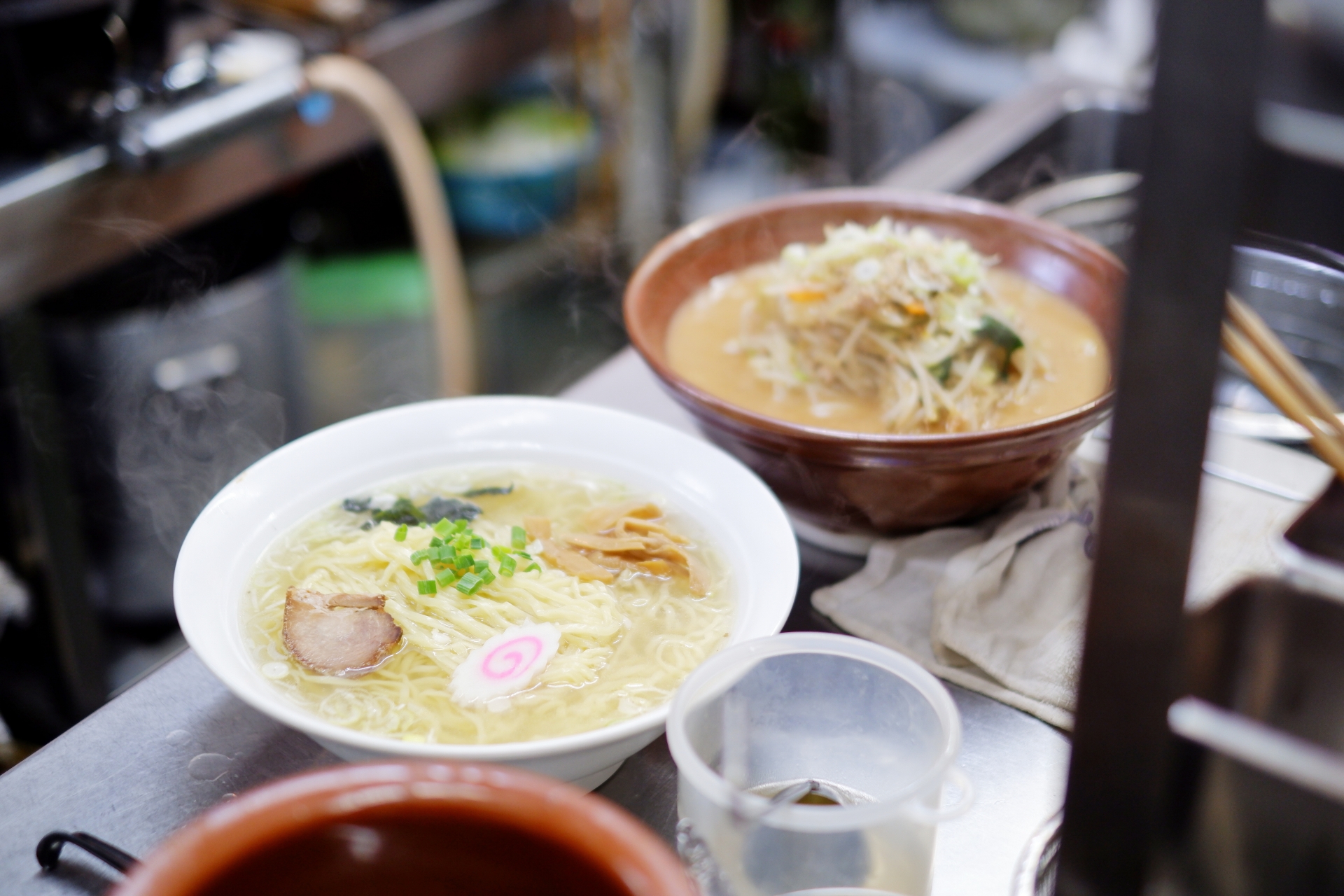
It is important to distinguish instant ramen from fresh ramen. Fresh ramen, commonly served in restaurants, uses freshly made noodles, long-simmered broths, and carefully prepared toppings. Instant ramen prioritizes accessibility, consistency, and speed. Both serve different purposes and appeal to different situations.
| Feature | Instant Ramen | Fresh Ramen |
| Preparation Time | 3–5 minutes | Several hours |
| Ingredients | Pre-cooked noodles, seasoning | Fresh noodles, fresh broth |
| Price | Very affordable | More expensive |
| Typical Setting | Home, dorm, office | Ramen shops, restaurants |
The History of Instant Ramen
The story of instant ramen begins in post–World War II Japan, a period marked by severe food shortages and economic hardship. Affordable, calorie-dense foods were desperately needed, and wheat flour—supplied in large quantities from the United States—became a cornerstone of Japan’s food recovery. However, cooking wheat-based meals still required time, fuel, and equipment that many households lacked.
This challenge inspired Momofuku Ando, a Taiwanese-born Japanese entrepreneur, to rethink how food could be produced and consumed. His vision was both practical and philosophical: to create something tasty, affordable, shelf-stable, and easy to prepare. In 1958, that vision became reality with the launch of Chicken Ramen through Nissin Foods, marking the birth of the world’s first instant ramen.
Ando believed that “peace will come to the world when people have enough to eat.” By flash-frying noodles to remove moisture, he created a product that could last for months and be ready in minutes. Instant ramen was not just a commercial success—it established an entirely new global food category.
How Instant Ramen Spread Globally
Following its success in Japan, instant ramen rapidly expanded across Asia, the United States, and Europe. In the U.S., it gained traction in the 1970s as an inexpensive, filling meal, particularly among college students and low-income households. The introduction of Cup Noodles further accelerated adoption by eliminating the need for bowls or cooking utensils.
As instant ramen entered new markets, it adapted to local tastes. Korea embraced spicier broths and chewier noodles, Southeast Asia favored seafood and curry flavors, and the U.S. leaned toward chicken and beef varieties. Packaging evolved as well, with cups and bowls designed for convenience and portability. Today, instant ramen is consumed in staggering quantities worldwide, reflecting its adaptability and universal appeal.
Types of Instant Ramen
Instant ramen comes in several main categories, each suited to different lifestyles and preferences. Understanding these distinctions helps consumers choose the best option for their needs.
- Packet Ramen: The classic brick of noodles with seasoning packets. Affordable and highly customizable.
- Cup Noodles: Noodles and seasoning packaged in a disposable cup—just add hot water.
- Bowl Ramen: Larger portions in sturdier containers, often including dried toppings.
| Type | Convenience | Price | Customization |
| Packet | Medium | Lowest | High |
| Cup | High | Medium | Low |
| Bowl | High | Higher | Medium |
Cup Noodles vs Packet Ramen
Cup noodles are especially popular in the U.S. because they fit seamlessly into busy, mobile lifestyles. They require no extra dishes and are ideal for offices, dorm rooms, or travel. Packet ramen, while slightly less convenient, is more affordable and allows greater freedom for customization, such as adding eggs, vegetables, or protein.
Regional Styles (Japanese, Korean, Others)
Japanese instant ramen typically focuses on umami-rich flavors like soy sauce and miso. Korean ramen is known for bold spice levels and chewy noodles and has become increasingly popular in the U.S. Other regions, including Southeast Asia and North America, feature adaptations such as curry-based broths, shrimp flavors, and even cheese-infused varieties.
Why Is Instant Ramen So Popular?
Instant ramen’s popularity stems from a perfect balance of affordability, long shelf life, and ease of preparation. It appeals to students on tight budgets, busy professionals with limited time, and travelers seeking reliable food options. Beyond practicality, instant ramen also carries emotional value—it is comfort food that evokes memories of late-night study sessions, quick meals, and shared experiences.
How to Make Instant Ramen Taste Better
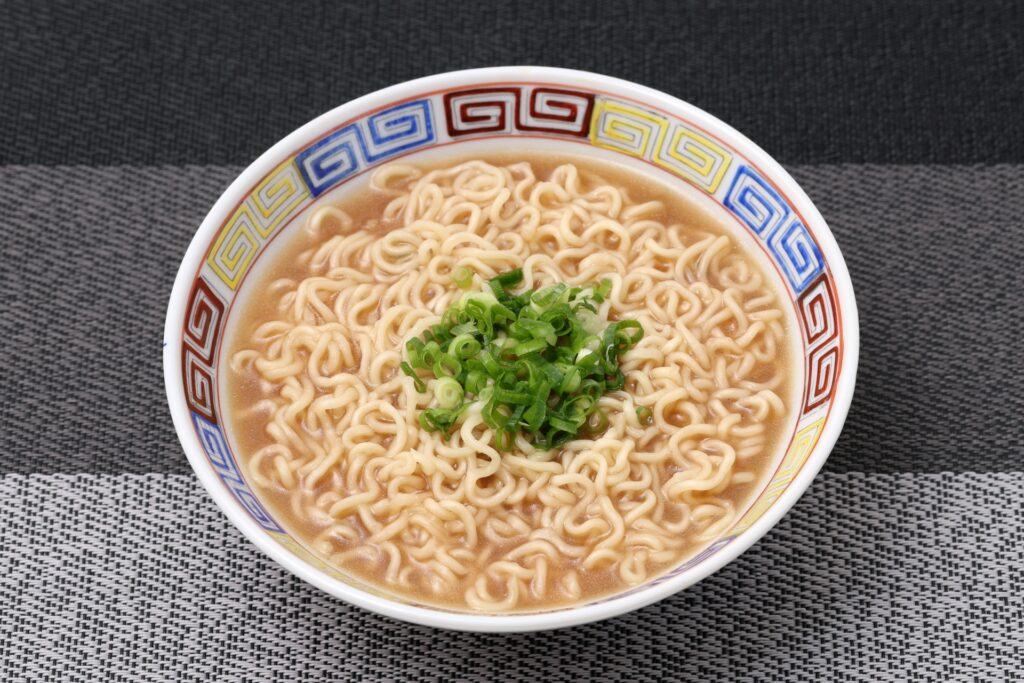
While instant ramen is satisfying on its own, a few simple upgrades can dramatically improve its flavor and texture. The key is enhancing umami, richness, and mouthfeel without adding complexity.
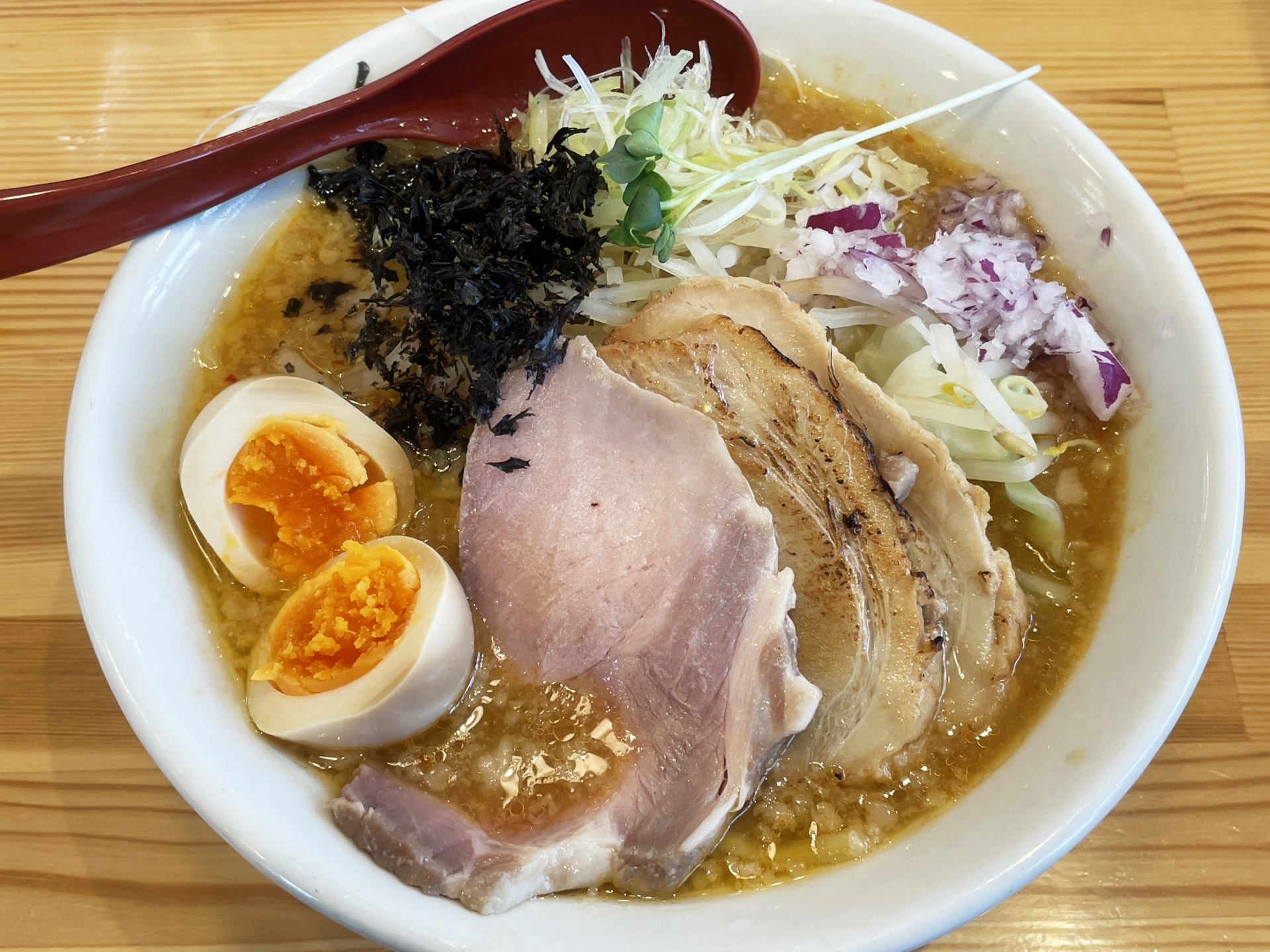
Adding an egg is one of the easiest improvements. A soft-boiled egg adds richness and protein, while stirring in a beaten egg creates a creamy, comforting broth. Aromatic oils such as sesame oil or chili oil instantly elevate fragrance and depth. Even a small amount of butter or cheese can transform the soup into a richer, indulgent dish—a trend especially popular on social media among Gen Z.
Incorporating vegetables and protein not only boosts flavor but also improves nutritional balance. Frozen vegetables, spinach, corn, or bean sprouts require minimal prep, while chicken, tofu, or leftover meat can turn instant ramen into a complete meal.
Easy Instant Ramen Hacks for Beginners
For beginners, simplicity is key. One effective trick is using only 70–80% of the seasoning packet, then adjusting flavor with soy sauce, miso, or broth. This reduces saltiness while preserving taste.
Cooking the noodles slightly shorter than recommended helps maintain a firmer texture. Finishing with residual heat prevents overcooking. Easy U.S.-supermarket-friendly combinations include rotisserie chicken with black pepper, frozen broccoli with garlic powder, or hot sauce mixed with a spoon of peanut butter for an Asian-inspired twist.
Is Instant Ramen Healthy?
Instant ramen often receives criticism for high sodium levels and limited nutritional balance. While eating it occasionally is generally fine, daily consumption without modification may lead to excessive salt intake.
Health-conscious approaches include using less seasoning, adding vegetables, and choosing air-dried or lower-sodium options. Many brands now offer plant-based noodles and cleaner ingredient lists. Instant ramen is best viewed not as a daily staple, but as a convenient option that can be made healthier with mindful choices.
This information is for general guidance only and not medical advice.
The Future of Instant Ramen
Instant ramen continues to evolve beyond its origins as a budget food. Premium and gourmet versions now feature restaurant-quality broths and regional authenticity. Sustainability is also shaping the industry, with plant-based ingredients and eco-friendly packaging gaining traction.
In the U.S., the fusion of global flavors and health-conscious trends ensures that instant ramen remains relevant. Its ability to adapt while retaining its core appeal suggests that instant ramen will continue to play a meaningful role in modern food culture.
Conclusion: Why Instant Ramen Still Matters Today
Instant ramen is far more than a cheap convenience food. From its origins in postwar Japan to its global cultural impact, it represents innovation, adaptability, and comfort. As trends shift toward gourmet quality and healthier options, instant ramen remains a powerful example of how a simple idea can change the way the world eats.