
Mochi is one of Japan’s most iconic foods, celebrated for its uniquely chewy texture and incredible versatility. While many people first encounter mochi as a sweet dessert or a New Year’s treat, there are actually countless ways to enjoy it—ranging from deeply traditional Japanese preparations to playful, modern fusion dishes. If you’ve ever wondered how to eat mochi, how to prepare it safely, or how to use it beyond desserts, this guide covers everything you need to know. Whether you’re a beginner exploring Japanese cuisine or a food lover seeking creative inspiration, you’ll find plenty of delicious ideas here.


What Is Mochi and How Is It Usually Eaten in Japan?

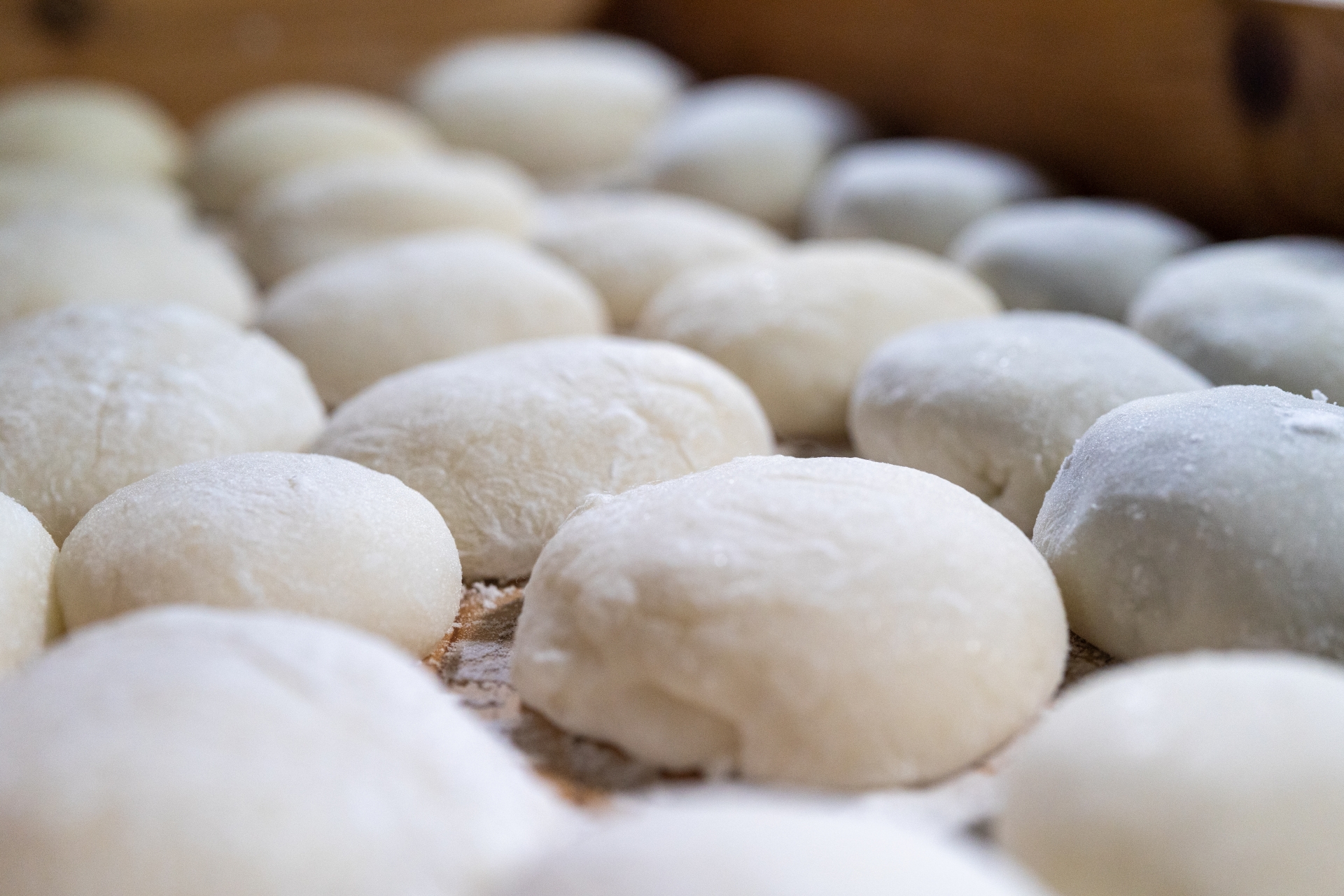
Mochi is a Japanese food made from glutinous rice that has been steamed and pounded until it becomes smooth, elastic, and sticky. Unlike regular rice, glutinous rice creates a stretchy, chewy texture that defines mochi’s eating experience. In Japan, mochi has deep cultural roots and is especially associated with celebrations, seasonal rituals, and family gatherings. Traditionally, it plays a central role during the New Year, when families enjoy mochi dishes that symbolize good fortune, longevity, and prosperity.
In everyday life, mochi is often sold as kiri mochi—hard, dried rectangular blocks that must be cooked before eating. Beginners are sometimes surprised by how much mochi changes during cooking: it puffs up when grilled, becomes silky when boiled, and turns incredibly soft when microwaved. Understanding this transformation is key to enjoying mochi properly. In Japan, people grow up eating mochi in many forms, so its texture feels familiar, but for first-timers, learning the common ways to eat mochi makes the experience far more enjoyable and approachable.

Traditional Ways to Eat Mochi

Yakimochi (Grilled Mochi)
Yakimochi is one of the most classic and beloved ways to eat mochi in Japan. It involves grilling dried mochi over a toaster oven, open flame, or frying pan until the outside becomes lightly crisp and golden while the inside turns soft and stretchy. Watching mochi puff up as it grills is part of the fun, and the aroma alone makes yakimochi irresistible.
Once grilled, yakimochi can be enjoyed in both sweet and savory styles. A simple savory option is dipping it into soy sauce, sometimes followed by wrapping it in nori seaweed. For sweet versions, sugar, kinako (roasted soybean powder), or even butter and sugar are popular choices. Yakimochi is especially beginner-friendly because it requires minimal ingredients and highlights mochi’s natural flavor and texture. It’s a perfect starting point if you want to experience mochi the way many Japanese households do.
Mochi in Soup (Ozoni & Oshiruko)
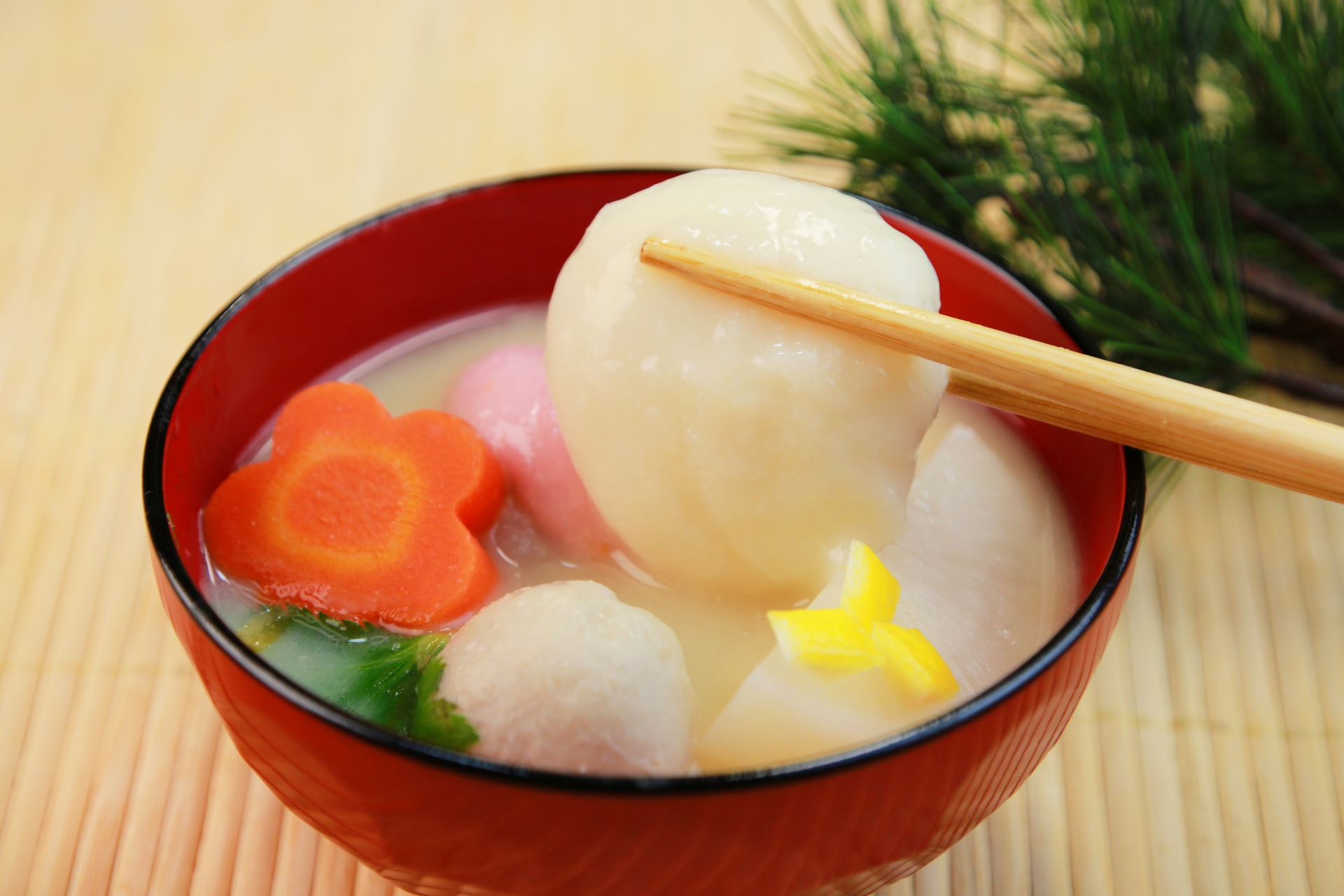
Mochi is also commonly enjoyed in soups, particularly during the colder months. Ozoni is a savory soup traditionally eaten around New Year’s. It usually features a light broth with vegetables, chicken or fish, and a piece of mochi that becomes tender and satisfying as it absorbs the soup’s flavor. Ozoni recipes vary widely by region in Japan, making it a deeply personal and cultural dish.
On the sweeter side, oshiruko is a warm red bean soup made with sweet azuki beans and soft mochi. This comforting dessert is especially popular in winter and showcases how well mochi pairs with sweet flavors. Both ozoni and oshiruko demonstrate mochi’s ability to adapt to different tastes while adding a hearty, chewy element that makes soups more filling and memorable.
Kinako Mochi & Sweet Toppings
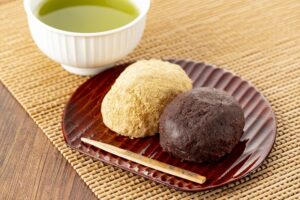
Kinako mochi is one of the simplest and most accessible ways to eat mochi, making it ideal for beginners. Kinako is roasted soybean powder with a nutty, slightly sweet flavor that pairs beautifully with soft mochi. Typically, cooked mochi is lightly coated in kinako mixed with sugar, creating a dessert that’s comforting without being overly sweet.
Beyond kinako, mochi is often topped with anko (sweet red bean paste), honey, or syrup. These combinations are popular because they require very little preparation while still delivering a satisfying dessert. For anyone new to mochi, sweet toppings like these help balance the chewy texture and make mochi feel familiar, especially if you enjoy mild, dessert-like flavors.
Modern & Popular Dessert Ways to Eat Mochi
Mochi Ice Cream
Mochi ice cream has become one of the most recognizable mochi-based desserts outside Japan, particularly in the United States. It consists of a thin layer of soft mochi wrapped around a scoop of ice cream, combining chewiness with creamy sweetness. Unlike traditional mochi, mochi ice cream is meant to be eaten cold and usually comes in bite-sized portions.
To enjoy mochi ice cream properly, it’s best to let it sit at room temperature for a minute or two so the mochi softens slightly. Some people like cutting it in half to make it easier to eat. Its popularity lies in its balance of textures and flavors, making it an excellent introduction to mochi for those who might be hesitant about traditional preparations.
Mochi in Desserts (Waffles, Pancakes, Donuts)
Mochi has also found a place in modern baked desserts, especially in Japanese-inspired and fusion recipes. Mochi waffles, pancakes, donuts, and butter mochi cakes are loved for their crispy exteriors and chewy interiors. The glutinous rice flour or cooked mochi used in these recipes gives baked goods a unique texture that stays soft and moist longer than regular flour-based desserts.
These desserts appeal to fans of fusion sweets because they blend familiar Western formats with a distinctly Japanese texture. If you enjoy experimenting in the kitchen, mochi-based desserts offer endless possibilities while remaining approachable and crowd-pleasing.
Savory and Fusion Ways to Eat Mochi

Savory Mochi Dishes
While mochi is often associated with sweets, it works surprisingly well in savory dishes. Grilled or baked mochi can be used as a base for mochi pizza, topped with cheese, vegetables, and sauces. It can also be added to savory bowls, soups, or stir-fries, where it acts as a chewy alternative to bread, noodles, or pasta.
For Western home cooks, savory mochi dishes are an exciting way to use a traditional Japanese ingredient in familiar formats. The neutral flavor of mochi allows it to absorb seasonings easily, making it versatile and adaptable to many cuisines.
Creative Fusion Ideas
Creative fusion dishes push mochi beyond its traditional boundaries. Ideas like mochi tacos, curry mochi, or mochi gratin combine Japanese texture with global flavors. The key to successful fusion is respecting mochi’s chewiness—using it where elasticity enhances the dish rather than overwhelming it.
Experimenting with mochi encourages a deeper appreciation of Japanese food culture while allowing personal creativity.
How to Prepare Mochi Before Eating
Cooking Methods (Grill, Microwave, Boil)
There are several common ways to prepare mochi, each producing a different texture. Grilling creates a crisp outside and stretchy inside, boiling results in a smooth and tender mochi ideal for soups, and microwaving offers the fastest way to soften mochi evenly. Microwaving should be done carefully, using short intervals to avoid overheating.
Each method suits different dishes, so understanding how preparation affects texture helps you choose the best approach. No matter the method, mochi should always be cooked before eating when using dried kiri mochi.
Safety Tips When Eating Mochi
Mochi’s chewy texture is enjoyable but requires care. Because it can be sticky and elastic, it poses a choking risk if eaten too quickly or in large pieces. This is especially important for children and elderly people. Cutting mochi into small pieces, chewing slowly, and eating mindfully are essential safety practices.
These precautions shouldn’t discourage you from enjoying mochi—rather, they ensure that everyone can enjoy it safely. In Japan, awareness of mochi safety is common, particularly during New Year celebrations.
Which Way of Eating Mochi Is Best for Beginners?
For beginners, the best ways to eat mochi are those that are simple and familiar in flavor. Yakimochi with light toppings, kinako mochi, and mochi ice cream are all excellent starting points. Sweet options tend to be more approachable, while savory dishes appeal to those who enjoy experimenting with meals.
Ultimately, the best way to eat mochi depends on your personal taste. Trying several styles helps you discover how versatile and enjoyable this traditional food can be.
Conclusion – Enjoy Mochi Your Way
Mochi is far more than a single dish—it’s a versatile ingredient that spans traditional Japanese culture and modern global cuisine. From grilled yakimochi and comforting soups to ice cream desserts and creative fusion meals, there is no single “correct” way to eat mochi. Each preparation highlights a different aspect of its unique texture and flavor.
By exploring both classic and modern ways to eat mochi, you can connect with Japanese culture while making the experience your own. Whether sweet or savory, traditional or experimental, mochi invites you to slow down, savor each bite, and enjoy the journey of discovery—one chewy bite at a time.