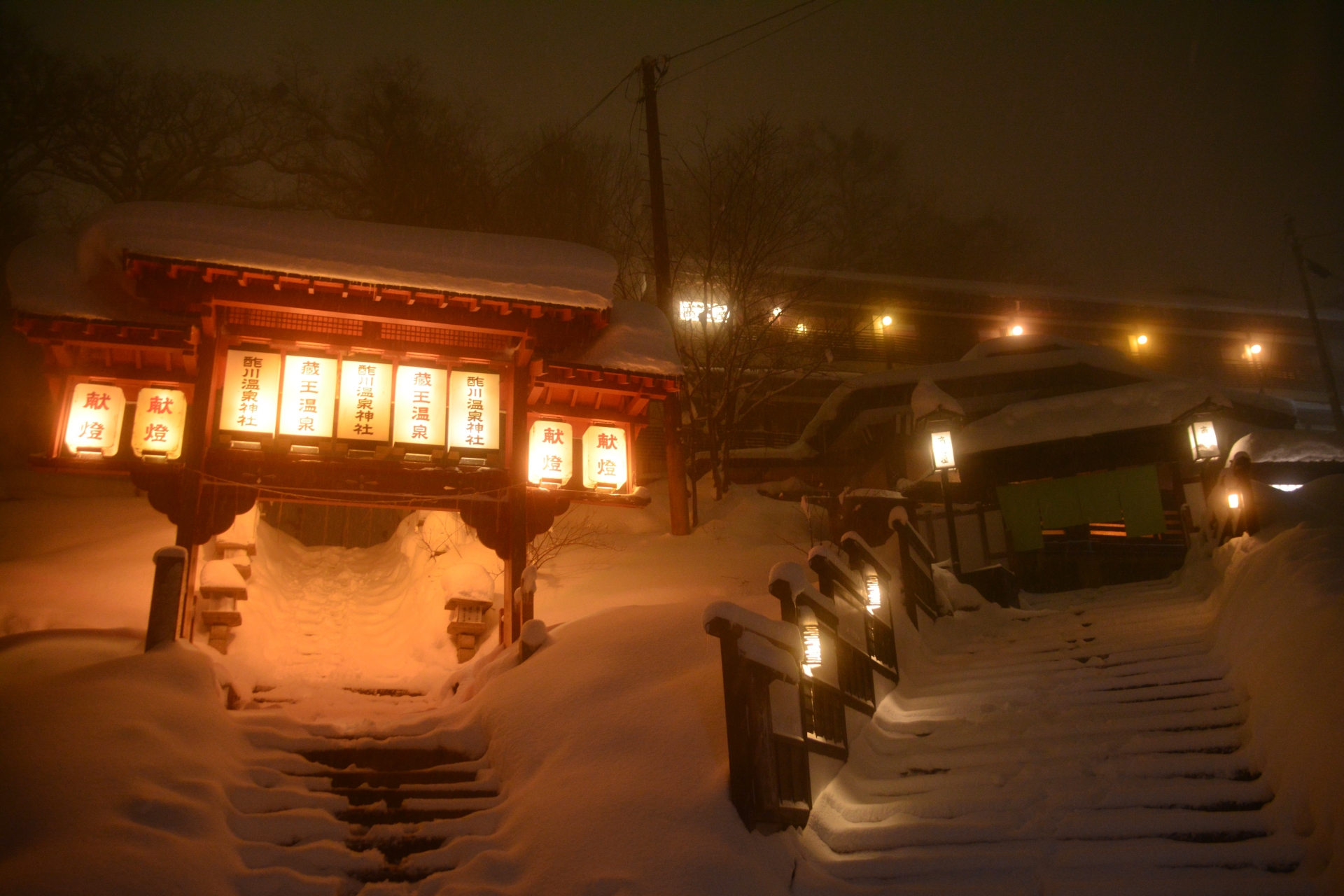
The Tohoku region of northern Japan is home to some of the country’s most atmospheric and diverse hot springs, shaped by volcanic activity, heavy snowfall, and centuries of bathing culture. From rustic mountain inns buried in winter snow to elegant onsen towns glowing with lantern light, Tohoku offers a depth of hot spring experiences that rivals anywhere in Japan. Yet for many international travelers, Tohoku still feels distant or difficult to navigate.
In reality, many of Tohoku’s most iconic onsen towns are surprisingly accessible by train and local bus. With thoughtful planning, travelers can link multiple hot spring destinations into a single, efficient journey. This guide introduces the concept of the Tohoku Onsen Loop — a rail-friendly way to travel between multiple onsen areas in a circular route without renting a car. Designed with JR Pass users in mind, this loop-style itinerary allows travelers to enter Tohoku, move steadily through different regions, and return without backtracking, making it ideal for overseas visitors seeking both relaxation and logistical simplicity.


What Is the Tohoku Onsen Loop?
The Tohoku Onsen Loop is not an official tourism route, but rather a practical travel concept designed to help visitors experience multiple hot spring regions efficiently. Instead of traveling back and forth between the same cities, the loop approach encourages a circular journey through Tohoku — typically entering from the south, moving northward and westward, and then returning via a different corridor. This structure minimizes wasted travel time and creates a sense of progression through changing landscapes and cultures.
At its core, the loop is built around train-based travel, supplemented by short local bus rides to reach individual onsen towns. Most destinations included in the Tohoku Onsen Loop are accessible using JR lines covered by the JR EAST PASS (Tohoku Area), making it a cost-effective option for multi-day travel. The pacing is intentionally realistic: one onsen town per night in most cases, allowing travelers time to soak, dine, and explore without rushing. Rather than a checklist-style itinerary, the Tohoku Onsen Loop emphasizes depth, seasonal atmosphere, and the joy of slow travel.
Rail-Accessible Onsen Areas in Tohoku
All onsen areas below can be reached by train plus local bus, making them suitable for travelers relying on JR Passes and public transportation. While some locations require planning around bus schedules, none require a rental car.
Yamagata Area
Ginzan Onsen
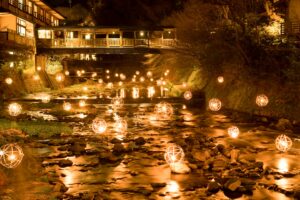
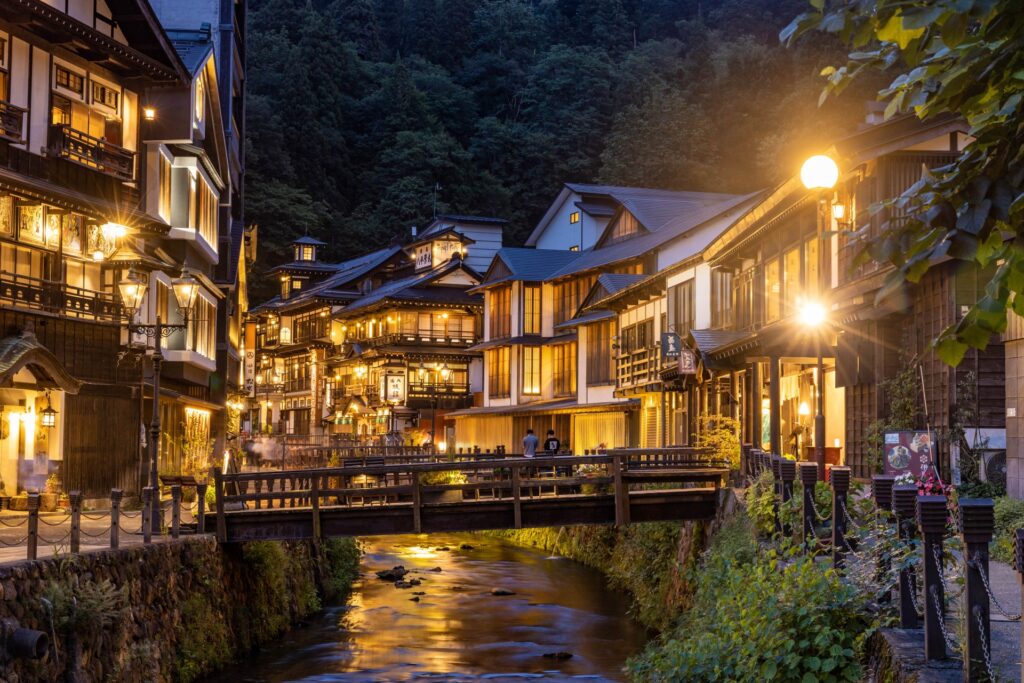
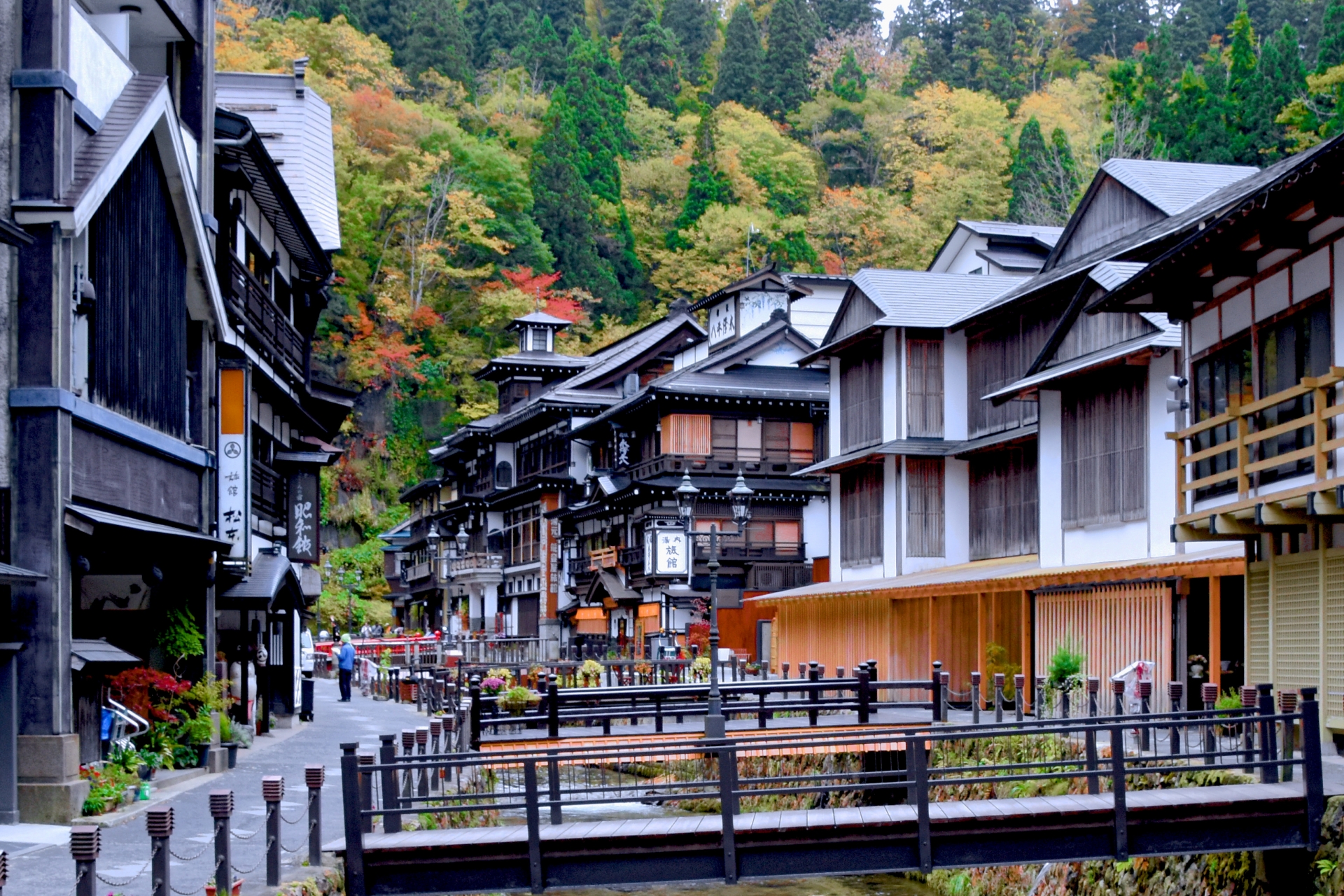
Ginzan Onsen is one of Japan’s most visually iconic hot spring towns, known for its beautifully preserved wooden ryokan lining a narrow river gorge. The town’s Taisho-era architecture and gas lamps create an especially magical atmosphere in the evening, making overnight stays far more rewarding than brief day trips. Because of limited accommodation and strict visitor management in peak seasons, advance reservations are essential.
Access to Ginzan Onsen is straightforward: travelers take the JR Yamagata Shinkansen to Oishida Station, followed by a local bus ride of approximately 40 minutes. While the final bus connection is infrequent, the overall journey remains manageable even for first-time visitors to rural Japan.
Zao Onsen
Zao Onsen is famous for its strong sulfuric waters, alpine setting, and dramatic seasonal contrasts. In winter, the area transforms into a major ski destination, while summer and autumn offer cool mountain air and scenic hiking. The onsen water is highly acidic, known for its warming properties and distinctive milky appearance.
Zao Onsen is accessed via JR Yamagata Station, followed by a well-organized bus ride of around 40 minutes. Thanks to its proximity to a major city and frequent bus service, Zao is one of the most accessible mountain onsen towns in Tohoku and fits easily into a loop itinerary.
Akita Area
Nyuto Onsenkyo
Nyuto Onsenkyo is a cluster of secluded hot spring inns scattered through forested mountains near Lake Tazawa. Each ryokan has its own unique spring source, with variations in mineral content, color, and bathing style. The area is particularly popular during autumn foliage season and winter, when snow blankets the landscape.
Travelers reach Nyuto Onsenkyo via JR Tazawako Station, then transfer to a local bus. While bus frequency is limited, the route is well established and commonly used by both Japanese and international visitors. Staying overnight is highly recommended to fully appreciate the area’s quiet atmosphere.
Tamagawa Onsen
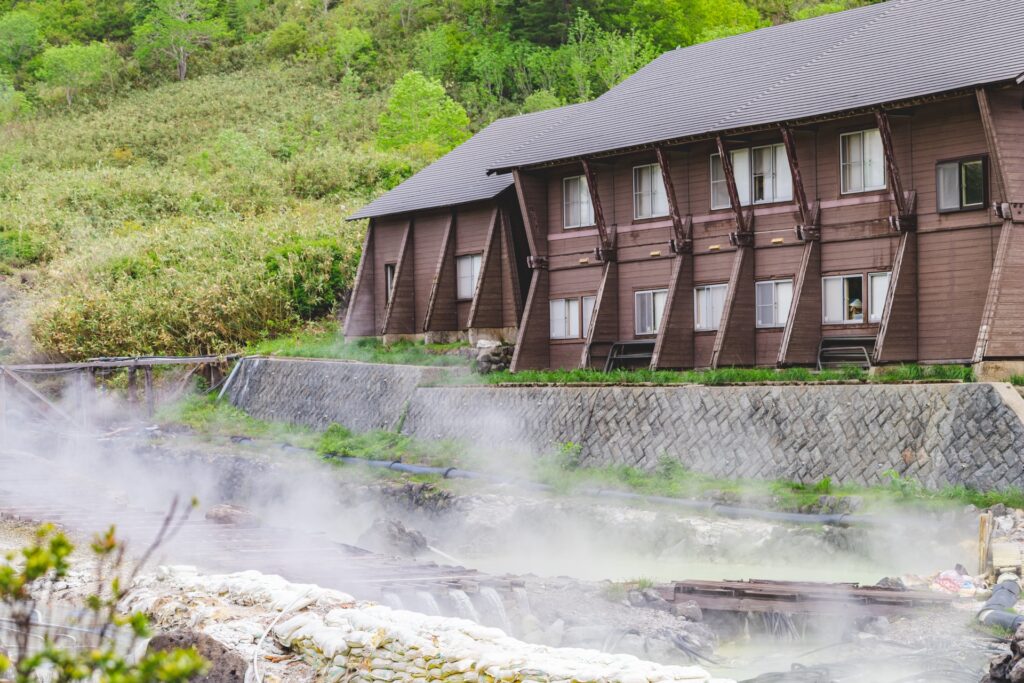
Tamagawa Onsen is one of Japan’s most unusual hot springs, known for having some of the most acidic waters in the country. The bathing culture here emphasizes therapeutic use, with visitors often spending extended periods resting between short soaks. Due to the extreme water properties, Tamagawa Onsen is not recommended for travelers with sensitive skin.
Access is also via JR Tazawako Station and local bus. Compared to Nyuto Onsenkyo, Tamagawa feels more isolated and serious in tone, making it better suited for experienced onsen travelers seeking something truly different.
Aomori Area
Sukayu Onsen
Sukayu Onsen is renowned for its massive communal bathhouse, often referred to as the “Thousand-Person Bath.” Located in the mountains of Aomori, it offers a deeply traditional experience that feels unchanged for generations. The onsen is especially popular in winter, when heavy snowfall enhances its remote, timeless atmosphere.
Travelers access Sukayu Onsen from JR Aomori Station by bus. While the ride takes time, it is direct and scenic, making Sukayu a rewarding highlight for those venturing into northern Tohoku.
Asamushi Onsen
Asamushi Onsen is a seaside hot spring town located just outside Aomori City. With its convenient rail access and relaxed coastal setting, it works well as either an entry or exit point for a northern Tohoku loop. Compared to mountain onsen, Asamushi offers a lighter, more resort-like atmosphere.
The town is directly served by JR Asamushi-Onsen Station, making it one of the easiest onsen destinations to reach in the region.
Iwate Area
Hanamaki Onsen
Hanamaki Onsen is a well-organized hot spring resort area consisting of multiple ryokan and hotels connected by shuttle buses. Its accessibility and infrastructure make it an excellent choice for first-time onsen travelers or those who prefer convenience without sacrificing quality.
Access is via JR Shin-Hanamaki Station, followed by a short shuttle or bus ride. Hanamaki’s balance of comfort and tradition makes it a natural stop in many loop itineraries.
Miyagi Area
Naruko Onsen
Naruko Onsen is a traditional hot spring town known for having multiple types of spring water within a compact area. It is especially popular in autumn, when surrounding mountains burst into color. The town retains a nostalgic atmosphere and is easy to explore on foot.
Naruko Onsen is directly accessible from JR Naruko-Onsen Station, making it one of the most rail-friendly stops in the Tohoku Onsen Loop.
Matsushima Onsen
Located near Matsushima Bay, one of Japan’s Three Scenic Views, Matsushima Onsen is best combined with sightseeing rather than pure onsen hopping. While the hot springs themselves are less rustic, the surrounding scenery adds cultural and visual depth to the journey.
Access is via JR Matsushima-Kaigan Station, which is well connected from Sendai.
Fukushima Area
Iwaki Yumoto Onsen
Iwaki Yumoto Onsen is a historic hot spring town with direct rail access from Tokyo via the Joban Line. Its long history and urban convenience make it a practical southern anchor for a Tohoku Onsen Loop.
The town is served by JR Yumoto Station, allowing travelers to begin or conclude their journey without complex transfers.
Tohoku Onsen Loop Routes by Difficulty (Train-Based)
Beginner Route (Easy Access & Minimal Transfers)
This route is ideal for first-time visitors to Tohoku and travelers new to using JR Passes. The focus is on destinations with simple access, frequent trains, and short bus rides.
Example Loop:
Tokyo / Sendai → Ginzan Onsen → Zao Onsen → Naruko Onsen → Matsushima Onsen → Return
This itinerary prioritizes ease of navigation while still showcasing a wide variety of onsen styles. Transfers are intuitive, signage is generally English-friendly, and accommodation options are plentiful. It is well suited for travelers who want a stress-free introduction to Tohoku’s hot spring culture.
Intermediate Route (Classic Tohoku Experience)
Designed for travelers comfortable with local buses, this route blends famous destinations with quieter, more atmospheric onsen towns.
Example Loop:
Tokyo / Sendai → Hanamaki Onsen → Nyuto Onsenkyo → Ginzan Onsen → Zao Onsen → Naruko Onsen → Return
This loop offers strong seasonal appeal, particularly in autumn and winter. While it requires more attention to bus schedules, the rewards include deeper immersion and more varied landscapes.
Advanced Route (Remote & Unique Hot Springs)
This route is best suited for experienced Japan travelers who enjoy slower pacing and remote destinations.
Example Loop:
Tokyo → Iwaki Yumoto Onsen → Naruko Onsen → Nyuto Onsenkyo → Tamagawa Onsen → Sukayu Onsen → Asamushi Onsen → Return
Expect longer travel days and fewer daily services, but also some of the most distinctive hot spring experiences in the country. This route emphasizes traditional culture over convenience.
Using the JR EAST PASS for the Tohoku Onsen Loop
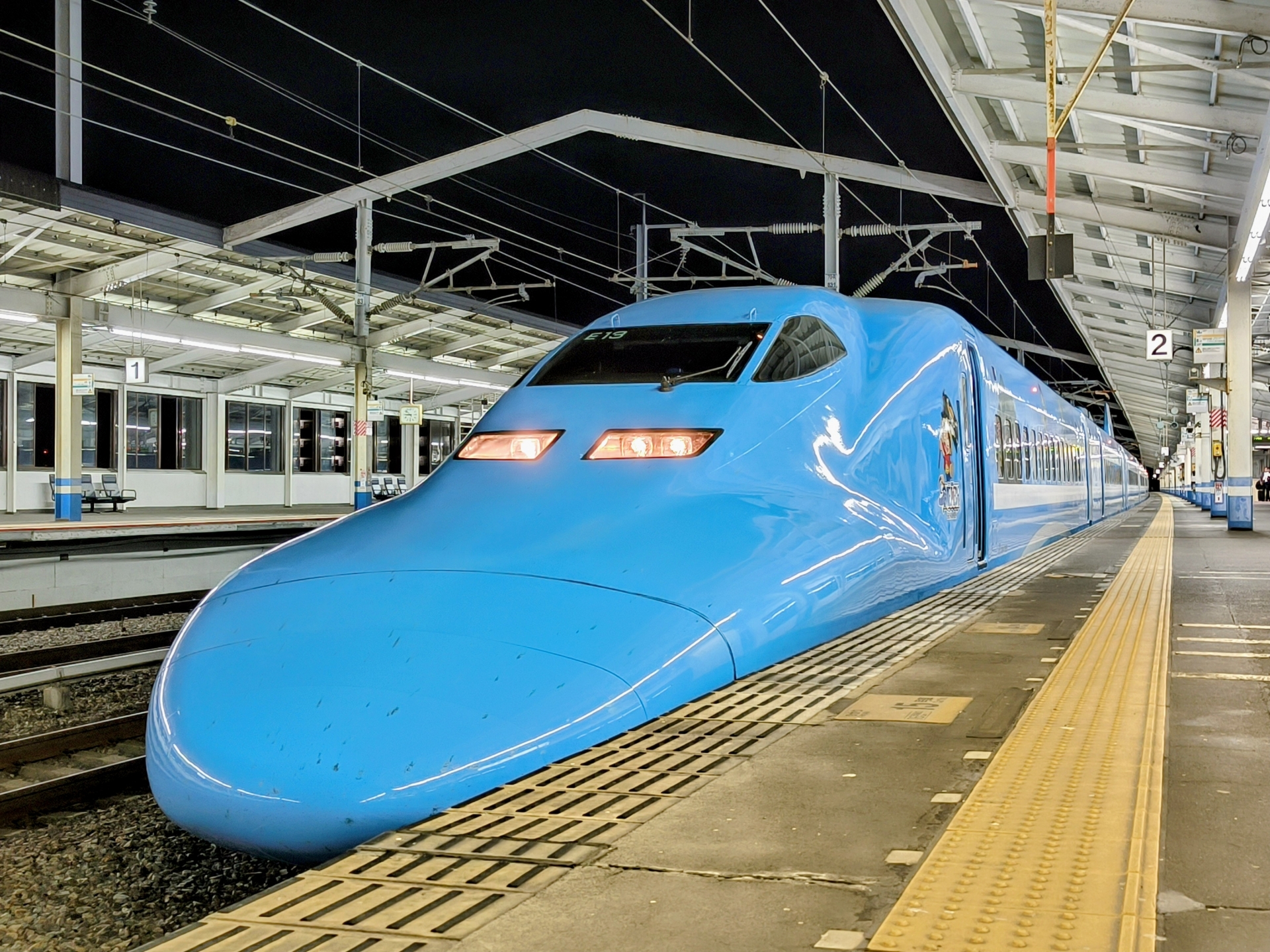
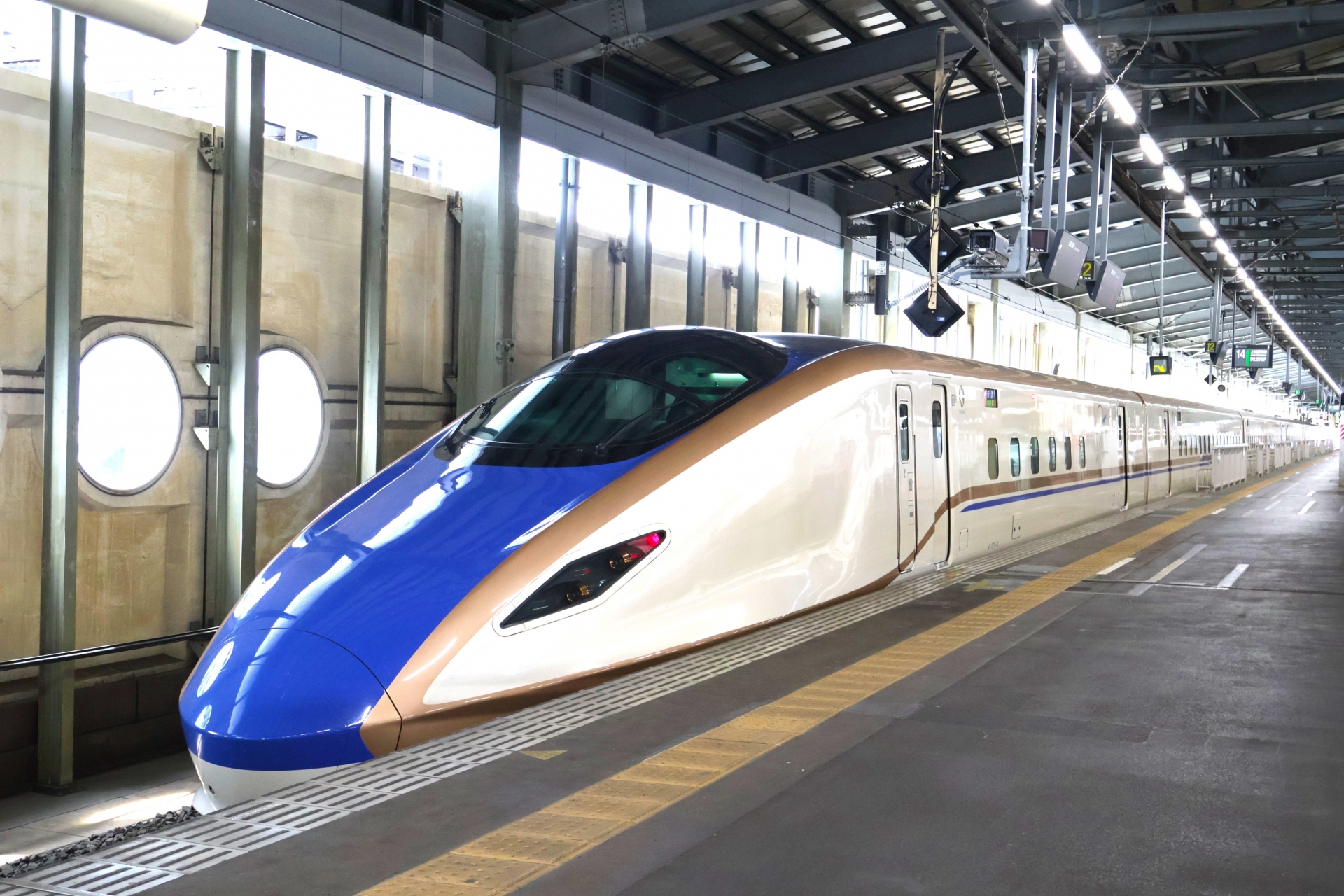
The JR EAST PASS (Tohoku Area) is one of the most effective tools for traveling the Tohoku Onsen Loop. It covers major JR lines from Tokyo to Aomori, including Shinkansen routes, allowing travelers to move long distances quickly and efficiently.
For loop-style travel, the pass offers flexibility: travelers can enter Tohoku via one route and exit via another without worrying about individual ticket costs. Compared to purchasing separate tickets, the JR EAST PASS is highly cost-efficient for multi-day itineraries involving long-distance rail travel.
| Pass | Coverage | Best For |
| JR EAST PASS (Tohoku) | Tokyo–Aomori | Multi-day loop travel |
Best Seasons for a Tohoku Onsen Loop
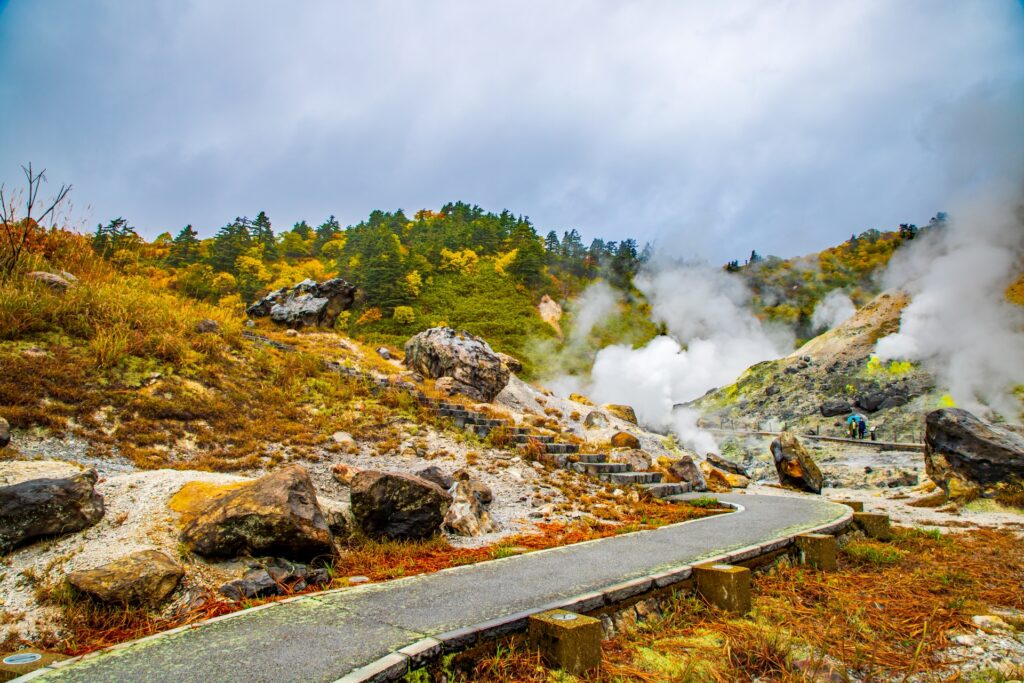
Each season brings a different character to the Tohoku Onsen Loop.
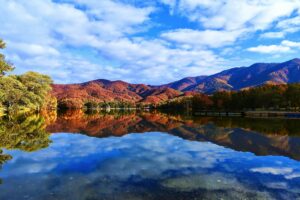
Autumn is particularly popular for fall foliage, especially in Nyuto and Naruko.
Winter offers iconic snow-viewing baths in Ginzan, Zao, and Sukayu.
Spring features fewer crowds and comfortable travel conditions.
Summer is ideal for highland onsen like Zao and Nyuto, where temperatures remain cool.
Practical Tips for Train-Based Onsen Travel
Planning bus connections in advance is essential, as services can be limited in rural areas. Traveling light or using luggage forwarding services greatly improves comfort, especially when transferring between trains and buses. In remote onsen towns, English support may be minimal, so basic preparation goes a long way. Finally, always check last bus times to avoid being stranded.
Conclusion — Why the Tohoku Onsen Loop Is Worth It
The Tohoku Onsen Loop offers one of Japan’s most rewarding hot spring journeys, combining deep-rooted tradition, dramatic seasonal landscapes, and rail-friendly accessibility. With thoughtful planning and the smart use of JR passes, even remote onsen become realistically reachable for international travelers.
Whether you choose a beginner-friendly route or a more adventurous loop, Tohoku rewards those who slow down, soak deeply, and embrace the rhythm of northern Japan.