
Bean-throwing in Japan may appear to be a simple act of tossing beans, but behind this lively custom lies a long history of ritual practice, linguistic symbolism, and seasonal awareness. Best known as a central element of Setsubun (節分), bean-throwing—called mamemaki—is not merely a festive tradition. It represents Japan’s enduring concern with purification, protection from misfortune, and the renewal that comes with seasonal change.
This article explores the meaning of bean-throwing in Japan by examining its historical background, symbolic logic, and modern practice, while also addressing common misunderstandings about its origins.


What Is Bean-Throwing (Mamemaki)?

Bean-throwing, or mamemaki (豆まき), literally means “scattering beans.” It is most commonly performed during Setsubun, which falls on February 3 or 4 and marks the day before the beginning of spring in the traditional Japanese calendar. During the ritual, roasted soybeans (fukumame, 福豆) are thrown either inside or outside the home, or both, while participants chant phrases meant to expel misfortune and invite good luck.
At its core, mamemaki is a ritual of purification carried out at a seasonal turning point. Rather than being a casual celebration, it reflects long-standing beliefs about the vulnerability of transitional moments in time—when misfortune, illness, or disaster was thought more likely to occur. The act of throwing beans functions as a symbolic measure to protect individuals, households, and communities as winter gives way to spring.
Origins: From Court Rituals to Bean-Throwing
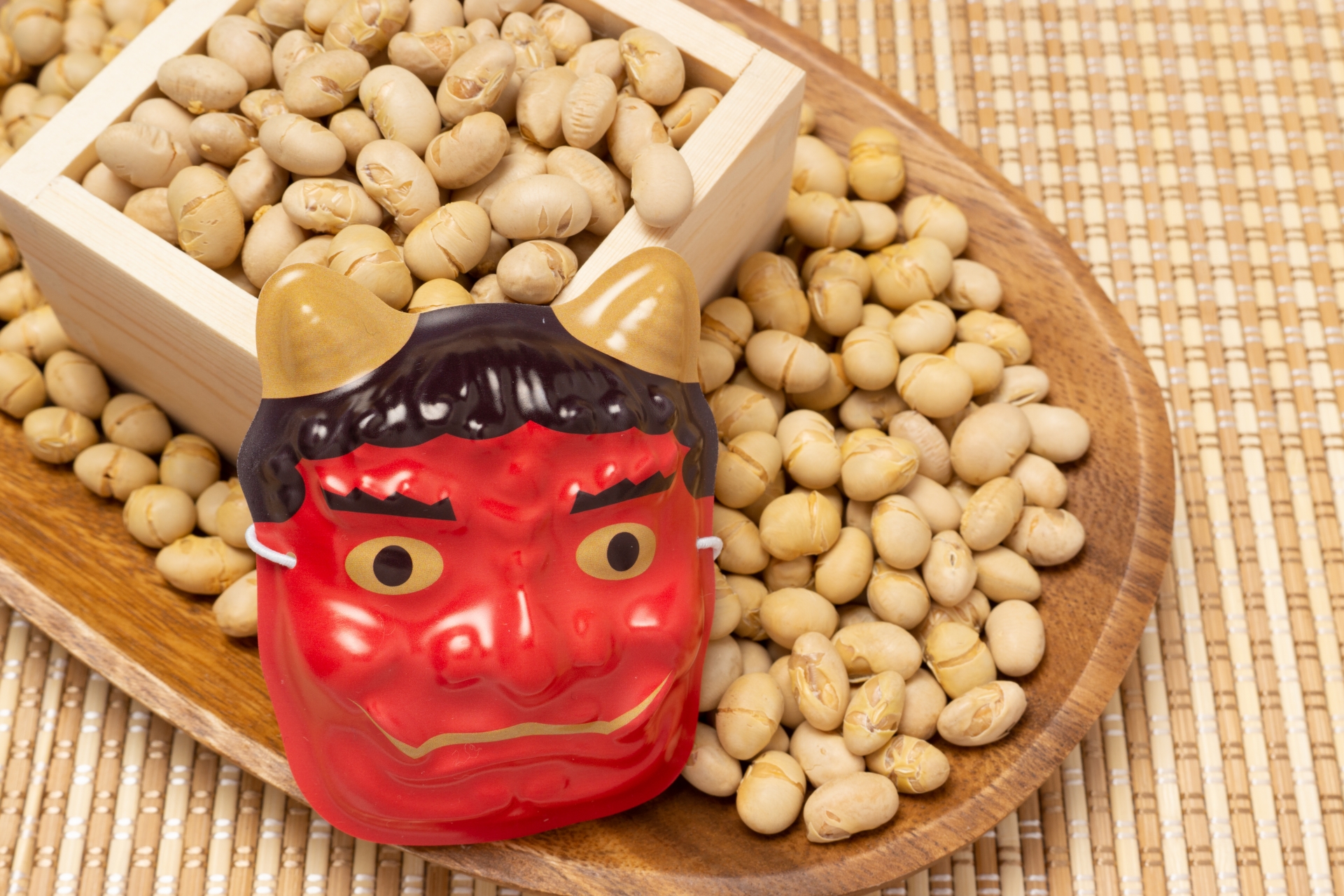
The origins of bean-throwing are often loosely connected to ancient purification rites, but the historical reality is more complex. In Japan, a court ritual known as tsuina (追儺) was practiced during the Heian period (794–1185). This ceremony aimed to avert disasters and epidemics at the end of the year or at seasonal boundaries.
During tsuina, participants attempted to drive away harmful forces through symbolic actions such as shooting peach-wood bows with reed arrows, shouting loudly, and beating drums or hand-held percussion instruments (furitsuzumi). These actions were meant to ward off calamity rather than to fight demons in the modern sense.
Historical records, including diaries written by Heian-period aristocrats, indicate that these ceremonies primarily involved Buddhist sutra recitation for disaster prevention, longevity, and the well-being of the state. There is little evidence that bean-throwing itself was part of these early rituals, and some scholars view tsuina and mamemaki as separate traditions that later became associated.
Although it is unclear exactly when bean-throwing emerged, it is known that by the Nanboku-chō period (14th century), mamemaki had become established as a Setsubun custom. During the Edo period (1603–1868), court rituals and folk practices related to disaster prevention gradually merged, resulting in a form of bean-throwing that closely resembles what is practiced today.

Symbolic Meaning: Why Beans?

One of the most common questions about mamemaki is why beans are used. Several explanations, rooted in language and folk belief, have been passed down through generations.
One theory is based on wordplay. The word mame (豆, beans) can be associated with mame written as 魔目, meaning “demon’s eye,” suggesting that throwing beans symbolically strikes the eyes of demons. Another interpretation links mame to 魔滅 (mametsu), meaning “the destruction of evil,” reinforcing the idea that beans have the power to eliminate misfortune.
There are also explanations for why the beans must be roasted rather than raw. One involves another linguistic play: iru (射る, “to shoot”) and iru (炒る, “to roast”). Roasted beans symbolically “shoot” demons. In addition, roasted beans cannot sprout, which represents the wish that misfortune will not take root again.
These layers of meaning show that bean-throwing is not a random practice, but a ritual shaped by language, symbolism, and traditional beliefs about controlling unseen forces.
How Bean-Throwing Is Practiced Today
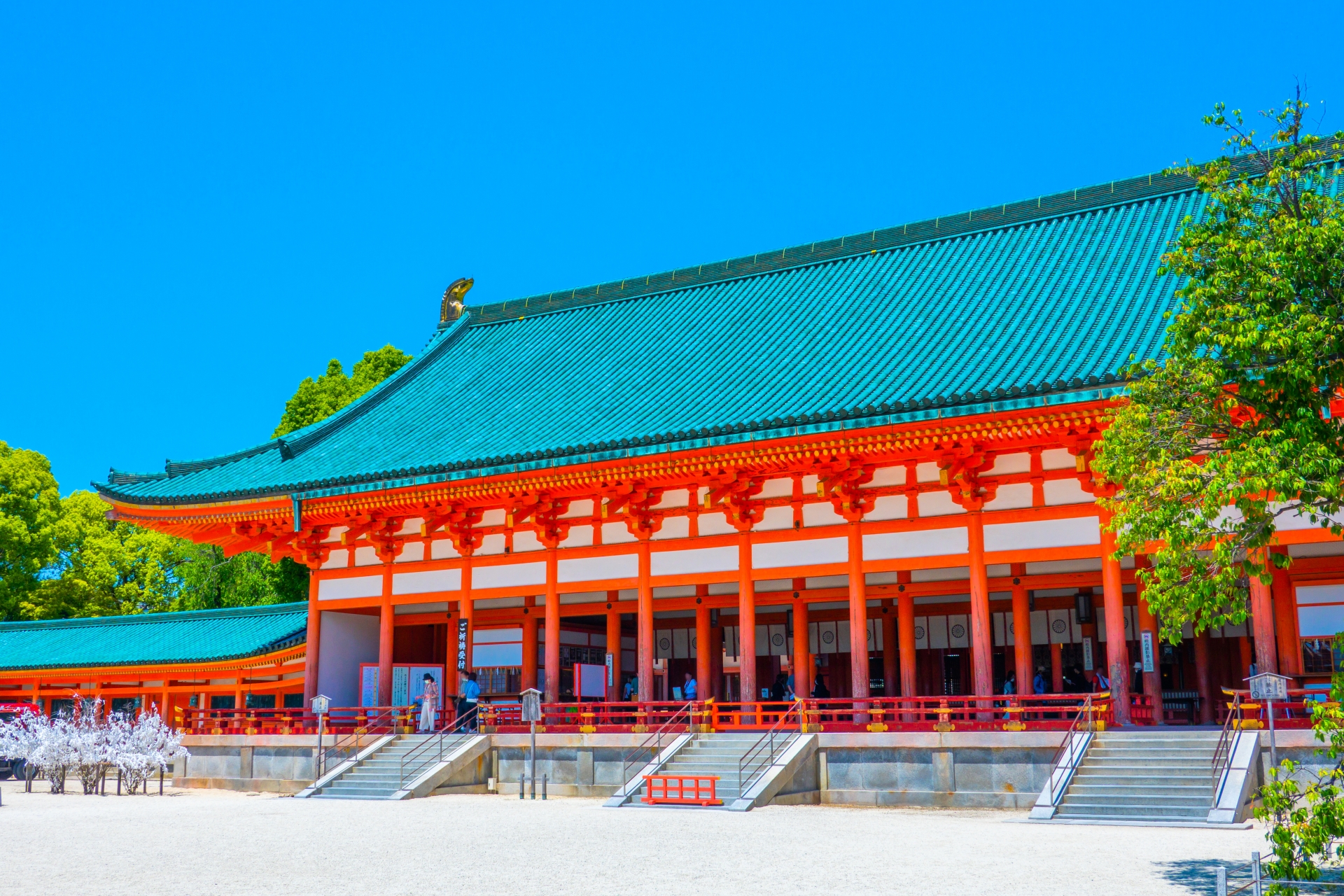
In modern Japan, bean-throwing is practiced both in private homes and at public events. In a typical household, one family member may wear an oni (demon) mask while others throw roasted soybeans. The beans are usually thrown first outside the home to drive away misfortune, and then inside to invite good fortune.
As the beans are thrown, participants chant, “Oni wa soto! Fuku wa uchi!” meaning “Demons out! Good fortune in!” After the ritual, people traditionally eat the roasted beans—often one bean for each year of their age, sometimes plus one for the coming year—to pray for health and longevity. Eating the beans is believed to internalize the protective power of the ritual.
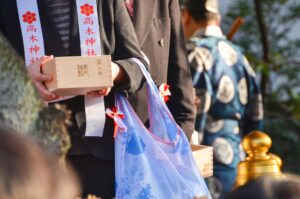
At temples and shrines across Japan, large-scale mamemaki events are held every year. Priests, local leaders, celebrities, and sumo wrestlers may throw beans to crowds, transforming the ritual into a communal celebration that blends religious tradition with festive excitement.
Foods Commonly Eaten During Setsubun
Food is an important part of Setsubun beyond bean-throwing itself. Eating fukumame after the ritual is believed to bring good health and fortune throughout the year.
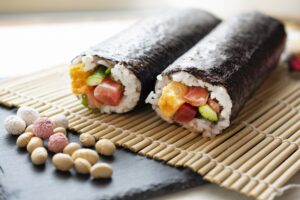
Another food closely associated with Setsubun is ehōmaki, a thick sushi roll eaten while facing the year’s lucky direction, known as ehō. Although this custom became widespread only in recent decades and is often linked to commercial promotion, it has become a familiar element of modern Setsubun celebrations and reflects how traditional events continue to evolve.
Bean-Throwing in Culture and Public Events

Today, bean-throwing is not only a household ritual but also a public cultural event. Large Setsubun celebrations at temples and shrines attract both locals and visitors, combining traditional religious elements with entertainment and tourism.
The participation of well-known figures such as actors, athletes, or local officials adds visibility and excitement to these events. Through such gatherings, mamemaki functions as a shared cultural experience that connects communities while preserving the symbolic purpose of warding off misfortune and welcoming renewal.
Conclusion
Bean-throwing may seem simple, but its meaning is layered with history, language, and ritual intention. From court-based disaster-prevention ceremonies to family customs and public festivals, mamemaki reflects Japan’s deep awareness of seasonal change and the human desire to protect life from unseen threats.
Whether practiced quietly at home or celebrated at a crowded shrine, bean-throwing remains a vivid expression of Japanese cultural continuity—one that balances tradition and transformation. For anyone seeking to understand Japan’s seasonal customs and symbolic thinking, Setsubun and mamemaki offer a meaningful and accessible starting point.