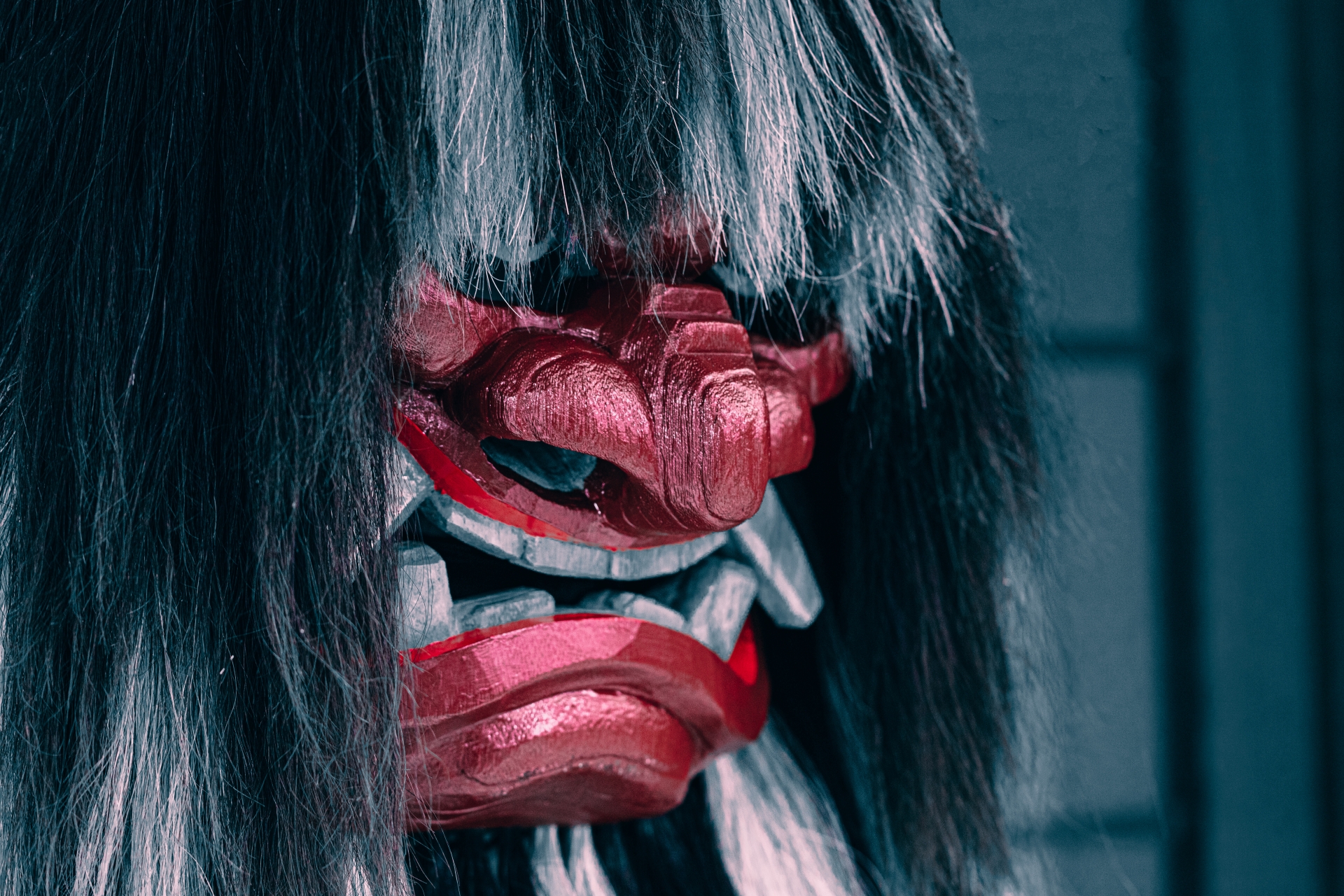
Often translated simply as “demons,” Oni are among the most recognizable figures in Japanese folklore. Their horned heads, sharp fangs, and fearsome expressions appear in myths, festivals, temple art, and modern pop culture. However, the symbolism of Oni extends far beyond fear and violence. In Japanese cultural thought, Oni represent internal human struggles, moral imbalance, and psychological states rather than purely external evil forces.
This article explores the deeper symbolism of Oni—from their mythological origins and evolving meanings to color symbolism, purification rituals like Setsubun, and modern reinterpretations. By understanding Oni symbolically, we can see why these figures remain powerful tools for reflection, self-awareness, and cultural identity in Japan today.


What Do Oni Symbolize in Japanese Culture?
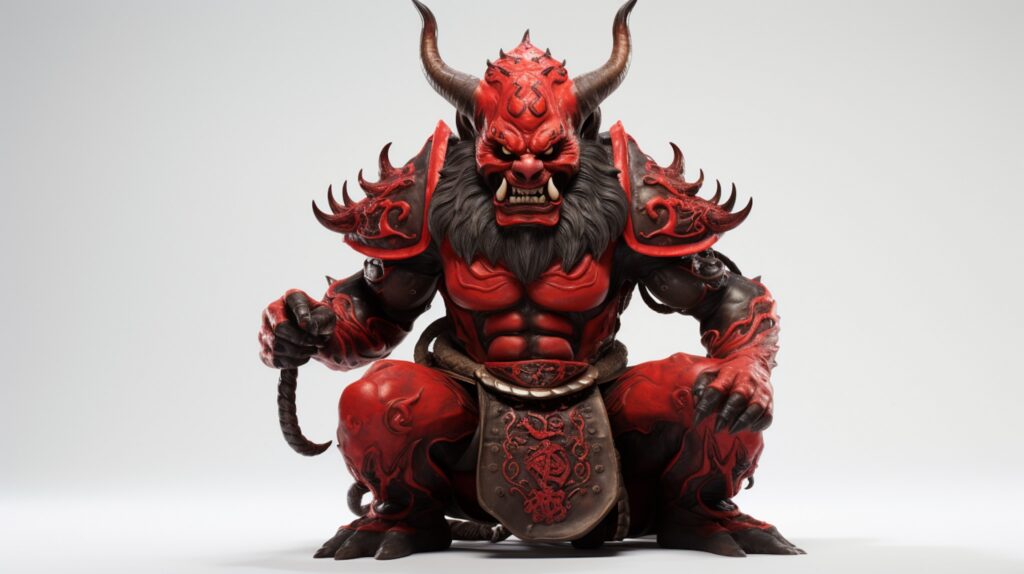
In Japanese culture, Oni symbolize the darker aspects of human nature rather than supernatural monsters acting independently of humanity. They are often understood as embodiments of intense emotions such as anger, greed, jealousy, fear, and arrogance. Instead of being born evil, Oni are frequently portrayed as humans who have lost control of their emotions or moral compass.
Folklore uses Oni as moral mirrors. A cruel leader, a dishonest official, or a person consumed by desire may be described metaphorically as an Oni. In this way, Oni serve as cautionary figures, reminding society of the dangers of excess and imbalance. This symbolic role makes Oni closer to moral allegories than to absolute embodiments of evil.
For Western readers, it is helpful to think of Oni not as enemies to defeat, but as representations of what happens when human emotions dominate reason. Their presence in stories teaches restraint, humility, and ethical behavior—values deeply rooted in Japanese cultural philosophy.
Origins of Oni Symbolism in Japanese Mythology
The symbolism of Oni developed gradually through a fusion of indigenous beliefs, Buddhist philosophy, and influences from continental Asia. Early Oni were not physical beings but invisible spirits associated with illness, natural disasters, and unexplained misfortune. These early forms emphasized fear of the unseen rather than visual terror.
As cultural exchange increased, Oni gained physical characteristics—horns, claws, wild hair, and iron clubs—making abstract fears visible and tangible. Buddhism played a major role in shaping Oni imagery, particularly through concepts of karma and punishment. In Buddhist hells, Oni often act as enforcers of justice, punishing wrongdoers according to their actions in life.
Shinto beliefs further framed Oni as symbols of impurity and imbalance. In a worldview that values harmony, Oni naturally came to represent forces that disrupt order. Their evolution from unseen spirits to vivid figures reflects Japan’s desire to visualize and confront internal and societal disorder.
Are Oni Always Evil? The Dual Nature of Oni
Although Oni are commonly portrayed as destructive, they are not always evil in an absolute sense. Japanese folklore includes many examples of Oni who change, repent, or even protect humans. Some Oni become guardians of temples or sacred spaces after being subdued or enlightened, symbolizing transformation rather than annihilation.
This duality reflects a key lesson: negative forces are not meant to be destroyed, but understood and controlled. Oni represent human flaws taken to extremes, yet those same flaws can be redirected toward strength, discipline, and wisdom. The message is deeply psychological—evil is not external, but something that arises within and can be transformed.
Thus, Oni function less as villains and more as teachers. They remind people that unchecked emotions lead to suffering, but self-awareness and balance can lead to growth.
Color Symbolism of Oni: What Each Color Represents
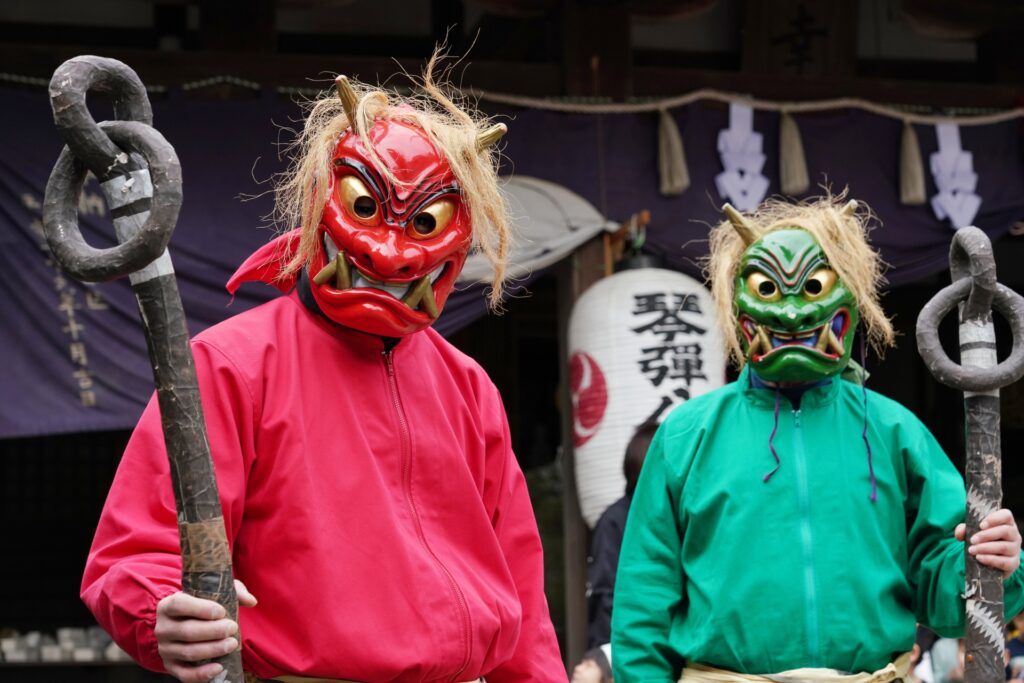
Oni appear in various colors, each representing a specific mental state or moral weakness. This color symbolism is closely linked to Buddhist ideas of mental afflictions and imbalance. Rather than random design choices, these colors act as visual shorthand for internal struggles that people face in daily life.
Red Oni – Greed, Desire, and Excessive Craving
Red Oni symbolize intense desire, greed, and uncontrolled passion. They represent obsession with wealth, power, status, or pleasure beyond what is necessary. Red Oni teach the dangers of attachment and excess, emphasizing the importance of moderation and contentment.
Black Oni – Doubt and Distrust
Black Oni represent suspicion, fear, and loss of trust. They symbolize a closed heart—one dominated by doubt toward others and oneself. This form of Oni warns against emotional isolation and encourages openness, communication, and trust.
Green Oni – Lethargy and Physical Imbalance
Green Oni symbolize fatigue, laziness, and neglect of physical well-being. They reflect stagnation of both body and mind, reminding people that mental clarity depends on physical health and balanced daily habits.
Yellow Oni – Restlessness and Mental Distraction
Yellow Oni represent mental agitation, restlessness, and inability to focus. They are associated with anxiety and scattered thoughts. Confronting the Yellow Oni symbolizes the desire to regain calmness, concentration, and emotional stability.
Why Oni Appear in Setsubun: The Meaning of Bean-Throwing Rituals

Setsubun is a traditional seasonal ritual marking the transition into spring. During this ceremony, people throw roasted soybeans while chanting “Oni wa soto, fuku wa uchi” (“Demons out, fortune in”). Symbolically, Oni represent misfortune, negative emotions, and internal imbalance accumulated over the past year.
The act of throwing beans is not about attacking external demons, but about purification and renewal. It is a physical expression of self-reflection—acknowledging one’s flaws and actively choosing to let them go. Setsubun reinforces the idea that Oni are internal obstacles rather than literal enemies.

Which Oni Should You Throw Beans At? A Guide Based on Your State of Mind
Throw Beans at Red Oni When…
You feel consumed by anger, desire, or material obsession. This ritual symbolizes reclaiming self-control and emotional balance.
Throw Beans at Black Oni When…
You struggle with fear, distrust, or constant self-doubt. Casting out the Black Oni represents restoring openness and confidence.
Throw Beans at Green Oni When…
You feel physically exhausted or unmotivated. This act symbolizes resetting unhealthy habits and prioritizing well-being.
Throw Beans at Yellow Oni When…
Your mind feels restless or unfocused. Driving away the Yellow Oni reflects the desire for inner calm and clarity.
Psychological Interpretation: Oni as Mirrors of the Human Mind
From a psychological perspective, Oni function as projections of suppressed emotions and fears. They closely resemble the concept of the shadow self—the parts of our personality we deny or avoid. By externalizing these traits, Oni make inner conflicts easier to confront.
This symbolic structure is universal. Many cultures create monsters to represent internal struggles, but Oni are unique in how explicitly they encourage reflection rather than fear. They invite people to recognize their flaws, not to destroy them, but to understand and integrate them.
Modern Symbolism of Oni in Anime, Art, and Tattoos
In modern culture, Oni symbolism has shifted dramatically. Rather than representing fear alone, Oni are now depicted as heroes, anti-heroes, and protectors. In art and tattoos, Oni symbolize strength, resilience, rebellion, and self-acceptance.
This transformation reflects a global trend toward embracing one’s shadow rather than denying it. Modern Oni imagery celebrates authenticity and emotional honesty, making Oni powerful symbols of personal identity in contemporary Japan and beyond.
Conclusion: Understanding the True Meaning of Oni
Oni are not merely demons to be feared or defeated. They are symbolic representations of human weakness, imbalance, and emotional excess—forces that exist within everyone. Through myth, ritual, and modern reinterpretation, Oni teach that self-awareness and balance lead to growth.
Setsubun, color symbolism, and evolving cultural depictions all reinforce one message: Oni are not enemies, but mirrors. By understanding Oni, we gain deeper insight into ourselves—and that is why Oni remain enduring symbols in Japanese culture today.