Many English speakers recognize the word shogun from movies, games, anime, or historical novels, yet far fewer know its full and formal title: Seii Taishōgun (征夷大将軍). The shortened word “shogun” sounds simple, but behind it lies a layered meaning shaped by language, court politics, and centuries of Japanese history.
Understanding the Seii Taishogun meaning helps clarify common confusions: Was a shogun a king? Why does the title refer to “subduing” certain peoples? And how did a court-appointed general become the most powerful political figure in Japan for hundreds of years? This article explains the literal translation, kanji-by-kanji meaning, pronunciation, and historical evolution of the title—from its origins in early military expeditions to its role as the foundation of Japan’s warrior governments.


What Does “Seii Taishōgun” Mean? (Literal Translation)
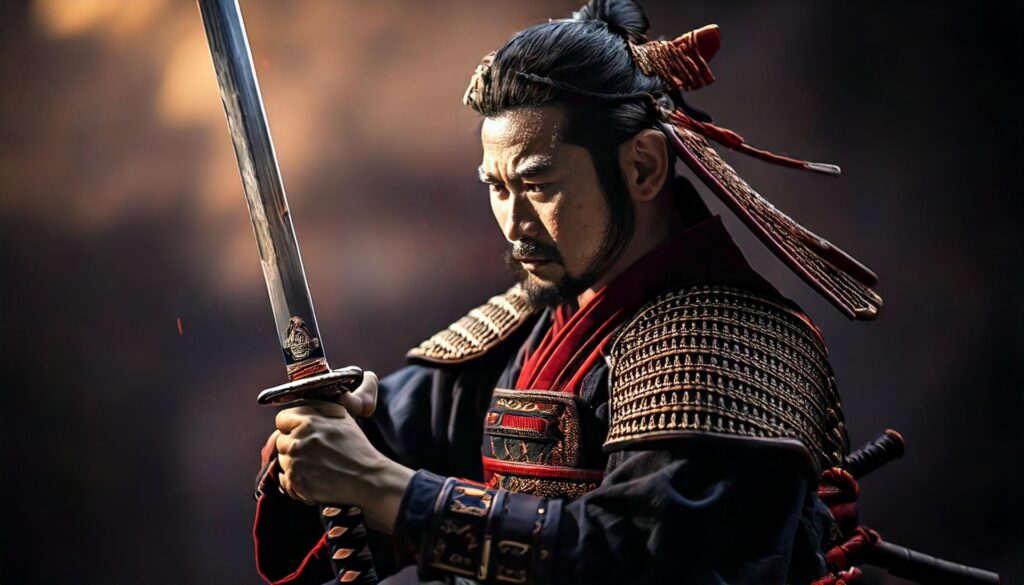
At its most basic level, Seii Taishōgun is a descriptive title rather than a personal rank. In natural modern English, it can be translated as:
“Great General Who Subdues Peoples Outside Imperial Control”
“Commander-in-Chief of Expeditions Against Non-Court Peoples”
These translations reflect the original function of the title. It was not created to mean “ruler of Japan,” but to designate a high-ranking general entrusted with a specific military mission ordered by the imperial court.
Historical translation note (necessary clarification):
In older English-language sources, Seii Taishōgun is sometimes translated as “Great General Who Subdues the Barbarians.” The word barbarian reflects the viewpoint of the ancient imperial court and its political boundaries. It does not imply ethnic inferiority or cultural primitiveness in a modern sense.
Over time, English speakers shortened this long formal title to simply shogun, which is now the commonly recognized term worldwide.
TL;DR
Seii Taishōgun literally refers to a great general appointed to extend imperial authority over frontier regions, not a hereditary ruler or “king” of Japan.
Kanji Breakdown of 征夷大将軍 (Seii Taishōgun)
To fully understand the Seii Taishogun meaning, it helps to examine each character individually. Japanese titles often function like compact sentences, and this one is no exception.
| Kanji | Reading | Core Meaning | Notes |
|---|---|---|---|
| 征 | sei | to campaign | implies a military expedition |
| 夷 | i | outsiders | peoples outside court authority |
| 大 | tai | great | denotes high rank |
| 将 | shō | commander | military leader |
| 軍 | gun | army | armed forces |
Together, these characters describe a high-ranking military commander leading expeditions against peoples beyond imperial administration.
Important clarification:
While 夷 (i) has historically been rendered as “barbarian” in some English translations, modern historians emphasize that the term expressed political distance, not ethnicity, race, or cultural worth.
About the Word “i / 夷”: Political Distance, Not Ethnicity
The character i (夷) was a court-centered term used in ancient Japan to describe groups living beyond the reach of imperial governance. It did not describe race or ethnic origin. Instead, it marked whether a group was incorporated into the state’s administrative and tax systems.
For this reason, contemporary scholarship often uses expressions such as “peoples outside imperial control,” “frontier communities,” or “non-court peoples.” These terms better convey the historical reality without importing modern value judgments.
Who Were the Emishi (蝦夷)?
The Emishi were peoples who lived primarily in northeastern Honshu during the Nara and early Heian periods. They were not culturally primitive or ethnically defined as inferior, but communities that existed outside the effective control of the Yamato imperial court.
Historical records describe the Emishi as skilled horse riders with distinct weapons, clothing styles, and clan-based social structures. These differences were interpreted by court chroniclers through a political lens, emphasizing administrative non-integration rather than cultural hierarchy.
Because the Emishi did not pay taxes to the state or follow imperial governance systems, they became the focus of military expeditions aimed at extending court authority into frontier regions.
Modern historians avoid equating the Emishi with any single contemporary ethnic group. The term should be understood strictly within its historical context.
The Emishi and the Origin of the Seii Taishōgun Title
The title Seii Taishōgun was originally created for generals tasked with leading military campaigns against frontier peoples such as the Emishi. In its earliest usage, the title was temporary and mission-specific.
Once an expedition ended, the title could be revoked or reassigned. It did not initially signify nationwide authority or permanent political power. Instead, it functioned as an operational appointment tied to a specific geographic and military objective.
This original context explains why the title emphasizes “Seii” (campaigning against external groups) rather than governance.
Pronunciation: How to Say Seii Taishōgun
Correct pronunciation is another frequent question related to the Seii Taishogun meaning.
Japanese (kana): せいいたいしょうぐん
Romaji: Seii Taishōgun / Sei-i Taishogun
English approximation: say-ee tie-SHOH-goon
You may encounter spellings such as Shogun or Shōgun. In most English writing, long vowel markers (ō) are omitted for readability and search optimization, even though they exist in precise romanization systems.
Shogun vs. Seii Taishōgun: What’s the Difference?
The difference between shogun and Seii Taishōgun lies mainly in formality and scope.
| Term | Japanese | Literal Meaning | Usage |
|---|---|---|---|
| Shogun | 将軍 | general | common / English usage |
| Seii Taishōgun | 征夷大将軍 | great general leading frontier campaigns | official / historical |
In short, shogun is a shortened form, while Seii Taishōgun is the full ceremonial title granted by the imperial court.
How the Title Evolved: From Frontier Campaigns to Military Government
The meaning of Seii Taishōgun changed dramatically over time. In the early Heian period, it described a mission-based military commander. By the Kamakura period, it had become a symbol of samurai authority. In the Edo period, it formed the institutional foundation of a long-lasting military government.
This transformation illustrates how a temporary operational title evolved into a permanent political role, even as the emperor remained the formal sovereign.
1192 and Minamoto no Yoritomo: Why This Appointment Matters
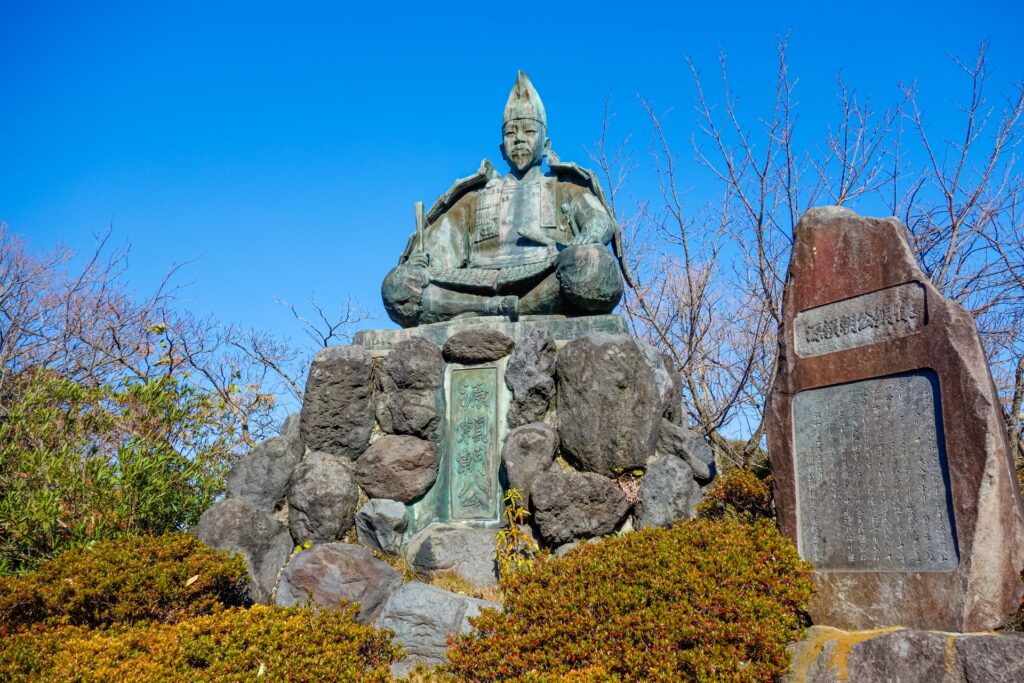
In 1192, Minamoto no Yoritomo was appointed Seii Taishōgun. This moment is emphasized in popular history because the title became permanently associated with political authority.
By this time, frontier campaigns were no longer the primary focus. Instead, the title legitimized control over Japan’s warrior class, establishing a precedent for future shogunates.
1603 and Tokugawa Ieyasu: The Title in the Edo Period
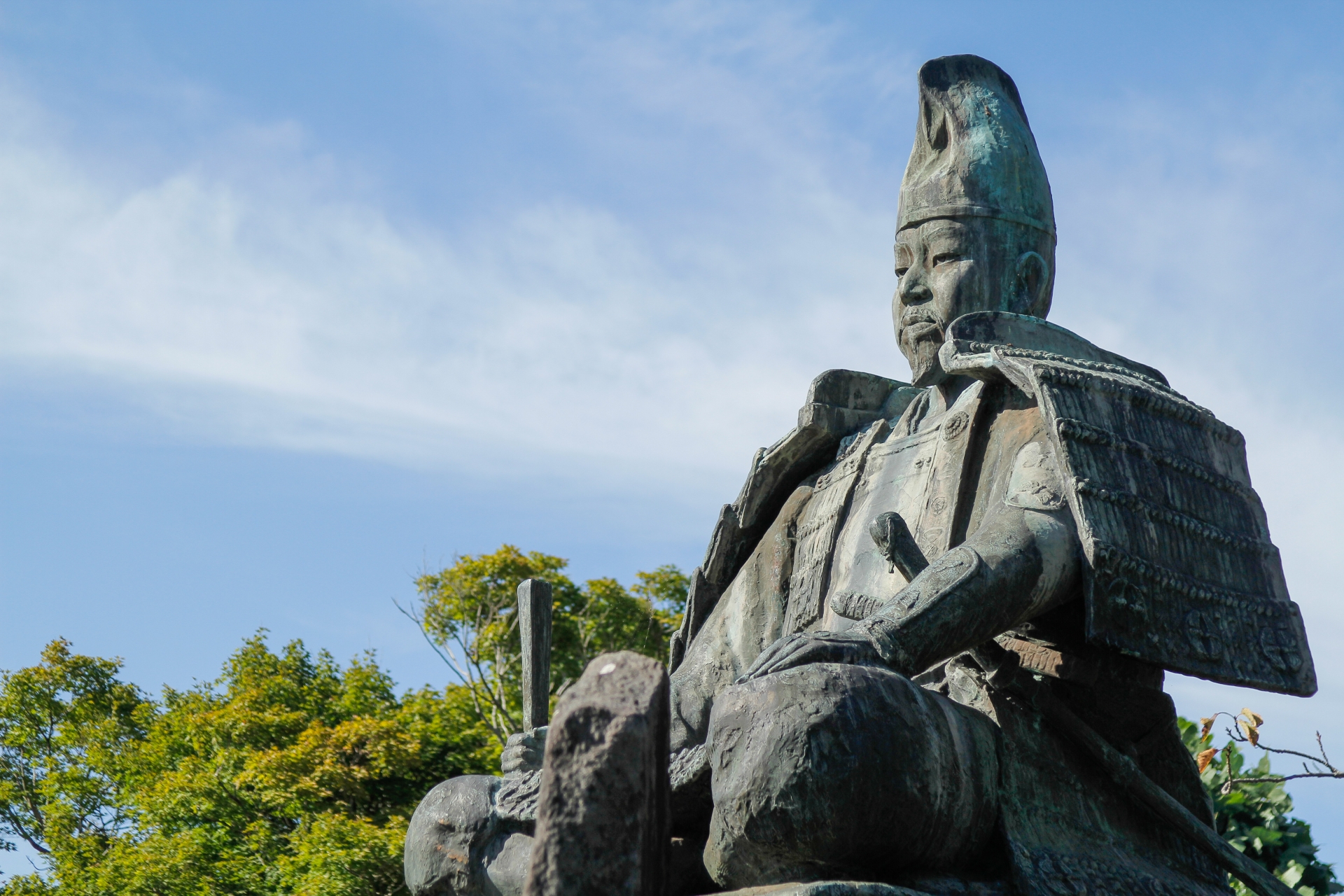
In 1603, Tokugawa Ieyasu received the title Seii Taishōgun, marking the beginning of the Edo period. Under the Tokugawa shogunate, the title became fully institutionalized and remained central to governance for over 260 years.
At this stage, Seii Taishōgun and shogun were effectively synonymous with the head of Japan’s military government, while the emperor continued to serve as the symbolic source of legitimacy.

Common Misconceptions (and Quick Corrections)
Was the shogun the king of Japan?
No. The emperor remained the sovereign; the shogun governed in practice.
Did the emperor have no power?
The emperor retained cultural and legitimizing authority even when political power was limited.
Was Seii Taishōgun always about ruling Japan?
No. It began as a mission-specific military appointment.
Did it originally refer to campaigns against the Emishi?
Yes. The earliest use of the title was directly tied to frontier expeditions.
FAQ: Seii Taishōgun Meaning
What does Seii Taishōgun literally mean?
A great general appointed to lead campaigns extending imperial authority into frontier regions.
Who were the Emishi?
Peoples living in northeastern Japan who were outside early imperial administration.
Why were they labeled as “i (夷)”?
The term reflected political and administrative distance, not ethnicity or cultural value.
How do you pronounce Seii Taishōgun?
Say-ee tie-SHOH-goon.
When did the title stop being about frontier campaigns?
By the Kamakura period, particularly after 1192.
Conclusion: From Frontier Campaigns to the Shogunate
The Seii Taishogun meaning reveals more than a literal translation. It shows how language, political authority, and historical context evolve together. What began as a temporary title for military expeditions into frontier regions became the foundation of Japan’s warrior governments for centuries. Understanding this transformation deepens our appreciation of how historical terms reflect changing structures of power—and why careful translation matters today.