Sanganichi is a key concept for understanding how the New Year is welcomed in Japan. While many cultures celebrate New Year’s Day as a single event, Japan treats the beginning of the year as a short but meaningful season. Sanganichi refers to the first three days of January, a period that strongly influences daily life, family schedules, business operations, and traditional customs.
This article is designed for readers who may be unfamiliar with Japanese New Year traditions, including travelers, language learners, and writers introducing Japanese culture to an English-speaking audience. By the end, you will understand not only what sanganichi means, but also why it matters, how people spend these days, and what to expect if you are in Japan during this special time.


What Does Sanganichi Mean?
Sanganichi (三が日, pronounced san-gah-nee-chee) literally means “the three days.” In modern usage, it refers specifically to January 1st, 2nd, and 3rd—the first three days of the new year. These dates form the core of the Japanese New Year period and are considered the most important days for welcoming the year ahead.
Sanganichi is closely connected to oshōgatsu, the Japanese New Year season. Rather than being a single national holiday, sanganichi functions as a short seasonal period during which the pace of life slows down. Many offices, schools, and small businesses close entirely, while others operate on reduced hours. For many people, this is the longest continuous break of the year.
It is important to understand that sanganichi is not defined by law as one holiday. Instead, it is a culturally recognized timeframe that shapes behavior and expectations. People prioritize family time, rest, and traditional practices, and there is a shared understanding that normal routines will resume only after January 3rd.
Sanganichi in Japanese Culture
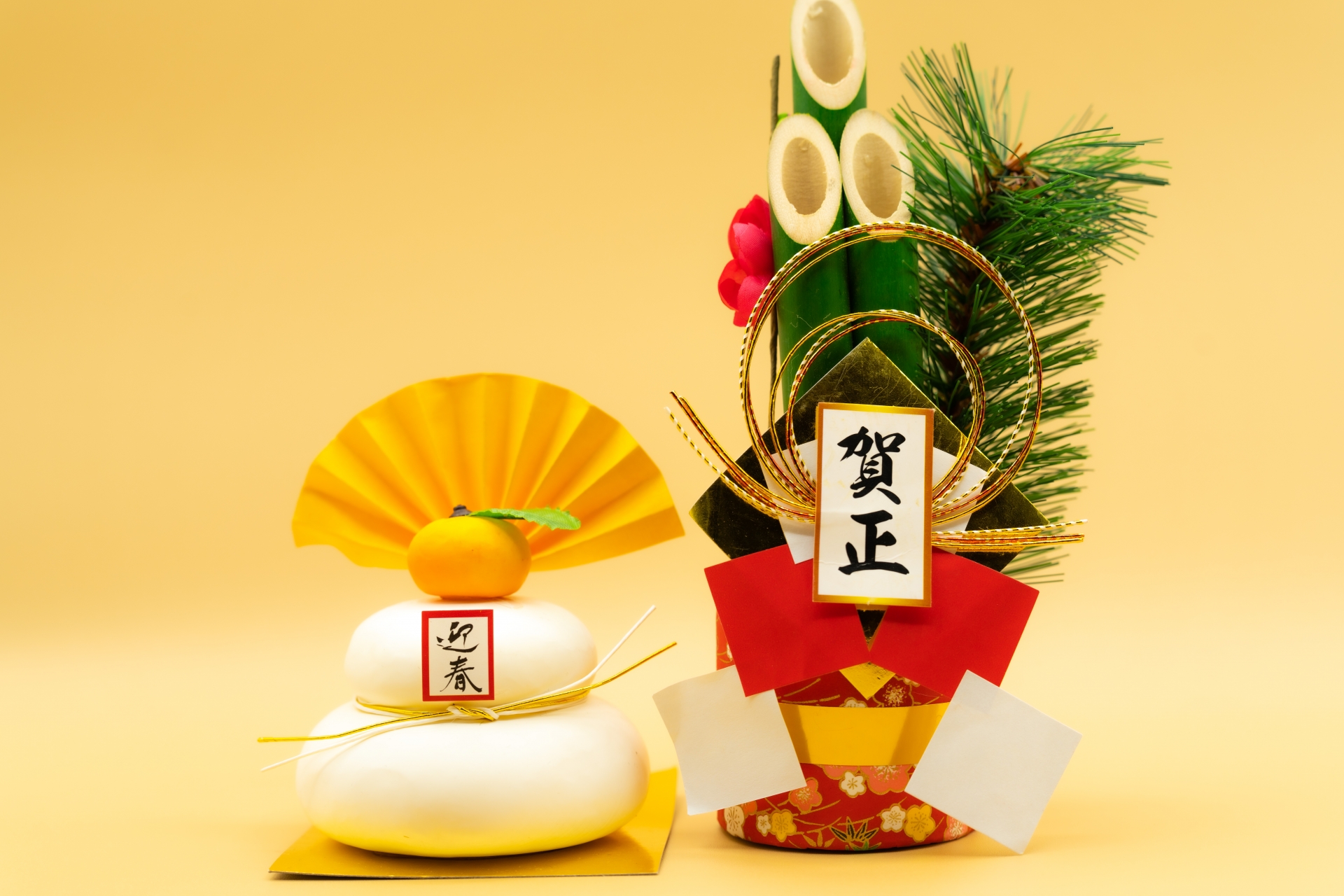
The cultural roots of sanganichi are deeply tied to traditional beliefs about the New Year. In Japanese folklore, the New Year is associated with Toshigami, a deity believed to visit households at the start of the year to bring good fortune, health, and a successful harvest. Because of this belief, the New Year is treated as a time when the home should be calm, clean, and welcoming.
This is why many Japanese people complete major cleaning, cooking, and work tasks before January 1st. By the time sanganichi begins, the focus shifts away from productivity and toward rest and reflection. Spending time quietly with family, eating prepared foods, and avoiding unnecessary stress are all seen as ways to show respect for the New Year.
Culturally, sanganichi represents a “reset.” It is a symbolic pause between the old year and the new one, allowing people to start fresh both mentally and emotionally. Even in modern Japan, where lifestyles are busy and urban, this idea of a calm and mindful beginning remains strong.
Holiday Customs and Rituals During Sanganichi
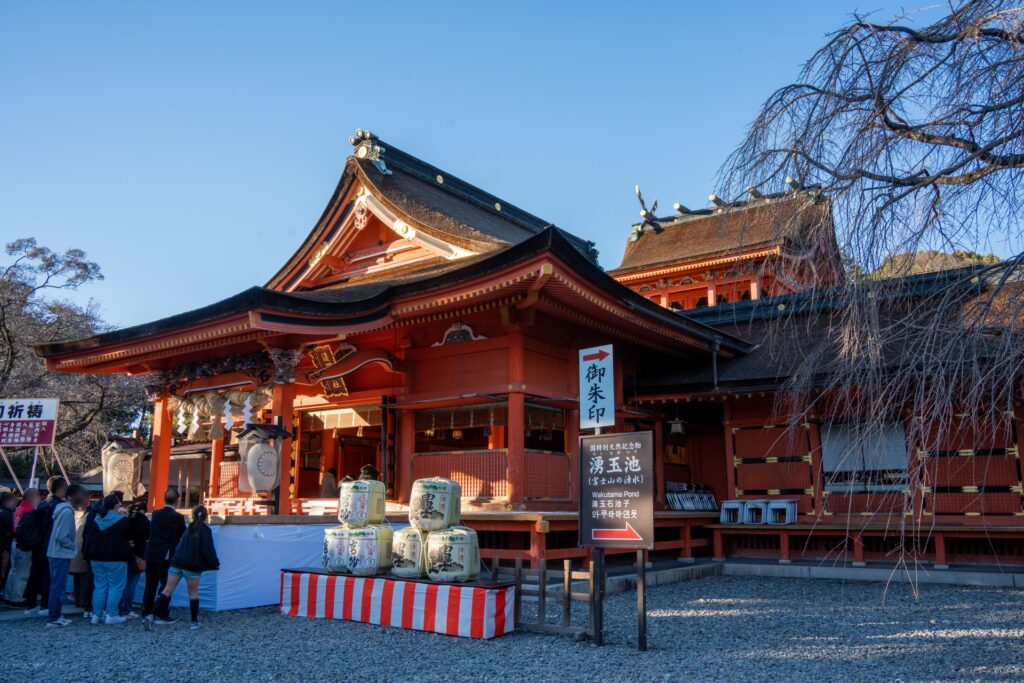
During sanganichi, several well-known customs take place. These traditions are not just activities, but expressions of gratitude, hope, and connection with family and society.
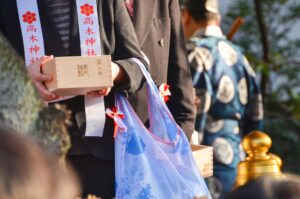
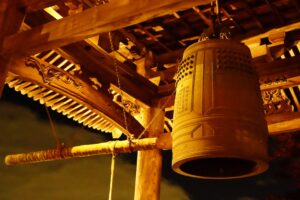
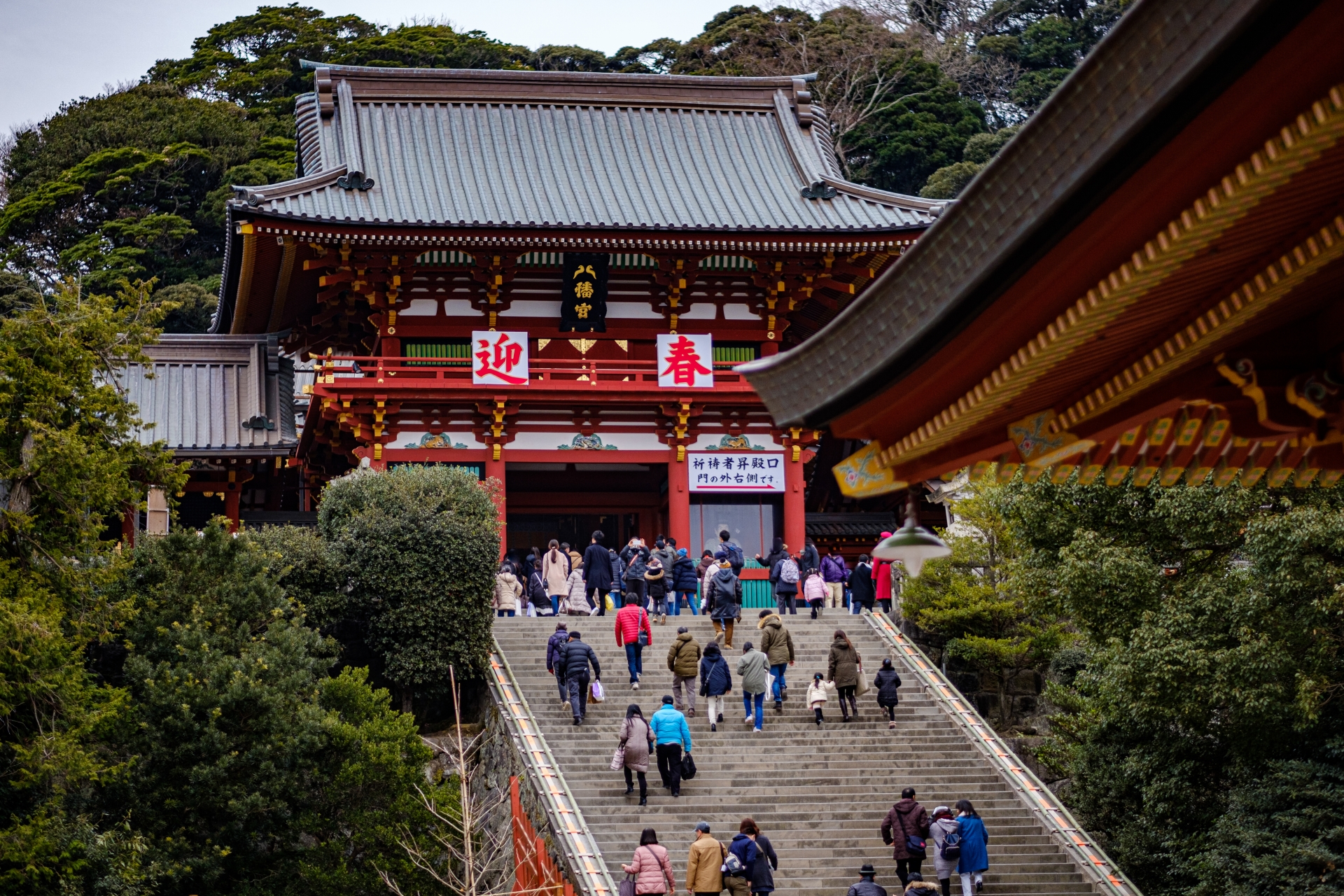
Hatsumode is the first visit of the year to a shrine or temple. People pray for health, happiness, and success, often buying lucky charms or drawing fortune slips. Shrines can become extremely crowded during these three days.
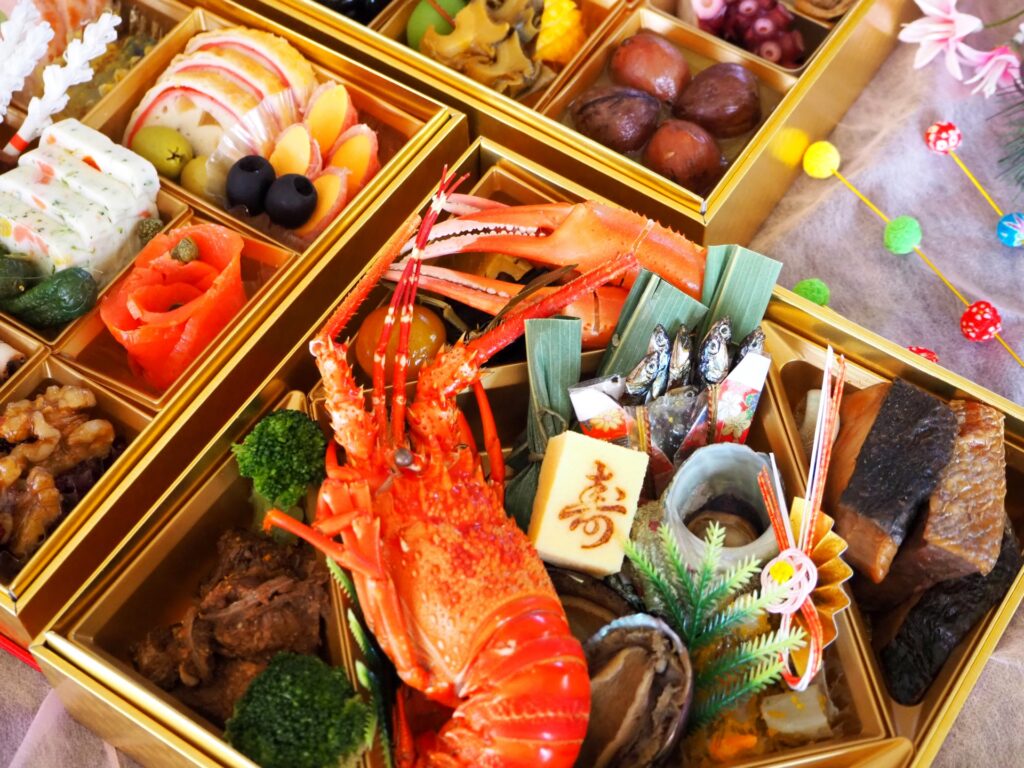
Osechi ryōri refers to special New Year dishes prepared in advance and eaten over several days. Each item has a symbolic meaning, such as long life, prosperity, or family harmony.
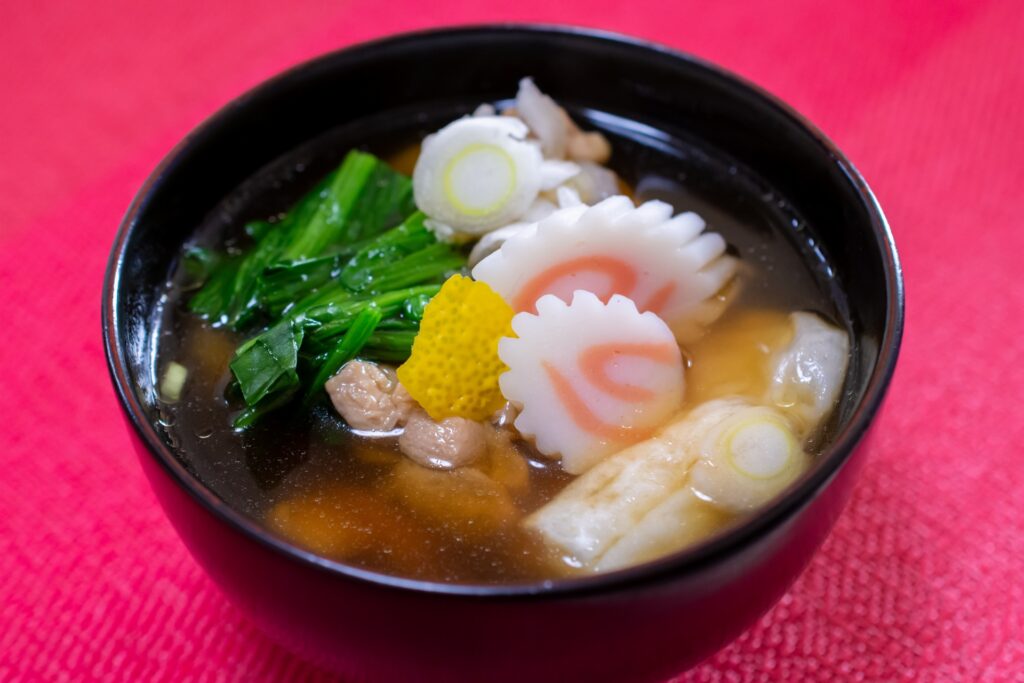
Ozōni is a traditional soup containing mochi (rice cakes). The ingredients vary by region, but it is commonly eaten on New Year’s Day as a symbolic first meal of the year.
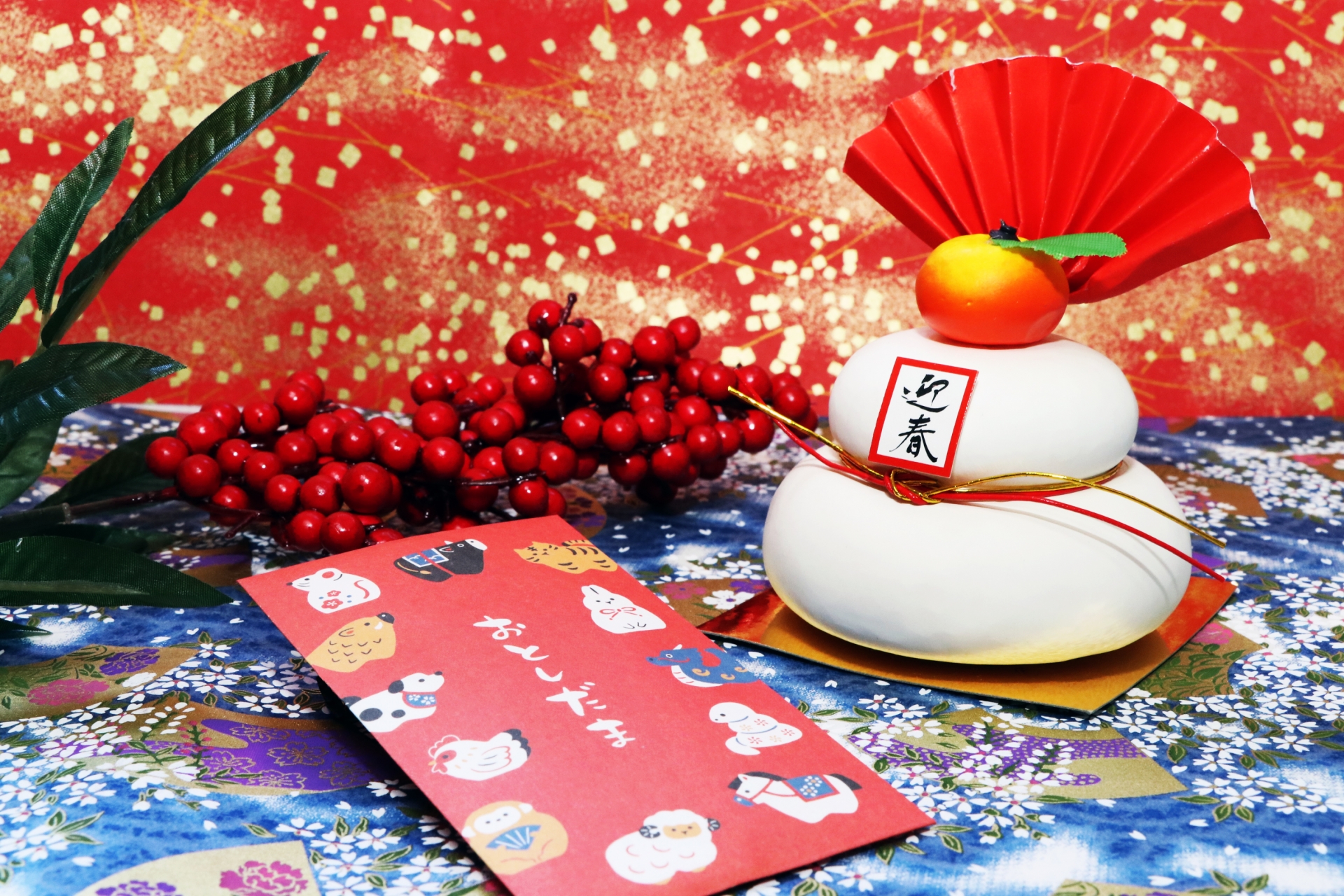
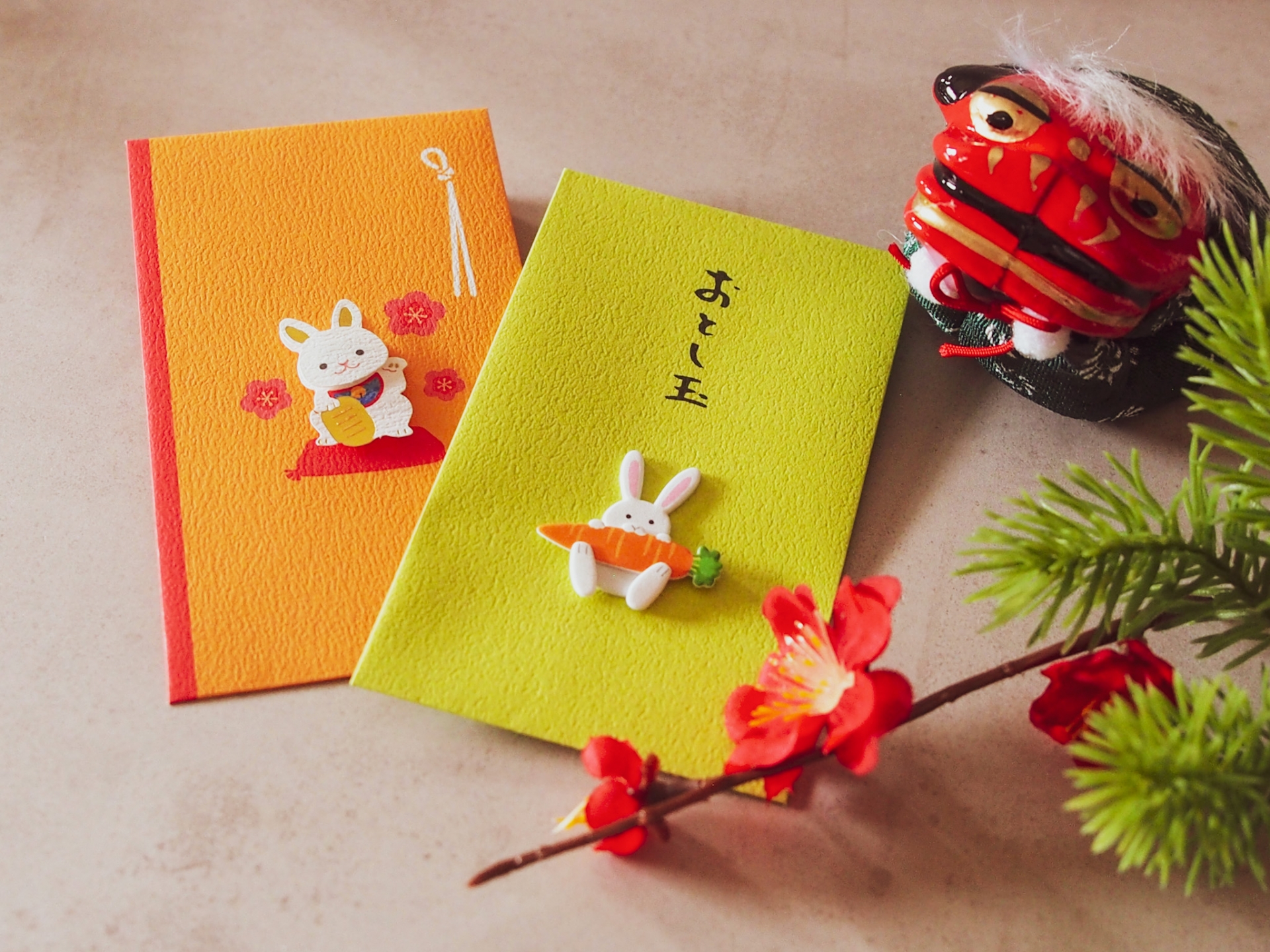
Otoshidama is the custom of giving money to children in decorative envelopes. It plays a role similar to gifts in other cultures and is often one of the highlights for younger family members.
Hatsuhinode, the first sunrise of the year, is viewed as especially auspicious. Some people wake up early or travel to scenic spots to watch it as a way of welcoming good fortune.
Things You Should Avoid During Sanganichi
Many of the “rules” associated with sanganichi are better understood as traditional taboos rather than strict modern obligations. They reflect the underlying value of maintaining calm and avoiding disruption at the start of the year.
Cleaning and taking out trash during sanganichi is traditionally avoided because it symbolizes sweeping away good luck. For the same reason, laundry and heavy water-related chores were once discouraged, especially on January 1st.
Using knives or starting major cooking tasks is also traditionally avoided. This is why osechi dishes are prepared in advance—so that families can rest instead of working in the kitchen.
Beginning major work projects or stressful activities is similarly discouraged. The idea is that how you start the year influences how the rest of it will go. A peaceful beginning is believed to lead to a smoother year overall.
Today, many people do not strictly follow these practices, but the general spirit of taking things slowly still remains.
A Typical Way to Spend January 1st to 3rd in Japan
The following example shows a common pattern for sanganichi, but it is not a rule. Each household celebrates differently, and lifestyles vary by region and generation.
January 1st (New Year’s Day)
January 1st is the most important day of the year. Families greet each other with formal New Year’s wishes, eat osechi and ozōni, and often visit a shrine for hatsumode. Children receive otoshidama, and the day carries strong symbolic meaning as the official start of the year.
January 2nd
The second day is more relaxed. People may visit relatives, watch special New Year television programs, or go shopping during hatsu-uri, the first sales of the year. The atmosphere is still festive but less formal than January 1st.
January 3rd
January 3rd serves as a transition day. Some people make final shrine visits, while others begin preparing for work or school. Families finish remaining New Year foods, and those who traveled return home. By the evening, the mood starts shifting back toward normal life.
What Sanganichi Is Like Today
In modern Japan, sanganichi blends tradition with convenience. Public transportation usually operates on holiday schedules, convenience stores remain open, and large retail chains often resume business earlier than small shops. However, many offices and government services stay closed until after January 3rd.
For travelers, sanganichi can be both rewarding and challenging. Shrines and temples are lively and culturally rich, but also extremely crowded. Accommodation prices may be higher, and some restaurants or attractions may be closed. Planning ahead is essential.
Despite these changes, the core idea of sanganichi remains intact: it is a time to slow down, reflect, and begin the year with intention.
Frequently Asked Questions (FAQ)
Is sanganichi a public holiday?
Sanganichi itself is not a single public holiday, but January 1st is a national holiday, and many businesses close voluntarily through January 3rd.
Do shops open during sanganichi?
Large stores and convenience stores often open, sometimes with reduced hours. Small, family-run shops may remain closed.
Can tourists visit temples and shrines during sanganichi?
Yes. In fact, sanganichi is the busiest time of year for shrine and temple visits, especially for hatsumode.
Conclusion — Why Sanganichi Matters
Sanganichi is more than just the first three days of January. It reflects core Japanese values such as reflection, gratitude, family connection, and mindful beginnings. By intentionally slowing down at the start of the year, people create space for renewal and balance.
For travelers and cultural learners, understanding sanganichi provides insight into how Japan views time, work, and the rhythm of life. Respecting this period allows you to experience the New Year not just as a date on the calendar, but as a meaningful cultural moment.