The Sakuradamon Incident of 1860 is one of the most pivotal events in Japan’s transition from feudal isolation to modern nationhood. By examining what happened, why it happened, and how it reshaped the political landscape of the Bakumatsu period, this article helps readers understand the assassination of Ii Naosuke and its lasting influence on Japanese history. We also explore the modern site of Sakuradamon Gate, offering historical insight for visitors today.


What Happened During the Sakuradamon Incident?
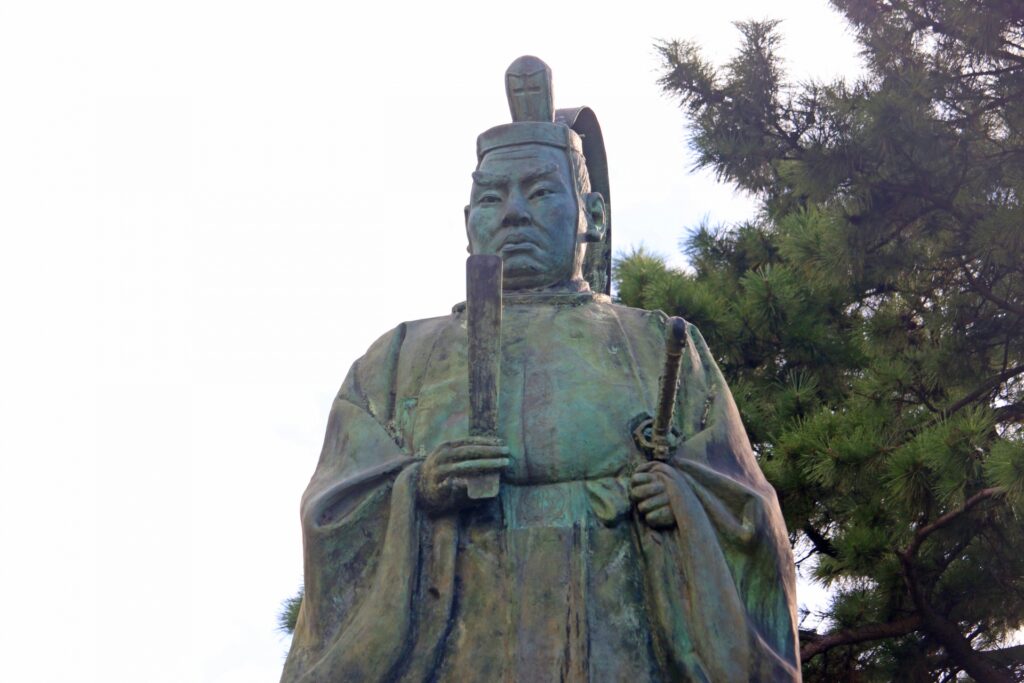
On March 24, 1860, a dramatic act of political violence unfolded outside Sakuradamon Gate, one of the principal entrances to Edo Castle (modern-day Tokyo Imperial Palace). Snow fell that morning as Ii Naosuke, the powerful Tairō (chief senior councilor) of the Tokugawa shogunate, traveled in his official palanquin to attend a government meeting. At around 9:00 a.m., as his procession entered the masugata (square defensive enclosure) of the gate, a coordinated ambush began—executed by 17 samurai from Mito Domain and 1 samurai from Satsuma Domain (Arimura Jizaemon).
Ii Naosuke had become the most polarizing political figure of the late Edo period. As Tairō, he exercised extraordinary authority and made decisions that many considered illegitimate or reckless. His unilateral signing of the Harris Treaty (1858) without imperial approval, along with his enforcement of the Ansei Purge, provoked deep resentment among anti-foreign and pro-imperial factions. Among his harshest critics were samurai from Mito Domain, a center of imperial loyalist ideology and one of the shogunate’s most politically influential branches.
The attackers—armed with swords, spears, and early firearms—struck the guards first. After intense combat, they broke through and reached Ii’s palanquin. Ii was pulled out, fatally wounded, and beheaded on the spot. Several assailants died in the attack, while others escaped into the city. Edo was stunned. This was the most dramatic assassination of a high-ranking shogunate official in generations, and it immediately exposed deep fractures within the Tokugawa regime.
The assassination represented a decisive escalation toward political violence as a tool for national transformation. Foreign observers and newspapers reported the event widely, marking it as a signal of Japan’s unstable political climate on the eve of major historical change.

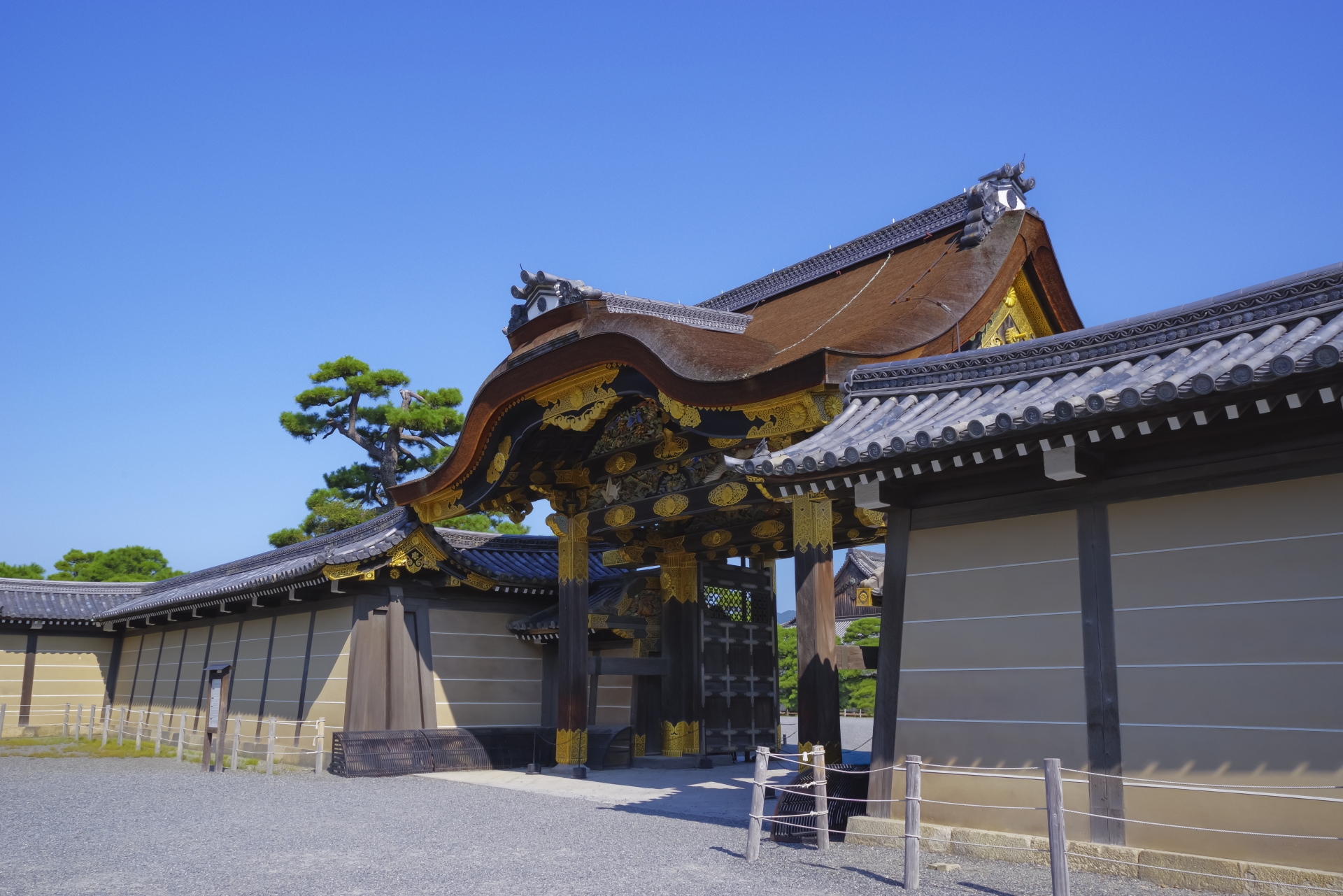
Why the Sakuradamon Incident Occurred — Political and Social Tensions in Bakumatsu Japan
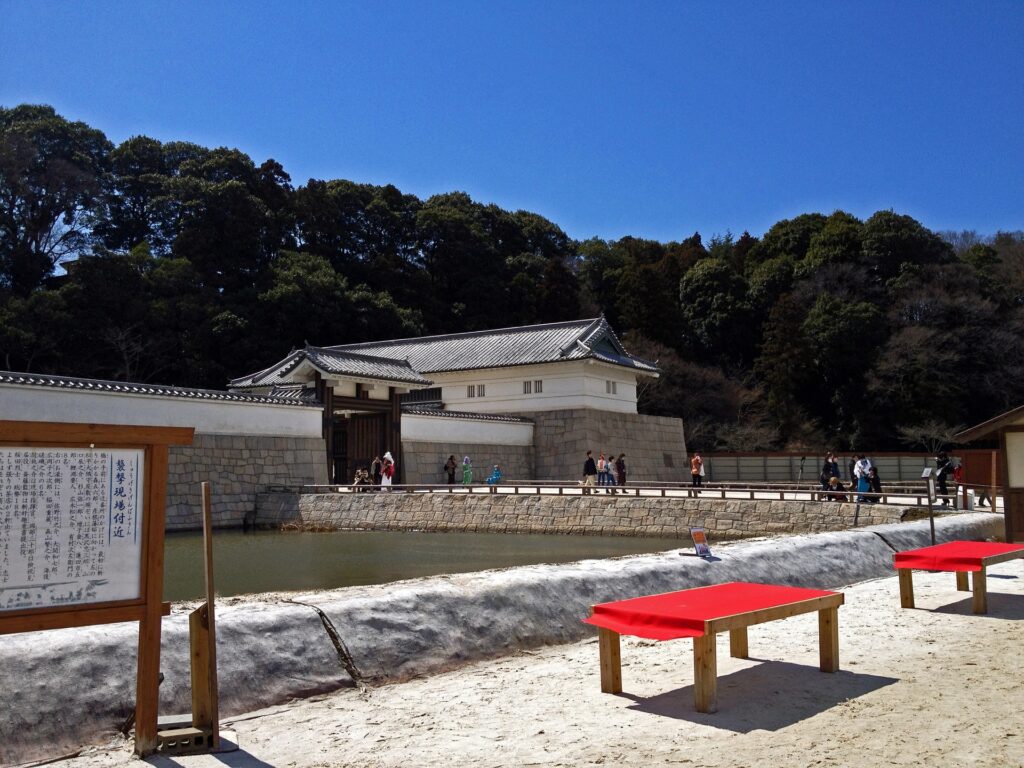
To understand the Sakuradamon Incident, one must consider the immense pressures facing Japan during the Bakumatsu era. By the mid-19th century, Western powers—especially the United States—were forcing Asian nations into unequal trade agreements. Japan’s centuries-long sakoku (closed country) system collapsed after Commodore Perry’s arrival in 1853. Facing overwhelming military disadvantage, Ii Naosuke believed that opening Japan through negotiation was the only realistic way to avoid colonization.
His signing of the Treaty of Amity and Commerce (1858) outraged many samurai, who saw compliance with foreign demands as a betrayal of national sovereignty and a severe insult to the emperor. This anger intensified when Ii launched the Ansei Purge (1858–1859), targeting influential opponents across multiple domains. Daimyō, scholars, and reformists were imprisoned, exiled, or executed. For anti-foreign and pro-imperial activists, Ii became the embodiment of shogunate corruption, weakness, and foreign dependency.
At the heart of the unrest was sonnō jōi—“Revere the Emperor, Expel the Barbarians.” This ideology spanned a wide spectrum, from intellectual critique of the shogunate to radical militancy. Mito Domain, with its tradition of scholarship linking political morality to imperial reverence, nurtured activists who believed the shogunate had forfeited its legitimacy. For many of them, assassination was morally justified as a means of restoring proper national order.
As tensions intensified, political violence became increasingly normalized. The Sakuradamon Incident was not an isolated event but the culmination of escalating ideological, social, and geopolitical pressures. It symbolized Japan’s struggle to reconcile isolationist tradition with the demands of a newly globalized world.
Consequences and Long-Term Impact — A Turning Point Toward the Meiji Restoration
Ii Naosuke’s death created an immediate power vacuum within the Tokugawa government. Already strained by internal divisions, the shogunate lost its strongest and most assertive leader. Without Ii’s authority, the regime drifted toward compromise and indecision, unintentionally empowering radical elements at the imperial court in Kyoto and across influential domains.
The assassination emboldened the shishi (“men of high purpose”), who believed that political violence could reshape Japan’s future. In the years following the incident, attacks against foreigners, shogunate officials, and political moderates increased dramatically. Meanwhile, powerful domains such as Chōshū and Satsuma, once divided or cautious, moved steadily toward anti-shogunate positions—laying the groundwork for the alliances that would ultimately topple Tokugawa rule.
Internationally, the incident underscored Japan’s political instability. Foreign diplomats and merchants grew increasingly concerned as anti-foreign violence spread. Ironically, this instability pushed Japan more urgently toward modernization, particularly in military organization and national governance, as it struggled to manage foreign relations and internal conflict simultaneously.
Thus, the Sakuradamon Incident is widely viewed as a pivotal turning point in Japan’s transformation from a decentralized feudal society into a modern nation-state. It accelerated political polarization, strengthened the imperial loyalist movement, and contributed directly to the chain of events leading to the Meiji Restoration—a revolution that reshaped Japan’s governmental, economic, and social structures.
Sakuradamon Gate Today — Architecture, Cultural Significance, and How to Visit
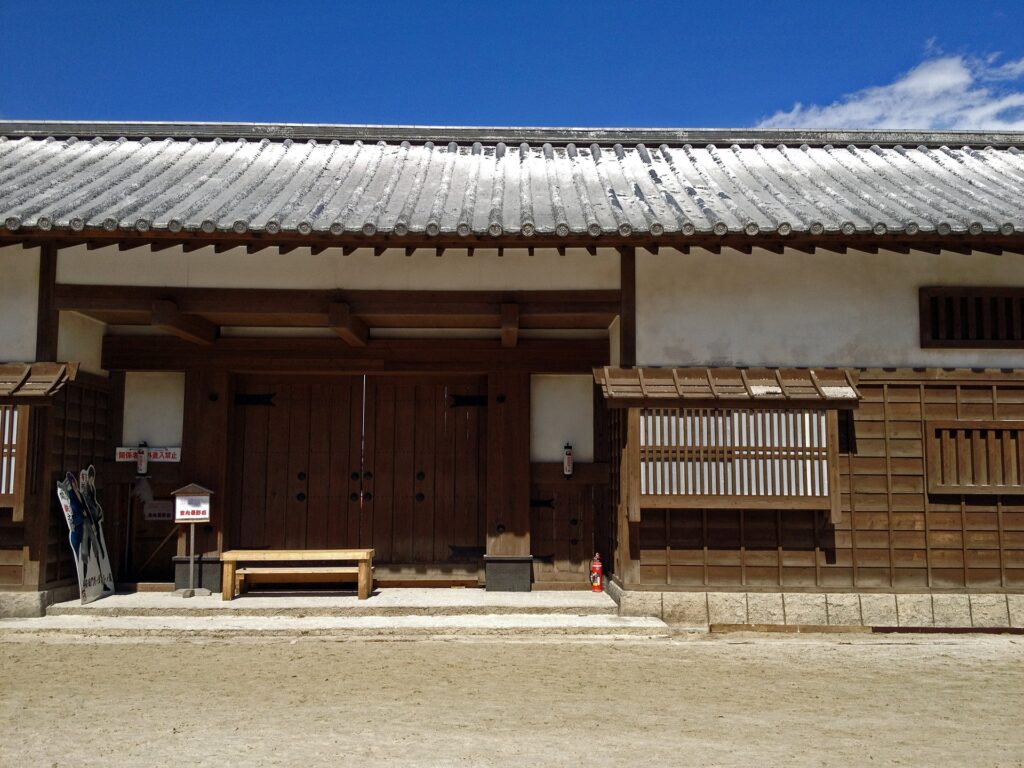
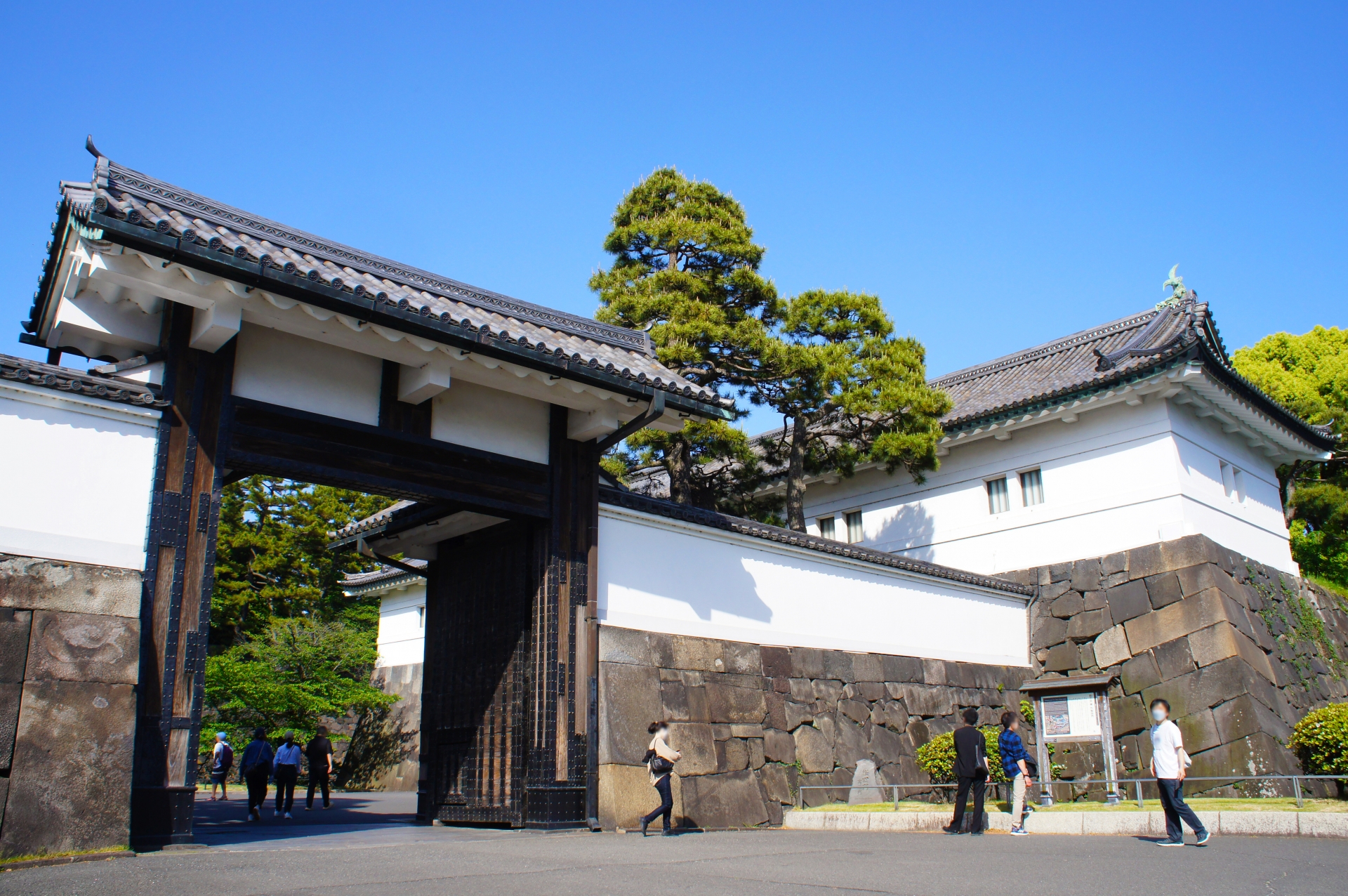
Today, Sakuradamon Gate remains one of the best-preserved architectural features of Edo Castle, offering visitors a direct and tangible connection to the historical drama of 1860. Architecturally, Sakuradamon is an excellent example of a masugata gate complex, built primarily for defense. The gate’s design incorporates massive stone walls, a sharp 90-degree turn, and strategically positioned guard structures—features engineered to slow and expose attackers. These elements reflect the sophisticated military planning of the Tokugawa era.
Designated an Important Cultural Property of Japan, Sakuradamon has been carefully preserved through extensive conservation efforts. Although many surrounding structures were lost to fires and conflict over the centuries, the gate retains its original stone foundations, wooden superstructure, and atmospheric moat-side setting. Standing there today, visitors can vividly imagine the tension and shock that once erupted at this very site.
How to visit:
Sakuradamon is located on the southeastern perimeter of the Tokyo Imperial Palace grounds. The closest station is Sakuradamon Station on the Tokyo Metro Yurakucho Line, with exits leading directly toward the gate. From Tokyo Station, the walk is approximately 15–20 minutes. Visitors may freely explore the exterior, follow pathways along the palace moat, and read informational displays that explain the site’s historical significance. The area is popular among history enthusiasts, walkers, and runners alike.
Although Edo Castle’s main palace no longer stands, Sakuradamon Gate remains a powerful architectural and historical landmark—one that allows visitors to connect directly with an event that helped set Japan on its path toward modern nationhood.

Why the Sakuradamon Incident Still Matters Today
The Sakuradamon Incident continues to resonate because it encapsulates Japan’s enduring struggle between tradition and modernization, isolationism and global engagement. The assassination of Ii Naosuke illustrates how societies react when confronted with rapid geopolitical change—and how ideological conflict can escalate into violence when consensus fails.
For historians, the incident provides a critical lens through which to study the escalation of extremist actions, the collapse of political legitimacy, and the interplay between ideology and state power. For students of international relations, it highlights the pressures experienced by non-Western nations confronted with Western imperialism. And for modern visitors to Tokyo, Sakuradamon Gate serves as a physical reminder of the human drama, tension, and competing visions that shaped Japan’s political transformation.
The event remains a subject of documentaries, novels, academic analysis, and cultural interpretation. Its themes—resistance to globalization, the moral cost of political reform, and the consequences of institutional failure—remain relevant for 21st-century audiences.
Conclusion — Understanding the Legacy of the Sakuradamon Incident
The Sakuradamon Incident of 1860 is one of the defining moments in Japanese history. The assassination of Ii Naosuke was the culmination of intense political conflict over foreign policy, imperial authority, and the direction of national reform. It exposed deep fractures in the Bakumatsu political structure, weakened the shogunate beyond recovery, energized reformist movements, and helped set in motion the transformative events of the Meiji Restoration.
Studying this incident provides essential insight into Japan’s transition from a feudal polity to a modern state. The preserved Sakuradamon Gate stands today not only as a historical monument but also as a powerful reminder of the turbulence and determination that shaped Japan’s future.
For today’s readers, students, and travelers, the Sakuradamon Incident invites reflection on how nations confront change—and how pivotal moments of conflict can redirect the course of history.