Many people want clear, reliable facts about Saigō Takamori: when he died, where it happened, and whether he truly committed seppuku. These questions arise frequently among students, history enthusiasts, and viewers of films inspired by samurai culture.
However, Saigō Takamori’s death cannot be understood in isolation. It occurred at the violent end of the Satsuma Rebellion, a civil war that marked the final collapse of the samurai class and the consolidation of power by the modern Meiji state. His final moments were later reshaped into legend, blending historical fact with ideals of honor and sacrifice.
This article provides a clear, evidence-based explanation of who Saigō Takamori was, what happened at Shiroyama, and why historians still debate the exact manner of his death, carefully separating documented history from later mythology.


Who Was Saigō Takamori? (Brief Overview)
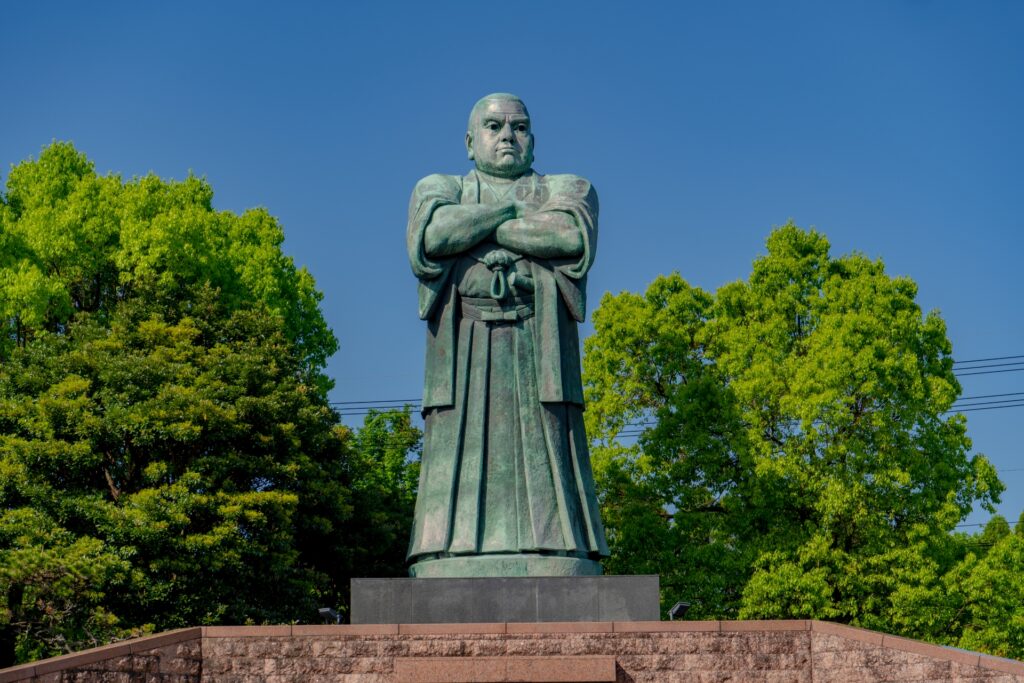
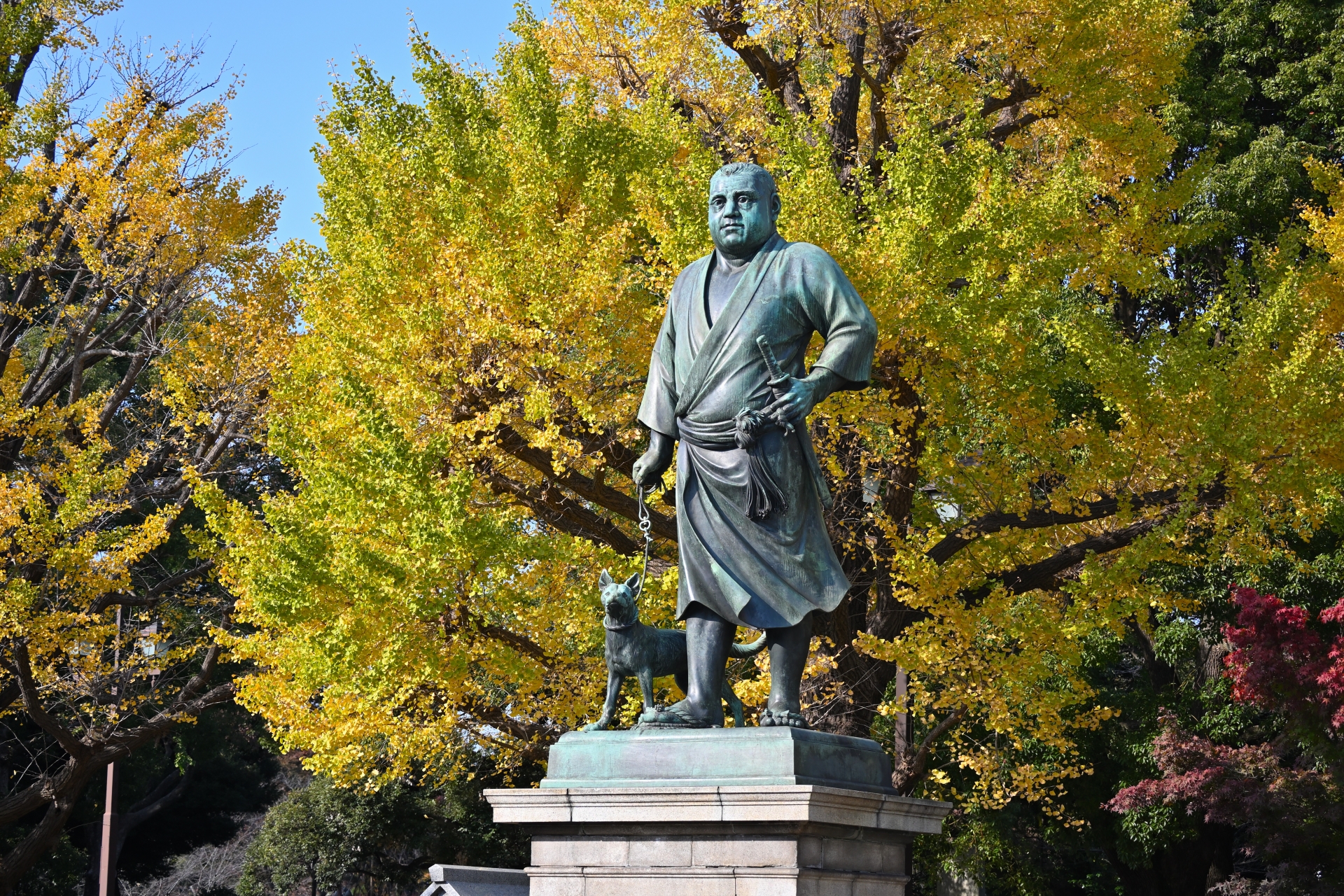
Saigō Takamori was born in 1828 in Kagoshima, then part of the Satsuma Domain, into a low-ranking samurai family. He did not inherit wealth or political influence. Instead, he advanced through discipline, loyalty, and a strong sense of moral responsibility—traits that shaped both his career and his reputation.
He became one of the central figures of the Meiji Restoration, helping overthrow the Tokugawa shogunate and restore authority to the emperor. In the early years of the new government, Saigō supported reforms intended to strengthen Japan against Western colonial pressure and modernize its political system.
Over time, however, he grew disillusioned with the Meiji leadership. Saigō believed the government had abandoned ethical governance and treated former samurai as expendable rather than as responsible members of society. His resignation marked a decisive break with the political order he had helped create.
Today, Saigō is often called “the Last Samurai.” This label is symbolic rather than literal. Samurai continued to exist after his death, but Saigō came to represent the moral ideal of the samurai at the moment that era ended.
Quick Answer: When, Where, and How Saigō Takamori Died
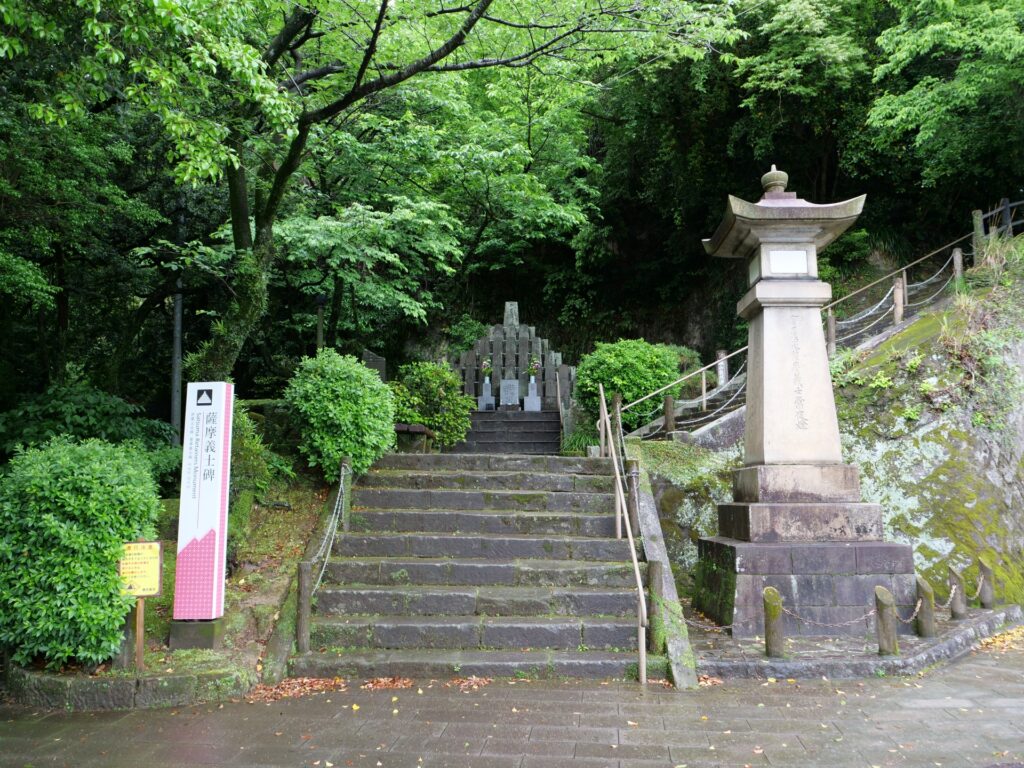
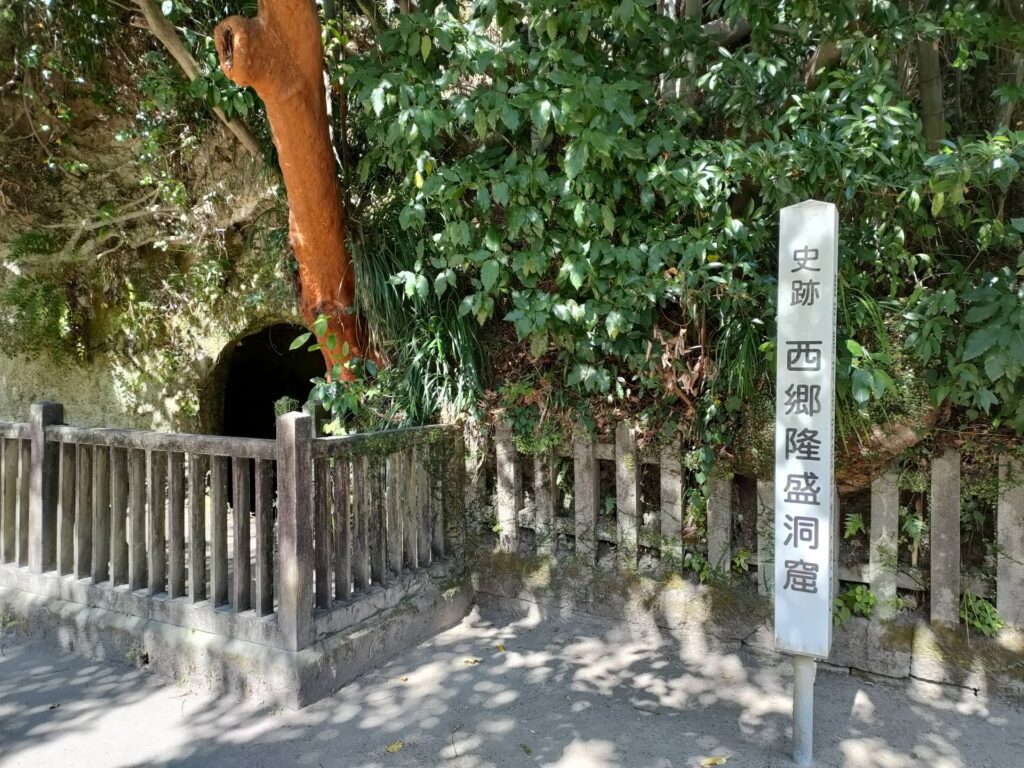
Saigō Takamori died on September 24, 1877, at Shiroyama (Mount Shiroyama) in Kagoshima, Japan. His death occurred during the final stage of the Satsuma Rebellion, the last large-scale armed uprising by former samurai against the Meiji government.
What is firmly established is that Saigō was seriously wounded during the battle and died shortly afterward. Contemporary sources agree on the date, location, and historical context.
What remains debated is the precise manner of his death. Some accounts claim he attempted seppuku (ritual suicide), while others argue that his injuries were too severe and that he was beheaded by a companion to prevent capture by imperial forces.
What Happened at the Battle of Shiroyama
The Battle of Shiroyama was the final confrontation of the Satsuma Rebellion. By September 1877, Saigō’s forces had dwindled to fewer than 500 men, while the imperial army deployed more than 30,000 troops armed with modern rifles and artillery.
Government forces completely surrounded Shiroyama, cutting off escape routes and supplies. In the early morning hours of September 24, imperial troops launched a coordinated final assault. The imbalance in manpower and weaponry made the outcome inevitable.
During the fighting, Saigō was critically wounded, most likely by gunfire to the hip or abdomen. Unable to continue fighting and facing certain defeat, he withdrew with a small group of loyal followers. It was shortly after this retreat that his death occurred.
How Did Saigō Takamori Die? Two Main Accounts
Historians generally describe two main accounts of Saigō Takamori’s death. Both agree on the setting and the outcome, but they differ on whether Saigō personally carried out ritual suicide.
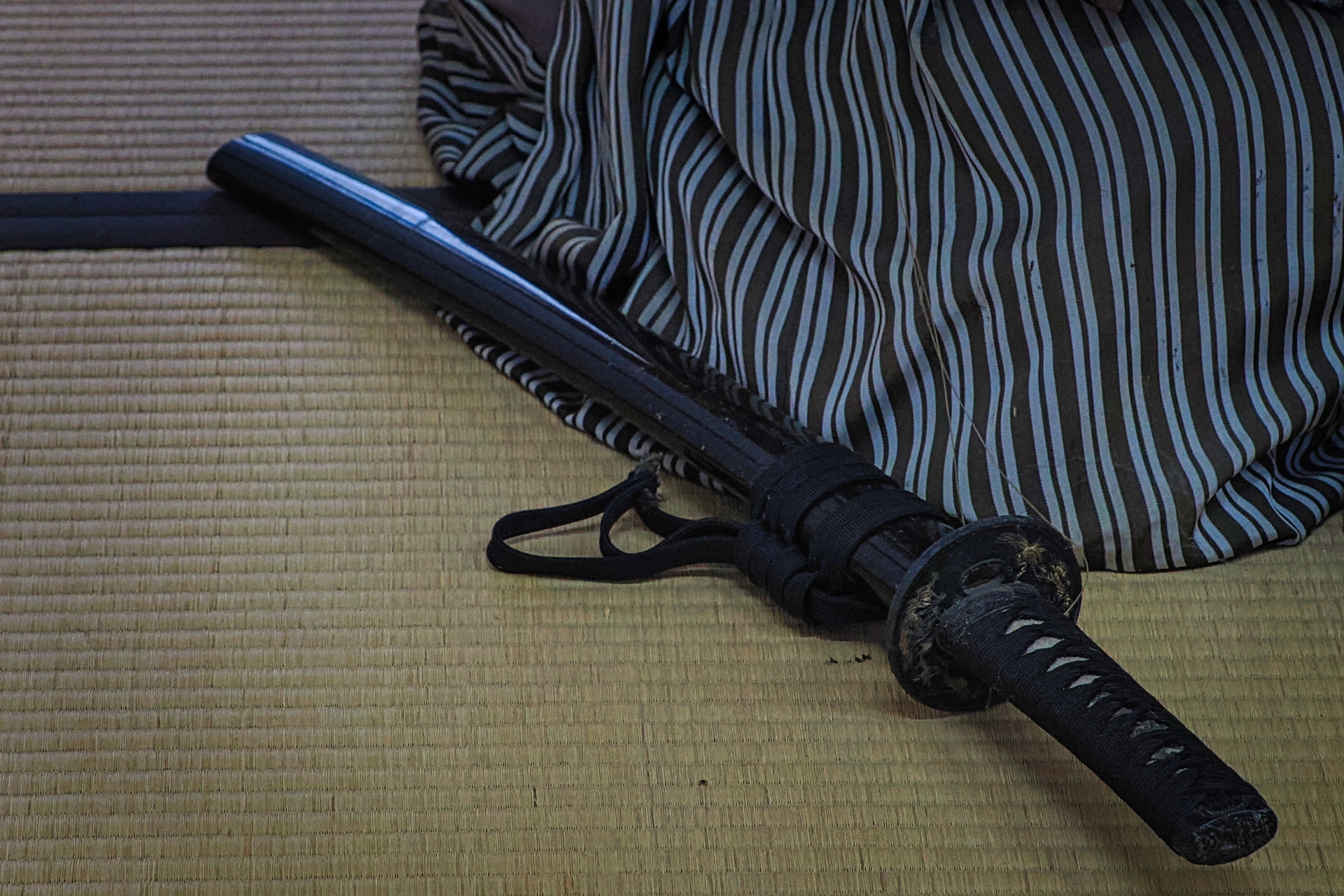
The traditional account states that Saigō, though wounded, attempted seppuku. According to this narrative, he cut his abdomen and was then beheaded by a trusted companion acting as a kaishakunin (second). This version aligns closely with later ideals of samurai honor and became dominant in popular memory.
The modern historical interpretation argues that Saigō’s injuries were too severe for seppuku. Based on eyewitness testimony and medical reasoning, many scholars believe he was incapacitated or unconscious. In this view, his companion beheaded him quickly to spare him further suffering and to prevent capture by imperial forces.
Today, most historians consider the second account more plausible, while acknowledging that the first gained cultural prominence because it fit established narratives of samurai virtue.
Who Beheaded Saigō Takamori?
Beppu Shinsuke is traditionally identified as the man who beheaded Saigō Takamori. He was a loyal follower who remained with Saigō until the final moments at Shiroyama.
In samurai culture, the role of a kaishakunin was not that of an executioner. The act was meant to preserve dignity, minimize suffering, and prevent humiliation. In this context, beheading was considered an act of loyalty and compassion rather than violence against one’s leader.
Understanding this cultural role is essential. Saigō was not “killed” by Beppu in a hostile sense; the act was intended to ensure that he would not be captured alive by government forces.
Why Saigō Takamori’s Death Became a Legend
Saigō Takamori’s death was quickly transformed from a battlefield event into a national legend. As Japan modernized rapidly, many people felt nostalgia for the moral clarity associated with the samurai class. Saigō’s final stand offered a powerful symbol of integrity and resistance rooted in personal honor.
The concept of bushidō, later systematized during the Meiji period, drew heavily on stories like Saigō’s. His death was reframed to emphasize noble sacrifice and unwavering loyalty—values useful for shaping national identity during a time of upheaval.
Western portrayals further amplified this image. English-language books and films often depicted Saigō as a tragic warrior opposing modernity itself, even though he had once been a key architect of reform. This blending of historical fact and later storytelling explains why his death remains widely misunderstood.
Why Did Saigō Takamori Rebel Against the Government?
The Satsuma Rebellion was not simply a rejection of modernization. Saigō did not oppose technology or Western learning outright. Instead, he believed the Meiji leadership had abandoned moral governance and ruled through coercion rather than ethical responsibility.
His rebellion reflected an ideological conflict rather than nostalgia alone. Saigō remained loyal to the emperor but opposed the policies enacted in the emperor’s name. His final stand at Shiroyama was the ultimate expression of this moral contradiction.
Understanding this context helps explain why his death carried such symbolic weight. It represented not just military defeat, but the end of a worldview rooted in personal honor and responsibility.
Conclusion: What Saigō Takamori’s Death Really Means
Three points summarize what can be said with confidence about Saigō Takamori’s death. First, he died on September 24, 1877, at Shiroyama during the final battle of the Satsuma Rebellion. Second, while tradition claims he committed seppuku, modern evidence suggests he was mortally wounded and beheaded to avoid capture. Third, the ambiguity surrounding his death is precisely why it became legendary.
Saigō Takamori remains important not because he was flawless, but because his life and death reveal the human cost of Japan’s transformation. He should be understood as both a real historical figure and a cultural icon—one whose final moments continue to shape how Japan remembers the end of the samurai age.