Kagami mochi is one of the most iconic symbols of the Japanese New Year. Displayed in homes, shrines, offices, and shops throughout Japan, this simple arrangement of rice cakes represents gratitude toward the gods, wishes for longevity, and the renewal of life at the beginning of a new year.
More than just food, kagami mochi is a spiritual offering deeply rooted in Shinto belief and seasonal customs. This article explains what kagami mochi is, where it comes from, what each part symbolizes, how it is displayed and eaten, and why it continues to matter in modern Japan.


What Is Kagami Mochi?
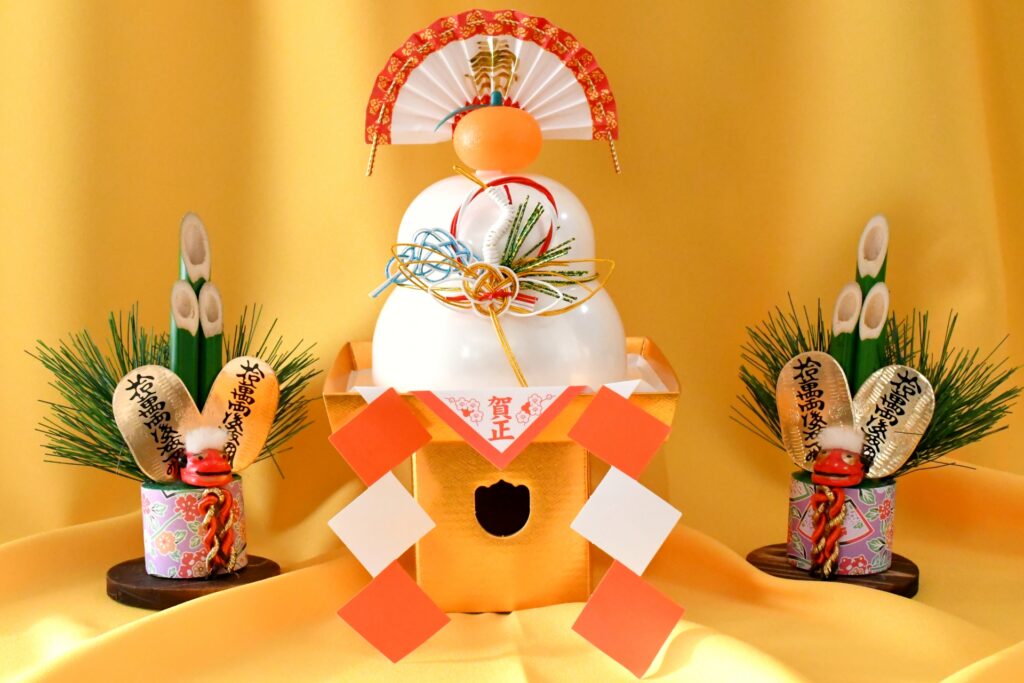
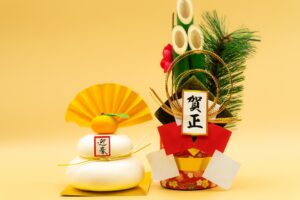
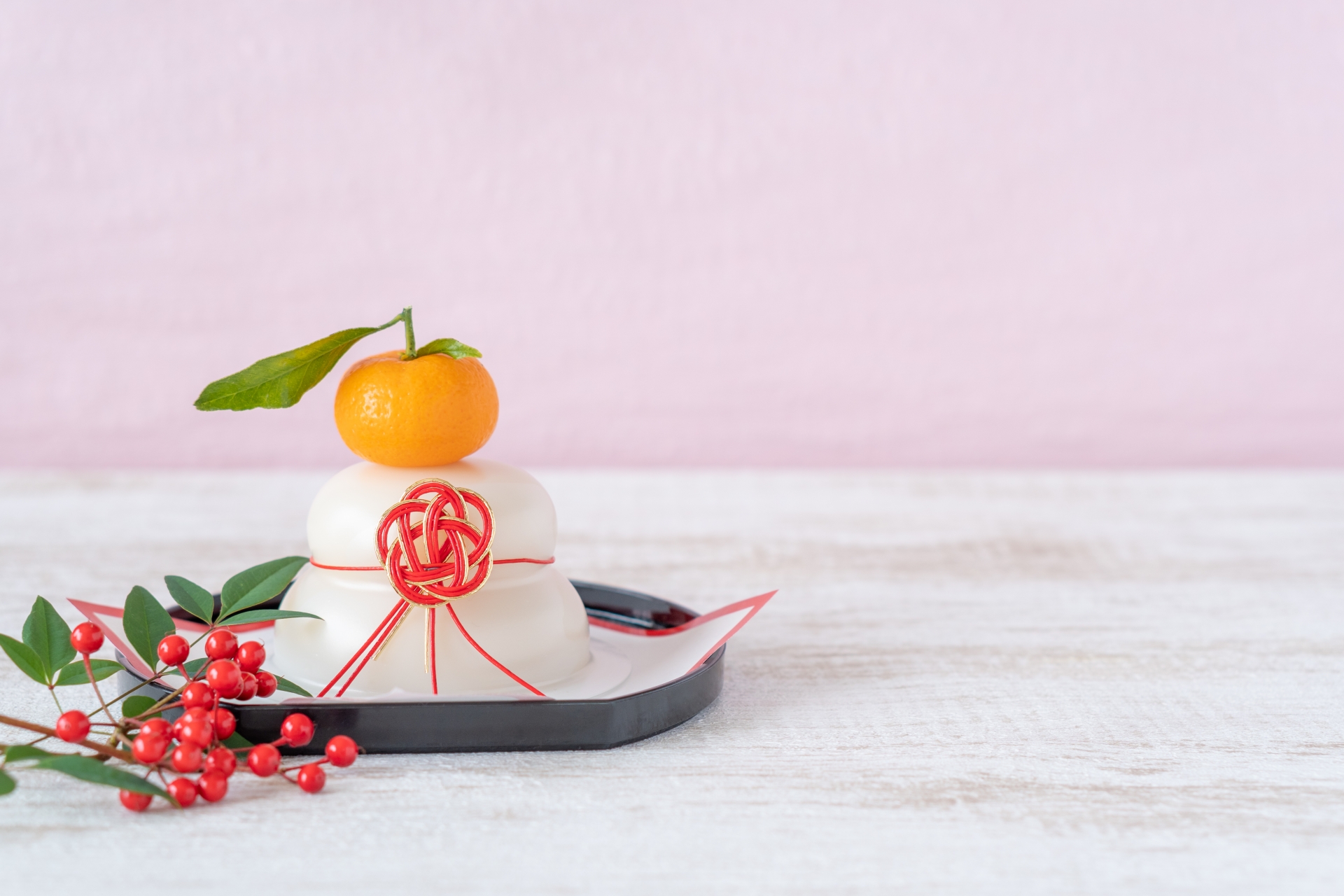
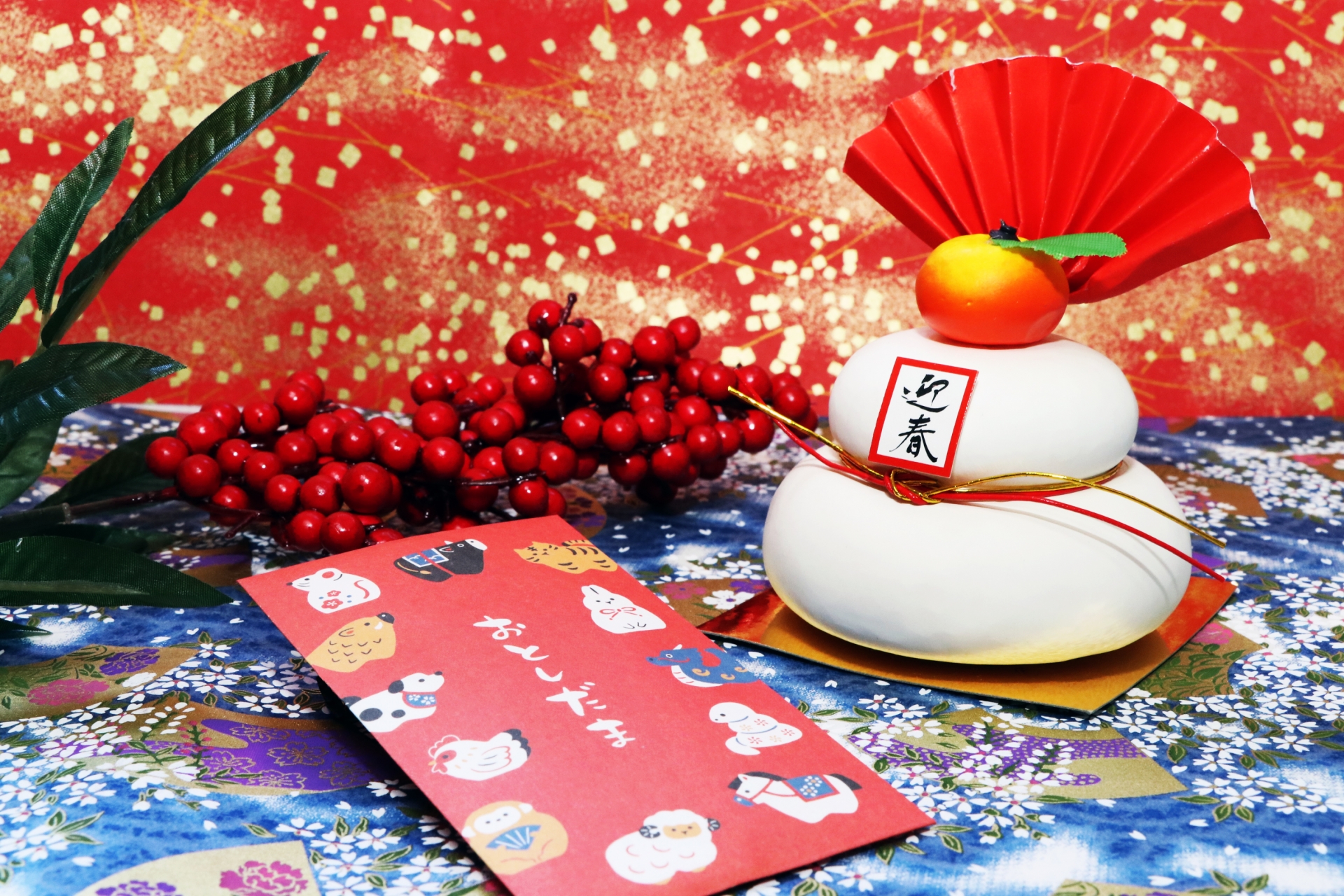
Kagami mochi is a traditional Japanese New Year decoration made of two round rice cakes (mochi) stacked on top of each other, usually topped with a small bitter orange called daidai. While mochi itself is widely known as a Japanese food, kagami mochi is not initially meant to be eaten. Instead, it is prepared as a sacred offering to welcome toshigami, the New Year deity believed to bring health, vitality, and good fortune.
The word kagami means “mirror” in Japanese. This refers to ancient bronze mirrors used in Shinto rituals, which were believed to house divine spirits. The smooth, round shape of the mochi resembles these mirrors, symbolizing purity, honesty, and spiritual reflection. Because of this connection, kagami mochi is treated with respect and placed carefully in the home during the New Year season.
Kagami mochi is typically displayed from late December until January 11. During this period, it should not be cut or eaten, as it symbolically serves as the temporary dwelling place of the New Year deity. Cultural explanations from Nippon.com and historical summaries on Wikipedia emphasize that kagami mochi functions both as a prayer and as a visual symbol expressing hopes for safety, prosperity, and harmony in the coming year.
The Origin and History of Kagami Mochi
The origins of kagami mochi date back more than a thousand years to ancient Japan, where Shinto beliefs shaped everyday life and seasonal rituals. Mirrors were considered sacred objects associated with the gods, as they were believed to reflect truth without distortion. Offering round rice cakes modeled after mirrors was thought to invite divine spirits into the household at the turning of the year.
Kagami mochi became more widespread during the Muromachi period (14th–16th centuries), particularly among samurai households. For warriors, the unbroken round shape symbolized inner strength, discipline, and balance—qualities essential for both battle and daily life. The practice later spread to farmers and townspeople, eventually becoming a nationwide New Year custom.
According to cultural insights from SHUN GATE, kagami mochi was also deeply connected to agriculture. Rice was viewed as a sacred gift from the gods, and offering mochi expressed gratitude for the past harvest while praying for continued abundance. This combination of spirituality, food culture, and seasonal awareness remains central to kagami mochi today.
Symbolism Behind Each Part of Kagami Mochi
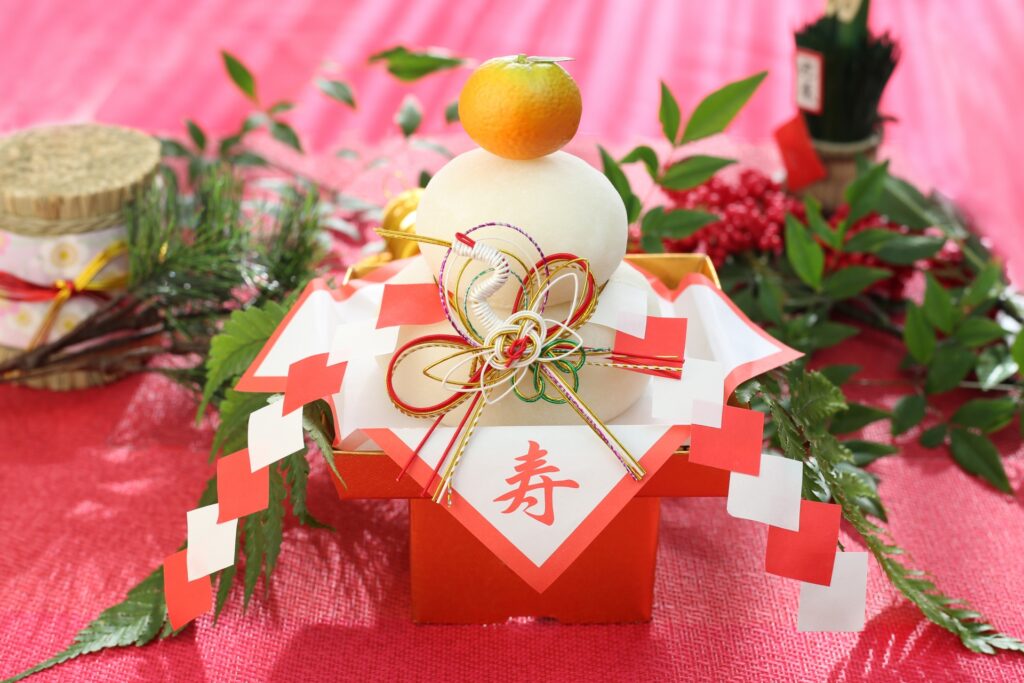
Although kagami mochi appears simple, each of its elements carries symbolic meaning rooted in Japanese cultural values and spiritual beliefs. Together, these parts express wishes for harmony, longevity, prosperity, and family continuity.
| Element | Meaning | Cultural Significance |
|---|---|---|
| Two round mochi | Balance and continuity | Represents harmony between the past and the future and the cyclical nature of time |
| Daidai orange | Generational prosperity | Symbolizes family lineage and the hope that good fortune continues “from generation to generation” |
| Urajirō fern | Purity and renewal | Represents growth, vitality, and a fresh start for the new year |
| Shide paper | Sacred boundary | Indicates the presence of divine spirits and marks the space as spiritually protected |
Why Is Kagami Mochi Stacked in Two Layers?
The two stacked mochi are commonly interpreted as symbolizing yin and yang or the old year and the new year. This structure emphasizes continuity rather than separation, suggesting that life moves forward while remaining connected to the past. It reflects the Japanese view of time as cyclical, highlighting renewal and balance rather than abrupt change.
The Meaning of the Daidai Orange
The daidai orange is one of the most important symbolic elements of kagami mochi. Its name literally means “from generation to generation,” and the fruit is known for remaining on the tree for long periods. Because of this, it represents longevity, family continuity, and enduring prosperity. Placing a daidai on top of kagami mochi expresses the wish that future generations will thrive.
Other Decorations: Urajirō, Shide, and More
Urajirō ferns are often included because of their symmetrical leaves and vibrant green color, symbolizing purity and renewal. Shide—zigzag-shaped paper strips used in Shinto rituals—mark the space as sacred and indicate the presence of the gods. In some regions, additional decorations such as dried persimmons or kelp are used, reflecting local customs and beliefs. These regional variations are discussed in detail by byFood.
When and Where Is Kagami Mochi Displayed?
Kagami mochi is usually displayed from December 28 until January 11. Traditionally, it is placed in a tokonoma alcove, on a household Shinto altar (kamidana), or near the entrance of the home to welcome the New Year deity.
In modern Japan, especially in urban apartments with limited space, kagami mochi may be displayed on shelves, tables, or kitchen counters. Businesses often place it near entrances or cash registers to pray for prosperity and success in the coming year. As noted by ArigatoTravel, even simplified displays retain their symbolic meaning, demonstrating how tradition adapts to contemporary lifestyles.
Kagami Biraki: How and Why Kagami Mochi Is Eaten

Kagami biraki is the ritual of breaking and eating kagami mochi, usually held on January 11. This event marks the end of the New Year period and symbolizes receiving the blessings of the gods into one’s body.
Why Kagami Mochi Is Broken, Not Cut
During kagami biraki, the mochi is broken by hand or with a wooden mallet rather than cut with a knife. Cutting is associated with severing ties or ending life, which is considered unlucky in Japanese culture. Breaking the mochi instead symbolizes opening luck and sharing good fortune.
Popular Ways to Eat Kagami Mochi
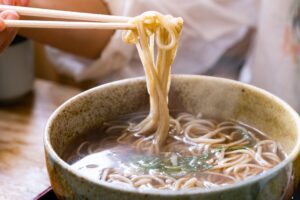
Common ways to eat kagami mochi include ozōni, a savory soup with vegetables and mochi; oshiruko, a sweet red bean soup; and grilled mochi, which becomes crispy on the outside while remaining chewy inside. These dishes vary by region and family tradition, reinforcing kagami mochi’s role as both a ritual offering and a shared meal.
Modern Kagami Mochi: Changes in Contemporary Japan
In contemporary Japan, kagami mochi has evolved to suit modern lifestyles. Many versions sold in supermarkets feature plastic displays with individually packaged mochi inside. This design improves hygiene and convenience while preserving traditional symbolism.
While some families observe the custom more casually than in the past, kagami mochi remains widely recognized as a New Year symbol. According to SHUN GATE, these adaptations represent continuity rather than decline, showing how traditions can evolve without losing their core meaning.
Kagami Mochi vs Other Japanese New Year Traditions
Compared with other New Year customs such as osechi ryori or shimenawa, kagami mochi plays a distinct spiritual role. While osechi focuses on celebratory food and shimenawa marks sacred boundaries, kagami mochi functions as both offering and nourishment. It bridges the spiritual and everyday worlds, emphasizing gratitude, renewal, and harmony rather than celebration alone.
Frequently Asked Questions About Kagami Mochi
What does kagami mochi symbolize?
It symbolizes harmony, longevity, family continuity, and gratitude toward the gods.
Is kagami mochi religious?
Yes. It originates from Shinto belief, although many people today observe it primarily as a cultural tradition.
Can foreigners participate in kagami biraki?
Yes. Many households and communities welcome anyone interested in learning about and sharing the tradition.
Is kagami mochi still common in Japan today?
Yes. Although forms and practices have modernized, kagami mochi remains a widely recognized symbol of the Japanese New Year.
Conclusion: Why Kagami Mochi Still Matters Today
Kagami mochi continues to hold cultural and spiritual significance in Japan because it represents values that transcend time—gratitude, continuity, and renewal. Even as lifestyles change, the act of displaying and sharing kagami mochi connects people to centuries of tradition and seasonal awareness. In this way, kagami mochi remains a quiet but powerful reminder that welcoming the New Year is not only about celebration, but also about reflection, respect, and hope for the future.