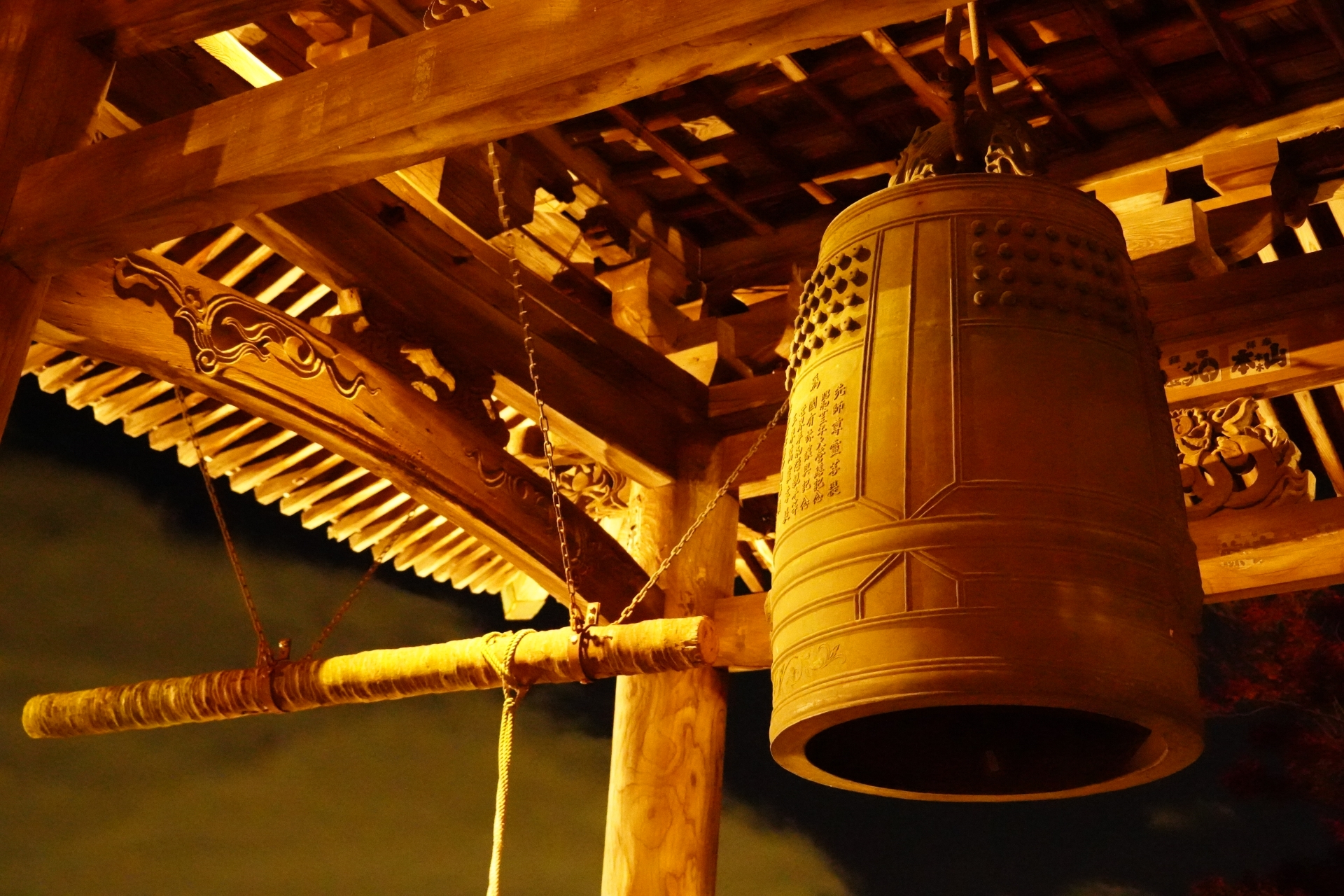
On the night of December 31, as the final moments of the year quietly pass, Japan welcomes the New Year not with fireworks or loud countdowns, but with the deep, lingering sound of temple bells. The atmosphere is calm, reflective, and almost meditative. For many people, this moment is less about celebration and more about pausing—listening, breathing, and letting the past year gently fade away.
The sound of these bells is deeply symbolic. It marks a transition, inviting people to reflect on what they have carried with them over the past twelve months and what they are ready to leave behind. Why are the bells rung so deliberately? Why does this ritual take place at midnight? And why does it continue to resonate with people in modern Japan—and beyond?
This article explores Joya no Kane, Japan’s traditional New Year bell ceremony. From its Buddhist roots and symbolic meaning to where travelers can experience it and why it still matters today, this guide offers a clear and accessible introduction for first-time visitors, cultural learners, and anyone curious about a quieter, more mindful way to welcome the New Year.


What Is Joya no Kane?
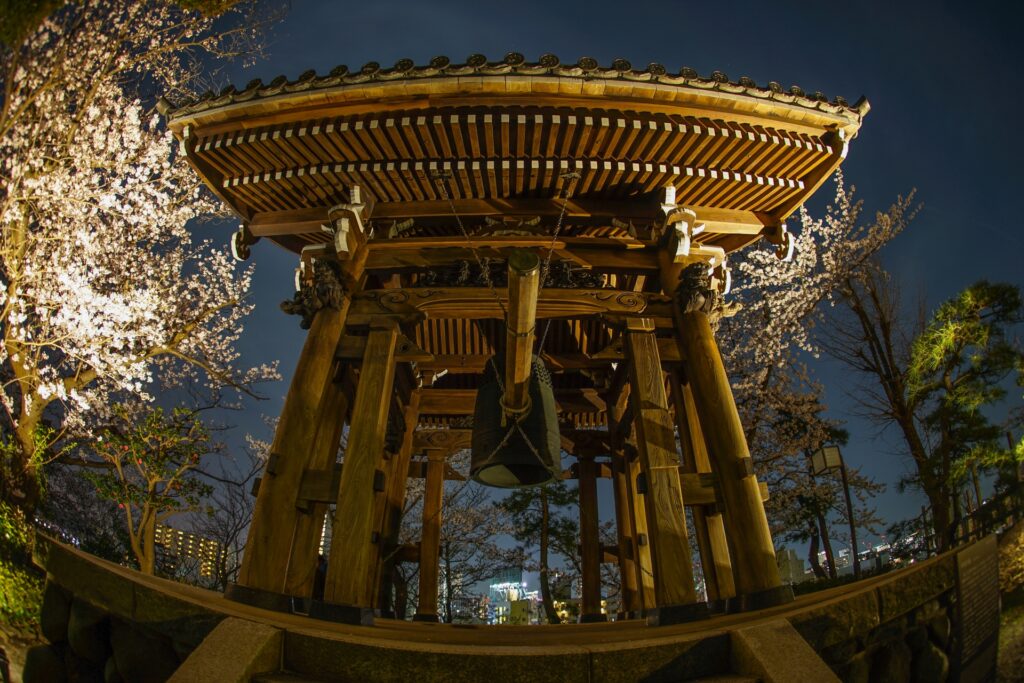
Joya no Kane is a Buddhist bell-ringing ceremony held on New Year’s Eve throughout Japan. It takes place on December 31, typically beginning late in the evening and continuing until just after midnight. Unlike many Japanese festivals known for bright colors and lively crowds, this ritual is slow, solemn, and intentionally quiet.
It is important to understand that Joya no Kane is not a Shinto ritual. While Japan blends Shinto and Buddhist traditions in daily life, the ringing of temple bells on New Year’s Eve belongs firmly to Buddhism. The bells are located at Buddhist temples, and the ceremony reflects Buddhist teachings on human suffering, attachment, and renewal.
Across the country—from small neighborhood temples to famous historical landmarks—bells are rung either by monks alone or together with members of the local community. Whether heard in person or through television broadcasts, the sound signals a shared national moment: the closing of one year and the opening of another.
The Meaning Behind the 108 Bell Rings
At the heart of Joya no Kane is the number 108, which holds special significance in Buddhism. According to Buddhist teachings, human beings are burdened by 108 earthly desires, known in Japanese as bonnō. These desires are believed to cloud the mind and prevent true peace and clarity.
Each strike of the bell represents the symbolic removal of one of these desires. As the bell is rung again and again, listeners are invited to reflect, release, and gradually let go. By the time the final bell sounds, people are meant to enter the New Year with a lighter, calmer state of mind.
The pace of the ceremony is deliberate. The bell’s deep tone resonates for several seconds, creating space for silence between each strike. This rhythm encourages mindfulness, making the ritual meaningful even for those who do not follow Buddhism.
What Are the 108 Earthly Desires in Buddhism?
In simple terms, the 108 earthly desires refer to emotional and mental states that cause human suffering. These include feelings such as anger, greed, jealousy, pride, fear, and ignorance—emotions that most people recognize in their own lives.
Rather than listing all 108 individually, Buddhism groups them into broader categories related to the senses, emotions, and perceptions. The goal is not self-criticism, but awareness. By acknowledging these tendencies as part of being human, people can begin to release their grip on them.
For modern readers, this idea often connects naturally with concepts like mindfulness, emotional clarity, and mental decluttering, which helps explain why Joya no Kane continues to resonate today.
Why Is the Bell Rung at Midnight?
Midnight marks the boundary between the old year and the new. Ringing the bell at this moment symbolizes cleansing the past and welcoming renewal.
In many temples, the first 107 bells are rung before midnight, with the final strike sounding just after the New Year begins. This last bell is especially powerful, representing rebirth, fresh beginnings, and hope for the year ahead.
History and Origins of Joya no Kane
The roots of Joya no Kane can be traced back to ancient Chinese Buddhist practices, where bells were used to mark time and summon monks to meditation. These customs were introduced to Japan alongside Buddhism around the 6th century.
Over time, bell ringing became associated specifically with New Year’s Eve, evolving into a ritual centered on spiritual purification. By the Edo period (1603–1868), Joya no Kane was already widely practiced across Japan.
In the modern era, the tradition adapted to new forms of media. Radio broadcasts began in the early 20th century, followed by television coverage that allowed people nationwide to share the experience from home. Despite these changes, the ritual’s core message—reflection and release—has remained unchanged.

Where to Experience Joya no Kane in Japan
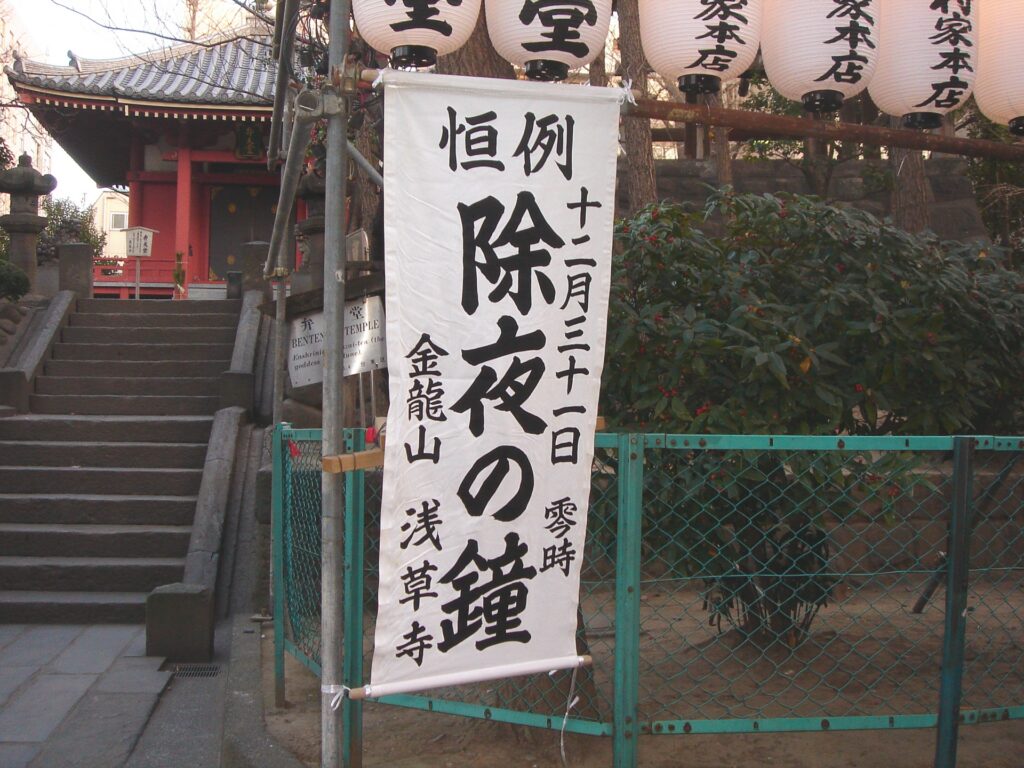
Most Buddhist temples in Japan ring bells on New Year’s Eve, but the atmosphere can vary greatly depending on the location. Large urban temples often draw significant crowds, while smaller local temples provide a quieter, more intimate experience.
For travelers, Tokyo and Kyoto are especially convenient places to witness Joya no Kane, thanks to their famous temples and easy access by public transportation. While schedules differ, ceremonies typically begin between 10:30 PM and 11:00 PM.
Famous Temples for Joya no Kane
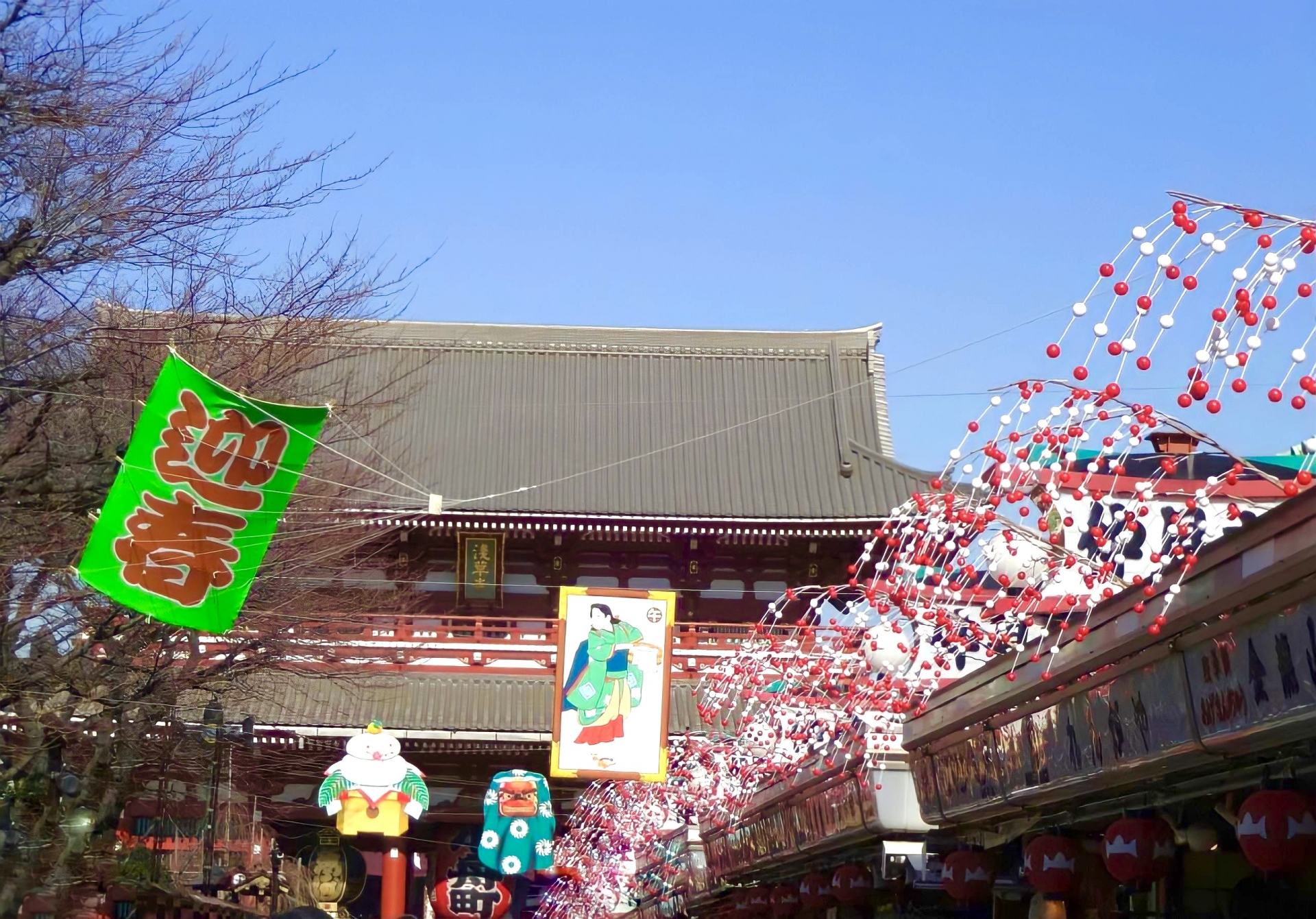
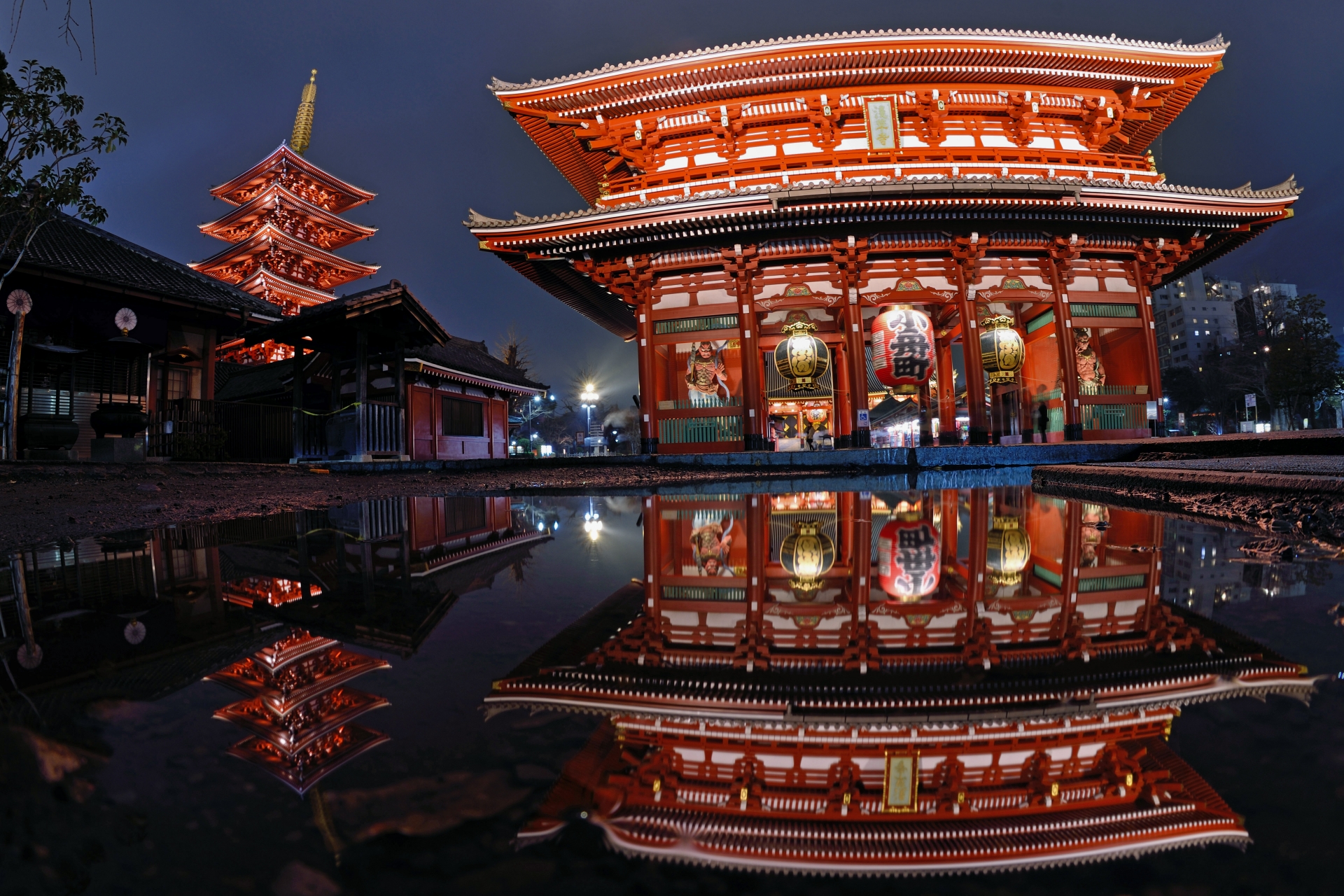
- Senso-ji (Tokyo)
One of Tokyo’s most iconic temples, offering a lively yet reverent atmosphere. Expect large crowds and a memorable first-time experience. - Zojo-ji (Tokyo)
Located near Tokyo Tower, this spacious temple is known for its open grounds and occasional public participation opportunities. - Chion-in (Kyoto)
Famous for housing one of Japan’s largest temple bells, Chion-in’s ceremony is dramatic and deeply moving, performed by multiple monks pulling thick ropes together.
Can Visitors Participate in Joya no Kane?
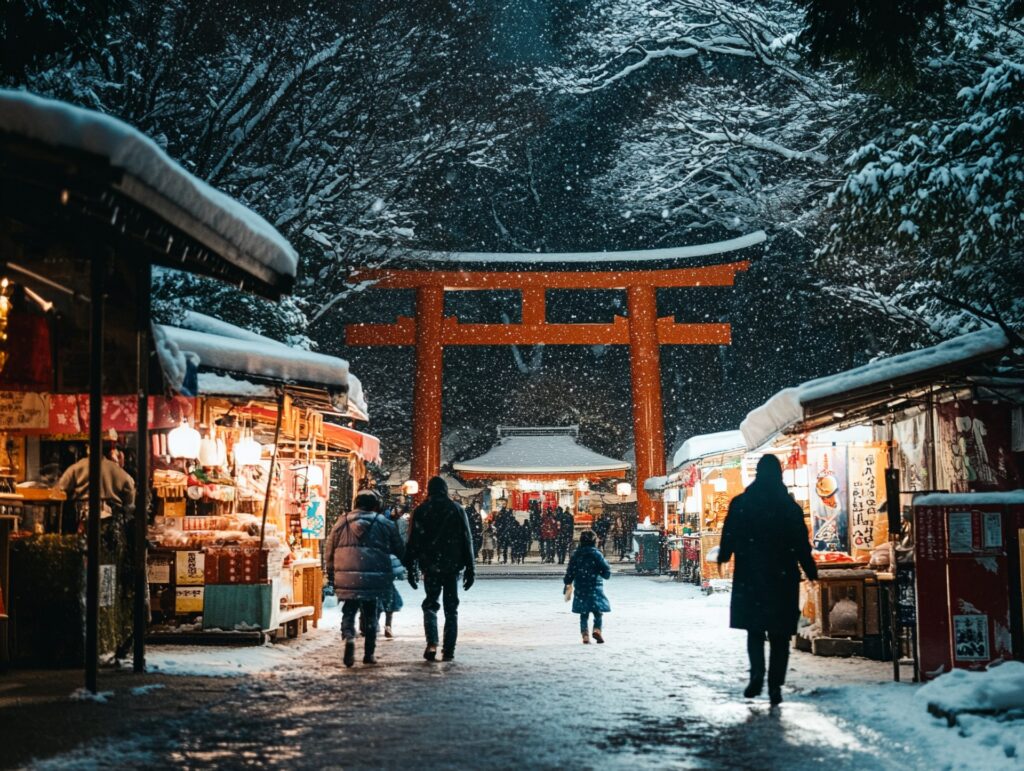
Yes—some temples allow visitors to ring the bell, but participation is usually limited. Many temples use ticket systems, advance reservations, or lotteries due to high demand. Others operate on a first-come, first-served basis, requiring visitors to arrive several hours early.
Because rules vary by temple and by year, checking official websites or local notices is essential. Even without direct participation, simply observing the ceremony is widely considered a meaningful and memorable experience.
Etiquette and Cultural Tips for Foreign Visitors
When attending Joya no Kane, respectful behavior is essential:
- Remain quiet and avoid loud conversations
- Dress warmly and modestly
- Follow instructions from temple staff
- Photography may be restricted—always check first
- Show respect through calm behavior or a gentle bow
Approaching the ceremony with patience and cultural sensitivity ensures a positive experience for everyone involved.
Joya no Kane Compared to Other New Year Bell Traditions
Japan is not the only country that uses bells to welcome the New Year. In South Korea, for example, a large bell is rung 33 times, symbolizing historical and spiritual themes.
What makes Joya no Kane unique is its focus on letting go rather than celebrating. Instead of counting down to midnight with excitement, the Japanese tradition emphasizes reflection, making it particularly appealing to those interested in mindfulness and intentional living.
Why Joya no Kane Still Matters Today
In today’s fast-paced, digitally connected world, Joya no Kane offers a rare moment of stillness. For many Japanese people, it remains an important opportunity to pause, reflect, and mentally reset.
For international visitors, the message often feels universal. The idea of releasing stress, regrets, and negative habits resonates across cultures. This timeless relevance is why Joya no Kane continues to attract global attention year after year.
Frequently Asked Questions About Joya no Kane
Is Joya no Kane Buddhist or Shinto?
It is a Buddhist ceremony held at Buddhist temples.
Do all temples ring bells on New Year’s Eve?
Most do, but schedules and participation rules vary.
Can tourists participate?
Yes, at some temples, though spaces are limited.
Is Joya no Kane practiced outside Japan?
Yes, some Buddhist temples abroad—especially in areas with Japanese communities—also observe the ritual.
Conclusion – The Timeless Message of Joya no Kane
Joya no Kane is more than a New Year’s Eve tradition. It is a shared moment of reflection, release, and renewal. Through the slow, resonant ringing of temple bells, people are reminded to let go of the past year’s burdens and step into the future with clarity and calm.
Whether you experience it in person at a Japanese temple or reflect on its meaning from afar, Joya no Kane offers a gentle invitation: pause, breathe, and begin again.