Every autumn, Japan transforms into a tapestry of fiery maples, golden ginkgo avenues, mist-filled valleys, and glowing mountainsides. While many travel guides simply list famous foliage spots, this article takes a different approach: it shows you exactly how to travel Japan’s autumn scenery by rail, using JR Passes and Shinkansen routes to craft seamless multi-city journeys.
Whether you dream of tracking early-season foliage across Hokkaido, immersing yourself in dramatic Tohoku gorges, strolling Kyoto’s ancient temples, or exploring alpine villages in the Japan Alps, this guide gives you ready-made, JR-pass-friendly routes that travelers can follow step by step. With itineraries built around real train lines, realistic travel times, and peak foliage calendars, this is your all-in-one blueprint for designing the perfect autumn trip—without renting a car.


Japan Autumn Foliage Itineraries by Rail (JR Pass Friendly Routes)
Below are five curated routes crafted specifically for rail travelers. Each itinerary is optimized for autumn peak timing, JR Pass coverage, and scenic diversity so you can experience Japan’s most dramatic seasonal landscapes from north to south.
Route 1: The Classic Golden Route Foliage Trip (Tokyo → Nikko → Kyoto → Nara)
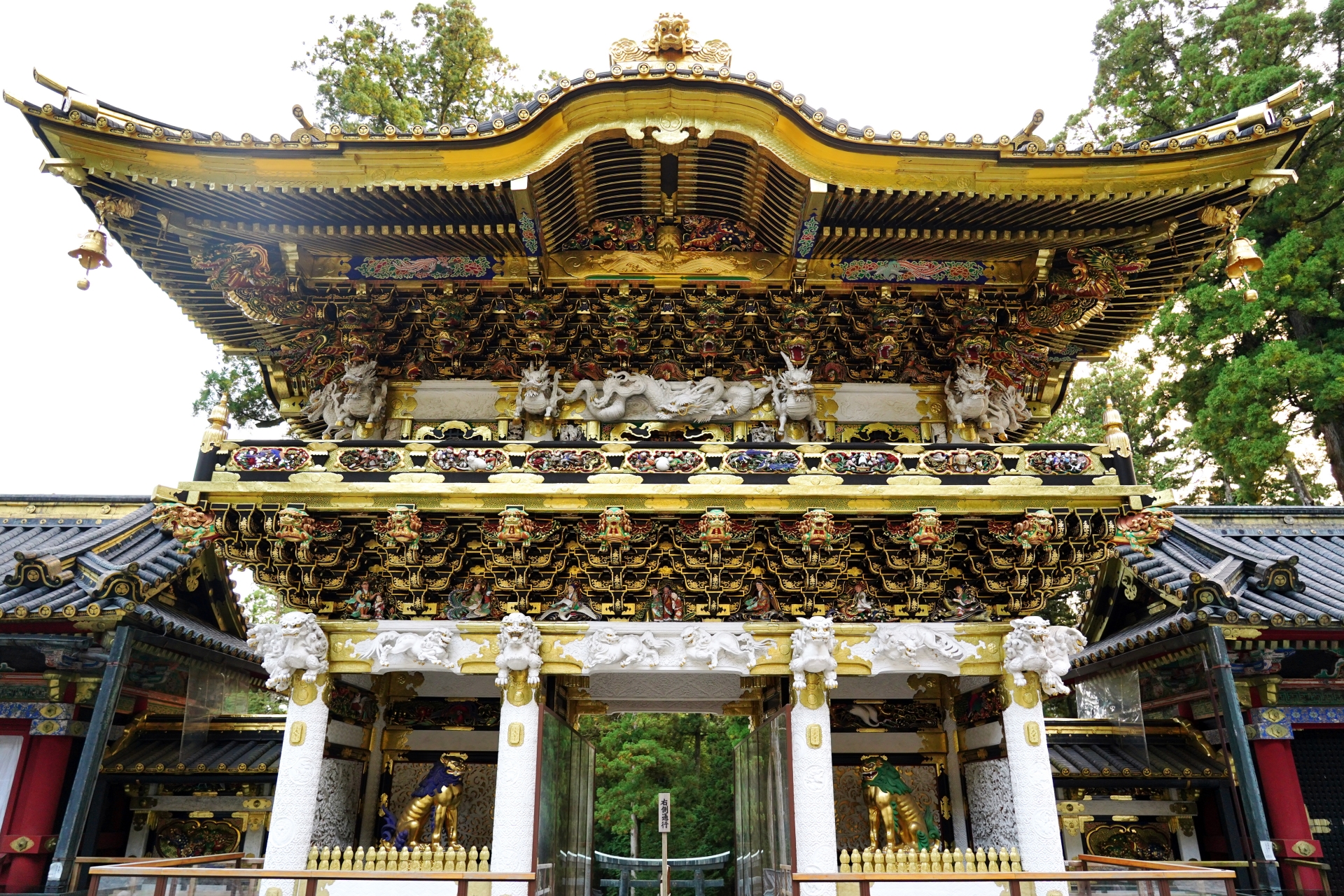
A perfect 6–8 day journey for first-time or returning visitors, this Golden Route itinerary blends Japan’s most iconic cultural cities with easily accessible foliage spots along major rail lines. Starting from Tokyo, travelers head to Nikko—one of the country’s most celebrated autumn destinations—before riding the Tokaido Shinkansen to Kyoto and exploring nearby Nara’s serene parks.
Suggested Duration: 7 days
Recommended Pass: 7-day JR Pass
Key Train Segments
Tokyo → Nikko: Limited Express SPACIA or SPACIA X (JR + Tobu connection depending on departure)
Tokyo → Kyoto: Tokaido Shinkansen Hikari
Kyoto → Nara: JR Nara Line / Miyakoji Rapid
What to Expect
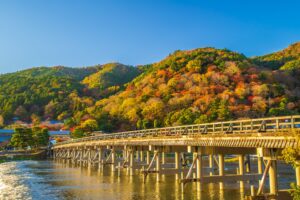
Nikko typically peaks from late October to early November, with fiery red maples around Lake Chuzenji and waterfalls appearing in full color. Kyoto follows slightly later, offering atmospheric autumn views across Arashiyama, Kiyomizudera, and Eikando during mid- to late November. Nara, just a short ride away, provides open-park landscapes where deer roam among centuries-old temples surrounded by warm hues. This route is ideal for travelers seeking culturally rich foliage without long-distance travel or complicated transfers.
Route 2: Tohoku Gorge & Onsen Autumn Trip (Sendai → Naruko Gorge → Hiraizumi → Aomori)
This 7–10 day itinerary focuses on Tohoku, a region celebrated for dramatic canyons, steaming hot springs, and quieter landscapes. The route begins in Sendai, one of the most accessible Shinkansen cities, before branching into deep countryside areas like Naruko Gorge—one of Japan’s most photographed autumn ravines.
Suggested Duration: 7–10 days
Recommended Pass: JR East Pass (Tohoku) or 14-day JR Pass
Key Train Segments
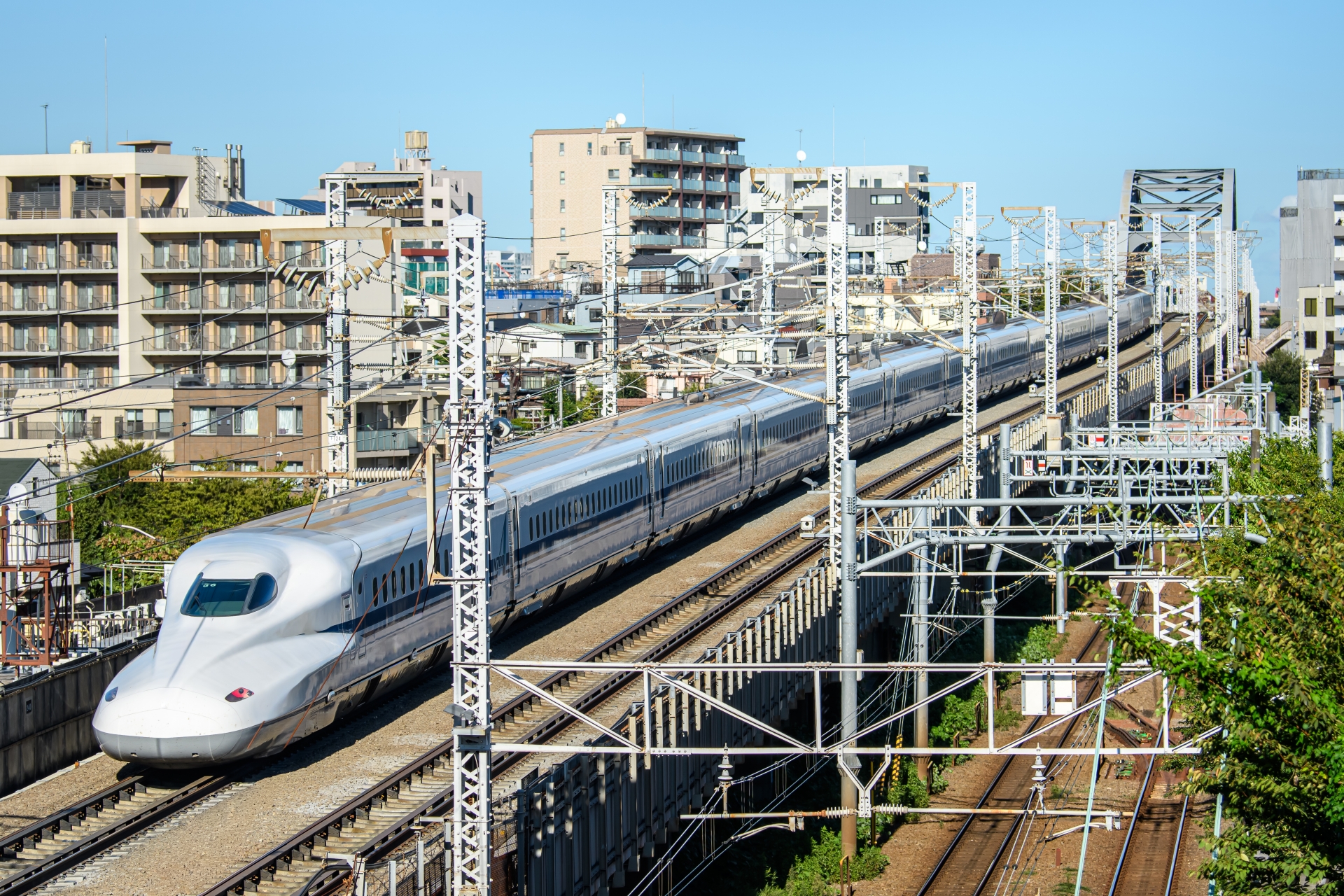
Tokyo → Sendai: Tohoku Shinkansen
Sendai → Naruko Gorge: JR Rikuu Line (Local)
Sendai → Morioka → Aomori: Tohoku Shinkansen
From Aomori: Buses to Oirase Gorge / Lake Towada
What to Expect
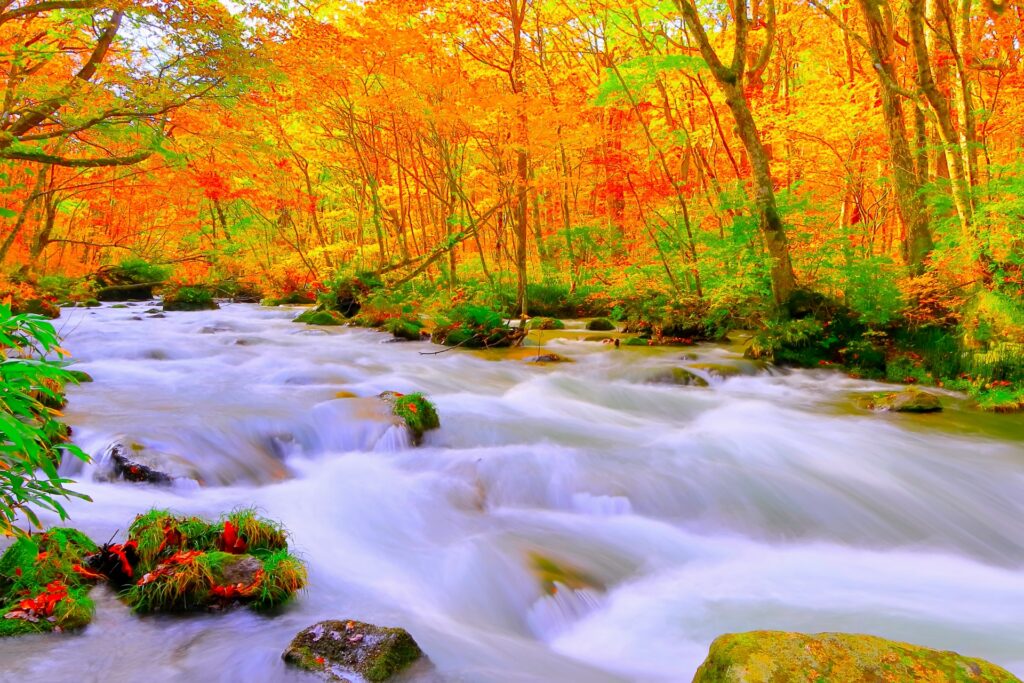
Tohoku peaks earlier than central Japan, typically mid-October through early November. Naruko Gorge offers spectacular cliffside foliage framed by a lone rail bridge—visible right from the train window. Further north, Oirase Gorge’s gentle hiking trails weave through mossy stones, waterfalls, and vibrant trees. Nearby Hiraizumi, a UNESCO site, offers golden-lit temple ponds that reflect autumn colors beautifully. Travelers looking to avoid Kyoto/Osaka crowds will find this itinerary deeply rewarding and surprisingly easy by train.
Route 3: Hokkaido Early-Season Foliage Loop (Sapporo → Asahikawa → Sounkyo → Furano)
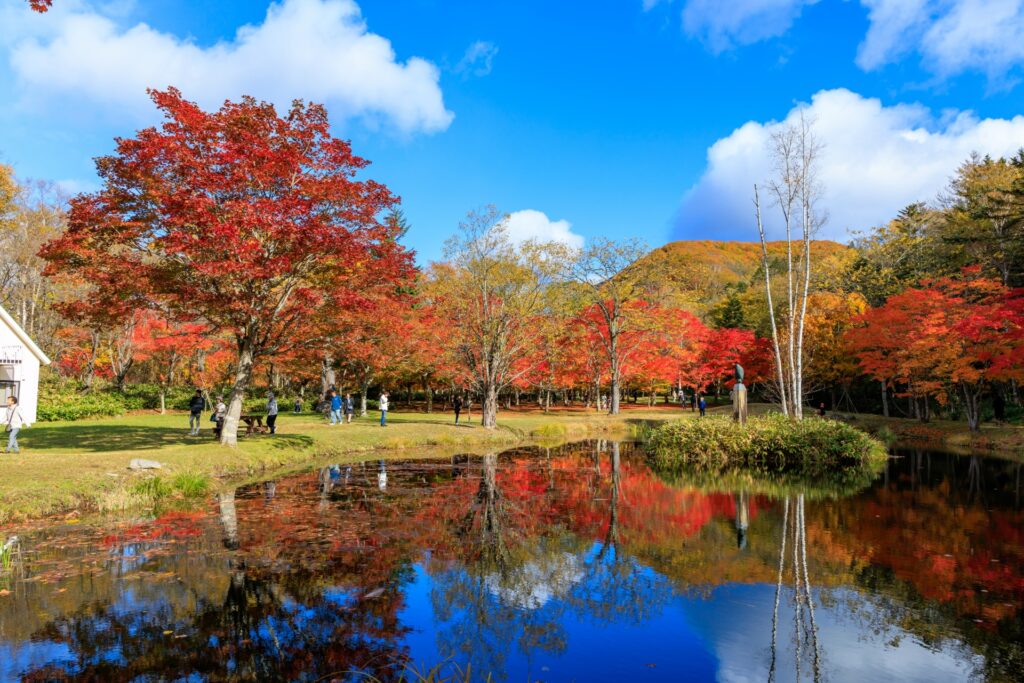
For travelers wanting the earliest autumn colors in Japan, this Hokkaido loop delivers wilderness landscapes and crisp northern air. Daisetsuzan National Park—Japan’s earliest foliage hotspot—begins changing as early as September, making this itinerary ideal for those traveling before the main Honshu season begins.
Best Season: Mid-September to mid-October
Recommended Pass: JR Hokkaido Rail Pass
Key Transport Segments
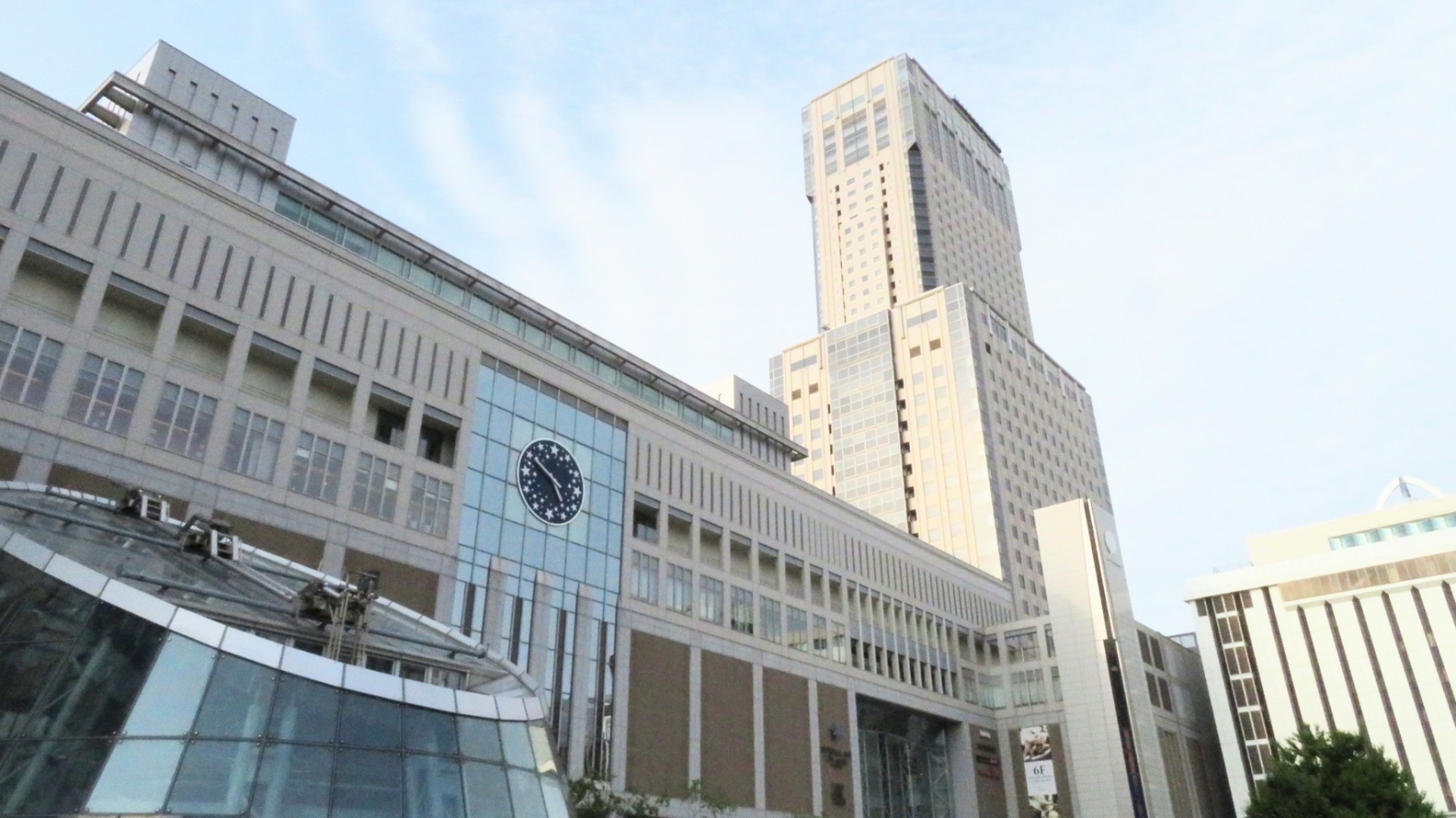
Sapporo → Asahikawa: Limited Express Kamui
Asahikawa → Sounkyo: Short bus connection into Daisetsuzan
Asahikawa → Furano: Local JR train
What to Expect
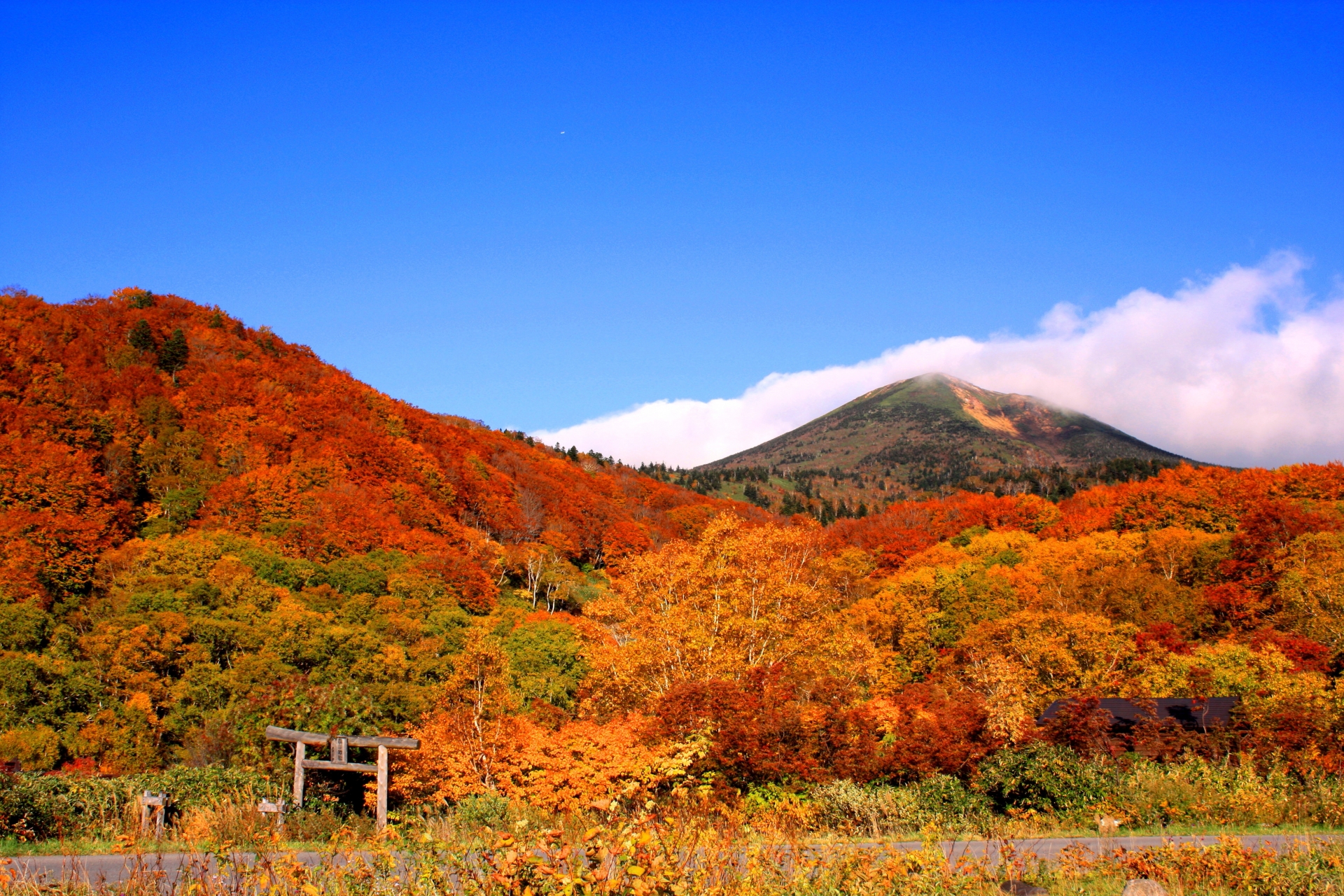
Daisetsuzan rises above the forests of central Hokkaido, creating layers of crimson and gold visible from ropeways and mountain trails. Sounkyo Gorge offers dramatic cliffs and waterfalls, while Furano provides gentler scenery of rolling countryside. Because Hokkaido is more spread out, short bus rides are necessary, but overall rail connections are straightforward. This route suits nature lovers and photographers seeking crisp, high-contrast autumn scenery weeks before the rest of Japan turns color.
Route 4: Japanese Alps Scenic Rail Journey (Nagano → Matsumoto → Takayama → Kanazawa)
A superb option for travelers who enjoy mountain scenery, traditional towns, and quieter landscapes, the Japan Alps route combines multiple iconic alpine regions into a single rail trip. This east-to-west journey is entirely train-accessible and offers some of the most atmospheric valley views in the country.
Recommended Duration: 7–10 days
Recommended Pass: Hokuriku Arch Pass or Nationwide JR Pass
Key Train Segments
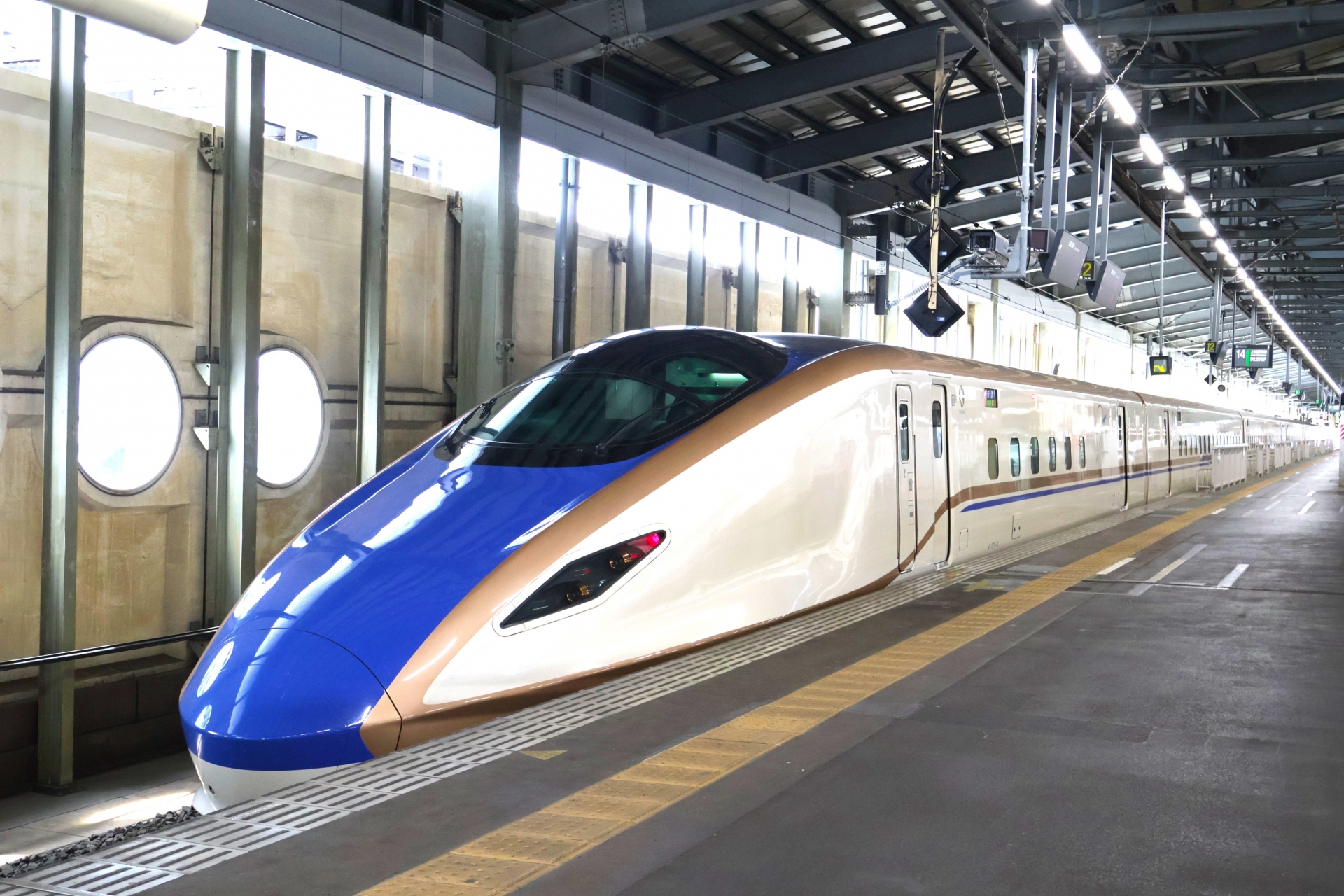
Tokyo → Nagano: Hokuriku Shinkansen
Nagano → Matsumoto: Local JR line
Matsumoto → Takayama: Limited Express Wide View Hida
Kanazawa → Tokyo: Hokuriku Shinkansen
What to Expect
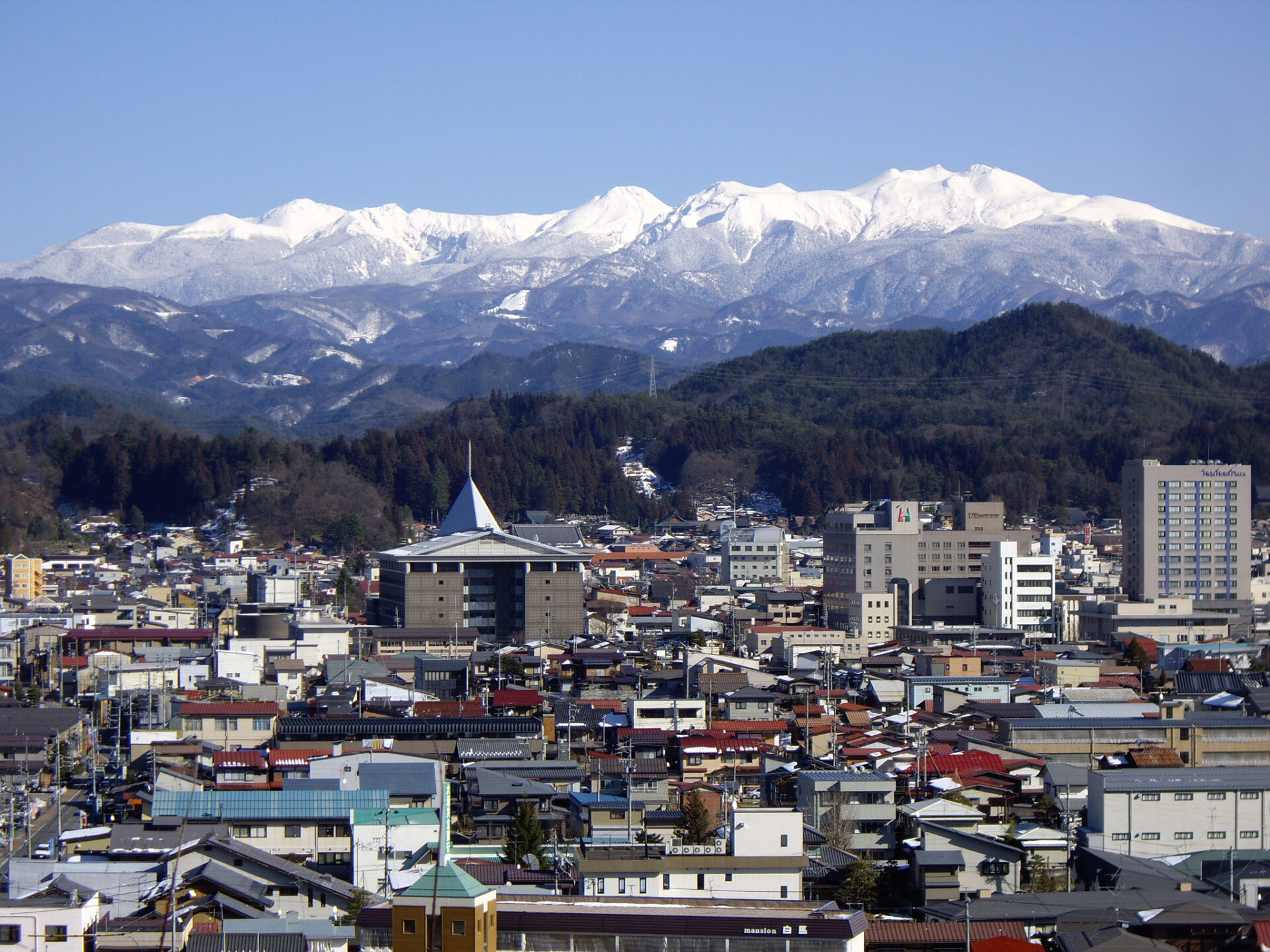
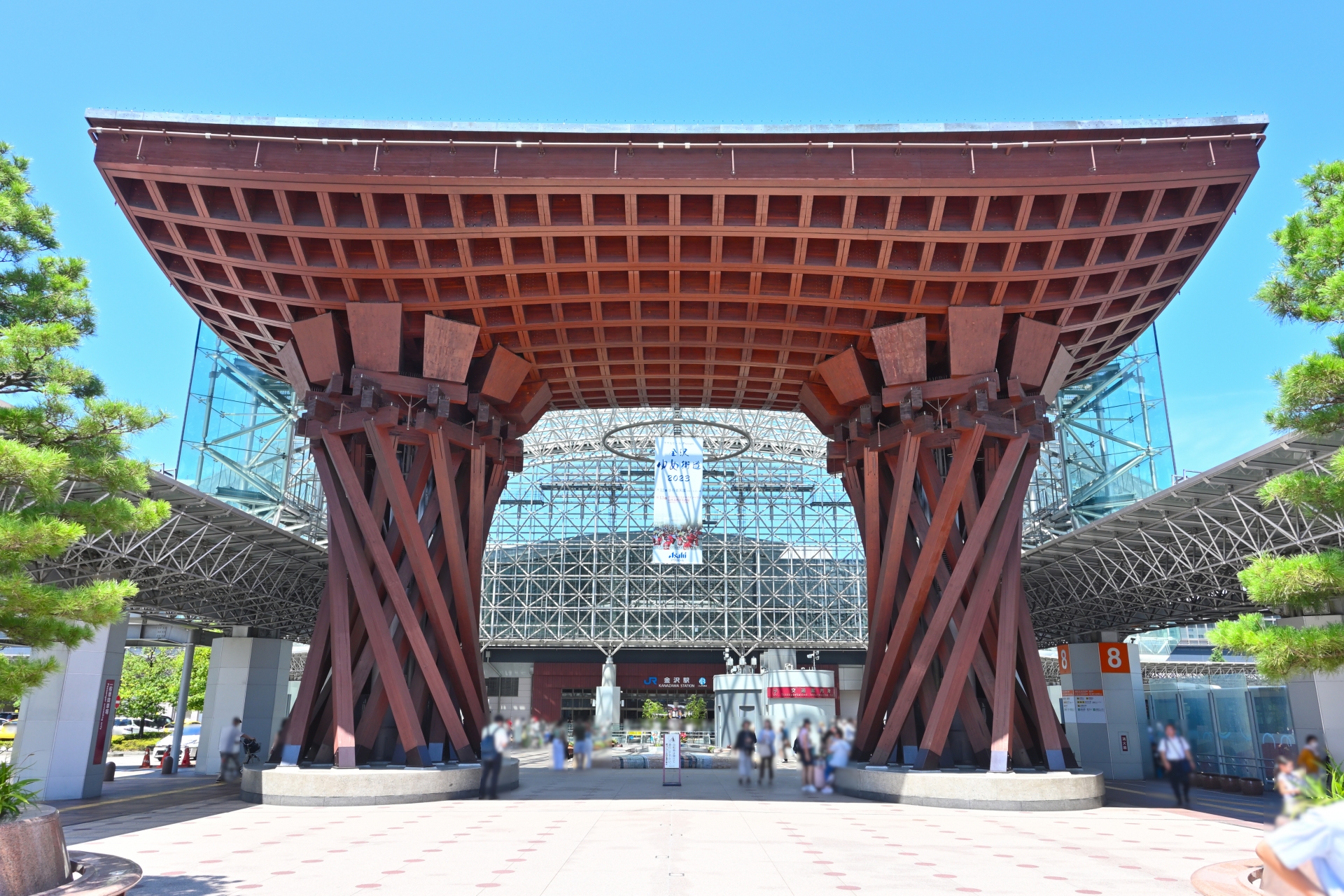
Nagano peaks from mid-October to early November, with wooded hillsides framing Zenkoji Temple. Matsumoto offers castle views surrounded by autumn colors, while Takayama provides one of Japan’s most charming old towns, glowing with seasonal warmth. The pass ends in Kanazawa, a cultural hub known for Kenroku-en Garden’s vibrant foliage displays. This itinerary is especially photogenic thanks to its varied mountain landscapes, making it a favorite among serious photographers.
Route 5: Kansai Heritage & Hot Springs Autumn Route (Kyoto → Arashiyama → Kobe → Kinosaki Onsen)
For travelers who prefer shorter transportation times but still want richly layered experiences, this Kansai-based route combines temples, gardens, gourmet food, and a classic onsen town. The itinerary stays within western Japan and is perfect for those who want a more relaxed pace without venturing too far from Kyoto.
Recommended Duration: 5–7 days
Recommended Pass: JR Kansai Wide Area Pass
Key Train Segments
Kyoto → Arashiyama: JR Sagano Line
Kyoto → Kobe: JR Special Rapid Service
Kobe → Kinosaki Onsen: Limited Express Kounotori
What to Expect
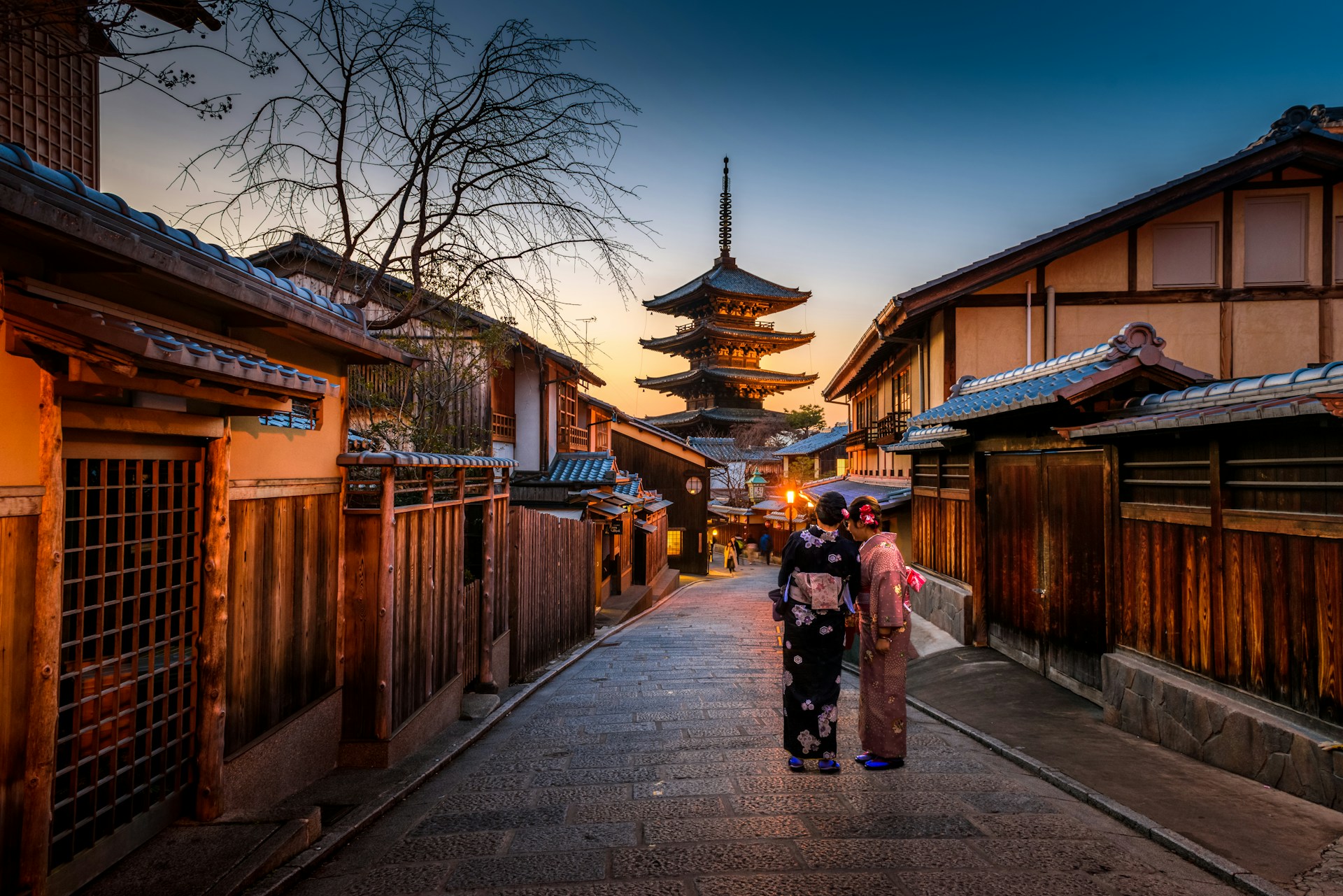
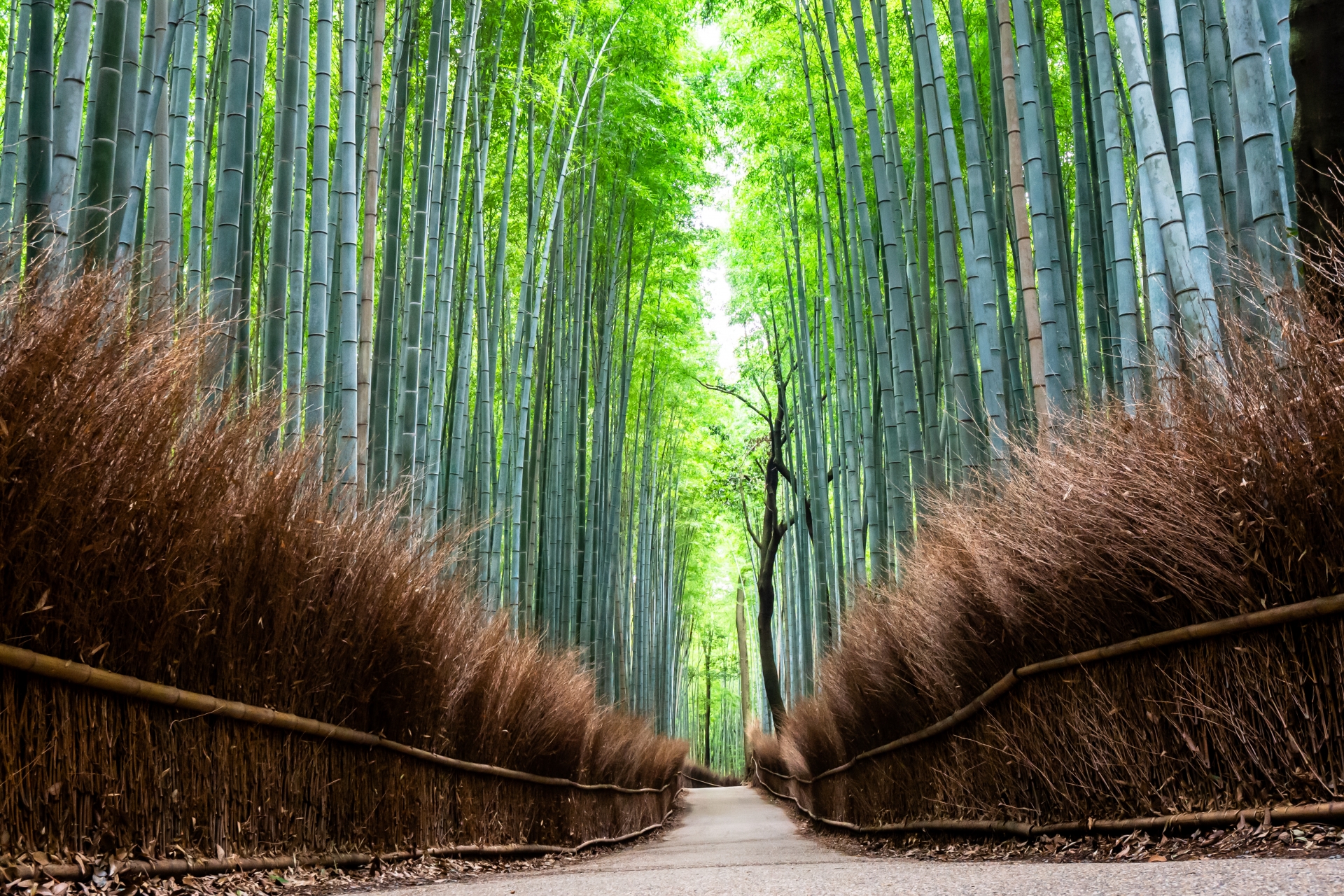
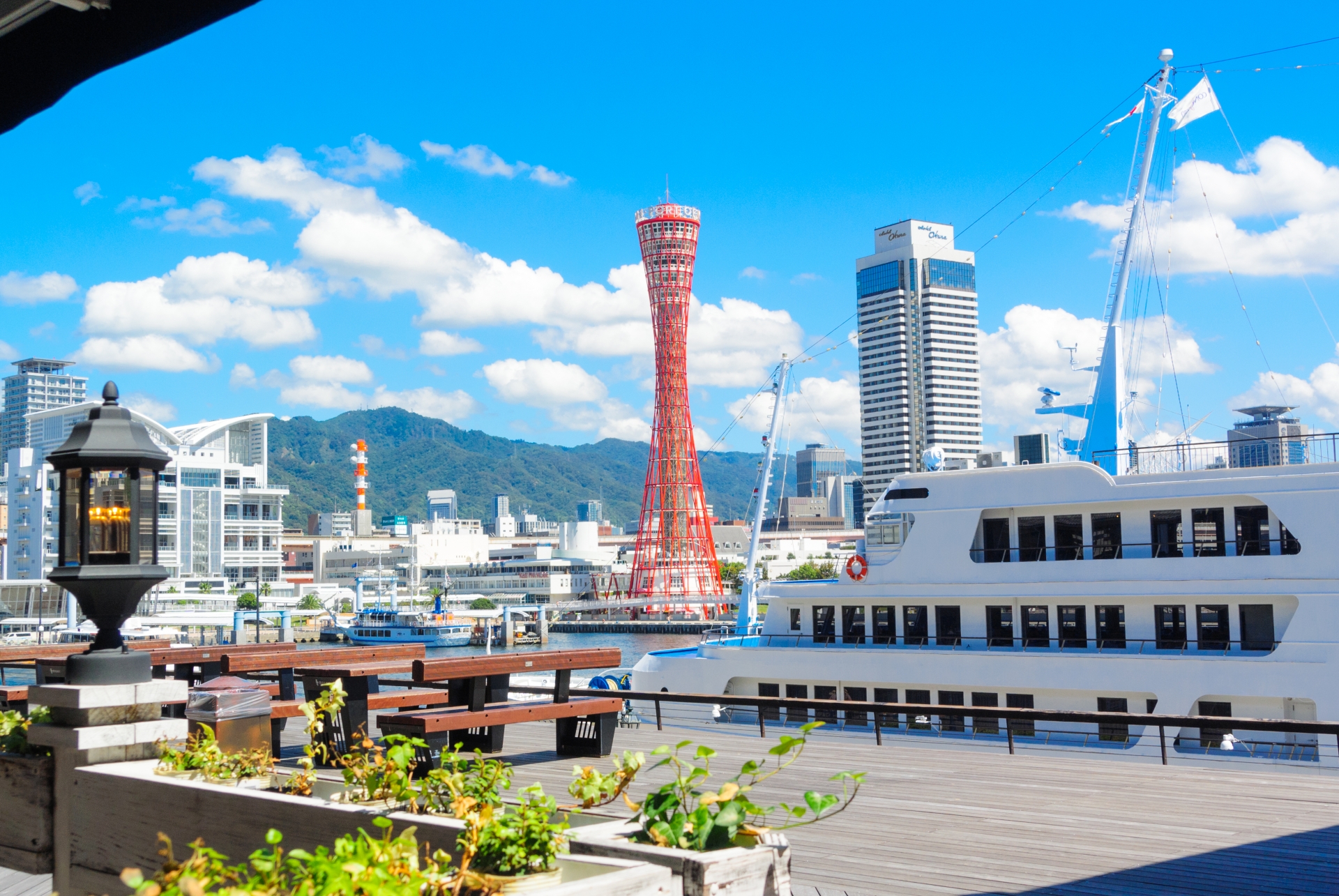
Arashiyama’s riverbanks and temples glow in rich reds by mid-November, offering some of Kyoto’s finest autumn views. Kobe provides a refreshing urban contrast, with nearby Mt. Rokko offering sweeping panoramas of colored valley slopes. The trip culminates in Kinosaki Onsen, a charming hot-spring town famous for yukata strolls and seven public bathhouses surrounded by seasonal scenery. This route is ideal for travelers seeking comfort, culture, and soft adventure without covering long distances.
JR Pass Guide for Autumn Travelers
Autumn is one of the most rewarding—and busiest—times to travel Japan, and the nationwide rail network makes it easy to reach even remote foliage regions without driving. The JR Pass allows unlimited travel on most Shinkansen and limited express trains, making multi-city foliage trips highly cost-effective.
Why rail + foliage is the perfect match
Scenic routes: Many Shinkansen lines cut through forests, valleys, and mountains that glow during autumn.
Efficiency: Avoid holiday road congestion and unpredictable mountain traffic.
Flexibility: Hop between regions as peak colors shift from north to south.
Savings: A single long Shinkansen round trip often equals the cost of the pass.
Best JR Pass Types for Each Route
Route | Best JR Pass | Notes
Route 1 | 7-day Nationwide JR Pass | Ideal for Tokaido Shinkansen legs
Route 2 | JR East Pass (Tohoku) or 14-day JR Pass | Covers multiple Shinkansen segments
Route 3 | JR Hokkaido Rail Pass | Best for long distances between Hokkaido cities
Route 4 | Hokuriku Arch Pass or Nationwide JR Pass | Useful for Tokyo–Nagano–Kanazawa loop
Route 5 | JR Kansai Wide Area Pass | Cost-efficient for short regional hops
Seat Reservations
Autumn weekends can be extremely crowded, especially on lines to Nikko, Kyoto, and Tohoku. JR Pass holders can make free seat reservations at ticket counters or using station machines. Booking 1–2 days ahead ensures comfortable travel and optimal timing around golden-hour sightseeing.
Practical Tips for a Smooth Rail-Based Foliage Trip

Autumn conditions vary dramatically across Japan, especially if you are traveling from Hokkaido down to Kyoto. Packing layers is essential: mornings in northern Japan can feel wintry, while afternoons in Kansai may remain mild. Lightweight down jackets, waterproof shoes, and warm accessories will keep you comfortable during outdoor walks.
When traveling during peak weekends, aim for early-morning trains to enjoy scenic valleys with soft light and fewer crowds. Popular destinations like Nikko and Kyoto can be very busy after 10 a.m., making dawn departures well worth the effort. Consider using Japan’s reliable luggage-forwarding services, which allow you to travel hands-free between hotels—a major benefit on narrow mountain routes.
Because autumn colors shift gradually from north to south, it’s wise to check daily foliage forecasts from reputable sources. This allows you to adjust day trips easily, especially when using flexible regional rail passes.
Conclusion: Design Your Perfect Japan Rail Foliage Journey
Japan’s autumn season is one of the most visually striking on Earth, and the country’s world-class rail network makes it possible to experience these landscapes seamlessly. Whether you’re riding deep into Tohoku gorges, exploring ancient Kyoto temples, or watching early leaves fall in Hokkaido’s highlands, rail travel offers convenience, scenic diversity, and outstanding value.
Combine multiple routes to follow Japan’s north-to-south foliage trail, or choose a single region to explore slowly. With the right JR Pass and a rail-friendly itinerary, your autumn journey becomes more than a vacation—it becomes a moving panorama of seasonal beauty, unfolding outside your window one brilliant landscape at a time.