Ise Grand Shrine stands at the spiritual heart of Japan. With a history spanning over 2,000 years, this sacred Shinto shrine complex is dedicated to Amaterasu Omikami, the Sun Goddess and ancestral deity of the Japanese Imperial Family. More than a historical site, Ise Grand Shrine represents the core values of Shinto—purity, renewal, and harmony with nature. For travelers and history enthusiasts alike, visiting Ise is not just sightseeing, but a rare opportunity to experience a living tradition that continues to shape Japan’s cultural and spiritual identity.


What Is Ise Grand Shrine (Ise Jingu)?
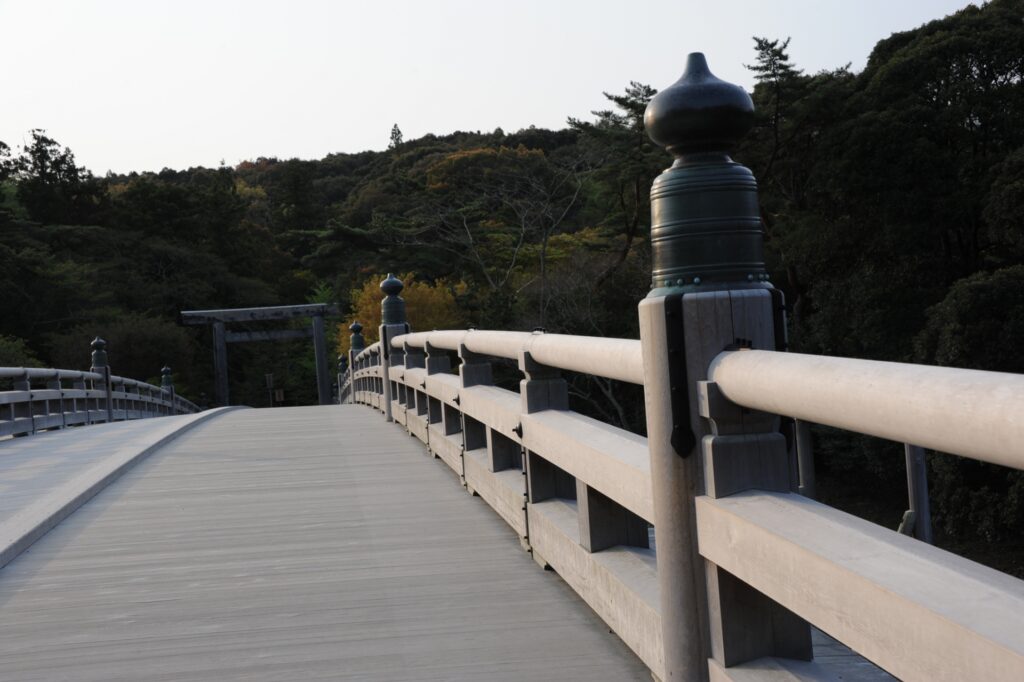
Ise Grand Shrine, known in Japanese as Ise Jingū, is widely regarded as the spiritual heart of Japan. Located in Ise City, Mie Prefecture, this sacred shrine complex is dedicated to Amaterasu Omikami, the Sun Goddess and the most revered deity in Shinto belief. The complex is composed of more than 125 individual shrines, yet its spiritual core lies in two principal sanctuaries: Naikū (Inner Shrine) and Gekū (Outer Shrine), each fulfilling a distinct and complementary religious role.
Founded over 2,000 years ago, Ise Jingū represents the very origins of Shinto ideals such as purity, renewal, and harmony with nature. It is not merely a religious site but a powerful symbol of Japanese identity and continuity. For centuries, emperors, nobles, and common people alike have made pilgrimages to Ise, believing it to be the dwelling place of the most sacred kami in Japan.
What distinguishes Ise Grand Shrine from other religious sites is its deliberate simplicity. The shrine buildings are constructed from unpainted Japanese cypress and set deep within sacred forests, embodying the Shinto belief that humans should live in balance with the natural world. Rather than emphasizing ornamentation or grandeur, Ise values quiet reverence, restraint, and spiritual clarity.
For travelers seeking to understand the foundations of Japanese spirituality and culture, Ise Grand Shrine is not simply a sightseeing destination. It is a pilgrimage experience that offers rare insight into the spiritual essence of Japan.
History and Mythology of Ise Jingu
The history of Ise Jingū is inseparable from Japanese mythology. According to the ancient chronicle Kojiki (Records of Ancient Matters), Amaterasu Omikami is the divine ancestor of the Japanese Imperial Family. Mythology recounts that she entrusted her sacred mirror, the Yata-no-Kagami, to her descendants as a symbol of divine authority and legitimacy.
This mirror, one of the Three Imperial Regalia of Japan, is enshrined at Naikū and remains hidden from public view, reinforcing its supreme sacred status. Historically, the shrine is believed to have been formally established in the 3rd century, though its mythological origins extend even further back into Japan’s legendary past.
From the Asuka Period (6th century) onward, Ise Jingū became central to state-supported Shinto rituals. The Japanese Emperor continues to maintain a close spiritual relationship with the shrine, sending imperial messengers to perform rituals on behalf of the nation. This enduring connection highlights Ise’s unique role as both a religious sanctuary and a symbol of national unity.
Despite centuries of political change, civil war, and modernization, Ise Jingū has remained spiritually autonomous. It avoided entanglement with secular power and preserved its ancient traditions intact. As a result, the shrine stands today as one of the world’s rare examples of uninterrupted religious continuity spanning more than two millennia.
Visiting Ise is therefore not simply an encounter with history, but an immersion into a living tradition where mythology and ritual remain deeply intertwined.
The Shrine Complex: Naikū, Gekū, and More
At the heart of Ise Jingū are its two principal sanctuaries: Naikū (Inner Shrine) and Gekū (Outer Shrine). Both are set within sacred landscapes of forests, rivers, and gravel paths that symbolize purification and the transition from the everyday world to the realm of the divine.
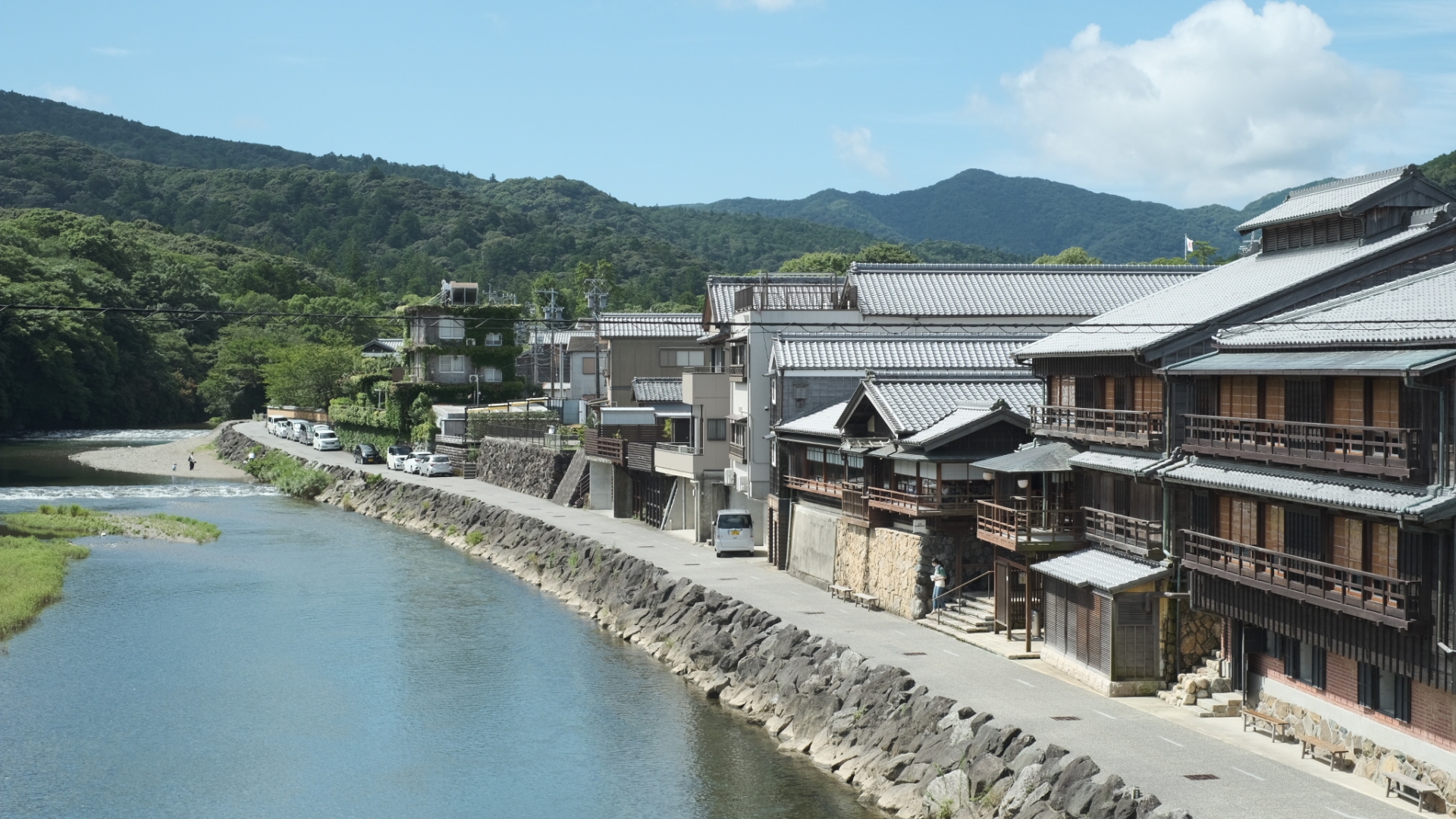
Naikū, dedicated to Amaterasu Omikami, is the most sacred site within the entire complex. Located along the Isuzu River, it is traditionally approached by crossing the iconic Uji Bridge, which marks the symbolic boundary between the secular and sacred worlds. Photography is strictly limited near the main sanctuary, preserving the profound sanctity of the space where the sacred mirror of Amaterasu is enshrined.
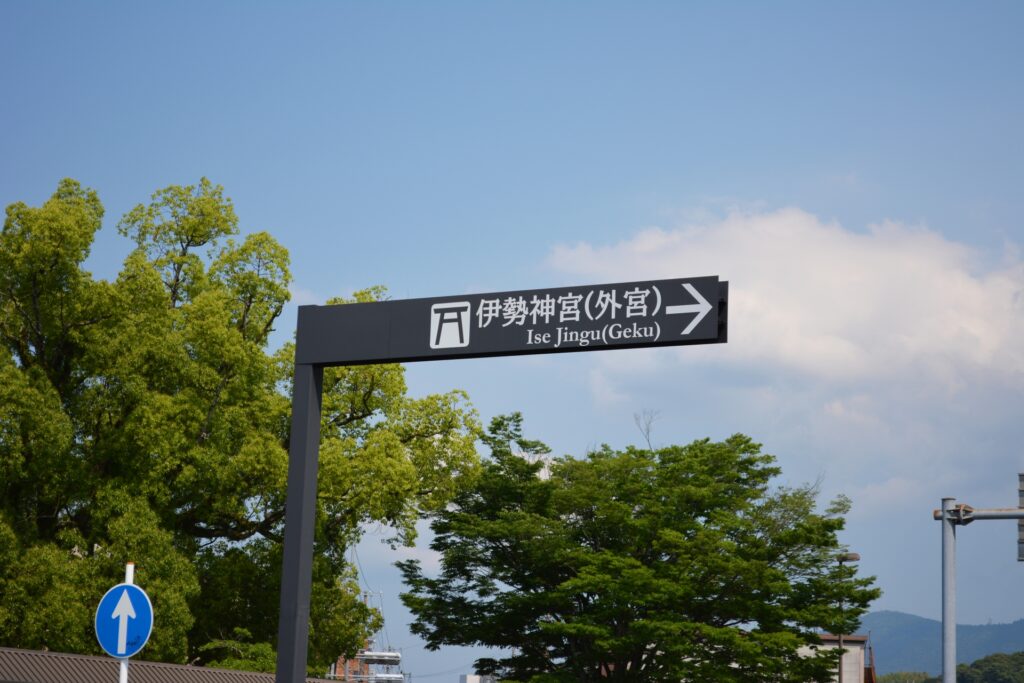
Gekū, situated approximately six kilometers from Naikū, is dedicated to Toyouke Omikami, the deity of food, clothing, and shelter. According to long-standing tradition known as Gekū Sensai, pilgrims visit Gekū first to express gratitude for life’s necessities before proceeding to Naikū to honor the Sun Goddess.
In addition to these two main shrines, Ise Jingū includes more than 120 subsidiary shrines, each dedicated to various kami associated with nature, agriculture, and protection. Together, they form a spiritual network that reflects the Shinto worldview connecting heaven, earth, and humanity.
Walking through this vast forested complex is both a physical and spiritual journey, inviting visitors to experience reflection, purification, and renewal at every step.
Shikinen Sengu: The 20-Year Rebuild Tradition
One of the most extraordinary traditions associated with Ise Jingū is Shikinen Sengu, the ceremonial rebuilding of the shrine every 20 years. This ritual, practiced continuously for over 1,300 years, is one of the most profound expressions of renewal in Japanese culture.
During each cycle, the main sanctuary buildings, bridges, and sacred treasures are reconstructed using the same ancient methods and materials, primarily hinoki (Japanese cypress). Once the new structures are completed, the sacred objects are transferred in a solemn nighttime ceremony, and the old buildings are carefully dismantled.
Shikinen Sengu is not merely an architectural process. It embodies the Shinto philosophy of impermanence, rebirth, and continuity. By rebuilding rather than preserving structures indefinitely, Ise Jingū emphasizes that spiritual essence transcends physical form. The ritual also ensures that traditional craftsmanship and ritual knowledge are faithfully transmitted to future generations.
The most recent Shikinen Sengu was held in 2013, and preparations are already underway for the next ceremony scheduled for 2033. This event draws pilgrims, scholars, and global media attention, symbolizing Japan’s enduring commitment to cultural preservation amid a rapidly changing world.
How to Visit: Practical Travel Guide
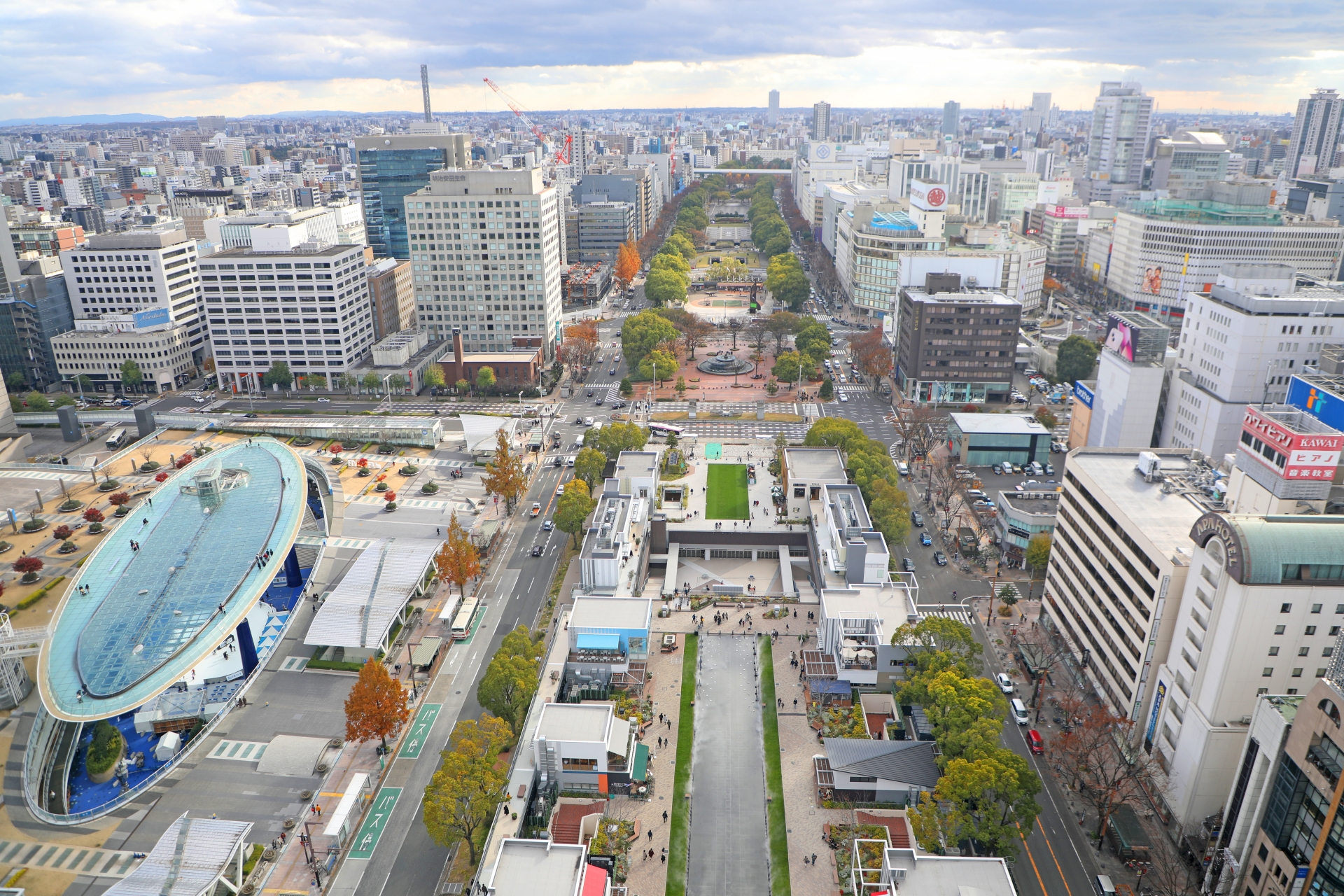
Visiting Ise Grand Shrine is both accessible and deeply meaningful. Ise City can be reached via Kintetsu or JR trains from major cities such as Nagoya, Kyoto, and Osaka. From Nagoya, the journey typically takes 1.5 to 2 hours.
Upon arrival, visitors are encouraged to follow traditional practice by beginning their pilgrimage at Gekū (Outer Shrine) and then proceeding to Naikū (Inner Shrine). The two sites are connected by bus and taxi services, though many travelers choose to walk or cycle the approximately six-kilometer route through serene natural surroundings.
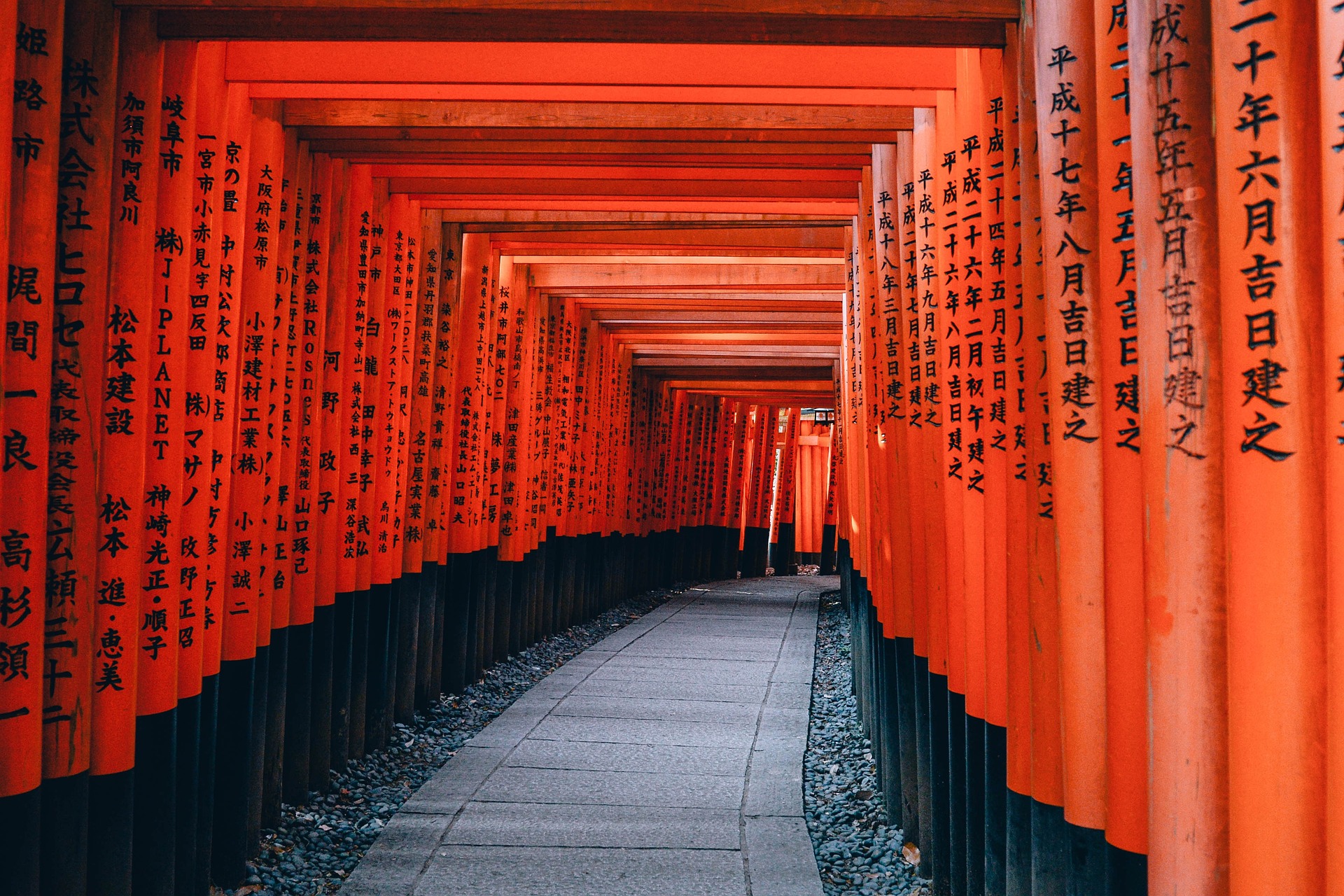
Proper etiquette is essential when visiting Ise Jingū. Visitors should bow before passing through torii gates, cleanse their hands and mouth at purification fountains, and maintain a quiet, respectful demeanor. Photography is restricted in sacred areas, and speaking softly is considered part of proper conduct.
The best seasons to visit are spring and autumn, when the climate is mild and the surrounding forests are at their most beautiful. Early mornings offer a particularly tranquil atmosphere. Nearby districts such as Oharai-machi and Okage Yokocho provide traditional food, souvenirs, and a glimpse into Edo-period townscapes.
A visit to Ise is not merely sightseeing—it is a spiritual journey that connects travelers with centuries of faith and tradition.
Annual Events & Rituals
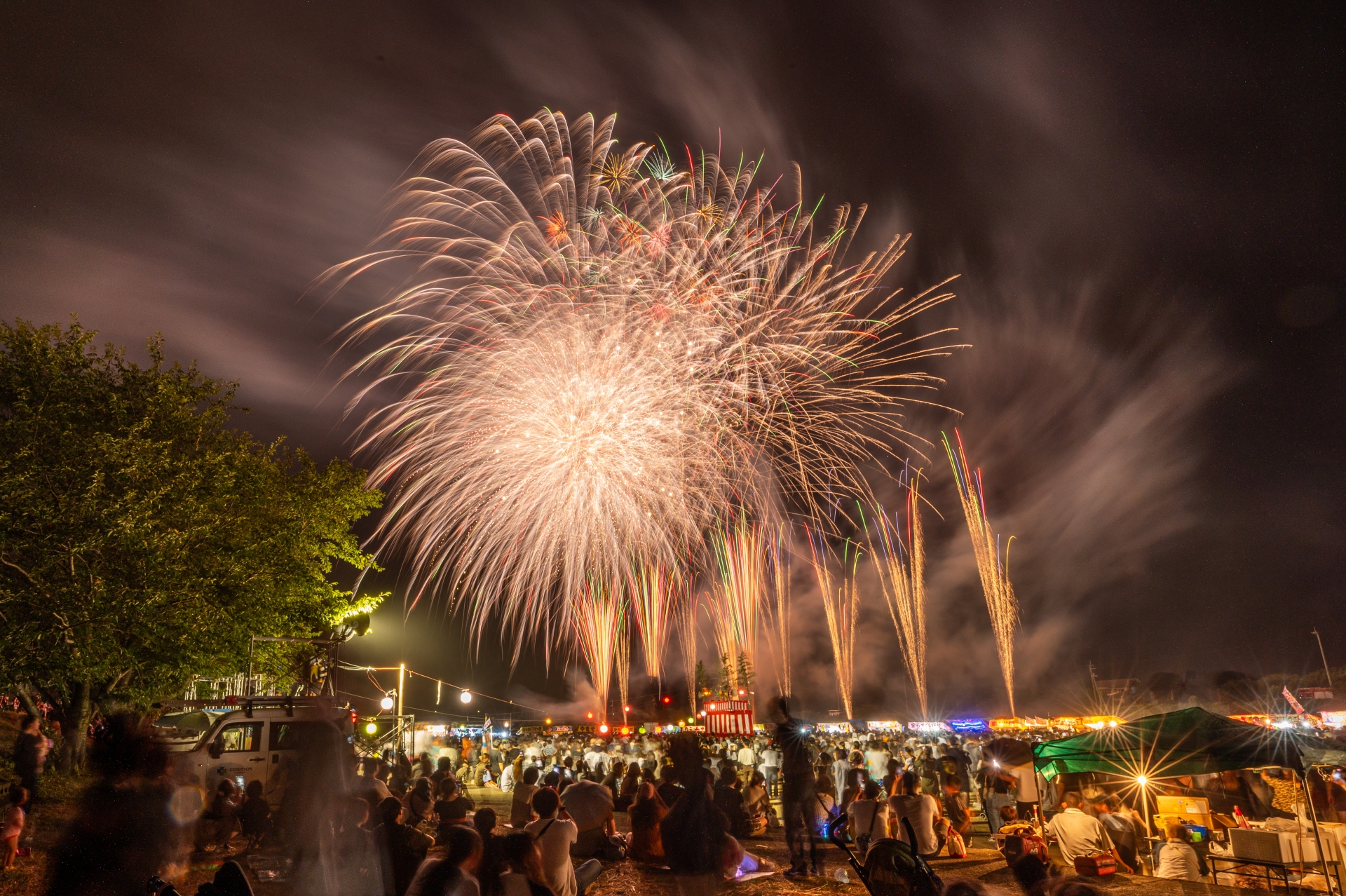
Ise Jingū conducts more than 1,500 rituals each year, all dedicated to expressing gratitude to the kami for nature’s blessings and the well-being of the nation. These ceremonies form the rhythm of life at the shrine and reflect the cyclical relationship between humans and nature.
Among the most significant events is the Kannamesai in October, during which newly harvested rice is offered to Amaterasu Omikami. Other important ceremonies include sacred kagura dances, spring rituals honoring Toyouke Omikami at Gekū, and New Year rites that attract countless worshippers.
Seasonal observances such as summer purification rites and autumn nighttime offerings further highlight the shrine’s role as a living religious institution rather than a static historical site. Each ritual is performed with precision and reverence by Shinto priests dressed in traditional white robes.
For travelers, witnessing one of these ceremonies offers a rare opportunity to observe authentic Shinto practice and gain deeper insight into Japan’s spiritual heritage.
Cultural Significance and Architecture
The architectural style of Ise Jingū, known as Yuiitsu Shinmei-zukuri, is among the oldest and most refined in Japan. Built entirely from untreated Japanese cypress and assembled without nails, the structures rely on precise wooden joints and rope bindings.
This architectural simplicity reflects core Shinto aesthetics: purity, humility, and harmony with nature. Raised floors, thatched roofs, and symmetrical layouts are reminiscent of ancient grain storehouses, symbolizing sustenance and life itself.
Culturally, Ise Jingū stands as a living embodiment of Japanese spirituality. Its emphasis on renewal through Shikinen Sengu conveys the idea that true continuity lies not in permanence, but in faithful repetition and rebirth. Every design element, from white gravel courtyards to minimal ornamentation, reinforces this philosophy.
The shrine’s architecture is thus not only functional but deeply symbolic, offering visitors a physical expression of Shinto beliefs that have endured for centuries.
Travel Tips & Surrounding Attractions
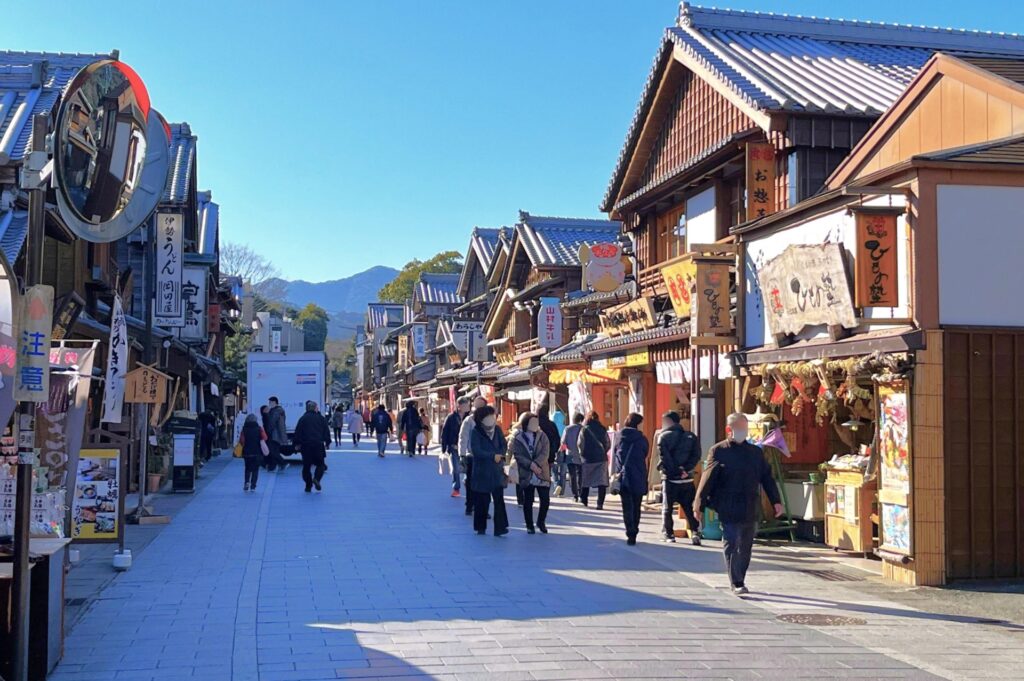
Beyond the shrine grounds, the surrounding area offers many attractions that enrich the visit to Ise. Oharai-machi and Okage Yokocho feature traditional streets lined with shops selling local specialties such as Ise udon and akafuku mochi, a beloved sweet made from rice cake and red bean paste.
Nature enthusiasts may also visit Meoto Iwa (the Wedded Rocks) in nearby Futami, symbolizing marital harmony, or explore sections of the Kumano Kodo Iseji Route, an ancient pilgrimage trail connecting Ise with the Kumano shrines. The nearby Ise-Shima National Park offers coastal scenery and tranquil forest landscapes.
Accommodation options range from traditional ryokan inns to modern hotels, many featuring regional seafood cuisine from Ise Bay. Staying overnight allows visitors to experience the shrine in the early morning, when mist rises gently from the Isuzu River and the atmosphere is at its most serene.
Conclusion
Ise Grand Shrine is far more than a historical landmark. It is a living expression of Japan’s spiritual essence. From its mythological origins and sacred architecture to the timeless cycle of Shikinen Sengu, Ise Jingū embodies Japanese values of purity, continuity, and reverence for nature.
For travelers seeking more than surface-level tourism, Ise offers a journey into the heart of Japan—where ancient faith and living tradition converge, and where every cypress beam quietly tells a story of renewal that has endured for over two thousand years.