The Ikedaya Incident was one of the most dramatic and consequential samurai confrontations of late–Edo Japan. It took place on July 8, 1864, at a small Kyoto inn known as Ikedaya, during a period when political violence had become a daily reality in the imperial capital. On that night, the Shinsengumi, a special police force loyal to the Tokugawa shogunate, launched a surprise raid against anti-shogunate activists who were secretly meeting inside the inn.
Although the clash lasted only a few hours, its impact far exceeded its scale. The incident reshaped the balance of power in Kyoto, elevated the Shinsengumi to national prominence, and accelerated the spiral of violence that ultimately led to the Meiji Restoration. For students of Japanese history, fans of samurai culture, and travelers exploring Kyoto’s Bakumatsu-era sites, the Ikedaya Incident represents a turning point where ideology, espionage, and swords collided in a single night.


What Was the Ikedaya Incident?
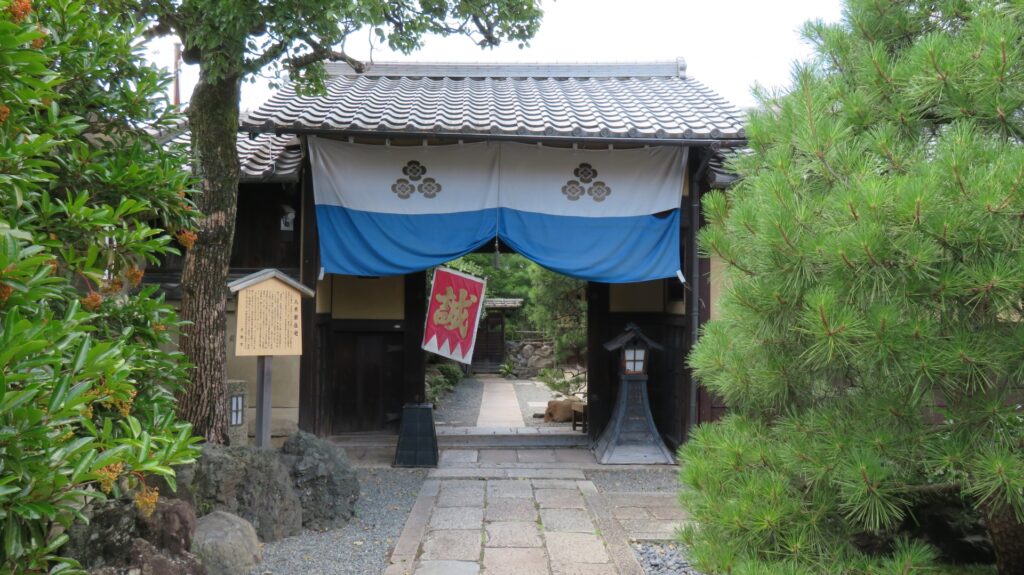
The Ikedaya Incident—also referred to as the Ikedaya Affair or Ikedaya Riot—was an armed raid carried out by the Shinsengumi against a group of anti-shogunate activists (shishi). The confrontation occurred at the Ikedaya Inn, located near Sanjō Ōhashi in central Kyoto, an area filled at the time with inns, teahouses, and political safe houses.
The opposing sides reflected the deep political divide of the era. On one side were the Shinsengumi, acting as de facto urban enforcers for the Tokugawa government. On the other were activists connected to powerful southwestern domains such as Chōshū, Tosa, and Higo, many of whom supported overthrowing the shogunate in the name of restoring imperial rule.
The immediate outcome was decisive. Several activists were killed during the fighting, many more were arrested, and the rest fled Kyoto. For the shogunate, the raid was proof that firm, violent policing could still maintain order in the capital—at least temporarily. For their enemies, it was a brutal reminder that Kyoto was no longer a safe operating ground.
Historical Background — Japan in Turmoil
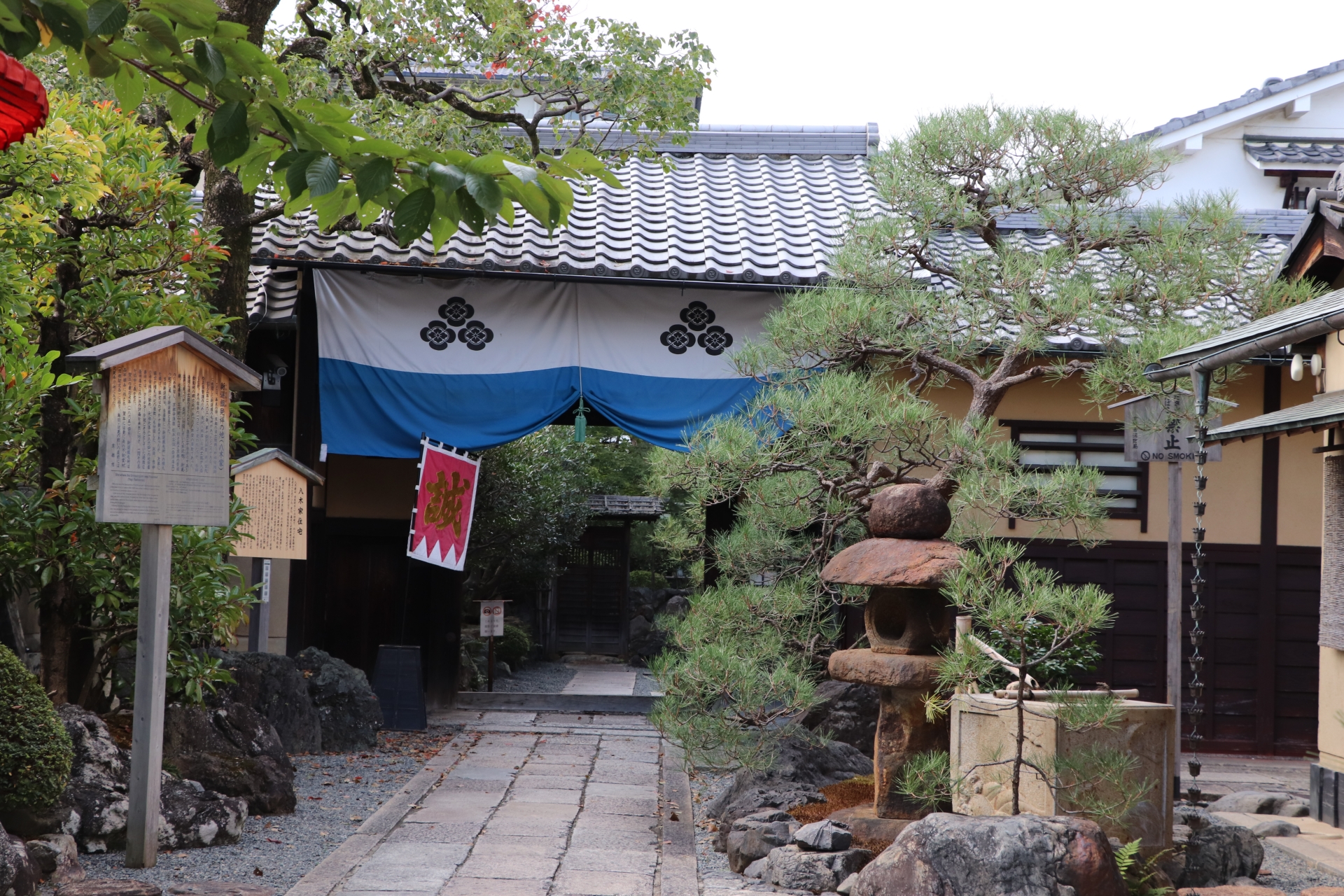
By the 1860s, Japan was deep in the Bakumatsu period, the final and most unstable phase of Tokugawa rule. Economic hardship, political factionalism, and foreign pressure following the arrival of Western powers had severely weakened the shogunate’s authority. Samurai who once served the Tokugawa order increasingly questioned its legitimacy.
A powerful ideological movement known as sonnō jōi (“Revere the Emperor, Expel the Barbarians”) spread among younger samurai, particularly in domains like Chōshū and Tosa. While the slogan combined loyalty to the emperor with hostility toward foreigners, it also became a rallying cry for dismantling shogunal rule altogether.
Kyoto stood at the center of this storm. As the seat of the emperor, it was both symbolically and politically crucial. Control of Kyoto meant influence over imperial legitimacy itself. As a result, assassinations, arson attempts, and street fighting became common, prompting the shogunate to rely on forces like the Shinsengumi to keep order through intimidation and force.
The Plot and Prelude to the Raid
According to shogunate intelligence, anti-shogunate activists were planning a large-scale act of terror in Kyoto. The alleged plot included setting fire to large sections of the city and possibly abducting or manipulating the emperor, actions that would have thrown the capital into chaos and justified a radical political shift.
The Shinsengumi uncovered this information through arrests and interrogations, most notably of Furutaka Shuntarō, an activist linked to Chōshū. During questioning, he reportedly revealed the meeting place and the outline of the conspiracy. However, this stage of events remains one of the most debated aspects of the Ikedaya Incident.
Many historians argue that torture was used to extract confessions, raising doubts about how accurate or exaggerated the intelligence may have been. Others contend that, regardless of the methods, the activists genuinely posed a serious threat. This uncertainty has fueled ongoing debate over whether the raid prevented a real catastrophe or served as a preemptive crackdown justified after the fact.
The Raid — What Happened at the Ikedaya Inn
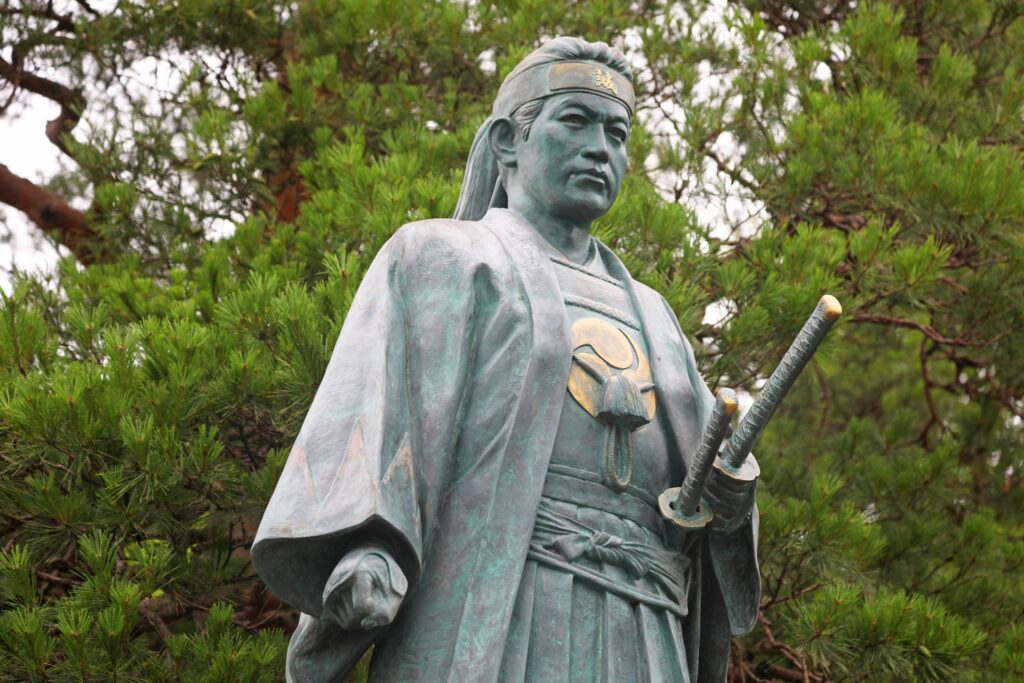
On the evening of July 8, 1864, Shinsengumi units began searching inns across Kyoto suspected of harboring activists. When they reached Ikedaya, a confrontation quickly escalated into a violent melee. Fighting broke out in narrow hallways and upstairs rooms, with swords drawn at close range and little room to maneuver.
The raid was led by Kondō Isami, with critical support from Hijikata Toshizō. Despite being outnumbered initially, the Shinsengumi held their ground until reinforcements arrived. The confined space favored disciplined fighters familiar with urban combat.
By the end of the night, multiple activists lay dead, dozens were captured, and the Shinsengumi had suffered injuries and at least one fatality. Survivors among the rebels fled Kyoto, effectively dismantling organized anti-shogunate activity in the city for the time being.
Aftermath and Larger Impact
The immediate aftermath saw widespread arrests and intensified surveillance throughout Kyoto. The shogunate capitalized on the victory, portraying the Shinsengumi as heroic defenders of public order. Their prestige soared, and their authority expanded.
Politically, however, the consequences were more complex. The humiliation of Chōshū-linked activists contributed directly to rising tensions that erupted just weeks later in the Kinmon Rebellion, when Chōshū forces attempted to retake influence in Kyoto by force. The cycle of violence escalated, leading to punitive expeditions against Chōshū and deepening the divide between domains.
In the long term, the Ikedaya Incident hardened positions on both sides. It convinced many anti-shogunate leaders that peaceful reform was impossible, while simultaneously binding the Shinsengumi’s fate to a collapsing Tokugawa regime.
Key People Involved
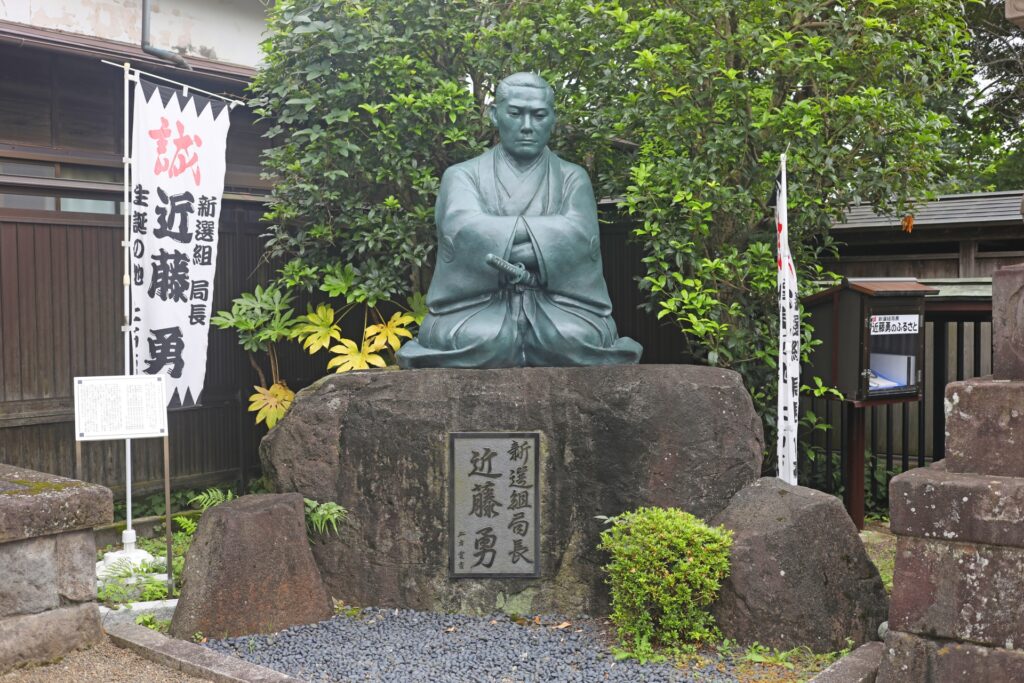
Shinsengumi Leaders
Kondō Isami emerged as the public face of the victory, celebrated for decisive leadership. Hijikata Toshizō, often described as the group’s disciplinarian, played a crucial tactical role. Other notable members, including Okita Sōji, were involved in the fighting and later became legendary figures in popular culture.
Rebel Leaders and Shishi
While no single rebel leader dominated the event, many participants were young samurai tied to Chōshū and Tosa, motivated by imperial loyalty and frustration with the shogunate. Their defeat at Ikedaya scattered their movement temporarily but did not extinguish it.
Historical Debates and Controversies
Modern historians continue to debate whether the alleged plot justified the raid and how reliable the intelligence truly was. Some view Ikedaya as a necessary security operation; others interpret it as an example of state violence suppressing political dissent.
Where It Happened — The Ikedaya Site Today
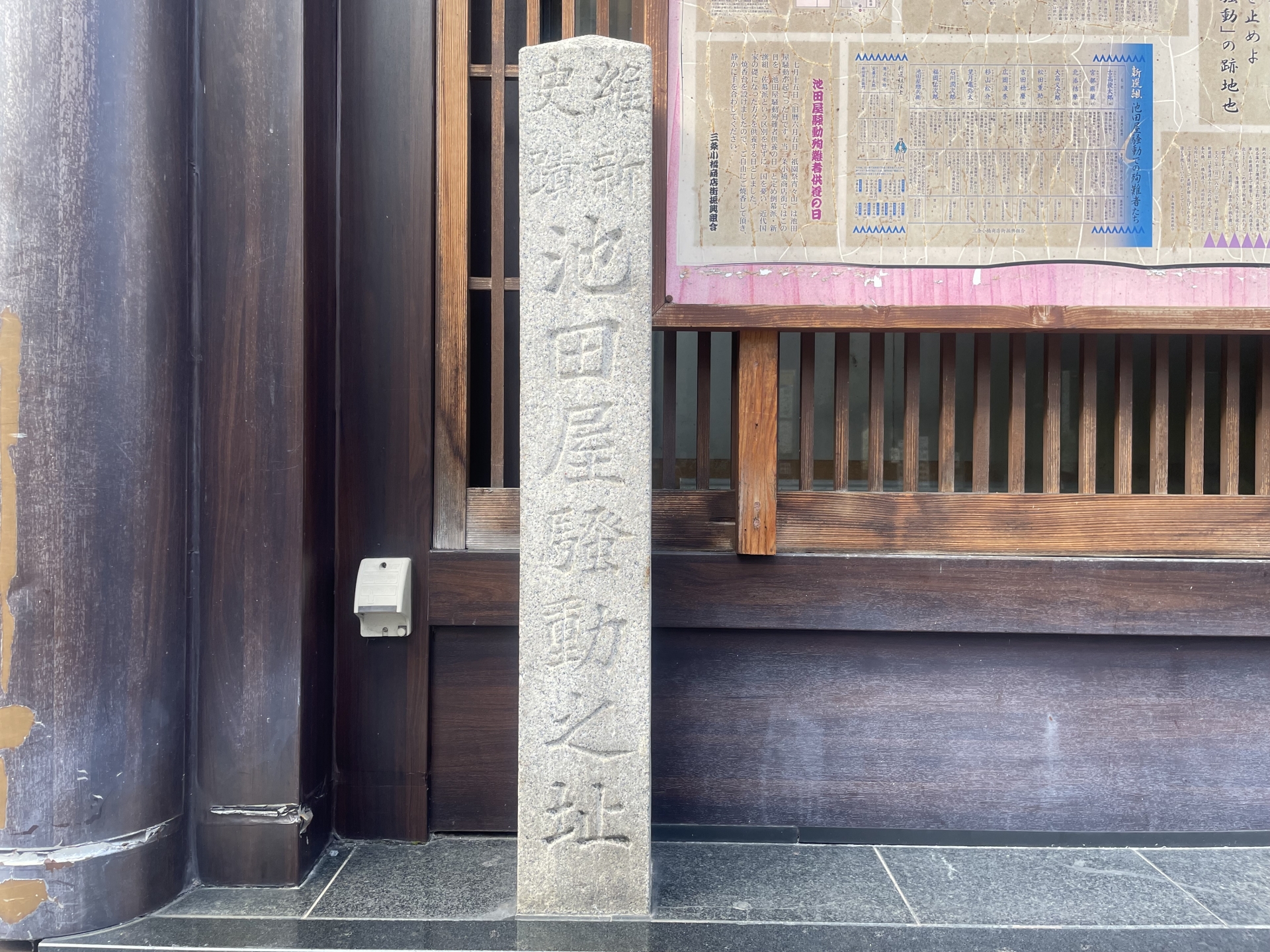
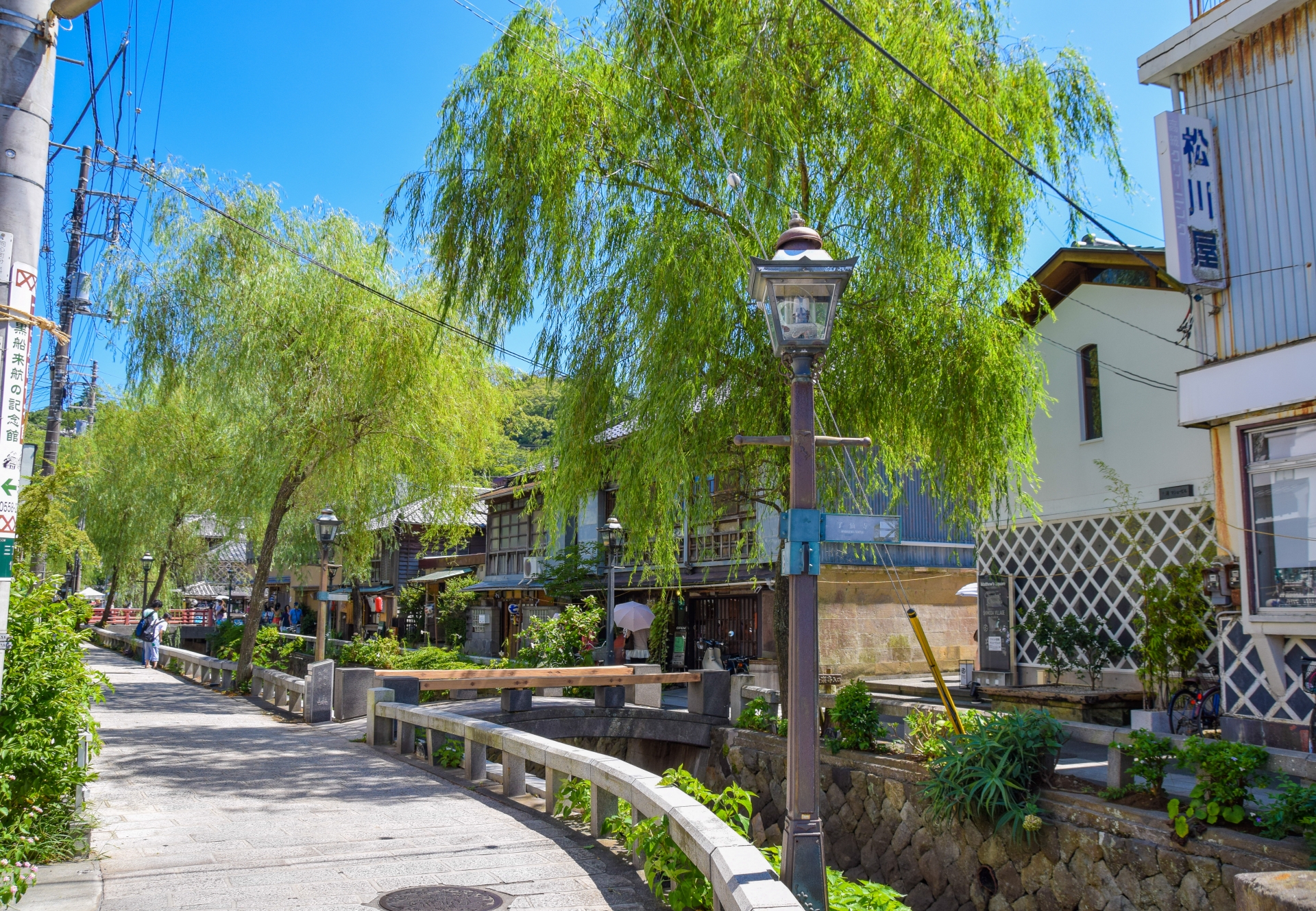
The original Ikedaya Inn no longer exists, but its location in central Kyoto is clearly marked today. Near Sanjō and the Kamo River, visitors can find plaques and monuments explaining the incident and its historical significance. The surrounding neighborhood, now filled with shops and restaurants, contrasts sharply with the violence that once unfolded there.
For those interested in Bakumatsu history, the site offers a rare chance to connect modern Kyoto with the turbulent final years of samurai rule, standing just steps away from where history was violently rewritten.
Why the Ikedaya Incident Still Matters
The Ikedaya Incident endures because it encapsulates the contradictions of late-Edo Japan: loyalty versus reform, order versus revolution, and honor enforced through violence. It marked the height of Shinsengumi power and foreshadowed their eventual downfall alongside the shogunate they served.
In literature, film, manga, and television, Ikedaya has become a defining episode of the samurai age, often romanticized yet rooted in real political struggle. For historians, it remains a critical case study in how urban violence and intelligence operations shaped the road to the Meiji Restoration.
Conclusion
The Ikedaya Incident was more than a bloody skirmish in a Kyoto inn. It was a decisive moment when fear, ideology, and power converged, accelerating Japan’s transformation from feudal rule to modern statehood. In a single night, the fate of movements, men, and the nation itself shifted—making Ikedaya one of the most studied and remembered confrontations in Japanese history.