Every January, Japan celebrates Seijin-shiki, the Coming-of-Age Ceremony, where young adults dress in vibrant furisode kimono or tailored suits and gather at local civic centers. While the event is widely photographed and shared on social media today, its roots extend more than a millennium into Japan’s aristocratic and warrior traditions. Seijin-shiki has evolved from intimate rites of passage into a national holiday symbolizing maturity, community identity, and social belonging. Recent legal changes, such as lowering the age of adulthood from 20 to 18, have sparked new discussions about what adulthood means in modern Japan. This article explores the ceremony’s origins, cultural symbolism, and contemporary challenges, explaining why Seijin-shiki remains one of Japan’s most meaningful traditions.


Origins — From Ancient Rites to Samurai Traditions
Early Recorded Coming-of-Age Rituals in 714 AD
The earliest documented coming-of-age ritual in Japan appears in 714 AD, when Prince Obito—later Emperor Shōmu—underwent a formal transition marked by a change of clothing and hairstyle. In the court culture of the time, outward appearance symbolized social identity, and adopting adult garments signified readiness for responsibility and participation in public life. This early ritual established a long-lasting cultural pattern: adulthood in Japan has historically been recognized not only by age, but also by visible, symbolic transformation. This connection continues to influence modern Seijin-shiki.
Classical Rites — Genpuku for Boys and Mogi for Girls
During the Heian and medieval periods, coming-of-age rituals became gender-specific. Genpuku, typically performed for boys between ages 12 and 16, marked their entry into aristocratic or samurai society. The ceremony involved changing into adult robes, adopting an adult hairstyle, and sometimes receiving a new name. Girls experienced mogi, in which they donned adult-style kimono and hairstyles for the first time, signaling readiness for roles such as court service or marriage. These traditions illustrate the deep cultural relationship between clothing, status, and adulthood in premodern Japan. Although Seijin-shiki is now standardized and inclusive, elements of genpuku and mogi remain visible in its emphasis on traditional attire.
Evolution During the Samurai Era
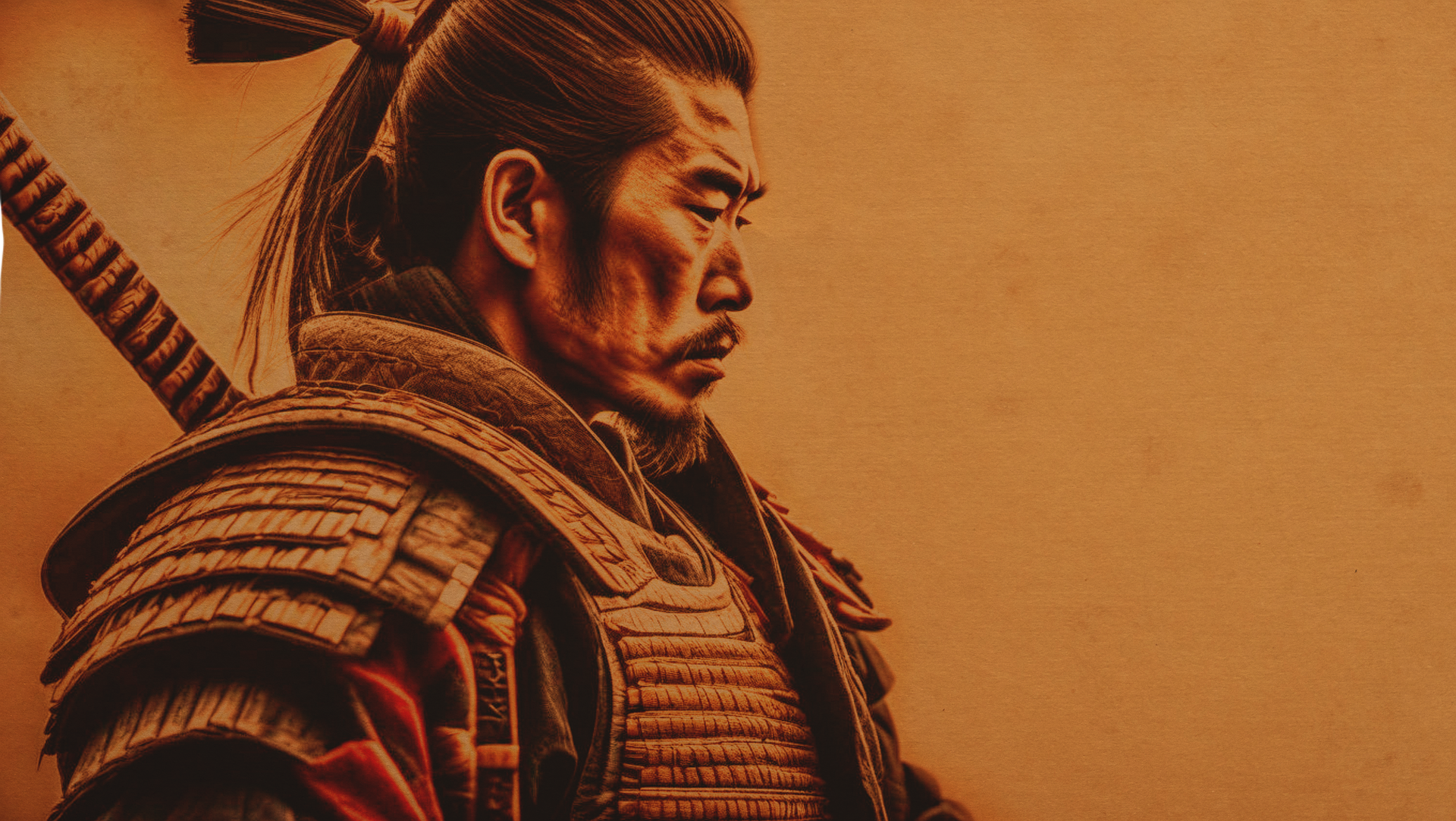
As samurai culture became dominant, coming-of-age rituals gained new layers of meaning. A young warrior was considered an adult once he demonstrated readiness for social responsibility, martial training, and household duties. Some ceremonies involved receiving weapons or taking on a name linked to a family lineage. In this context, adulthood represented a readiness to act, protect, and contribute. These values of duty, preparedness, and honor still echo in the moral framing of modern Seijin-shiki, even though today’s adults face very different expectations.
Institutionalization — From Meiji Era to Post-War Japan

Legal Establishment of Age 20 in 1876
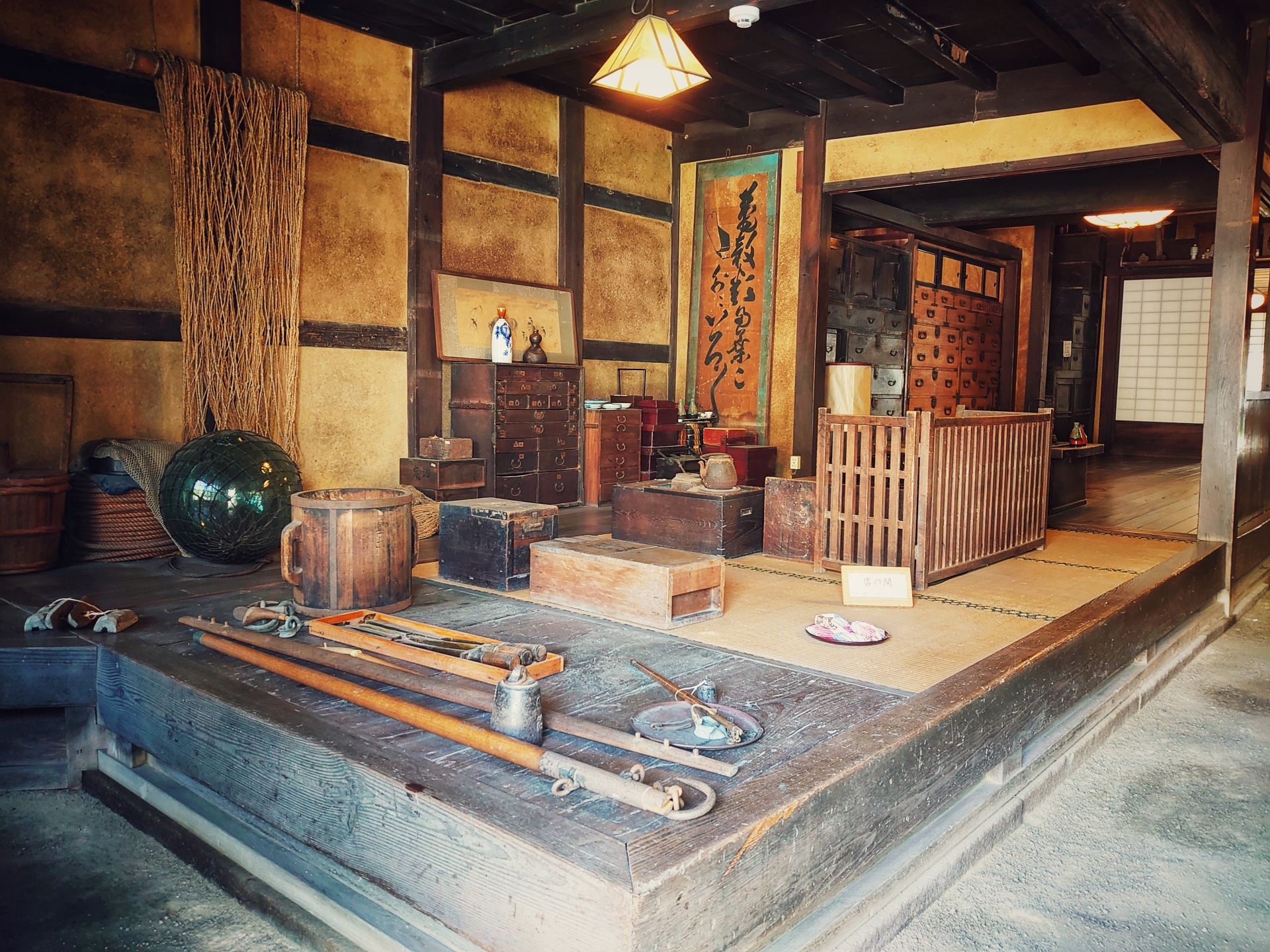
In 1876, during the Meiji period, Japan formally set the legal age of adulthood at 20. As the nation modernized and adopted Western legal systems, it needed a unified standard for civic rights including voting, contracts, and marriage consent. Age 20 became deeply embedded in Japanese society and shaped later traditions, including the modern Seijin-shiki.
Post-War Origins of the Modern Seijin-shiki (1946)
Modern Seijin-shiki began in 1946 when Warabi City in Saitama Prefecture organized a “Youth Festival” to inspire and uplift young people in the difficult post-war period. The success of this event encouraged other municipalities to adopt similar ceremonies. This initiative established the foundation for today’s community-based Seijin-shiki, where local governments host celebrations to honor their new adults.
Establishment of “Seijin no Hi” as a National Holiday (1948)
In 1948, Seijin no Hi became a national holiday celebrated on January 15. Municipal ceremonies, official speeches, and community gatherings quickly became standard, embedding the celebration into Japan’s New Year season and enhancing its emotional and cultural importance.
The Happy Monday System and the Shift to the Second Monday of January (2000)
Japan introduced the Happy Monday System in 2000, moving Seijin no Hi to the second Monday of January to create a three-day weekend. This shift made it easier for young adults to travel home for their ceremonies. While the change altered scheduling and created regional variations, the essential communal structure of Seijin-shiki remained consistent.
What Seijin-shiki Means Today — Ceremony, Symbolism, and Social Roles
How Modern Seijin-shiki Ceremonies Are Conducted
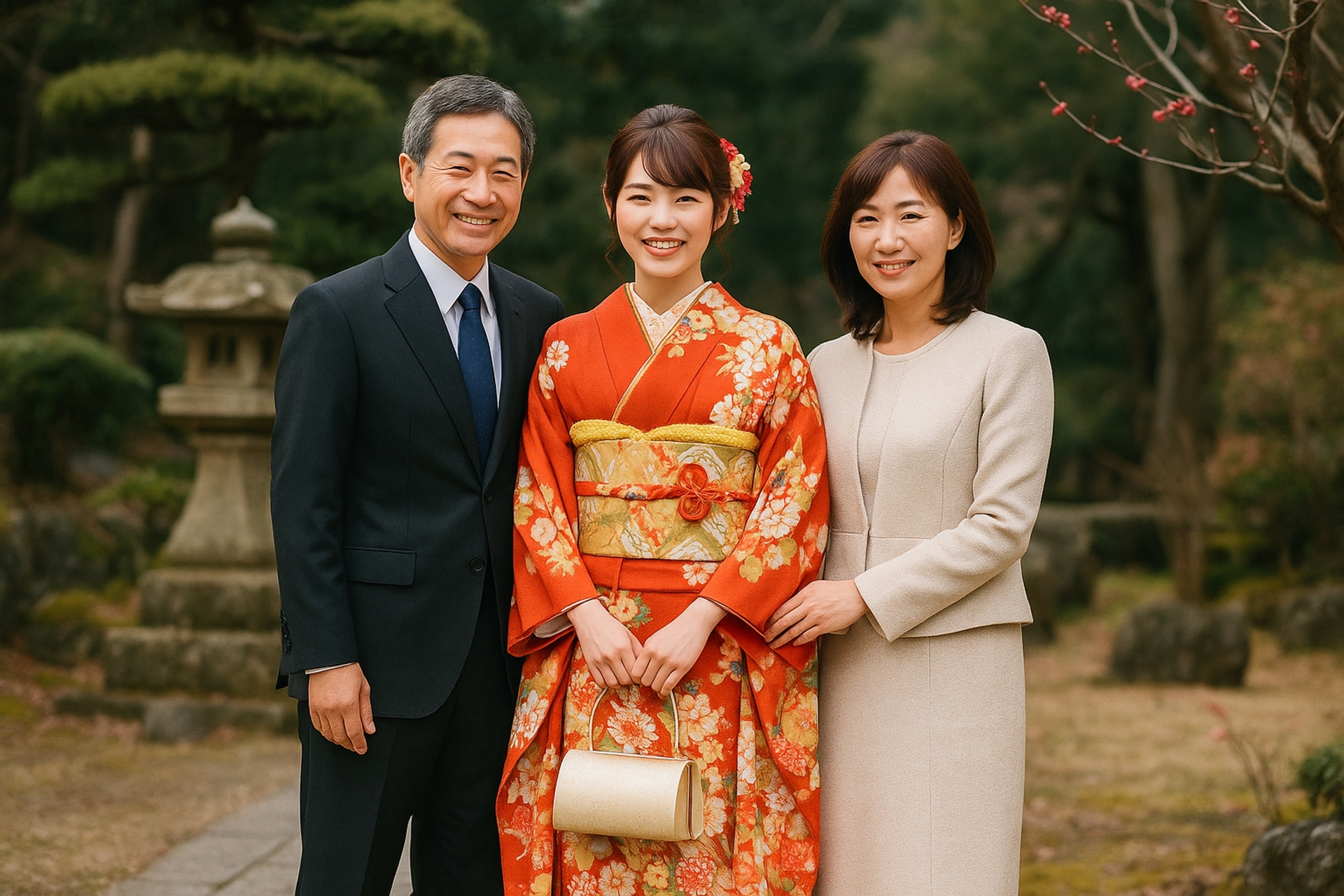
Today, Seijin-shiki is typically held by municipalities at civic halls or community centers. The event includes official speeches, commemorative gifts, and group photographs. For many participants, the ceremony also functions as a reunion, bringing together childhood classmates who may have moved away for school or work. After the official program, young adults often attend photo sessions, family gatherings, or celebrations with friends. The day blends civic recognition with personal joy, marking a meaningful transition into adulthood.
Traditional Attire — Furisode, Hakama, and Modern Style Choices
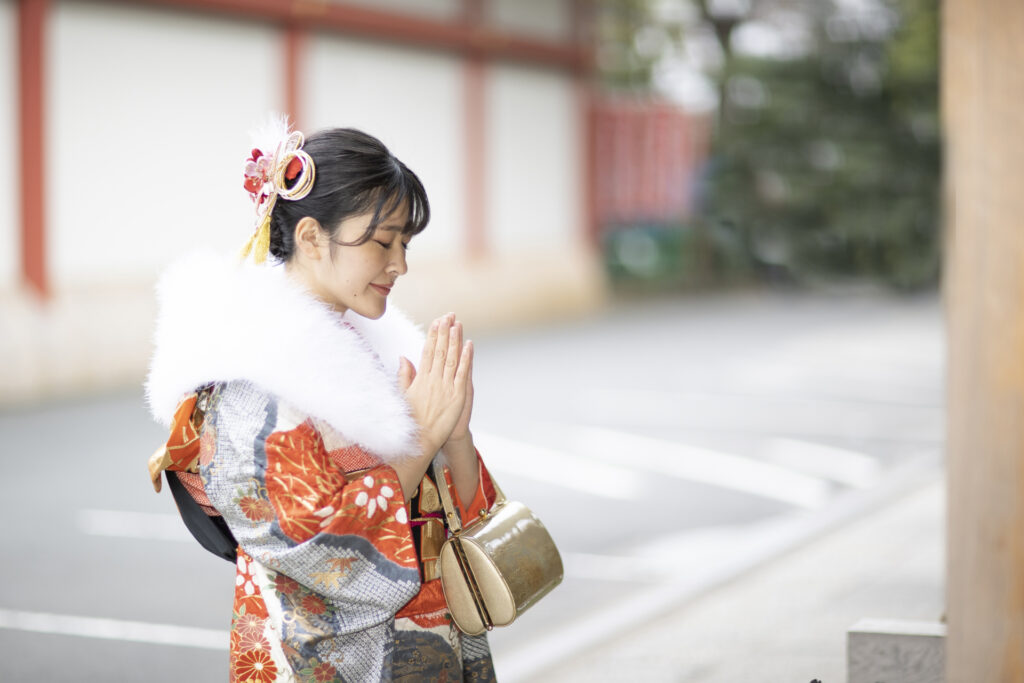
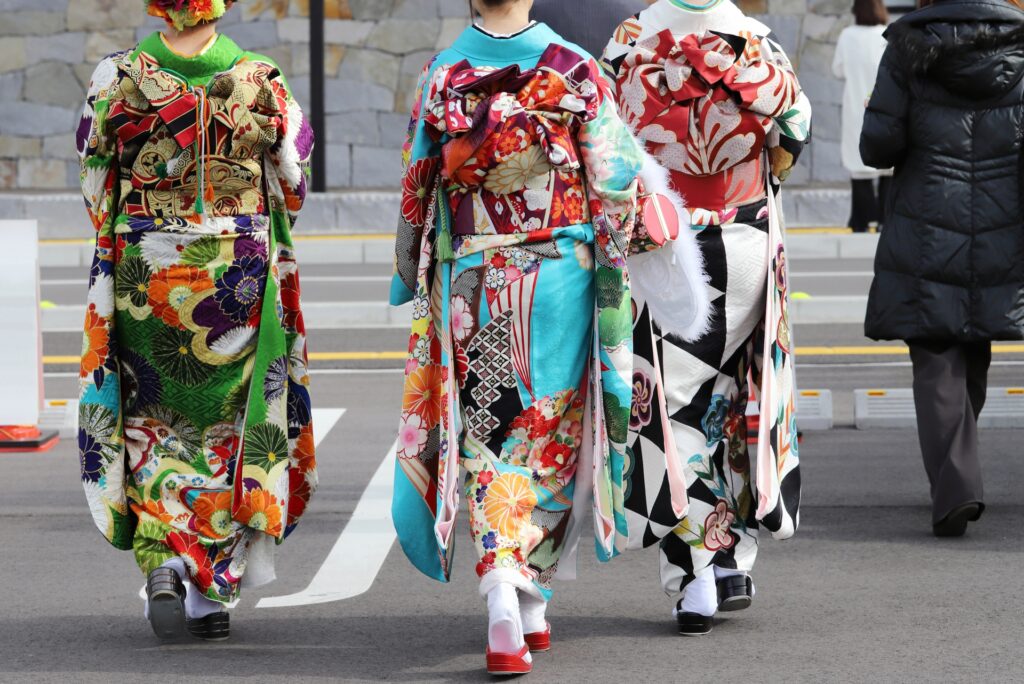
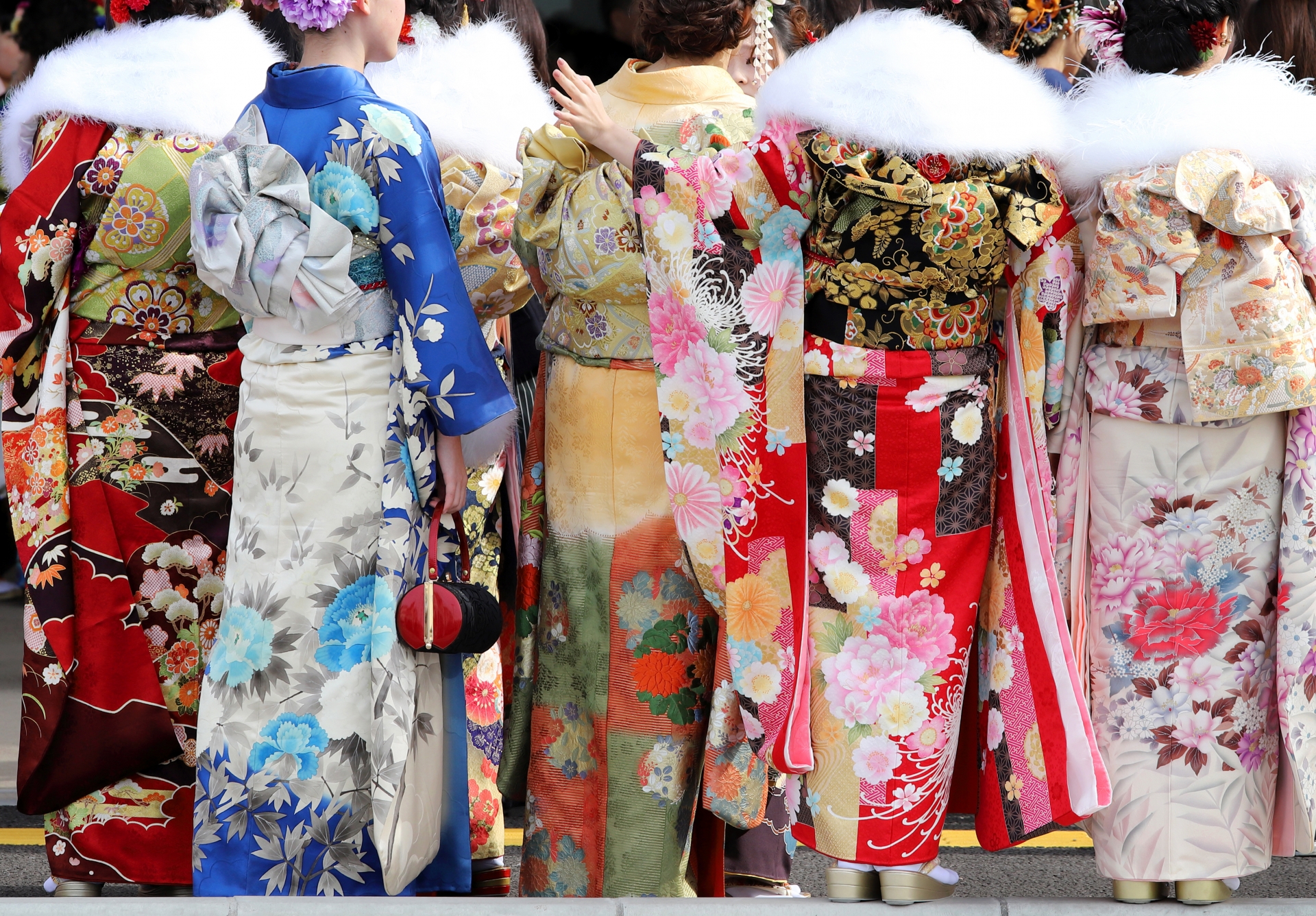
Traditional dress remains central to Seijin-shiki. Women often wear furisode, long-sleeved kimono symbolizing youth and elegance. The vivid colors and elaborate patterns express individuality and optimism. Men historically wore hakama or formal kimono, though modern participants often choose suits for practicality. At the same time, some embrace bold fashion—colorful haori coats for men or Western dresses for women—making the ceremony a vibrant showcase of both tradition and personal expression.
Social and Cultural Meaning of Seijin-shiki
Beyond its visual appeal, Seijin-shiki symbolizes responsibility, independence, and recognition as a full member of society. It offers communities a chance to publicly support and celebrate their young adults. Families view the day with pride, seeing it as a milestone of growth and continuity. The ceremony also helps maintain ties between individuals and their hometowns, which is especially meaningful in a society where many relocate for education or employment.
Recent Changes — Lowering the Age of Adulthood and Its Impact
Legal Reform — Lowering Adulthood from 20 to 18 (2018–2022)
Japan passed a law in 2018 lowering the legal age of adulthood from 20 to 18, implemented in 2022. The reform aimed to align with international norms, encourage youth independence, and address demographic challenges. Eighteen-year-olds can now sign contracts, marry without parental consent, and obtain passports, although drinking and smoking remain restricted to age 20. The change prompted national debate over what defines adulthood.
Why Municipalities Continue Celebrating at Age 20
Despite the legal change, almost all municipalities still celebrate Seijin-shiki at age 20. Reasons include the timing of university entrance exams and job-hunting for 18-year-olds, longstanding family expectations, and logistical convenience. Some regions experimented with including 18- and 19-year-olds, but confusion and scheduling issues led most to maintain the age-20 standard.
Ongoing Debates About the Future of Seijin-shiki
There remains debate over whether Seijin-shiki should eventually shift to age 18 to match the legal definition of adulthood. Critics argue that the current structure is inconsistent with the law, while supporters claim that 18-year-olds lack the time and readiness to fully appreciate the celebration. Surveys often show that young adults themselves prefer age 20. While adjustments may occur in the future, the ceremony’s core meaning is expected to endure.
Challenges and Contemporary Issues
Financial Burden on Young Adults and Families
Participating in Seijin-shiki can be costly. Furisode rentals, hair styling, makeup services, photography, and travel expenses accumulate quickly, creating financial pressure for many families. This has sparked discussions about accessibility and economic inequality. Although municipalities and rental companies are exploring more affordable options, the issue remains significant.
Declining Participation and Changing Attitudes Among Youth
Japan’s declining birthrate naturally reduces the number of participants, but shifting attitudes also play a role. Some young people feel disconnected from traditional markers of adulthood, while others view the ceremony as overly formal or expensive. Still, many appreciate it as an opportunity to reunite with friends and celebrate personal milestones, reflecting diverse perspectives among today’s youth.
Regional and Cultural Variations Across Japan
Seijin-shiki varies widely across regions. Rural areas often host intimate ceremonies with strong local character, while major cities feature large-scale events. Heavy-snow regions—such as parts of Hokkaido or Niigata—sometimes hold Seijin-shiki in summer to avoid severe winter conditions. Fashion styles also differ, with some regions embracing elaborate or flashy attire. These variations highlight the adaptability of the ceremony.
Seijin-shiki in Global and Comparative Perspective
Comparing Seijin-shiki to Other Coming-of-Age Traditions Worldwide
Around the world, cultures celebrate adulthood in diverse ways: Western societies mark 18th or 21st birthdays, Latin American communities hold the quinceañera, and many Indigenous cultures observe ritual initiations. Seijin-shiki is unique because it is organized publicly by local governments, blending community recognition with personal celebration. Its combination of tradition, attire, and civic ceremony gives it a distinctly Japanese character.
Why Seijin-shiki Captivates Foreign Audiences
Foreign observers are often captivated by the visual beauty, historical depth, and communal atmosphere of Seijin-shiki. It showcases Japan’s ability to preserve tradition while embracing modern style, offering a vivid reflection of cultural continuity.
Tips for Foreign Visitors and Learners of Japanese Culture
Visitors observing Seijin-shiki should be mindful of etiquette, especially when photographing participants near shrines or public venues. Asking permission before taking close-up photos is considerate. Those interested in cultural immersion can attend public celebrations, learn basic kimono etiquette, or explore related exhibitions to deepen their understanding.
Conclusion — The Enduring Significance of Seijin-shiki
From the aristocratic rites of 714 AD to its role as a modern national holiday, Seijin-shiki has evolved in response to Japan’s shifting social landscape. The ceremony symbolizes responsibility, maturity, and the welcoming of young adults into society. Even amid legal reforms, demographic challenges, and economic pressures, its cultural significance remains strong. Seijin-shiki continues to honor both individual growth and the enduring bonds of community, ensuring its place in Japan’s cultural future.