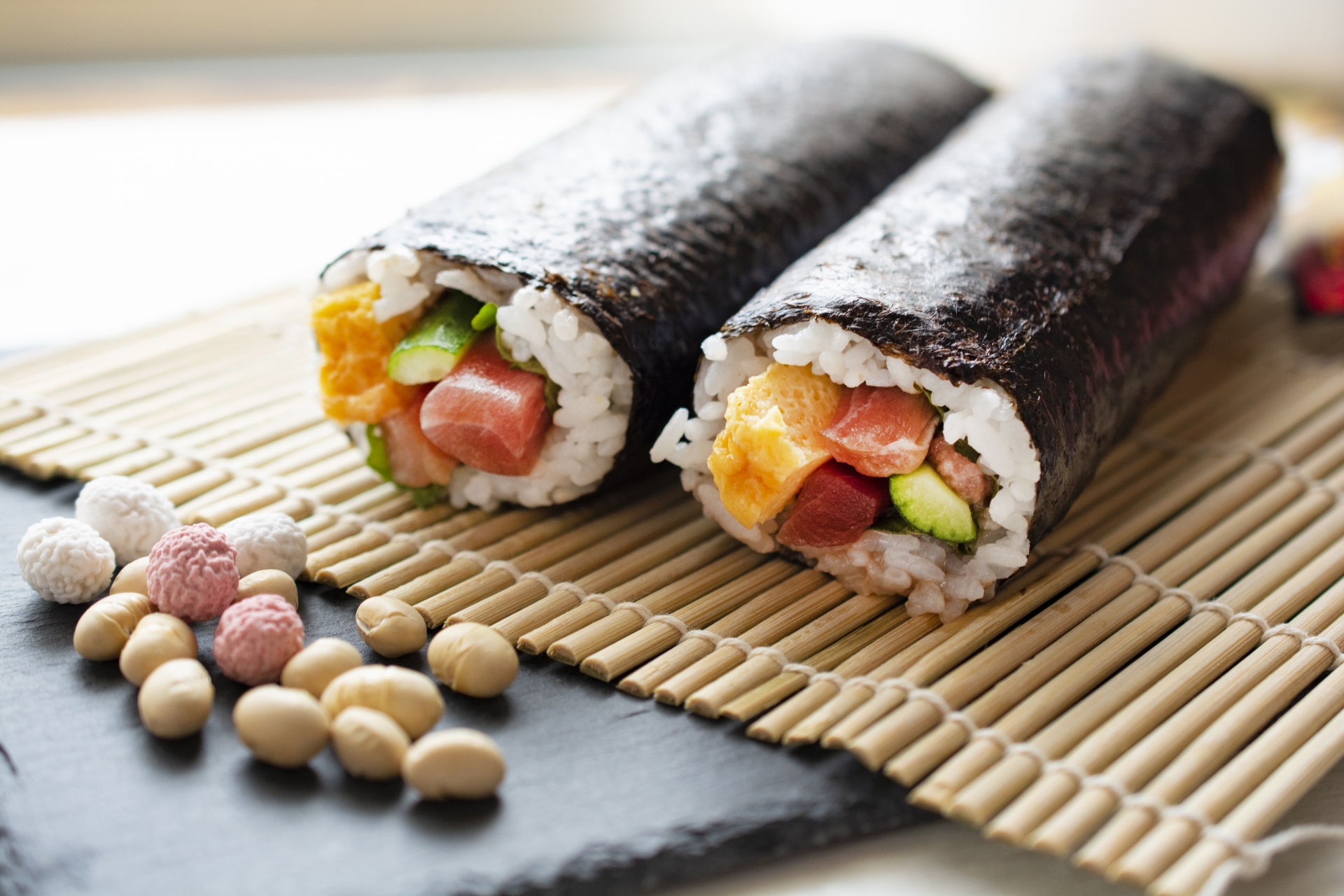
The ehomaki sushi roll tradition is a uniquely Japanese food custom practiced during Setsubun, a seasonal event held in early February. Although it centers on something as simple as eating a sushi roll, the ritual is rich with symbolism, beliefs about luck, and ideas about welcoming a prosperous year ahead. In recent decades, ehomaki has become widely known both inside and outside Japan, attracting the attention of travelers, cultural explorers, and food lovers around the world.
This article offers a complete, easy-to-understand guide to the ehomaki sushi roll tradition. You will learn what ehomaki is, how it differs from regular sushi rolls, why it is eaten on Setsubun, and how modern Japanese society has reshaped the custom. Whether you are planning a winter trip to Japan or simply curious about Japanese seasonal traditions, this guide provides the cultural context behind every bite.



What Is the Ehomaki Sushi Roll Tradition?
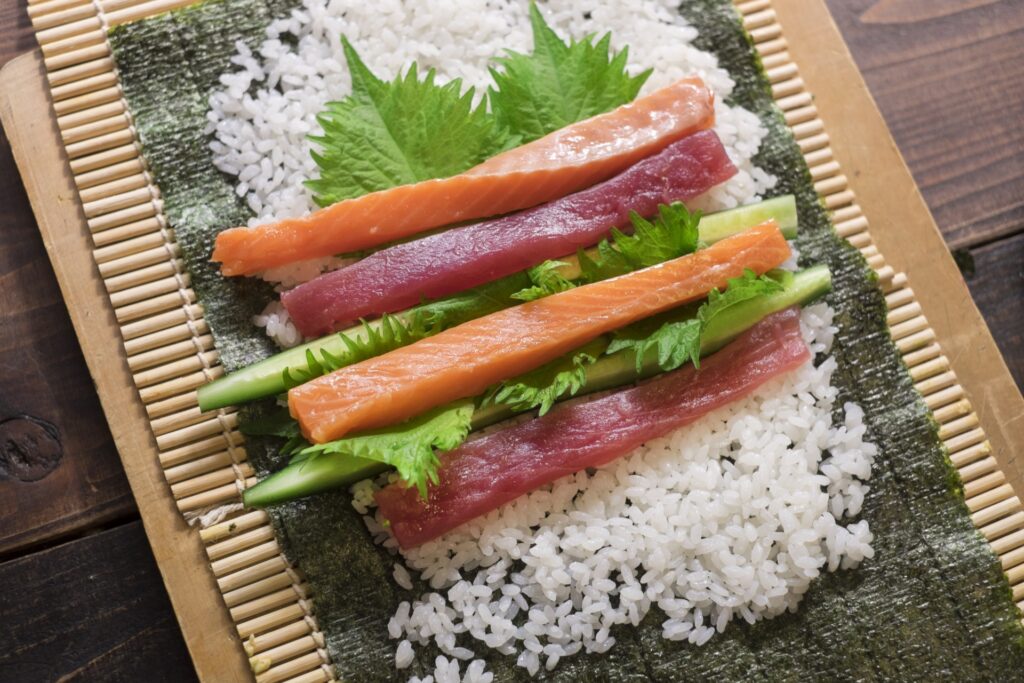
Ehomaki is a thick sushi roll traditionally eaten on Setsubun, which usually falls on February 3rd. Unlike standard sushi rolls that are sliced into bite-sized pieces, ehomaki is eaten whole in a single sitting. The act of eating the entire roll symbolizes continuity, wholeness, and the uninterrupted flow of good fortune into the new year.
The tradition is closely tied to seasonal beliefs in Japan. Setsubun marks the symbolic transition from winter to spring in the traditional calendar. Eating ehomaki during this moment is believed to help people align themselves with positive energy and avoid misfortune.
Ehomaki is often confused with futomaki, another thick sushi roll commonly found in Japanese cuisine. While they may look similar, their cultural roles are very different.
| Feature | Ehomaki | Futomaki |
|---|---|---|
| Occasion | Setsubun only | Everyday meals |
| Eaten Whole | Yes | No |
| Direction Ritual | Required | None |
| Symbolic Meaning | Good fortune | Culinary enjoyment |
This distinction is important for understanding why ehomaki is not just food, but a ritualized cultural practice.
Origins and History of Ehomaki
The origins of the ehomaki sushi roll tradition are often associated with the Kansai region, particularly around Osaka. Some theories suggest that merchants and entertainers in the late Edo to early Meiji periods practiced similar customs as a way to pray for business success and personal luck.
However, historical records are limited, and most scholars agree that ehomaki was not a nationwide tradition in ancient times. Instead, it existed as a regional custom that gradually gained recognition during the 20th century. Rather than being preserved through formal religious institutions, the tradition evolved through local practices, storytelling, and seasonal habits.
This layered background is what makes ehomaki particularly fascinating. It represents how Japanese food traditions often develop organically, blending folklore, regional culture, and later reinterpretation without losing their symbolic core.
How Convenience Stores Popularized Ehomaki
A major turning point for the ehomaki sushi roll tradition came in the late 1980s and 1990s. Large convenience store chains such as 7-Eleven began actively promoting ehomaki as a seasonal product.
By clearly explaining how to eat ehomaki—facing the lucky direction, eating in silence, and finishing the roll without cutting—convenience stores transformed a regional custom into a nationwide event. Eye-catching posters, annual lucky-direction charts, and limited-time availability made ehomaki feel special and time-sensitive.
This approach reflects a broader pattern in Japanese food culture, where seasonal items play an important role in marking the passage of time. Rather than weakening tradition, commercialization helped standardize and preserve ehomaki, ensuring that even younger generations recognize it as part of Japan’s seasonal rhythm.

Why Do People Eat Ehomaki on Setsubun?
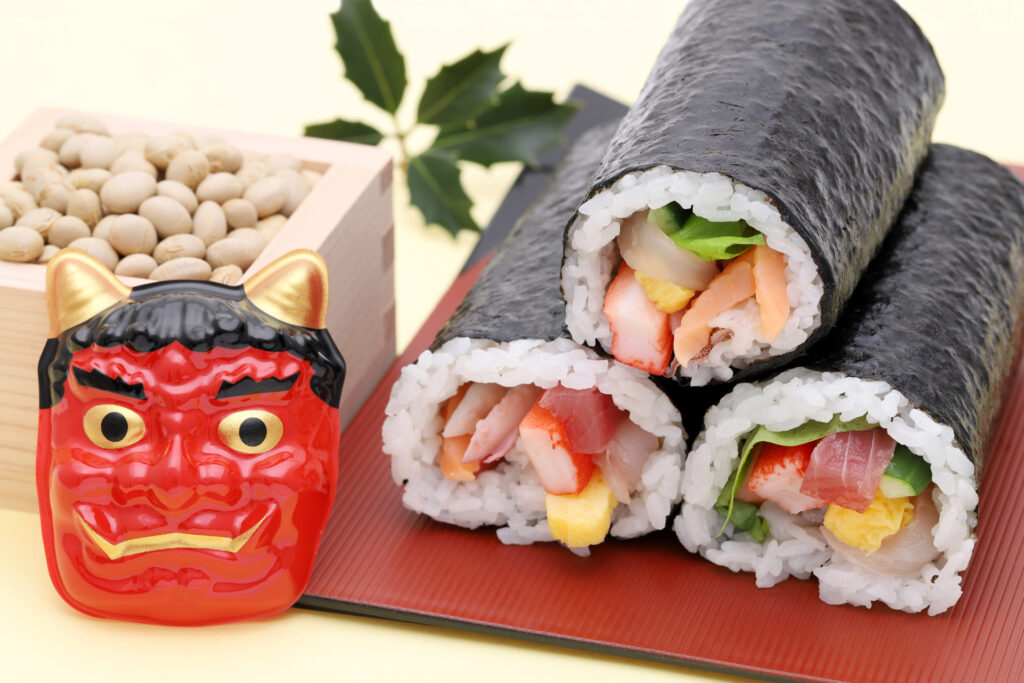
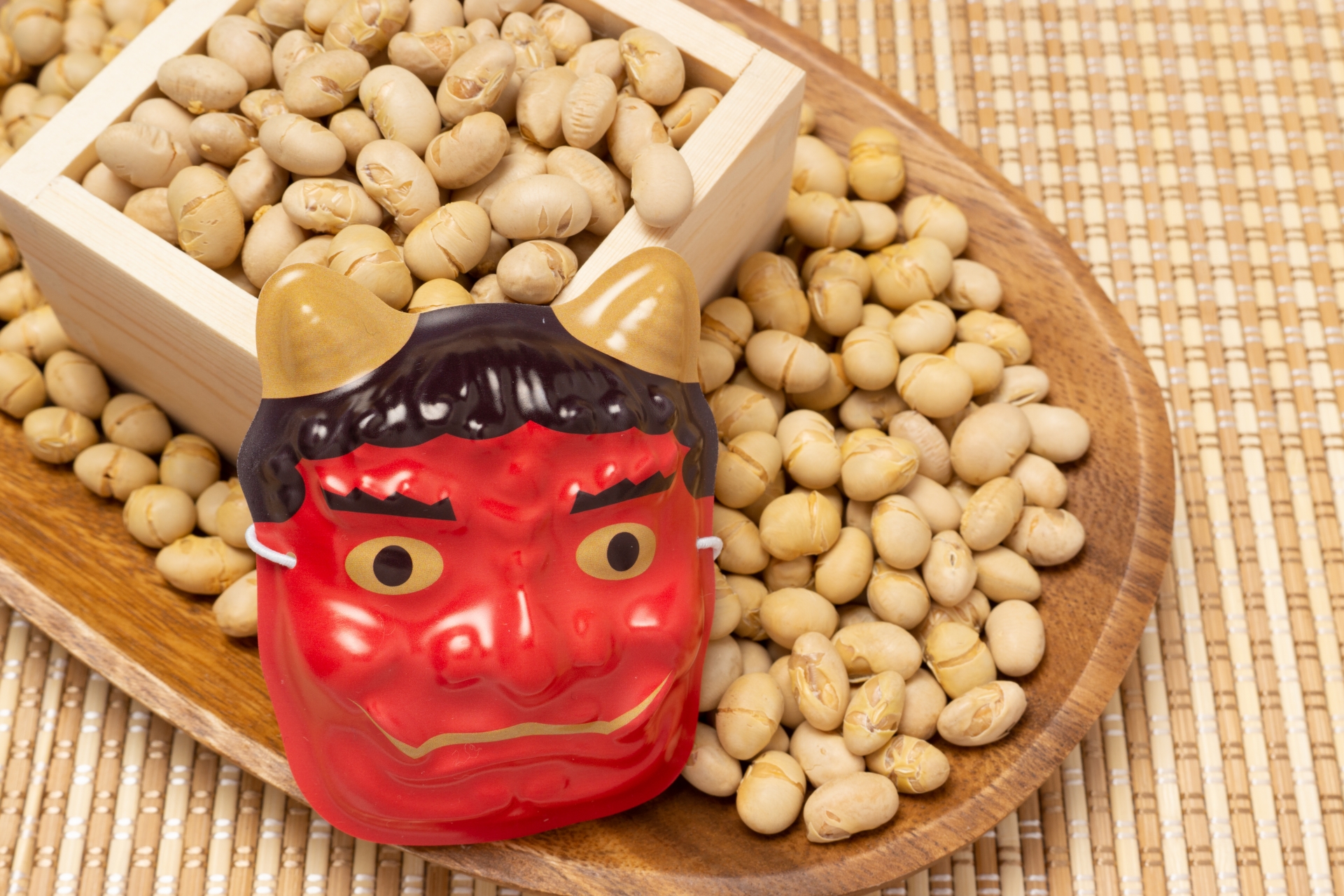
Setsubun represents a turning point in the Japanese calendar—a symbolic boundary between the old year and the new. Traditionally, it is a time to drive away bad luck and invite good fortune, most famously through the ritual of throwing roasted soybeans to chase away evil spirits.
Eating ehomaki fits naturally into this worldview. In Japanese culture, food rituals often serve as a tangible way to express wishes that cannot be seen or touched. By eating a roll filled with auspicious ingredients, people symbolically take in hopes for health, happiness, longevity, and success in the year ahead.
For many families today, ehomaki is less about strict belief and more about seasonal awareness. Even so, the ritual offers a meaningful pause—a moment to reflect, reset, and welcome the future with intention.
The Meaning of the Lucky Direction (Eho)
“Eho” refers to the auspicious direction believed to bring the most good fortune in a given year. This direction changes annually and is determined based on traditional cosmology influenced by yin-yang philosophy and the zodiac.
When eating ehomaki, people are encouraged to face the year’s lucky direction to align themselves with positive energy. Supermarkets, convenience stores, and media outlets often publish diagrams showing the correct direction, making the custom easy for anyone to follow.
Although few people today understand the deeper astrological system behind eho, the practice remains popular. Facing the lucky direction has become a shared cultural gesture that is simple, symbolic, and welcoming even for first-time participants.
Rules for Eating Ehomaki (And Why They Matter)
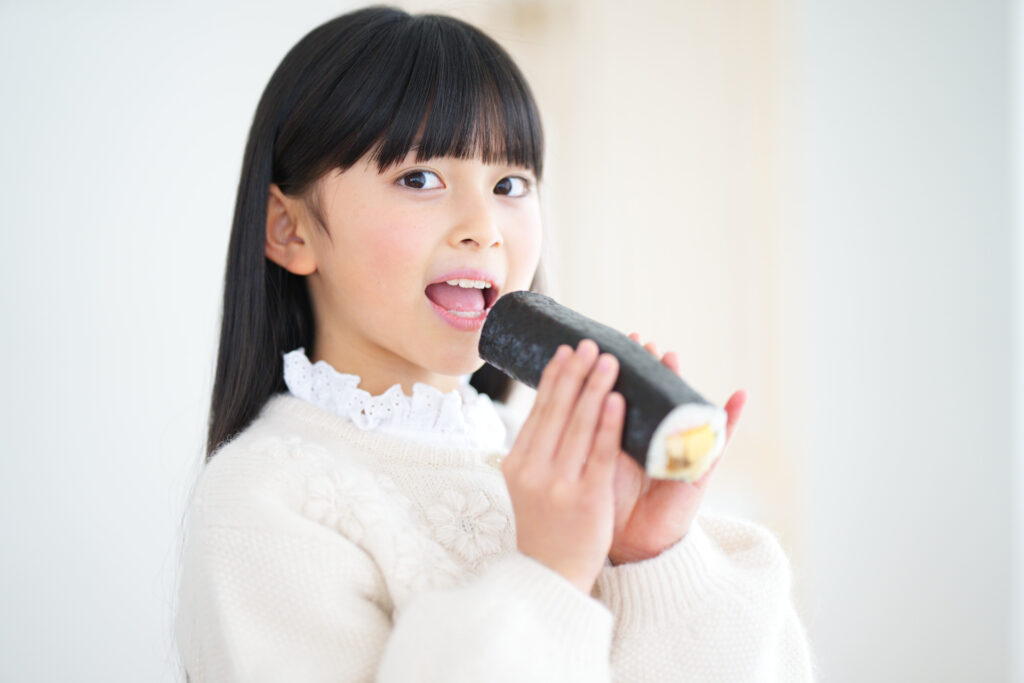
The ehomaki sushi roll tradition includes several well-known rules. These guidelines are symbolic rather than strict, but they play an important role in shaping the ritual experience.
- Eat the roll whole: Cutting the roll is believed to cut off good fortune or good relationships.
- Face the lucky direction: This aligns the eater with the year’s positive energy.
- Eat in silence: Speaking is thought to allow good luck to escape.
Together, these rules turn eating into a mindful act. Even people who do not strongly believe in luck often enjoy the quiet focus and shared atmosphere that comes with following them.
Traditional Ehomaki Ingredients and Their Symbolism
A traditional ehomaki is made with seven ingredients, a number that holds special meaning in Japanese culture. Seven is associated with good fortune, balance, and completeness, making it especially appropriate for Setsubun.
| Ingredient | Symbolic Meaning |
|---|---|
| Anago or Unagi (sea eel or freshwater eel) | Longevity and career advancement |
| Shrimp | Longevity, symbolizing a long life |
| Kanpyo (simmered gourd strips) | Longevity and life stability |
| Shiitake mushrooms | Protection and safeguarding one’s body |
| Cucumber | “Nine benefits,” representing many gains and advantages |
| Dashimaki egg | Financial luck and prosperity |
| Sakura denbu | A celebratory, auspicious ingredient associated with joy |
These ingredients are not rigidly fixed, and variations exist depending on household, region, and availability. What matters most is the idea of abundance and positive wishes rather than strict adherence to a recipe. Each ingredient contributes to turning the roll into a symbolic bundle of hopes for the year ahead.
Modern Ehomaki: Variations and Trends
Modern ehomaki reflects the diversity of contemporary Japanese lifestyles. In addition to traditional versions, many stores now offer seafood-focused rolls, meat-based options, vegetarian ehomaki, and even dessert-style rolls made with crepes or sweet fillings.
These adaptations make the tradition more accessible to children, busy professionals, and international visitors. While some people prefer classic ingredients, others enjoy the creativity. This flexibility shows how Japanese food culture adapts to modern tastes while preserving seasonal meaning.
Is Ehomaki an Ancient Tradition or a Modern Custom?
The answer lies somewhere in between. While the widespread practice of eating ehomaki is relatively recent, the underlying ideas—seasonal change, luck, and ritual food—are deeply rooted in Japanese history.
For most people in Japan, the debate over historical authenticity is less important than the shared experience itself. Ehomaki has become a cultural moment that blends tradition, enjoyment, and seasonal awareness in a way that feels both familiar and fresh.
How Visitors Can Experience Ehomaki in Japan
Visitors to Japan can easily experience ehomaki from late January through February 3rd. Supermarkets, convenience stores, and sushi shops across the country sell them during this period.
Travel Tip: Visit a convenience store on the evening of Setsubun. You will see how deeply seasonal traditions are woven into everyday Japanese life, turning even a simple food purchase into a cultural experience.
Conclusion: What the Ehomaki Tradition Tells Us About Japanese Culture
The ehomaki sushi roll tradition highlights some of the most distinctive qualities of Japanese culture: respect for seasonality, appreciation of symbolism, and the ability to blend tradition with modern life. What began as a regional custom has grown into a nationwide ritual that continues to evolve while retaining its core meaning.
For global audiences, ehomaki offers a delicious gateway into understanding Japan. It shows that in Japanese culture, food is never just food—it is a story, a wish, and a connection to time, seasons, and shared human hopes.