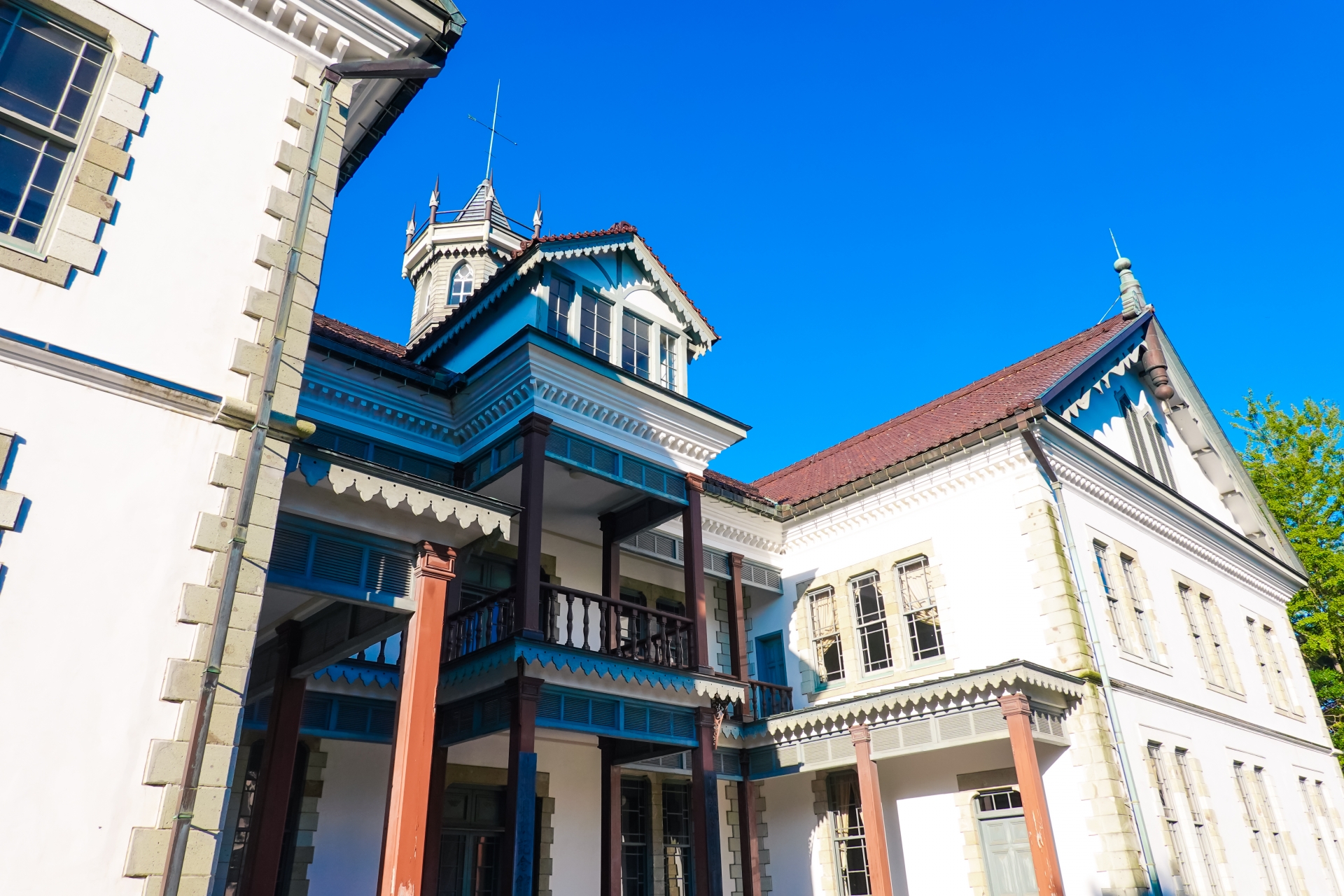
In the late 19th century, Japan moved from a samurai-based feudal order to an industrial, centralized nation-state. This rapid modernization was summed up in the phrase Bunmei Kaika — “civilization and enlightenment.” Under this slogan, the Meiji government pushed Western-style technology, institutions, clothes, and food, aiming to strengthen the country and avoid colonization. Understanding Bunmei Kaika helps explain why modern Japan blends Western-style cities and institutions with distinctly Japanese customs and values.


What is Bunmei Kaika? — Definition & Origins (1868–1870s)
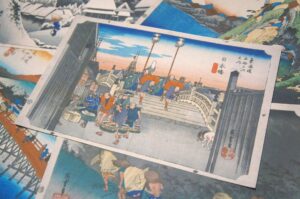
Bunmei Kaika (文明開化) combines bunmei (“civilization”) and kaika (“opening” or “enlightenment”). In early Meiji discourse it meant aligning Japan with the “civilized” nations of the West through technology, education, and social reform. Thinkers like Fukuzawa Yukichi used “civilization” to argue that nations could progress along a scale from “backward” to “advanced.” After the Meiji Restoration in 1868, this phrase spread through newspapers, speeches, and popular prints, turning abstract ideas into a catchy slogan. By the 1870s, people could literally see Bunmei Kaika in kaika-e prints showing trains, brick buildings, and short-haired men in Western clothes.
Why Did Japan Adopt Bunmei Kaika? — Political & International Context (1860s–1880s)
Japan embraced Bunmei Kaika under intense pressure from Western imperialism. After Commodore Perry forced the country to open in the 1850s, unequal treaties limited Japanese sovereignty and exposed the weakness of the old Tokugawa system. The new Meiji leaders believed Japan had to modernize quickly or risk becoming a colony like many parts of Asia. Their slogans, “Enrich the country, strengthen the military” and “Civilization and Enlightenment,” justified massive reforms in the army, taxation, law, and education. Missions to Europe and the U.S. convinced them that Western-style institutions were essential to gaining respect abroad and revising the humiliating treaties.
What Changed — Everyday Life and Culture (1870s–1890s)
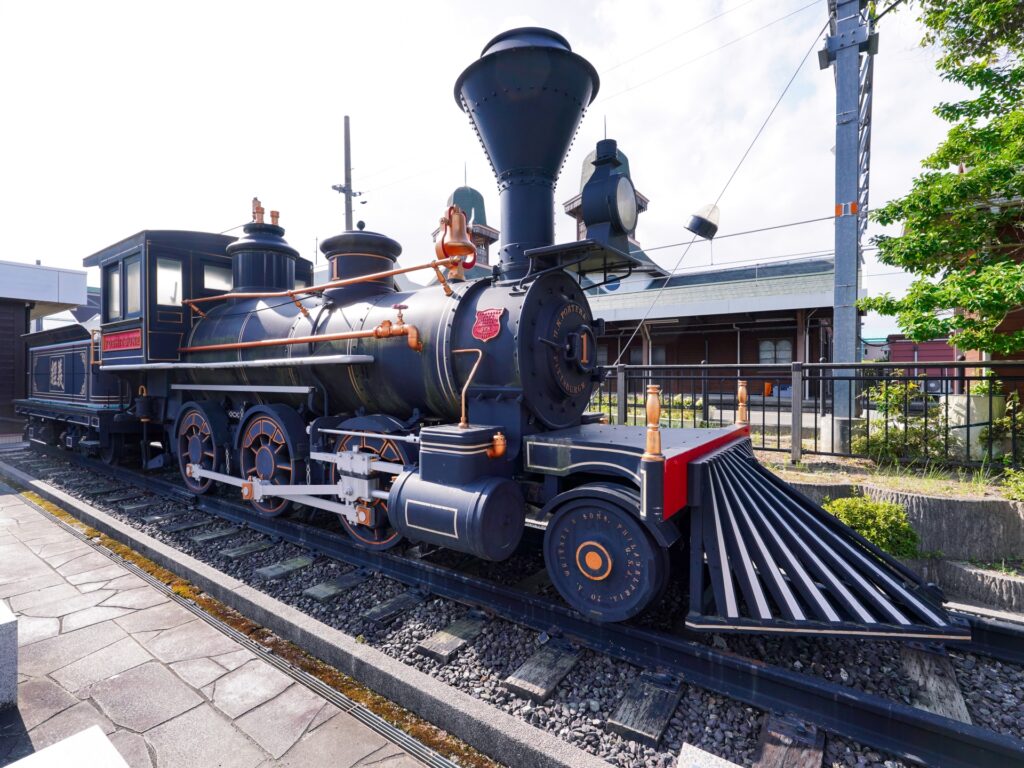
For ordinary people, Bunmei Kaika meant concrete changes in cityscapes, transport, clothing, food, and media. Edo became Tokyo, with straightened streets, brick buildings, and gas lamps replacing many older wooden neighborhoods. The first railway line connected Tokyo and Yokohama, shrinking travel time and impressing crowds who came just to watch the trains. A national school system and booming newspapers spread new knowledge and values, from science and hygiene to constitutional politics. Yet much of this transformation was most visible in big cities; many rural communities continued to live in ways that still looked very close to the late Edo period.
Architecture & Urban Landscape (1870s–1880s)
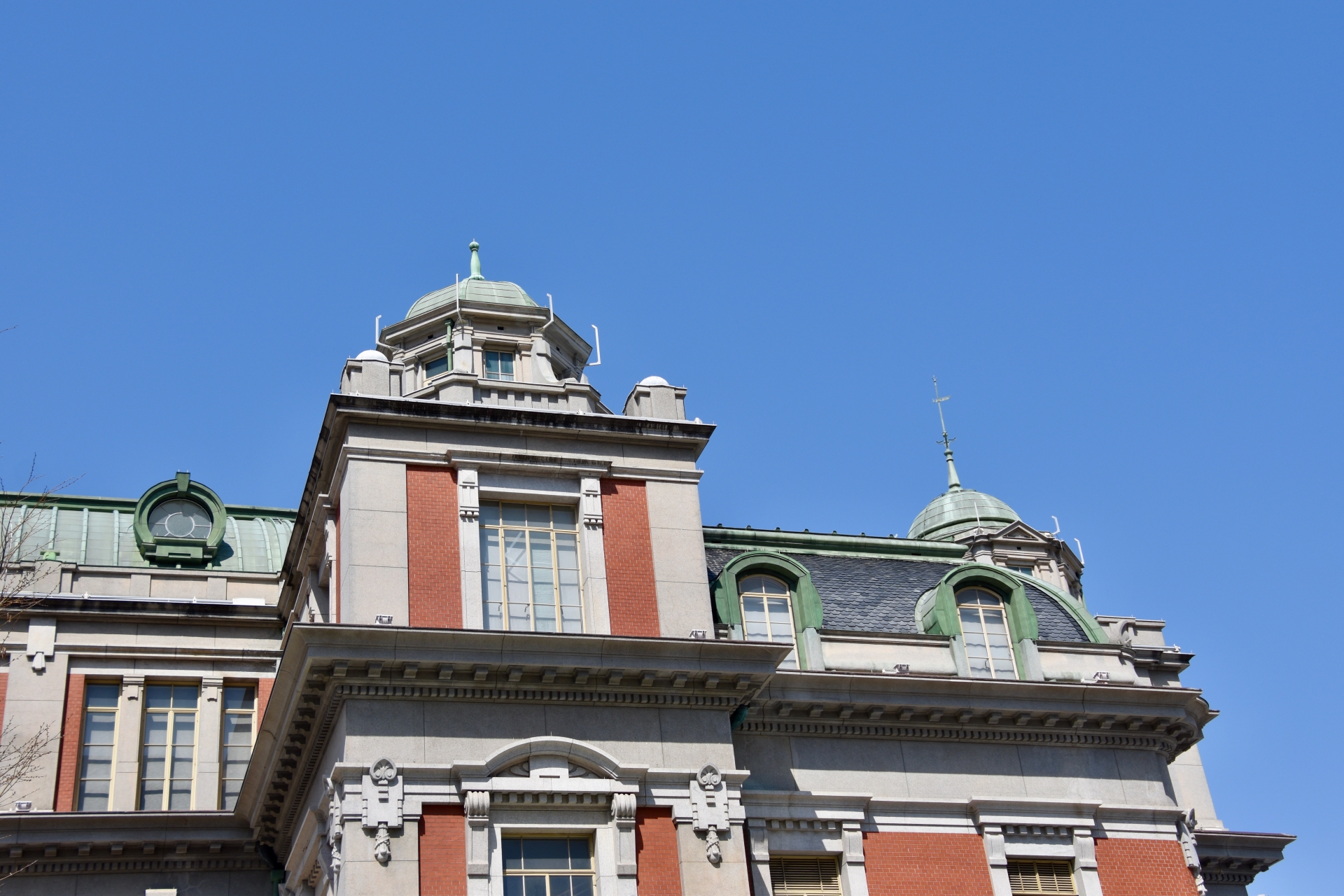
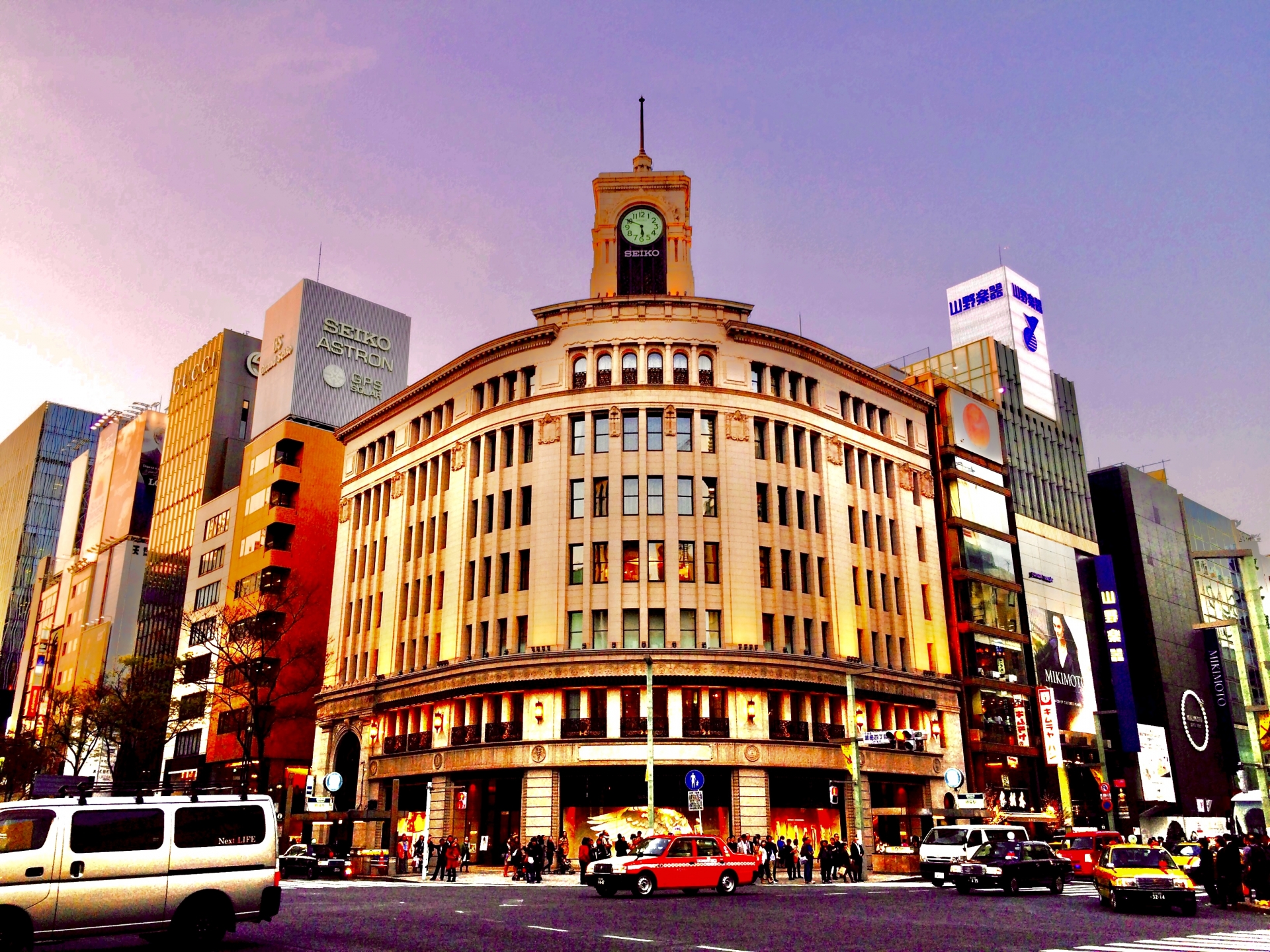
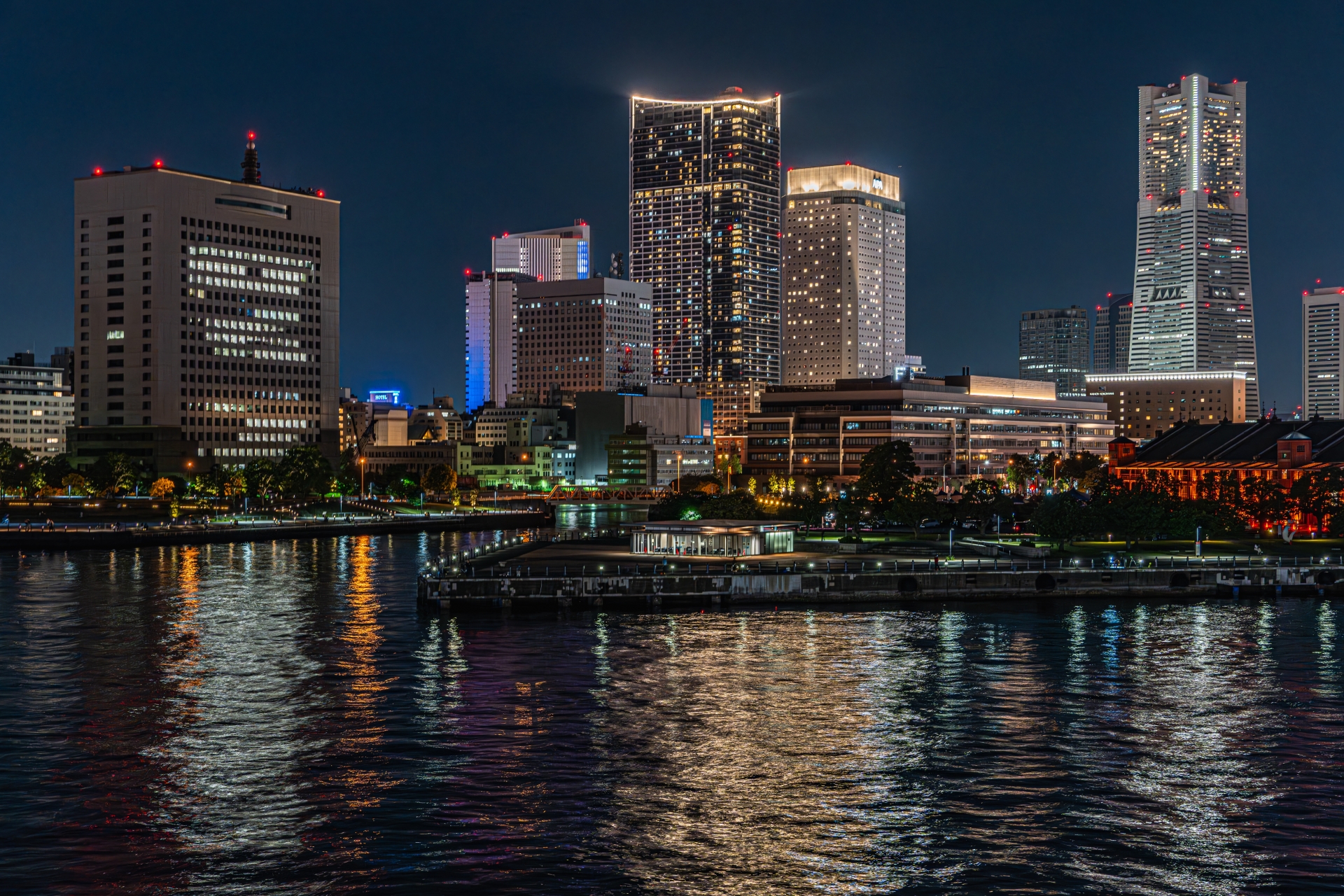
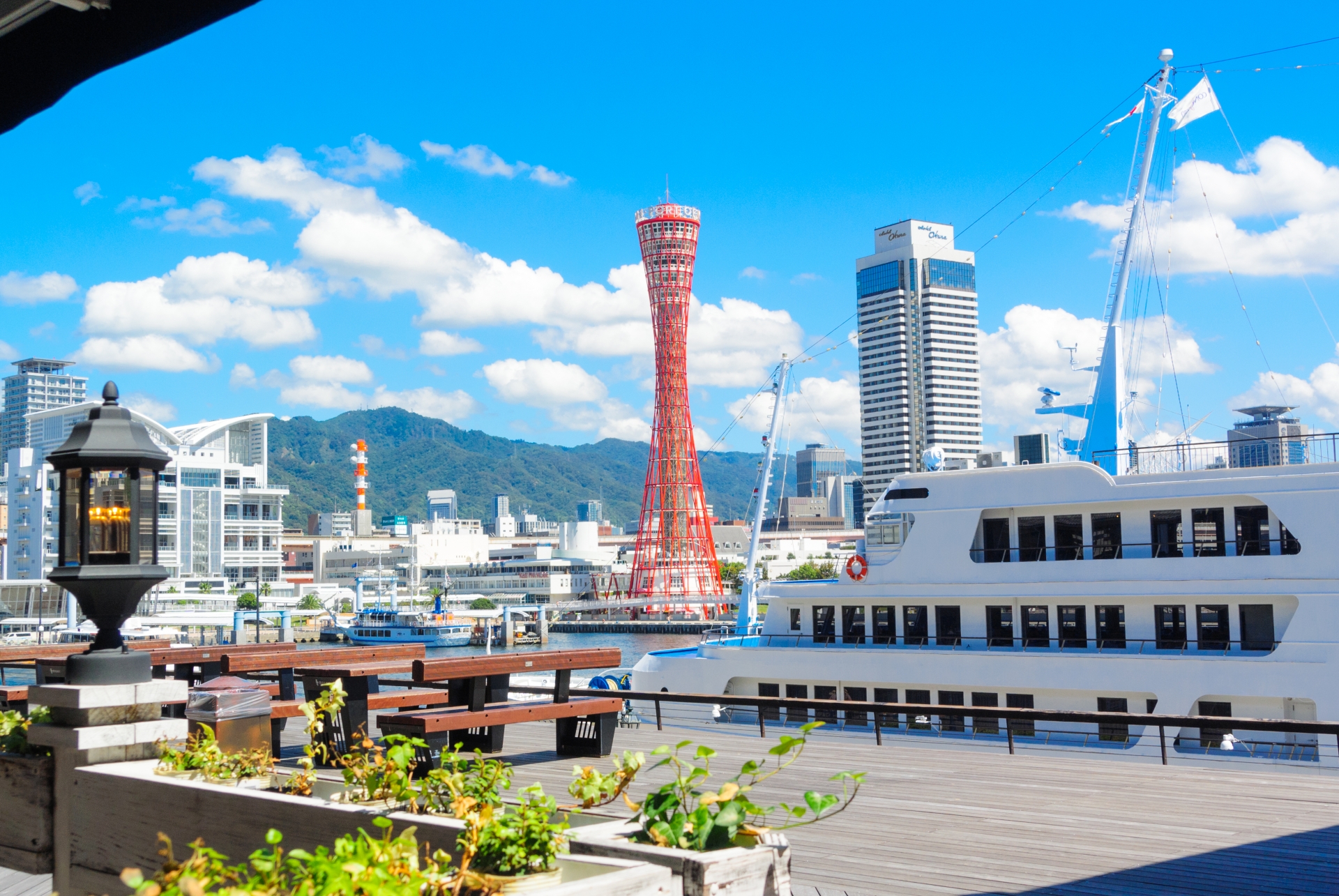
In architecture, Bunmei Kaika created striking new landmarks. After a devastating fire, Tokyo’s Ginza district was rebuilt as a Western-style brick town with wide roads and gas streetlights, promoted as a model of the modern city. Port cities like Yokohama and Kobe gained foreign settlements with stone warehouses, churches, and consulates, becoming gateways for trade and new ideas. Railway stations, iron bridges, and telegraph poles appeared in popular prints as symbols of progress. At the same time, most residential areas remained wooden and traditional, so everyday life often unfolded between two visual worlds: the old Edo streets and the new “civilized” showcase zones.
Fashion, Food, and Lifestyle (1870s–1890s)
Bunmei Kaika also changed how people dressed and ate. Men, especially officials and urban workers, cut off their samurai topknots and wore short Western haircuts, uniforms, or suits with hats and leather shoes. Umbrellas, overcoats, and canes became fashionable accessories. In food, the government encouraged meat-eating and Western-style dishes, linking them to physical strength and national power; beef hotpot and later curry rice became emblematic “modern” meals. Milk, bread, and beer entered urban diets, while cafes and restaurants offered new spaces for socializing. Still, many people mixed new habits with old ones, pairing Western jackets with kimono or adding meat dishes to otherwise traditional meals.
What Entered Japan During Bunmei Kaika — Imported Technologies, Ideas, and Lifestyles

Bunmei Kaika brought a flood of technologies, institutions, cultural practices, and ideas. Technologically, Japan adopted railways, steamships, telegraphs, gas and electric lighting, and modern printing methods, all of which accelerated movement and communication. Institutionally, it built a national education system, a conscript army, land and tax reforms, banks, and Western-style courts and legal codes. Culturally, Western clothing, music, and food entered urban life, along with new leisure activities like ballroom dancing and sports. Intellectually, concepts such as individual rights, liberalism, constitutional government, and modern science circulated widely. In the 1870s, these elements were being introduced and tested; by the 1880s, they were being systematized through the constitution, political parties, and expanding infrastructure.
What Japan Lost During Bunmei Kaika — Traditions and Social Structures That Faded
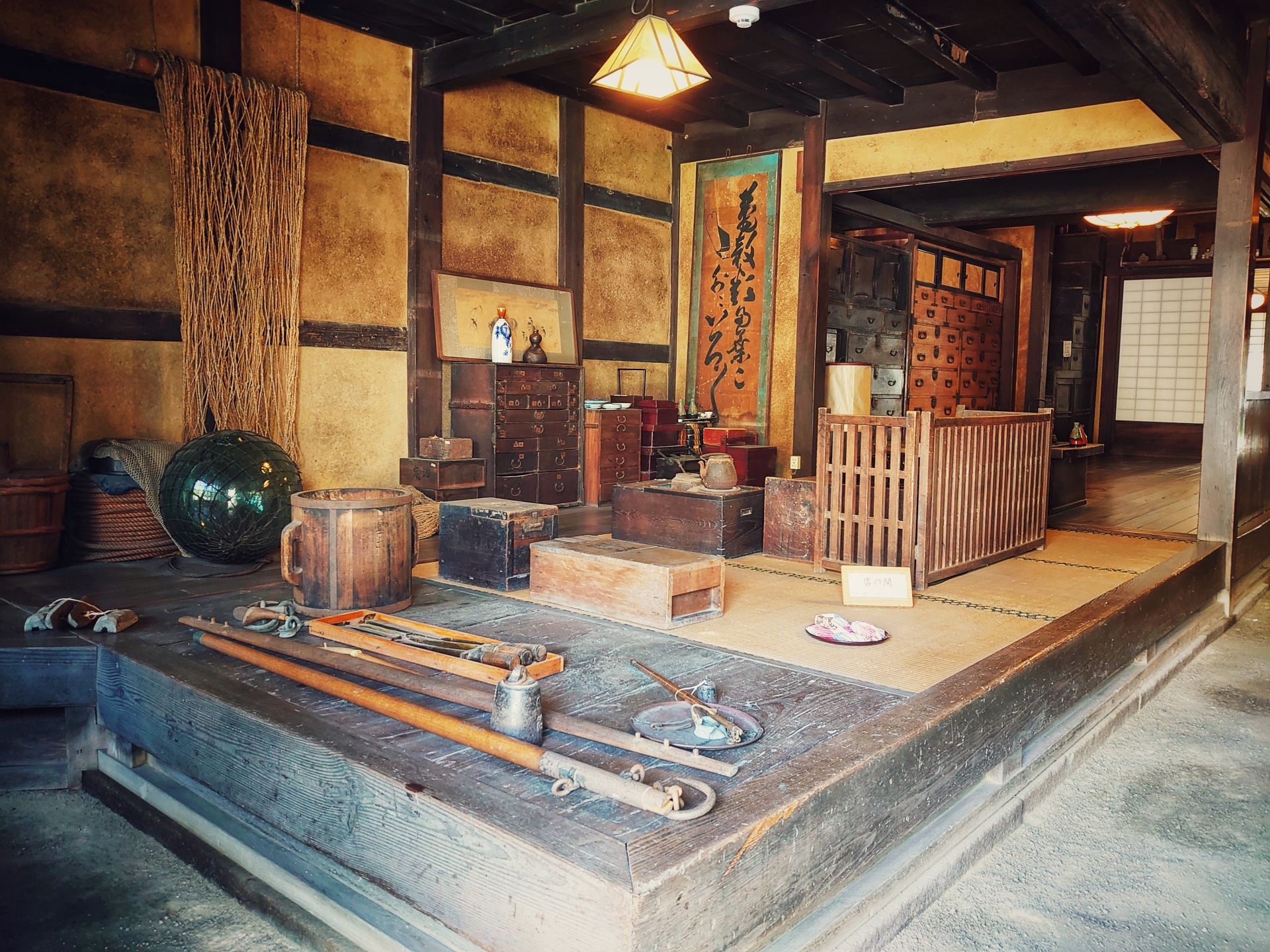
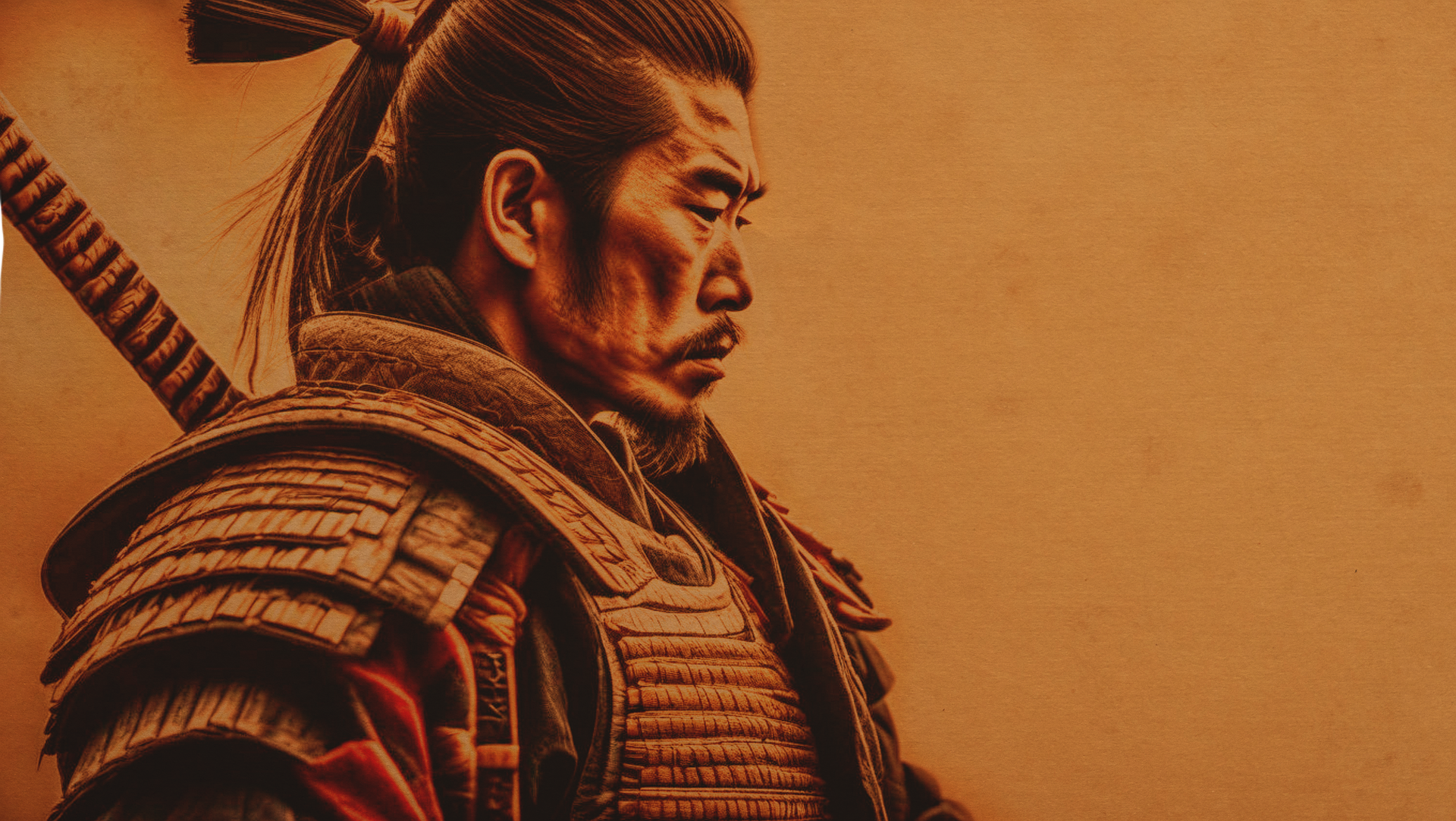
As Japan modernized, many traditions and social structures weakened or disappeared. The old status order of samurai, peasants, artisans, and merchants was legally abolished, and the feudal domains were replaced by prefectures, ending centuries of local lordship. In cities, everyday use of kimono among men, samurai hairstyles, and certain Edo-era beauty customs declined as Western dress and grooming became markers of respectability. Traditional wooden townscapes and local customs were overshadowed by brick buildings and standardized institutions. At the deeper social level, communal village norms and the stable rhythms of agrarian life came under pressure from cash taxes, market integration, and conscription, creating nostalgia and criticism about what modernity was erasing.
Institutional & Social Reforms (1871–1890s)
The heart of Bunmei Kaika lay in institutional reform. The abolition of the domains in 1871 centralized political power and allowed the creation of a unified national administration. The conscription law established a modern mass army, while land tax reforms converted traditional obligations into monetized, individual property-based taxes. A national school system aimed to educate the entire population, not just elites, blending Western subjects with moral instruction focused on loyalty to emperor and nation. Modern courts, legal codes, and census systems gave the state unprecedented control over people’s lives. Together these reforms turned Japan into a bureaucratic nation-state capable of industrialization and global competition.
Intellectual & Cultural Impact — Ideas, Thought, and Media (1870s–1890s)
Intellectually, Bunmei Kaika opened Japan to a wide range of Western thought. Translators and scholars introduced liberalism, social contract theory, utilitarianism, and modern science, forcing people to reconsider long-held assumptions about authority and society. The Freedom and People’s Rights Movement used these ideas to demand parliaments, constitutions, and civil liberties. At the same time, journals and newspapers became major platforms for debate, reaching a growing literate public. Traditional arts adapted in creative ways: kabuki and woodblock prints depicted trains and battles, while painters experimented with perspective and shading. Overall, culture did not simply Westernize; it hybridized, blending imported ideas with Japanese aesthetics and concerns.
Criticism & Consequences — “Civilization Disease” and Uneven Modernization (1870s–1900s)

By the late Meiji period, many people felt that modernization had gone too far or moved in the wrong direction. The phrase “civilization disease” captured worries about materialism, egoism, and the loss of older moral and communal values. Economic changes created winners and losers: urban entrepreneurs and officials often prospered, while many farmers faced heavier taxes, conscription, and unstable markets, leading to protests and uprisings. Former samurai resented the loss of their status, and some joined rebellions. Critics mocked shallow Westernization, like copying European manners without understanding them, and promoted notions such as “Japanese spirit, Western technique” to rebalance pride in tradition with the realities of global power.
Legacy — How Bunmei Kaika Still Shapes Modern Japan (1900s–Present)
The legacy of Bunmei Kaika is visible everywhere in modern Japan. The basic framework of a constitutional monarchy, a national parliament, and a centralized bureaucracy comes from Meiji-era institution building. The emphasis on universal education, exams, and diplomas still structures careers and social mobility. Urban infrastructure — rail networks, dense city centers, Western-style public buildings — has evolved but often follows patterns laid down in the Meiji period. Everyday life shows a blend of influences: people wear Western clothes yet celebrate traditional festivals, eat both sushi and curry rice, and use advanced technology while valuing older notions of harmony and group belonging. Debates about globalization, cultural preservation, and national identity continue to echo Meiji-era questions about how to be modern without losing what makes Japan distinctive.
Regional Differences & Social Classes — Who Experienced Westernization
Not everyone experienced Bunmei Kaika in the same way. Major cities like Tokyo, Osaka, Yokohama, and Kobe saw the earliest and strongest Westernization, with brick buildings, streetcars, foreign shops, and fashionable cafés. Port districts and government quarters became showcases of modern life for visitors and residents. In contrast, many rural areas remained dominated by wooden farmhouses, local festivals, and traditional clothing well into the 20th century. Social class also mattered: former samurai faced status loss and had to find new roles; merchants and urban commoners gained new opportunities; farmers bore heavy burdens; and women’s experiences varied sharply between elite Western-style salons and ordinary households. Bunmei Kaika, in short, was a layered process, experienced very differently depending on where people lived and who they were.
Summary — Key Takeaways of Bunmei Kaika
What it was: Bunmei Kaika means “civilization and enlightenment” and refers to the rapid Westernization and modernization of Japan after the Meiji Restoration. It combined technological imports, institutional reform, and cultural change under a powerful national slogan.
What Japan gained: Railways, telegraphs, modern schools, a conscript army, banks, legal codes, and a constitutional government. Urban landscapes, clothing, food, and leisure became increasingly Westernized, and Japan secured a place among industrial powers.
What Japan lost: The feudal class system, domain-based politics, many aspects of Edo urban culture, and parts of traditional lifestyle and communal structures. These losses created nostalgia and criticism, summarized in the idea of “civilization disease.”
Why it still matters: Today’s Japan — its cities, institutions, school system, and hybrid culture — is built on foundations laid during Bunmei Kaika. Ongoing debates about modernity, identity, and globalization still replay questions first raised in Meiji: how to be both fully modern and distinctively Japanese.