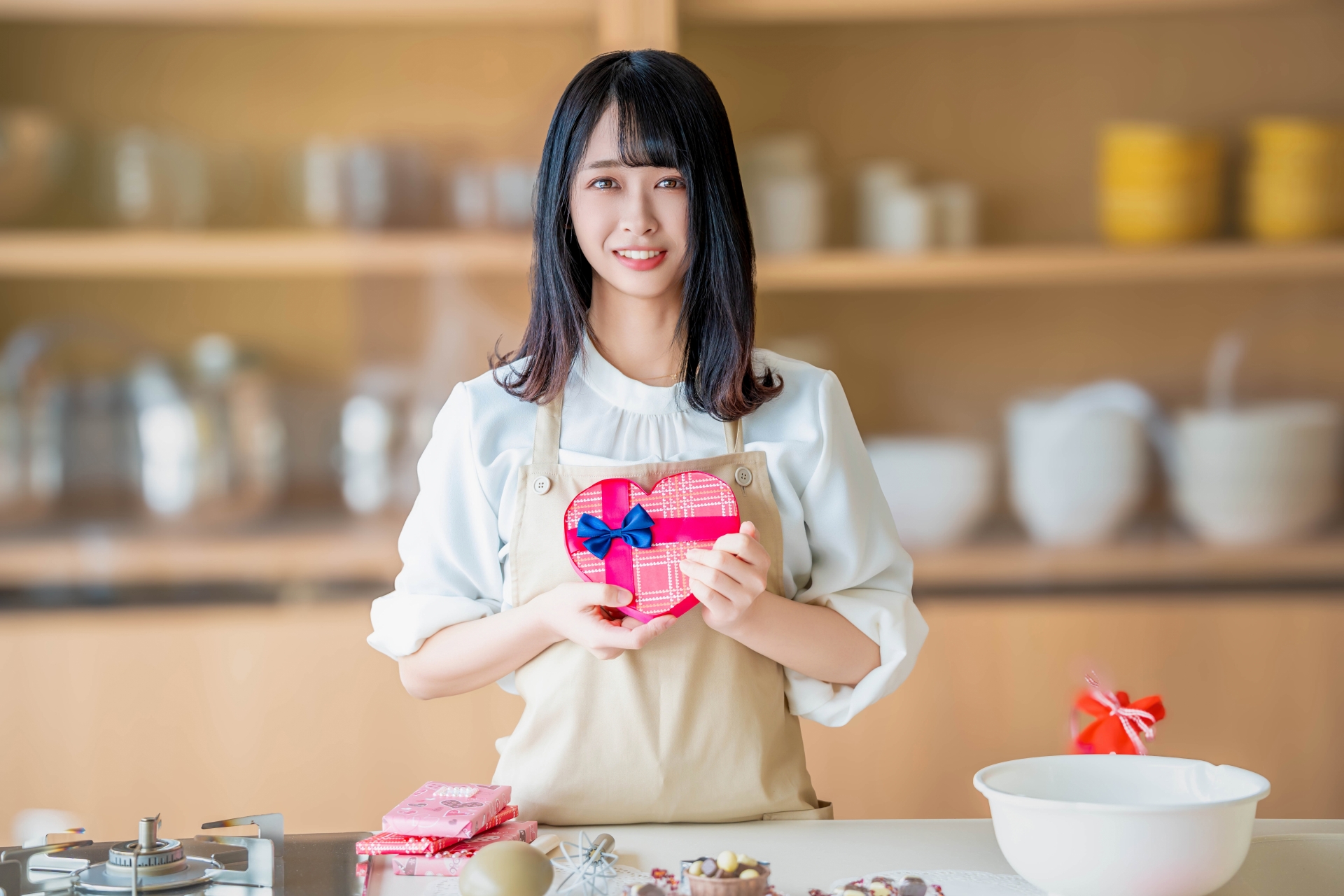
This article explores the unique homemade chocolate tradition in Japan, focusing on its deep connection to Valentine’s Day culture. Unlike Western customs, Japanese chocolate gifting emphasizes intention, social relationships, and emotional nuance—especially when chocolate is handmade. From honmei choco to modern DIY trends, this guide explains the cultural background, meanings, and evolving practices behind handmade chocolate in Japan.


What Is the Homemade Chocolate Tradition in Japan?
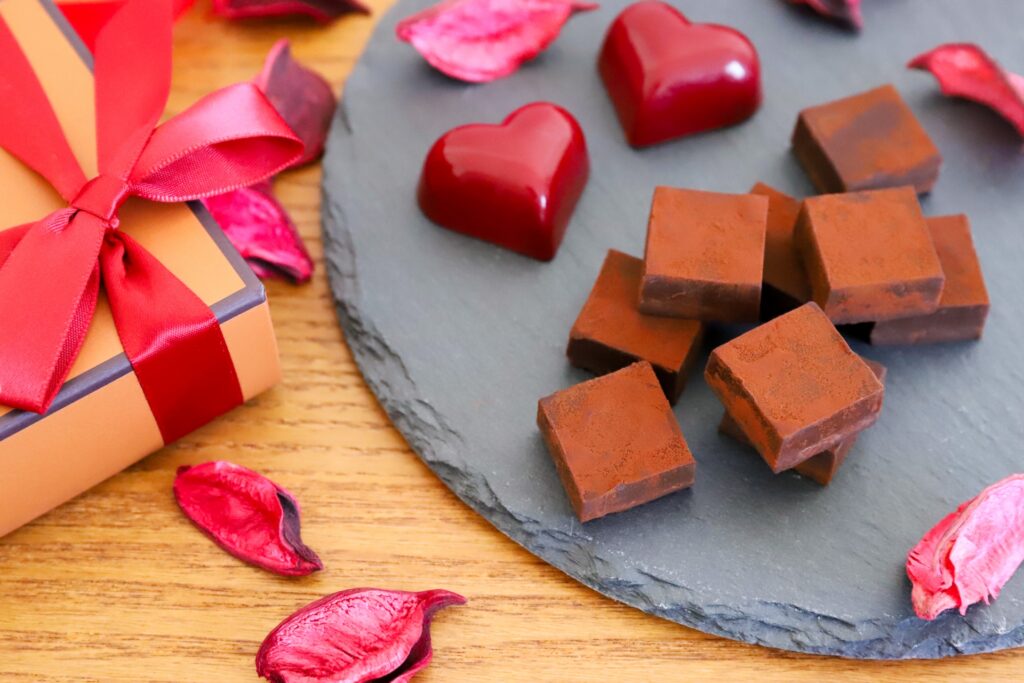
In Japan, “homemade chocolate” doesn’t simply mean making sweets at home. It represents deliberate effort, emotional intention, and personal consideration. The acts of melting, molding, decorating, and carefully wrapping chocolate all become part of the message: I spent time and care on you. For this reason, handmade chocolate is often perceived as more sincere and emotionally direct than something purchased casually on the way home.
This becomes clearer when compared to store-bought gifts. Japanese gift culture often values appropriate pricing, brand reputation, and refined presentation as signals of respect. Homemade chocolate challenges this logic. Its value lies not in prestige, but in labor, customization, and relational closeness. That is why handmade chocolate is so strongly associated with Valentine’s Day in Japan, where the meaning of a gift depends heavily on who receives it.
Valentine’s Day in Japan and the Role of Handmade Chocolate
Valentine’s Day in Japan differs significantly from Western celebrations. Instead of couples exchanging gifts mutually, the traditional pattern is that women give chocolate to men on February 14, and men respond one month later on White Day (March 14). This structure turns Valentine’s Day into a broader social event involving romance, friendship, and workplace relationships rather than a single romantic exchange.
Within this system, handmade chocolate acts as a signal amplifier. When someone receives chocolate, they may wonder: Is this obligation? Friendship? Romantic interest? Homemade chocolate tends to push the interpretation toward personal significance because it is difficult to read as purely formal. Even simple DIY chocolate—melted and poured into molds—often feels emotionally heavier than an equivalent store-bought gift.
Honmei Choco — Handmade Chocolate for True Feelings
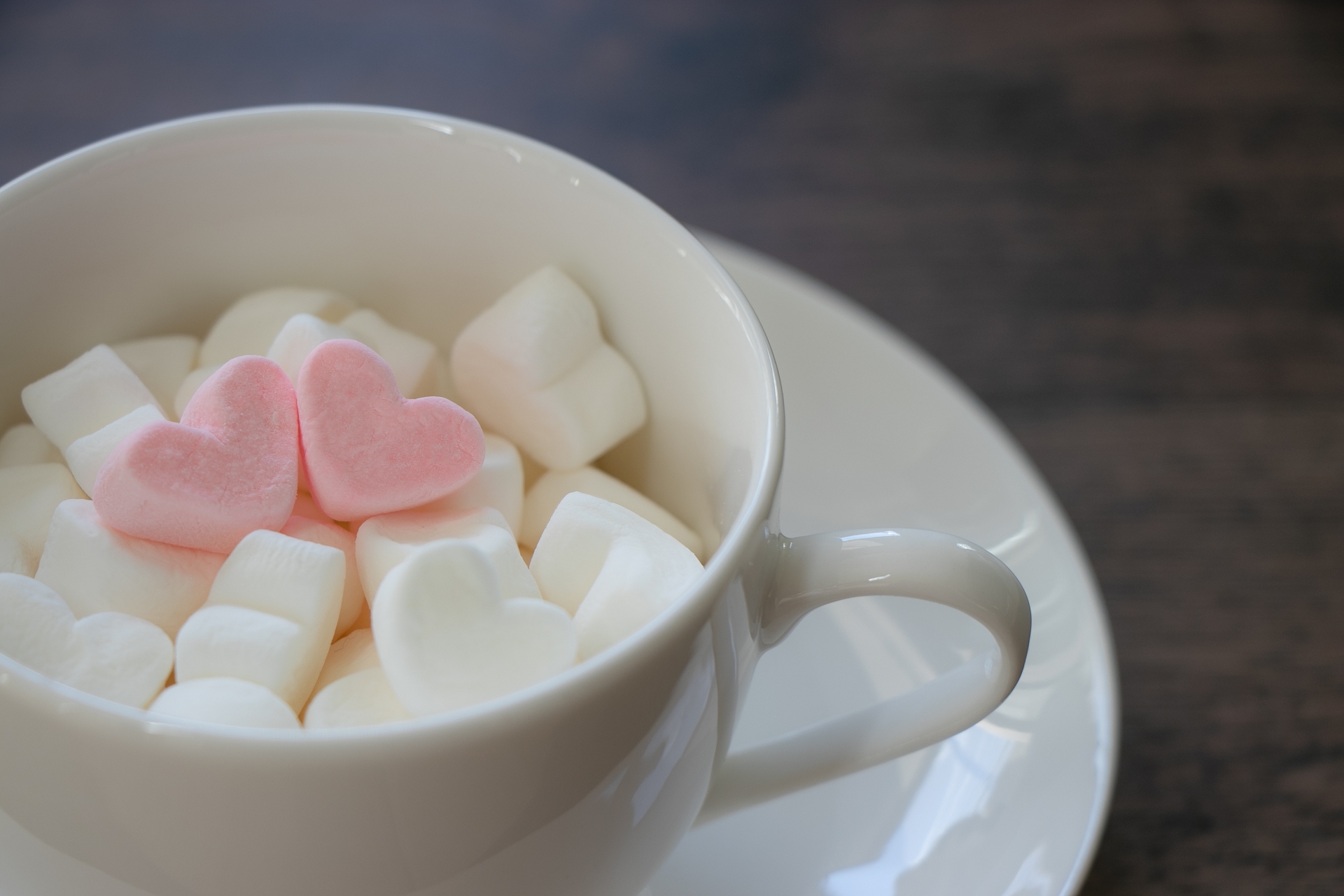
Honmei choco refers to “true feelings chocolate,” given to a romantic partner, spouse, or someone a person wants to confess feelings to. Because honmei choco is explicitly tied to romance, it is the category most strongly associated with homemade chocolate.
While many people purchase high-end honmei chocolate, making it by hand adds vulnerability and courage. The giver is offering not just chocolate, but effort, thought, and emotional clarity. Common homemade honmei styles include hand-rolled truffles, decorated chocolate squares, or assortments tailored to the recipient’s favorite flavors or colors. Perfection is not the goal—personal intention is. This is also why honmei choco can feel weighty: recipients often interpret handmade honmei chocolate as a clear romantic message.
Giri Choco and Why It’s Rarely Homemade
Giri choco is obligation chocolate, typically given to coworkers, bosses, or acquaintances. Its role is to maintain harmony and courtesy without romantic implication. Because of this, handmade giri choco is often avoided—it can feel too personal and may blur social boundaries.
There are practical reasons as well. Giri choco is usually distributed to multiple people, and handmade production at that scale can feel excessive or awkward. In these contexts, store-bought chocolate is often the more polite choice, clearly signaling formality and neutrality rather than intimacy.
Tomo Choco, Jibun Choco, and Modern Trends
Newer categories reflect changing social values. Tomo choco (“friend chocolate”) is exchanged among friends, especially students, and is a space where DIY creativity thrives. Jibun choco (“self chocolate”) is chocolate bought or made for oneself, often emphasizing quality, aesthetics, or personal indulgence.
These trends align with social media culture, where presentation and self-expression matter as much as the recipient. Combined with declining giri choco expectations and shifting gender norms, Valentine’s Day in Japan has become more flexible. Homemade chocolate now feels less like an obligation and more like a seasonal creative activity.
Why Homemade Chocolate Matters More Than the Recipe
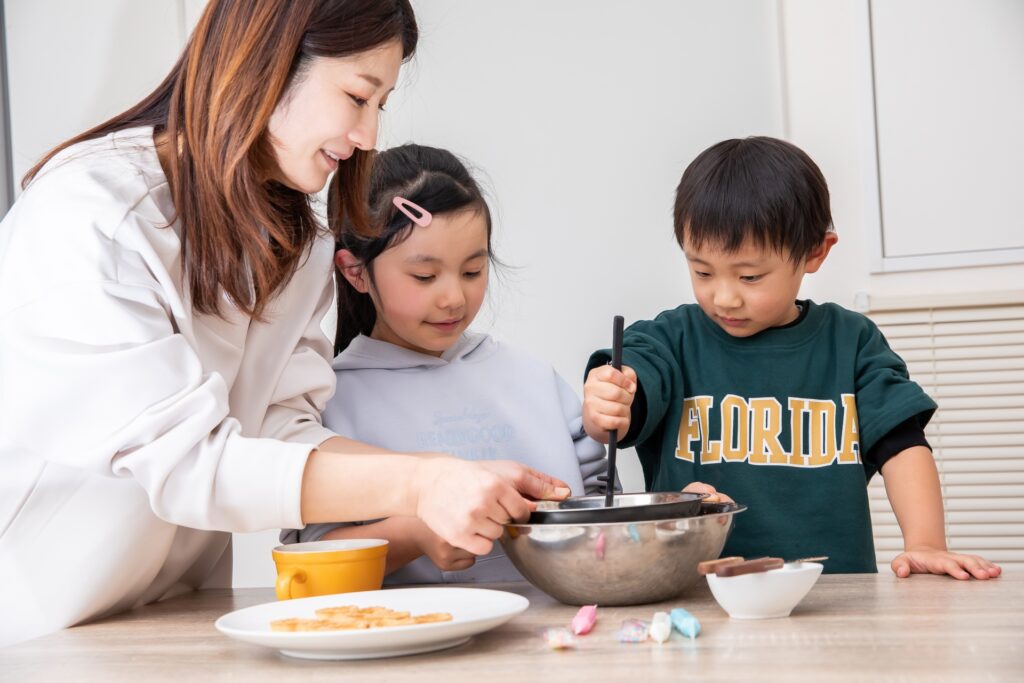
For many Japanese chocolate-makers, what matters most is not flavor complexity but effort, thoughtfulness, and presentation. Homemade chocolate represents emotional labor: planning, shopping, preparing, shaping, decorating, and wrapping. Each step reinforces sincerity in a culture where small details carry meaning.
Packaging plays a major role. Boxes, ribbons, handwritten notes, and visual balance can be just as important as taste. For American readers, this is similar to how a handwritten card can feel more meaningful than an expensive store-bought one. In Japan, homemade chocolate works the same way—personalization is what makes it memorable.
Typical Homemade Chocolate Styles in Japan
Japanese homemade chocolate favors items that are cute, giftable, and easy to portion. Large cakes are rare; small pieces that fit neatly into boxes are preferred. Common styles include truffles, molded chocolates, chocolate bark with toppings, and nama chocolate, a soft ganache-like confection beloved for its smooth texture and refined sweetness.
| Type | Difficulty | Common Occasion | Emotional Meaning |
| Truffles | Medium | Honmei, Tomo | “I put real effort into this” |
| Nama Chocolate | Medium | Honmei, Jibun | “Soft, refined, slightly luxurious” |
| Chocolate Bark / Slabs | Easy | Tomo, casual gifts | “Fun, shareable, creative” |
Even the simplest styles rely on customization. Toppings, color choices, and packaging communicate closeness, playfulness, or seriousness without words.
Japanese Flavors Often Used in Homemade Chocolate
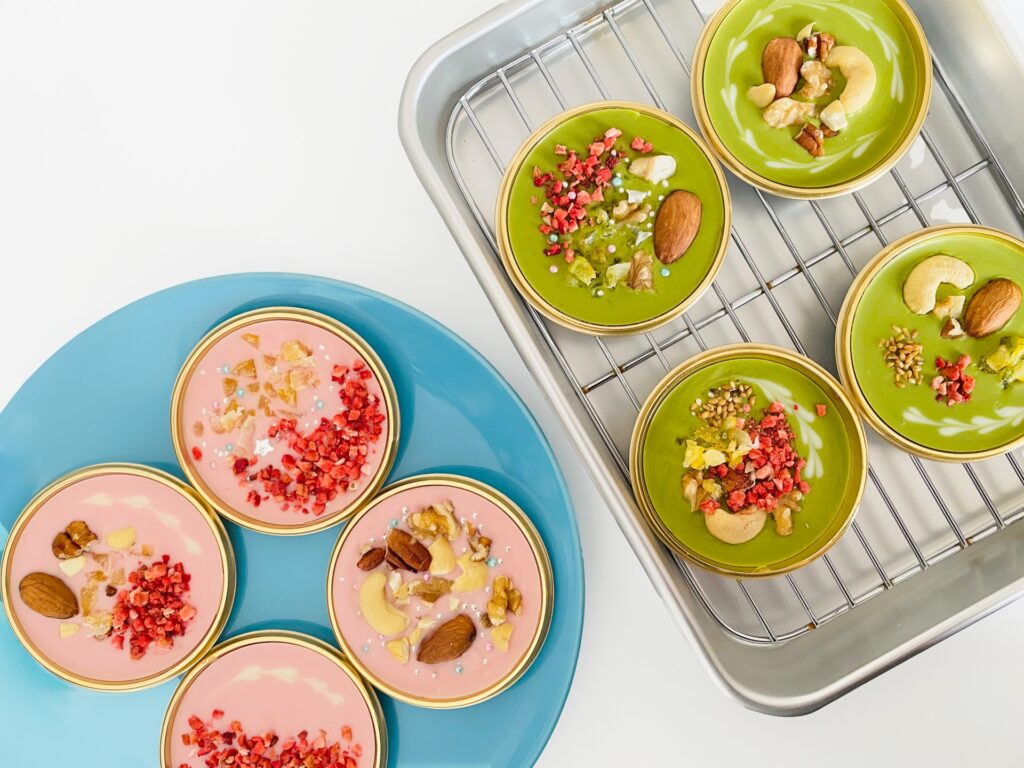
Homemade chocolate in Japan often incorporates familiar dessert flavors rather than dramatic twists. Matcha adds gentle bitterness and aroma, hojicha brings roasted warmth, yuzu contributes bright citrus fragrance, and kinako offers nutty depth associated with traditional sweets.
These flavors reflect a broader Japanese taste preference for balance: moderate sweetness, layered aromas, and a clean finish. To achieve a Japanese feel, restraint matters more than intensity. The goal is harmony, not novelty.
How the Homemade Chocolate Tradition Is Changing
Valentine’s chocolate culture in Japan continues to evolve. One major shift is the decline of obligatory giri choco in workplaces, driven by concerns about cost, pressure, and social fatigue. As this fades, homemade chocolate is returning to its core purpose: expressing individuality and genuine feeling.
Participation is also changing. Younger generations increasingly treat Valentine’s Day as flexible. Couples make chocolate together, men give chocolate on February 14, and self-gifting is widely accepted. Homemade chocolate fits this environment perfectly because it can scale from deeply romantic to lighthearted and casual.
Homemade Chocolate in Japan vs. Western Valentine’s Traditions
For American readers, the key difference is that Japanese Valentine’s chocolate functions as a social language with categories. In the U.S., Valentine’s Day is typically couple-centered and mutual. In Japan, chocolate can signal romance, obligation, friendship, or self-care depending on whether it is honmei, giri, tomo, or jibun choco.
Homemade gifts also carry different symbolism. In Western contexts, homemade sweets are often simply thoughtful. In Japan, especially as honmei choco, homemade chocolate can imply clear emotional intention. At the same time, store-bought chocolate is not inferior; for giri choco, it is often the more appropriate option. What matters is what the gift communicates within a relationship.
Why This Tradition Fascinates People Outside Japan
International audiences are drawn to this tradition because it highlights a distinctly Japanese value: meaning over material, expressed through everyday rituals. Homemade chocolate is accessible anywhere, but the cultural logic behind it—effort, aesthetics, and social nuance—is uniquely Japanese.
For travelers and cultural enthusiasts, the goal is not perfect imitation. True appreciation comes from understanding what the tradition values: sincerity, consideration, and the idea that gifts help maintain relationships, not just celebrate romance.

Conclusion: Handmade Chocolate as a Cultural Language
The homemade chocolate tradition in Japan is more than a Valentine’s Day custom—it is a cultural language. Through small sweets, people communicate affection, boundaries, gratitude, and self-care. Handmade chocolate transforms simple ingredients into messages shaped by effort, timing, and context.
For international readers, understanding this tradition deepens appreciation of Japanese gift culture as a whole. It shows how meaning can outweigh material value, and how personal effort can speak louder than words. In that sense, homemade chocolate in Japan is not just about chocolate—it is about relationships, expressed carefully, one piece at a time.