Jingisukan—often written as “Genghis Khan” on English menus—is one of Hokkaido’s most beloved local dishes.
At first glance, the name can be confusing, especially for travelers who associate it with Mongolia. In reality, Jingisukan is a uniquely Japanese style of lamb barbecue, cooked on a distinctive domed grill and enjoyed with vegetables and dipping sauce.
This article explains exactly what Jingisukan is, how it’s eaten, why it has such an unusual name, and what first-time visitors should expect when trying it in Japan.


What Is Jingisukan? (Quick Definition)
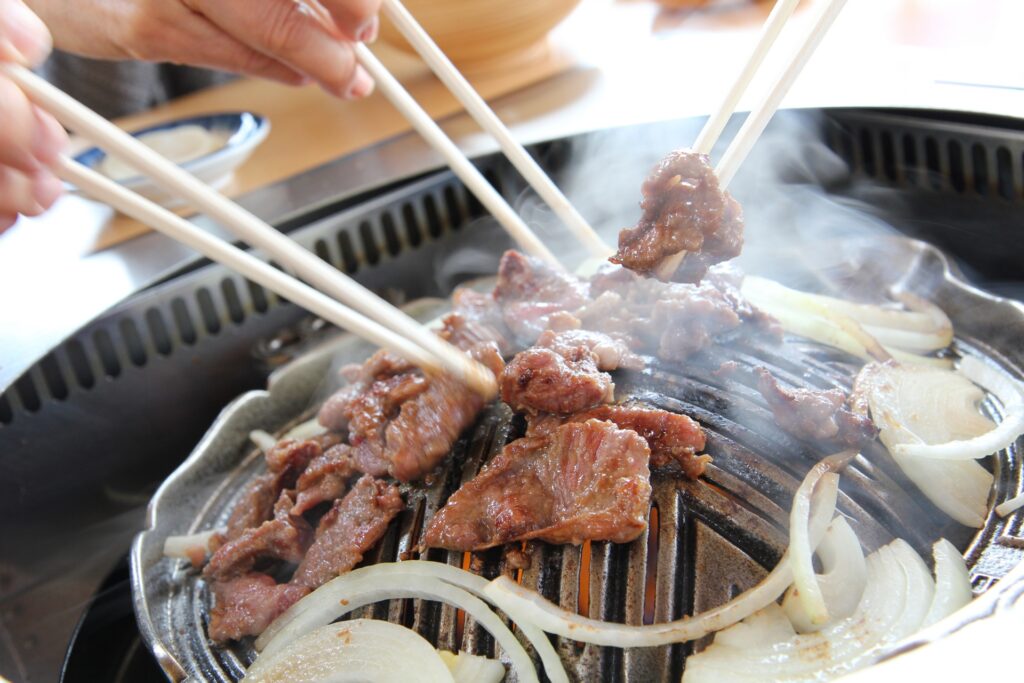
Jingisukan is a Japanese lamb (or mutton) barbecue dish from Hokkaido, cooked on a domed metal grill with vegetables and eaten with a savory sauce or pre-seasoned meat.
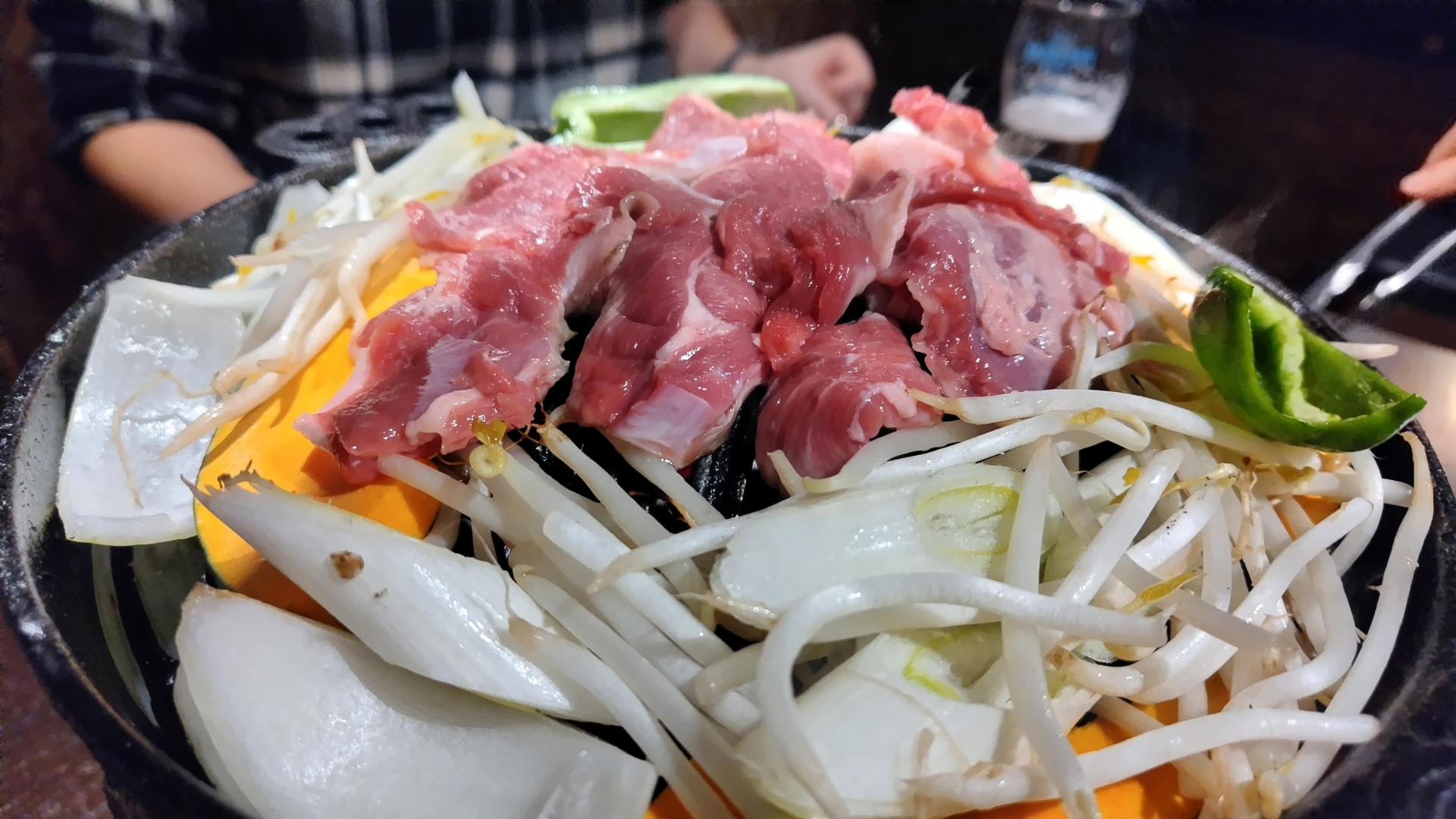
Unlike Korean BBQ or Japanese yakiniku, Jingisukan is strongly tied to one region—Hokkaido—and one specific cooking tool: a convex (helmet-shaped) iron grill. Thinly sliced lamb is grilled on the raised center, while vegetables such as bean sprouts, onions, cabbage, and pumpkin cook around the edges, absorbing rendered lamb fat as they soften.
Another defining feature is flexibility in seasoning. Some restaurants serve unseasoned lamb, which you dip into a soy-based sauce after grilling. Others marinate the meat in advance, letting you eat it straight from the grill. Either way, Jingisukan is best understood as a regional Japanese dish, not a general Asian barbecue style.
Why Is It Called “Genghis Khan”?
The name “Jingisukan” is simply the Japanese pronunciation of Genghis Khan, the Mongolian historical figure. Despite how it sounds, the dish itself is not an authentic Mongolian recipe, nor does it originate from Mongolia.
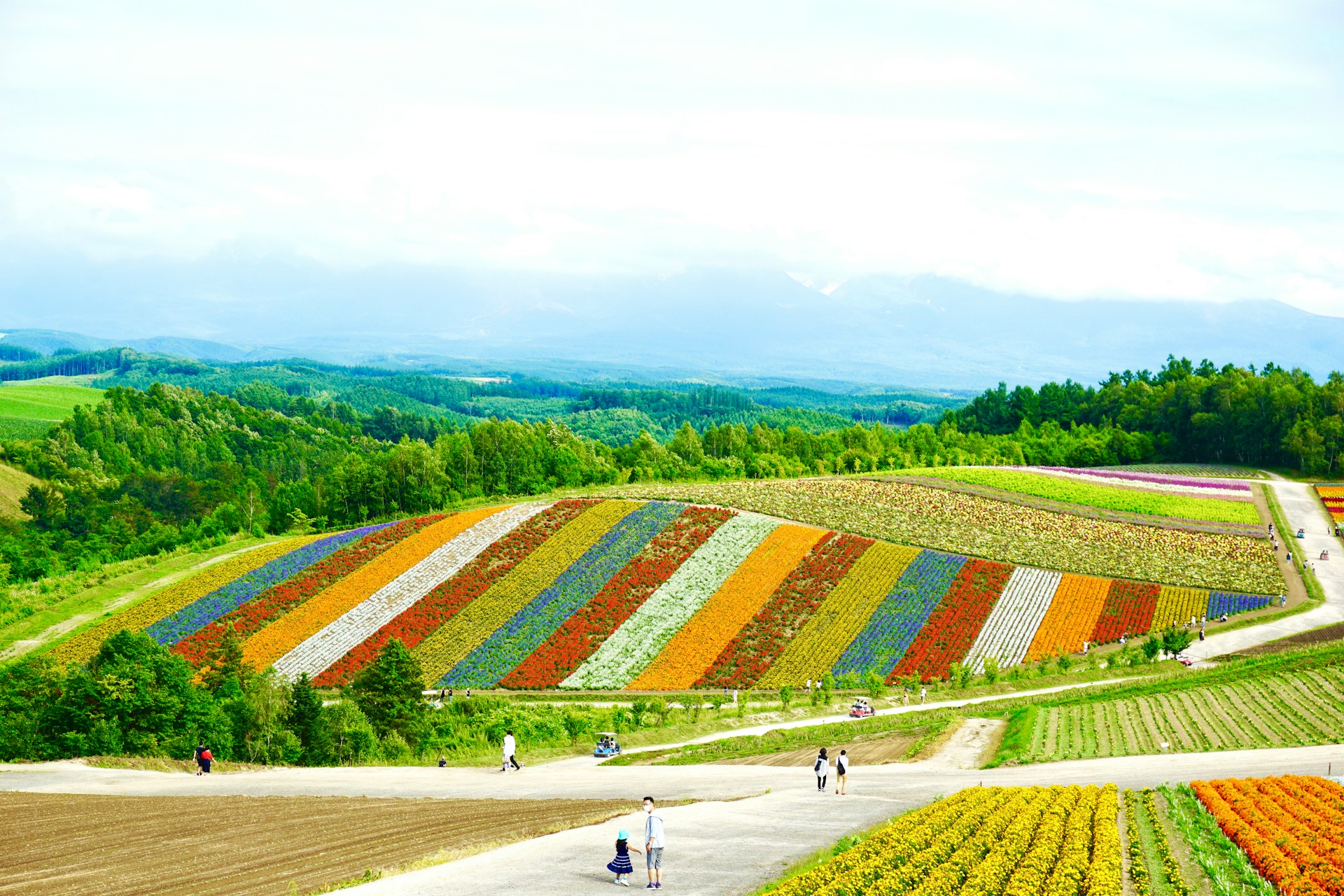
One commonly cited theory traces the name to Tokuzo Komai, a graduate of the predecessor institution of Hokkaido University and a key figure involved in early Japanese agricultural policy, including activities related to Manchukuo.
At the time, sheep farming was being promoted in Hokkaido, and lamb consumption was still unfamiliar to most Japanese people. According to this theory, naming the dish after the legendary figure “Genghis Khan” gave symbolic weight and recognition to a new sheep-based food culture.
However, there is no clear historical evidence that Genghis Khan himself or traditional Mongolian cuisine had a direct connection to this dish. For that reason, the name is best understood as a cultural and ideological reference shaped by its era, rather than a historically accurate origin story.
Is Jingisukan Actually Mongolian Food?
No.
Jingisukan developed in Japan—particularly in Hokkaido—during the early 20th century, when sheep were raised for wool and food. As lamb became more available, simple grilling methods emerged, eventually forming the style known today as Jingisukan.
Outside Japan, “Mongolian barbecue” usually refers to a stir-fry cooked on a flat iron griddle, which is completely different in cooking method, flavor profile, and presentation. Jingisukan is grilled, not stir-fried, and its seasonings and eating style are unmistakably Japanese.
What Meat Is Used? Lamb vs. Mutton
Traditionally, Jingisukan used mutton, meat from mature sheep. Mutton has a deeper, stronger flavor and a more pronounced aroma.
Today, however, lamb, meat from younger sheep, is far more common, especially in restaurants that cater to travelers.
- Lamb: Tender, mild, and slightly sweet. Ideal for beginners.
- Mutton: Richer, gamier, and more robust. Preferred by enthusiasts and locals.
First-time tip: If you’re new to lamb or concerned about smell, order lamb shoulder or leg. These cuts are approachable and forgiving.
How the Jingisukan Grill Works (Domed Pan Explained)
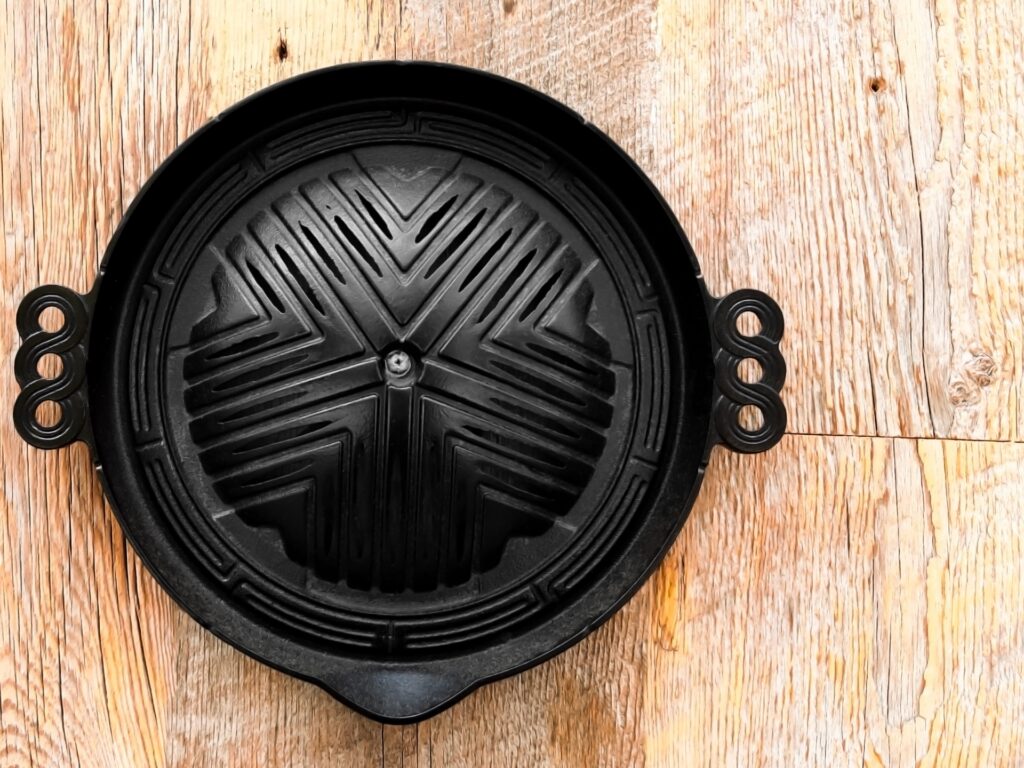
The domed Jingisukan grill is functional by design. The raised center cooks lamb quickly over high heat. As the meat grills, fat and juices flow downward, where vegetables arranged around the edges absorb the flavor while steaming and browning. Excess fat drains away, preventing greasiness.
This structure balances richness and freshness, making Jingisukan surprisingly light compared to other barbecue styles.
How to Eat Jingisukan (Step-by-Step)
Eating Jingisukan is simple, even for first-timers.
First, heat the grill and lightly oil it with lamb fat. Next, place vegetables around the edge to start softening. Grill lamb slices on the center dome, taking care not to overcook them. Eat immediately, either dipped in sauce or as-is if the meat is pre-seasoned. Finish with the vegetables, now infused with lamb flavor.
There are two main styles. In the dip style, plain lamb is grilled and then dipped into sauce. In the marinated style, seasoned lamb is grilled and eaten directly. Most restaurants explain which style they use, and staff are generally happy to guide visitors.
What Does Jingisukan Sauce Taste Like?
Jingisukan sauce is typically soy sauce–based, blended with garlic, ginger, and fruit or onion for sweetness. The result is a sweet-savory, slightly tangy sauce that balances lamb’s richness and softens any gamey notes. For many beginners, the sauce is what makes Jingisukan instantly enjoyable.
Where Jingisukan Is Popular (Hokkaido & Sapporo)
Jingisukan is eaten throughout Hokkaido, but Sapporo is the easiest place for travelers to experience it.
Restaurants range from lively beer halls to casual smoke-filled barbecue joints and even seasonal outdoor venues. The atmosphere is informal, noisy, and aromatic—very much part of the experience. If you see locals grilling lamb while drinking beer, you’re in the right place.

Can You Make Jingisukan at Home? (Outside Japan)
Yes—especially in the United States.
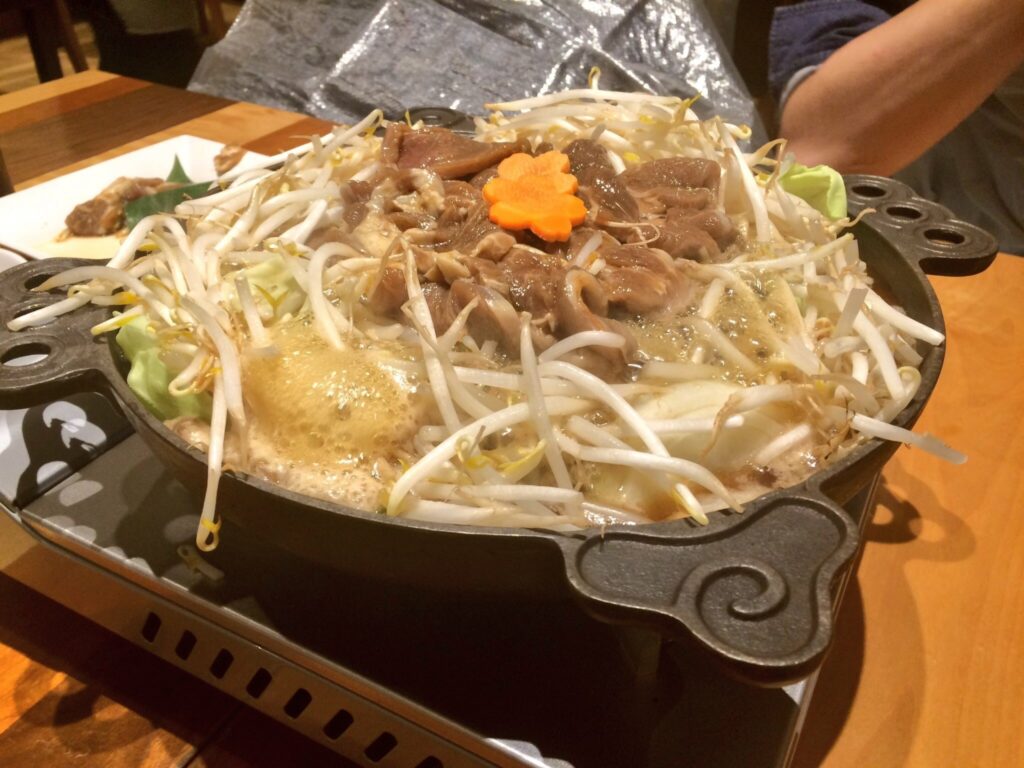
You don’t need a traditional domed grill. A cast iron skillet, grill pan, or electric hot plate near a window works well.
To reduce smoke and smell, use lean lamb cuts, preheat thoroughly, ventilate aggressively, and wear casual clothes—just like at a real Jingisukan restaurant. Vegetables such as bean sprouts and onions also help absorb excess fat and odor.
Jingisukan vs. Yakiniku vs. “Mongolian BBQ”
| Feature | Jingisukan | Yakiniku | “Mongolian BBQ” |
| Main meat | Lamb / Mutton | Beef, pork (sometimes chicken) | Mixed meats |
| Cooking equipment | Domed metal grill | Flat grill or mesh | Flat iron griddle |
| Seasoning style | Dipping sauce or pre-marinated meat | Dipping sauces | Sauce cooked together with ingredients |
| Cooking method | Grilling | Grilling | Stir-frying |
| Origin | Hokkaido, Japan | Japan / Korea | Western invention |
| Cultural background | Regional Japanese local cuisine | Everyday Japanese BBQ | Not traditional Mongolian food |
Despite its name, “Mongolian BBQ” has no direct connection to Mongolia, while Jingisukan is deeply rooted in Hokkaido’s local food culture.
Conclusion: Why Jingisukan Is Worth Trying
Jingisukan is more than “lamb BBQ.” It’s a dish shaped by Hokkaido’s history, climate, and food culture—distinctly Japanese despite its misleading name.
If you’re visiting Hokkaido or Sapporo, Jingisukan is a must-try local dish. Even if you’re unsure about lamb, the cooking method, sauce, and lively atmosphere make it approachable and memorable. For many travelers, it becomes one of the most surprising and enjoyable meals of their trip.