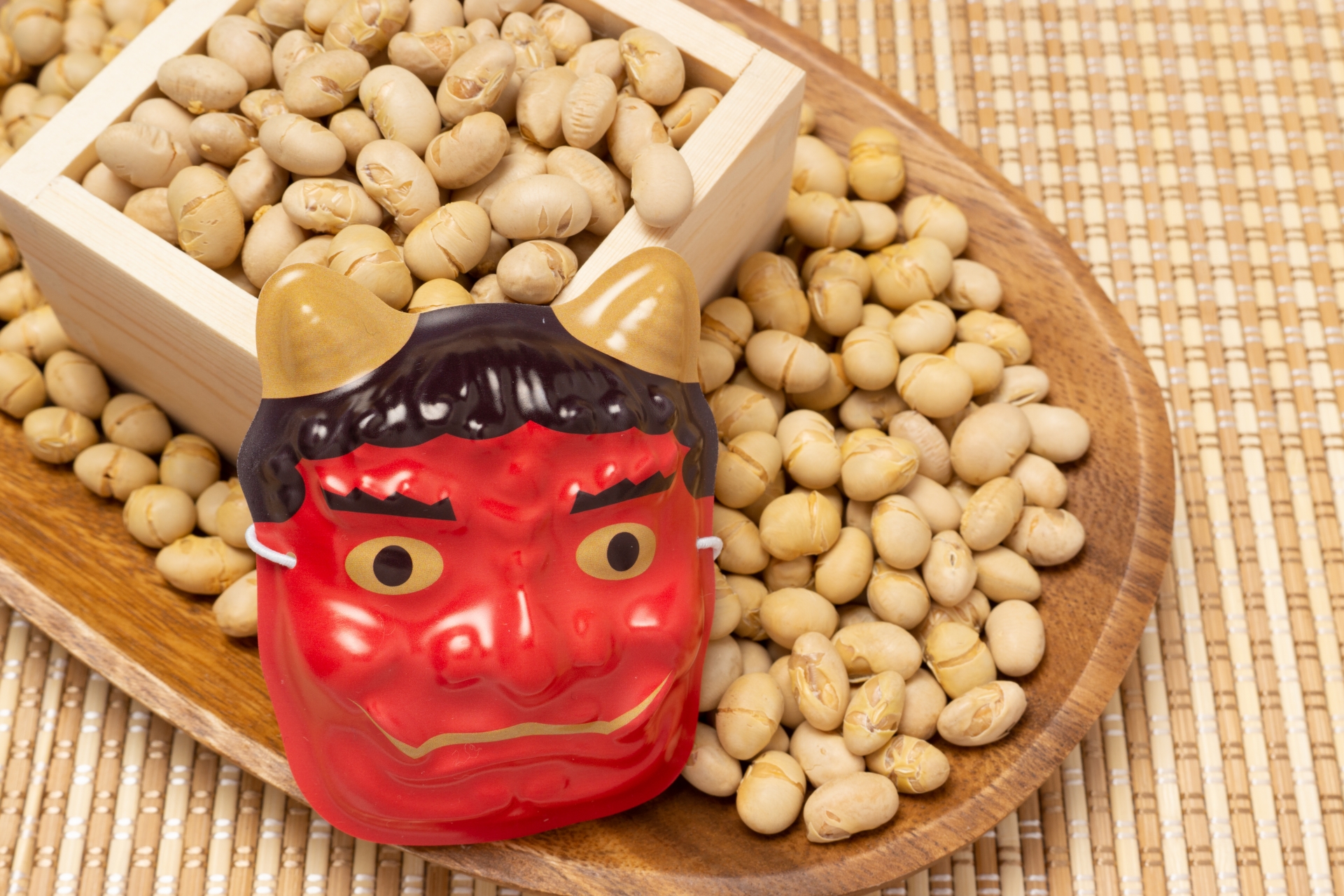
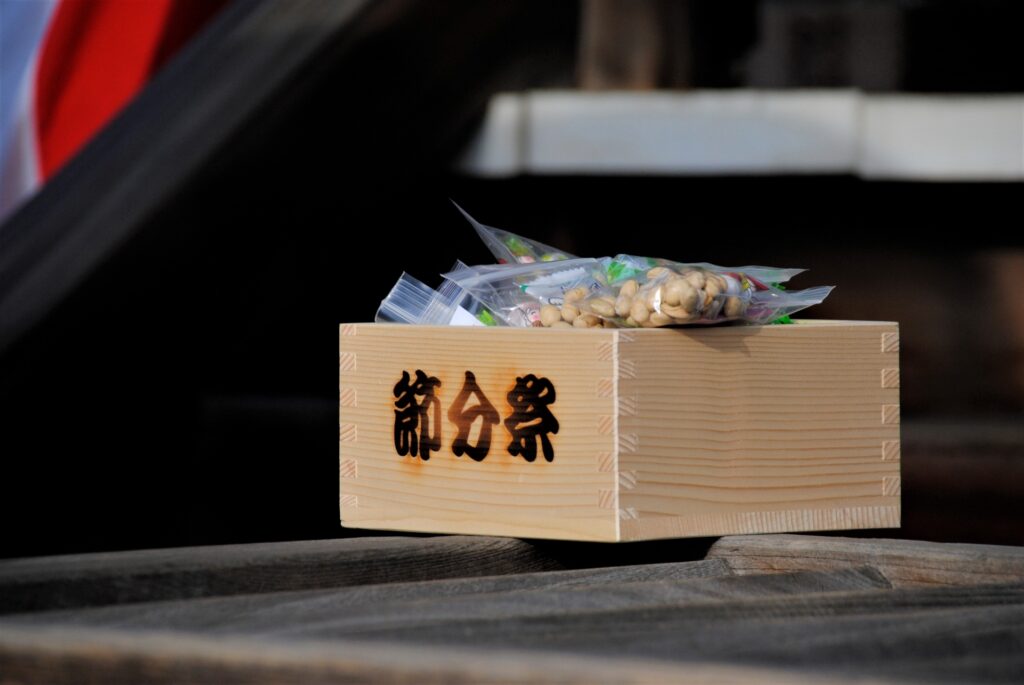
Setsubun is widely known in Japan as a bean-throwing tradition meant to chase away evil spirits and invite good fortune. However, this familiar image only scratches the surface. Across Japan, Setsubun is celebrated in remarkably different ways depending on region, history, and local belief systems. From dramatic fire rituals in mountain temples to samurai processions and region-specific food customs, regional Setsubun festivals reveal the depth and diversity of Japanese culture. This guide explores the most distinctive Setsubun celebrations across the country, helping travelers and cultural enthusiasts understand when, where, and how each region celebrates.


What Is Setsubun and Why Regional Festivals Matter
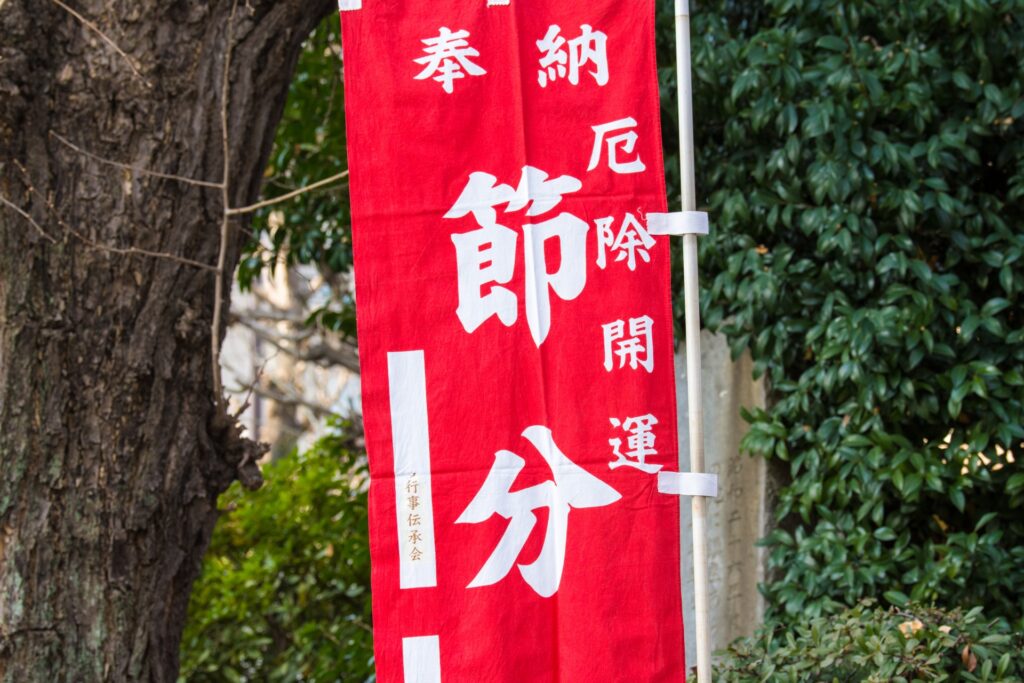
Setsubun marks a seasonal turning point between winter and spring in Japan’s traditional calendar. In premodern Japan, seasonal transitions were believed to be times when spiritual boundaries weakened, allowing illness, misfortune, and harmful influences to enter daily life. To prevent this, purification rituals were performed to symbolically expel negative forces and prepare for renewal.
While modern Setsubun is often associated with throwing roasted soybeans at home, regional festivals preserve older and more complex interpretations of this belief. Japanese culture has long been shaped by local geography, climate, and religious traditions, and Setsubun reflects this regional diversity. Mountain communities developed austerity-based rituals, shrine-centered regions emphasized formal ceremonies, and urban areas adapted Setsubun into large public gatherings. These regional festivals matter because they preserve local identity and show how shared traditions evolve differently across Japan.
Famous Regional Setsubun Festivals Across Japan
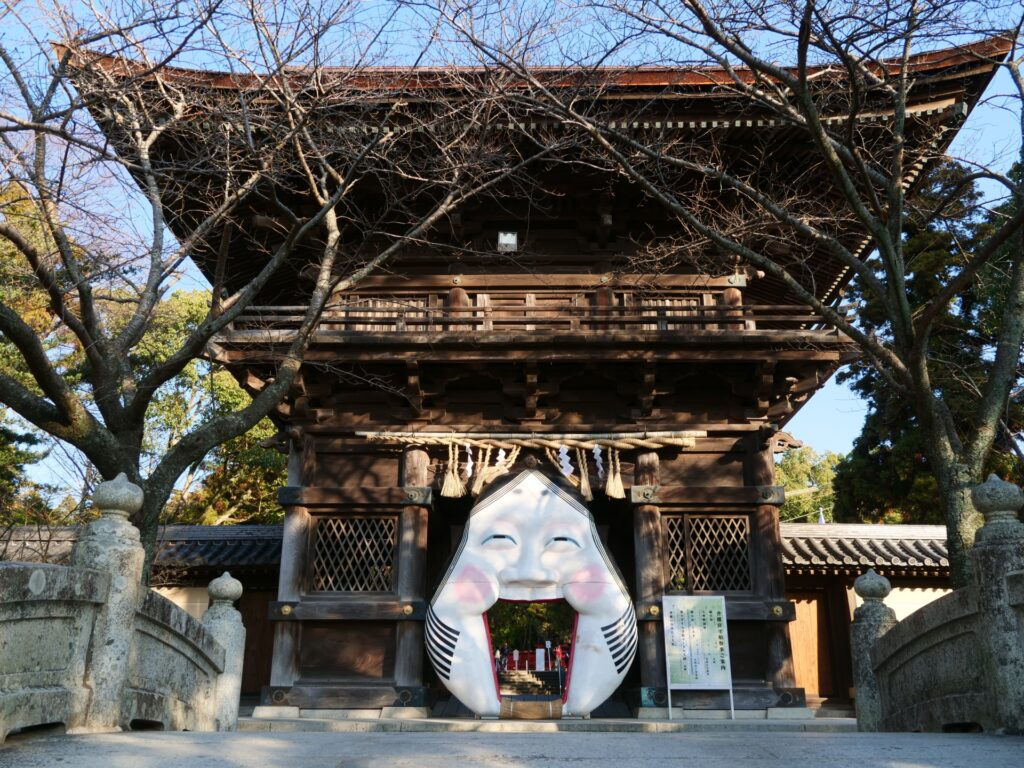
Across Japan, thousands of shrines and temples hold Setsubun events every February, but certain festivals stand out for their scale, symbolism, or historical background. These celebrations vary widely in atmosphere, from lively urban spectacles to solemn, ritual-focused ceremonies. Dates may differ slightly by year or region, and some locations observe Setsubun over multiple days rather than a single event. Understanding these differences allows visitors to experience Setsubun in ways that align with their interests, whether cultural depth, historical continuity, or festive energy.
Kanto Region – Celebrity Bean Throwing and Large-Scale Temples
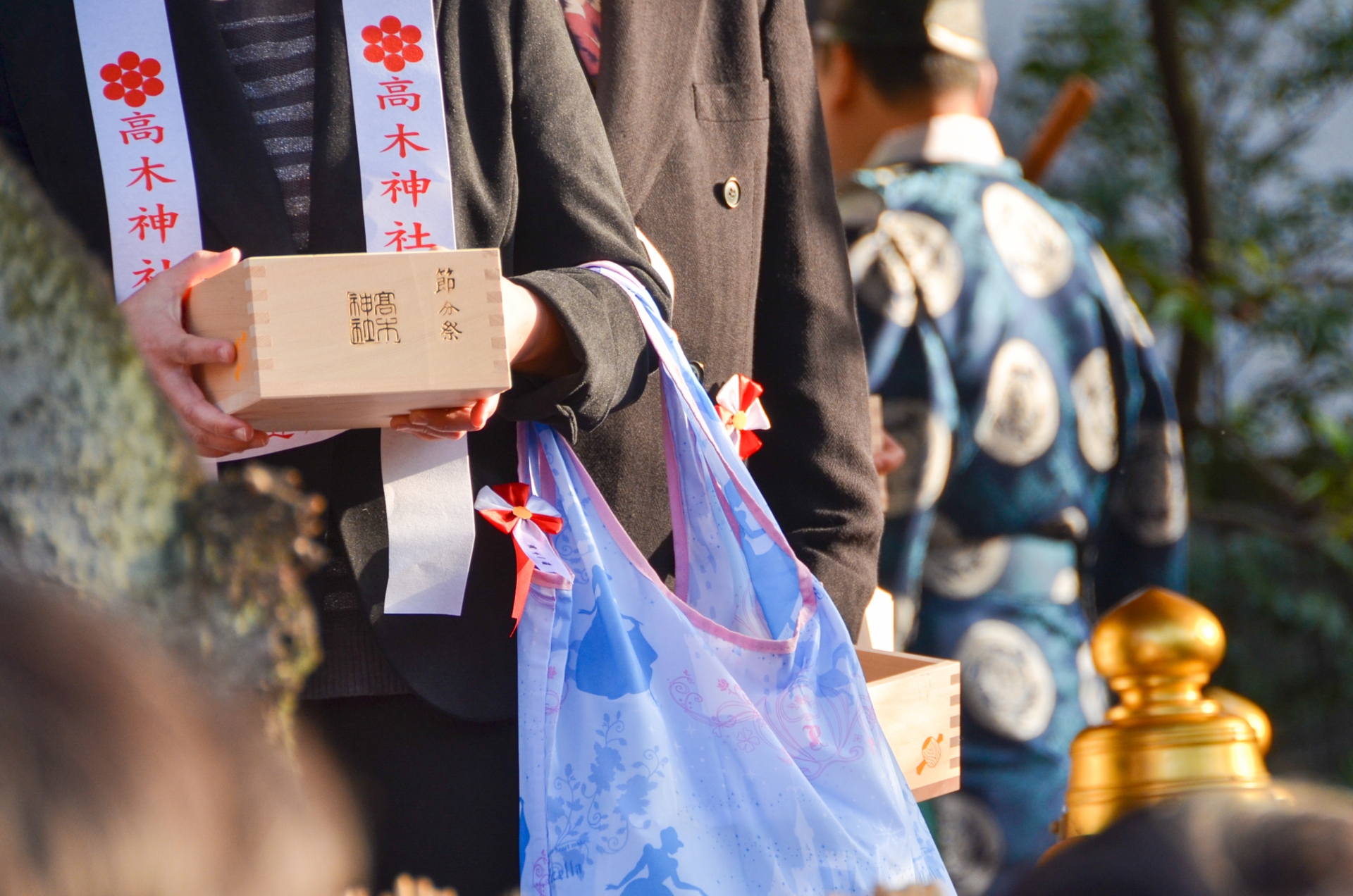
In the Kanto region, particularly Tokyo, Setsubun has become a highly visible public event. Major temples such as Ikegami Honmonji host large mamemaki ceremonies that attract thousands of attendees. These events often feature celebrities, athletes, or public figures throwing beans from elevated platforms, turning the ritual into a shared moment of excitement and good fortune.
Urban Setsubun celebrations emphasize accessibility and participation. Events are tightly scheduled, crowds are carefully managed, and the atmosphere is festive rather than solemn. Compared to rural traditions, Kanto’s Setsubun reflects how modern Japanese society blends religious customs with popular culture, making it especially approachable for first-time visitors to Japan.
Kansai Region – Ancient Shrines and Ritualized Ceremonies
Kansai’s Setsubun festivals reflect the region’s long-standing role as Japan’s spiritual and cultural center. At historic shrines such as Kasuga Taisha and Taga Taisha, ceremonies are conducted with formal movements, traditional garments, and ritual sequences preserved for centuries.
Rather than focusing solely on bean throwing, Kansai celebrations often include sacred dances, chanting, and symbolic offerings meant to purify the land and protect the community. Lanterns, firelight, and controlled movements create a solemn atmosphere that emphasizes continuity with Japan’s ancient past. These festivals are particularly appealing to visitors interested in Shinto ritual, history, and classical aesthetics.
Chubu & Hokuriku – Warrior Processions and Physical Rituals
In the Chubu and Hokuriku regions, Setsubun festivals frequently emphasize physical endurance and historical symbolism. At Bannaji Temple, participants dressed in samurai armor parade through the grounds to symbolically expel evil spirits. This practice reflects the area’s strong connection to Japan’s warrior heritage and feudal history.
Other regional events incorporate physically demanding purification rituals inspired by Hadaka-matsuri traditions. Participants may endure cold weather or intense crowd conditions as a form of spiritual cleansing. These practices highlight the belief that purification requires personal effort and resilience, offering a stark contrast to the celebratory atmosphere of urban mamemaki events.
Kyushu & Western Japan – Fire Rituals and Local Beliefs
In Kyushu and parts of western Japan, Setsubun is strongly influenced by mountain worship and esoteric Buddhist traditions. At sacred sites such as Kinpusen-ji, fire plays a central role in purification rituals. Flames are believed to burn away spiritual impurities and misfortune accumulated over the past year.
These ceremonies are often held at night and accompanied by chanting monks and controlled fire displays. Compared to urban Setsubun celebrations, fire rituals are more solemn and intense, emphasizing spiritual transformation rather than entertainment. For travelers seeking a profound and atmospheric Setsubun experience, western Japan offers some of the most memorable rituals.
Unique Local Customs You’ll Only See at Regional Setsubun Festivals
Regional Setsubun festivals include many customs that go far beyond standard bean throwing. In some areas, elaborately costumed oni figures appear and engage symbolically with priests or spectators. Elsewhere, local chants replace the familiar Setsubun phrase, reflecting regional dialects and beliefs.
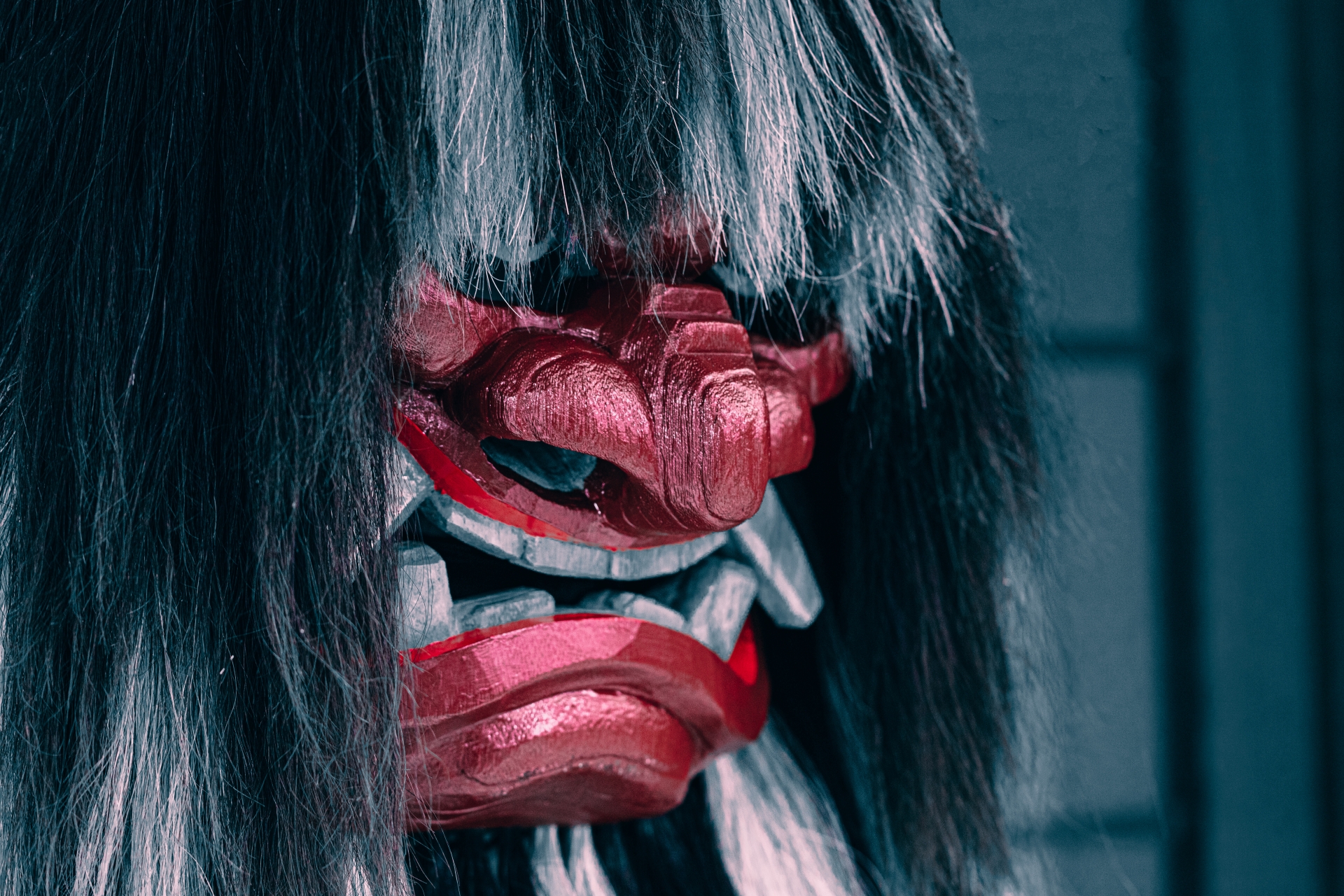
Notably, demons are not always portrayed as purely evil. In certain traditions, oni act as protective figures or moral symbols rather than enemies to be expelled. These nuanced interpretations demonstrate how local communities adapted Setsubun to express their own values and understanding of balance, protection, and renewal.

Regional Foods and Setsubun-Specific Dishes
Food plays an important role in regional Setsubun culture. While ehomaki sushi rolls have become widely associated with the holiday in recent decades, many regions maintain older culinary traditions tied to local ingredients and seasonal health beliefs. Coastal areas may favor seafood, while inland regions often prepare warming dishes meant to ward off winter illness.
These food customs reflect regional agriculture, climate, and historical trade patterns. Eating specific foods during Setsubun is believed to bring health and prosperity, reinforcing the idea that Setsubun is not only a ritual event but also a seasonal lifestyle practice.
When and Where to Experience Regional Setsubun Festivals
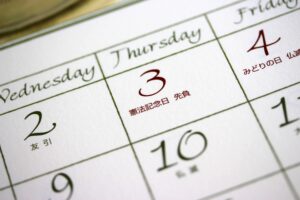
Most Setsubun festivals take place in early February, typically on February 2 or February 3 depending on the year. Some regions hold extended celebrations lasting several days, while others focus on a single main ceremony. Weather conditions vary significantly across Japan, affecting both atmosphere and crowd size.
For travel planning, it is useful to compare region, location, and typical dates in advance. Urban festivals offer convenience and scale, while rural events provide intimacy and cultural depth. Checking official temple or shrine announcements is essential, as schedules may change annually.
Travel Tips for Attending Regional Setsubun Festivals
Although Setsubun can feel festive, it remains a religious observance. Visitors should arrive early for popular events, as entry restrictions are common once capacity is reached. Photography rules differ by location, and some rituals prohibit filming entirely.
Public transportation is usually the most efficient way to reach festival venues, especially in cities. While English guidance is increasing, many regional festivals operate primarily in Japanese, so observing local behavior and signage is important. Respectful conduct enhances both personal experience and cultural understanding.
How Regional Setsubun Festivals Reflect Local Japanese Culture
Regional Setsubun festivals show how Japanese culture balances shared tradition with strong local identity. Each community interprets purification and renewal through its own historical experiences, religious influences, and natural environment. From fire rituals to warrior symbolism, these festivals demonstrate how spiritual concepts are expressed differently across Japan.
Setsubun also highlights the importance of seasonal awareness in Japanese life. By participating in regional festivals, visitors gain insight into how communities connect nature, belief, and daily living through ritual.
Conclusion – Choosing the Right Regional Setsubun Festival for You
Choosing the right regional Setsubun festival depends on personal interests. Those drawn to history and tradition may prefer Kansai’s shrine ceremonies, while visitors seeking lively crowds may enjoy Kanto’s large-scale events. Travelers interested in spirituality or dramatic visuals may find western Japan’s fire rituals especially compelling.
Exploring lesser-known regional Setsubun festivals offers deeper cultural insight and more meaningful encounters. By looking beyond the most famous celebrations, you can experience Setsubun as a living tradition that continues to reflect the diversity of Japanese culture across regions.