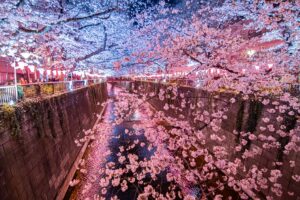
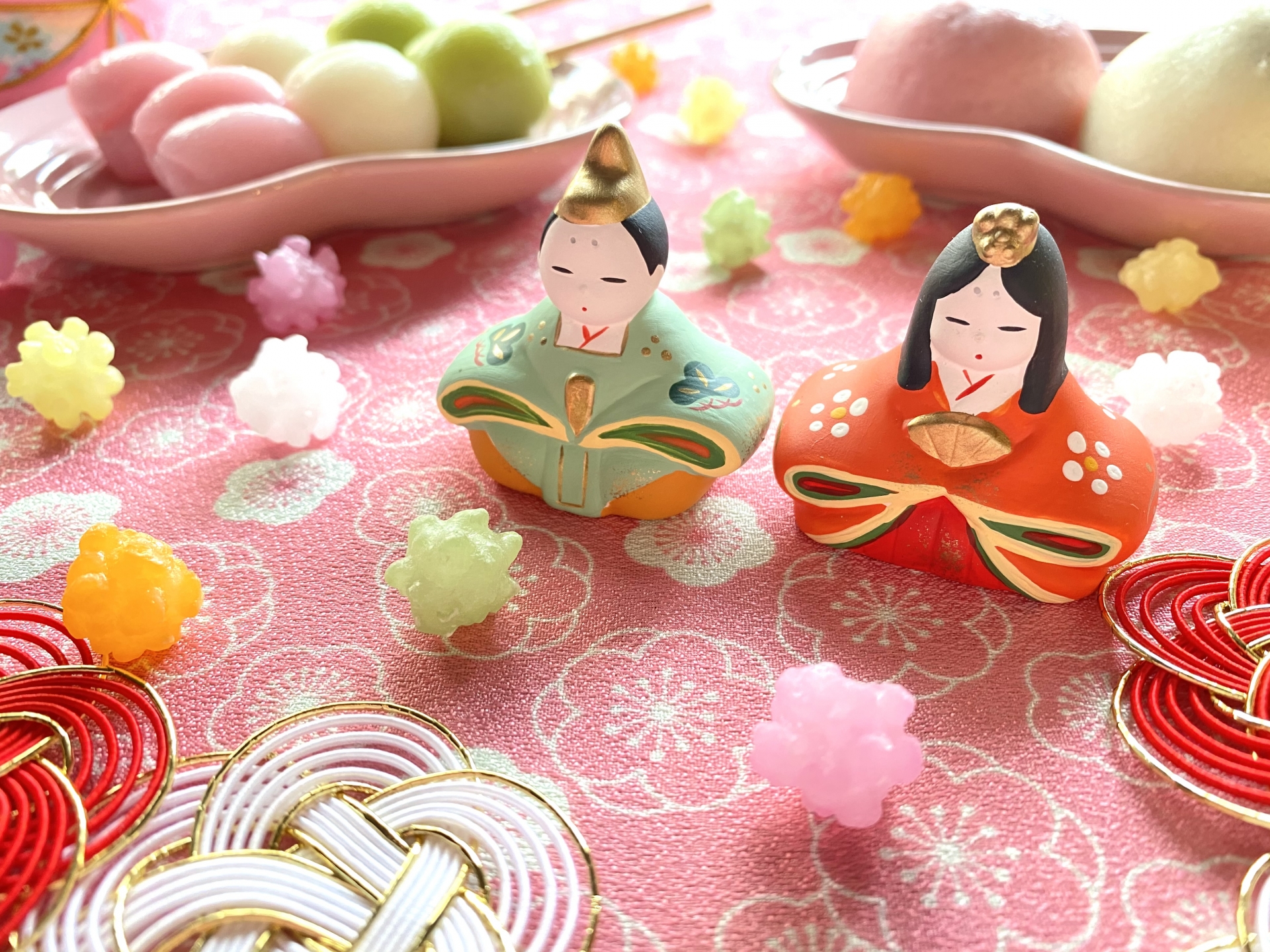
Hinamatsuri, often called Girls’ Day or the Doll Festival, is a cherished Japanese seasonal celebration held every year on March 3rd. Rooted in centuries-old traditions, the festival is dedicated to praying for the health, happiness, and bright future of young girls. For many families in Japan, Hinamatsuri is both a cultural ritual and an intimate family event, blending spiritual beliefs with beautiful visual traditions such as ornate doll displays, seasonal foods, and peach blossom decorations.
For international readers—especially travelers, parents, students of Japanese culture, and cultural enthusiasts—Hinamatsuri offers a meaningful window into how Japan connects family values, seasonal awareness, and symbolism. This guide explores Hinamatsuri from its historical origins to modern celebrations, including how visitors can experience it in Japan or even celebrate it abroad.


What Is Hinamatsuri?
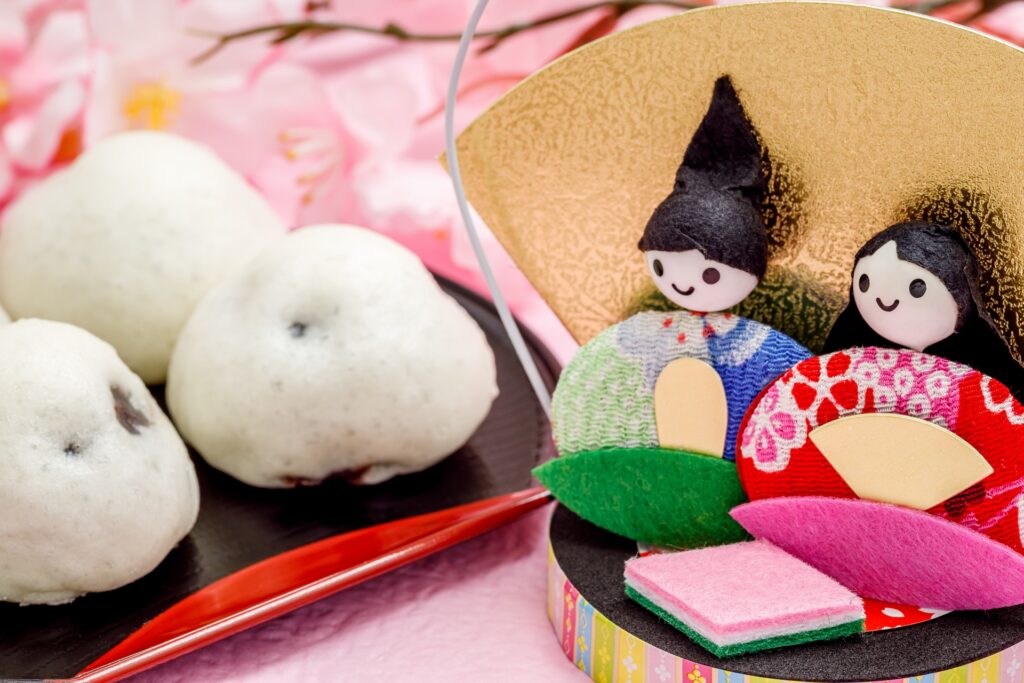
Hinamatsuri is one of Japan’s traditional seasonal festivals associated with the healthy growth and happiness of girls. Celebrated annually on March 3rd, it coincides with the beginning of spring and is sometimes referred to as the Peach Festival, as peach blossoms symbolize protection, renewal, and feminine vitality in East Asian culture.
Unlike large public festivals with parades or fireworks, Hinamatsuri is primarily observed at home. Families with daughters display hina dolls, offer prayers, and enjoy symbolic foods together. The festival belongs to a broader system of traditional seasonal observances that mark important transitions in nature and life. Its cultural purpose is gentle yet profound: to wish for children’s well-being while honoring continuity between generations.
History and Origins of Hinamatsuri
The origins of Hinamatsuri can be traced back over a thousand years, blending influences from ancient Chinese purification rites and early Japanese court culture. In ancient China, rituals were performed to ward off misfortune by transferring impurities to symbolic objects. These practices reached Japan around the 7th century and gradually merged with local beliefs.
During Japan’s Heian period (794–1185), aristocratic children played with paper dolls, a pastime known as hina-asobi. Over time, these dolls evolved from toys into ritual objects believed to absorb bad luck. By the Edo period (1603–1868), Hinamatsuri had become widely celebrated, and elaborate doll displays emerged among samurai and merchant families. What began as a purification rite transformed into a deeply aesthetic and family-centered festival.
Connection to Ancient Chinese Traditions
One of the earliest roots of Hinamatsuri lies in ancient Chinese cleansing rituals held in early spring. These rites involved symbolic acts to cast away misfortune before the start of a new agricultural cycle. In Japan, this idea took form in nagashi-bina, a ritual where paper dolls were placed on rivers and floated away, carrying away illness and bad luck.
Although nagashi-bina is less common today, some regions still perform ceremonial versions as cultural events. The concept of dolls acting as spiritual substitutes remains central to Hinamatsuri. Even modern hina dolls retain this symbolic role as protectors, reflecting a belief system that blends imported philosophy with native Japanese spirituality.
Hina Dolls and Their Meanings

Hina dolls are the heart of Hinamatsuri celebrations. Rather than toys, they are symbolic figures representing members of the imperial court. At the center are the Emperor and Empress, embodying harmony, stability, and ideal partnership. They are typically dressed in elegant court robes inspired by classical Japanese aristocratic fashion.
Surrounding them are attendants, court ladies, musicians, and guards, along with miniature household items such as chests, lanterns, and palanquins. Each figure has a role, reflecting the social order of historical Japan. Families believe these dolls absorb misfortune that might otherwise affect their daughters, making them both decorative and spiritually meaningful.
How to Display Hina Dolls
Traditional hina doll displays are arranged on red-clothed platforms in tiers, most commonly in three-, five-, or seven-tier configurations. The top tier features the Emperor and Empress, while lower tiers hold attendants, musicians, and household items. The arrangement follows strict conventions that symbolize order and balance.
There are also regional differences. In eastern Japan, the Emperor is often placed on the left from the viewer’s perspective, while western Japan reverses this order. Modern families, especially those living in smaller homes, often opt for compact or simplified displays. Regardless of size, the act of displaying the dolls itself represents care, tradition, and a connection to ancestry.
Why Hina Dolls Are Put Away Quickly
A well-known custom associated with Hinamatsuri is the belief that hina dolls should be put away promptly after March 3rd. According to popular folklore, leaving them out too long may result in a daughter marrying late. While this is not taken literally by most modern families, it reflects deeper cultural values.
The practice emphasizes timeliness, discipline, and attentiveness, qualities traditionally encouraged in children. It also reinforces the idea that festivals mark transitions—once the season has passed, life moves forward. Today, many families treat this belief lightheartedly, but the custom remains a memorable part of the festival.
Traditional Hinamatsuri Foods
Food plays an essential role in Hinamatsuri, reflecting seasonal ingredients and symbolic colors. The dishes served are not only visually appealing but also rich in meaning. Pink, white, and green—colors associated with peach blossoms, purity, and new growth—appear frequently.
Meals are typically shared as a family, reinforcing bonds while celebrating the season. Even households without elaborate doll displays often mark Hinamatsuri by enjoying these special foods together, making cuisine an accessible way to participate in the festival.
Hishimochi, Chirashizushi, and Amazake
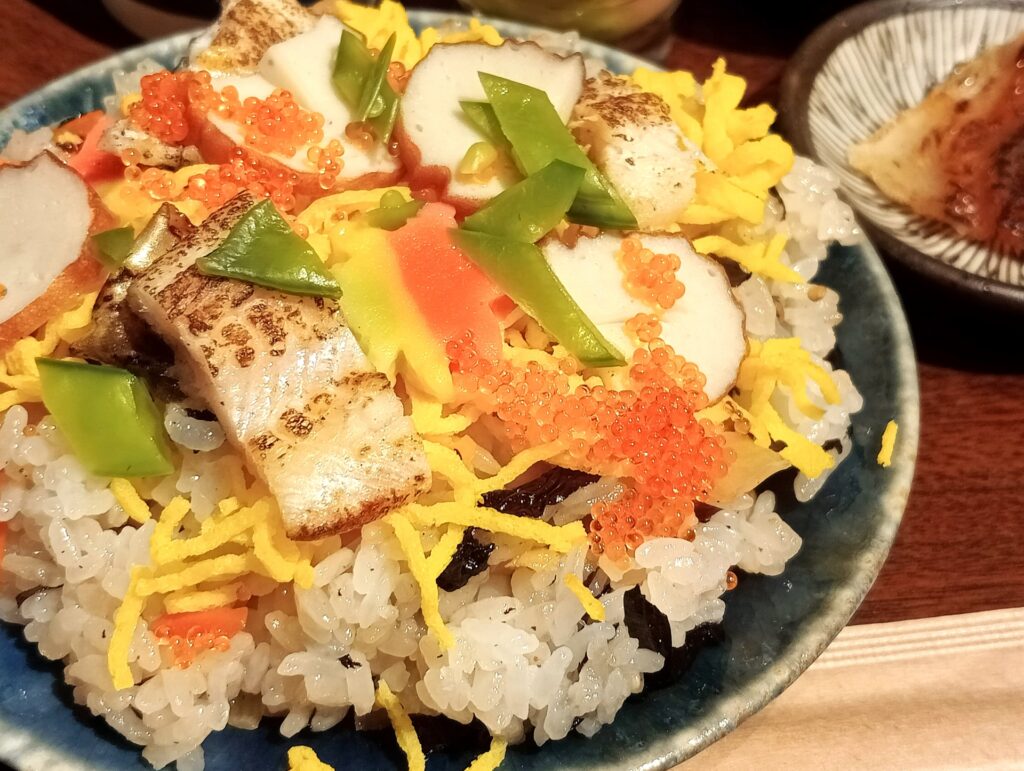
Hishimochi is a diamond-shaped rice cake layered in pink, white, and green. Each color represents a wish: protection from evil, purity, and healthy growth. Chirashizushi, a colorful scattered sushi topped with seafood and vegetables, symbolizes abundance and celebration. Ingredients like shrimp (for longevity) and lotus root (for a clear future) add layers of meaning.
Amazake, a sweet, low-alcohol or non-alcoholic rice drink, is enjoyed by both children and adults. Its gentle sweetness makes it family-friendly and perfectly suited for a spring festival focused on children’s well-being.
How Hinamatsuri Is Celebrated Today
In contemporary Japan, Hinamatsuri is celebrated in a variety of ways. Many families continue the tradition of displaying dolls at home, while schools and daycare centers hold small events featuring crafts, songs, and storytelling. These activities help children learn cultural values in an engaging way.
Modern lifestyles have also led to adaptations. Compact doll sets, wall decorations, and even digital displays are increasingly common. Despite these changes, the core meaning—praying for children’s happiness—remains unchanged, showing how tradition can evolve without losing its essence.
Hinamatsuri Events and Festivals in Japan
Across Japan, many regions host special Hinamatsuri-related events, including large-scale hina doll exhibitions and seasonal markets. Some towns display hundreds or even thousands of dolls on stone steps or in historic buildings, creating striking visual spectacles.
Certain areas also revive ancient rituals like nagashi-bina as cultural performances, attracting both locals and tourists. These events make Hinamatsuri more accessible to visitors and highlight regional creativity, offering unique travel experiences during the early spring season.
Hinamatsuri for Visitors and Families Abroad
International visitors in Japan during early March can experience Hinamatsuri through museum exhibitions, community events, and seasonal sweets sold in shops. Participating respectfully—by observing displays or trying traditional foods—is welcomed and appreciated.
Outside Japan, Hinamatsuri is increasingly celebrated in international schools, Japanese communities, and cultural centers. Families abroad often create DIY hina dolls from paper or fabric, turning the festival into a hands-on educational activity that introduces children to Japanese culture in a fun, meaningful way.
Frequently Asked Questions About Hinamatsuri
When is Hinamatsuri celebrated?
Hinamatsuri is celebrated every year on March 3rd.
Is Hinamatsuri only for girls?
While traditionally focused on girls, many modern celebrations are inclusive and enjoyed by the whole family.
Can visitors participate in Hinamatsuri?
Yes. Visitors can enjoy exhibitions, foods, and events, especially in cultural venues and public spaces.
How Is Hinamatsuri Different From Children’s Day?
Hinamatsuri and Children’s Day (May 5th) both celebrate children but differ in focus and symbolism. Hinamatsuri centers on girls and emphasizes elegance, protection, and family rituals, while Children’s Day traditionally celebrates boys with symbols of strength such as carp streamers. Together, these festivals reflect Japan’s seasonal approach to honoring childhood.
Conclusion: Why Hinamatsuri Still Matters Today
Hinamatsuri continues to resonate in modern Japan because it reflects enduring values: care for children, respect for tradition, and harmony with the seasons. Even as lifestyles change, the festival adapts while preserving its symbolic heart.
For international readers, Hinamatsuri offers more than cultural knowledge—it provides an invitation to appreciate how everyday life in Japan is enriched by tradition. Whether experienced through travel, family activities, or simple seasonal foods, Hinamatsuri remains a beautiful celebration of growth, hope, and cultural continuity.