Kadomatsu is one of the most recognizable symbols of the Japanese New Year. Seen across Japan at the end of December and beginning of January, this traditional decoration reflects how Japanese culture welcomes a new annual cycle with respect for nature, time, and continuity. For readers encountering Japanese traditions for the first time, kadomatsu offers a clear window into how seasonal customs blend history, symbolism, and everyday life.


What Is Kadomatsu?
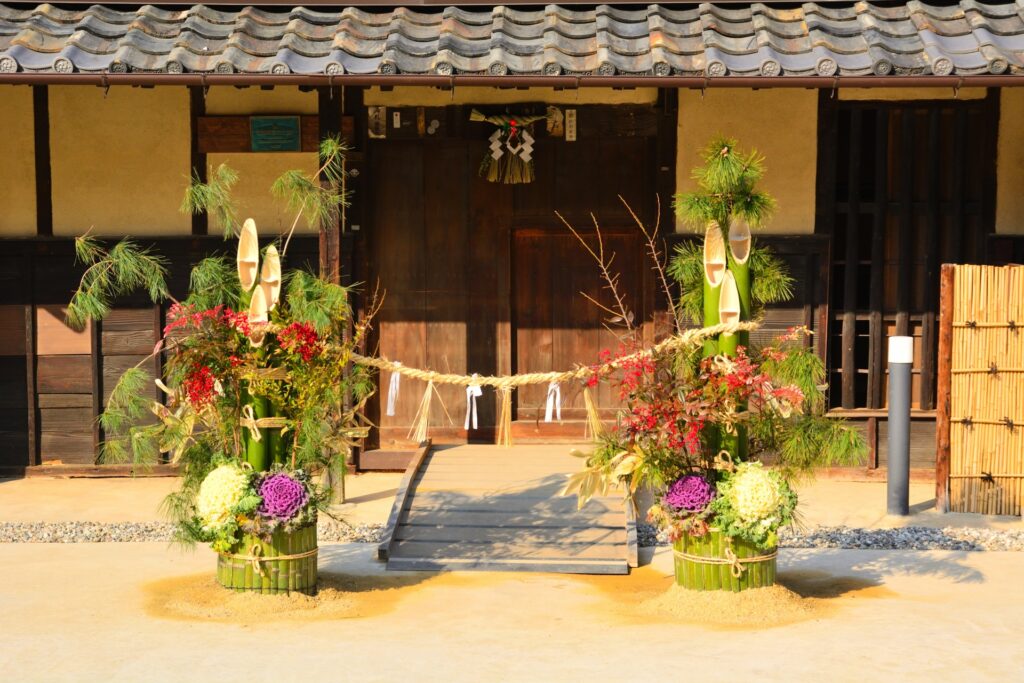
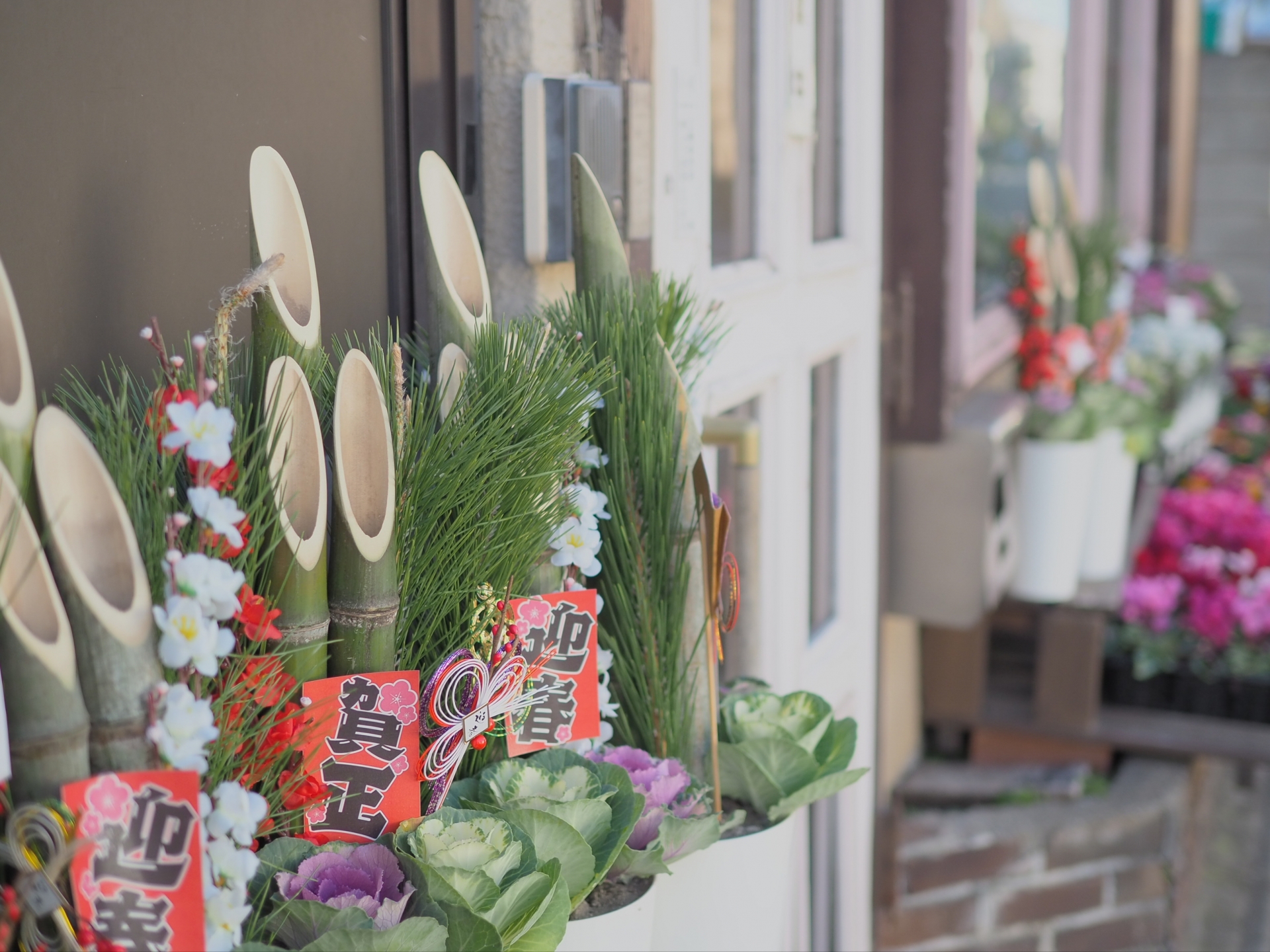
Kadomatsu (門松) is a traditional Japanese New Year decoration placed at the entrances of homes, shops, offices, and public buildings. The word itself combines kado (gate or entrance) and matsu (pine), indicating its primary function: a symbolic marker that welcomes the New Year. Rather than being a simple ornament, kadomatsu represents a seasonal greeting and a sign that a household or business is prepared to receive good fortune in the coming year.
Typically, kadomatsu are displayed in pairs—one on each side of an entrance. This paired arrangement creates balance and clearly frames the doorway, emphasizing the threshold between the old year and the new one. Traditionally made from natural materials such as pine branches, bamboo stalks, and sometimes plum branches, each element is carefully chosen and arranged. For beginners exploring Japanese culture, it is helpful to think of kadomatsu as a visual expression of hospitality toward the New Year itself, rather than a purely decorative object.
The History of Kadomatsu in Japanese Culture
The origins of kadomatsu can be traced back to ancient agricultural customs in Japan. Early communities marked seasonal changes closely, especially the transition into a new year, which was deeply connected to harvest cycles and survival. Natural objects like evergreen pine and fast-growing bamboo were used to mark sacred or important moments in time, gradually becoming associated with New Year rituals.
Over time, the idea of welcoming Toshigami, a New Year deity connected to prosperity and harvests, became part of the custom. Rather than focusing on theology, kadomatsu functioned as a cultural signal that the New Year had arrived and that people were ready to begin again. During the Edo period (1603–1868), kadomatsu became more standardized and spread widely among common households, not just temples or elite families. This era helped shape the familiar form still seen today, embedding kadomatsu firmly into Japan’s seasonal traditions.
Symbolism of Kadomatsu Elements
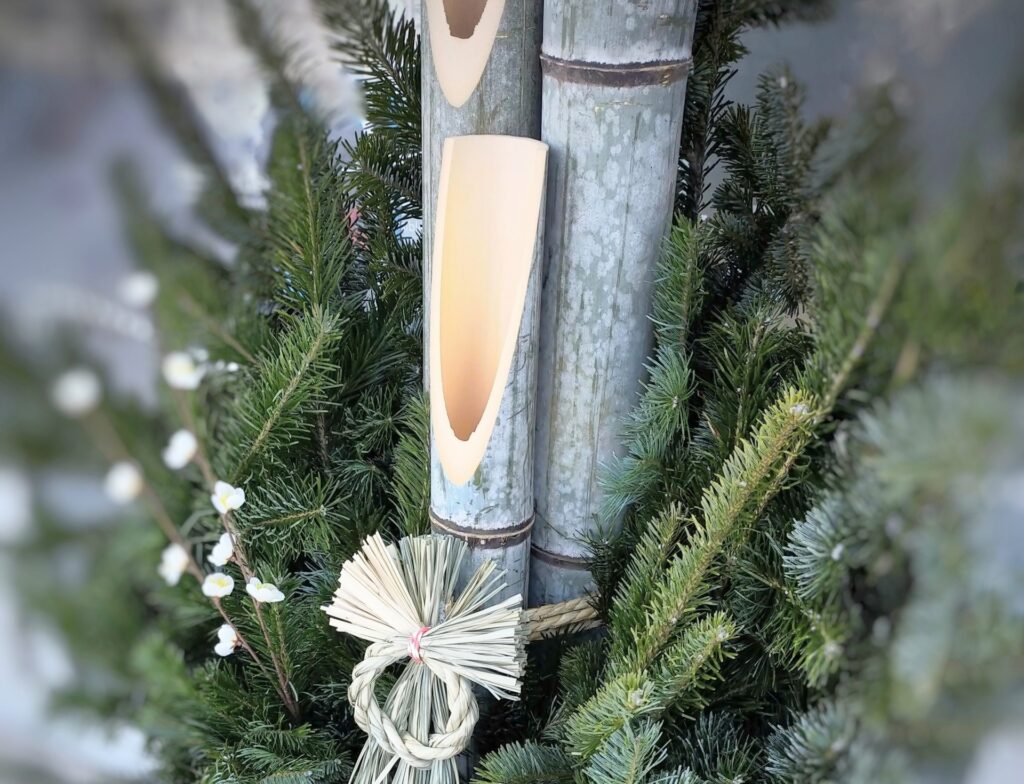
Kadomatsu is composed of natural materials chosen for their seasonal and cultural associations. Each element contributes a specific layer of meaning, making the decoration more than a visual arrangement.
Pine (Matsu): Longevity and Endurance
Pine trees remain green throughout the year, even during winter. This evergreen quality has long made pine a symbol of longevity, endurance, and stability in Japanese culture. By including pine in kadomatsu, the decoration expresses a wish for lasting health and steady progress in the coming year. Pine has also been widely used in traditional arts, gardens, and ceremonies, reinforcing its association with reliability and continuity.
Bamboo (Take): Growth and Vitality
Bamboo is known for its rapid growth and straight, strong form. In kadomatsu, bamboo symbolizes vitality, resilience, and forward movement. The stalks are usually cut at an angle near the top, creating a distinctive visual that looks both dynamic and refined. Bamboo is typically arranged in three stalks because three is an odd number. In Japanese culture, odd numbers are considered lucky because they cannot be evenly divided. This indivisibility represents continuity, stability, and ongoing prosperity—ideas that align closely with New Year hopes.
Plum (Ume): Renewal and Hope
Plum blossoms bloom early, often while winter is still present. Because of this, plum represents renewal, hope, and the promise of spring. Its inclusion in kadomatsu suggests that even during cold or difficult periods, change and growth are already beginning. The plum’s subtle beauty reinforces the seasonal message of quiet optimism.
When and How Kadomatsu Is Displayed
Kadomatsu is usually displayed from late December through early January. Many households put it up after December 26, avoiding December 29, which is traditionally considered an unlucky day for decorations. The display period is often referred to as Matsunouchi, a term that describes the New Year interval during which these decorations remain in place.
The exact length of Matsunouchi varies by region, but it generally ends around January 7 or January 15. Displaying kadomatsu too early or leaving it up too long is traditionally avoided, as the decoration is closely tied to the rhythm of the New Year season. Timing matters because kadomatsu is meant to mark a specific moment of transition, not serve as a long-term ornament.
What Happens to Kadomatsu After the New Year?
After the New Year period ends, kadomatsu is carefully removed. Traditionally, it is not treated as ordinary household trash. Instead, many communities hold ceremonial disposal events, such as bonfires, where New Year decorations are respectfully burned. These rituals emphasize purification and closure, symbolically sending off the old year and its energies.
Even in modern urban settings, people often seek designated collection points or shrine events for proper disposal. This practice highlights the continued cultural importance of kadomatsu and reflects a broader Japanese value: objects associated with seasonal rituals deserve mindful handling, even after their role has ended.
Regional Differences and Modern Kadomatsu
Kadomatsu styles vary across regions. In eastern Japan, designs often feature sharply cut bamboo with visible angles, while western regions may prefer subtler cuts or different arrangements. These variations reflect local aesthetics rather than strict rules.
In modern Japan, kadomatsu has also evolved. Hotels, shopping centers, and office buildings display large-scale or stylized versions made from metal, recycled materials, or minimalist designs. Eco-friendly and reusable kadomatsu are increasingly popular, showing how tradition adapts to contemporary lifestyles while preserving its core meaning.
Kadomatsu vs Other Japanese New Year Decorations
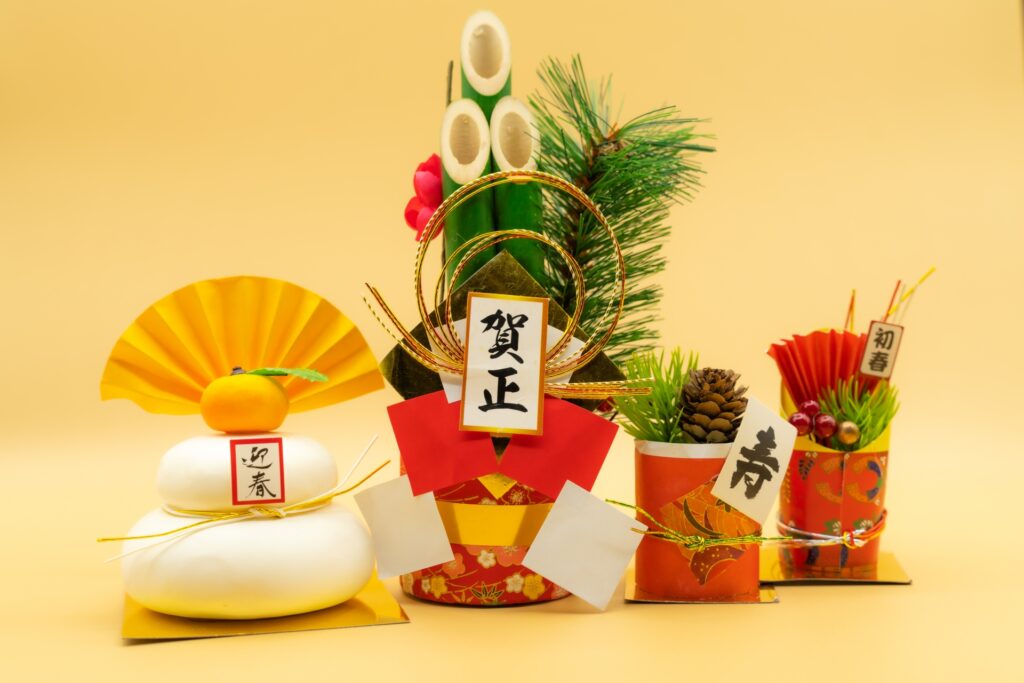
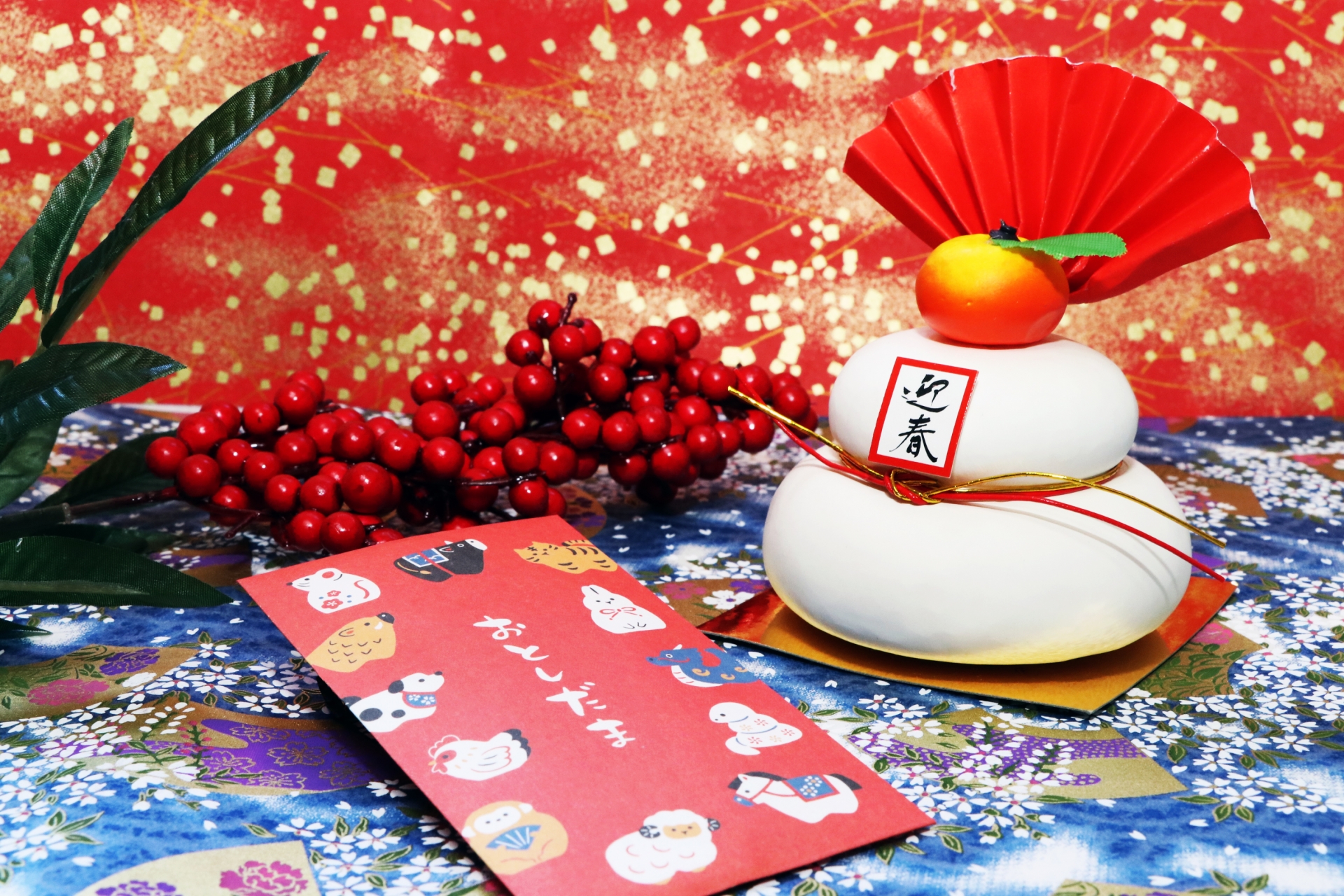
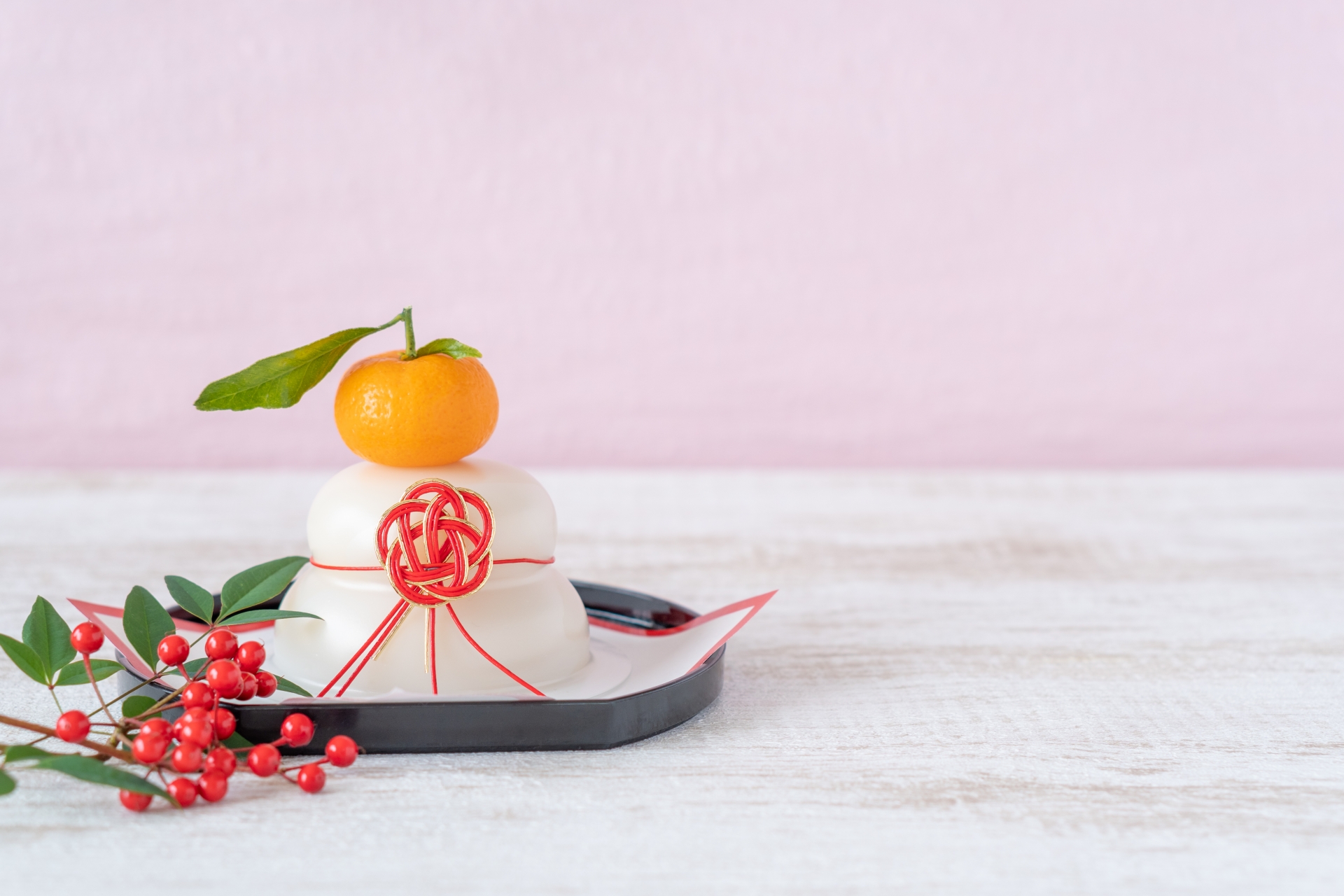
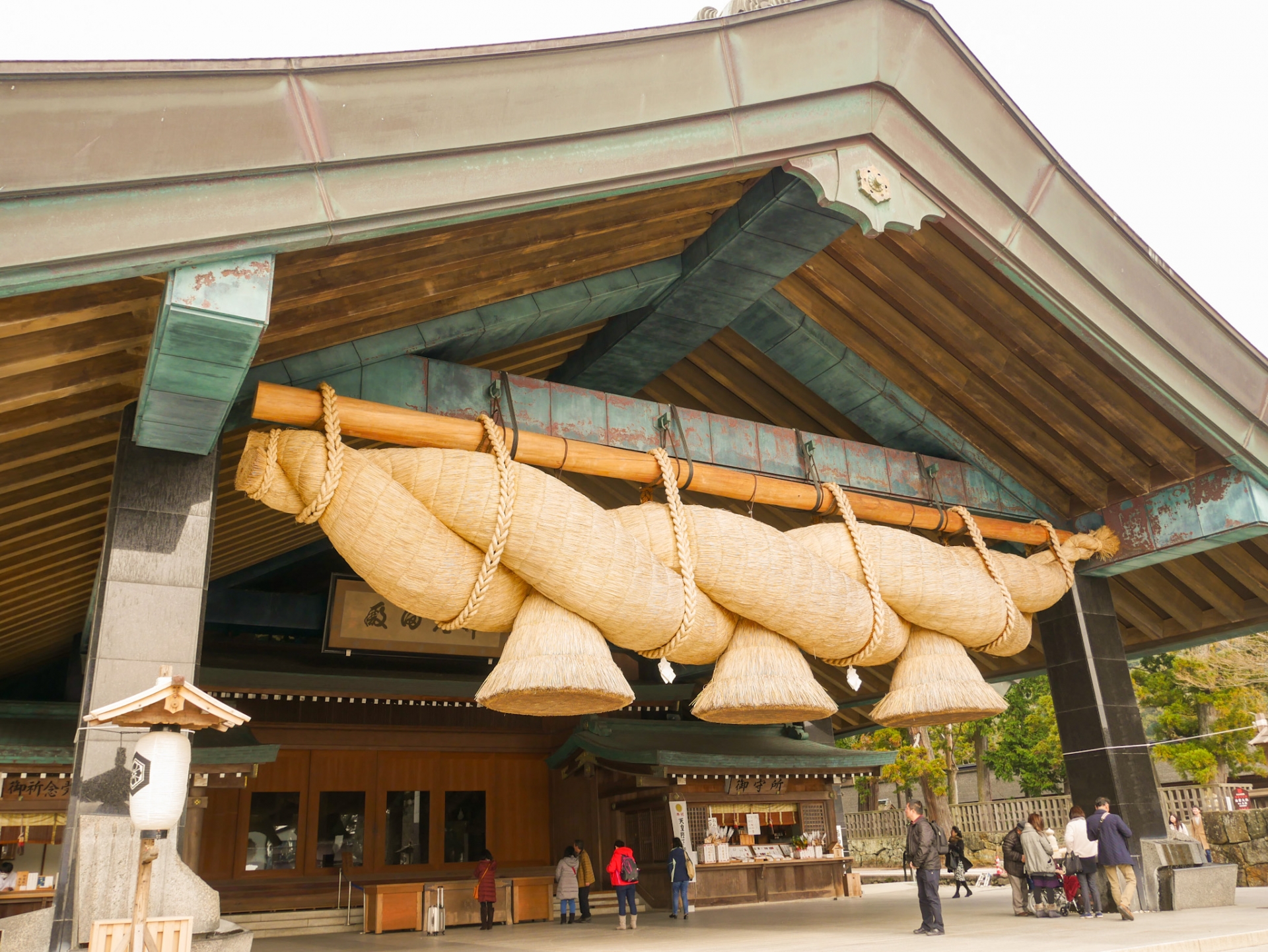
Kadomatsu is often displayed alongside other New Year decorations such as shimenawa and kagami mochi. Each serves a distinct role.
| Decoration | Purpose | Placement | Symbolism |
| Kadomatsu | Welcomes the New Year | Entrances | Prosperity, continuity |
| Shimenawa | Marks sacred space | Doors, interiors | Purity, protection |
| Kagami mochi | Offers gratitude | Indoors | Harmony, renewal |
Together, these decorations create a cohesive New Year environment, helping beginners understand how Japanese traditions work as a set rather than in isolation.
Why Kadomatsu Still Matters Today
Despite changes in lifestyle and architecture, kadomatsu remains relevant in modern Japan. It reflects respect for nature through its materials, awareness of seasonal cycles, and appreciation for continuity across generations. For many people, seeing kadomatsu each year is a reassuring signal that the New Year has truly begun.
Beyond decoration, kadomatsu represents a shared cultural rhythm. It connects individuals, communities, and public spaces through a common visual language tied to time and renewal.
Conclusion: What Kadomatsu Tells Us About Japanese New Year Values
Kadomatsu is far more than a seasonal ornament. Its history reveals deep agricultural roots, its materials express wishes for longevity and growth, and its continued use shows how tradition adapts without losing meaning. By understanding kadomatsu, readers gain insight into Japanese attitudes toward time, nature, and new beginnings.
For visitors to Japan, noticing kadomatsu at entrances during New Year offers a quiet but powerful lesson in cultural values. It reminds us that welcoming a new year is not just about celebration, but about reflection, respect, and hope for what lies ahead.