Toshikoshi soba is one of Japan’s most enduring and meaningful year-end food traditions. Eaten on New Year’s Eve, this simple bowl of buckwheat noodles represents far more than a meal—it symbolizes reflection, renewal, and hope for the year ahead. While many cultures celebrate the New Year with festive or indulgent foods, Japan’s approach with Toshikoshi soba is quiet and introspective. This article explores what Toshikoshi soba is, where it comes from, what it means, how it is eaten, and why it continues to resonate with people in Japan and around the world today.


Introduction: What Is Toshikoshi Soba?
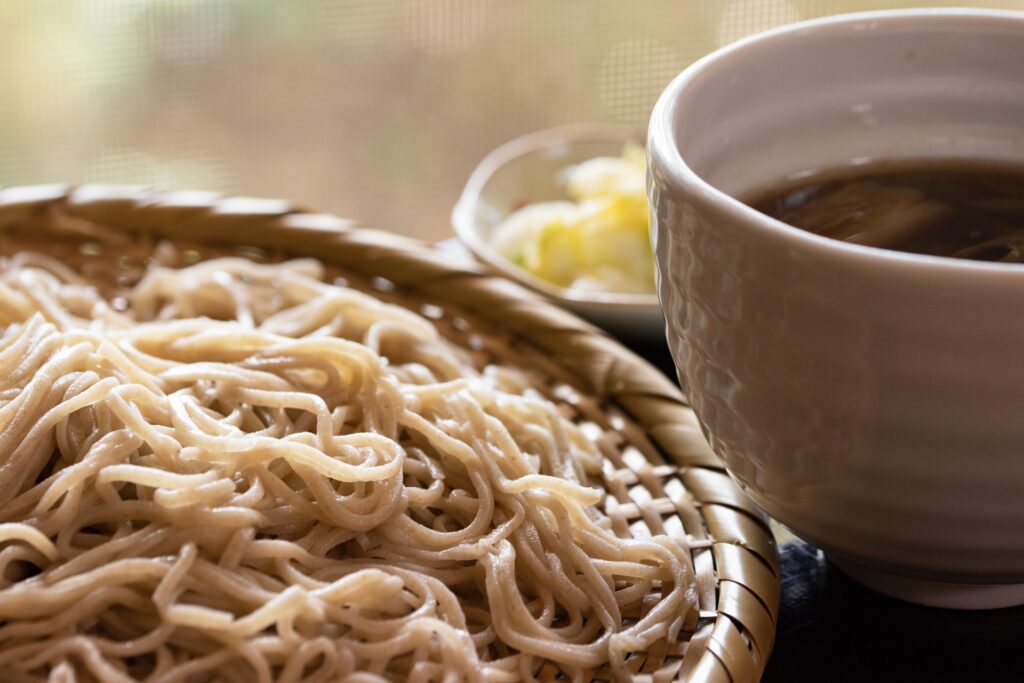
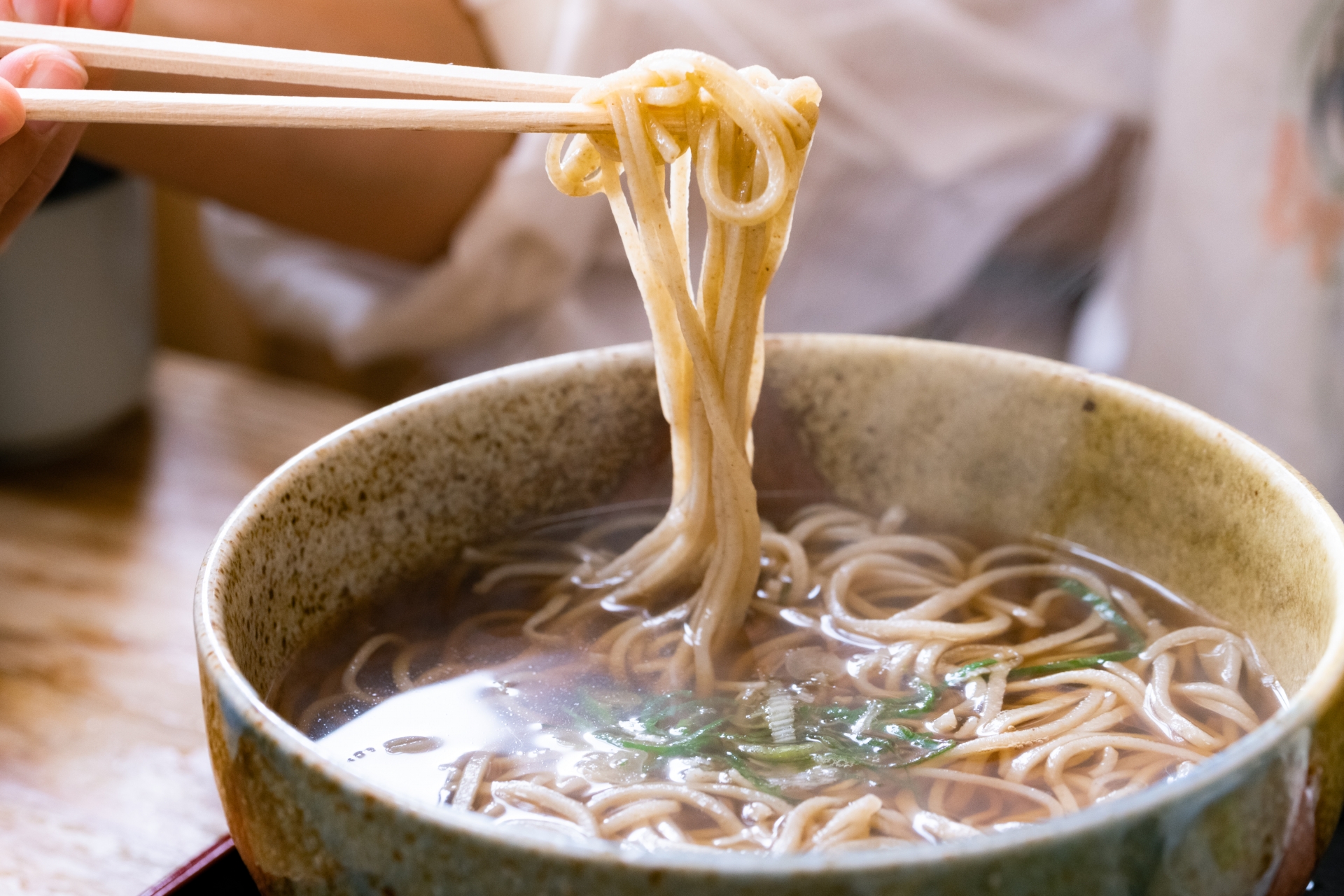
Toshikoshi soba is a traditional Japanese dish eaten on New Year’s Eve, known as Ōmisoka. The term toshikoshi means “crossing from one year to the next,” while soba refers to thin noodles made from buckwheat flour. Together, the phrase describes a symbolic meal that marks the transition from the old year to the new one.
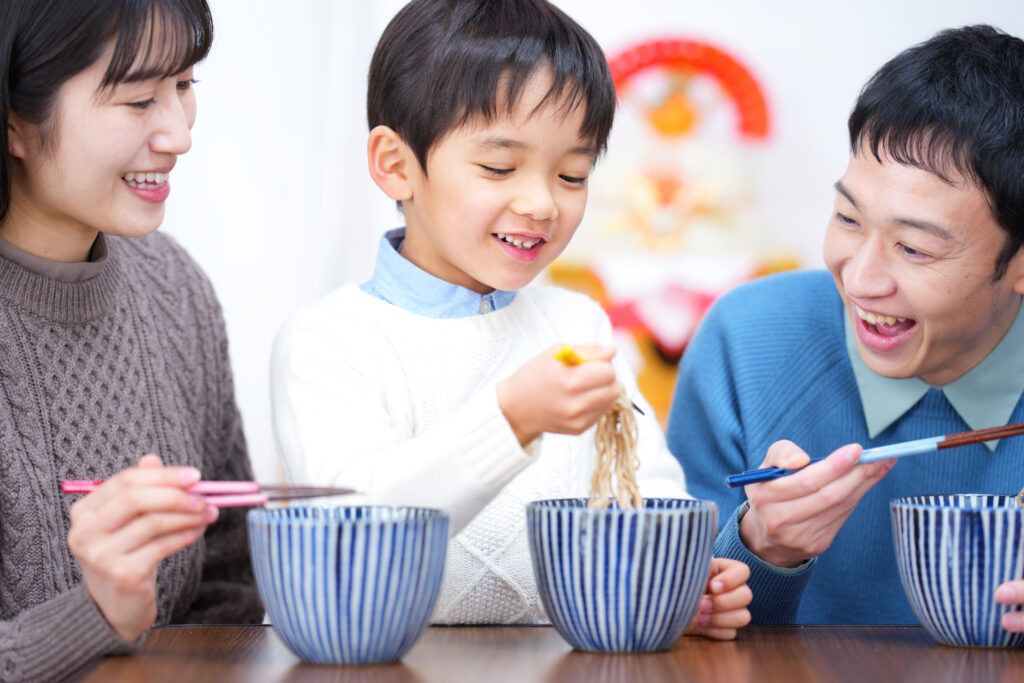
Rather than being a celebratory feast, Toshikoshi soba serves as a reflective ritual. It is typically eaten at home with family or at soba restaurants on December 31, often in the evening before midnight. The act of eating soba at this moment is meant to help people let go of the challenges and misfortunes of the past year while preparing mentally and emotionally for a fresh start. This quiet, intentional role is what makes Toshikoshi soba such an important part of Japan’s New Year culture.
History of Toshikoshi Soba
The origins of Toshikoshi soba can be traced back to the mid-Edo period (1603–1868). During this era, soba became widely popular among common people, particularly in urban areas such as Edo (modern-day Tokyo). Buckwheat noodles were inexpensive, quick to prepare, and easy to eat, making them a practical food choice at the busy end of the year.
One historical explanation links soba to goldsmiths, who reportedly used buckwheat dough to collect fine gold dust—an association that contributed to soba’s symbolism of recovery and resilience. Over time, the practice of eating soba on the last day of the year spread from cities to households across the country. Despite changes in lifestyle, work patterns, and food availability, the tradition has survived into modern Japan, adapting while preserving its original meaning.

Symbolism and Cultural Meaning
Toshikoshi soba is deeply symbolic. The long, slender shape of soba noodles represents longevity and the wish for a long, healthy life. At the same time, soba noodles are relatively easy to cut, symbolizing the act of cutting off misfortune, hardship, and bad luck accumulated over the past year.
In some regions or families, additional meanings are emphasized, such as flexibility, endurance, or financial stability. These interpretations may vary, but the core idea remains the same: food is used as a form of ritual. In Japanese culture, eating is not only about nourishment but also about expressing values, intentions, and respect for seasonal cycles. Toshikoshi soba embodies this philosophy by turning a simple meal into a meaningful act of closure and renewal.
How and When to Eat Toshikoshi Soba
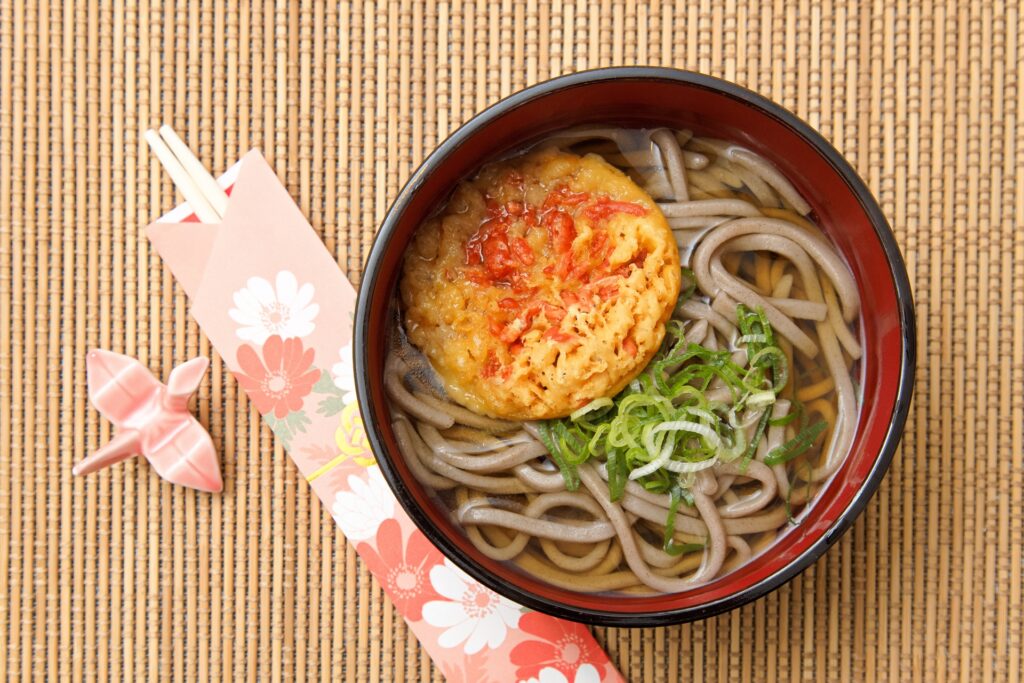
Traditionally, Toshikoshi soba is eaten on the evening of December 31, before midnight. Many people believe the noodles should be finished before the new year begins, symbolizing a clean break from the past. However, in modern Japan, this rule is often relaxed, and families may eat earlier in the evening or even shortly after midnight.
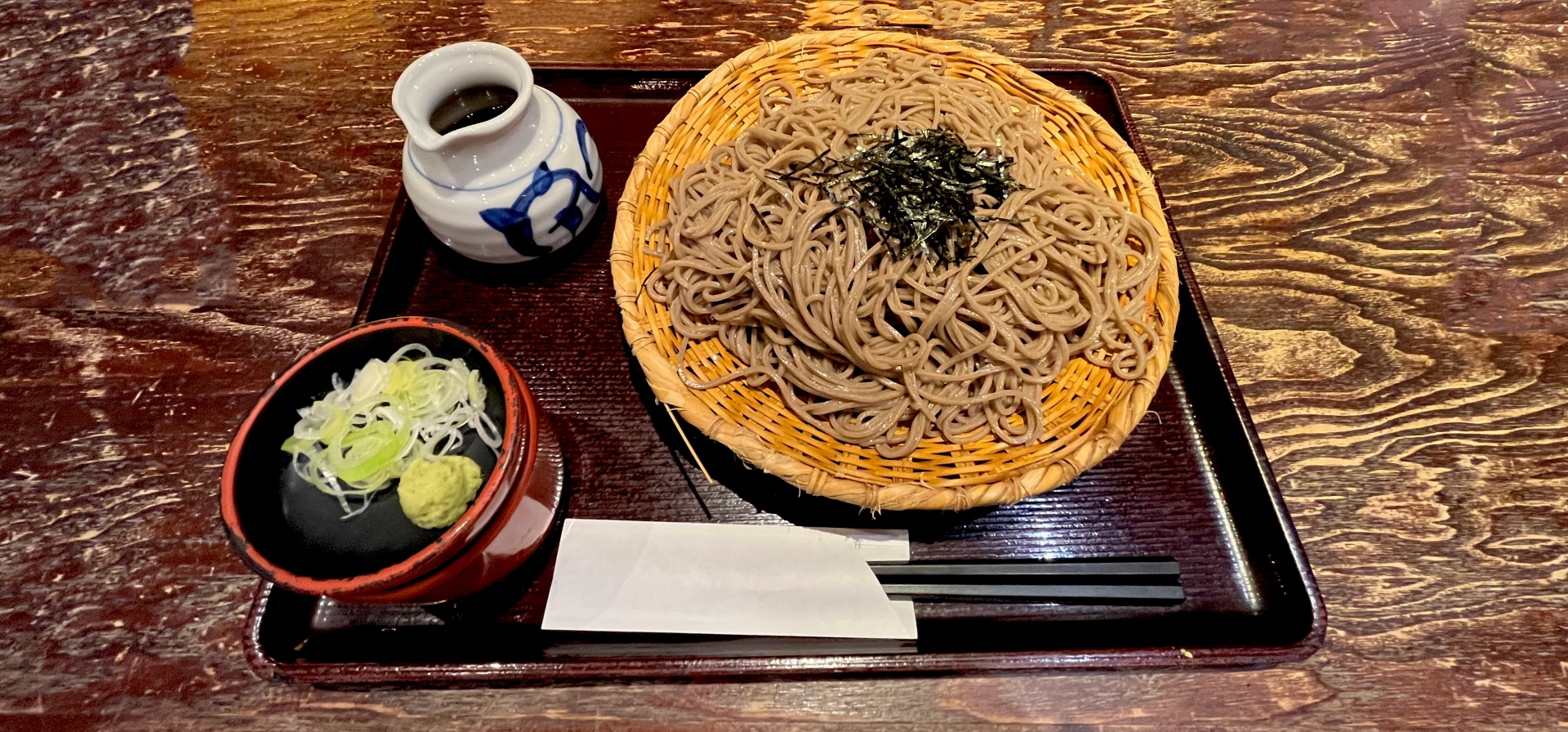
Serving styles vary depending on preference and region. Hot soba in a savory broth is the most common choice during winter, often topped with tempura shrimp, green onions, kamaboko (fish cake), or egg. Some people prefer cold soba served with dipping sauce, especially if they want a lighter meal. Today, convenience stores, restaurants, and households all adapt the tradition to fit modern schedules, showing that flexibility is now part of the custom.
Regional Differences Across Japan
Regional food culture plays a significant role in how Toshikoshi soba is enjoyed across Japan. In eastern regions, darker soy-based broths are common, while western Japan tends to favor lighter, more dashi-forward flavors. Toppings also differ by area, reflecting local ingredients and preferences.
The dish may be known by alternative names such as misoka soba or fuku soba, depending on the region. These variations highlight Japan’s culinary diversity and demonstrate how a single nationwide tradition can take on local character. Toshikoshi soba is therefore not a fixed recipe, but a flexible cultural practice shaped by regional identity.
Toshikoshi Soba and Other Japanese New Year Customs
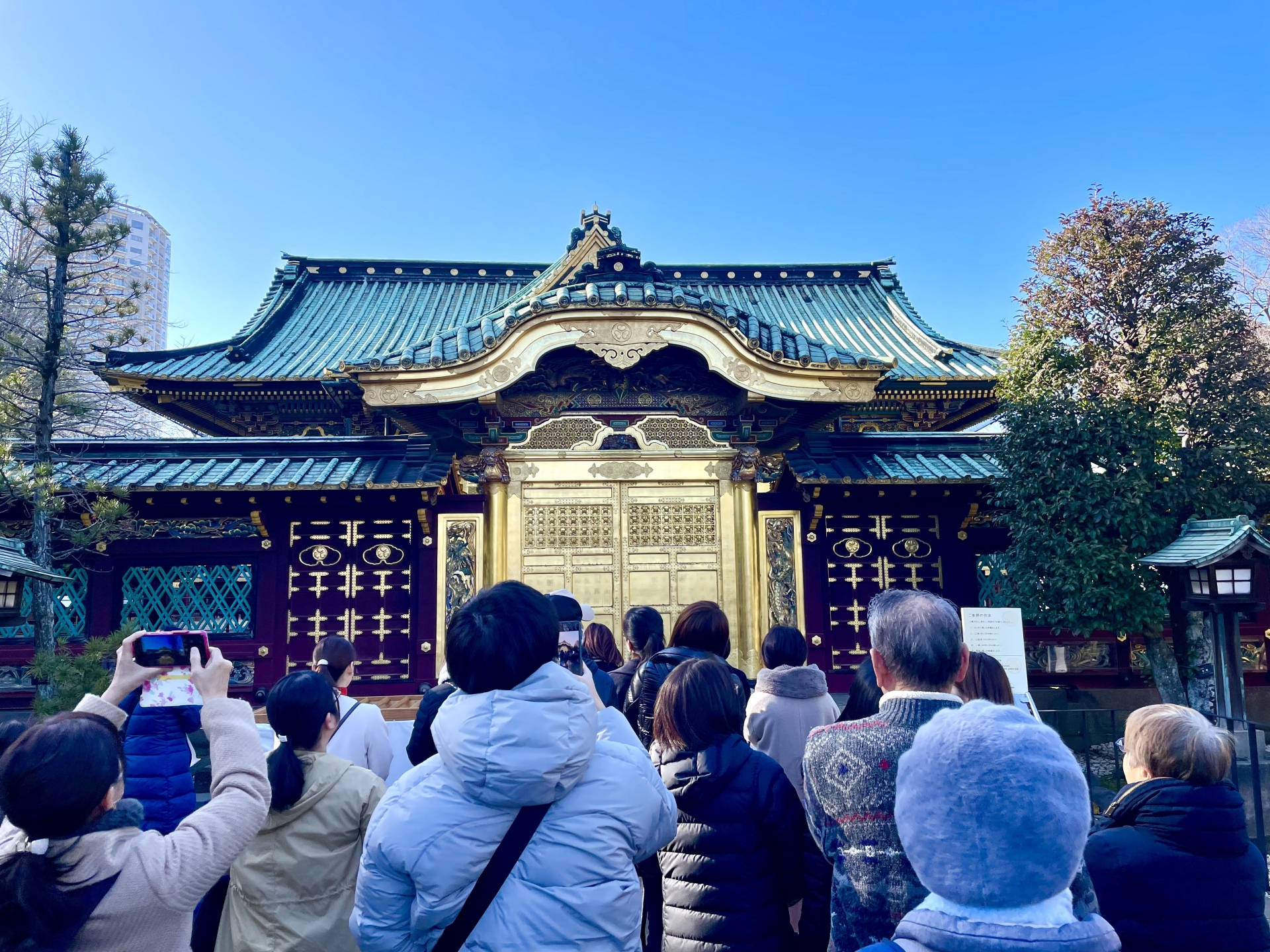
Toshikoshi soba is closely connected to other Japanese year-end and New Year traditions. Ōmisoka focuses on closure—cleaning the home, settling obligations, and reflecting on the year that has passed. Once the new year begins, attention shifts to fresh beginnings through customs such as hatsumode, the first shrine visit of the year, and the enjoyment of osechi ryori, special foods prepared for the New Year.
Within this sequence, Toshikoshi soba serves as a bridge. It is the final act of the old year and a mental reset before the celebrations and hopes of the new one begin. This positioning gives the dish a unique role as both an ending and a beginning.
How to Make Toshikoshi Soba at Home
Preparing Toshikoshi soba at home is simple, even for those living outside Japan. More than precision or authenticity, the intention behind the meal is what truly matters. Below is a beginner-friendly, step-by-step way to enjoy Toshikoshi soba anywhere in the world.
- Choose the soba noodles
Dried soba noodles are widely available at Japanese or international grocery stores. You do not need to worry about the exact buckwheat percentage—any standard soba noodles work well for this tradition. - Boil the noodles
Bring a large pot of water to a boil and cook the soba according to the package instructions. Stir gently to prevent sticking. - Rinse in cold water
Once cooked, drain the noodles and rinse them under cold water to remove excess starch. This step improves texture and flavor. - Prepare the broth
Bottled noodle soup base is convenient, but you can also make a simple broth using soy sauce, mirin, and dashi (or suitable substitutes). Warm the broth if serving hot soba. - Serve the soba
For hot soba, place the noodles directly into the warm broth. For cold soba, serve the noodles separately and dip them into the broth as you eat. - Add toppings
Common toppings include tempura, green onions, kamaboko, mushrooms, vegetables, or shrimp. Feel free to adapt based on what is locally available. - Eat with intention
The most important step is to enjoy the soba mindfully, reflecting on the past year and welcoming the new one with gratitude and hope.
Conclusion: Why Toshikoshi Soba Still Matters Today
Toshikoshi soba continues to matter because it speaks to universal human experiences: reflection, closure, and hope. Originating in the Edo period, the tradition has endured centuries of change while remaining relevant in modern Japan. It shows that renewal does not require extravagance—sometimes, a simple bowl of noodles is enough to mark a meaningful transition.
For international audiences, Toshikoshi soba offers more than a taste of Japanese cuisine. It provides insight into how food functions as ritual, connecting past, present, and future in a single, thoughtful act.