Japan’s castles are not isolated sightseeing spots that you simply check off a list. They are deeply connected to regional history, former samurai domains, and some of the country’s most walkable and atmospheric towns. Exploring them one by one can be rewarding, but it often raises practical questions: which castles should you prioritize, how do you move efficiently between regions, and how do you avoid exhausting travel days?
This is where Japan’s Castle Trail comes in. Rather than treating castles as standalone destinations, the Castle Trail reframes them as part of a themed journey. The idea is to travel logically by rail, combine castle visits with town walks or short hikes, and balance famous icons with quieter, lesser-known sites. Inspired by online “castle trail” concepts and the nationally recognized Top 100 Castles of Japan (Hyakumeijo), this guide turns simple castle lists into realistic, rail-friendly itineraries. It is designed for travelers who want to experience Japanese history at a human pace—without overpacking their schedule or wasting time backtracking across the country.


What Is “Japan’s Castle Trail”?
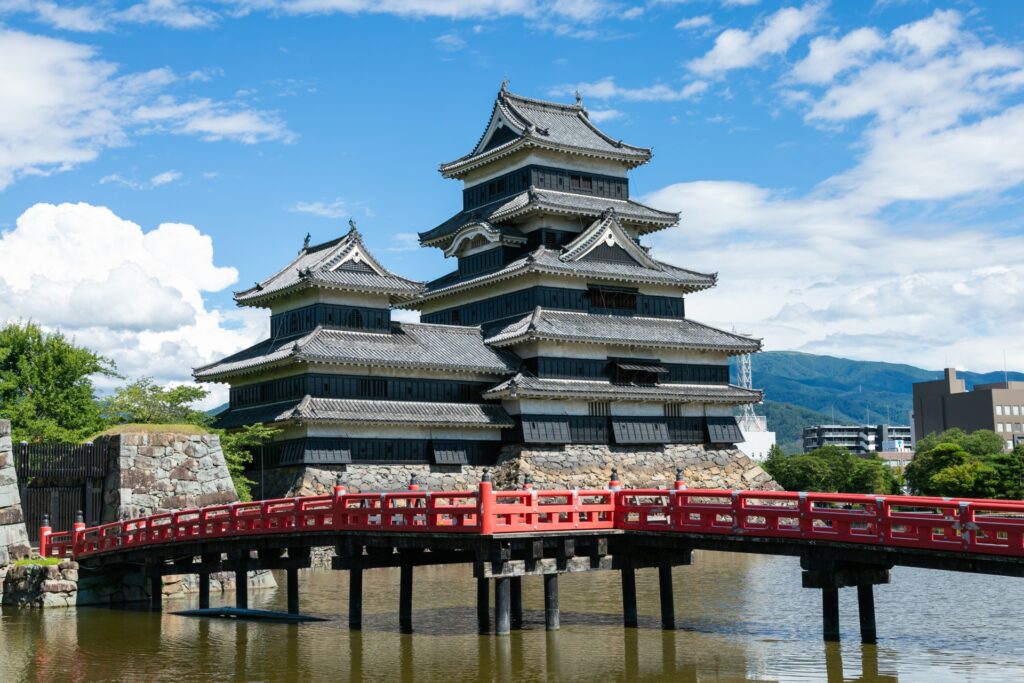
Despite how it sounds, Japan’s Castle Trail is not a single official route that you must follow from start to finish. Instead, it is a theme-based approach to traveling through Japan using castles as the backbone of your itinerary. Online projects such as Vision’s Japan Castle Trail visualize this idea on a national scale, showing how castles across different regions can be conceptually linked. However, there is no fixed order or mandatory starting point.
In practice, travelers build their own Castle Trail by clustering castles geographically and connecting them with Japan’s rail network. One trip might focus on Kansai and central Japan, while another explores northern regions like Tohoku. What unites these journeys is not the route itself, but the intention: to understand Japan through its castles, landscapes, and the towns that grew around them.
This concept overlaps strongly with the Top 100 Castles of Japan (Hyakumeijo). Selected for their historical importance, preservation, and regional balance, these castles provide a natural framework for planning. Following them gives your trip a sense of structure and cultural weight, while still allowing flexibility in pace and destination choice.
Japan’s Castle Trail is particularly well suited to travelers who enjoy history, photography, and rail-based travel, and who see walking as part of the experience. On the other hand, travelers who strongly dislike stairs, slopes, or uneven paths may find some original keeps and castle ruins physically demanding.
How to Choose Castles: Original Keeps, Reconstructions, and Ruins
One reason castle travel in Japan can feel confusing at first is that not all castles offer the same experience. Broadly speaking, they fall into three categories, and understanding the differences helps set realistic expectations.
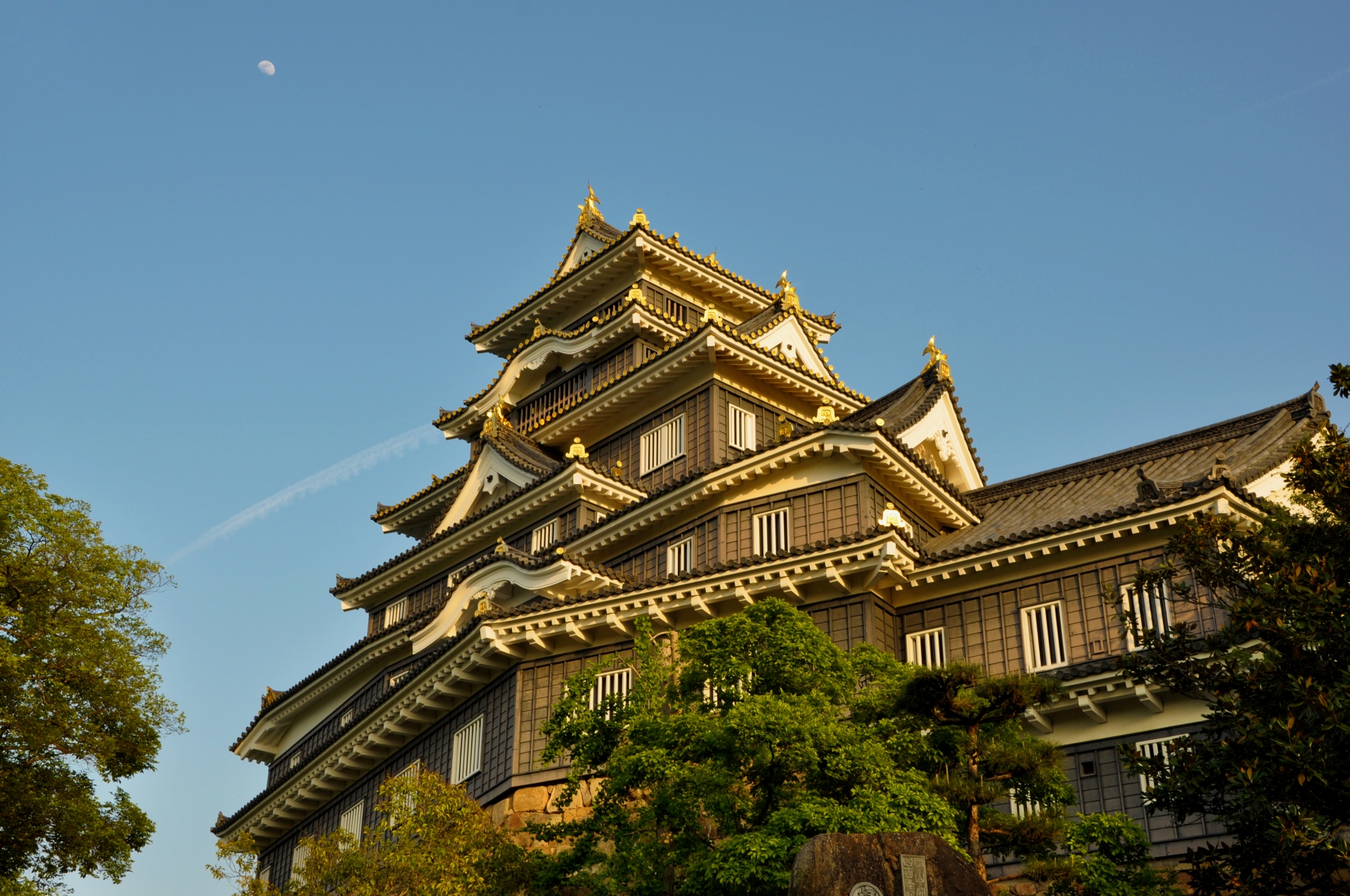
Original keeps are the rarest and most sought-after. These wooden structures survived centuries of war, fire, and modernization. Visiting one feels intimate and authentic, but it often involves steep staircases, low ceilings, and narrow corridors. The reward is a tangible sense of the past that modern buildings cannot replicate.
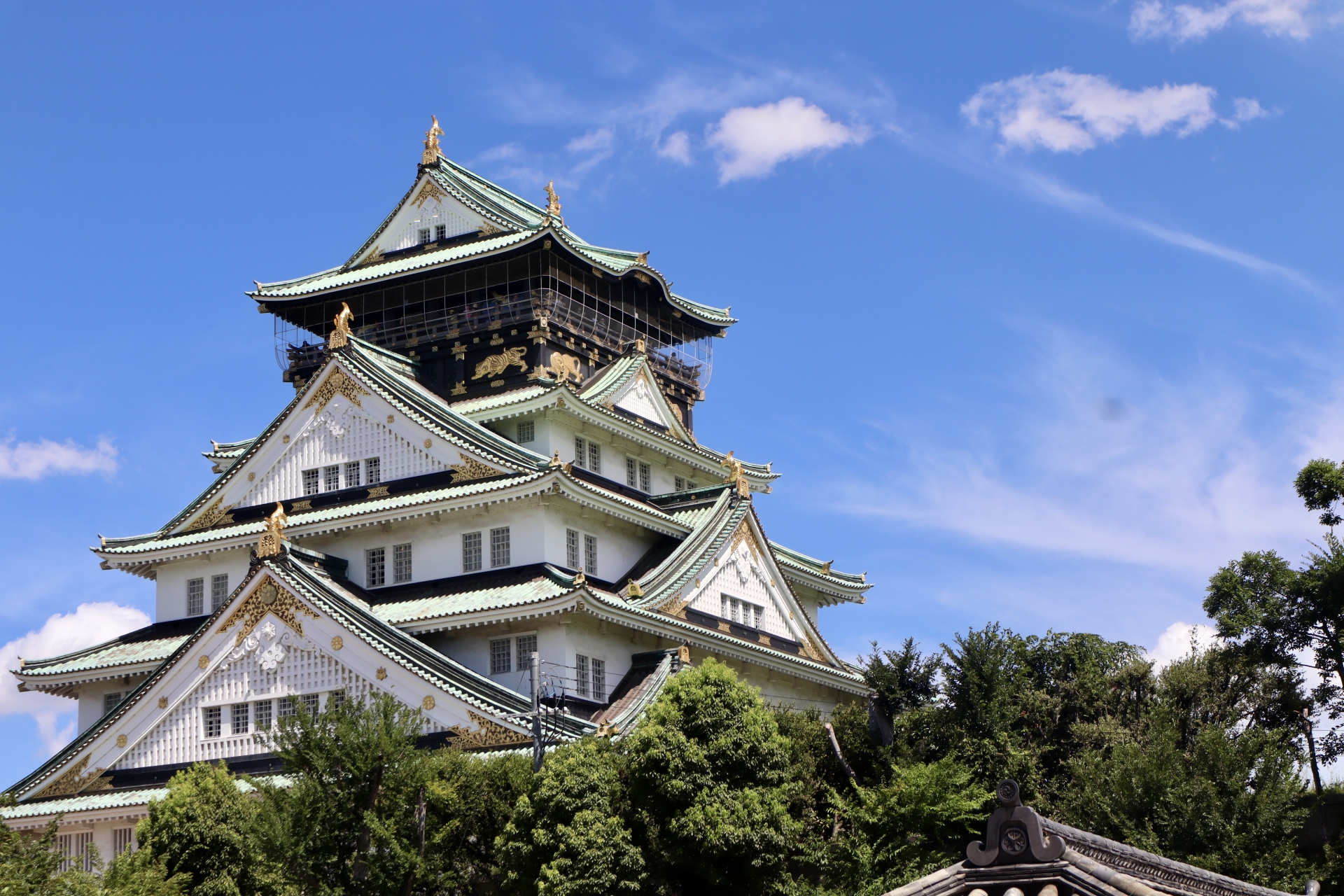
Reconstructed castles are more common and usually rebuilt in the 20th century using concrete and steel. While they lack architectural authenticity, they often function as museums with clear exhibits, panoramic observation decks, and easier access. For many first-time visitors, they provide helpful historical context and comfortable pacing.
Castle ruins shift the focus away from interiors entirely. What remains are stone walls, gates, and the surrounding terrain—often on hills or mountaintops. These sites emphasize scenery, atmosphere, and physical movement, making them appealing to travelers who enjoy light hiking and dramatic viewpoints.
Rather than ranking these types, it is more useful to think about what kind of experience you want. Iconic architecture and history point toward original keeps, scenery and adventure favor ruins, and educational depth or accessibility suggest reconstructed castles. Most successful Castle Trail itineraries include a mix of all three.
3 Ready-to-Use Itineraries for Japan’s Castle Trail
The itineraries below are designed to be realistic for travelers using public transportation. Instead of jumping randomly across the country, they group castles by region and follow natural rail corridors. Any of these routes can be adjusted depending on season, crowd levels, or personal interests.
Itinerary A: 3–4 Days – The Classic First-Timer Loop
This short itinerary is ideal for travelers visiting Japan for the first time or those who want to add castles to a broader city-focused trip. Starting in Osaka or Kyoto keeps travel distances short and train frequencies high, making the logistics straightforward.
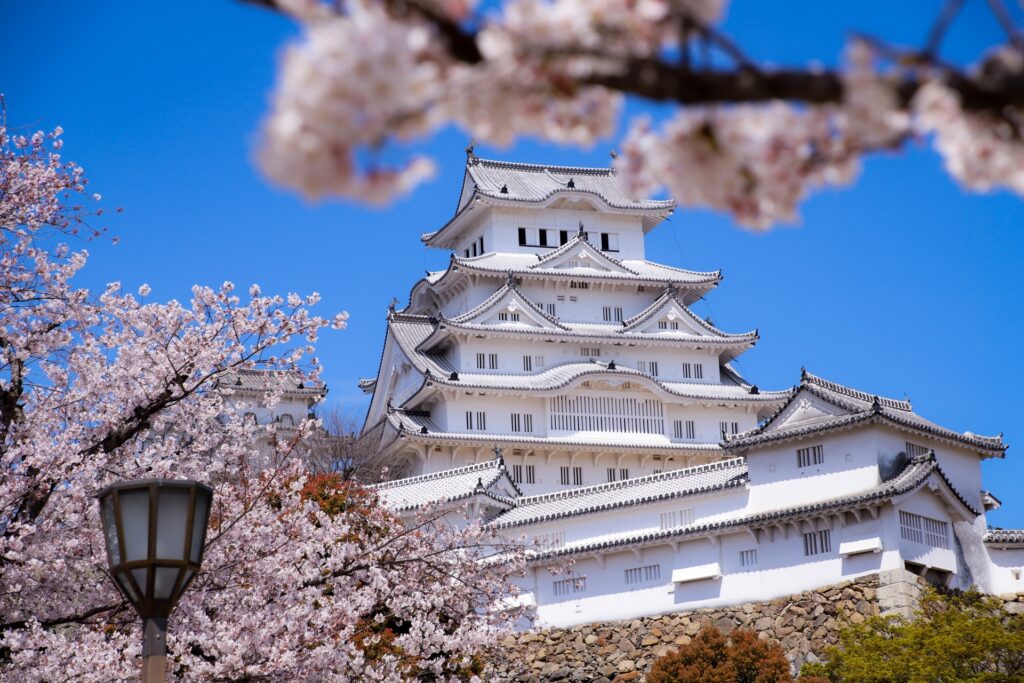
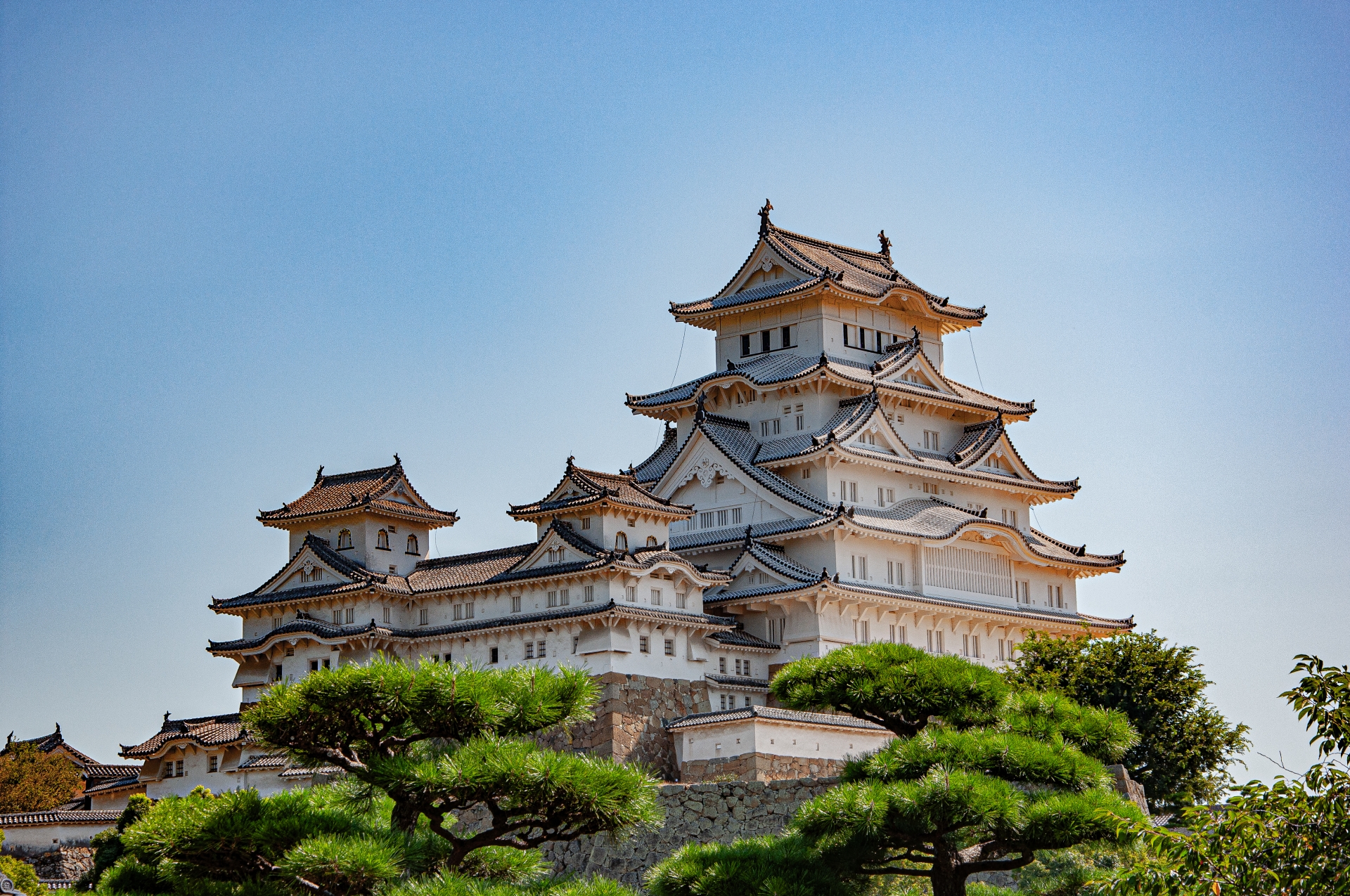
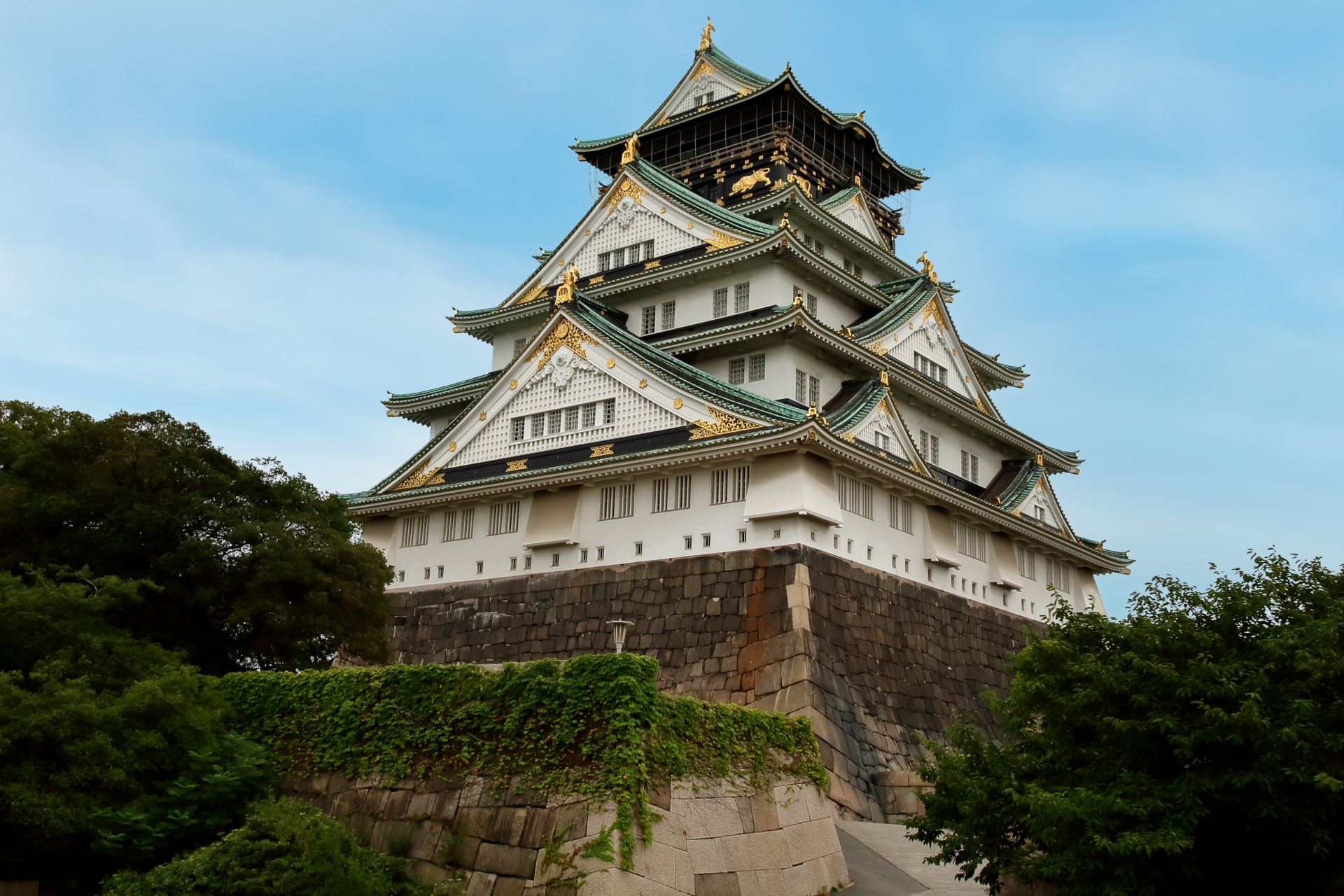
The highlight is Himeji Castle, Japan’s most famous original castle. Planning at least half a day here allows time to explore the interior before crowds peak and to walk the surrounding grounds. From there, Osaka Castle offers a contrasting experience: a grand reconstruction set within a large urban park, best enjoyed as a relaxed half-day visit focused on the exterior and views.
The loop finishes with Matsumoto Castle, located in the Japanese Alps. Spending a full day here allows you to combine the castle interior with a walk through the compact castle town, creating a satisfying balance between sightseeing and strolling. Limiting the pace to one major castle per day keeps the itinerary enjoyable rather than rushed.
Itinerary B: 7 Days – Castle Towns and Scenic Balance
For travelers with a full week, the Castle Trail becomes an opportunity to slow down. Beginning in Tokyo, this route moves into central Japan and emphasizes towns where castles are deeply integrated into daily life.
Matsumoto serves as an excellent first stop, with enough interest to justify one or two nights. From there, continuing to Kanazawa introduces a different atmosphere, where castle grounds, former samurai districts, and traditional streets can easily fill two days. A visit to Hikone adds another original keep in a compact setting near Lake Biwa, offering a quieter contrast to larger cities.
This itinerary intentionally leaves room for optional detours such as Takayama or Shirakawa-go. The key idea is not to maximize distance, but to prioritize walking days over transit-heavy ones, allowing each castle town to unfold naturally.
Itinerary C: 10–14 Days – Collector Mode and Regional Focus
Longer trips make it tempting to cover the entire country, but a more satisfying approach is to focus on regions. This style suits repeat visitors and those interested in the Hyakumeijo list.
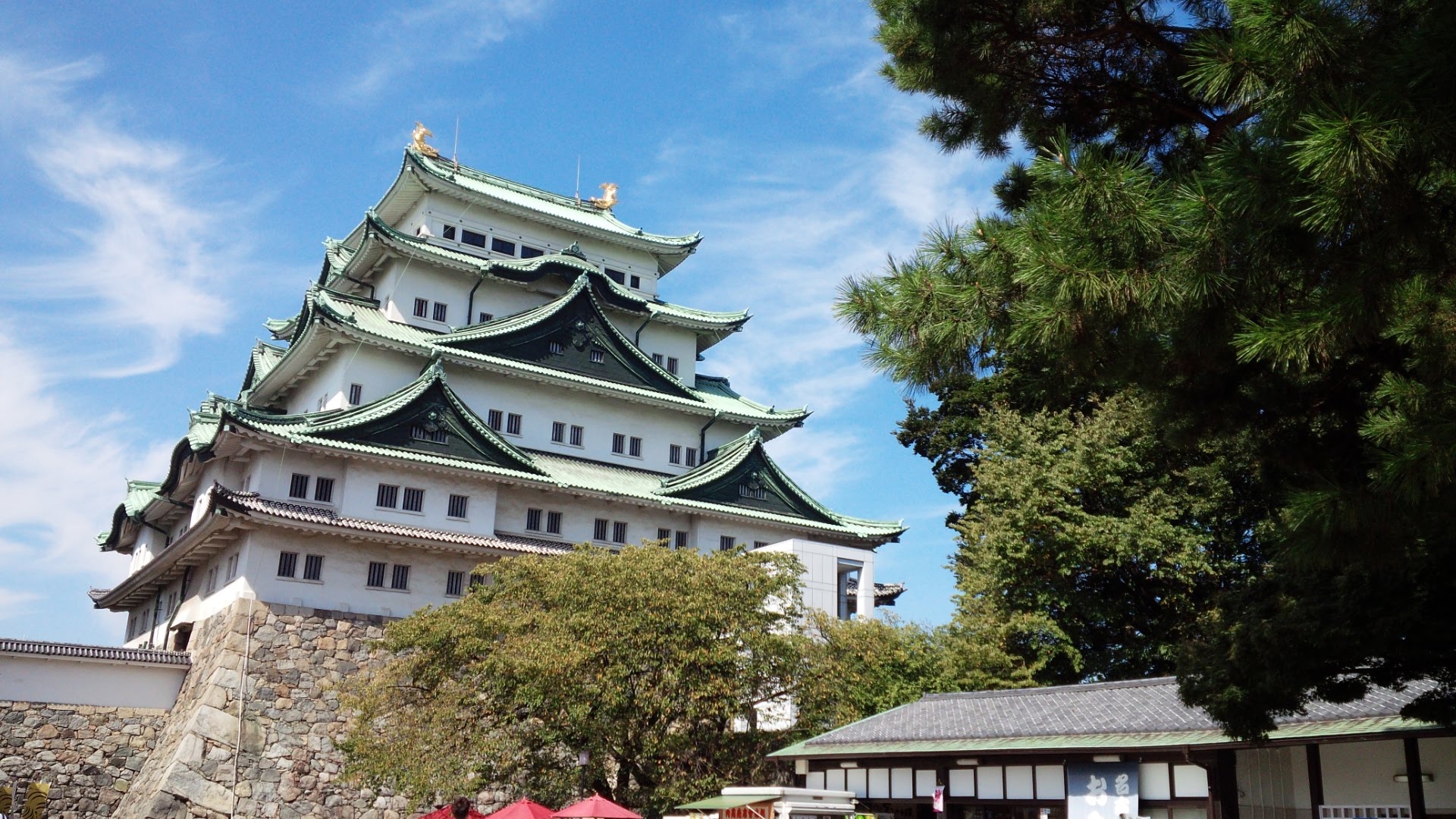
In Kansai, using Osaka as a base makes it easy to reach castles like Himeji and Hikone via dense JR lines. Central Japan can be approached flexibly: travelers may base themselves in Nagoya for castles such as Inuyama, or in Matsumoto for deeper exploration of Nagano’s history and landscapes. In northern Japan, Sendai works well as a base for reaching Hirosaki, where seasonal planning is essential due to winter conditions.
By treating each region as a self-contained chapter, the Castle Trail remains coherent rather than overwhelming.
Getting Around: JR Pass Tips for a Castle-Focused Trip
Transportation is where many castle itineraries succeed or fail. JR Passes are most valuable when your Castle Trail involves frequent long-distance shinkansen travel, such as moving between Tokyo, Kansai, and central Japan within one to two weeks. In these cases, the cost savings and flexibility can be significant.
However, if your trip stays within a single region and relies mainly on local trains or buses, a JR Pass may be unnecessary. The key is to think in terms of travel patterns rather than individual trips. Using major cities as rail hubs, departing early in the day, and reserving seats during busy seasons all contribute to smoother castle visits.
A simple example is traveling from Tokyo by shinkansen for a day trip to Himeji, then continuing onward to Osaka for the night. This kind of movement plays directly to the strengths of the JR Pass.


Castle Town Walks: Turning One Castle into a Full Day
One of the most overlooked aspects of castle travel is the town itself. Castles were administrative and cultural centers, and their surroundings often preserve layers of history that are just as rewarding as the keep.
A typical full-day rhythm might begin with the castle in the morning, followed by a walk through the park or moat area. From there, historic streets lead naturally to local lunch spots, and the afternoon can be spent exploring small museums, former samurai residences, or quiet viewpoints. Even without a strict plan, this structure helps transform a single attraction into a rich, place-based experience.
Castle Ruins and Hiking: What to Expect
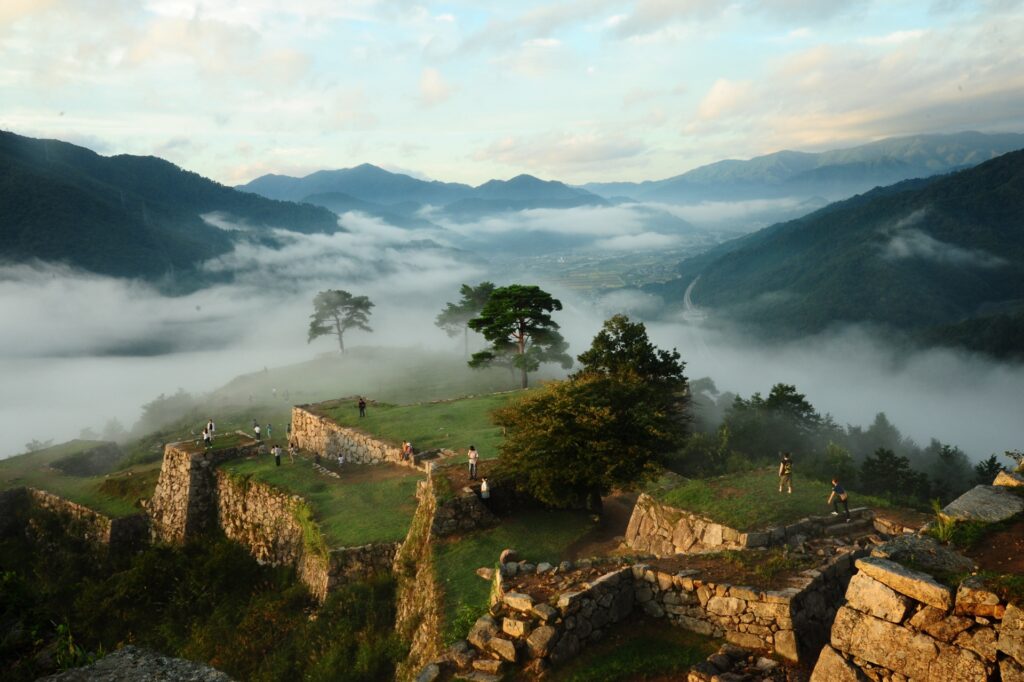
Castle ruins add physicality and variety to a Castle Trail, but they require preparation. Proper footwear, weather awareness, and early starts are essential, especially in summer or fog-prone areas.
A well-known example is Takeda Castle Ruins. Reaching the ruins involves a climb of around 40 minutes, and the most rewarding views appear early in the morning or late in the day. Seasonal closures are common, and conditions can change quickly, making flexibility important.
Practical Planning: Tickets, Hours, and Etiquette
Castle opening hours and closure days vary widely, so checking official websites is always recommended. Inside original keeps, visitors are often required to remove their shoes, and photography rules may differ from site to site. Respecting these guidelines helps preserve fragile historic structures.
Because castle travel involves a lot of walking, packing thoughtfully makes a noticeable difference. Comfortable shoes, layers for changing weather, and a power bank for navigation and photos are small details that greatly improve the experience.
FAQ: Japan’s Castle Trail
Many travelers wonder whether a JR Pass is worth it for a castle-focused trip; in most multi-region itineraries, the answer is yes. Others ask whether all castles are original—only a small number are, which makes those visits especially meaningful. Most castle interiors take one to two hours, but adding town walks extends the experience naturally. Collecting Hyakumeijo stamps has also become a popular way to track progress across regions.
Conclusion: Your Own Japan’s Castle Trail
Japan’s Castle Trail is not about completing a checklist. It is a flexible, theme-based journey that invites you to mix iconic castles, walkable towns, and at least one scenic ruin that pushes you beyond the cities. By clustering destinations, traveling early, and planning rail routes carefully, you can create a trip that feels both efficient and deeply personal. Before finalizing your dates, review your JR Pass options—and then start building a Castle Trail that reflects how you want to experience Japan.