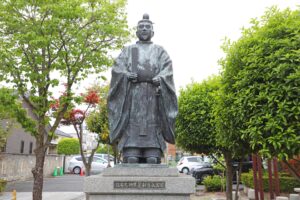
Motoori Norinaga (1730–1801) stands as one of the most influential intellectual figures of early modern Japan. Living during the Edo period, Norinaga was a physician by profession, yet his lasting legacy lies in his groundbreaking work as a kokugaku (National Learning) scholar, literary theorist, and philologist. Through meticulous study of Japan’s ancient texts—most notably the Kojiki and The Tale of Genji—Norinaga reshaped how Japanese culture, language, and emotional expression were understood.
For modern readers, especially those in the English-speaking world, Motoori Norinaga is best known for articulating the aesthetic concept of mono no aware, a sensitivity to the transient beauty of life. His scholarship rejected imported Confucian and Buddhist frameworks, arguing instead for an authentic understanding of Japan rooted in its earliest literature and language. This article explores Norinaga’s life, major works, philosophical methodology, and enduring influence on Japanese cultural identity and global scholarship.


Who Was Motoori Norinaga?

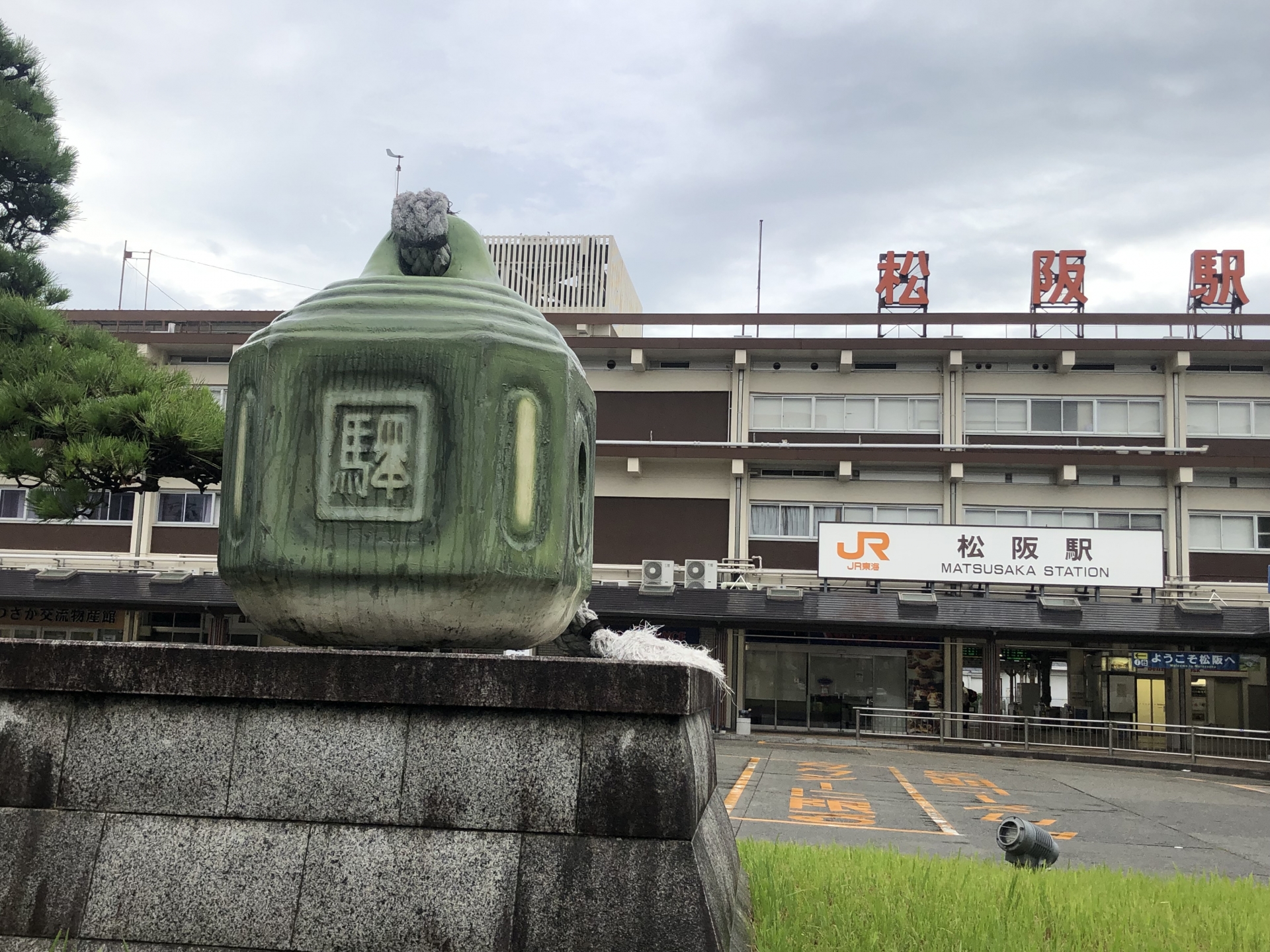
Motoori Norinaga was born in 1730 in Matsusaka, located in present-day Mie Prefecture. He came from a merchant family and initially trained to become a physician, a profession that provided him with financial stability throughout his life. In his early twenties, Norinaga traveled to Kyoto, where he studied medicine as well as classical Japanese and Chinese texts. This period proved formative, exposing him to philological scholarship and sparking his lifelong devotion to Japan’s ancient literature.
After returning to Matsusaka, Norinaga established a medical practice while simultaneously dedicating himself to scholarly pursuits. Remarkably, most of his academic work—including his monumental Kojiki-den—was written at night after seeing patients. He lived a relatively quiet provincial life, yet his intellectual influence spread across Japan through disciples and written correspondence. Norinaga’s dual identity as both physician and scholar exemplifies the Edo-period intellectual ideal: rigorous learning pursued outside official institutions, driven by personal conviction rather than state patronage.
The Kokugaku Movement and Norinaga’s Role
Kokugaku, often translated as “National Learning,” was an intellectual movement that emerged during the Edo period as a reaction against dominant Confucian and Buddhist thought. Scholars of kokugaku sought to rediscover Japan’s ancient spirit by studying early texts such as the Kojiki, Nihon Shoki, and classical poetry anthologies. While earlier thinkers laid the groundwork, Motoori Norinaga elevated kokugaku into a comprehensive scholarly system.
Norinaga argued that foreign philosophical frameworks distorted the true meaning of Japanese classics. He believed that ancient Japanese authors expressed emotions and values that could only be understood through careful linguistic and historical analysis, free from moralistic interpretations imposed by Confucianism. His emphasis on emotional authenticity, natural human feeling, and linguistic precision distinguished him from other kokugaku scholars. As a result, Norinaga became the central figure of the movement, shaping its direction and influence well into the late Edo and early Meiji periods.
Major Works and Writings
Kojiki-den (Commentaries on the Kojiki)
Kojiki-den is Motoori Norinaga’s magnum opus and one of the most important works in Japanese intellectual history. Written over a period of more than thirty years, this extensive commentary on the Kojiki (Japan’s oldest chronicle) spans 44 volumes. Norinaga approached the text with unprecedented philological rigor, analyzing ancient grammar, vocabulary, and phonetics to reconstruct original meanings that had been obscured over centuries.
Through Kojiki-den, Norinaga argued that Japan’s earliest myths revealed a worldview grounded in sincerity (makoto) and emotional responsiveness rather than abstract moral doctrines. He emphasized the divine ancestry of the imperial line, a position that later gained political significance. More importantly, his work established a methodological foundation for modern Japanese textual studies, influencing how classical literature is read even today.
Genji Monogatari Studies & Other Works
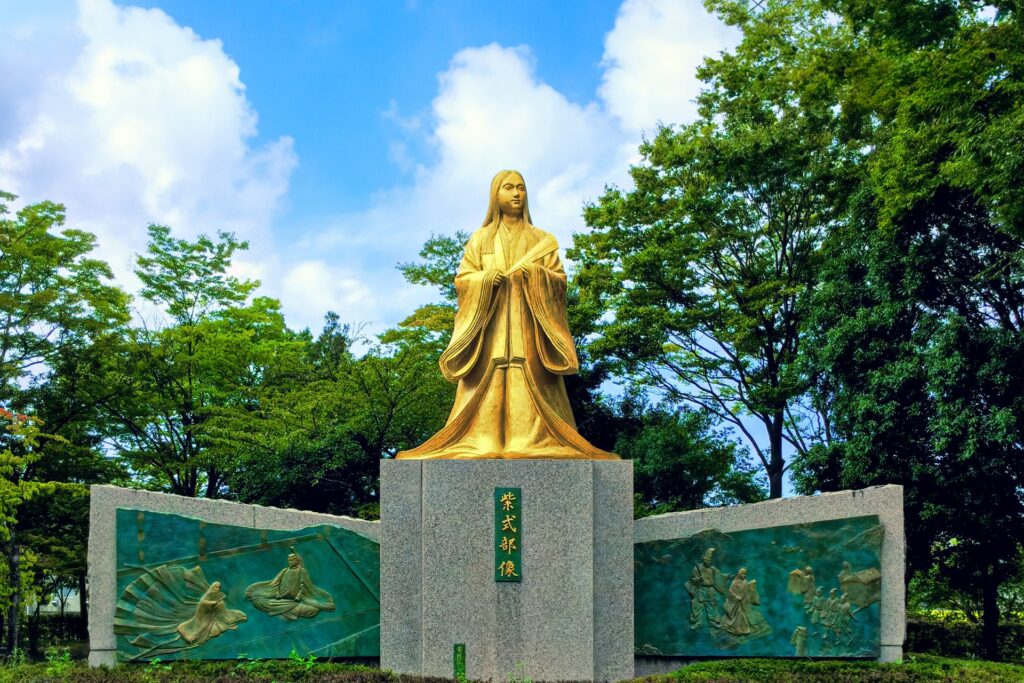
In addition to his work on the Kojiki, Norinaga made significant contributions to the study of The Tale of Genji. He regarded the novel as the highest expression of mono no aware, praising its deep psychological insight and emotional subtlety. At a time when Genji was often criticized for moral ambiguity, Norinaga defended it as a truthful depiction of human feeling.
Other notable writings include Tamakatsuma, a collection of essays addressing poetry, language, and cultural criticism. Across these works, Norinaga consistently argued that emotional sensitivity—not moral didacticism—was the core of Japanese literature. His literary criticism helped elevate prose fiction and emotional expression to central positions in Japan’s literary canon.
Mono no Aware and Japanese Aesthetics

The concept of mono no aware is inseparably associated with Motoori Norinaga. While the term existed before him, Norinaga gave it a precise theoretical meaning. He defined mono no aware as the profound emotional response elicited by an awareness of impermanence—the gentle sadness and beauty felt when recognizing that all things must pass.
Norinaga believed this sensitivity was the defining characteristic of Japanese literature and culture. Unlike Western notions of tragedy or Confucian moral judgment, mono no aware values empathy, emotional depth, and acceptance of life’s fleeting nature. Norinaga identified this aesthetic in classical poetry and especially in The Tale of Genji, which he saw as the ultimate literary embodiment of human feeling. Today, mono no aware remains a key concept in Japanese aesthetics and is frequently discussed in global literary and philosophical studies.
Philosophy, Language & Methodology
Motoori Norinaga’s scholarly methodology was revolutionary for its time. He insisted that ancient texts must be studied through the language in which they were written, without imposing later philosophical systems. This led him to develop sophisticated methods of philology, including close grammatical analysis and historical linguistics.
Norinaga rejected Confucian ethical readings, arguing that they distorted the emotional reality of ancient Japan. Instead, he focused on uncovering original meanings by reconstructing archaic Japanese usage. His approach anticipated modern linguistic scholarship and influenced later academic disciplines such as Japanese linguistics and folklore studies. By treating language as the key to cultural understanding, Norinaga positioned himself not only as a kokugaku scholar but also as a pioneer of humanistic textual analysis.
Influence & Legacy
Impact on Japanese Cultural Identity
Norinaga’s influence extended far beyond literature. His emphasis on ancient myths, the emperor’s divine lineage, and Japan’s unique cultural spirit shaped intellectual currents in the late Edo period. These ideas later contributed to nationalist thought during the Meiji Restoration and influenced the ideological foundations of State Shinto.
While modern scholars critically examine these political appropriations, Norinaga himself was primarily concerned with cultural authenticity rather than state power. Nevertheless, his work played a significant role in redefining Japanese identity at a time of profound historical change.
Global Perspectives
Outside Japan, Motoori Norinaga is increasingly recognized in comparative literature, aesthetics, and Japanese studies. Scholars draw parallels between mono no aware and concepts such as Romanticism, phenomenology, and affect theory. His insistence on cultural specificity also resonates with postcolonial and comparative methodologies.
Today, Norinaga’s writings are studied not only as historical artifacts but as sophisticated analyses of language, emotion, and human experience. His legacy continues to inform global discussions about how cultures understand themselves through literature.
Conclusion
Motoori Norinaga remains one of Japan’s most important intellectual figures, whose work bridged literature, philosophy, and cultural identity. Through his studies of ancient texts, articulation of mono no aware, and innovative philological methods, he transformed how Japanese culture understood its own origins. More than two centuries later, Norinaga’s insights continue to shape both Japanese scholarship and global humanities, affirming his enduring relevance in the study of culture and literature.