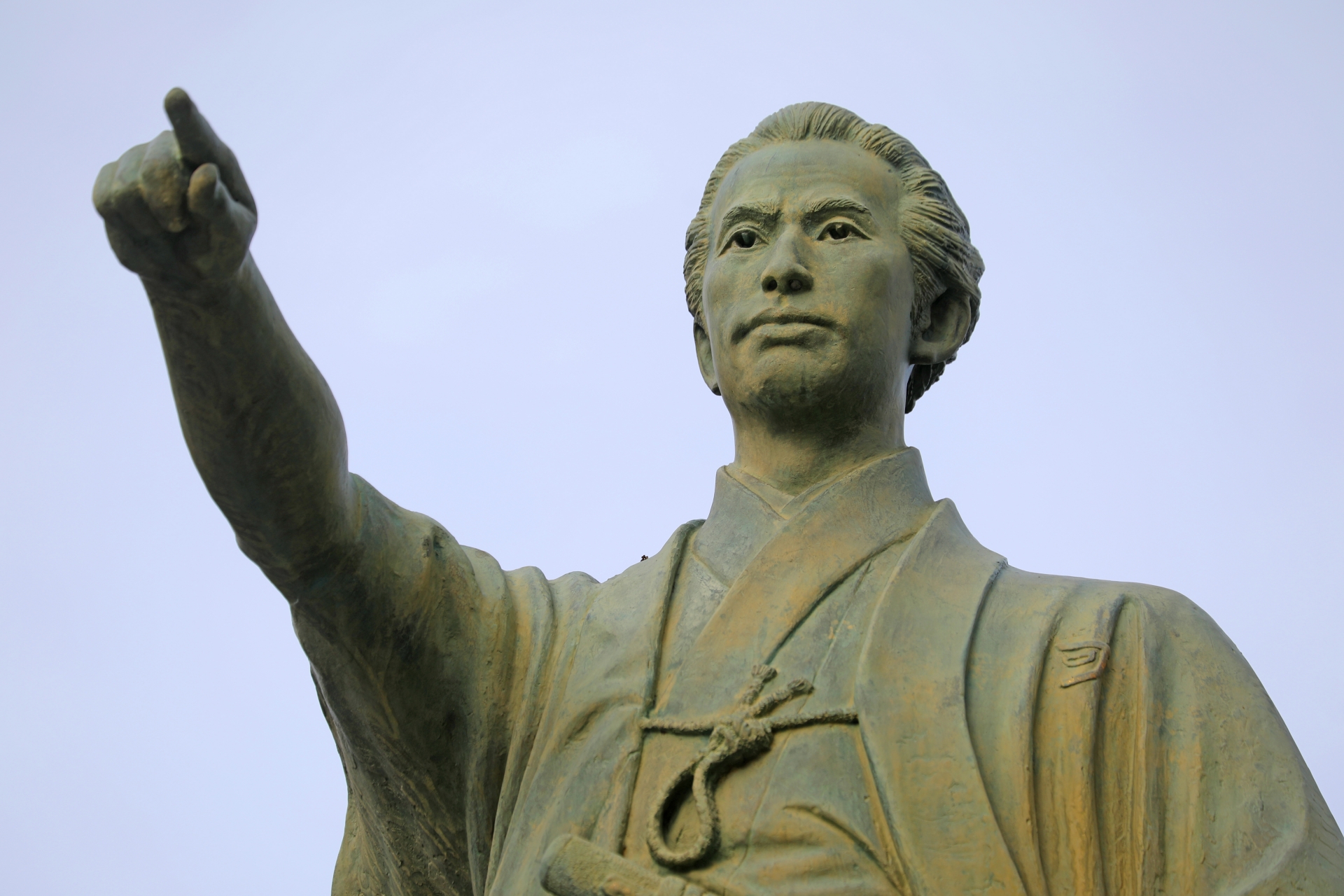
This article explores the life, philosophy, and historical significance of Katsu Kaishu, one of the most influential figures of late Edo-period Japan. Known for his role in founding Japan’s modern navy and negotiating the peaceful surrender of Edo Castle, Katsu Kaishu stands as a rare example of a samurai who chose diplomacy over bloodshed during the Meiji Restoration.


Who Was Katsu Kaishu?
Katsu Kaishu (勝海舟, 1823–1899), born Katsu Yoshikuni, was a samurai, naval reformer, and statesman who played a pivotal role in Japan’s transformation from a feudal society to a modern nation. He served the Tokugawa shogunate during the tumultuous Bakumatsu period and later contributed to the Meiji government’s modernization efforts. Known for his intellect, diplomacy, and pragmatism, Katsu’s influence reached far beyond his military achievements.
He is best remembered as the man who negotiated the peaceful surrender of Edo Castle in 1868, preventing a destructive civil war in Japan’s largest city. His vision for Japan’s modernization centered on adopting Western technologies while preserving the country’s cultural essence.

Katsu Kaishu and the End of the Tokugawa Shogunate
The Political Turmoil of the Bakumatsu Period
The Bakumatsu period (1853–1868) was marked by deep political unrest as Japan faced pressure from Western powers and internal calls for reform. The arrival of Commodore Perry’s “Black Ships” exposed the Tokugawa shogunate’s weakness, leading to a power struggle between shogunate loyalists and imperial supporters seeking to restore the Emperor’s authority.
Amid this chaos, Katsu Kaishu emerged as a voice of reason. He advocated for modernization through the selective adoption of Western practices, believing that survival depended on Japan’s ability to adapt. As both sides prepared for war, Edo—then Japan’s political center—faced the threat of destruction that could have devastated the nation’s cultural and economic heart.
The Peaceful Surrender of Edo Castle
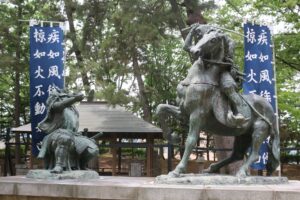
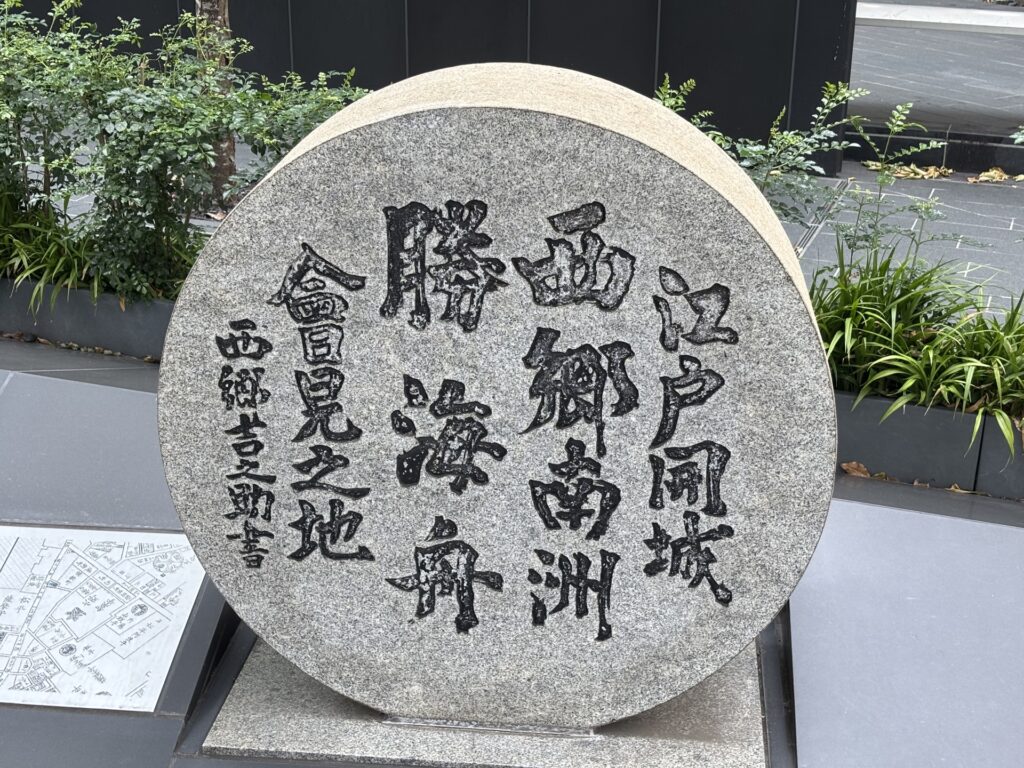
In 1868, as the Boshin War intensified, Katsu Kaishu, representing the Tokugawa side, met with Saigo Takamori, commander of the imperial forces, to negotiate Edo’s surrender. Their discussions led to what became known as the “bloodless surrender” (muketsu kaijō). Instead of a violent siege, Edo was peacefully handed over to imperial control.
This unprecedented event spared countless lives and preserved the city’s infrastructure, setting a moral precedent for diplomacy over warfare. It symbolized a shift in Japanese politics—from feudal rigidity to pragmatic negotiation. Katsu’s calm leadership and moral conviction transformed what could have been a tragedy into a cornerstone of Japan’s peaceful transition to the Meiji era.
The Father of Japan’s Modern Navy
Learning from the West
Katsu Kaishu’s interest in Western naval science made him one of Japan’s earliest modernizers. Trained in Rangaku (Dutch learning), he mastered Western navigation, shipbuilding, and military science. His voyage to the United States aboard the Kanrin Maru in 1860 marked a historic milestone—the first Japanese naval mission across the Pacific.
This experience profoundly influenced Katsu’s worldview. He recognized the technological superiority of Western powers and the urgency of reforming Japan’s defenses. Unlike many of his contemporaries, Katsu did not view Westernization as a threat but as a tool for national survival. His forward-thinking perspective laid the groundwork for Japan’s emergence as a global maritime power.
Founding Japan’s Naval Institutions
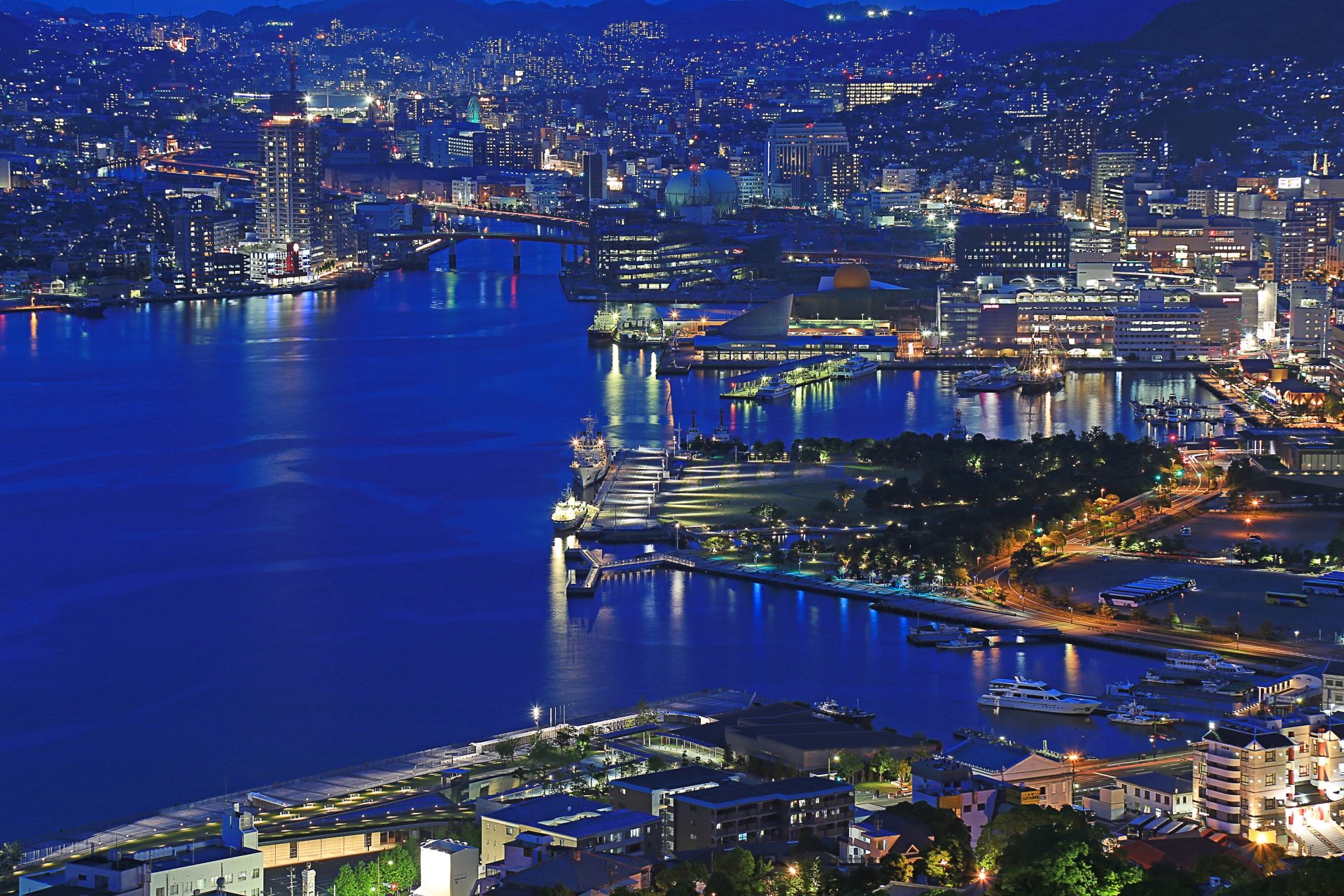
Upon returning to Japan, Katsu established the Naval Training Center at Nagasaki, where he trained future naval leaders in Western tactics and engineering. His reforms modernized the Tokugawa fleet and created the foundation for the Imperial Japanese Navy.
Before vs. After Katsu’s Reforms:
| Aspect | Before Katsu | After Katsu |
| Training | Traditional samurai combat | Western naval education |
| Ships | Wooden vessels | Steam-powered ships |
| Leadership | Feudal hierarchy | Professionalized command |
Katsu’s students would later become the backbone of Japan’s Meiji-era naval expansion, proving that his reforms had a lasting national impact.
Katsu Kaishu’s Philosophy and Writings
Pragmatism Over Ideology
Unlike many of his contemporaries, Katsu Kaishu was not driven by ideology but by realism. He believed in “saving the nation through reason,” often stating that clinging to outdated beliefs would only lead to ruin. His decisions—especially during the Edo surrender—reflected his conviction that the preservation of Japan’s future outweighed personal or political loyalty.
This pragmatic approach shaped his actions throughout his career and earned him respect across political lines, even as it drew criticism from those who prioritized traditional notions of loyalty and honor.
Major Works and Intellectual Legacy
Katsu’s literary works, including Hikawa Seiwa (氷川清話), offer valuable insights into his political and philosophical thinking. Through anecdotes and reflections, he described his encounters with key figures of his time and his belief in national unity through modernization.
His writings have since been studied not only as historical sources but as lessons in leadership and ethics. They reveal a man who, though born a samurai, transcended the limitations of his era to envision a modern Japan.
Katsu Kaishu Compared to Other Meiji-Era Figures
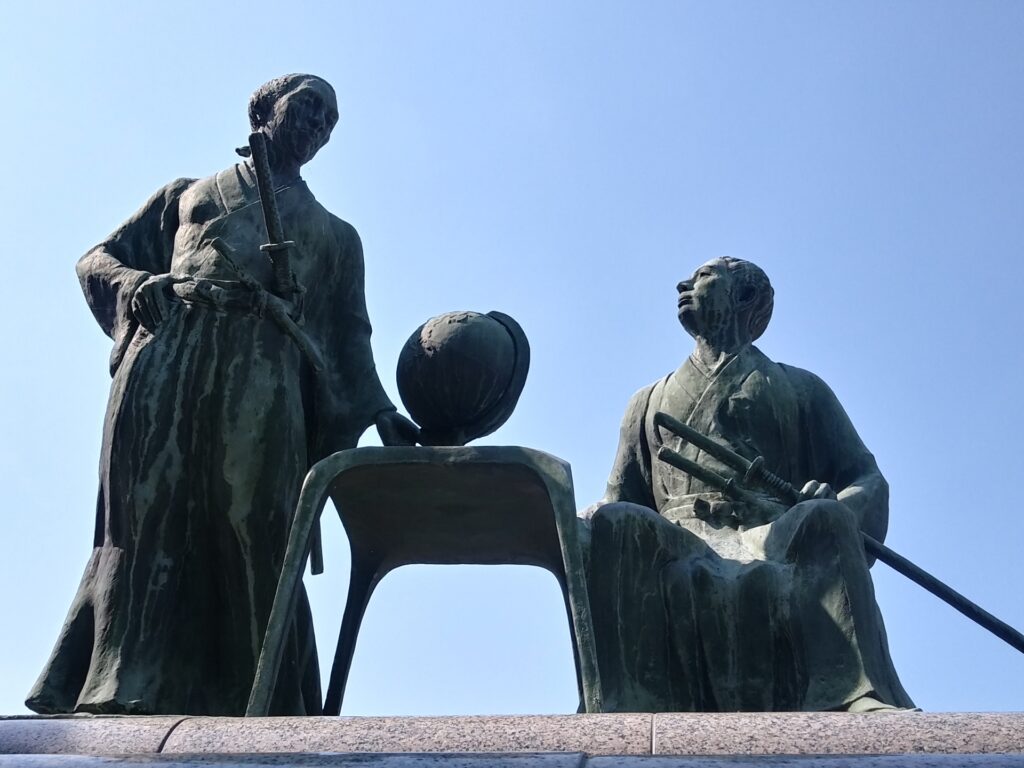
Katsu Kaishu vs. Saigo Takamori
While both Katsu and Saigo Takamori sought Japan’s renewal, their methods differed sharply. Saigo embodied the spirit of the warrior, advocating military confrontation to uphold imperial authority. Katsu, conversely, valued negotiation and diplomacy as paths to stability. Their fateful meeting during Edo’s surrender epitomized this philosophical divide—Saigo’s sword met Katsu’s pen, and peace prevailed.
His Relationship with Sakamoto Ryoma
Katsu Kaishu also played a pivotal role in mentoring Sakamoto Ryoma, one of Japan’s most celebrated reformers. Ryoma, initially an anti-shogunate radical, was deeply influenced by Katsu’s vision of a unified and modern Japan. Under Katsu’s guidance, Ryoma shifted from rebellion to constructive reform, becoming a bridge between opposing factions. Their mentor-student relationship symbolizes the intellectual lineage that connected samurai tradition with Japan’s modern destiny.
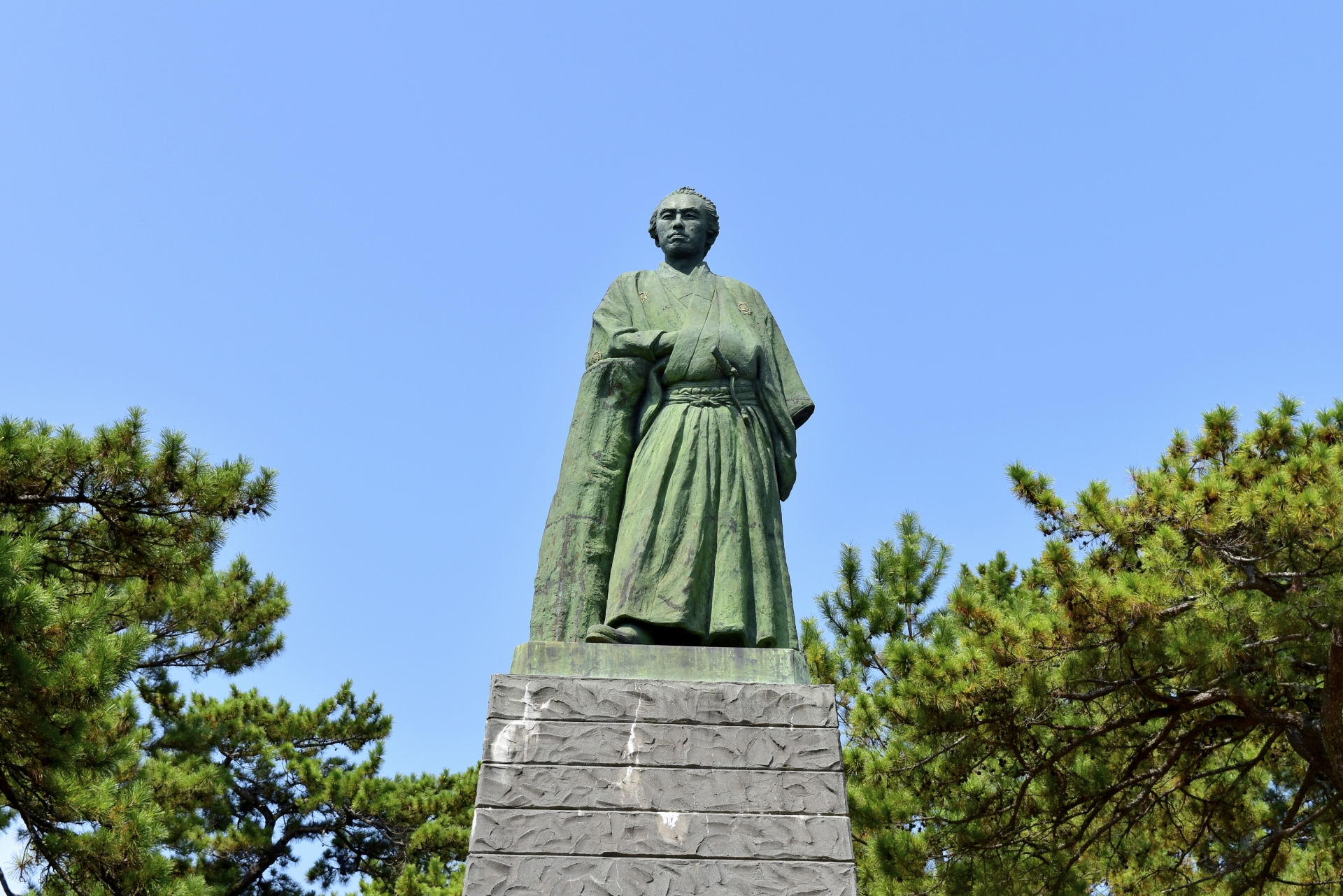
Sites in Japan Associated with Katsu Kaishu
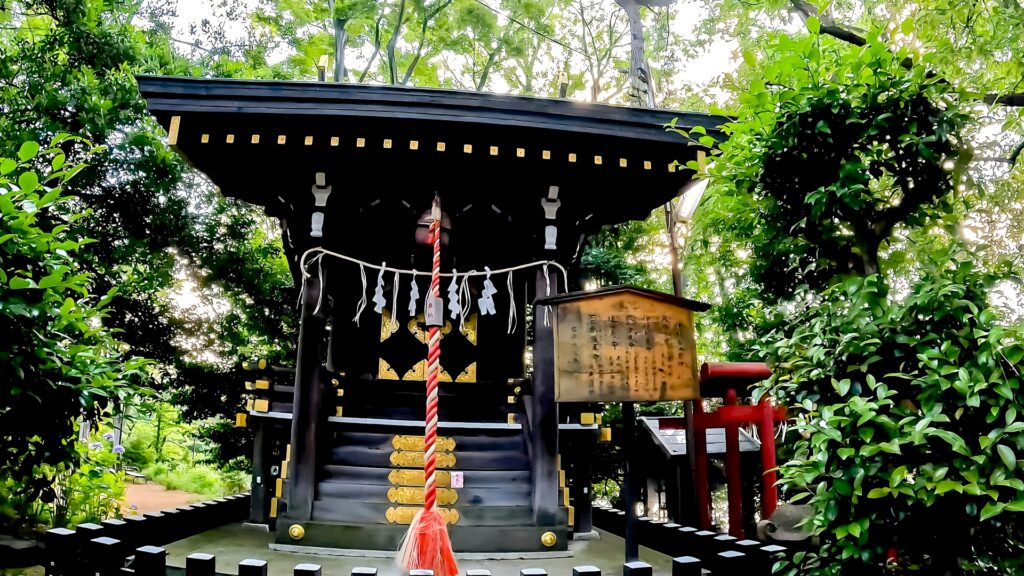
Birthplace, Memorials, and Statues
For those wishing to explore Katsu Kaishu’s legacy in Japan, several significant sites can be visited:
| Location | Description |
| Sumida Ward, Tokyo | Birthplace and Katsu Kaishu Memorial Hall |
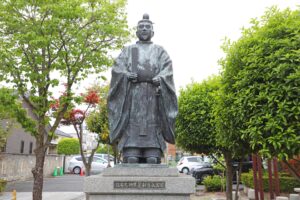
| Senzokuike Park | His gravesite and bronze statue honoring his contributions |
| Edo Castle Area | Historical site of the 1868 surrender negotiations |
| Nagasaki Naval Training Center Site | Early base of his naval education efforts |
These locations offer a tangible connection to the life of a man who shaped Japan’s path to modernity.
Timeline: Key Events in Katsu Kaishu’s Life
- 1823: Born in Edo (Tokyo)
- 1849: Begins naval studies in Nagasaki
- 1860: Joins the Kanrin Maru mission to the United States
- 1868: Negotiates Edo Castle’s peaceful surrender
- 1872: Serves in Meiji government as naval advisor
- 1899: Dies in Tokyo, honored as a symbol of peace and progress
Conclusion: The Legacy of Katsu Kaishu
Katsu Kaishu’s life embodies the essence of Japan’s transformation—balancing tradition with progress, loyalty with pragmatism, and courage with compassion. His choice to negotiate rather than fight preserved Edo and set a precedent for peaceful transition during an age of upheaval.
More than a samurai or politician, Katsu was a visionary who understood that true strength lies not in the sword, but in the wisdom to prevent its use. His legacy endures as a reminder that diplomacy, guided by clarity of purpose and moral resolve, can change the course of history.