Hokkaido becomes a breathtaking winter paradise from December to March. Travelers can enjoy snowy cities, charming canal towns, world-renowned ski resorts, soothing onsen, and unique seasonal experiences such as penguin walks and drift-ice cruises. This guide offers a curated 5–7 day winter itinerary covering the region’s top highlights and provides practical JR Pass tips to help you travel confidently, comfortably, and cost-effectively across Japan’s northern island.


Hokkaido Winter Overview: What to Expect
Hokkaido transforms into one of Japan’s most spectacular winter destinations from December to March, when deep snow, crisp air, and dramatic landscapes create a postcard-perfect atmosphere almost everywhere you go. Average temperatures typically range from –5°C to –12°C (23°F to 10°F) depending on the city, with coastal regions slightly milder and inland or northern regions much colder. Snowfall is abundant, often exceeding several meters in ski areas such as Niseko, Furano, or Kiroro. This makes the region a top destination for both winter sports enthusiasts and travelers looking to enjoy serene winter scenery, frozen lakes, and seasonal festivals.
Winter in Hokkaido is also deeply cultural: the famous Sapporo Snow Festival transforms the city into an outdoor museum of ice sculptures, and Otaru’s Snow Light Path Festival lines heritage streets with candles and lanterns. Local cuisine also reaches its peak in winter—think hot bowls of miso ramen, fresh seafood, and warming soup curry perfect after a long day outdoors. Wildlife experiences such as drift-ice viewing and penguin parades further showcase Hokkaido’s unique natural environment.
Key Winter Experiences at a Glance
| Experience | Highlights | Best Regions |
| Skiing / Snowboarding | World-class powder snow (“Japow”), diverse resorts | Niseko, Kiroro, Furano |
| Winter Festivals | Snow and ice sculptures, lantern paths, illuminations | Sapporo, Otaru |
| Onsen Hot Springs | Outdoor baths with snowy views | Noboribetsu, Jozankei, Lake Toya |
| Wildlife Encounters | Penguin walks, cranes, drift-ice seals | Asahikawa, Abashiri, Shiretoko |
| Drift Ice Experiences | Icebreaker cruises, drift-ice walking | Abashiri, Shiretoko |
5–7 Day Hokkaido Winter Itinerary Overview
This itinerary is designed specifically for travelers relying on public transportation, especially those using a JR Pass, which significantly simplifies long-distance winter travel. The route follows a smooth west-to-east flow, allowing you to experience Sapporo’s vibrant winter cityscape, Otaru’s romantic canal, world-famous ski resorts, tranquil lakeside scenery, and optional drift-ice adventures in eastern Hokkaido.
Quick Itinerary Snapshot
| Day | Destination | Highlights |
| 1 | Sapporo | Snowy city views, food, illuminations |
| 2 | Otaru Day Trip | Canal, heritage streets, Snow Light Path |
| 3 | Niseko or Kiroro | Powder snow, skiing, onsen |
| 4 | Lake Toya & Noboribetsu | Scenic lake, Hell Valley, hot springs |
| 5 | Asahiyama Zoo (Asahikawa) | Penguin Parade & wildlife |
| 6–7 (Optional) | Abashiri / Shiretoko | Drift ice cruises and walking |
This blend of urban culture, nature, winter activities, and unique seasonal experiences provides a complete introduction to Hokkaido’s winter wonders.
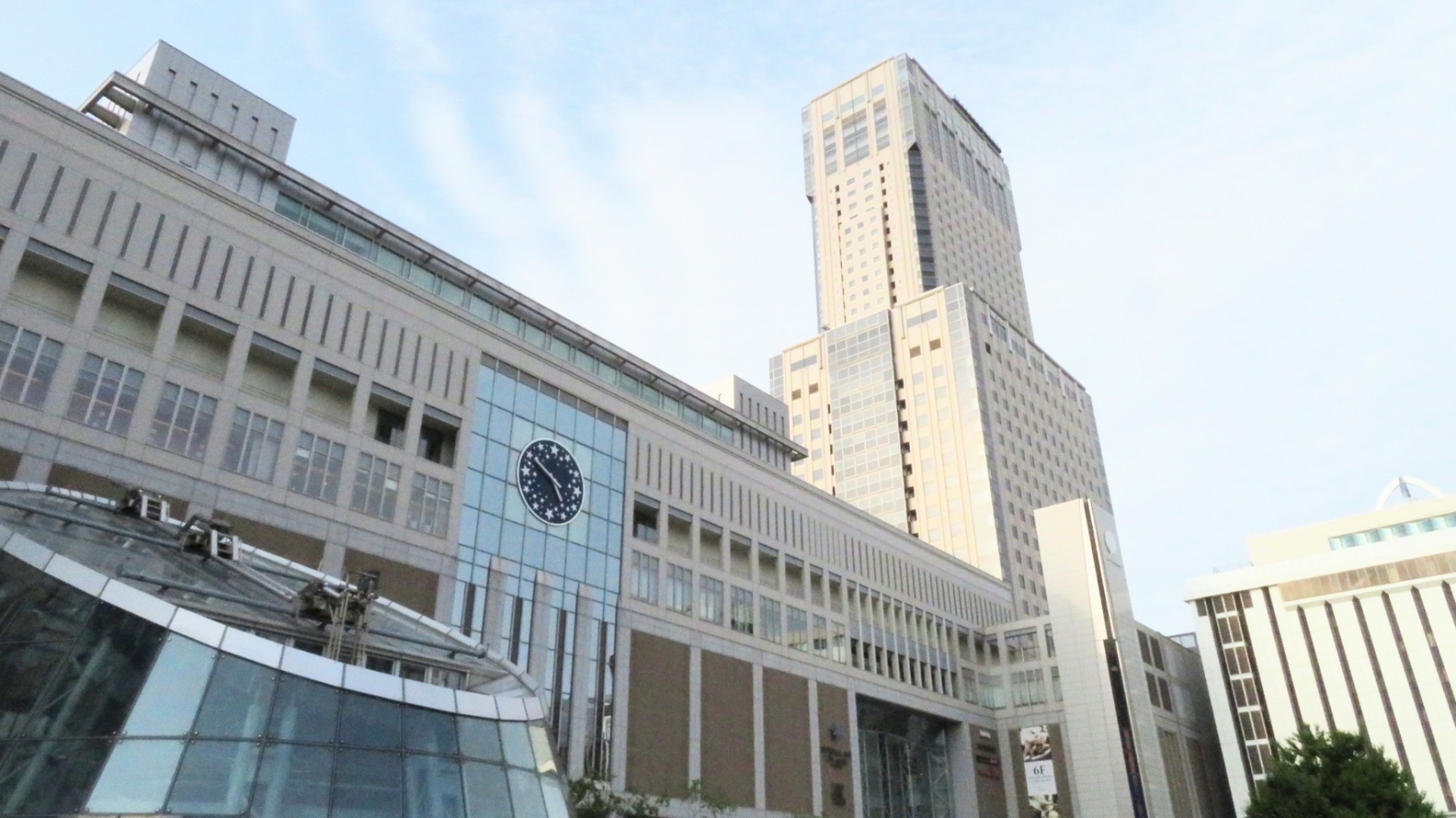
Day 1 – Sapporo: Winter Cityscape, Food, and Illuminations
Begin your journey in Sapporo, the capital of Hokkaido and a city that truly embraces winter. Land at New Chitose Airport and hop on a JR rapid train (included with the JR Pass) for a quick 35–40 minute ride into the city center. Once you arrive, head to Odori Park, which becomes a snowy promenade during winter and serves as the iconic venue for the Sapporo Snow Festival in early February. Nearby, the Former Hokkaido Government Building offers a classic red-brick backdrop framed by snow-covered trees—ideal for winter photography.
Sapporo is also a culinary haven. Warm up with a bowl of Sapporo miso ramen, try a rich bowl of soup curry, or sample incredibly fresh seafood such as crab and sea urchin. As evening falls, stroll through Susukino, where winter illuminations glow across streets and ice sculptures appear during festival season. Between food, lights, and cultural sights, Sapporo sets the perfect tone for the days ahead.
Day 2 – Otaru Day Trip: Romantic Canal & Snow Light Path
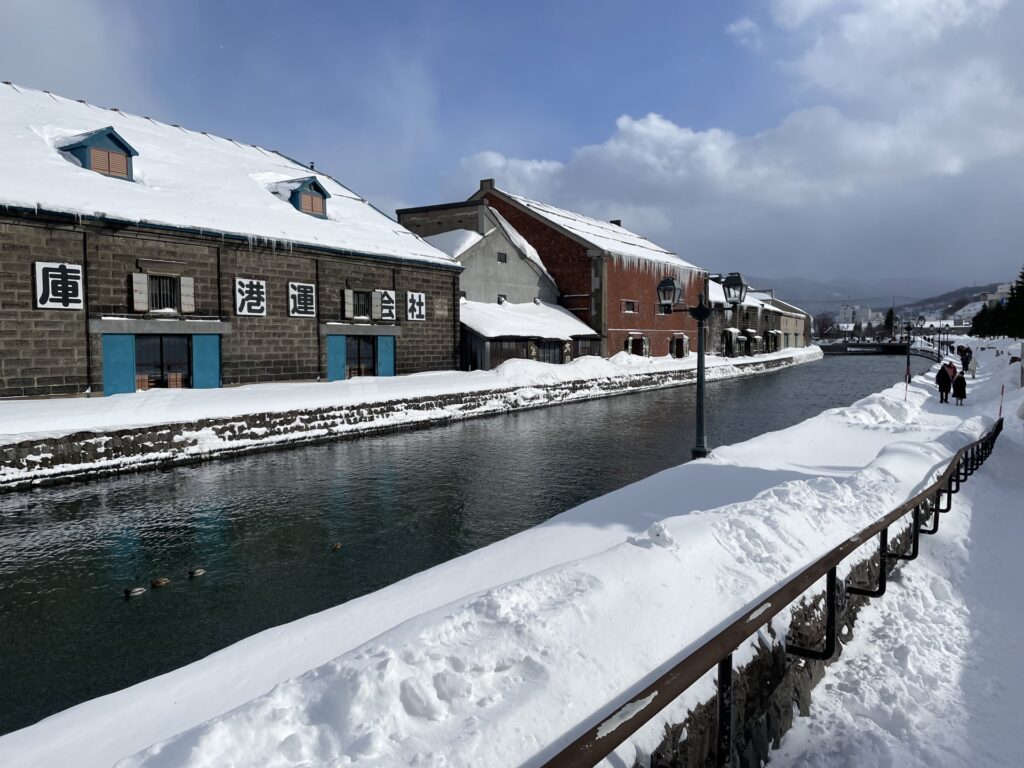
A short 30–45 minute JR train ride west of Sapporo brings you to Otaru, a charming port town famous for its nostalgic architecture and picturesque canal scenes. Otaru is especially magical in winter, when snow dusts the stone warehouses and gas lamps reflect beautifully in the water. Many visitors begin their exploration at the Otaru Canal, then continue toward Sakaimachi Street, where glassware workshops, music box museums, and restored merchant buildings line the path.
Treat yourself to a café break with pastries or hot chocolate, then visit the historic warehouses for photo spots overlooking the snowy streets. If you travel in early February, the Otaru Snow Light Path Festival transforms the town into a softly illuminated wonderland, with candles placed along waterways and alleyways for a serene and romantic evening atmosphere. Despite its small size, Otaru offers a full day of leisurely sightseeing and unforgettable winter charm.
Day 3 – Niseko or Kiroro: Skiing, Powder Snow & Onsen
Today is dedicated to experiencing Hokkaido’s legendary powder snow—often referred to as “Japow”—which attracts skiers and snowboarders from around the world.
Niseko is the most well-known resort area, offering a lively international atmosphere, extensive terrain, and plenty of dining and après-ski options. Snowfall is incredibly consistent, and the variety of runs suits all levels. Getting to Niseko involves taking a JR train to Kutchan Station followed by a local bus, with much of the route covered by the JR Pass.
Kiroro, on the other hand, is closer to Otaru and Sapporo, less crowded, and ideal for travelers seeking a quieter resort with exceptional snow quality. Rentals, lessons, and day passes are readily available at both resorts.
Cap your ski day with a rejuvenating dip in a local onsen, where steaming hot water contrasts beautifully with the cold winter air—an essential part of the Hokkaido winter experience.
Day 4 – Lake Toya & Noboribetsu: Scenic Lakes and Onsen Retreat
Travel south from Sapporo to the volcanic caldera Lake Toya, a serene destination even during deep winter. The lake rarely freezes due to geothermal activity, creating a striking contrast between open water and surrounding snowy hills. Enjoy simple lakeside walks, scenic viewpoints, and peaceful moments away from the bustle of ski areas.
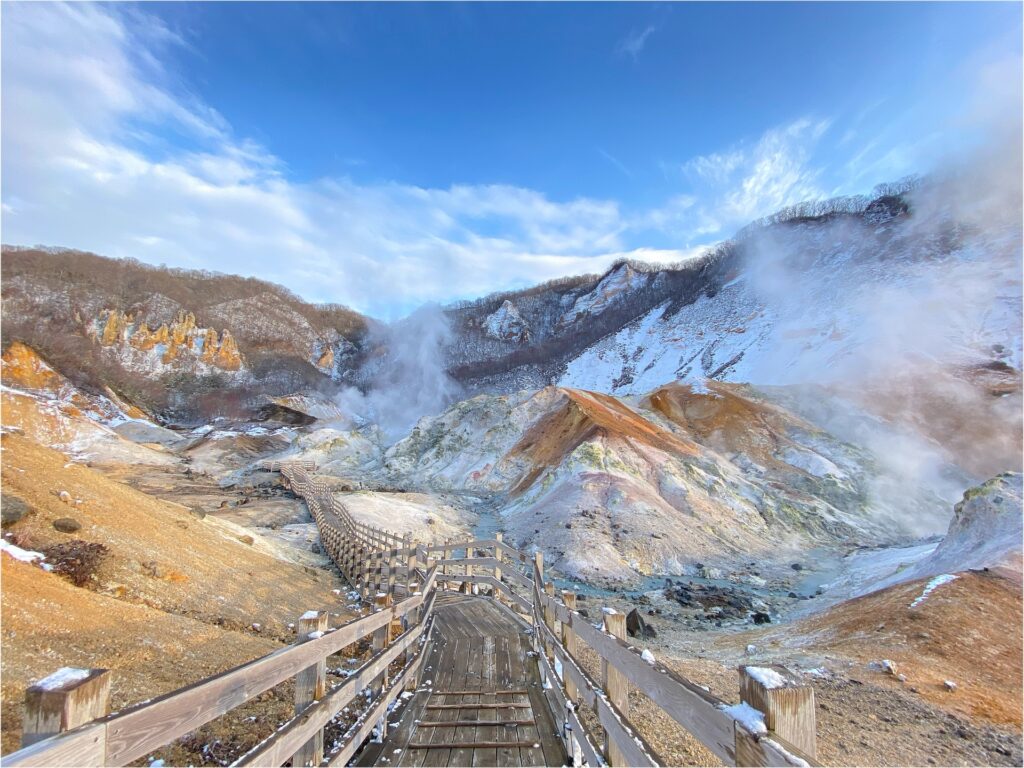
Continue onward to Noboribetsu Onsen, Hokkaido’s most famous hot spring town. Its dramatic Hell Valley (Jigokudani) features sulfurous vents and steaming cliffs that look almost otherworldly when blanketed with snow. Spend the afternoon soaking in mineral-rich onsen waters known for their healing effects. The journey from Sapporo to Noboribetsu is easily done by JR train, making the JR Pass especially useful for this segment.
Day 5 – Asahiyama Zoo: Penguin Walk & Northern Wildlife
Head north to Asahikawa to visit Asahiyama Zoo, one of Japan’s most innovative and beloved winter attractions. Its biggest highlight—the Penguin Parade—takes place once or twice daily during the coldest months and allows visitors to watch penguins waddle freely along a dedicated snow path. The zoo’s immersive enclosures include seal tunnels, Arctic fox habitats, wolves, and snowy owls, making it a compelling visit even for adults.
After the zoo, warm up with a visit to Asahikawa Ramen Village, where multiple ramen shops offer local soy-based variations. The JR ride between Sapporo and Asahikawa is longer than earlier segments, which means JR Pass holders gain excellent value here. The comfort and reliability of the train make winter travel far easier than attempting the same route by car.
Optional Days 6–7 – Drift Ice Adventures in Abashiri or Shiretoko
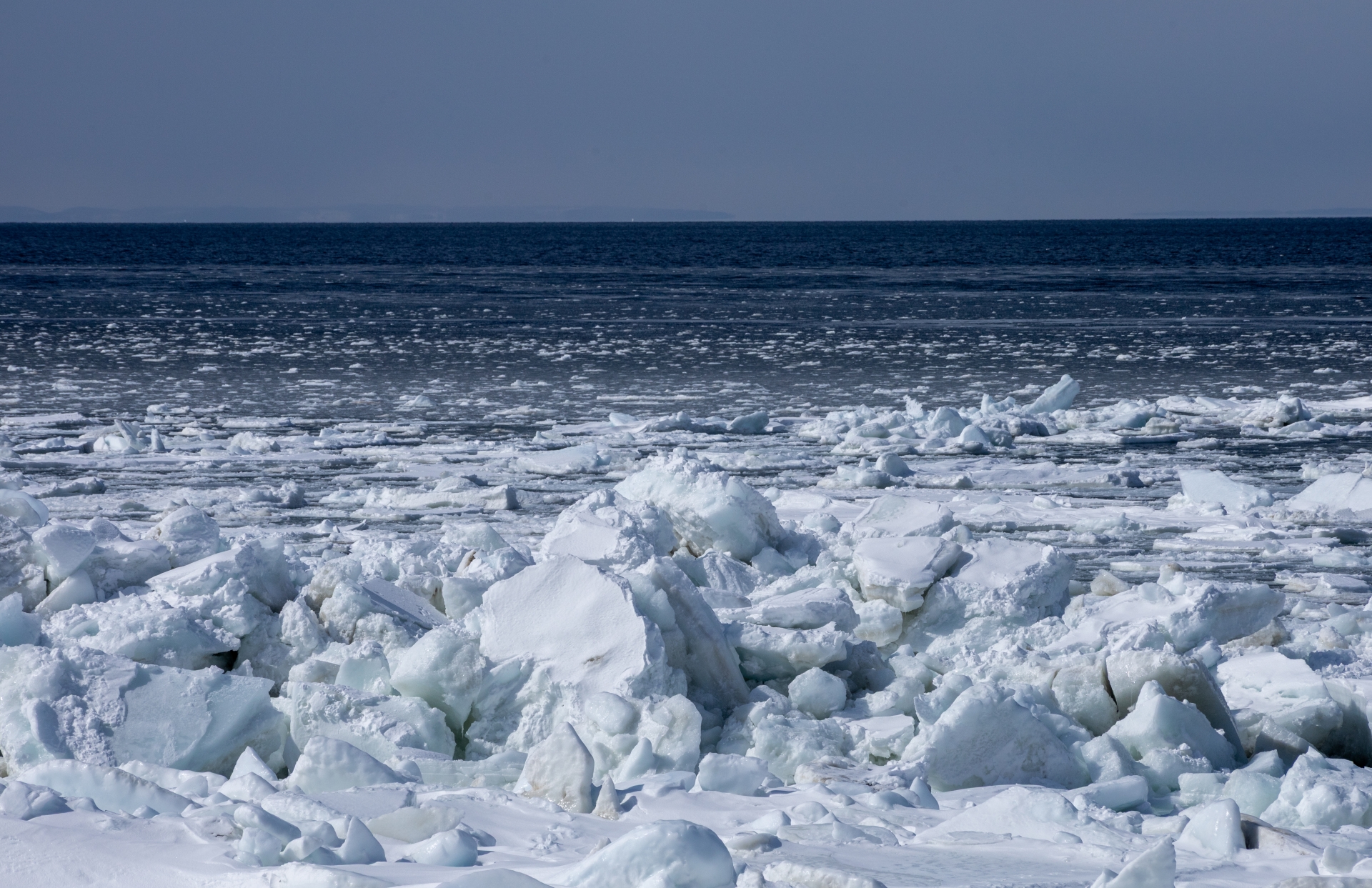
For travelers seeking something truly unique, extend your trip to eastern Hokkaido, where dramatic drift-ice fields transform the Sea of Okhotsk from late January to March. In Abashiri, join an icebreaker cruise aboard the Garinko or Aurora vessels, which plow through floating ice sheets for spectacular views. In nearby Shiretoko, adventurous visitors can participate in drift-ice walking excursions, wearing dry suits to safely step onto the frozen surface.
Eastern Hokkaido feels far more remote and wild than the western cities, providing an entirely different perspective on winter. JR routes from Sapporo to Abashiri take several hours and are exactly the types of journeys where the JR Pass provides maximum savings. Though farther away, the reward is a once-in-a-lifetime encounter with Arctic-like landscapes.
Why the JR Pass Is Ideal for Winter Travel in Hokkaido
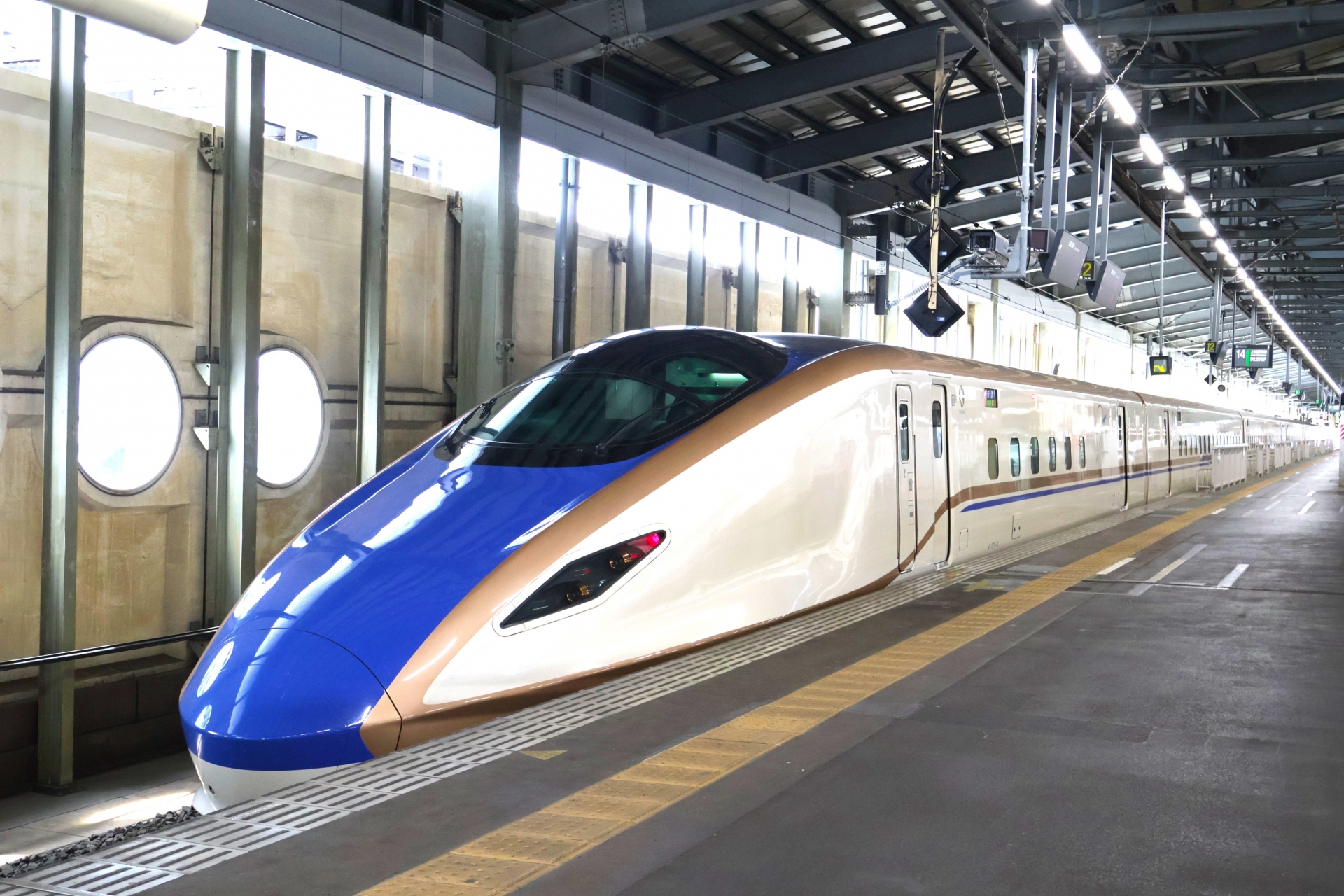
Traveling Hokkaido in winter is significantly easier with the JR Pass, which covers everything from airport access to long cross-island routes. Two types of passes are most relevant: the Nationwide JR Pass and the JR Hokkaido Regional Pass, each offering flexibility based on your itinerary length.
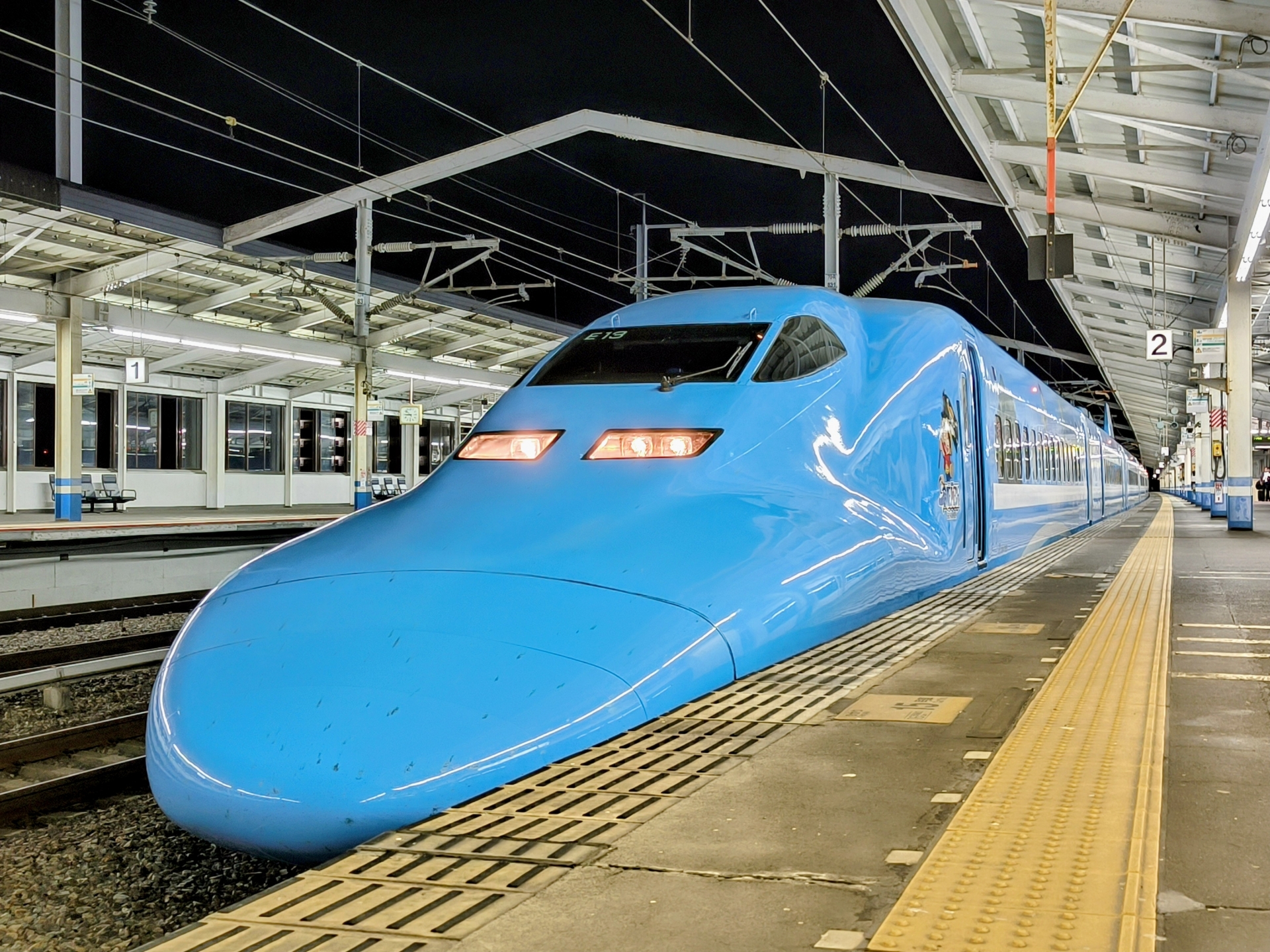
Winter driving in Hokkaido can be hazardous due to icy roads, blizzards, and whiteout conditions. Trains, by contrast, remain reliable and comfortable even during heavy snowfall, making them the safest and most stress-free option.
JR Pass Value Comparison (Typical Winter Routes)
| Route | Individual Ticket (Approx.) | JR Pass Coverage |
| Sapporo → Otaru → Sapporo | Low | ✔ Yes |
| Sapporo → Asahikawa | Medium | ✔ Yes |
| Sapporo → Noboribetsu | Medium | ✔ Yes |
| Sapporo → Abashiri | High | ✔ Yes |
Seat reservations are recommended in winter, especially on long-distance trains. Luggage areas are available, though travelers should allow extra time during peak festival weeks.
Must-Do Winter Activities in Hokkaido
Hokkaido’s winter is packed with one-of-a-kind activities that appeal to a wide range of travelers. Here are the essential experiences to include:
Snow Festivals
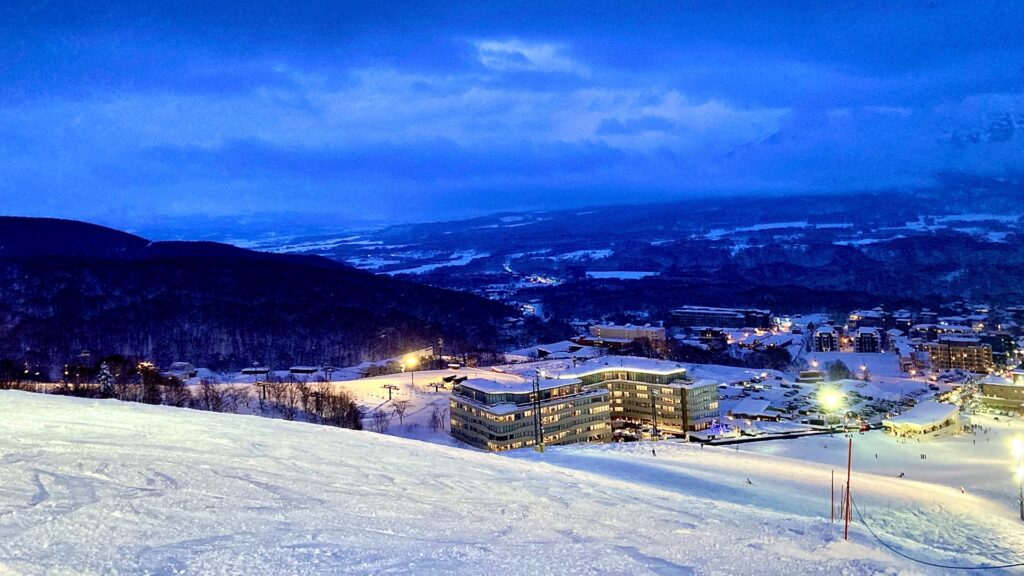
Hokkaido hosts several winter festivals, the most famous being the Sapporo Snow Festival, featuring massive snow and ice sculptures across Odori Park and Susukino. The Otaru Snow Light Path adds a softer, candlelit ambiance ideal for evening strolls.
Skiing & Snow Activities
Niseko, Kiroro, and Furano are globally renowned for deep, dry powder snow. Non-skiers can enjoy snowshoeing, snowmobiling, or sledding in various resorts and national parks.
Wildlife & Drift Ice
Experience the Penguin Parade at Asahiyama Zoo or join drift-ice cruises in Abashiri. In eastern Hokkaido, wildlife sightings often include eagles, foxes, and spotted seals.
Onsen Experiences
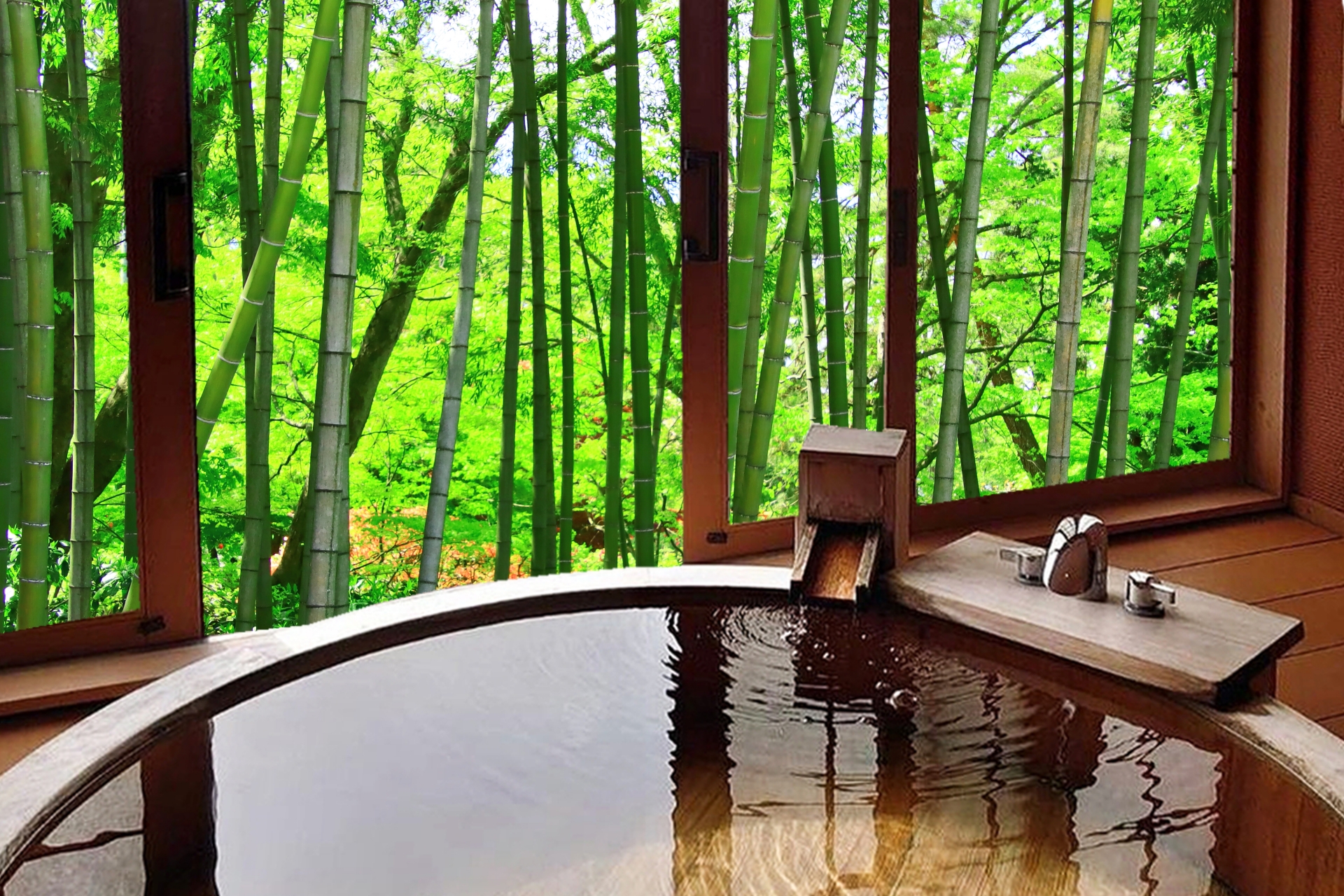
From volcanic Noboribetsu to lakeside Toyako and forested Jozankei, Hokkaido offers countless hot springs. Outdoor baths surrounded by snow create a quintessential Japanese winter moment.
Winter Food
Don’t miss specialties like hairy crab, salmon roe, hot pot dishes, soup curry, and local ramen varieties. Winter yields the richest seafood and most satisfying warm dishes.
Practical Travel Tips for a Winter Trip in Hokkaido
Best Travel Months (Dec–Mar)
Peak winter conditions appear from January through early March, ideal for skiing, drift ice, and festivals. December offers lighter crowds and festive illuminations.
Clothing & Gear Checklist
- Thermal base layers
- Waterproof jacket & pants
- Insulated boots with good grip
- Gloves, scarf, hat
- Hand warmers
- Anti-slip ice cleats (helpful for city walking)
Weather Considerations
Snowstorms can occur, especially in coastal and inland regions. Trains generally run on time, but allow buffer time for long transfers.
Transportation Tips
JR trains are the safest and most efficient way to travel in winter. Local buses connect ski resorts to JR stations, and express trains link major hubs like Sapporo, Asahikawa, and Abashiri.
Onsen Etiquette
Wash thoroughly before entering shared baths, avoid bringing towels into the water, and tie up long hair. Tattoos may require using private baths depending on facilities.
Average Winter Temperatures
| Region | Average High | Average Low |
| Sapporo | –1°C (30°F) | –8°C (17°F) |
| Niseko | –3°C (27°F) | –10°C (14°F) |
| Abashiri / Shiretoko | –5°C (23°F) | –12°C (10°F) |
Conclusion: Making the Most of Your Magical Winter Journey
Winter in Hokkaido offers remarkable diversity—from illuminated cities and cultural festivals to powder-snow ski resorts, volcanic hot springs, and frozen seas filled with drifting ice. Traveling with the JR Pass ensures your journey remains smooth, reliable, and economical, even during the coldest months. Whether you prioritize skiing, wildlife encounters, onsen relaxation, scenic photography, or indulgent winter cuisine, this 5–7 day itinerary provides the perfect framework. Travelers are encouraged to tailor each day to match their interests and travel pace, making their winter adventure in Japan’s northern frontier truly unforgettable.