Japan offers an incredible mix of ancient temples, futuristic skylines, pristine nature, and world-class cuisine. But planning a 10-day trip—especially for your very first visit—can feel overwhelming. This guide provides several curated itineraries tailored to different travel styles, from the essential Tokyo–Kyoto route to deeper cultural, rural, and nature-focused alternatives. Each plan includes realistic pacing, transport tips, seasonal insights, and practical travel advice so you can explore Japan with confidence.


Classic 10-Day Japan Itinerary (Tokyo → Kyoto → Osaka)
This is the most popular route for first-time visitors, offering a perfect balance of tradition, modern highlights, and iconic foods. Transfers are easy, the sightseeing flow feels natural, and you’ll cover Japan’s three most important cities.
Tokyo (Days 1–4)
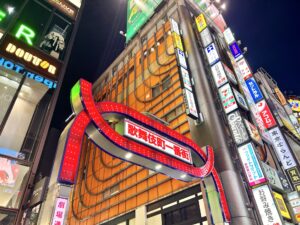
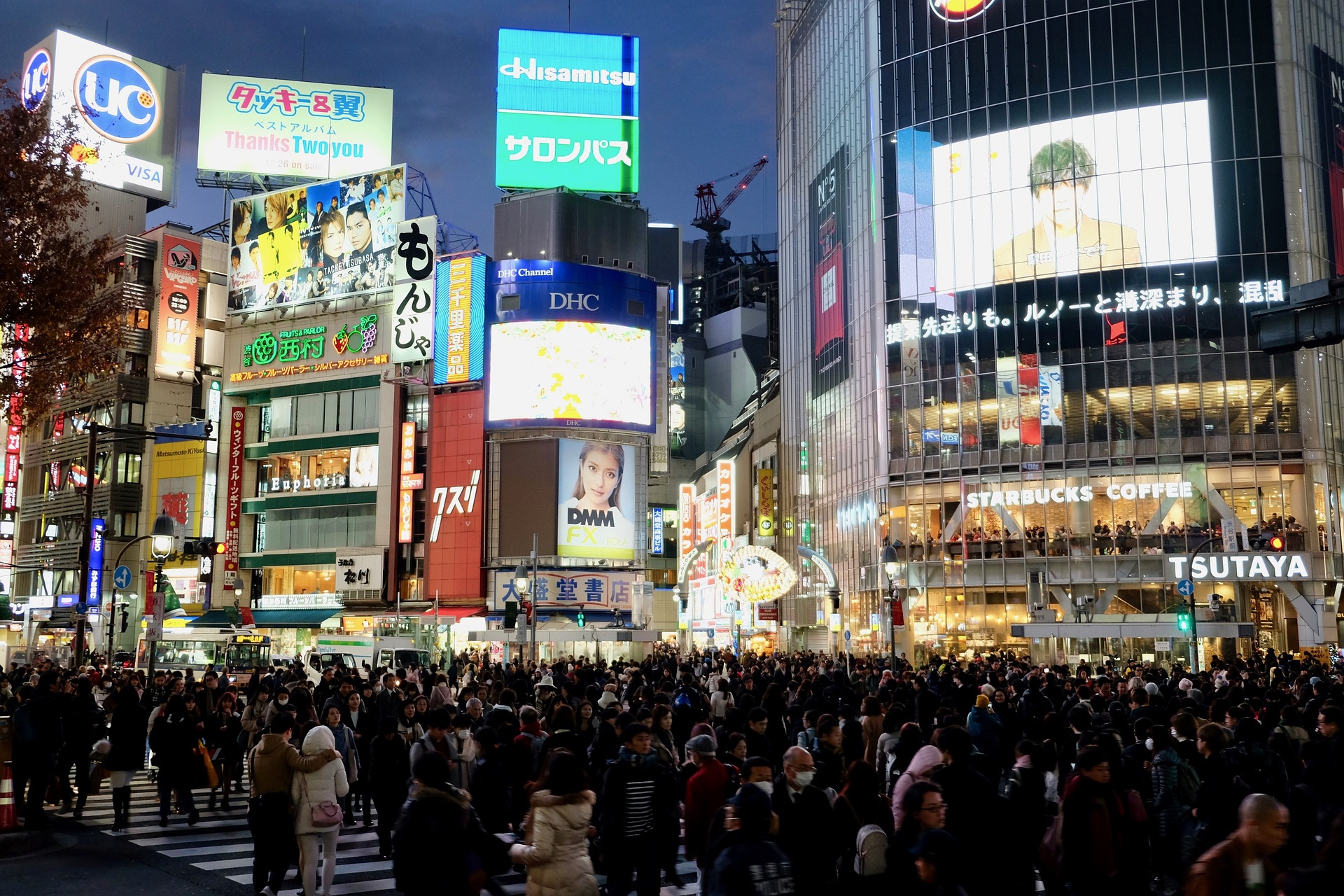
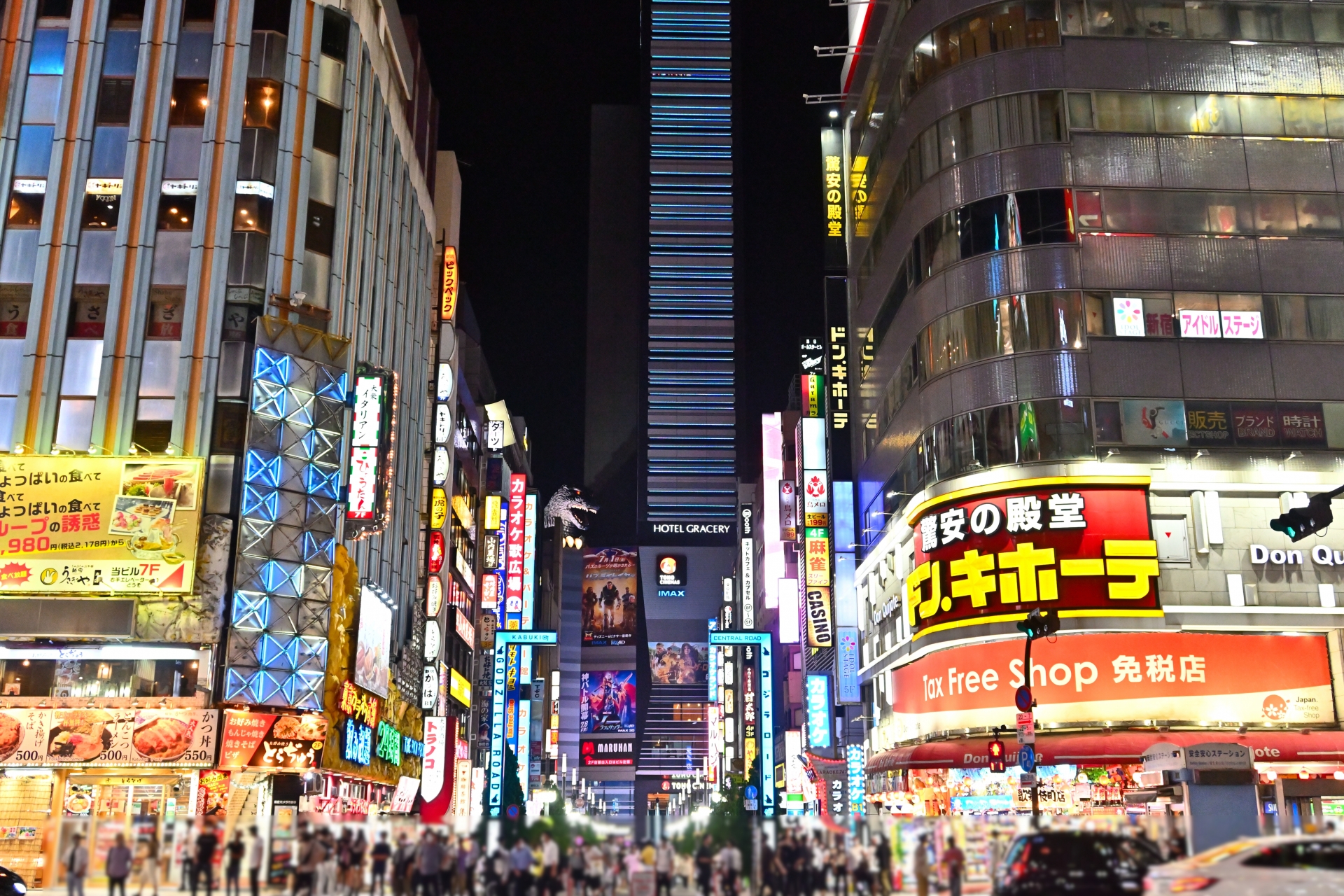
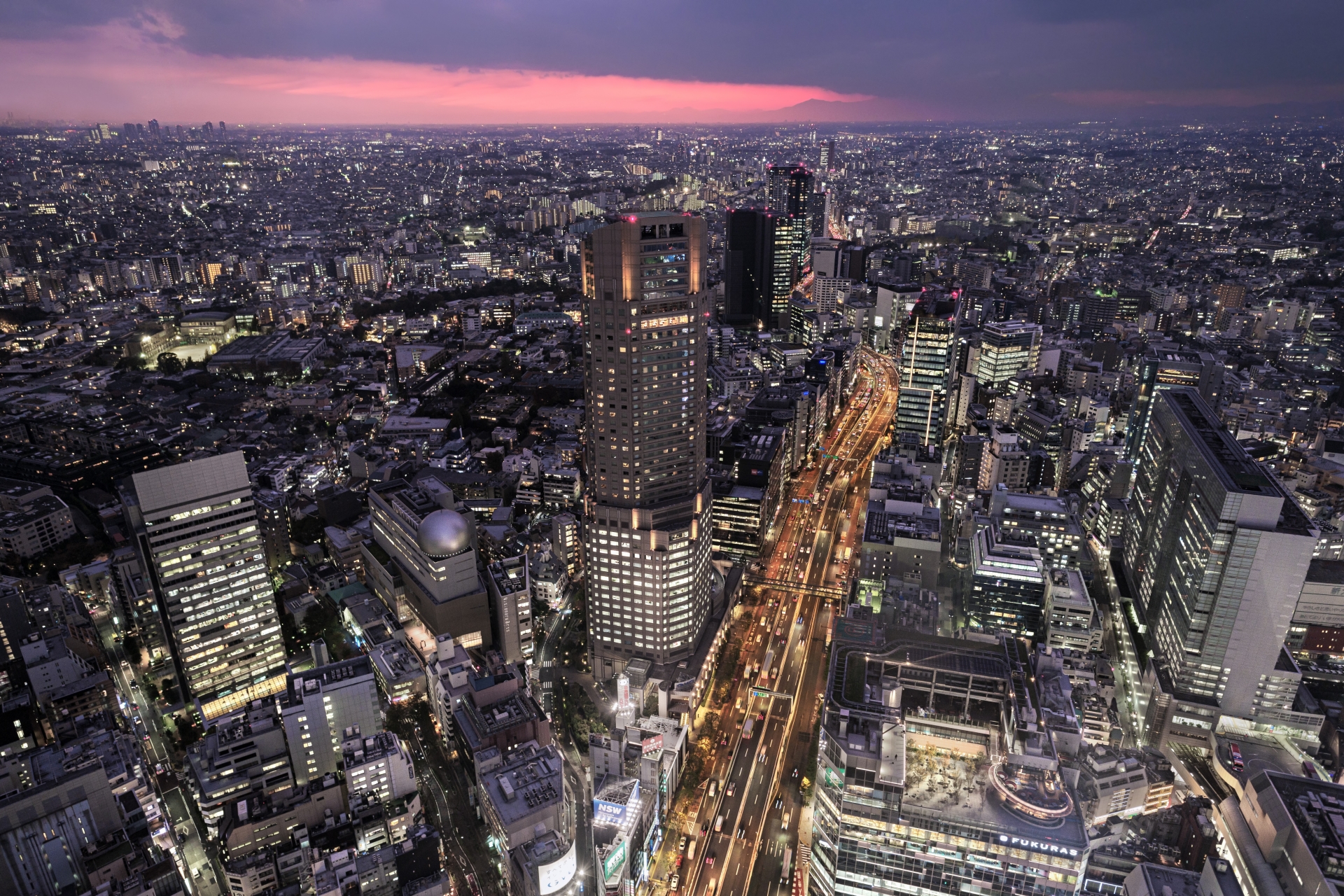
Start with Shibuya and Shinjuku for a lively introduction to the city. Visit Senso-ji Temple in Asakusa and take in sweeping views from Tokyo Skytree. Meiji Shrine and Harajuku blend nature with youth culture. Day 4 can be used for Tokyo neighborhood-hopping or a relaxed day trip to Kamakura or Yokohama. Stay near Shinjuku or Tokyo Station for the best connectivity.
Kyoto (Days 5–8)
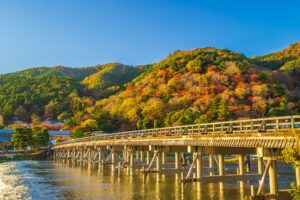
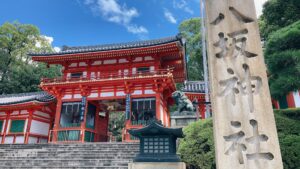
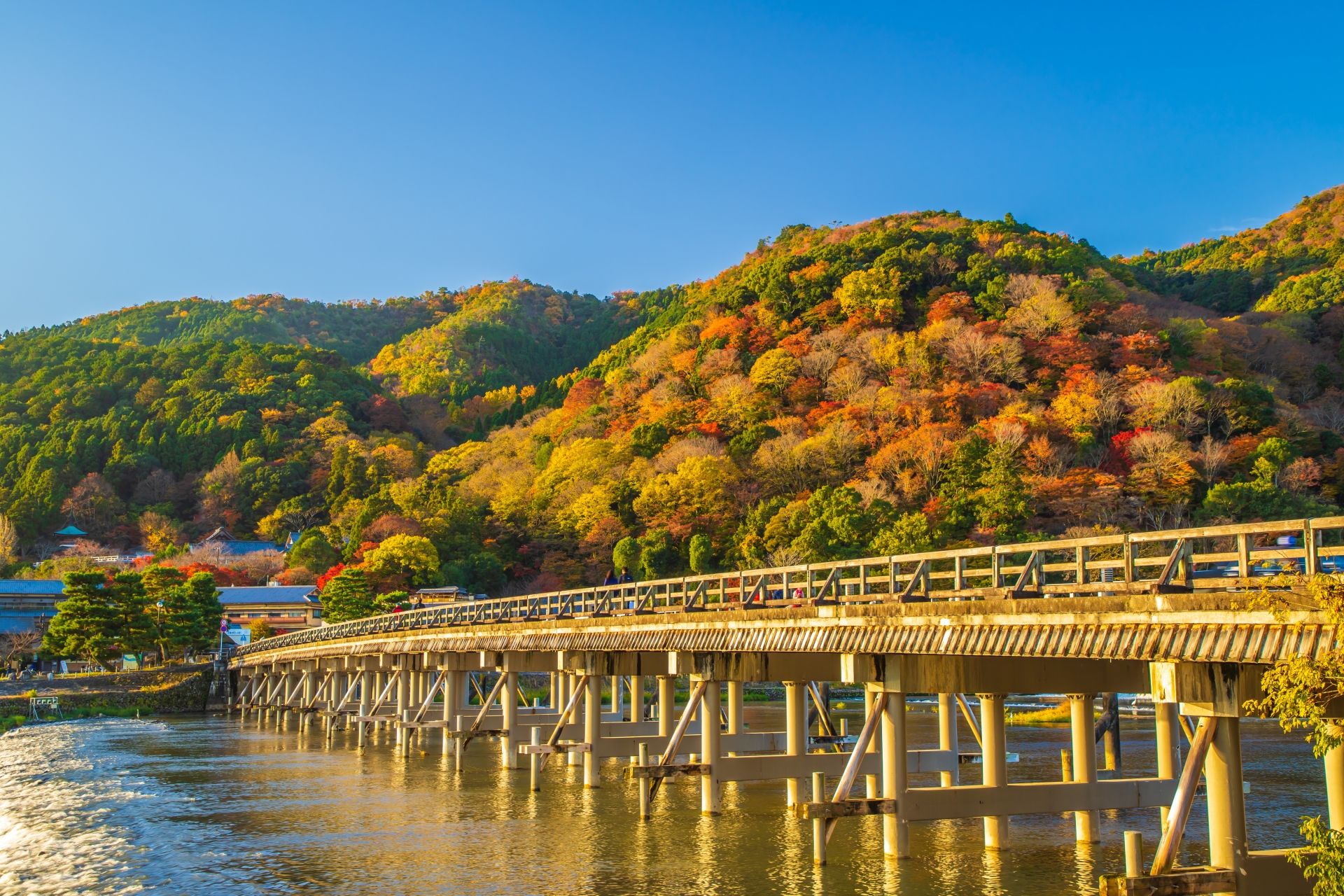
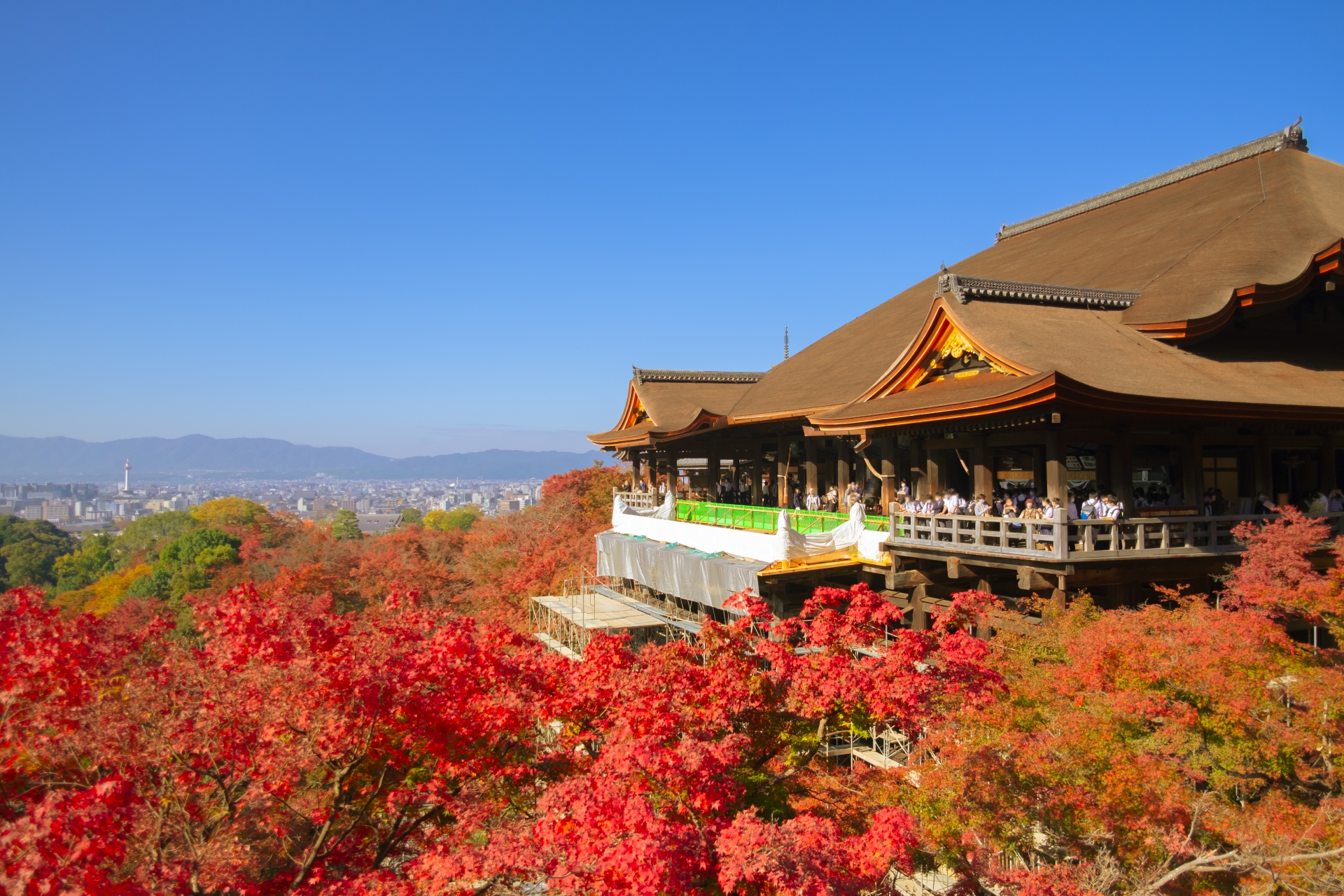
Take the Shinkansen (approx. 2.5 hours). Explore Kiyomizu-dera and walk the preserved streets of Higashiyama before visiting Gion’s lantern-lit alleys in the evening. Spend time in the Arashiyama Bamboo Grove and hike through the torii-lined paths at Fushimi Inari. On Day 8, visit Nara’s giant Buddha or enjoy a tea ceremony. Kyoto Station and Higashiyama are ideal accommodation areas.
Osaka (Days 9–10)
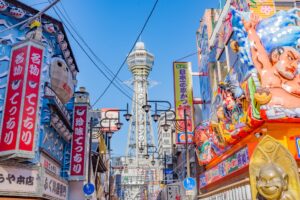
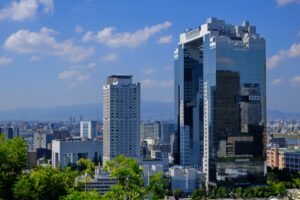
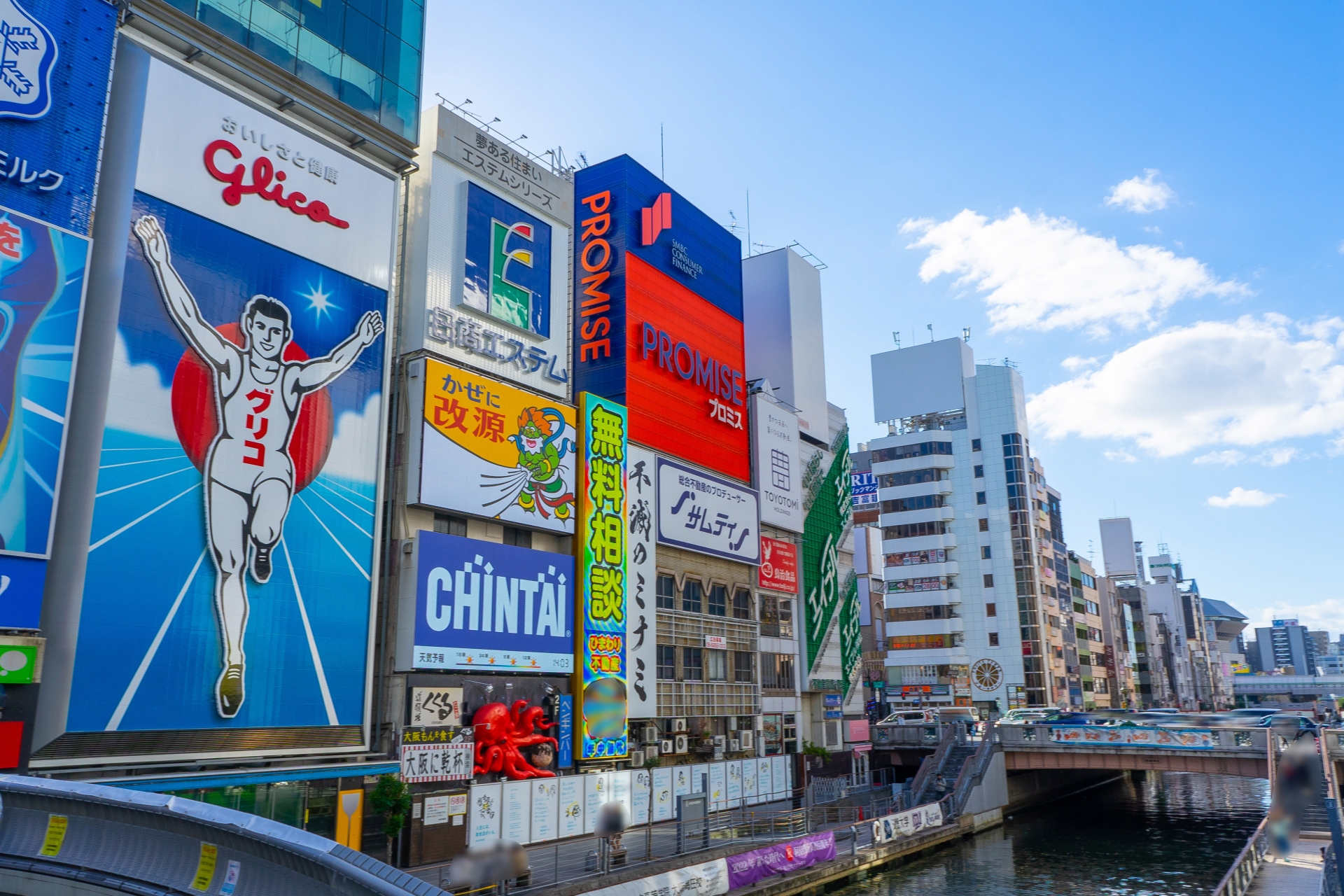
Just 15–30 minutes from Kyoto by rail, Osaka is perfect for a relaxed finish. Visit Osaka Castle, then enjoy neon-lit Dotonbori and its famous street foods. Spend your final morning shopping in Umeda or Namba before flying out of Kansai International Airport.
Quick Summary Table
| Day | City | Highlights |
| 1–4 | Tokyo | Shibuya, Asakusa, Meiji Shrine, Harajuku |
| 5–8 | Kyoto | Kiyomizu-dera, Arashiyama, Fushimi Inari |
| 9–10 | Osaka | Osaka Castle, Dotonbori |
Extended Golden Route (Tokyo → Hakone → Kyoto → Hiroshima → Osaka)
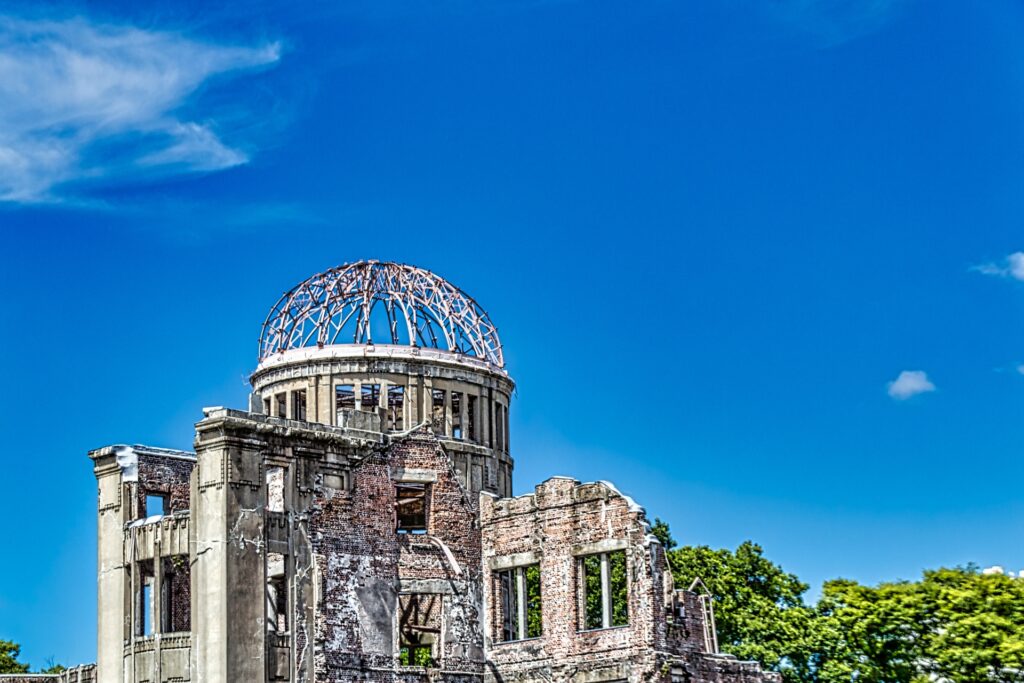
This upgraded version of the classic itinerary brings more emotional depth and visual diversity. It adds hot springs, Mt. Fuji views, and the powerful history of Hiroshima and Miyajima—all without making the schedule feel rushed.
Tokyo (Days 1–3)
Focus on must-see districts such as Asakusa, Shibuya, and Meiji Shrine. A compact 3-day introduction keeps the pace comfortable.
Hakone (Day 4)
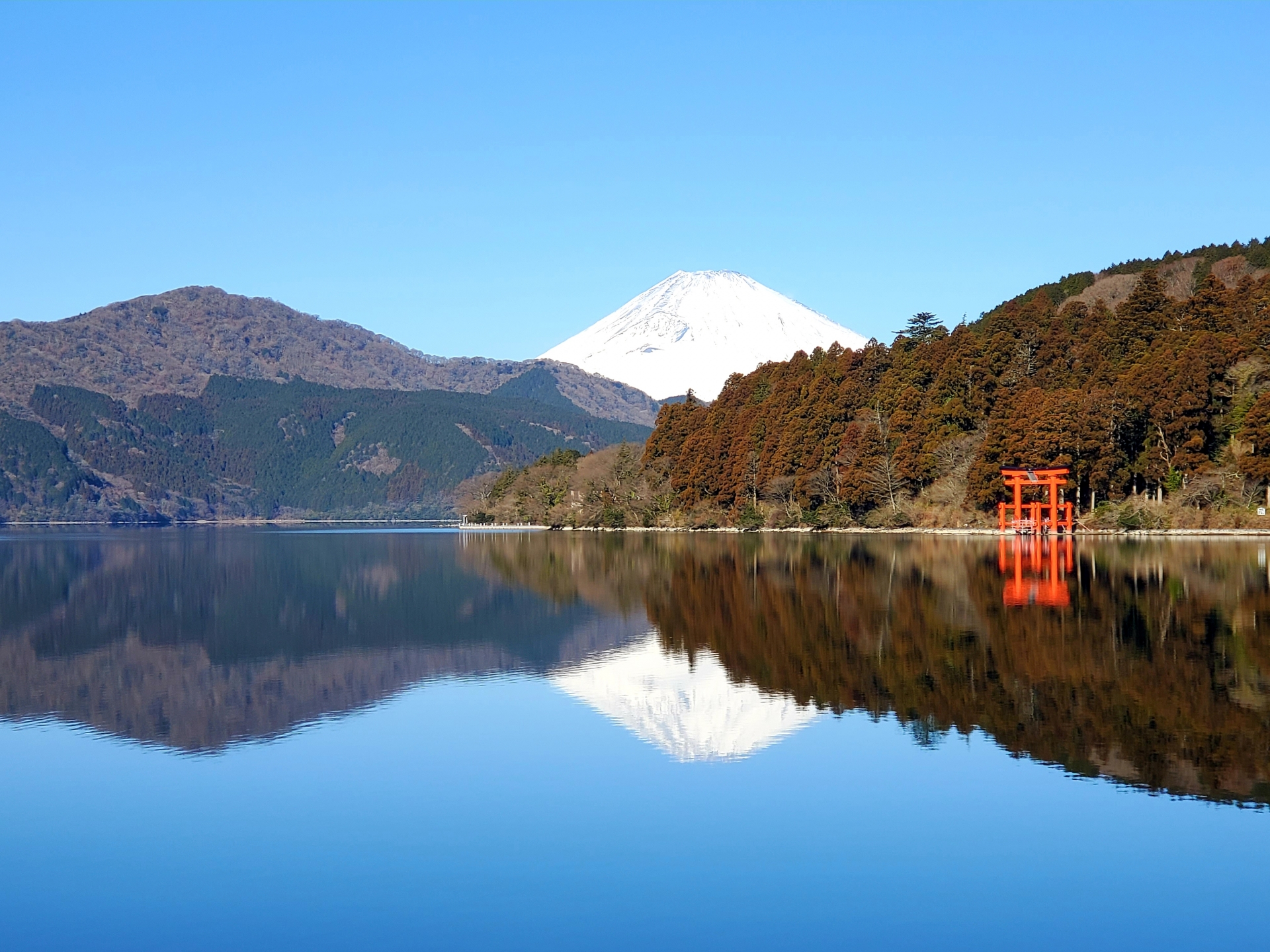
A 1.5–2 hour trip from Tokyo brings you to Hakone’s lakes, ropeways, and volcanic landscapes. Enjoy Lake Ashi cruises, Owakudani’s sulfur vents, and a relaxing onsen ryokan stay. The Hakone Free Pass simplifies transport.
Kyoto (Days 5–7)
Follow Kyoto’s must-sees from the Classic Route: Higashiyama, Arashiyama, Fushimi Inari, and Nara as an optional half-day trip.
Hiroshima & Miyajima (Day 8)
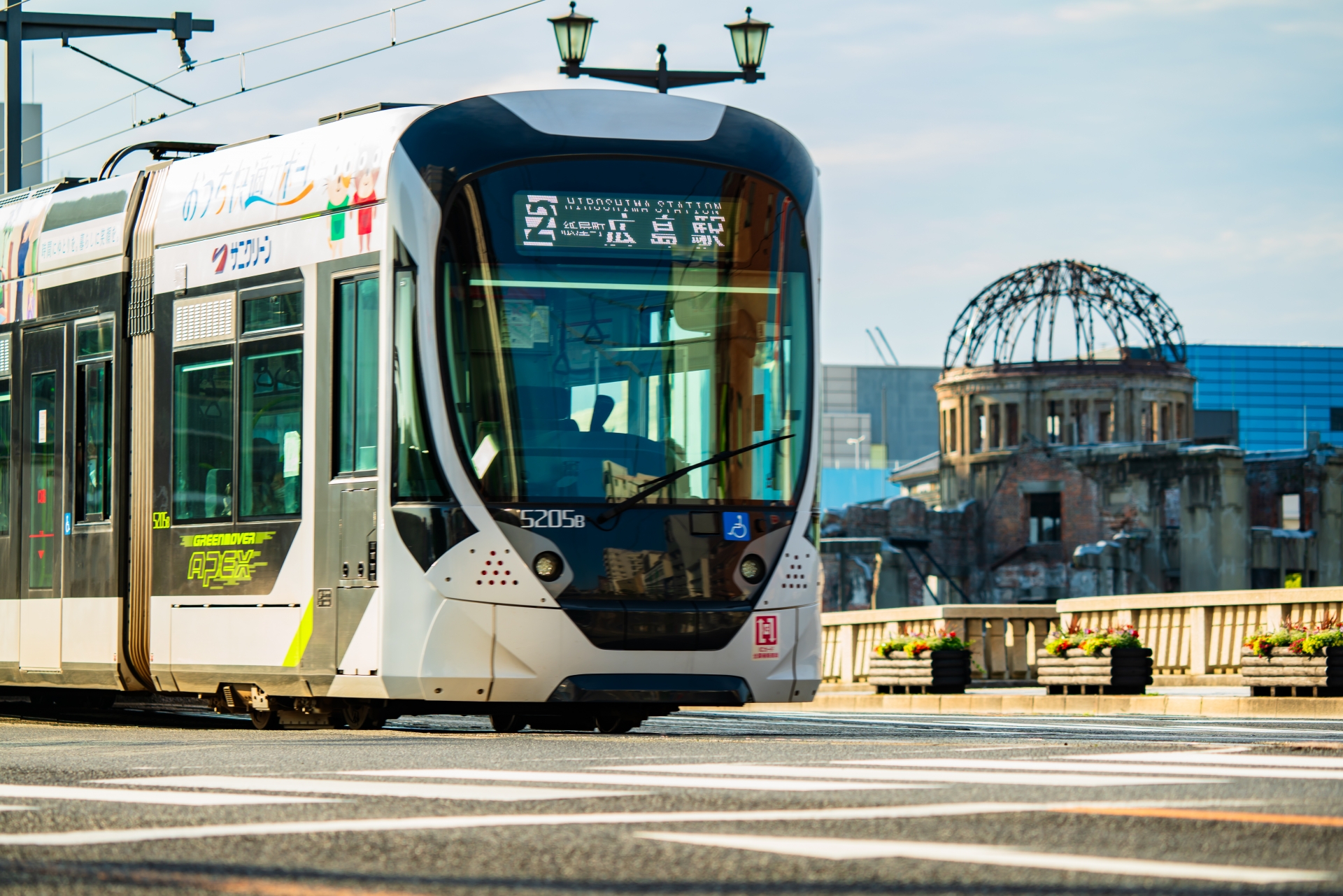
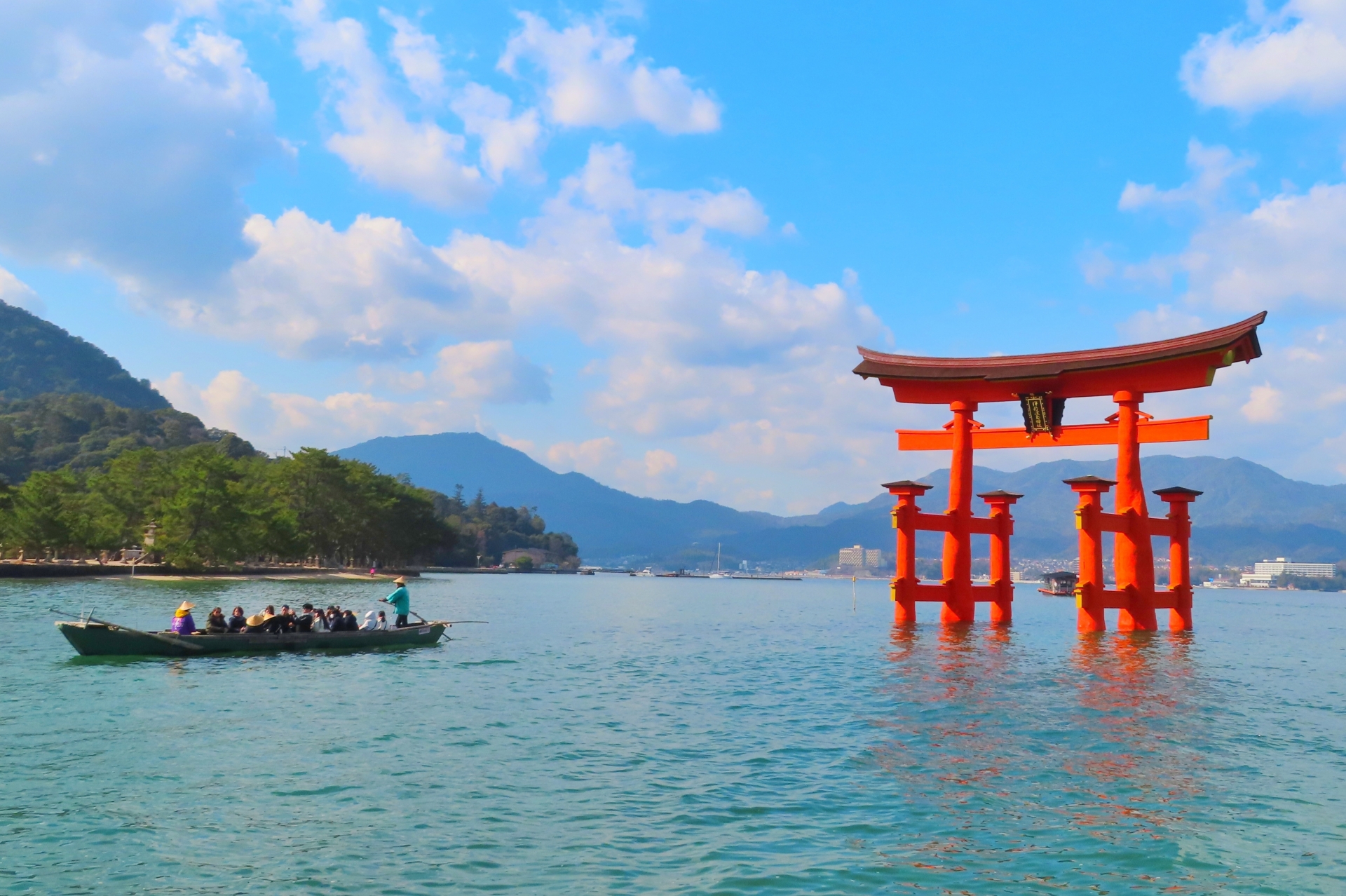
Take the Shinkansen (1.5–2 hours). Hiroshima Peace Memorial Park and its museum offer essential historical context. Ferry to Miyajima to see the iconic floating torii and enjoy peaceful forest walks. Many travelers consider this the emotional highlight of their trip.
Osaka (Days 9–10)
Return to city comforts, great food, and vibrant nightlife before departure.
Travel Time Comparison Table
| Segment | Duration |
| Tokyo → Hakone | 1.5–2 hrs |
| Hakone → Kyoto | ~2 hrs |
| Kyoto → Hiroshima | 1.5–2 hrs |
| Hiroshima → Osaka | ~1.5 hrs |
JR Pass Tips
A 7-day JR Pass is usually enough—activate it when you leave Tokyo. Combine it with luggage-forwarding (Takkyubin) to keep travel days light and stress-free.
Cultural & Countryside Route (Tokyo → Takayama → Shirakawa-go → Kyoto → Osaka)
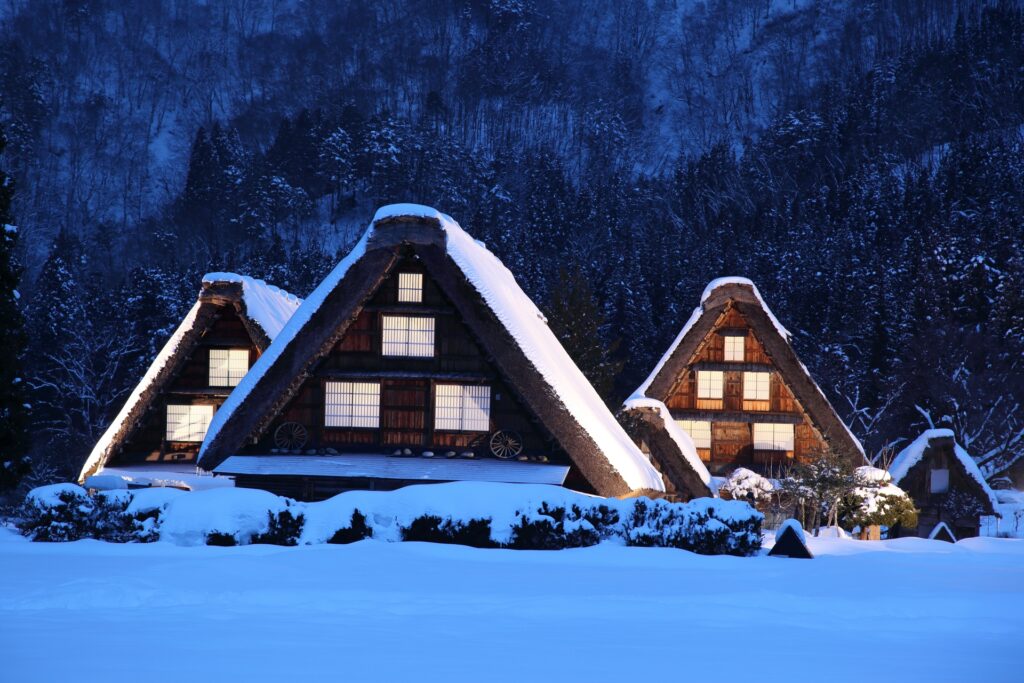
This itinerary blends urban energy with rural charm, perfect for travelers who love tradition, slower-paced towns, and mountain scenery.
Tokyo (Days 1–3)
See major highlights before heading into the Japanese Alps.
Takayama (Days 4–5)
Reachable by limited express, Takayama features beautifully preserved streets, morning markets, and atmospheric sake breweries. The town is especially atmospheric in autumn and magical under winter snow.
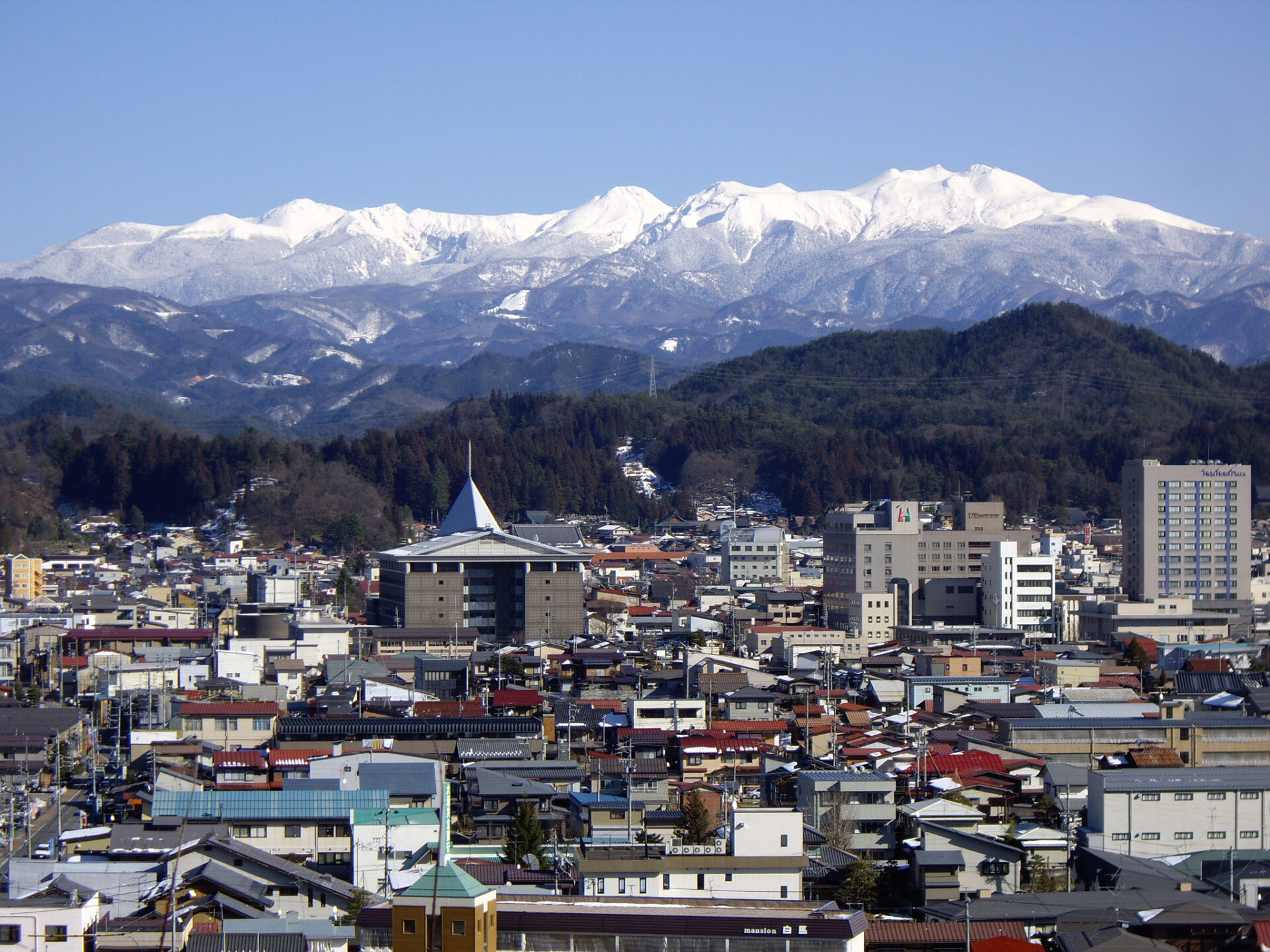
Shirakawa-go (Day 6)
A short bus ride from Takayama takes you to gassho-zukuri farmhouses, a UNESCO World Heritage Site. Explore on a day trip or stay overnight in a traditional thatched-roof home for a culturally rich experience.

Kyoto (Days 7–8) & Osaka (Days 9–10)
Transition back to urban culture with iconic temples, shrines, food districts, and nightlife.
Cultural Comparison Chart
| City | Vibe | Highlights |
| Tokyo | Modern | Tech, fashion, nightlife |
| Takayama | Rural | Old town, sake breweries, mountains |
| Kyoto | Historical | Temples, shrines, crafts |
| Osaka | Culinary | Street food, nightlife |
Nature & World Heritage Route (Tokyo → Nikko → Hakone → Kyoto → Osaka)
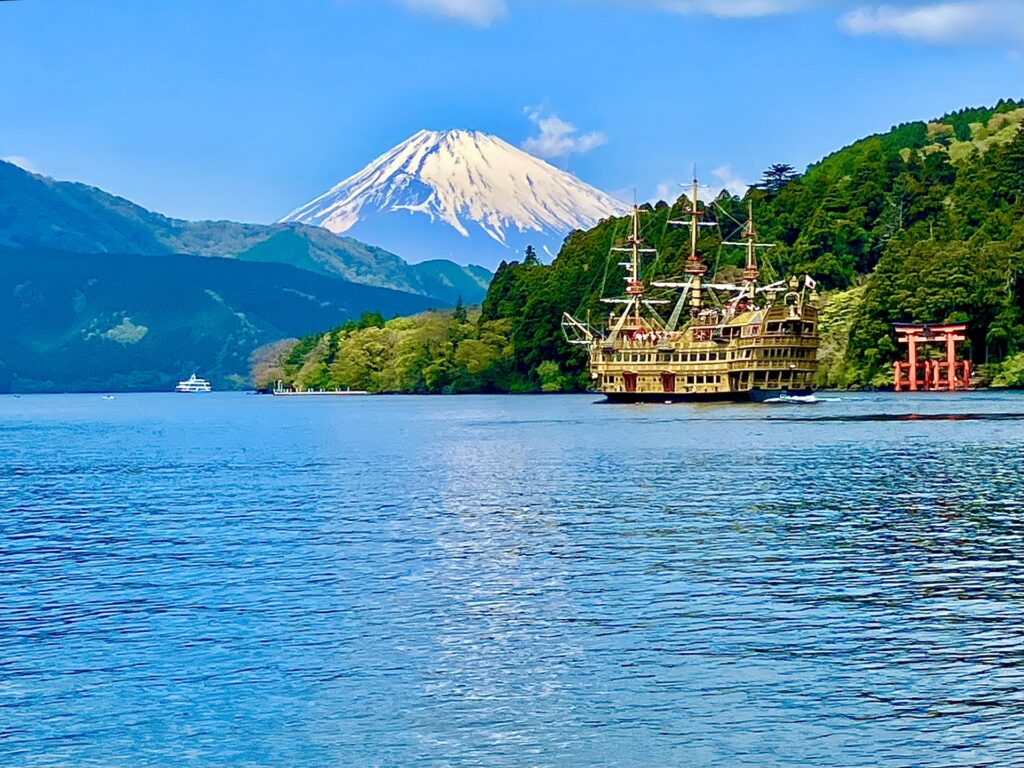
This itinerary is ideal for nature lovers who want shrines, waterfalls, mountains, and onsen—without long-distance travel.
Tokyo (Days 1–2)
Cover major attractions quickly before venturing north.
Nikko (Days 3–4)
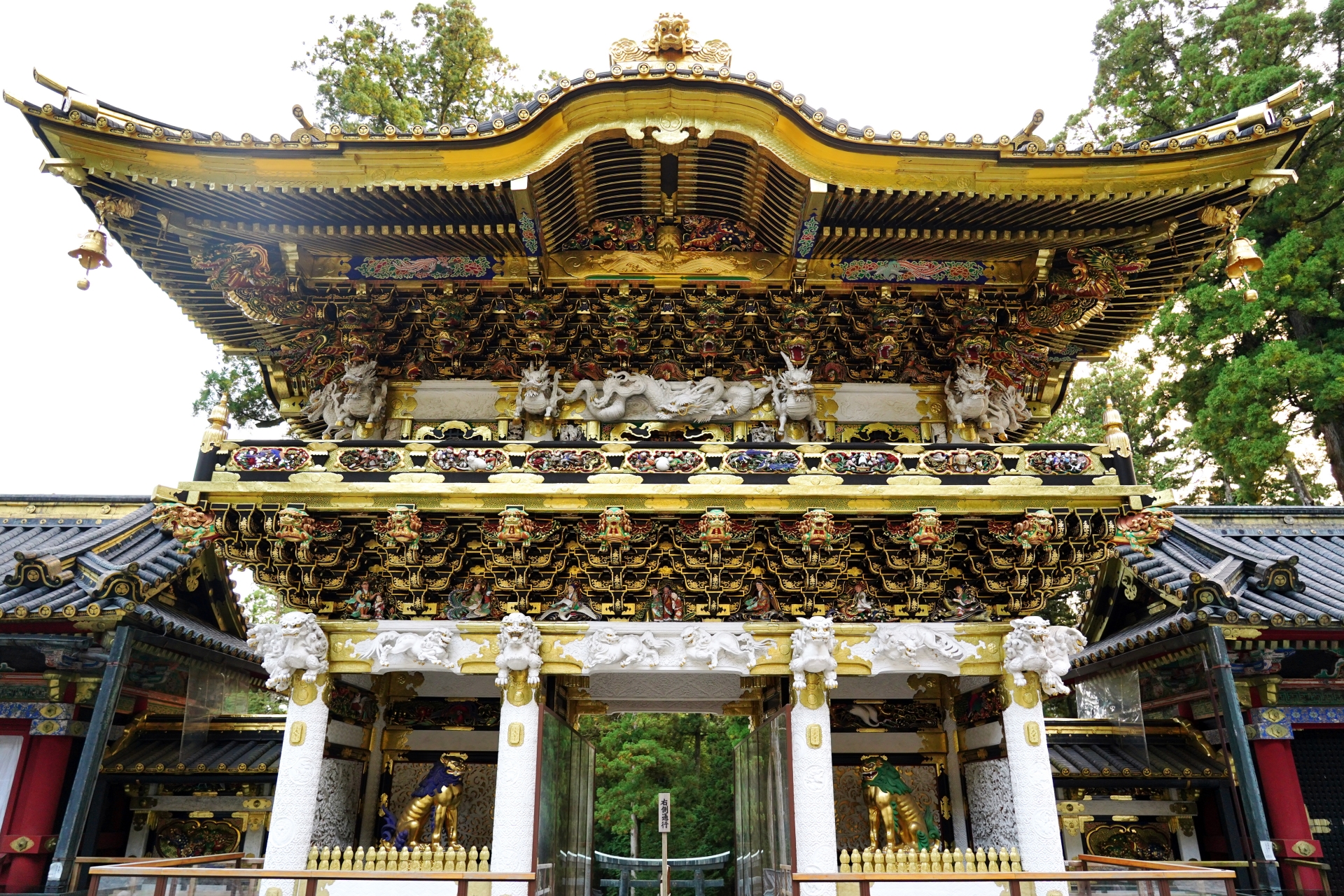
Just 2 hours from Tokyo, Nikko offers Toshogu Shrine, Lake Chuzenji, and Kegon Falls. Autumn is breathtaking, while spring is peaceful and mild.
Hakone (Day 5)
Enjoy hot springs, museums, lake views, and potential Mt. Fuji sightings.
Kyoto (Days 6–8) & Osaka (Days 9–10)
Finish with Kyoto’s temples and Osaka’s famous food culture.
Transport Notes
Use Tobu Railway for Nikko, the Hakone Free Pass for Hakone, and the Shinkansen between major cities.
Practical Travel Tips for a 10-Day Trip in Japan
Japan is exceptionally traveler-friendly, but small preparations make a big difference.
- Connectivity: eSIM or pocket Wi-Fi ensures reliable data.
- Payments: Japan is increasingly cashless, but keep some yen for small shops.
- IC Cards: Suica/PASMO simplify metro and bus travel.
- Luggage: Takkyubin delivery helps avoid carrying bags on busy trains.
- Etiquette: Be quiet on trains, remove shoes when required, and follow onsen rules.
- Budget estimates:
- Backpacker: $70–120/day
- Mid-range: $150–250/day
- Comfortable: $250–400/day
- Backpacker: $70–120/day
Before You Fly — Quick Checklist
- Passport valid 6+ months
- eSIM / Pocket Wi-Fi
- JR Pass (if needed)
- Hotel confirmations
- IC card
- Yen cash
- Travel insurance
- Type-A adapter
- Comfortable shoes
- Saved or printed itinerary
JR Pass Guide for First-Time Visitors
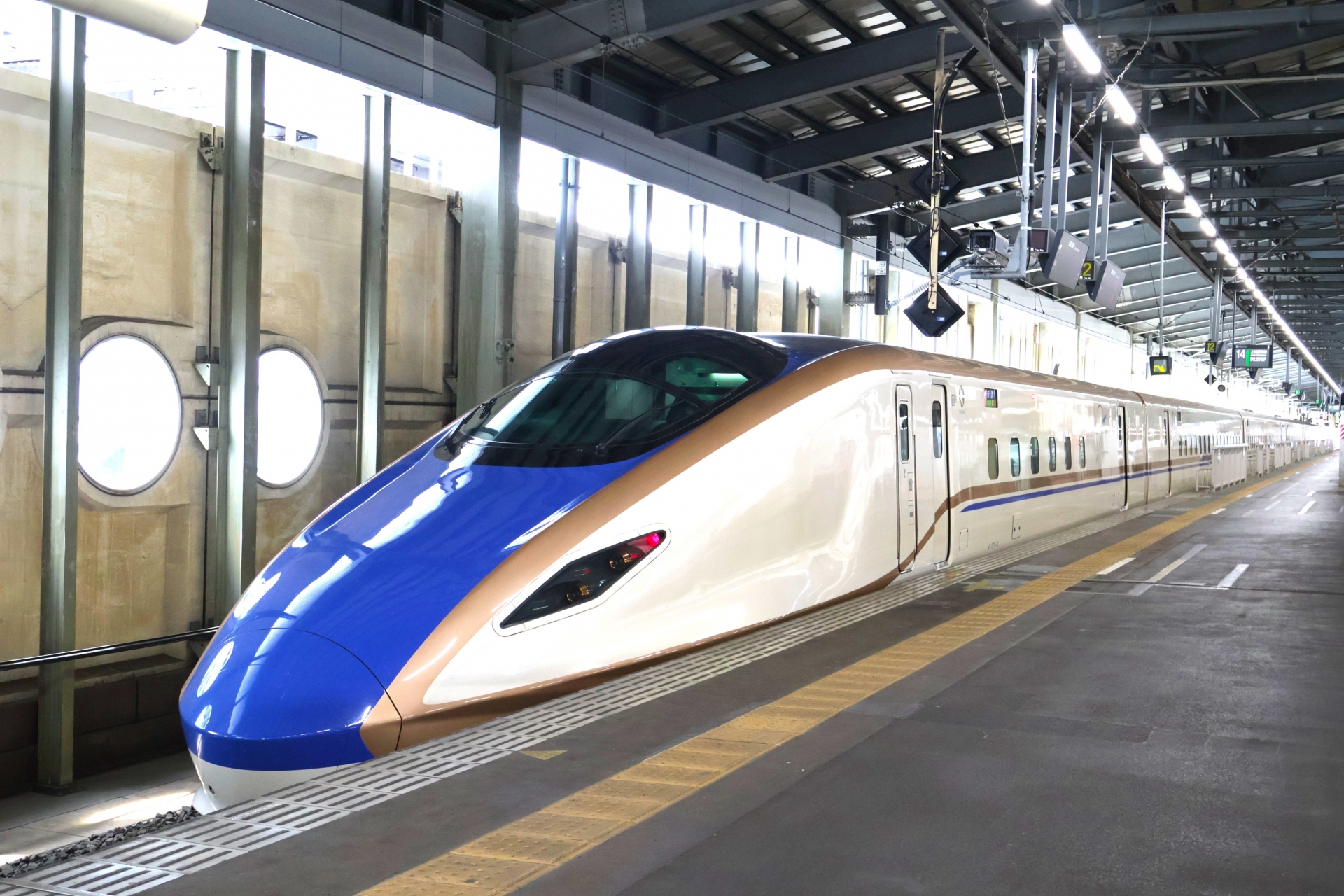
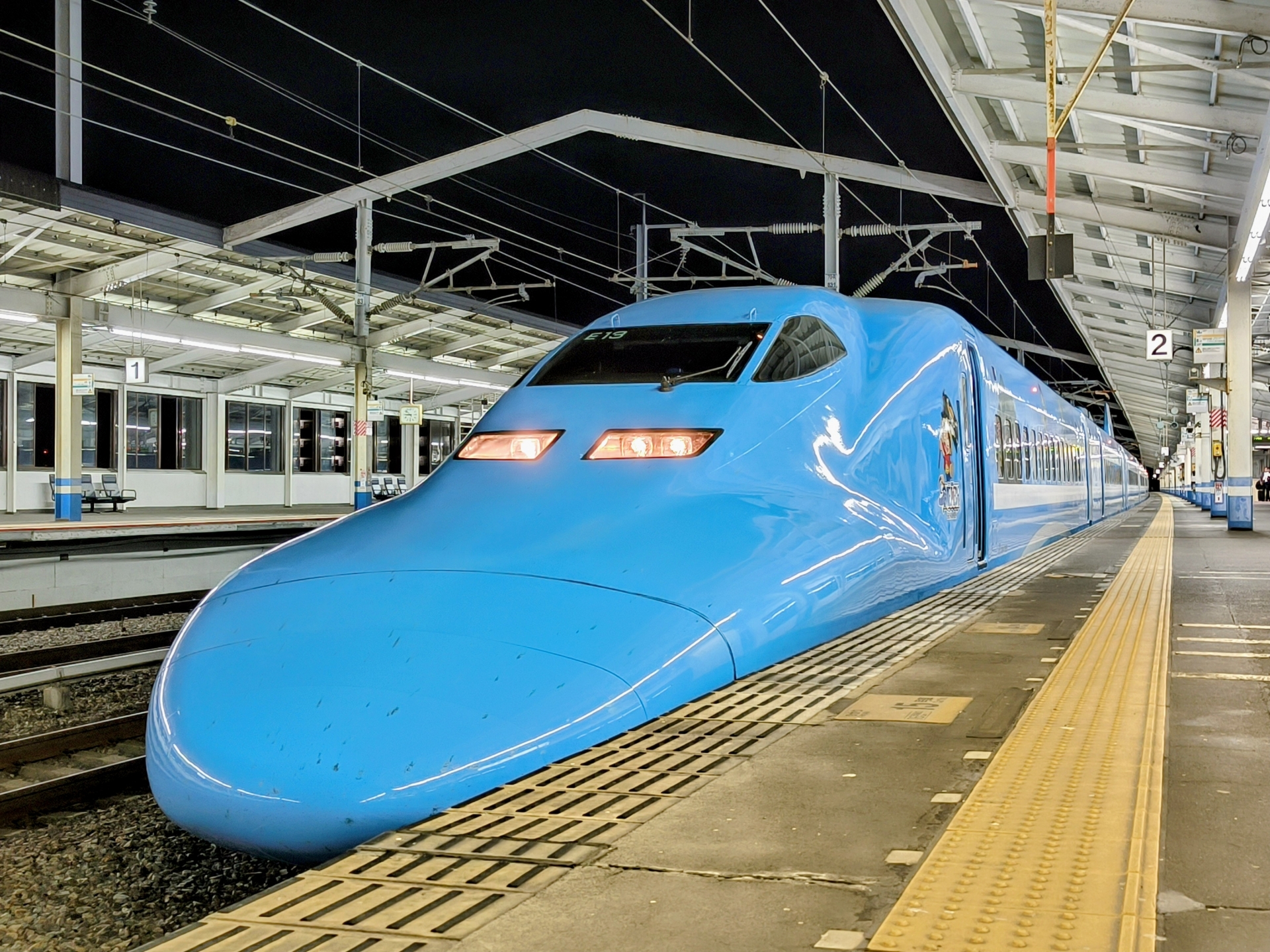
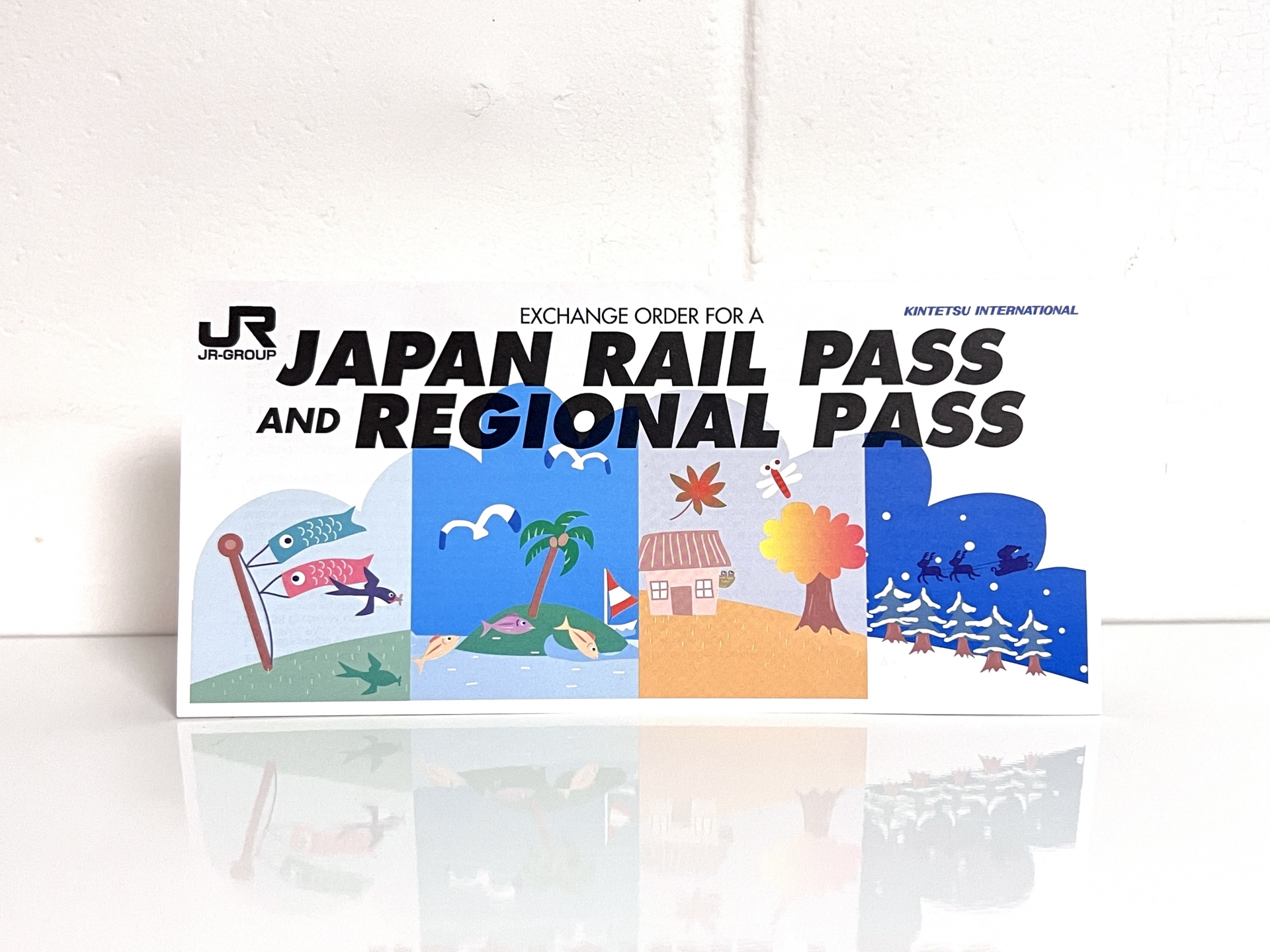
The Japan Rail Pass provides unlimited rides on JR trains, including most Shinkansen (except Nozomi/Mizuho), JR local lines, some buses, and the JR ferry to Miyajima. It’s especially valuable for long-distance itineraries like the Extended Golden Route.
- Best value: Activate the 7-day pass on the day you leave Tokyo.
- Important: Compare the pass cost with individual ticket prices, as fares have increased.
- Tip: Use luggage-forwarding for stress-free travel days.
Seasonal & Theme-Based Modifications
Japan’s seasons dramatically shape the travel experience. Spring fills cities with cherry blossoms, transforming everyday landscapes into pink tunnels. Summer bursts with festivals and fireworks. Autumn brings brilliant foliage across Kyoto, Nikko, and Takayama. Winter turns Shirakawa-go and mountain regions into serene snowy worlds—perfect for onsen visits.
- Spring: Cherry blossoms in Tokyo & Kyoto
- Summer: Fireworks festivals; hiking in Nikko & Hakone
- Autumn: Peak foliage in Kyoto, Nikko, Takayama
- Winter: Snowy Takayama & Shirakawa-go; best onsen season
For families, tweaking the schedule by season helps. In summer, indoor sites like Osaka Aquarium or the Kyoto Railway Museum keep kids cool. In winter, staying near major stations minimizes cold-weather walking.
Best Season for Each Route
| Route | Best Season |
| Classic | Spring / Autumn |
| Extended (Hiroshima) | Year-round |
| Takayama Route | Autumn / Winter |
| Nikko Route | Spring / Autumn |
Final Thoughts: How to Choose the Best 10-Day Japan Itinerary
Each itinerary has its strengths, so start by identifying your priorities. The Classic Route is simple and iconic, ideal for first-time visitors wanting an easy yet fulfilling trip. The Extended Golden Route adds history and natural beauty through Hiroshima, Miyajima, and Hakone. The Takayama route is perfect for those who love traditional towns and countryside charm. The Nikko route suits travelers who want nature without long travel times.
If you need a quick decision:
- Prefer culture + history → Extended Golden Route
- Prefer nature → Nikko Route or Takayama Route
- Prefer the easiest, most straightforward option → Classic Route
Choose the route that matches your pace, interests, and season. With the right itinerary, your first 10-day journey in Japan will be an unforgettable experience.